How Little Combing an American Shorthair Actually Needs
Many cat owners envision a complex grooming routine when they think of pedigreed cats, picturing elaborate brushing sessions, frequent baths, and endless deshedding tools. If you've brought an American Shorthair into your home with this expectation, you might be pleasantly surprised to discover just how little intensive combing these practical, self-sufficient felines actually require. This guide will delve into why your American Shorthair is such a low-maintenance marvel when it comes to their coat, what minimal care they do need, and how to approach it without overdoing things.
The American Shorthair's Working Coat: A Marvel of Low Maintenance
The story of the American Shorthair's coat isn't one of delicate beauty bred for the show ring, but rather one of rugged practicality. These cats, tracing their lineage back to working felines brought over on ships, developed a coat perfectly suited for the varied climates and demanding "jobs" they had to do. This history explains why their grooming needs are refreshingly straightforward.
Built for Purpose, Not Prettiness
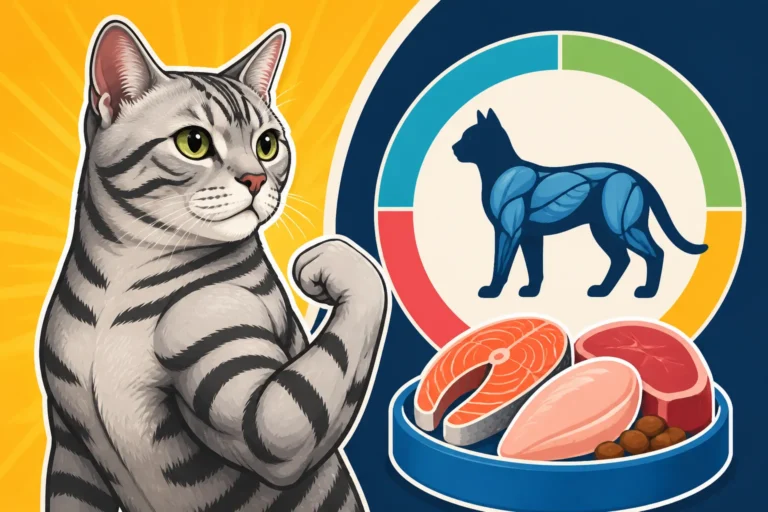
Unlike some long-haired breeds or those with extremely plush, dense undercoats, the American Shorthair's fur is designed for protection and ease of maintenance in a "working" environment. It's a short, dense, even coat that lies close to the body, offering insulation against the cold and a degree of water resistance, without becoming a tangled mess. Think of it as a well-designed, functional jacket, not a ball gown. This means it doesn't easily mat or knot, which is often the primary reason other breeds need daily, intensive brushing. The guard hairs are naturally quite stiff, creating a protective outer layer that helps keep debris out and their skin safe. It's truly a testament to form following function. The American Shorthair's Coat Was Built for Weather, Not a Judge
When these cats were still earning their keep controlling rodent populations in barns and on ships, nobody was there with a brush and detangler. Their survival depended on their ability to stay clean and healthy on their own. This genetic programming for self-sufficiency is still very much present. They don't have the elaborate frills or ultra-fine textures that would demand constant human intervention. Their coat is robust, simple, and incredibly effective at doing its job with minimal fuss.
The Self-Grooming Advantage
One of the greatest gifts the American Shorthair's ancestry bestowed upon them is their innate ability to groom themselves exceptionally well. Their short, firm coat allows their tongue's papillae – those tiny, comb-like barbs – to effectively reach their skin and remove loose hair, dirt, and anything else that might cling to their fur. This natural self-cleaning mechanism is incredibly efficient, often making external combing feel like an optional extra rather than a necessity. Why an American Shorthair Grooms Itself Better Than You Can
You'll often see your American Shorthair meticulously washing themselves, especially after a meal or a period of activity. They take great pride in their cleanliness, and their coat type makes this an easy task for them. This means less work for you and a happier cat who isn't being constantly subjected to what they might perceive as unnecessary interference. For most of the year, their own diligent efforts are more than sufficient to keep their coat in tip-top condition, shiny and free of tangles.
Seasonal Shedding: What to Expect and How to Help (Minimally)
While the American Shorthair is a low-maintenance breed overall, there are definitely times of the year when you'll notice more shedding. It's not a constant battle, but rather a predictable cycle that their working-class ancestors experienced as they adapted to changing seasons. Knowing when these periods occur and having the right tools on hand can make managing the extra fur a breeze, without resorting to daily grooming marathons.
The Twice-Yearly "Blow Out"
Your American Shorthair, even if they live indoors in a temperature-controlled home, still retains a natural instinct to adapt their coat to the seasons. This typically means two main "shedding seasons" a year. In spring, as the weather warms up, they'll shed their thicker winter undercoat to prepare for summer. Then, in the fall, they'll shed their lighter summer coat to make way for the denser, warmer winter fur. These periods are often referred to as a "blow out" because you might be surprised by the sheer volume of fur that comes off. An American Shorthair Sheds Twice a Year and Asks Nothing Else
During these times, you'll undoubtedly notice more fur on your furniture, clothes, and circulating around the house. It's completely normal and healthy. Trying to stop it is like trying to stop the tide. Instead, the goal is simply to help them along, ensuring that loose fur doesn't get ingested during self-grooming, which can lead to hairballs, or build up uncomfortably on their skin. This is when a little extra combing can make a big difference, but it's still far from an every-single-day chore.
Simple Tools for Shedding Season
You don't need a professional grooming kit to manage an American Shorthair's seasonal shedding. In fact, an elaborate array of brushes might just over-stimulate their skin and lead to more shedding or irritation. The key is to use simple, effective tools that get the job done without over-combing. A good quality rubber curry brush or a fine-toothed metal comb, often called a flea comb, are usually all you need.
| Tool Type | Best Use | Frequency (General) | Key Benefit |
|---|---|---|---|
| Rubber Curry Brush | Gentle massage, lifts loose surface hair | 1-2 times a week, daily during shedding | Stimulates circulation, removes loose fur |
| Fine-Toothed Comb | Gets deeper into coat, removes fine loose hair | Weekly, 2-3 times a week during shedding | Good for stubborn loose hairs, checks for fleas |
| Grooming Glove | Bonding, light surface hair removal | As desired | Gentle, feels like petting |
When choosing a comb, look for one that's sturdy and comfortable to hold. You might find a great option on a site like Chewy or Amazon. The goal is to gently work through the coat, not to pull or tug. Remember, their coat is naturally quite hard, so you want a tool that can handle that texture without causing discomfort. Which Comb Suits an American Shorthair's Hard Coat During peak shedding, even a simple wipe-down with a damp cloth can pick up a surprising amount of loose fur.
Understanding Environmental Factors
While genetic predisposition dictates the shedding cycle, environmental factors can also play a role in how much and how often your American Shorthair sheds. Cats kept in homes with consistent artificial heating and cooling might not experience as dramatic a seasonal shift in their coat thickness as an outdoor cat. However, they can sometimes shed more consistently year-round due to the lack of extreme temperature fluctuations.
Stress or changes in diet can also influence coat health and shedding. If you notice unusually excessive shedding outside of the typical spring and fall periods, or if their coat appears dull or patchy, it's always a good idea to consult your vet. Sometimes, underlying health issues can manifest as coat problems. Otherwise, for most healthy American Shorthairs, understanding these seasonal patterns helps you anticipate their needs without becoming obsessed with constant grooming.
The Truth About Combing: Less is Often More
For an American Shorthair, the phrase "less is more" truly applies to their combing routine. Unlike breeds that require daily attention to prevent mats and tangles, your American Shorthair thrives on a minimal approach. It's about supporting their natural grooming, not replacing it entirely.
Your Basic Combing Schedule
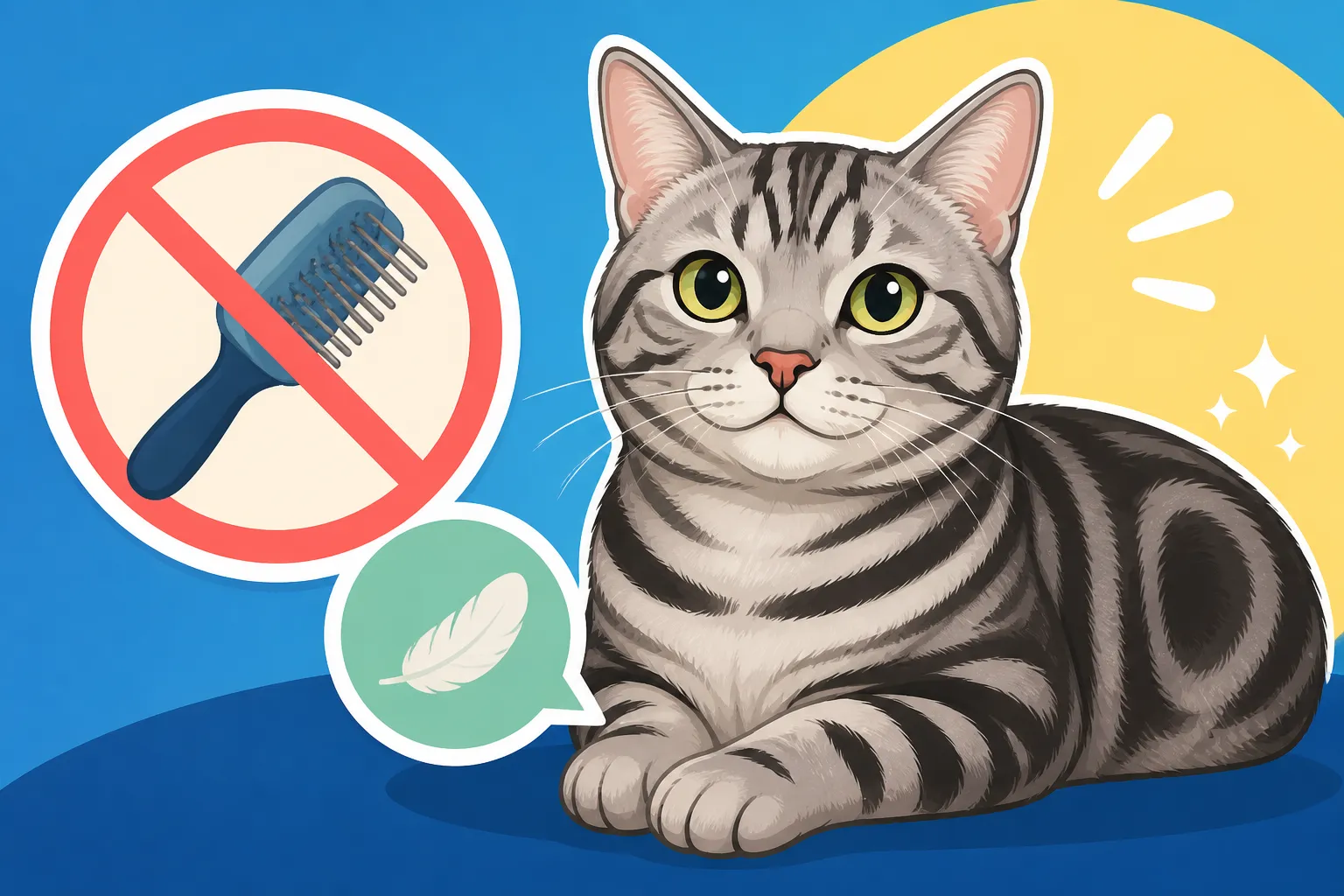
Outside of the intense seasonal shedding periods, a typical American Shorthair really doesn't need much combing at all. For many owners, once a week is perfectly sufficient. Some might find that every two weeks works just fine. The purpose of these sessions isn't to de-tangle (which is rarely an issue for them) but simply to remove any loose hairs that their diligent self-grooming might have missed. This helps to reduce the amount of fur they ingest, potentially minimizing hairballs, and keeps your home a little tidier. How Little Combing an American Shorthair Actually Needs
These weekly sessions can also be a wonderful bonding opportunity. Many American Shorthairs enjoy the gentle attention and the feeling of the comb on their skin, especially if it's introduced positively from a young age. Keep the sessions short, pleasant, and always end on a good note. If your cat seems resistant or uncomfortable, don't force it. A quick pass over their back and sides is often all that's necessary. How Much an American Shorthair Enjoys Being Combed
Technique: Gentle Does It
When you do comb your American Shorthair, the technique is key. Remember, their coat is short and dense, not long and delicate. You're not trying to create a fluffy masterpiece; you're simply trying to dislodge loose hairs.
- Start Gentle: Begin with light strokes, especially if your cat isn't used to it. Use a rubber curry brush first, which provides a pleasant massage sensation.
- Work With the Grain: Always comb in the direction of hair growth. Going against the grain can be uncomfortable and might irritate their skin.
- Short, Smooth Strokes: Don't try to tackle large sections at once. Use short, smooth strokes, paying attention to areas your cat might not easily reach, like their back.
- Check for Hot Spots: As you comb, gently feel for any bumps, scabs, or skin irritations. While rare, it's a good way to monitor their overall skin health.
- Listen to Your Cat: Pay attention to their body language. If their tail is lashing, ears are flattened, or they're trying to escape, it's time to stop. A positive experience is far more important than getting every single loose hair.
Always use a tool designed for cats; human brushes can be too harsh. You'll find many suitable options from reputable pet supply retailers.
When More Combing Might Be Needed (and why it's rare)
While infrequent combing is the norm, there are a few rare instances where your American Shorthair might need a bit more attention with the brush:
- Excessive Shedding Beyond Seasonal Norms: If your cat seems to be shedding heavily and constantly, it could indicate a dietary issue, stress, allergies, or an underlying health problem. While combing might help manage the visible fur, the root cause needs to be addressed by a vet.
- Obesity or Arthritis: An overweight or arthritic American Shorthair might struggle to reach all areas of their body for self-grooming. This can lead to matted fur in hard-to-reach spots, like their lower back or hindquarters. In these cases, your help becomes crucial for their comfort and hygiene. Why an Overweight American Shorthair Cannot Reach Its Back
- Sticky Situations: If your cat gets into something sticky or messy that their regular grooming can't handle, a gentle comb (and potentially a spot bath, if necessary) might be needed. This is more about emergency cleanup than regular maintenance.
It's important to differentiate between genuinely needing more combing and simply wanting to over-groom because you enjoy it. For a healthy American Shorthair, resisting the urge to comb daily or for extended periods will likely lead to a happier cat and healthier skin.
Beyond the Brush: Other Core Grooming for Your American Shorthair
Grooming isn't just about the coat. While your American Shorthair excels at keeping their fur in check, there are a few other areas that require your attention to ensure their overall health and comfort. These are typically quick, easy checks and interventions that complement their self-sufficiency.
Claw Care for the Active Hunter
Even though your American Shorthair isn't actively hunting mice in a barn anymore, they retain those strong, retractable claws. These claws are essential for stretching, climbing, and marking territory. In the wild, or when outdoors, they would naturally wear down their claws by scratching on rough surfaces like trees and wooden posts. However, for an indoor American Shorthair, this natural wear often isn't enough.
Regular claw trimming is important for several reasons:
- Preventing Overgrowth: Untrimmed claws can grow too long, curl back into the paw pads, causing pain, infection, and difficulty walking.
- Protecting Furniture: While a good scratching post is key, trimmed claws do less damage if your cat occasionally strays.
- Safety for You and Others: Shorter claws mean less accidental scratching during play or handling.
Aim to trim your American Shorthair's claws every 2-4 weeks. Only snip the very tip, avoiding the pink "quick" which contains blood vessels and nerves. If you're unsure, ask your vet or a professional groomer to show you how. Providing several sturdy Which Post Lets an American Shorthair Condition Its Claws options is also crucial for their well-being.
Ear and Eye Checks: Quick and Easy
The American Shorthair's practical design extends to their ears and eyes, which are generally very low maintenance. They don't have long ear furnishings or flat faces prone to tear staining, which means less effort from you.
- Ears: A healthy American Shorthair's ears should be clean and free of excessive wax, dirt, or odor. A quick peek inside their ears once a week or every couple of weeks during a cuddle session is usually sufficient. If you notice any redness, discharge, strong smell, or your cat is shaking their head or scratching their ears, it's time for a vet visit. Very rarely do these cats need actual ear cleaning, but if they do, it's usually due to an underlying issue like mites or an infection. How Rarely an American Shorthair's Ears Need Cleaning
- Eyes: Their eyes should be bright, clear, and free of discharge. A little sleep crust in the corner of the eye in the morning is normal and can be gently wiped away with a soft, damp cloth. Excessive tearing, redness, squinting, or a cloudy appearance are all signs that something is wrong and warrant a trip to the vet. Generally, their eyes are self-cleaning and require no special attention from you.
These simple, visual checks are quick, non-invasive, and can catch potential issues before they become serious.
Dental Health: The Quiet Achiever
Dental disease is often called the "silent killer" in cats, and the American Shorthair is no exception. While they maintain a fantastic coat, their teeth require human intervention. Many owners overlook dental care, assuming dry kibble is enough or that bad breath is normal. Neither is true.
Regular dental care is crucial for preventing plaque and tartar buildup, gum disease, and painful extractions down the line. It's truly one of the most impactful things you can do for your cat's long-term health and quality of life. Why an American Shorthair Loses Teeth Nobody Noticed
Here's how you can help:
- Brushing: The gold standard for dental health is daily toothbrushing using a cat-specific toothbrush and enzymatic toothpaste. Start slowly and make it a positive experience. Even a few seconds of brushing can make a difference. How to Brush an American Shorthair's Teeth
- Dental Treats/Diets: While not a substitute for brushing, certain VOHC (Veterinary Oral Health Council) approved dental treats or prescription dental diets can help reduce plaque and tartar buildup. Look for products specifically formulated to scrub teeth as your cat chews. You can find these at pet stores or online retailers like Chewy.
- Professional Cleanings: Despite your best at-home efforts, most cats will need professional dental cleanings under anesthesia at some point in their lives, just like humans need visits to the dentist. Your vet can advise you on the frequency based on your cat's individual needs.
Prioritizing dental care now can save your American Shorthair from significant pain and expensive treatments later on, helping them live a longer, happier life.
Common Grooming Pitfalls to Avoid with an American Shorthair
With a breed so inherently low-maintenance, it's easy to fall into the trap of either doing too much or, conversely, neglecting the few areas that do require attention. Understanding common mistakes can help you provide the best, most realistic care for your American Shorthair.
Over-Grooming and Skin Irritation
One of the biggest mistakes owners make with an American Shorthair is assuming they need daily, intensive brushing, often out of habit from owning other breeds or just a general belief that "more grooming is better." For this particular breed, over-grooming can actually be detrimental. Their coat is not designed for constant raking or brushing, and excessive attention can lead to several problems:
- Skin Irritation: Brushing too frequently, especially with harsh tools, can irritate their skin, leading to redness, flakiness, or even brush burn. This discomfort can make your cat wary of future grooming sessions.
- Increased Shedding: Believe it or not, over-stimulating the hair follicles can sometimes trigger more shedding, rather than less. Your goal is to remove already loose hair, not to pull out healthy hair.
- Damaging the Coat: The American Shorthair's coat relies on its natural oils for health and protection. Excessive brushing can strip these oils, leaving the coat dull and potentially compromising its protective qualities.
- Stress and Aversion: If grooming becomes a constant, unpleasant experience, your American Shorthair, being an independent and generally stoic cat, might simply decide they don't like it. This can make even necessary future grooming (like for an older cat) much more challenging.
Stick to the recommended infrequent combing schedule and always use gentle tools and techniques. Let your cat's natural self-grooming do most of the heavy lifting. How Often an American Shorthair Should Actually Be Combed
Neglecting Other Vital Care Areas
On the flip side of the coin, because the American Shorthair's coat is so easy, some owners mistakenly believe the entire cat is "hands-off" when it comes to grooming. This can lead to neglecting crucial areas like dental care, claw trimming, or even basic health checks. It's a dangerous oversight that can have long-term consequences.
For instance, while you might celebrate not having to detangle mats, missing those regular claw trims can lead to painful ingrown nails. Overlooking signs of dental disease, because your cat isn't showing obvious pain until it's severe, can result in expensive vet bills and a lot of discomfort for your feline friend. The beauty of the American Shorthair's low-maintenance coat is that it frees up your time to focus on these other, often more critical, aspects of their care. Use that extra time for gentle teeth brushing or interactive play, not for unnecessary coat grooming.
The Myth of the "Shed-Free" Solution
The internet is awash with various "miracle" grooming tools and supplements promising to eliminate shedding entirely. While some tools, like a good deshedding comb (used sparingly and correctly), can be effective during peak shedding season, no product will make an American Shorthair (or any cat, for that matter) completely shed-free. It's a natural biological process.
Be wary of claims that sound too good to be true. Overuse of aggressive deshedding tools can strip the coat and irritate the skin, as mentioned before. Similarly, while a high-quality diet with omega fatty acids can contribute to a healthy coat, no supplement will magically stop shedding. Managing shedding is about realistic expectations and consistent, gentle maintenance, not about chasing an impossible "shed-free" dream. Focus on tools that help remove loose hair efficiently during shedding peaks, rather than trying to prevent shedding altogether. Whether a Deshedding Tool Is Worth Buying for The American Shorthair
Adapting Grooming as Your American Shorthair Ages or Changes
While American Shorthairs are generally low-maintenance throughout their lives, age and certain health conditions can change their grooming needs. As a responsible owner, being aware of these potential shifts and adapting your approach is key to ensuring your senior cat remains comfortable and healthy. Caring for an American Shorthair Past Twelve
When Self-Grooming Becomes a Challenge
As your American Shorthair enters their golden years, typically around 10-12 years old, you might notice a decline in their ability to groom themselves as meticulously as they once did. This can be due to a variety of factors common in older cats:
- Arthritis or Joint Pain: Stiffness and pain in their hips, spine, or other joints can make it difficult for them to bend, twist, and reach all parts of their body, especially their back and hindquarters. How an Old American Shorthair Shows Its Joints Hurt
- Decreased Flexibility: General loss of flexibility can limit their range of motion, impacting their ability to reach around their body.
- Dental Issues: Painful teeth or gums can make self-grooming uncomfortable, as their tongue might rub against sensitive areas.
- Weight Gain: If your American Shorthair has gained weight over the years, their increased size can physically hinder them from reaching certain spots.
When self-grooming falters, you'll start to see it in their coat. It might look dull, greasy, or you might even find small mats, particularly along their back or around their tail base, which is very unusual for this breed. This is when your help becomes absolutely essential. Gentle, daily brushing with a soft brush or grooming glove can make a world of difference for their comfort and hygiene.
Supporting Mobility and Comfort
When an older American Shorthair starts to struggle with grooming, it's often a sign of underlying discomfort. Simply helping them with their coat is part of the solution; addressing the root cause is even more important.
- Vet Check-ups: Regular senior vet check-ups are paramount. Your vet can identify and manage conditions like arthritis, dental disease, or other age-related ailments that impact mobility and grooming. Pain relief or joint supplements can significantly improve their quality of life and, consequently, their ability to groom.
- Comfortable Environment: Ensure their living space is easy to navigate. Ramps to favorite perches, easily accessible litter boxes, and soft, warm beds can make a big difference.
- Weight Management: If weight is an issue, working with your vet on a weight loss plan can improve their mobility and make self-grooming easier. How a Vet Builds an American Shorthair's Weight Loss Plan An overweight cat might also benefit from specialized diets formulated to help them shed pounds safely.
By actively supporting their physical comfort, you're not just helping them groom; you're improving their overall well-being.
Specialized Products for Senior Care
As your American Shorthair ages, you might find that certain specialized products can help with their grooming and general comfort:
- Soft Brushes: Ditch any harsher combs or deshedding tools. A very soft bristle brush or a grooming glove is usually best for older, more sensitive skin.
- Waterless Shampoos/Wipes: If your senior cat is struggling with hygiene but a full bath isn't feasible (or desired by your cat), waterless shampoos or pet wipes can help keep them clean, particularly around their hindquarters if they have trouble reaching there after using the litter box.
- Nail Clippers: Continue with regular nail trims, as less activity might mean their claws wear down even less. Older cats can be less tolerant, so gentle, quick trims are best.
- Supportive Nutrition: While not a grooming product, a high-quality diet specifically formulated for senior cats, potentially including joint support supplements, can contribute to overall health and a healthier coat from the inside out. Talk to your vet about senior food options from premium pet food providers. Why an Old American Shorthair Needs Food It Can Manage
Adapting your grooming approach for a senior American Shorthair isn't about adding complexity, but rather shifting your focus to gentle assistance and proactive health management. Your dedication will ensure their golden years are as comfortable and dignified as possible.
Disclaimer
This article is for general informational purposes only and does not constitute professional advice. Laws, prices and regulations vary by location and change over time. Consult a qualified professional for guidance on your specific situation.