Why an Old American Shorthair Needs Food It Can Manage
As our beloved American Shorthairs enter their golden years, many owners notice a quiet shift in their eating habits. That once enthusiastic eater might start turning their nose up at kibble, leave more food in the bowl, or simply struggle to chew. It's a common, often heartbreaking, frustration for pet parents to see their cherished companion lose interest in something as fundamental as food. This comprehensive guide will walk you through the subtle yet significant reasons why your older American Shorthair needs food that's easier to manage, and how you can make mealtimes a comfortable, nourishing experience again.
The Subtle Changes That Make Eating Harder for Senior American Shorthairs
It's easy to assume an older cat just "isn't hungry," but the reality is often more complex. As American Shorthairs age, their bodies undergo a series of changes that can directly impact their ability and desire to eat. These aren't always obvious to us, but they can make a huge difference to your feline friend.
Dental Woes and Jaw Pain
One of the most significant, and often overlooked, factors affecting an older American Shorthair's eating habits is dental health. Imagine trying to enjoy a meal with a toothache, sore gums, or even missing teeth. This is a daily reality for many senior cats. Over years of crunching kibble and grooming, plaque and tartar can build up, leading to gingivitis and painful periodontal disease. Teeth can become loose, infected, or even fall out.
When a cat has painful dental issues, the act of chewing hard kibble becomes excruciating. They might approach the food bowl, sniff it, and then walk away, not because they aren't hungry, but because they anticipate the pain. You might notice them chewing only on one side of their mouth, dropping food, or showing a preference for softer textures. This isn't just discomfort; it can lead to a significant reduction in food intake and subsequent weight loss, or even more serious systemic health problems if infections spread. It’s a quiet struggle, but one that drastically impacts their quality of life. Regular veterinary check-ups are crucial to catch these issues early, as cats are masters at hiding pain. Why an American Shorthair Loses Teeth Nobody Noticed is a good read on this topic.
Diminished Senses and Appetite
Just like humans, an American Shorthair's senses can dull with age. Their keen sense of smell, which plays a huge role in how appealing food appears to them, can start to fade. The aroma of their regular kibble, which once enticed them, might no longer be strong enough to pique their interest. Similarly, their sense of taste can become less acute, making familiar foods seem bland or unappetizing.
Think about how much we rely on smell to anticipate the deliciousness of a meal. For cats, this is even more critical. If they can't smell their food properly, their instinct to eat decreases. This can lead to a frustrating cycle where they eat less, feel less energetic, and become even less interested in food. It's not pickiness; it's a physiological change that requires us to adapt our approach to mealtime to stimulate their fading senses.
Digestive System Slowdown
The digestive system of an older American Shorthair often doesn't work with the same efficiency it once did. Metabolism slows down, and the ability to absorb nutrients from food can decrease. This means that even if they are eating, their bodies might not be getting all the essential vitamins, minerals, and proteins they need. This can contribute to weight loss, muscle wasting, and a general decline in health.
Furthermore, older cats can be more prone to issues like constipation or sensitive stomachs. Foods that were easily digested in their youth might now cause discomfort, leading to a reluctance to eat. Their gut microbiome can also change, impacting overall digestive health. A sluggish digestive system not only makes eating a chore but can also prevent them from getting the full benefit from their meals, making it a critical consideration when choosing their diet.
Nutritional Needs Shift: What an Older American Shorthair's Body Demands
As our American Shorthairs gracefully age, their bodies aren't just slowing down; their nutritional requirements are fundamentally changing. What worked for a spry young adult cat might actually be detrimental to a senior. Understanding these shifts is key to providing them with food they can not only manage but thrive on.
Prioritizing Protein for Muscle Maintenance
One of the most critical nutritional shifts for an aging American Shorthair is the increased need for high-quality, easily digestible protein. As cats get older, they are susceptible to sarcopenia, which is the age-related loss of muscle mass. This isn't just about looking frail; lean muscle mass is vital for strength, mobility, and overall metabolic health. An American Shorthair's naturally muscular build, forged over generations as working cats, can start to diminish without adequate protein. Why an Old American Shorthair Loses Muscle First further elaborates on this process.
Many senior cat foods focus on lower calories to combat obesity, but some formulations might inadvertently reduce protein levels too much, accelerating muscle loss. The goal for a senior American Shorthair should be a diet rich in highly digestible animal-based proteins. This helps to preserve that precious muscle mass, supporting their joints, energy levels, and even their immune system. We want to keep them strong and agile for as long as possible, and protein is the cornerstone of that effort.
Managing Weight and Calorie Intake
It's a tricky balance, isn't it? On one hand, we want to prevent muscle loss, but on the other, many older American Shorthairs become less active, making them prone to weight gain. Why an Old American Shorthair's Weight Should Be Tracked is a crucial read here. Obesity in senior cats exacerbates joint pain, increases the risk of diabetes, and puts a strain on vital organs. The key is to provide a diet that offers adequate nutrition without excessive calories.
This often means food with a moderate fat content and controlled carbohydrate levels, while still being nutrient-dense. The caloric needs of a senior cat can vary greatly depending on their activity level and overall health. Some older cats might actually lose weight due to underlying conditions or reduced appetite, in which case a more calorically dense but still high-quality diet might be necessary. It's not a one-size-fits-all approach; monitoring their weight and body condition score regularly is essential, perhaps with the help of your vet.
Hydration and Kidney Support
Kidney disease is a common concern for aging felines, including our American Shorthairs. The kidneys play a vital role in filtering waste products from the blood, and their function can decline with age. One of the most impactful dietary adjustments for senior cats, especially those with early signs of kidney issues, is increasing hydration and controlling phosphorus levels. How Kidney Disease Creeps Up on an Old American Shorthair provides valuable insights into this condition.
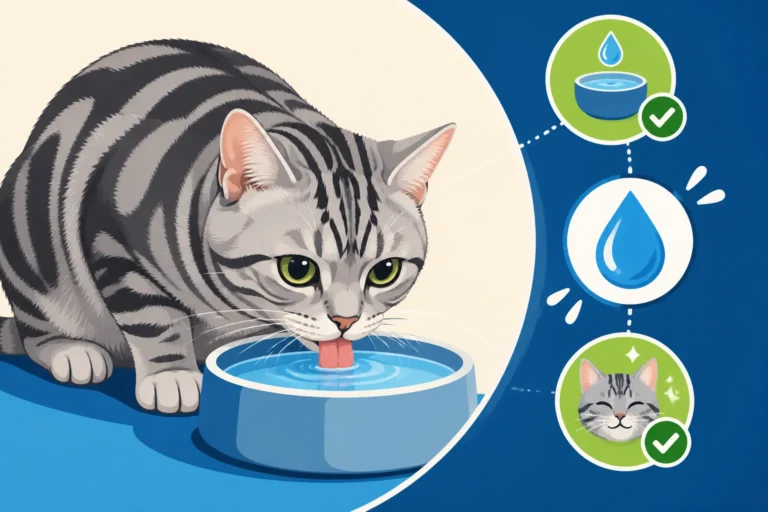
Wet food is a game-changer for hydration, as it contains significantly more moisture than dry kibble. This extra water intake helps support kidney function by flushing out toxins and reducing the strain on these vital organs. Additionally, many senior or prescription renal diets are formulated with reduced phosphorus levels. Excess phosphorus can be detrimental to compromised kidneys, so a managed intake is often recommended by veterinarians. Ensuring your American Shorthair has constant access to fresh water is always important, but boosting their moisture intake through diet becomes even more critical in their senior years.
Making Mealtime Manageable: Practical Food Solutions for Your Senior American Shorthair
Once you understand the underlying reasons your senior American Shorthair might be struggling with food, the next step is finding practical solutions. It's all about making mealtime as easy, comfortable, and appealing as possible for them. This isn't just about nutrition; it's about maintaining their joy and comfort.
Texture and Palatability Adjustments
Remember those dental woes and diminished senses? This is where changing the food's texture and increasing its palatability truly shines. Switching from dry kibble to wet food is often the first and most impactful step. Wet food is softer, easier to chew for cats with sore gums or missing teeth, and its higher moisture content is a huge bonus for hydration. Options range from pâtés, which are smooth and easy to lap up, to shredded or chunky varieties if they still have some chewing ability.
To further entice a picky senior, warming their wet food slightly can work wonders. Just a few seconds in the microwave (check for hot spots!) can release the aromas, making it much more appealing to their fading sense of smell. You can also add a little warm water or low-sodium, cat-safe broth to create a more fragrant "gravy." Experiment with different flavors and brands. Sometimes, a change in protein source or a novel taste can re-ignite their interest. Brands available on sites like Chewy or Amazon offer a vast selection of wet food textures and flavors, making it easier to find something your American Shorthair will enjoy.
Strategic Feeding Routines
How and when you feed your senior American Shorthair can be just as important as what you feed them. Instead of one or two large meals, consider offering smaller, more frequent meals throughout the day. This is often easier on their slower digestive systems and can help maintain a more consistent energy level. If they're struggling with appetite, seeing a smaller portion might be less intimidating than a large, full bowl.
Also, consider the ergonomics of their feeding station. Elevated food bowls can be incredibly helpful for older cats, especially those with arthritis or joint pain. How an Old American Shorthair Shows Its Joints Hurt details these issues. Bending down to eat can be uncomfortable, putting strain on their neck and spine. An elevated bowl allows them to eat in a more natural, comfortable posture. Ensure the bowl itself is wide and shallow to avoid whisker fatigue, which can also deter sensitive eaters. Placing food in quiet, easily accessible spots, away from household commotion, can also make mealtime a more peaceful experience.
Exploring Senior-Specific Diets and Supplements
The pet food market has evolved significantly, offering specialized diets tailored to the needs of aging cats. These senior-specific formulas are often designed with balanced protein-to-fat ratios, controlled phosphorus, and added nutrients like antioxidants and omega fatty acids to support cognitive function and joint health. If your American Shorthair has specific health concerns, your veterinarian might recommend a therapeutic or prescription diet, for example, a kidney-support formula. Which Prescription Diet an American Shorthair Ends Up On is a great resource if you're exploring this option.
Beyond specialized foods, certain supplements can provide targeted support. Glucosamine and chondroitin can help maintain joint health, easing discomfort that might make reaching for food difficult. Probiotics can aid digestion and gut health, while certain omega fatty acids can support skin, coat, and cognitive function. Always consult your veterinarian before introducing any new supplements, as they can guide you on the right choices and dosages for your individual cat's needs. Fresh, gently cooked meals might also be an option to discuss with your vet, as they can be very palatable and digestible for seniors.
The Long-Term Impact of the Right Senior Diet
Making thoughtful changes to your aging American Shorthair's diet isn't just about getting them to eat; it's about investing in their comfort, health, and happiness for their remaining years. The effort you put in now can significantly influence their quality of life.
Extending Comfort and Quality of Life
When an older American Shorthair is provided with food they can comfortably manage, the ripple effects are profound. Imagine going from constant discomfort or pain during meals to a pleasant, nourishing experience. Their dental pain is alleviated, their digestion is smoother, and their nutritional needs are met. This reduction in physical stress can lead to a noticeable improvement in their overall demeanor. They might become more interactive, less withdrawn, and show renewed interest in their surroundings.
A managed diet helps maintain a healthy weight, which in turn reduces strain on aging joints and helps prevent secondary health issues like diabetes. When they're not struggling with discomfort or nutritional deficiencies, their energy levels can improve, allowing them to enjoy their favorite activities, even if those are just short patrols around the house or a cozy nap in a sunbeam. It truly extends their period of comfortable, engaged living, allowing you more cherished moments together. Caring for an American Shorthair Past Twelve delves into comprehensive senior care.
Proactive Health Management
Choosing appropriate senior food is a powerful form of proactive health management. Instead of waiting for severe symptoms to appear, you are actively supporting their aging body systems, helping to slow the progression of common age-related conditions. For example, a diet designed for kidney support, started early, can help preserve kidney function for longer, postponing the more severe stages of kidney disease.
Similarly, maintaining lean muscle mass through high-quality protein helps combat frailty and aids in recovery if they do face an illness or need surgery. Good nutrition also bolsters their immune system, making them more resilient against infections. By providing a diet that addresses the specific vulnerabilities of an aging American Shorthair, you're not just reacting to problems; you're actively working to prevent them, or at least mitigate their impact. This forward-thinking approach to nutrition can genuinely add healthier, happier years to your beloved American Shorthair's life, minimizing the need for extensive medical interventions later on and potentially reducing What an Old American Shorthair's Medication Bill Reaches.
| Aspect of Senior Diet | Why It Matters for American Shorthairs | Practical Solutions |
|---|---|---|
| Texture | Dental pain, missing teeth, jaw discomfort. | Wet food (pâté, shredded), add warm water/broth. |
| Palatability | Diminished sense of smell/taste, pickiness. | Warm food, strong aromas, varied flavors, quality ingredients. |
| Protein | Preventing muscle loss (sarcopenia). | High-quality, digestible animal-based protein. |
| Calorie Control | Managing weight, preventing obesity/diabetes. | Moderate fat, controlled carbs, monitor portions. |
| Hydration | Supporting kidney function, preventing constipation. | High-moisture wet food, multiple water sources, water fountain. |
| Phosphorus | Protecting aging kidneys. | Reduced phosphorus formulations (vet guidance). |
| Digestibility | Slower metabolism, sensitive stomach. | Easily digestible ingredients, smaller frequent meals. |
| Joint Support | Arthritis, mobility issues. | Glucosamine/chondroitin, elevated bowls. |
Disclaimer
This article is for general informational purposes only and does not constitute professional advice. Laws, prices and regulations vary by location and change over time. Consult a qualified professional for guidance on your specific situation.