Which Protein Level Keeps an American Shorthair Muscular
It’s a common frustration for American Shorthair owners: you look at your handsome, sturdy cat, a picture of health and natural athleticism, and you wonder if you're truly giving them the best fuel to maintain that impressive musculature. These cats, with their working-class roots, aren't just pets; they're descendants of capable hunters who needed strength and endurance. This guide is dedicated to helping you understand exactly what kind of protein, and how much, your American Shorthair needs to thrive, staying strong and healthy for years to come.
The American Shorthair's Athletic Foundation
The American Shorthair isn't just another pretty face; they possess a truly remarkable physique that has been honed over centuries. When we talk about keeping them muscular, we're not just aiming for aesthetics; we're talking about supporting their inherent build, which speaks volumes about their lineage and natural capabilities. Understanding this foundation is key to providing them with the right nutrition.
More Than Just a Pretty Face: A Hunter's Physique
Imagine a cat that sailed the high seas, controlling rodent populations on ships, or patrolling barns and homesteads across early America. That's the ancestry of your American Shorthair, and it profoundly shaped their physical form. They were bred by necessity for function, not just for show, resulting in a cat that is robust, well-muscled, and incredibly capable. Their deep chest, broad shoulders, and powerful hindquarters aren't just traits on a breed standard sheet; they are the tools of an efficient hunter, built for bursts of speed, agile leaps, and swift pounces.
This history means they're naturally inclined towards an active lifestyle, even if their "hunting ground" is now your living room. Their muscular build is integral to their health, supporting their joints, maintaining a healthy metabolism, and contributing to their overall vitality. When an American Shorthair has proper muscle mass, they look and feel truly magnificent, moving with a grace and power that reflects their heritage. It’s a joy to watch them stalk a feather toy or leap onto a cat tree with such effortless strength.
However, modern indoor life often means less strenuous activity than their ancestors experienced. This shift in lifestyle means that while the genetic blueprint for a muscular, robust cat remains, we, as their caregivers, bear the responsibility of providing the dietary support needed to maintain that physique without the constant physical demands of a working life. Without adequate protein, those powerful muscles can begin to atrophy, even if the cat appears to be at a healthy weight.
Many owners might glance at their American Shorthair and assume they're just "big boned" or naturally stocky. While they are solid cats, that solidity should primarily be muscle. We're aiming to nourish that muscle, not simply add bulk. This distinction is crucial, as excess fat can hide muscle loss and contribute to a host of other health issues, which we definitely want to avoid for our cherished companions.
Understanding Their Unique Body Composition
Identifying a truly muscular American Shorthair versus one that's simply overweight can sometimes be tricky because of their naturally sturdy frame. You might look at your cat and think, "They seem solid," but is it muscle, or is it a little too much cushion? Their breed standard calls for a strong, well-balanced body, not a 'cobby' or excessively heavy one. It’s all about the underlying structure. What an American Shorthair Looks Like by the Standard gives a great overview of these physical expectations.
A healthy American Shorthair should feel firm and muscular when you run your hands over their body. You should be able to feel their ribs under a thin layer of muscle and fat, much like feeling the back of your hand. Their waist should be evident when viewed from above, tapering slightly, and their abdominal tuck should be present when viewed from the side. If you're struggling to feel those ribs, or if their waist looks more like a straight line, it might be an indication that they're carrying more fat than muscle. How to Judge an American Shorthair's Ideal Weight by Frame offers more detailed guidance on this.
This assessment isn't about making them look like a bodybuilder; it's about ensuring their internal systems are functioning optimally. Good muscle mass supports their joints, particularly as they age, helping to prevent mobility issues down the line. It also plays a vital role in their metabolic health, with more muscle leading to a more efficient metabolism. For a breed known for its longevity, maintaining this physical condition is paramount.
When an American Shorthair loses muscle mass, especially as they get older, it can significantly impact their quality of life. They might find it harder to jump, run, or even groom themselves effectively. This loss can also mask other underlying health issues. Therefore, understanding and regularly assessing your American Shorthair's body composition is an ongoing process, and knowing what to look for can help you make informed decisions about their diet and exercise.
Why Protein is Paramount for American Shorthair Musculature
If you want to maintain that splendid, naturally muscular American Shorthair physique, protein isn't just an option; it's an absolute necessity. Cats are obligate carnivores, which means their bodies are specifically designed to derive nutrients from animal sources. This fundamental biological truth dictates their dietary requirements, especially when it comes to protein.
The Building Blocks of a Strong Body
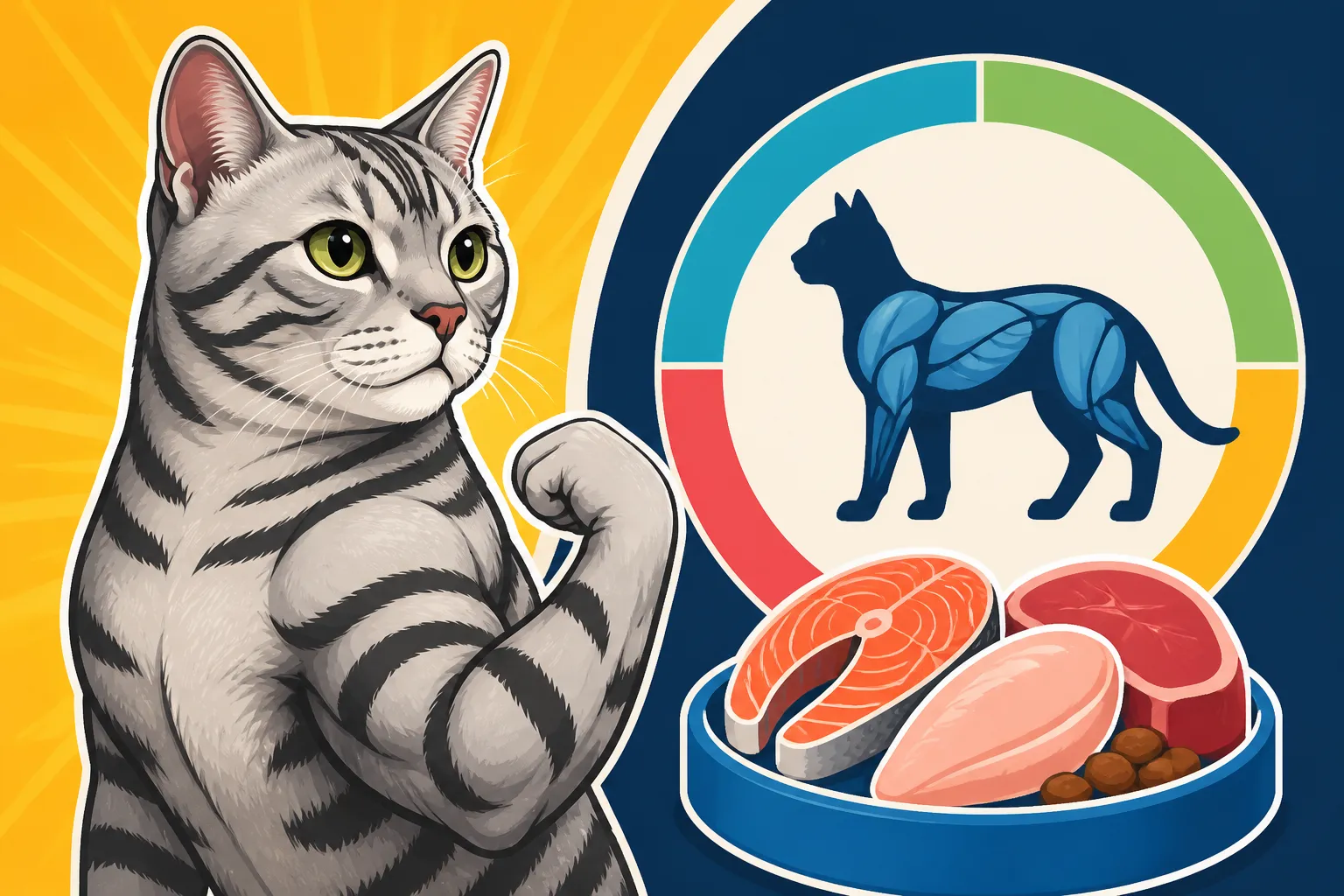
Protein is essentially the foundational material for almost everything in your cat's body. Think of it as the construction crew that builds and maintains their entire system. Specifically for muscle, protein provides the amino acids—the individual "bricks"—that are reassembled to create and repair muscle tissue. Without a consistent supply of these amino acids, your American Shorthair's body simply can't maintain its existing musculature, let alone build new tissue.
Cats, unlike humans or dogs, have unique metabolic pathways that require a higher level of protein. They continually break down protein for energy, even if other energy sources are available. This means they must consume a sufficient amount daily to compensate for this constant utilization and prevent their body from catabolizing its own muscle for essential amino acids. It’s a non-negotiable part of their biology.
Beyond muscle, protein also plays critical roles in producing enzymes, hormones, antibodies, and hemoglobin. It supports healthy skin and a lustrous coat, ensures strong claws, and maintains a robust immune system. For a breed like the American Shorthair, known for its generally good health and hard coat, providing top-tier protein helps safeguard these attributes, allowing them to truly flourish. The American Shorthair Is the Control Group of Cat Breeding emphasizes their natural resilience, which is further supported by excellent nutrition.
So, when you're choosing food for your American Shorthair, it's not just about filling their bowl. It's about providing the essential building blocks their unique physiology demands. A diet rich in high-quality protein directly translates to sustained muscle mass, a healthier metabolism, better immune function, and overall a more vibrant, resilient cat. This commitment to proper protein intake is one of the most significant ways you can support their long-term health and well-being.
Sourcing Superior Protein: What to Look For in Food
Not all proteins are created equal, and this is where many owners can feel truly overwhelmed. You're trying your best, but with so many labels and marketing claims, how do you know what's genuinely "superior"? The key lies in understanding where the protein comes from and its digestibility. For American Shorthairs, whose bodies are designed for animal protein, quality animal-derived sources are always the gold standard.
Look for identifiable animal proteins as the first few ingredients on a food label. This means names like "chicken meal," "deboned salmon," "turkey," or "beef liver." Phrases like "meat by-products" or "poultry meal" can be acceptable, but it's generally better when the specific animal source is named (e.g., "chicken by-product meal" vs. just "by-product meal"). Avoid foods where the primary protein sources are plant-based, such as corn gluten meal or pea protein, as cats struggle to utilize these effectively due to their biological makeup.
Digestibility is another crucial factor. High-quality animal proteins are more bioavailable, meaning your cat's body can absorb and utilize a higher percentage of the nutrients. If the protein isn't easily digested, much of it simply passes through the system, meaning your cat isn't getting the full benefit, regardless of the percentage listed on the bag. This is why some cats can eat a "high protein" food but still show signs of muscle loss if the protein quality is poor.
When considering where to find such foods, reputable pet retailers are a great starting point. Places like Chewy offer an enormous selection, allowing you to compare ingredient lists and brand reputations easily. Some brands focus on human-grade ingredients and transparency in their sourcing, often providing excellent protein quality. The goal is to choose foods that prioritize named, wholesome animal protein sources to ensure your American Shorthair gets the complete amino acid profile they need to maintain their impressive musculature.
The Metabolism of a Hunter: How Protein Fuels Them
The American Shorthair's metabolism is still very much that of a hunter, even if the prey is now a laser pointer dot. Their bodies are remarkably efficient at converting protein into usable energy, a process that reflects their evolutionary history of feasting on small prey. This metabolic setup means that protein doesn't just build muscle; it’s also a significant energy source, helping them feel satisfied and maintaining stable blood sugar levels.
Because cats continuously use protein for energy, a diet lacking in this crucial macronutrient can lead to their bodies breaking down their own muscle mass to meet these energy demands. This is why a consistent, high-quality protein intake is so important – it ensures they have a ready supply of amino acids without sacrificing their hard-earned muscle. This process is particularly relevant for active American Shorthairs, whose instinct to patrol and play still requires significant energy. The American Shorthair Still Hunts, Whether You Want It To or Not highlights this enduring drive.
Furthermore, protein contributes significantly to satiety, helping your American Shorthair feel full and content after meals. Foods rich in protein tend to be more satisfying than those laden with carbohydrates, which can lead to overeating and weight gain if not carefully managed. This satiating effect can be incredibly helpful in weight management, especially for indoor cats who might be prone to packing on a few extra pounds now that they're not actively hunting for their meals. Why Ending the Mousing Job Made the American Shorthair Heavy touches on this environmental shift that impacts their dietary needs.
So, by providing an appropriate protein level, you're not just feeding their muscles; you're fueling their entire metabolic engine in a way that aligns with their natural biological design. This comprehensive approach to nutrition supports not only their physical strength but also their energy levels, mood, and overall metabolic health, helping your American Shorthair maintain a healthy weight and vibrant disposition throughout their life.
Navigating Protein Levels in Commercial Cat Foods
Once you understand why protein is so vital, the next challenge is translating that knowledge into practical choices at the pet store or when browsing online. Commercial cat food labels can be confusing, filled with percentages and terms that might not immediately make sense. Let’s break down how to read those labels and tailor your choices for your American Shorthair.
Deciphering Food Labels: Dry Matter Basis and Ingredient Lists
One of the biggest hurdles in understanding pet food labels is the difference between "as fed" protein percentages and "dry matter basis" (DMB) percentages. The protein percentage listed on a bag of kibble or a can of wet food is "as fed," meaning it includes the moisture content. Since wet foods contain significantly more moisture than dry foods, their "as fed" protein percentage will look much lower, even if they have more protein on a dry matter basis. This disparity can be incredibly misleading.
To get an accurate comparison of protein levels between different types of food (wet vs. dry), you need to calculate the dry matter basis. Here's how you do it:
- Find the "Guaranteed Analysis" on the food label.
- Locate the "Crude Protein" percentage and the "Moisture" percentage.
- Calculate the dry matter by subtracting the moisture percentage from 100%. (e.g., 100% – 78% moisture = 22% dry matter).
- Divide the crude protein percentage by the dry matter percentage, then multiply by 100 to get the DMB protein percentage. (e.g., 9% crude protein / 22% dry matter = 0.409; 0.409 * 100 = 40.9% DMB protein).
Let’s look at an example:
| Food Type | Crude Protein (As Fed) | Crude Fat (As Fed) | Moisture (As Fed) | Dry Matter % | DMB Protein % |
|---|---|---|---|---|---|
| Dry Kibble | 30% | 15% | 10% | 90% | 33.3% |
| Wet Food | 9% | 6% | 78% | 22% | 40.9% |
As you can see, the wet food, despite having a much lower "as fed" protein, actually delivers a higher protein content on a dry matter basis. This is why solely comparing the crude protein percentage on the bag can lead to suboptimal choices. Always do the DMB calculation for a true comparison!
Beyond the percentages, the ingredient list is your most valuable tool. The first few ingredients are present in the largest amounts. For an American Shorthair, you want to see animal-based protein sources, ideally named meat, poultry, or fish, at the very top. Look for whole meats (like "chicken," "salmon," "beef") and meat meals (like "chicken meal," "salmon meal," "turkey meal") from reputable sources. These are concentrated forms of protein, excellent for your cat. Avoid foods where grains, corn, or vegetable proteins are the predominant first ingredients, as these are less biologically appropriate for an obligate carnivore. Brands available on platforms like Amazon or Chewy often provide detailed ingredient lists and nutritional breakdowns, making it easier for you to perform these calculations and comparisons.
Age, Activity, and Individual Needs: Tailoring Protein Intake
The "right" protein level isn't a one-size-fits-all number. Your American Shorthair's specific needs will fluctuate throughout their life based on their age, activity level, and overall health status. A growing kitten, a spry adult, an active outdoor adventurer, a sedentary house cat, and a senior slowing down all have slightly different requirements for optimal muscle maintenance.
Kittens, for instance, are rapidly growing and building significant muscle mass, so they generally require a higher percentage of protein in their diet, often exceeding 35-40% on a dry matter basis. Their rapid development demands an abundance of building blocks. Puppy foods are completely inappropriate for kittens due to differing nutritional needs. When an American Shorthair Kitten's Adult Coat Arrives shows the period of rapid growth where this high protein is vital.
Adult American Shorthairs, especially those who are moderately active indoors, typically thrive on diets with protein levels ranging from 30-40% on a dry matter basis. If your cat is particularly active, perhaps enjoying frequent play sessions or even supervised outdoor time, they might benefit from the higher end of that range to support their energy needs and muscle repair. Conversely, a very sedentary cat still needs high-quality protein but might require fewer calories overall. For neutered cats, Why a Neutered American Shorthair Needs Less Food is a great resource, as they often have reduced caloric needs but still require consistent protein to prevent muscle loss while managing weight.
As American Shorthairs enter their senior years, often past the age of twelve, their protein needs remain high, and sometimes even increase. Older cats can experience sarcopenia, which is age-related muscle loss. Counterintuitively, many older cat foods reduce protein, but current veterinary understanding suggests maintaining a high-quality, easily digestible protein intake is crucial for slowing muscle wasting in aging felines. However, if your senior cat has specific health conditions, such as kidney disease, their protein intake might need careful adjustment under veterinary guidance. This is why regular vet check-ups, as outlined in Caring for an American Shorthair Past Twelve, are so important for older cats.
Always consider your individual cat. Do they maintain a healthy weight easily? Are they very playful or more of a couch potato? Observing their energy levels, coat condition, and muscle tone will help you fine-tune their diet. If you’re ever unsure, especially with specific health concerns, a conversation with your veterinarian is always the best course of action to tailor a diet plan perfectly suited to your American Shorthair.
The Wet vs. Dry Debate: Optimizing Protein Delivery
The choice between wet food and dry kibble for your American Shorthair is a frequent topic of discussion among cat owners, and when it comes to protein, both can play a valuable role. However, there are distinct advantages and considerations for each type, particularly regarding hydration and satiety. Many owners find a combination of both works best for their cats.
Wet food often boasts a higher protein percentage on a dry matter basis (as we discussed in the previous section) and, crucially, provides significant hydration. Cats naturally have a low thirst drive, evolved from prey that offered much of their moisture needs. Indoor cats on a predominantly dry diet may not drink enough water, which can contribute to urinary tract issues and kidney strain over time. The high moisture content in wet food helps support overall organ health and can be particularly beneficial for American Shorthairs, especially male cats who are prone to urinary issues. How Wet Food Helps an American Shorthair's Waistline also highlights another benefit of wet food.
Dry kibble, on the other hand, is convenient, often more affordable, and can be beneficial for dental health, though this benefit is often overstated for typical kibble sizes and textures. While good quality kibble can certainly provide adequate protein, ensuring your American Shorthair drinks enough water is paramount if this is their primary diet. It also tends to be higher in carbohydrates to bind the kibble, which is less biologically appropriate for cats and can contribute to weight gain if not portioned carefully. Why a Bowl Left Down Undoes an American Shorthair warns against free-feeding, especially with kibble.
Many owners opt for a mixed diet: perhaps wet food in the morning and evening, with a small portion of kibble available during the day, or using kibble in puzzle feeders for mental enrichment. This approach can combine the hydration benefits of wet food with the convenience of dry, while still ensuring a high overall protein intake. Many brands offer a variety of both wet and dry options, allowing you to craft a diet that best suits your cat's preferences and your lifestyle.
Ultimately, the best choice depends on your cat's individual needs and preferences, as well as your budget. The most important thing is that whichever format you choose, it provides a high-quality, animal-based protein source in sufficient quantity to maintain your American Shorthair's robust musculature and overall health. Always read labels, calculate DMB, and observe how your cat thrives on their chosen diet.
Implementing a Muscle-Supporting Diet for Your American Shorthair
Understanding the theory behind protein is one thing, but putting it into practice for your American Shorthair is where the real work happens. It's about more than just buying the right bag of food; it's about strategic feeding, thoughtful enrichment, and vigilant monitoring to ensure your feline friend stays in peak condition.
Strategic Feeding Practices for Peak Condition
Simply pouring high-protein food into a bowl isn't always enough to maintain an American Shorthair's musculature, especially considering their history as hunters who worked for their meals. Strategic feeding practices can make a significant difference, not only in nutrient absorption but also in their overall physical and mental well-being. This isn't just about what they eat, but how they eat.
Consider portion control. While high-quality protein is essential, overfeeding, even with good food, leads to excess weight, which can strain joints and obscure that lovely muscle tone. American Shorthairs have a natural tendency to overeat if given the opportunity, a leftover from their feast-or-famine working days. How Much a Working Framed American Shorthair Should Eat provides insights into their caloric needs. Use measuring cups and stick to the recommended portions based on your cat's ideal weight and activity level, adjusting as needed under veterinary guidance.
Meal timing can also play a role. Instead of one large meal, offering two or three smaller meals throughout the day can align better with a cat's natural feeding behavior and help maintain a steady metabolic rate. This can also prevent them from feeling ravenous and then scarfing down their food too quickly. If you're out during the day, automatic feeders can be a lifesaver for delivering timed, portioned meals.
Furthermore, integrating enrichment into mealtime encourages their natural hunting instincts and makes eating a more engaging, muscle-activating activity. Puzzle feeders or slow feeders require your American Shorthair to "work" for their food, stimulating their minds and often slowing down their eating pace. This small effort can burn a few extra calories, engage their muscles, and satisfy their intrinsic drive to hunt, even if it's just for kibble. Brands found on Amazon offer a wide array of creative puzzle feeders that can turn mealtime into a mini-hunt.
When to Consult Your Vet and Consider Supplements
While a high-quality, protein-rich diet is the cornerstone of muscle maintenance for your American Shorthair, there are times when a veterinarian's expertise becomes invaluable. It's easy to second-guess yourself, but your vet is your partner in ensuring your cat's optimal health. Don't hesitate to reach out if you have concerns or questions.
You should definitely consult your vet if you notice any significant changes in your American Shorthair's body condition. This could include unexplained weight loss, especially muscle wasting (which can sometimes be observed along the spine or over the shoulders), a sudden decrease in appetite, lethargy, or a noticeable decline in their ability to jump or climb. These symptoms could indicate underlying health issues that require medical attention, and dietary changes might be part of the treatment plan. Your vet can perform a physical examination, potentially recommend bloodwork, and provide a tailored nutritional strategy. What a Full American Shorthair Panel Actually Screens For explains the tests your vet might run.
Similarly, if you're considering adding any supplements to your American Shorthair's diet, always discuss it with your veterinarian first. While some supplements, like omega-3 fatty acids, can support overall health, including joint and skin health, not all are necessary or even safe without proper guidance. For example, some joint supplements might be beneficial for older cats experiencing stiffness, but the dosage and specific ingredients should be vet-approved. Self-prescribing supplements can be risky and may interact negatively with other medications or existing conditions.
Your vet can help you assess if your American Shorthair's diet is truly meeting all their needs, especially if they have allergies, sensitivities, or specific health challenges. They can guide you through prescription diets or specialized formulations if required. This partnership with your veterinarian ensures that any dietary adjustments, particularly those related to protein, are made safely and effectively, supporting your American Shorthair's robust health throughout their happy life.
Long-Term Wellness: Beyond Just Protein
While protein is undeniably crucial for maintaining your American Shorthair's musculature, it's just one piece of the puzzle for their overall long-term wellness. A holistic approach that considers diet, exercise, environment, and regular health checks will ensure your cat enjoys the fullest, healthiest life possible, living up to the robust legacy of their ancestors.
Exercise is paramount. Even with the best diet, a sedentary American Shorthair will struggle to maintain optimal muscle tone. Regular, engaging play sessions are vital to mimic their natural hunting behaviors. Think wand toys that simulate prey, climbing structures, and interactive games. Daily activity helps burn calories, keeps muscles strong, supports joint health, and provides essential mental stimulation. Play That Finishes the Hunting Sequence for an American Shorthair has great ideas for enriching their lives with appropriate play.
Environmental enrichment also contributes to their physical and mental health. Providing vertical spaces like cat trees or shelves encourages climbing and jumping, which are excellent for muscle development and agility. Scratching posts are essential for claw maintenance but also provide a full-body stretch that engages their back and shoulder muscles. A stimulating environment reduces boredom, which can lead to overeating or destructive behaviors.
Regular veterinary check-ups are non-negotiable, particularly as your American Shorthair ages. These visits allow your vet to monitor their weight, assess muscle condition, and catch any potential health issues early, which is much easier to manage than advanced disease. They can also advise on any dietary adjustments needed as your cat moves through different life stages or develops specific health needs. How Regularly a Healthy American Shorthair Still Needs Checking highlights the importance of these routine visits.
Ultimately, keeping your American Shorthair muscular isn't about chasing a specific number on a label, but about providing a comprehensive package of care that honors their incredible heritage. It's about high-quality nutrition, ample opportunity for activity, a stimulating home, and attentive health monitoring. By committing to these elements, you're not just maintaining their physique; you're ensuring a vibrant, healthy, and long life for your cherished feline companion.
Disclaimer
This article is for general informational purposes only and does not constitute professional advice. Laws, prices and regulations vary by location and change over time. Consult a qualified professional for guidance on your specific situation.