How Often an American Shorthair Should Actually Be Combed
It's easy to assume that a cat with short hair doesn't need much grooming, right? Many American Shorthair owners fall into this trap, thinking their sleek-coated companions are self-sufficient. But the reality is, even these wonderfully low-maintenance cats benefit immensely from regular combing, especially to manage shedding and prevent uncomfortable issues like hairballs. This guide will help you understand just how often your American Shorthair truly needs a good brush to keep them healthy and happy.
Understanding the American Shorthair's Unique Coat
When you think "shorthair," you might picture a fine, silky coat that seems to shed very little. However, the American Shorthair's coat is far from that delicate image. It's a robust, functional coat, a testament to their working-cat heritage, and it comes with specific grooming needs that might surprise you.
More Than Just "Short Hair": The Double Coat Reality
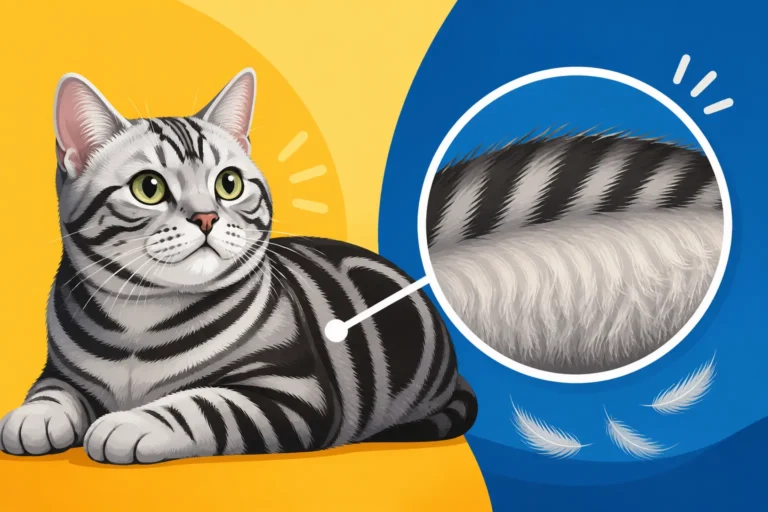
Your American Shorthair isn't just covered in a single layer of short fur; they boast a dense, protective double coat. This isn't the plush, teddy bear softness of some other shorthaired breeds, but rather a coat built for resilience. You'll find a layer of tough, somewhat stiff guard hairs on top, designed to repel water and protect against minor scrapes and environmental elements. Beneath that lies a softer, insulating undercoat, which acts like a built-in thermal layer.
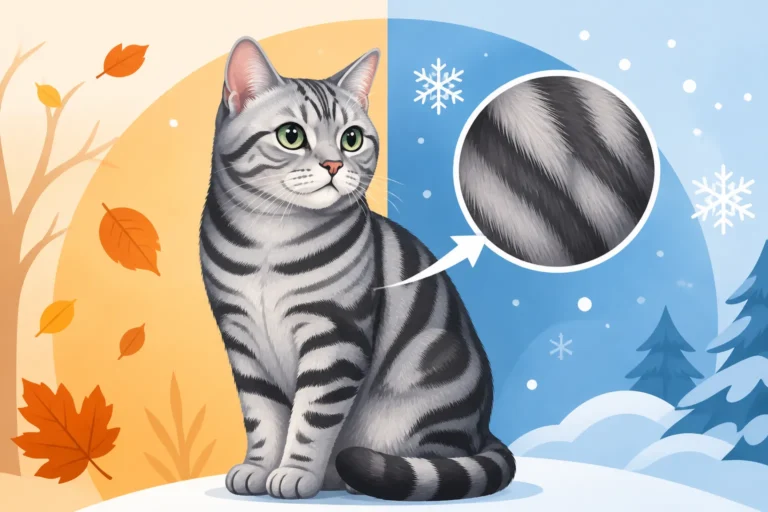
This double-coat structure is a throwback to their days as working cats, keeping them warm on chilly nights in barns and protected from the elements while hunting. It's truly a marvel of natural selection, demonstrating how function shaped form over centuries. While it looks deceptively simple, it's actually quite complex and requires attention. When it comes to grooming, it's this dense undercoat that often causes the most "fur-nado" moments in your home if not managed properly. The American Shorthair's Coat Was Built for Weather, Not a Judge
Seasonal Changes and Shedding Cycles
Just like their wild ancestors, American Shorthairs' coats are remarkably attuned to the seasons. You'll notice a distinct change in the density of their fur as the weather shifts. As winter approaches, their undercoat thickens significantly, providing extra insulation to keep them snug. This is a brilliant adaptation, ensuring they stay warm when the temperatures drop. How an American Shorthair's Coat Thickens Toward Winter
However, what goes up must come down, and when spring arrives, that thick winter undercoat needs to be shed to make way for a lighter, more appropriate summer coat. This transition period, usually in spring and then again in the fall, is when your American Shorthair will shed the most heavily. It's not uncommon to find tumbleweeds of cat hair rolling across your floors or stuck to your favorite armchair. While American Shorthairs are often lauded for being "low-shedding" compared to long-haired breeds, during these seasonal changes, they can certainly leave their mark. This significant shedding is perfectly natural, but it's also where your proactive grooming efforts will make the biggest difference for both your cat and your home.
The Truth About Combing Frequency
So, given their practical, double-layered coat and natural shedding cycles, how often should you actually pick up a comb? The answer isn't a one-size-fits-all, but it certainly involves more than just an occasional pat.
The Baseline: Regular Maintenance for Health and Comfort
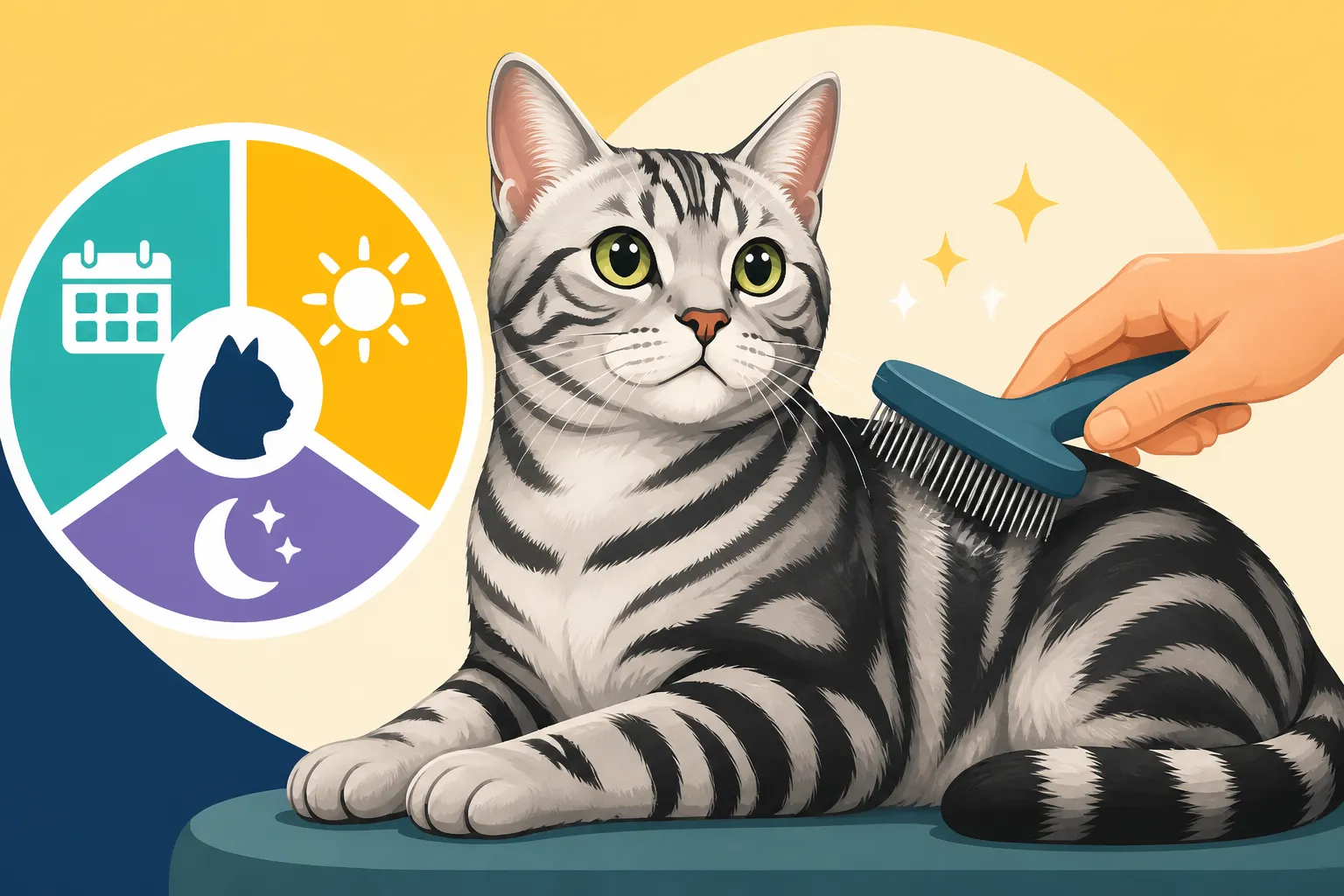
Even outside of the heavy shedding seasons, a consistent grooming routine is a fantastic idea for your American Shorthair. Aim for at least once a week with a good comb. This regular maintenance does wonders for their overall health and comfort. For starters, it helps to efficiently remove any loose or dead hairs that the cat's own rigorous self-grooming might miss. This isn't just about reducing hair on your furniture; it's about minimizing the amount of fur your cat ingests.
Cats spend a significant portion of their day grooming themselves, using their barbed tongues like natural combs. While incredibly effective, this also means they swallow a lot of loose hair. This ingested hair can accumulate in their digestive tract, leading to those notorious hairballs that nobody enjoys. Regular combing significantly cuts down on the amount of hair they swallow, drastically reducing the frequency and severity of hairballs. Beyond hairball prevention, combing also helps to distribute your cat's natural skin oils, keeping their skin healthy and their coat shiny and supple. It's also a great opportunity to check for any skin irritations, fleas, ticks, or unusual lumps that might otherwise go unnoticed (see How Much Time an American Shorthair Spends Grooming Itself).
Adjusting for Peak Shedding Seasons
This is where the real work begins, and where neglecting the comb can lead to a fur explosion in your home. During the spring, when your American Shorthair is "blowing" their winter coat, and again in the fall as they prepare for winter, you'll need to step up your grooming game considerably. During these peak shedding periods, you should plan to comb your cat daily or every other day.
You'll quickly notice just how much undercoat comes out during these sessions. It might feel like you could build a whole new cat from the amount of fur you remove! But trust me, it's worth the effort. Failing to comb regularly during these times means that vast amounts of dead hair will be deposited everywhere your cat goes. More importantly, it dramatically increases the risk of hairball formation, which can range from a minor inconvenience to a serious health issue if they become impacted. While American Shorthairs rarely mat due to their coat type, an unmanaged undercoat, especially on an older or less mobile cat, could potentially clump, creating uncomfortable patches that pull on their skin. So, during those heavy shedding months, make daily combing a non-negotiable part of your routine. Which Two Months an American Shorthair Sheds Hardest
Special Considerations: Older Cats, Overweight Cats, and Outdoor Access
While a healthy, active American Shorthair might manage a decent amount of self-grooming, there are specific situations where your cat will need even more of your help with their coat.
Older Cats: As cats age, they often develop conditions like arthritis or joint stiffness. This can make it difficult, even painful, for them to twist and reach all parts of their bodies to groom themselves effectively. You might notice their coat becoming duller, or even a bit greasy or clumpy in hard-to-reach areas. For senior American Shorthairs, increasing combing to several times a week, or even daily if needed, is crucial. It not only keeps them comfortable but also strengthens your bond. When an Old American Shorthair Needs Combing Help
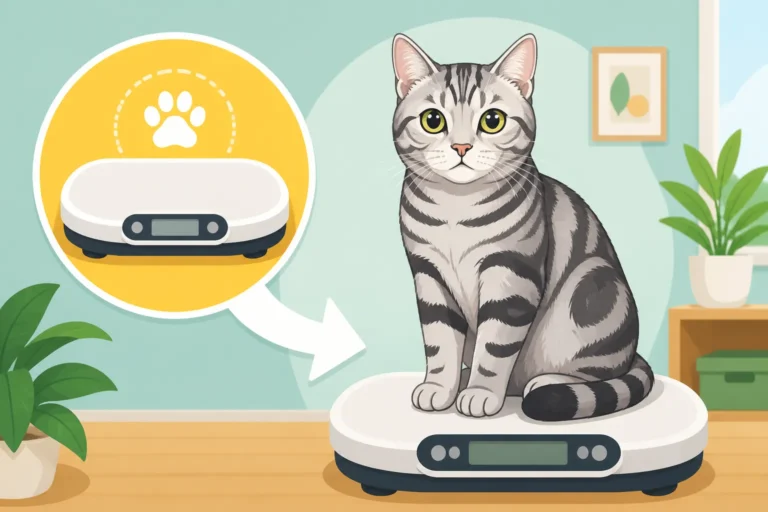
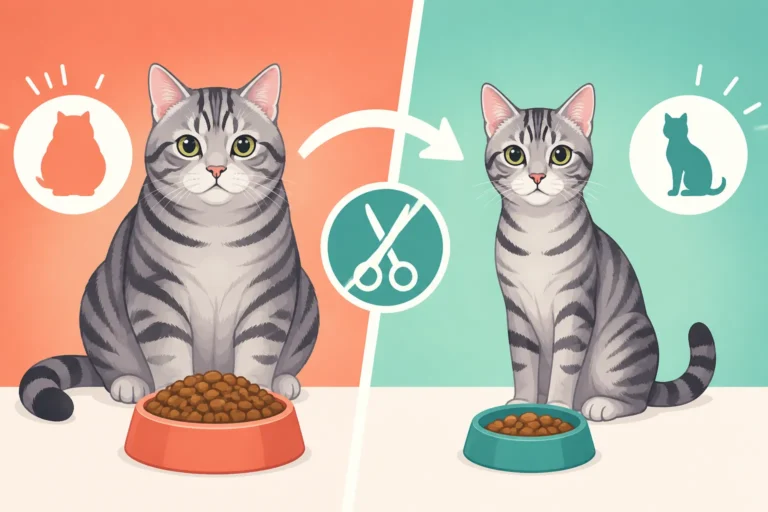
Overweight Cats: A common issue for many indoor cats, obesity can significantly hinder a cat's ability to groom. An overweight American Shorthair might struggle to bend and reach their back, the base of their tail, or their hindquarters. This can lead to matted fur in those spots, skin irritation, and even infections if left unchecked. If your American Shorthair is a little on the heavier side, commit to daily combing to ensure those inaccessible areas are kept clean and free of loose hair. Why an Overweight American Shorthair Cannot Reach Its Back
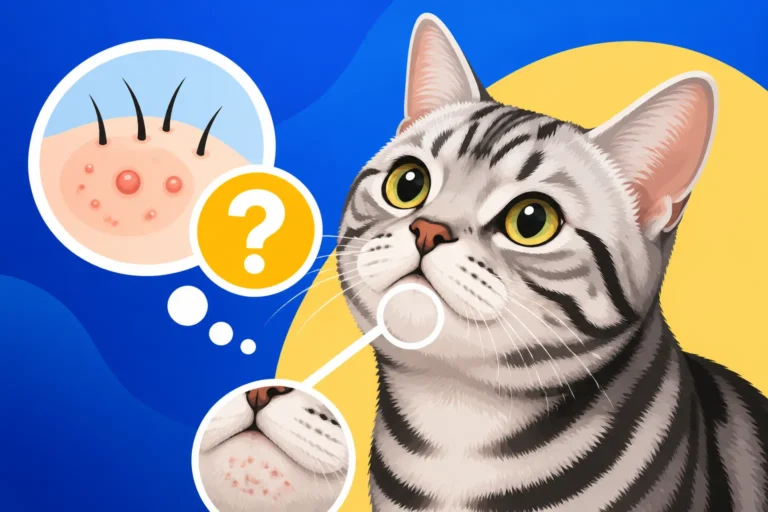
Outdoor Access: If your American Shorthair enjoys supervised outdoor time or has a catio, their grooming needs might also increase slightly. They're more likely to pick up environmental debris like leaves, twigs, burrs, or dirt in their coat. Regular combing becomes even more important to remove these foreign objects before they become embedded or cause skin irritation. Plus, it gives you a chance to check for any ticks or other hitchhikers that might have come along for the ride. What an Outdoor American Shorthair Brings Home in Its Coat For indoor cats, factors like central heating can also impact shedding, sometimes making it more consistent year-round rather than strictly seasonal. Whether Central Heating Keeps an Indoor American Shorthair Shedding
Choosing the Right Tools and Technique
Having the right tools is half the battle, but knowing how to use them effectively and gently is the other, equally important, half. You want grooming to be a positive experience for your American Shorthair, not a wrestling match!
Essential Grooming Tools for the American Shorthair
Don't be fooled by the simplicity of their coat; a few key tools will make your grooming sessions much more effective.
- Metal Comb (Fine/Medium Tooth): This is your workhorse. A good quality metal comb with both fine and medium-spaced teeth is invaluable. The wider teeth work well for general detangling and getting through the denser parts of the coat, while the finer teeth are excellent for picking up loose undercoat and checking for any fleas or debris. This comb helps lift and remove shed hair from the deeper layers of their coat. You can find excellent options on sites like Chewy or Amazon.
- Rubber Grooming Mitt or Curry Brush: These soft, rubber brushes are fantastic for distributing natural oils, massaging the skin, and gently lifting loose surface hair. Many cats adore the feel of a rubber mitt, making it a great tool to start with if your cat is resistant to grooming. They're also brilliant for daily maintenance and giving your cat a lovely massage.
- Deshedding Tool (e.g., Furminator-style): While an American Shorthair "almost never mats" due to its coat type, a deshedding tool can be incredibly effective during peak shedding seasons to remove large amounts of undercoat. However, these tools should be used with caution and never pressed hard or used too frequently, as they can irritate sensitive skin if overused. Think of it as a seasonal booster, not an everyday item. It's designed to go deep into the undercoat without cutting the guard hairs.
- Soft Bristle Brush: Great for a finishing touch, making the coat shine, and for cats who just enjoy a gentle brush. It doesn't remove much hair but can be a soothing experience.
Here's a quick comparison of common grooming tools for your American Shorthair:
| Tool Type | Primary Use | Benefits | Cautions |
|---|---|---|---|
| Metal Comb | Removing loose undercoat, checking for debris | Gets deep, effective for heavy shedding, versatile | Can pull if not used gently, some cats dislike the feel |
| Rubber Mitt/Curry | Surface shedding, stimulating skin, massage | Gentle, cats often enjoy it, good for daily upkeep | Less effective for deep undercoat removal |
| Deshedding Tool | Removing significant undercoat during peak shed | Highly efficient for large amounts of loose hair | Can irritate skin if used too forcefully or frequently, not for all cats |
| Soft Bristle Brush | Polishing coat, gentle massage | Soothing, makes coat shiny, good for sensitive cats | Minimal hair removal, not effective for undercoat |
Which Comb Suits an American Shorthair's Hard Coat
Gentle Techniques for a Positive Grooming Experience
Making grooming a positive ritual is key, especially with a cat as independent as the American Shorthair.
- Start Early and Short: If you have an American Shorthair kitten, introduce grooming early and keep sessions very brief and positive. For adult cats not used to it, start with just a few strokes. The goal is positive association, not a full grooming marathon at first.
- Choose the Right Time: Pick a time when your cat is relaxed, perhaps after a meal or a play session, when they're sleepy and amenable to cuddles. Avoid times when they're zooming around or feeling stressed.
- Use Positive Reinforcement: Treats! Glorious treats! Offer small, high-value treats during and immediately after grooming. Praise them gently and keep your voice calm. Make it feel like a spa session, not a punishment. How to Introduce Combing to an American Shorthair Kitten
- Be Gentle and Watch for Cues: Always use gentle strokes, especially with the metal comb, to avoid pulling their fur or scratching their skin. Watch your cat's body language closely. If their tail starts thumping, their ears flatten, or they try to escape, stop immediately. Pushing them will only create a negative association.
- Work in Sections: Start with areas they typically enjoy being petted, like their back and sides. Gradually work your way towards more sensitive areas like their belly, legs, and tail, if they tolerate it. Many American Shorthairs are quite stoic, but they still have preferences.
- Consistency is Key: A few minutes every day or every other day during shedding season, and a longer session once a week normally, is better than one massive, infrequent session that stresses everyone out. Consistent, gentle grooming builds trust and makes the process easier for both of you. How Much an American Shorthair Enjoys Being Combed
Beyond the Comb: Holistic Coat Health
While regular combing is fundamental, a truly healthy coat is a reflection of your cat's overall well-being. Several other factors play a significant role in maintaining that beautiful, resilient American Shorthair fur.
Nutrition's Role in a Healthy Coat
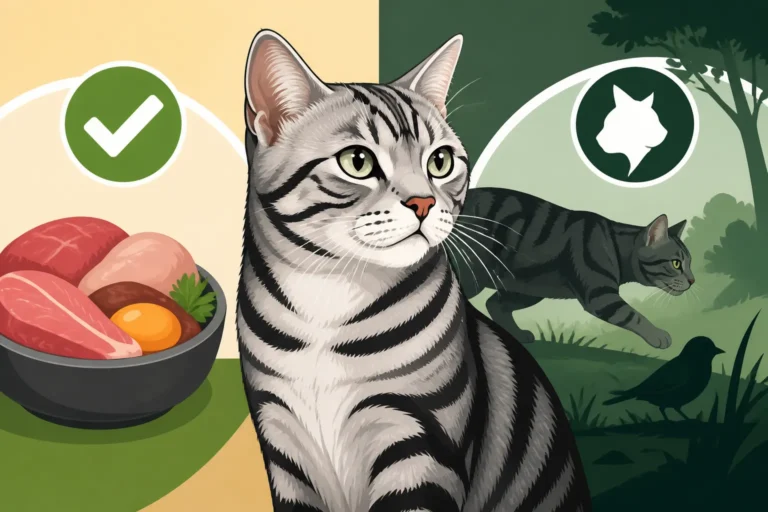
You know the saying, "you are what you eat"? Well, the same applies to your American Shorthair's coat! A dull, dry, or excessively shedding coat can often be a red flag for a less-than-optimal diet. High-quality nutrition is absolutely critical for vibrant skin and a lustrous coat. Look for cat foods that list real meat as the first ingredient and contain a good balance of essential fatty acids, particularly Omega-3 and Omega-6. These fats are vital for skin cell health, moisture retention, and promoting a shiny, strong hair shaft.
Some premium cat foods focus on human-grade ingredients and balanced nutrition that can significantly impact coat quality. Supplementing with a fish oil (specifically formulated for cats) can also provide a boost of these beneficial omegas, but always consult your vet before adding supplements to your cat's diet. A well-nourished American Shorthair will have a coat that sheds less, looks shinier, and is generally healthier, reducing your grooming burden and making those combing sessions even more productive.
Environmental Factors and Grooming
It’s easy to overlook how your home environment can impact your cat's coat and shedding patterns. For American Shorthairs, who are descended from cats that experienced significant seasonal changes, living in a climate-controlled home can alter their natural shedding rhythm. Constant indoor temperatures, whether heated in winter or air-conditioned in summer, can sometimes lead to a more continuous, rather than seasonal, shedding. This means you might find a steady amount of loose hair year-round, necessitating consistent baseline grooming rather than just seasonal bursts.
Beyond temperature, general cleanliness in your home also plays a subtle but important role. Regularly vacuuming carpets and cleaning surfaces reduces the amount of loose cat hair that accumulates. While this doesn't directly impact your cat's coat health, it does make your life easier and helps manage the overall shedding situation. A clean environment means less hair to cling to your cat's coat, less hair for them to ingest during self-grooming, and a generally tidier home for everyone. It's all part of the holistic approach to living harmoniously with your wonderfully practical American Shorthair.
Disclaimer
This article is for general informational purposes only and does not constitute professional advice. Laws, prices and regulations vary by location and change over time. Consult a qualified professional for guidance on your specific situation.