Why an American Shorthair Loses Teeth Nobody Noticed
It's incredibly frustrating, isn't it, when you realize your beloved American Shorthair has lost a tooth, or even several, and you had absolutely no idea there was even a problem? We pour so much love and care into our feline family members, yet sometimes, despite our best efforts, serious health issues like dental disease can advance silently, leaving us feeling guilty and blindsided. This comprehensive guide will delve into the specific reasons why tooth loss in American Shorthairs often goes unnoticed, from their natural instincts to hide pain, to the insidious nature of feline dental conditions, and most importantly, how you can become a super-sleuth for their oral health.
The Stealthy Enemy: Why Dental Disease Goes Unseen in American Shorthairs
Dental disease in cats, especially breeds like the American Shorthair, is often called a "silent killer" for good reason. It doesn't typically announce itself with dramatic symptoms or loud cries of pain. Instead, it’s a gradual, insidious process that can creep up on even the most attentive pet parent, leading to significant discomfort and tooth loss before anyone is truly aware of the extent of the problem. Our American Shorthairs, with their historically robust and self-sufficient nature, are particularly adept at concealing any distress, which only complicates matters further.
The Gradual Onset of Periodontal Disease
The journey to tooth loss usually begins with something as simple and ubiquitous as plaque. Just like in humans, bacteria in a cat's mouth constantly form a sticky film called plaque on the tooth surface. If this plaque isn't removed regularly, it hardens into tartar (or calculus), which is far more tenacious and abrasive. Tartar build-up, especially along the gumline, creates a rough surface that irritates the gums, leading to gingivitis – an inflammation of the gums. At this stage, you might notice slightly redder gums or perhaps a faint odor, but often, it's so subtle it's easily missed.
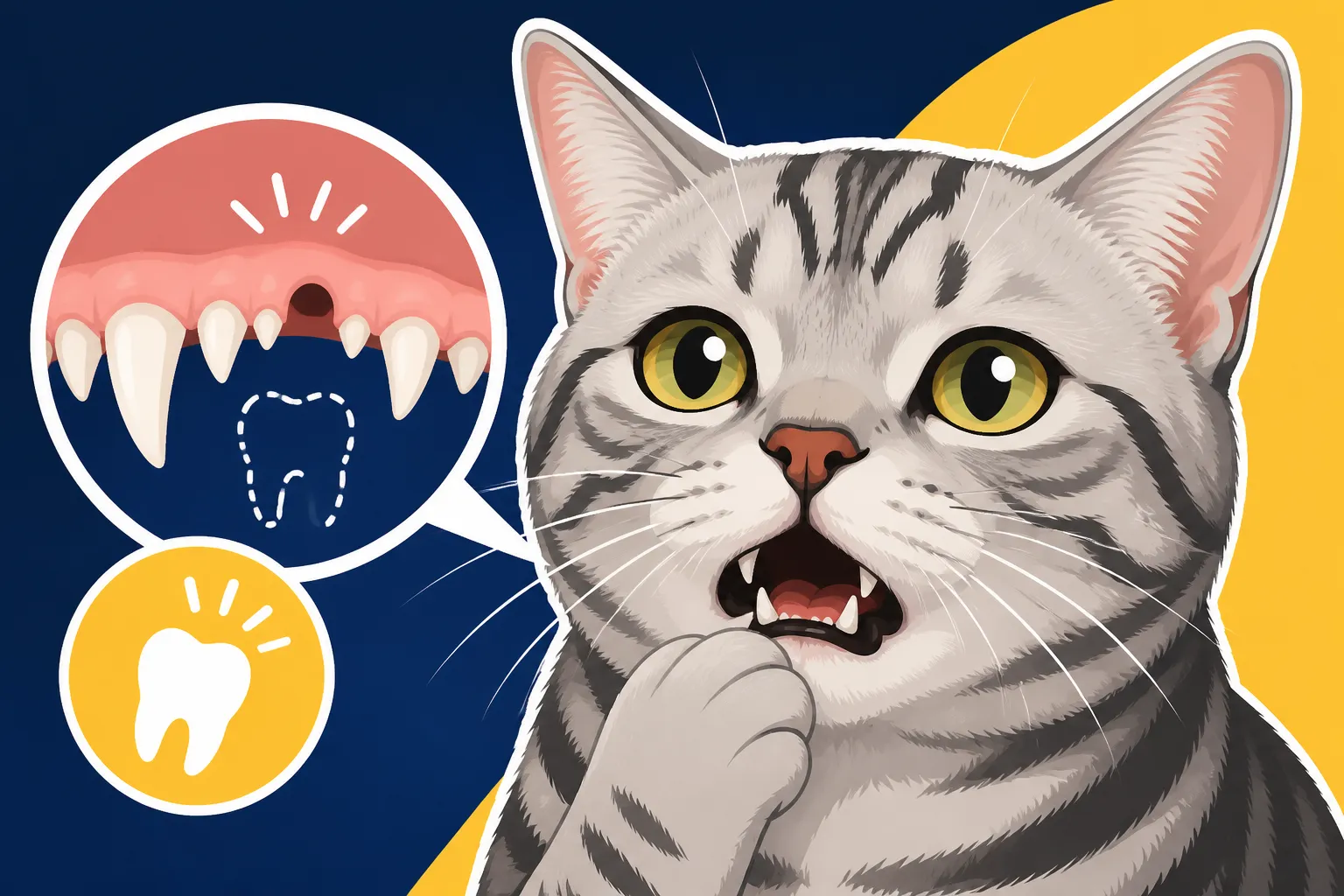
If gingivitis is left unchecked, it progresses to periodontitis, a much more serious condition. This is where the real damage starts. The infection spreads beneath the gumline, attacking the supporting structures of the tooth – the periodontal ligament and the bone of the jaw. Over time, this leads to the destruction of bone and tissue, creating pockets where more bacteria can flourish. Eventually, the teeth become loose as their foundation erodes, culminating in inevitable tooth loss. All of this can happen slowly, month after month, year after year, with your American Shorthair showing little to no outward signs of pain until the disease is incredibly advanced.
Anatomical Factors and Breed Predisposition
While American Shorthairs are celebrated for their generally sturdy health, their oral anatomy, like all cats, makes them susceptible to certain dental woes that can be hard to detect. Cats have smaller mouths and tightly packed teeth compared to dogs, making them more prone to plaque and tartar accumulation in hard-to-reach areas. Their sharp, carnassial teeth are designed for shearing meat, not grinding, which means they don't get the same abrasive action that might naturally clean the surfaces of flatter molars.
Furthermore, while the American Shorthair is known for its strong, utilitarian build – a testament to its mousing ancestors – this doesn't grant them immunity from dental issues. Owners might sometimes assume that a naturally healthy and robust breed would have fewer problems overall, but dental health is a universal challenge for felines. The structure of their jaws and the very sharp nature of their teeth can also contribute to issues like tooth resorption, which we'll discuss in more detail shortly. It's a cruel irony that such a hardy breed can suffer so silently from something as fundamental as tooth pain.
Lack of Regular Home Inspections
Let's be honest, how many of us routinely lift our cat's lips and thoroughly examine their teeth and gums? For most cat owners, it's not a daily or even weekly ritual, and it's certainly not something many cats willingly tolerate. American Shorthairs, while generally placid, might still resist having their mouths handled, especially if there's already tenderness or discomfort present. This lack of regular, close-up home inspection is perhaps the biggest reason dental problems go unnoticed.
Without us actively looking, we miss the early signs: a subtle red line along the gum, a small chip in a tooth, or the early yellowing of tartar. By the time these issues become obvious enough to catch our eye – like extreme bad breath, visible swelling, or a truly wobbly tooth – the disease has often progressed significantly. It's not a failing on the owner's part as much as it's a testament to the cat's incredible ability to mask discomfort, combined with the inherent difficulty of performing a dental exam on a less-than-cooperative feline at home. We simply don't get a clear enough look to intervene early.
The Stoic Nature of the American Shorthair: Masters of Hiding Discomfort
One of the most endearing, yet sometimes frustrating, traits of the American Shorthair is their calm, adaptable, and self-reliant demeanor. They are not typically vocal or overly dramatic, a characteristic stemming from their working cat heritage. While this makes them wonderful companions, it also makes them incredibly adept at masking pain, including the chronic discomfort of dental disease. Understanding this stoicism is key to recognizing when something is amiss with your American Shorthair.
The Ancestral Instinct to Hide Weakness
Think about the American Shorthair's ancestors – the formidable mousers on ships and farms. In the wild, or even in a semi-feral environment, showing weakness or pain makes an animal vulnerable to predators or competition. A cat that displays obvious signs of suffering is essentially broadcasting an invitation for trouble. This deeply ingrained evolutionary instinct means that domestic cats, even those living a pampered indoor life, will naturally try to hide any illness or injury, including agonizing dental pain.
For an American Shorthair, this means they're unlikely to cry out, limp, or refuse food outright until they are in excruciating, unbearable discomfort. Instead, they’ll minimize their movements, find quiet places to rest, or simply adapt their habits to accommodate the pain. This primal drive to appear strong and capable means that by the time you notice a clear sign of dental distress, the problem is usually severe, and the tooth or teeth are already significantly compromised, often beyond saving. It’s a survival mechanism that, in our modern homes, unfortunately works against early detection. For more on this, you might find Why a Stoic American Shorthair Hides Pain the Longest insightful.
Subtle Behavioral Changes, Not Obvious Cries for Help
Because of this stoic nature, an American Shorthair suffering from dental pain won't give you dramatic clues. You won't typically see them holding their paw to their mouth or dramatically refusing to eat. Instead, the signs are often incredibly subtle, easily mistaken for general aging, pickiness, or just "being a cat." You might notice your cat slowly down a little, or perhaps they’re a bit less enthusiastic about their favorite crunchy treat. They might take longer to finish meals, or you might find small bits of kibble left behind that they previously devoured.
Other subtle indicators could include a slight change in grooming habits – maybe they're not grooming as meticulously as before, especially around their face, or they might groom more in an attempt to soothe discomfort. A previously social cat might start to withdraw slightly, preferring solitude. A less playful American Shorthair might indicate pain, as their instinct to chase and pounce, even with toys, could be dulled by discomfort. These small shifts are often the only hints you'll get, and they require a keen eye and an intimate knowledge of your cat's normal behavior to spot. Consider that even What an American Shorthair Does Instead of Demanding might be a clue; their usual quiet requests might shift even further into silence.
Adapting to Discomfort Rather Than Showing It
One of the most remarkable and heartbreaking aspects of a cat's pain response is their ability to adapt. If one side of their mouth hurts, they’ll simply learn to chew on the other side. If dry kibble is too painful, they might try to swallow it whole, or they'll switch their preference to softer wet food, leading you to believe they've just become "picky." They might avoid certain toys that require biting, or they might bat at them instead of grasping them in their mouth. This adaptation means they continue to eat, continue to move, and continue to appear relatively "normal" from a casual observer's perspective, even as the infection and pain worsen.
This adaptive behavior allows dental disease to progress further than it should, because the outward symptoms are minimized. By the time a cat completely stops eating or shows obvious facial swelling, the infection has usually reached a critical stage, often requiring extensive extractions or even jaw reconstruction. It’s a constant battle for owners to differentiate between a cat’s natural preferences and adaptations driven by genuine pain.
Understanding the Culprits: Common Dental Conditions Leading to Tooth Loss
While periodontal disease is a major player, it's not the only villain causing tooth loss in American Shorthairs. There are other insidious conditions that can lead to severe pain and the eventual loss of teeth, often without any visible signs until the damage is extensive. Being aware of these common feline dental problems is crucial for understanding why your cat might lose teeth you never knew were an issue.
Periodontal Disease Progression and Bone Loss
As mentioned earlier, periodontal disease is a progressive condition. It doesn't just stop at inflamed gums. Once it advances to periodontitis, the infection starts to break down the tissues that hold the tooth in place. This includes the gingiva (gums), the periodontal ligament (which attaches the tooth to the bone), and the alveolar bone itself. As the bone recedes and pockets form around the tooth roots, the tooth loses its anchor.
Imagine the roots of a tree losing the soil that holds them firm; eventually, the tree will wobble and fall. The same happens with your cat’s teeth. The bacteria-laden plaque and tartar constantly attack the bone, leading to irreversible bone loss. This process is often hidden from view, occurring beneath the gumline. A tooth can look perfectly fine on the surface, but underneath, its roots could be surrounded by pus and decaying bone, making it loose and ready to fall out or requiring painful extraction. This is why professional dental cleanings that include X-rays are so vital; they can reveal the hidden damage below the gumline.
Feline Odontoclastic Resorptive Lesions (FORLs)
Perhaps even more devastating than periodontal disease, because it often strikes healthy-looking teeth, are Feline Odontoclastic Resorptive Lesions, or FORLs. These are incredibly painful, progressive lesions that erode the tooth structure, typically starting at the gumline. They are often called "cavities" by owners, but they are very different from human cavities. FORLs are caused by odontoclasts, cells that normally resorb primary (baby) teeth, becoming active again and starting to destroy the adult tooth's dentin and enamel.
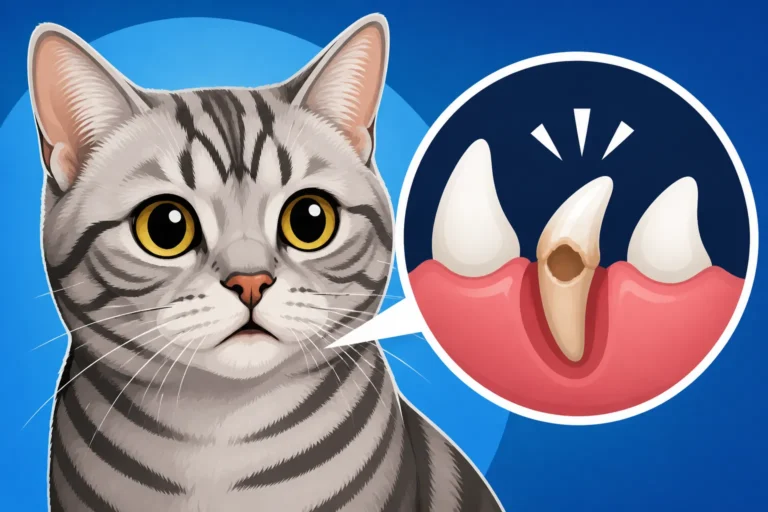
These lesions can appear as small, red, pit-like defects on the tooth surface, often covered by gum tissue, making them almost impossible to spot without a veterinarian's examination and sometimes even requiring probing under anesthesia. As they progress, they can eat away at the tooth, eventually exposing the sensitive pulp cavity filled with nerves, causing excruciating pain. A cat might lose a tooth due to a FORL because the lesion has weakened the tooth so severely that it fractures and falls out, or the pain becomes so unbearable that extraction is the only humane option. For a deeper dive into this specific problem, check out How Tooth Resorption Shows Up in an American Shorthair.
Fractured Teeth and Abscesses
Cats, being curious and sometimes adventurous creatures, can also suffer from fractured teeth. Chewing on hard objects, falling, or even a sudden impact can cause a tooth to break. Fractures can be minor, affecting only the enamel, or they can be severe, extending into the pulp chamber. When the pulp chamber is exposed, bacteria from the mouth can enter and infect the pulp, leading to a painful infection and the formation of an abscess at the root tip.
An abscess is a localized collection of pus, and it is intensely painful. Because it’s usually contained within the jawbone around the tooth root, it might not cause noticeable facial swelling until it's very large or ruptures. Your American Shorthair might simply become withdrawn, stop eating as much, or show subtle signs of discomfort. The infection and inflammation associated with a chronic abscess can slowly destroy the surrounding bone, eventually leading to the tooth becoming loose and falling out, or requiring a complex extraction to remove the infected tooth and resolve the abscess. The key here is that the initial fracture and subsequent infection can easily go unnoticed for weeks or months, as your stoic cat simply endures the pain.
The Ripple Effect: How Dental Issues Impact Overall Health
It’s easy to think of dental problems as isolated to the mouth, but the reality is far more complex. An unhealthy mouth can have profound effects on an American Shorthair's entire body, impacting vital organs and significantly diminishing their quality of life. The oral cavity is, after all, the gateway to the rest of the body, and what happens there doesn't stay there.
The Link Between Oral Bacteria and Organ Disease
One of the most concerning systemic impacts of advanced dental disease is the spread of bacteria from the mouth to other organs. When the gums are inflamed and infected, bacteria from the periodontal pockets can easily enter the bloodstream. Once in the circulation, these bacteria can travel throughout the body, setting up shop in distant organs. The kidneys, liver, and especially the heart, are particularly vulnerable.
Chronic bacterial exposure from severe dental disease can contribute to or worsen conditions like endocarditis (inflammation of the heart valves) or lead to kidney and liver disease. While it might not be the sole cause, it adds a significant burden to these organs, potentially shortening your cat's lifespan or exacerbating existing health issues. This silent assault on internal organs is a powerful argument for proactive dental care, extending far beyond just saving teeth. Interestingly, this relates to why monitoring heart health is crucial, as discussed in Why an American Shorthair Still Needs a Yearly Heart Scan.
Chronic Pain and Quality of Life
Imagine living with a persistent toothache, day in and day out, for months or even years. That's the reality for many cats with untreated dental disease. While your American Shorthair might not vocalize their pain, it doesn't mean they aren't suffering. Chronic pain takes a massive toll on an animal's overall well-being and quality of life. It can lead to lethargy, irritability, reluctance to play, and a general withdrawal from interaction.
A cat in chronic pain may sleep more, lose interest in their surroundings, or stop engaging in activities they once enjoyed. They might become defensive if you try to touch their face or head. Even if they continue to eat, the act of chewing can be a constant source of agony. This persistent discomfort can affect their mood, their energy levels, and their engagement with their environment and with you. We often underestimate the mental and emotional toll that physical pain can have on our pets, even our stoic American Shorthairs. Why Gum Disease Is the American Shorthair's Quietest Problem beautifully illustrates this silent suffering.
Impact on Appetite and Nutritional Intake
While American Shorthairs are typically good eaters, even subtle dental pain can lead to changes in their appetite and, consequently, their nutritional intake. They might start to approach their food bowl with hesitation, or take longer to eat. They may drop food repeatedly while trying to chew, or show a preference for softer foods over crunchy kibble. If the pain is severe enough, they might reduce their food intake significantly, leading to weight loss and malnutrition.
In older American Shorthairs, who might already be facing other health challenges, reduced appetite due to dental pain can be particularly detrimental. Poor nutrition can weaken their immune system, making them more susceptible to other illnesses and slowing down recovery. This is a crucial consideration, especially as we consider Caring for an American Shorthair Past Twelve, where maintaining good nutrition is paramount. It creates a vicious cycle where dental pain leads to poor nutrition, which in turn compromises overall health and makes them less resilient to further dental problems.
Proactive Dental Care: Preventing Tooth Loss in Your American Shorthair
Since dental disease is such a silent and pervasive threat, a proactive approach to your American Shorthair's oral health isn't just recommended, it's essential. Preventing tooth loss and maintaining a healthy mouth involves a combination of professional veterinary care and consistent home hygiene practices. Think of it as a partnership between you and your vet to keep that charming smile healthy for years to come.
The Cornerstone: Regular Veterinary Dental Exams
The absolute foundation of preventing unnoticed tooth loss is regular veterinary dental examinations. Your veterinarian is equipped to spot the subtle signs of dental disease that you might miss at home. During your American Shorthair's annual wellness check-up, the vet will perform an initial oral exam, looking for visible tartar, gingivitis, broken teeth, or any other abnormalities. They'll assess the overall condition of the gums and teeth, and even check for any unusual growths or masses.
For a deeper dive, especially if concerns are noted, your vet might recommend a more thorough examination under light sedation or anesthesia. This allows for a much more comprehensive assessment, including periodontal probing (measuring the depth of gum pockets around teeth) and dental X-rays. X-rays are critically important because they reveal the hidden damage beneath the gumline – the bone loss, root abscesses, and especially those insidious Feline Odontoclastic Resorptive Lesions (FORLs) that are invisible to the naked eye. This kind of professional scrutiny is truly the only way to get a complete picture of your cat's oral health. This thoroughness is why How Regularly a Healthy American Shorthair Still Needs Checking is so important.
Professional Dental Cleanings Under Anesthesia
Once dental disease has progressed to the point of tartar accumulation and gingivitis, home care alone is often not enough to reverse it. This is where professional dental cleanings (often referred to as COHAT – Comprehensive Oral Health Assessment and Treatment) come into play. These procedures are always performed under general anesthesia, and for good reason. Anesthesia allows the veterinary team to perform a thorough cleaning, scale off plaque and tartar above and below the gumline, and polish the teeth to smooth the surfaces and delay new plaque formation.
More importantly, anesthesia enables a meticulous examination of each tooth, including probing and dental X-rays. If any diseased teeth, FORLs, or fractured teeth are identified that cannot be saved, they can be extracted humanely and painlessly during the same procedure. The thought of anesthesia can be daunting for pet owners, but modern veterinary anesthesia protocols are very safe, especially with pre-anesthetic bloodwork to assess organ function and careful monitoring throughout the procedure. For many American Shorthairs, these cleanings are necessary every 1-3 years depending on their individual dental health. This investment is crucial, as detailed in How Many Dentals an American Shorthair Needs in Twenty Years. Pet insurance providers like Healthy Paws can often provide significant financial relief for these crucial, yet sometimes costly, procedures, ensuring your cat gets the care they need without compromise.
Effective Home Dental Hygiene Practices
While professional cleanings are non-negotiable, what you do at home can significantly extend the time between cleanings and prevent disease progression. The gold standard for home dental care in cats is daily tooth brushing. Using a soft-bristled, cat-specific toothbrush and enzymatic toothpaste (never human toothpaste!) can mechanically remove plaque before it hardens into tartar. Start slowly, making it a positive experience, perhaps by letting them lick the toothpaste off your finger first. Even if you can only manage a few teeth each day, it makes a difference.
Beyond brushing, there are other supportive measures. Veterinary-approved dental diets, such as Hill's Prescription Diet t/d or Royal Canin Dental, are specially formulated kibbles that help scrub the teeth as the cat chews, reducing plaque and tartar. Dental treats approved by the Veterinary Oral Health Council (VOHC) can also be beneficial, providing a gentle abrasive action or containing ingredients that reduce plaque. Additionally, some water additives are available that contain anti-plaque agents. While these methods are secondary to brushing, they can be valuable tools in your arsenal against dental disease, helping to keep your American Shorthair's mouth cleaner between vet visits.
Deciphering the Whispers: Spotting the Subtle Signs of Dental Trouble
Given the American Shorthair's incredible ability to hide pain, learning to recognize the subtle "whispers" of dental trouble is perhaps the most powerful tool you have as an owner. These signs aren't always obvious, but with a keen eye and a deep understanding of your cat, you can catch issues before they escalate into significant tooth loss.
Behavioral Clues That Indicate Oral Pain
As we’ve discussed, don't wait for dramatic cries for help. Instead, look for slight shifts in daily routines or comfort. One of the earliest signs is often a change in eating habits. This might manifest as decreased appetite, chewing on only one side of the mouth, or dropping food – especially hard kibble – repeatedly. They might approach their food bowl, sniff it, and then walk away, or take much longer to finish their meal than usual. Excessive salivation or drooling can also be a subtle indicator of oral discomfort, though it can also point to other issues.
Beyond eating, observe their grooming. Cats are fastidiously clean, but if they have a sore mouth, they might neglect grooming, leading to a dull or messy coat. Conversely, some cats might over-groom a specific area of their face in an attempt to alleviate pain. Watch for reluctance to play with toys, particularly those they used to enjoy biting or carrying. Head shaking or pawing at the mouth can be signs of more acute pain. Any new or persistent bad breath, which goes beyond typical "cat breath," is a huge red flag that indicates bacterial infection. If you notice any of these, even minor, it's time to investigate further.
| Subtle Sign of Oral Pain | What an Owner Might Mistake It For | Why It's a Red Flag |
|---|---|---|
| Slower, more hesitant eating | Picky eater, not hungry, old age | Pain when chewing, particularly hard food |
| Dropping food from mouth | Messy eater, clumsy | Inability to grasp or chew food without pain |
| Preferring wet food over kibble | Just likes wet food more | Kibble is too hard/painful to chew |
| Reduced facial grooming | Lazy, less interested | Pain makes grooming sensitive areas uncomfortable |
| Bad breath (halitosis) | Normal cat breath, ate something smelly | Bacterial overgrowth, infection, periodontal disease |
| Rubbing face on furniture/paws | Just stretching, affection | Attempt to relieve discomfort or itchiness around the mouth |
| Slight withdrawal, less playful | Tired, aloof, typical cat behavior | Chronic pain reducing overall energy and engagement |
| Visible redness along gumline | Normal gum color | Gingivitis, early inflammation |
The Importance of Early Intervention
Catching dental problems early is paramount. The earlier you intervene, the better the prognosis for saving teeth and preventing the disease from progressing to irreversible stages. Early gingivitis, for example, can often be reversed with professional cleaning and improved home care. However, once periodontitis sets in, the bone loss is often permanent, and the goal shifts to managing the disease and preventing further damage or tooth loss.
Early intervention means less pain for your American Shorthair, fewer complications, and often less extensive and less costly veterinary procedures. What might start as a simple cleaning could, if left untreated, turn into multiple extractions, a longer recovery, and potentially more systemic health issues. Waiting until your cat is showing obvious signs of distress almost always means the problem is already severe. So, don't hesitate to contact your vet if you notice even the slightest change in your cat's behavior or mouth.
What to Expect at the Vet for Dental Concerns
When you bring your American Shorthair to the vet with dental concerns, the process will typically start with a thorough physical examination, including an initial oral assessment while your cat is awake. The vet will look for obvious signs like swelling, bad breath, visible tartar, or missing teeth. If dental disease is suspected, the next step will almost certainly be to schedule a professional dental cleaning and oral assessment under anesthesia. This is non-negotiable for a proper diagnosis and treatment.
Under anesthesia, your vet will perform a full oral exam, probing each tooth to check for periodontal pockets, and taking full-mouth dental X-rays. These X-rays are crucial for identifying issues below the gumline that can’t be seen with the naked eye, such as root abscesses, bone loss, or those tricky FORLs. Based on these findings, the vet will formulate a treatment plan, which could range from a simple cleaning and polishing to extractions of severely diseased or painful teeth. Remember that pet insurance, such as a policy from Healthy Paws, can be incredibly beneficial in covering these unexpected but necessary dental care costs, giving you peace of mind that you can always choose the best treatment for your American Shorthair. Before any anesthetic procedure, Whether an American Shorthair Needs Pre Anesthetic Bloodwork is a common discussion point, ensuring their overall health is assessed.
Disclaimer
This article is intended for informational purposes only and does not constitute medical advice. Always consult with a qualified veterinarian for any health concerns or before making any decisions about your pet's health or treatment plan.