How to Hide an American Shorthair’s Food Around the House
Many American Shorthair owners find themselves with a dilemma: their cat has the instincts of a skilled hunter, driven by a history of earning its meals, yet lives a pampered indoor life where food magically appears in a bowl. This can lead to frustration, boredom, and even overeating if that powerful food drive isn't properly channeled. This comprehensive guide will walk you through creative and effective ways to hide your American Shorthair's food around the house, transforming mealtime into an engaging, enriching activity that satisfies their natural instincts and promotes better health.
Tapping into the American Shorthair's Natural Foraging Instincts
Our beloved American Shorthairs descend from hard-working cats who earned their keep by hunting. They weren't just pets; they were essential members of the household, keeping rodents at bay on farms and ships. This deep-seated predatory drive and the associated seeking behavior are still very much alive in them, even if their biggest prey item these days is a dust bunny. When we simply place their food in a bowl twice a day, we're asking them to ignore centuries of evolutionary programming.
The problem isn't that your American Shorthair is "lazy" or "greedy" when they devour their food in seconds. It's that their environment isn't challenging them in a way that respects their history. They are hardwired to stalk, pounce, and find their food. Denying them this opportunity can lead to a host of behavioral issues, from destructive tendencies to seeking out "forbidden" food items, or simply becoming a bit too sedentary. You can read more about this innate drive in The American Shorthair Still Hunts, Whether You Want It To or Not.
Why Traditional Bowl Feeding Falls Short for the American Shorthair
Think about it from your cat's perspective. A bowl of food is predictable, unchallenging, and over in a flash. For an animal whose ancestors spent hours each day strategizing, hunting, and consuming small meals, this modern convenience is utterly baffling and frankly, a bit boring. It doesn't engage their senses, their problem-solving skills, or their physical prowess.
This lack of mental and physical stimulation at mealtime can manifest in various ways. You might notice your American Shorthair begging for food, pacing around the kitchen, or even becoming a bit vocal long before their next meal. They might try to get into cabinets or onto counters, not out of naughtiness, but because their instinct tells them food should be found, not just given. Why an American Shorthair's Appetite Outlasted Its Job explains how this powerful drive can lead to issues if not managed.
The Benefits of Making Your American Shorthair Work for Its Meals
Introducing foraging activities by hiding food or using puzzle feeders offers a multitude of benefits that align with your American Shorthair's natural predispositions. Firstly, it slows down their eating, which can aid in digestion and prevent gulping, regurgitation, and overeating. This is especially crucial for a breed prone to carrying a bit more weight if not active.
Beyond the physical benefits, the mental stimulation provided by hunting for food is invaluable. It reduces boredom, decreases anxiety, and can even prevent destructive behaviors born out of under-stimulation. Your cat becomes more engaged with their environment, more confident in their abilities, and ultimately, a happier, healthier companion. It truly puts their brain to work and helps them feel like the capable hunter they were born to be. If you're looking for strategies to introduce this, our guide Making an American Shorthair Work for Its Dinner Again offers more in-depth advice.
Getting Started: Simple Food Hiding Techniques
You don't need to be an expert cat behaviorist or invest in elaborate gadgets to start hiding your American Shorthair's food. The key is to begin slowly, making it easy at first, and gradually increasing the challenge. This builds their confidence and keeps them engaged rather than frustrated. Remember, the goal is success, not immediate difficulty.
The beauty of these methods is that they leverage everyday household items, proving you don't need fancy equipment to engage your cat's natural instincts. It’s about being creative and understanding how your American Shorthair thinks.
The Scatter Method: Easy Introduction to Foraging
The simplest way to start is the "scatter method." Instead of putting their entire meal in a bowl, take a portion of their kibble and simply scatter it across a clean, dry floor in a quiet room. Start with a small, contained area like a bathroom or a corner of the living room, so the food isn't too spread out.
As your American Shorthair gets used to this, you can gradually expand the scattering area. Spread it further under furniture, behind curtains, or even up a step or two on the stairs. This encourages them to use their nose and paws, mimicking the natural act of searching for small prey. This method is fantastic for introducing the concept of "hunting" their meal without overwhelming them.
Cardboard Tube Fun: DIY Puzzle Feeders
Empty toilet paper or paper towel rolls make excellent, free, and disposable puzzle feeders. Simply fold in the ends of the tube and poke a few holes in it that are large enough for a piece of kibble to fall out. Place a small amount of kibble inside. Your American Shorthair will have to bat the tube around, use their paws, and perhaps even their teeth to get the food out.
You can make these more challenging by using longer tubes, making fewer holes, or even putting a few tubes inside a small box. Just be sure to supervise at first to ensure they aren't trying to eat the cardboard itself. This is a wonderfully economical way to stimulate their problem-solving skills, and you can easily scale the difficulty up or down.
Muffin Tin Adventures: Low-Tech Mental Stimulation
A standard muffin tin can be repurposed into a quick and easy foraging game. Place a few pieces of kibble in each cup. To make it slightly more challenging, you can cover some of the cups with a lightweight object like a crinkled piece of paper, a clean golf ball, or even a small cat toy.
Your American Shorthair will need to use their paws and nose to investigate and remove the obstacles to get to their delicious reward. This is a great way to encourage precision and problem-solving without too much physical exertion, perfect for those cats who are just starting out with more interactive feeding.
Stepping Up the Challenge: Advanced Foraging Ideas
Once your American Shorthair has mastered the basic food-hiding techniques, it's time to level up! These advanced methods require a bit more ingenuity from you and more effort from your cat, providing even greater mental and physical enrichment. Remember to always supervise new activities and ensure your cat isn't becoming frustrated.
The goal here is to prolong the engagement and make the "hunt" more complex, simulating a more intricate search for prey. This can involve vertical spaces, more complex puzzle designs, and even a degree of scent work.
Using Vertical Space and Elevated Hiding Spots
American Shorthairs are natural climbers and observers, often preferring high vantage points to survey their territory. Leverage this by hiding food in elevated spots. Place small portions on cat trees, shelves, or even window sills. This encourages them to jump, climb, and explore vertical dimensions, which is excellent exercise and mental stimulation.
Make sure the spots are safe and easily accessible for your cat to reach without risk of falling or knocking things over. You might start by placing food on the lower levels of a cat tree and gradually move it higher as they become more adept. This not only challenges their physical abilities but also taps into their territorial patrolling instincts. How High an American Shorthair Needs to Get delves deeper into their climbing habits.
Commercial Puzzle Feeders and Foraging Toys
The market is brimming with fantastic puzzle feeders designed specifically to make cats work for their food. These range from simple balls that dispense kibble as they're rolled, to multi-level towers and intricate mazes. Brands like Trixie, Catit, or even basic options found on Amazon or Chewy offer a wide variety to choose from. When selecting one, consider your American Shorthair's current skill level and size. Some are designed for wet food, others for dry, so pick what suits your cat's diet.
| Puzzle Feeder Type | Description | Challenge Level | Best For |
|---|---|---|---|
| Dispensing Balls | Balls with holes that release kibble as the cat bats them around. | Easy to Medium | Beginners, active cats, quick engagement |
| Slow Feeder Bowls | Bowls with ridges or mazes that slow down eating. | Easy | Gulping cats, simple introduction |
| Treat Mazes/Towers | Multi-level structures where cats bat food through channels. | Medium | Problem-solvers, cats needing more focus |
| Interactive Boards | Boards with various compartments, pegs, and sliding covers. | Medium to Hard | Curious cats, those needing diverse challenges |
| Snuffle Mats (Cat) | Fabric mats with fringes and pockets to hide dry food. | Easy | Scent work, calming activity |
These feeders are excellent because they are durable, easy to clean, and provide a consistent challenge. Rotating different types of puzzle feeders can keep things fresh and exciting for your American Shorthair, preventing them from getting bored with just one method. Whether a Puzzle Feeder Satisfies an American Shorthair offers more insights into their effectiveness.
The "Treasure Hunt" Game: Around-the-House Exploration
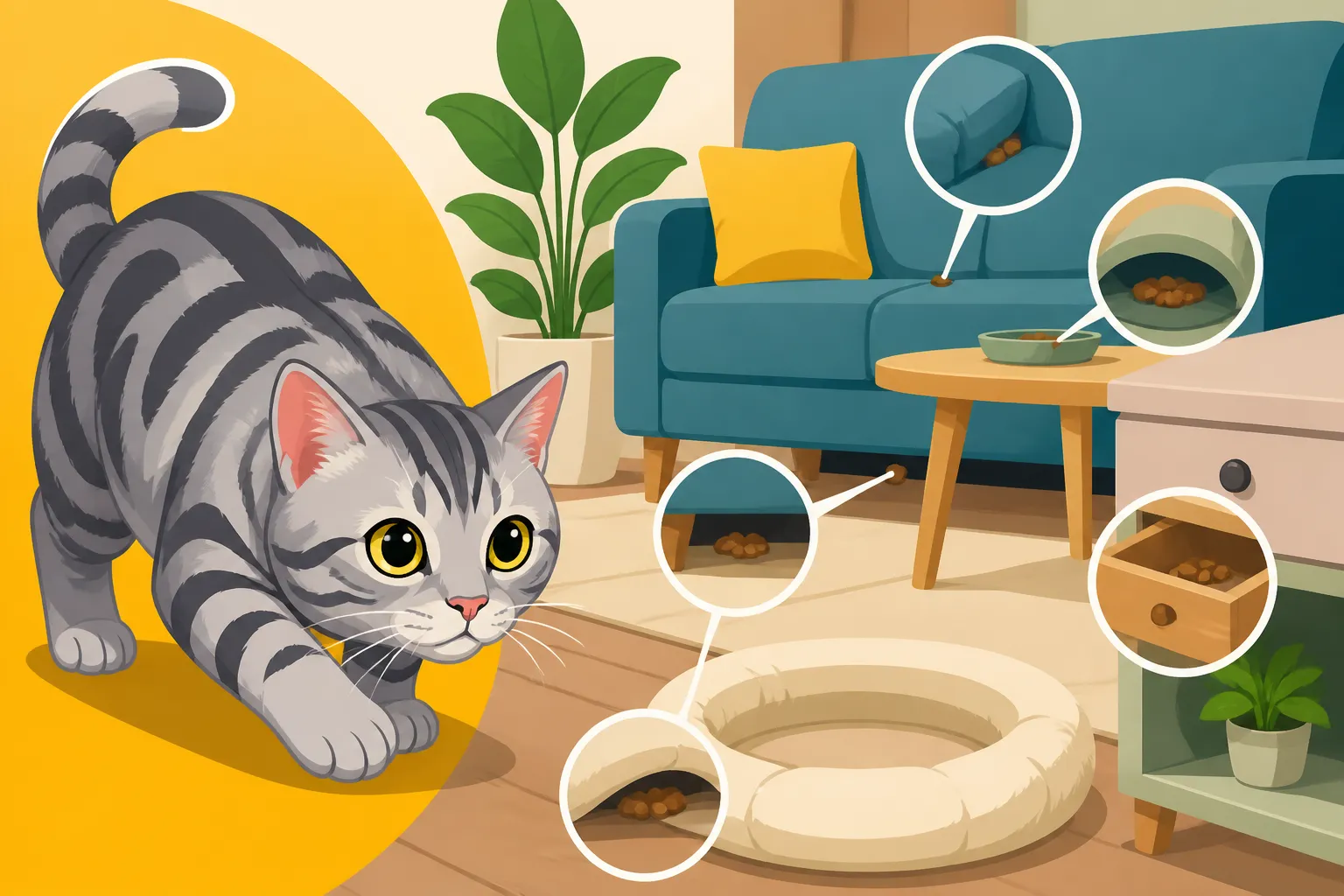
This method takes the scatter approach to the next level, turning your entire home into a scavenger hunt. Divide your American Shorthair's meal into many small portions and hide them in various spots throughout the house. Think under rugs, inside empty shoeboxes (with air holes!), behind cushions, or even in a corner of a blanket.
Vary the hiding spots daily to keep it unpredictable. This encourages extensive exploration, engages their superb sense of smell, and provides significant physical activity as they patrol their territory for hidden treasures. Just ensure all hiding spots are safe and that no food goes undiscovered and forgotten, especially if you have other pets. This is a truly satisfying way to engage How Much Simulated Hunting an American Shorthair Needs.
What to Hide: Food and Treat Options
Choosing the right type of food and treats for your foraging activities is just as important as the hiding spots themselves. It needs to be appealing, appropriately sized, and safe for your American Shorthair. This ensures their continued interest and prevents any unintended health issues.
Variety can also play a role here. While dry kibble is a staple, occasionally incorporating other types of treats can add an exciting twist to their daily hunt.
Dry Kibble: The Staple Foraging Food
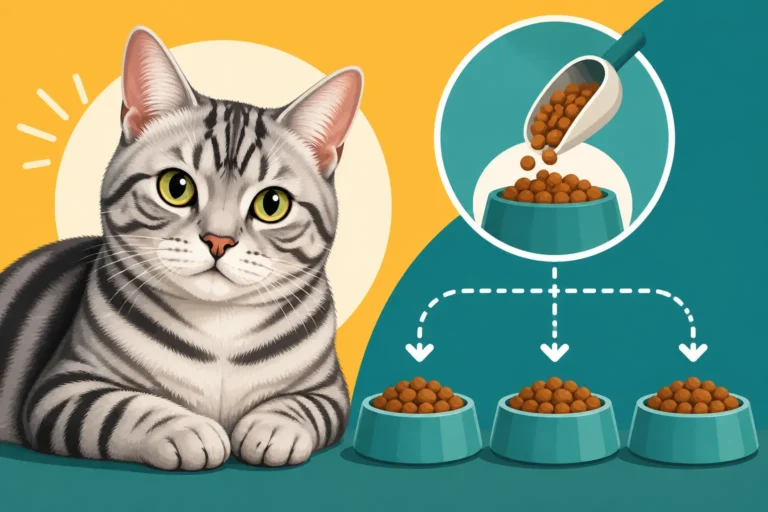
For most American Shorthairs, their regular dry kibble will be the primary food used for hiding and puzzle feeders. It's convenient, doesn't spoil quickly, and is perfectly portioned for these activities. Make sure to factor in the amount of kibble used for foraging into their total daily caloric intake to prevent overfeeding.
If your American Shorthair is on a specific diet, always use that prescribed kibble. The familiar scent and taste will motivate them to seek it out. If you're wondering about optimal portioning, How Much to Put Down for an American Shorthair at Each Meal can provide helpful guidelines to ensure they're getting the right amount during their "hunt."
Freeze-Dried Treats and Other Safe Options
For an extra special challenge or as a high-value reward, consider using small, freeze-dried meat treats. These are often intensely aromatic, making them irresistible and excellent for engaging their sense of smell. Make sure they are easily broken into small, pea-sized pieces to avoid giving too much at once.
Other safe options include small pieces of cooked, unseasoned chicken or even specially formulated cat treats. Always check ingredient lists to avoid anything harmful or overly processed. If you're exploring human-grade options, various protein choices cut into small pieces can make for a high-reward foraging experience, though always check with your vet for dietary considerations.
Important Considerations for Safe Foraging
While food hiding is a fantastic enrichment activity, it's crucial to implement it safely and responsibly. Your American Shorthair's health and well-being should always be the top priority. A few careful considerations will ensure that foraging remains a positive and beneficial experience for everyone involved.
From avoiding frustration to managing hygiene, these tips are designed to help you create a sustainable and enjoyable foraging routine for your feline friend.
Preventing Frustration and Overwhelm
The key to successful food hiding is gradual progression. Start easy, and only increase the difficulty once your American Shorthair has consistently mastered the current level. If your cat seems to give up quickly, meows excessively, or acts aggressively towards the feeder, it's likely too hard. Simplify the challenge immediately.
It's better to have many small successes than one big failure. The goal is to build their confidence and make the experience rewarding, not frustrating. Always provide an "easy win" at the beginning of a session, perhaps a few pieces of kibble left in plain sight near the hiding spots, to get them motivated.
Hygiene and Cleanliness of Hiding Spots
Food safety is paramount. Always hide dry food in clean, dry locations that are free from dust, dirt, or moisture. If using reusable puzzle feeders, ensure they are cleaned regularly according to the manufacturer's instructions to prevent bacterial growth. This is especially important if you're using any wet or moist treats.
Avoid hiding food in areas that might attract pests or where it could be forgotten and spoil. A daily check to ensure all hidden morsels have been found is a good practice. This attention to detail will keep your home clean and your American Shorthair healthy.
Monitoring Weight and Overall Health
Because foraging slows down eating and provides exercise, it can be a useful tool for weight management. However, it's still essential to monitor your American Shorthair's weight closely. If they are particularly adept at finding food, they might consume their entire daily ration quickly, so adjust the amount of food hidden accordingly.
On the flip side, if they struggle, they might not be eating enough. Regular weigh-ins and body condition scoring can help you gauge if the foraging routine is hitting the right balance. Consult your vet if you have concerns about weight changes or if you need help designing a specific dietary plan, especially if your cat is prone to weight gain, as discussed in What Extra Weight Does to an American Shorthair's Working Frame.
Troubleshooting Common Food Hiding Hurdles
Even with the best intentions, you might encounter a few bumps in the road when introducing foraging to your American Shorthair. Don't get discouraged! Many common issues have simple solutions, and understanding your cat's perspective can help you adapt and refine your approach.
Remember that every cat is an individual, and what works perfectly for one might need adjustment for another. Patience and observation are your best tools.
My American Shorthair Isn't Interested
If your American Shorthair ignores the hidden food or puzzle feeder, there could be several reasons. First, ensure the food is appealing. If you've switched to a new kibble or treat, they might not be motivated. Second, the challenge might be too high. Go back to basics: start with the scatter method in a small, clear area.
Sometimes, a cat might be hesitant simply because it's a new experience. Try placing a few pieces of kibble right on top of the puzzle feeder or near the hidden spot to spark their interest. You can also try leading them to the area when they're a bit hungry, but not ravenous, as described in How an American Shorthair Asks Without Nagging. Patience and positive reinforcement (verbal praise or a gentle pet when they investigate) can go a long way.
My Cat Makes a Huge Mess with the Food
If your American Shorthair is leaving a trail of kibble crumbs or scattering food everywhere, it might mean the hiding spots or feeder are too difficult, or they're becoming overly enthusiastic. For dispensing toys, try one with smaller holes or a design that requires more precise manipulation. For scattered food, consider confining it to areas with easy-to-clean flooring, like tile or hardwood.
You might also reduce the total amount of food hidden at once, offering smaller, more frequent "hunts." This can minimize the potential for large spills. Sometimes, simply supervising the activity more closely initially can help you understand how they're making a mess and allow you to intervene or adjust the method.
I Have Multiple Cats, How Do I Manage?
Managing food hiding with multiple cats, especially if one is an American Shorthair with a strong food drive, requires careful planning to prevent resource guarding or one cat monopolizing the food. The best approach is to feed cats separately, either in different rooms or using microchip-activated feeders. These feeders, often available on Amazon or Chewy, only open for the pet whose microchip they recognize, ensuring each cat gets their designated portion.
If separate feeding isn't possible, ensure there are enough hiding spots and puzzle feeders for each cat, plus a few extras, scattered widely. This diffuses competition. Supervise meal times and intervene if one cat is bullying another for food. It's crucial that each cat feels secure and has equal access to their food. Whether Two American Shorthairs Split the Territory or Fight for It might offer more context on multi-cat dynamics.
Disclaimer
This article is for general informational purposes only and does not constitute professional advice. Laws, prices and regulations vary by location and change over time. Consult a qualified professional for guidance on your specific situation.