An American Shorthair Sheds Twice a Year and Asks Nothing Else
Oh, the American Shorthair! If you're anything like me, you probably got one of these magnificent cats because you heard they were, well, easy. "Low maintenance," they said. "Doesn't shed much," they whispered. And then, one day, you found yourself covered in a fine layer of cat hair, wondering if your supposedly easy-going feline had suddenly turned into a woolly mammoth. It’s a common misconception that American Shorthairs don't shed, or that their shedding is negligible. While they might not leave tumbleweeds of fur like some long-haired breeds, they absolutely do shed, and understanding their unique coat and its seasonal cycles is key to keeping both your home and your cat comfortable. This guide is all about navigating the reality of American Shorthair shedding and providing practical tips for their coat care.
Understanding the American Shorthair Coat
The American Shorthair's coat isn't just for looking pretty; it's a testament to centuries of natural selection. These cats were originally working animals, brought over on ships to control rodent populations, and their coats evolved to protect them from the elements and the rigors of an active, outdoor life. It's a marvel of practicality and resilience, far from the fluffy, delicate coats of some other pedigrees.
The 'Working' Coat Versus the 'Show' Coat
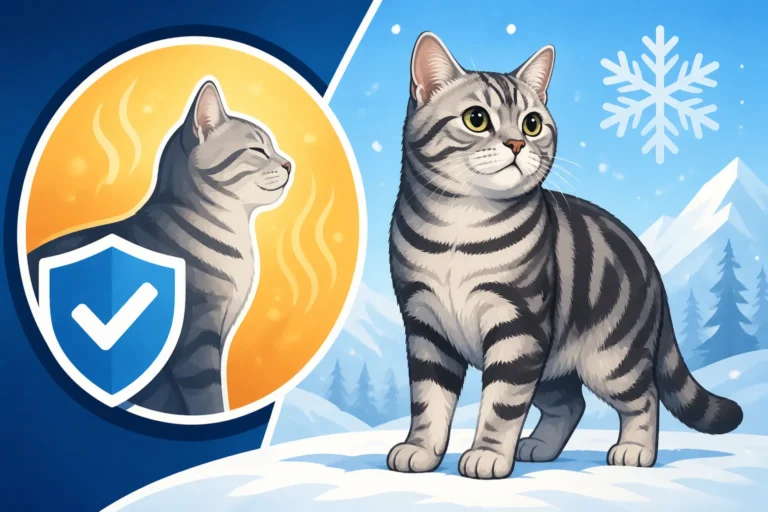
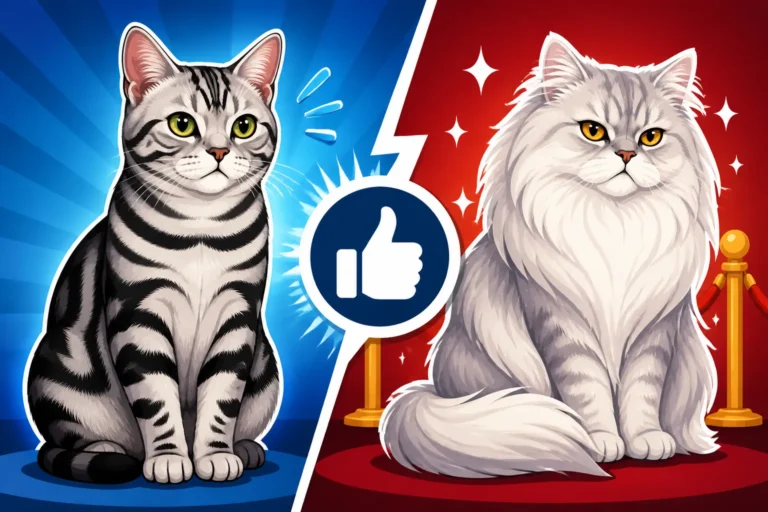
When you look at an American Shorthair, especially one bred to the standard, you'll notice their coat is quite dense and firm to the touch. It's not plush like a British Shorthair's, nor silky like a Persian's. This is their legacy as working cats. Their coat needed to be thick enough to offer insulation against cold and damp, yet short enough not to snag on brush or impede movement while hunting. Imagine a cat spending its days patrolling barns and fields – a long, fine coat would be a disaster, collecting burrs and mud. The American Shorthair’s coat, therefore, is short, hard, and wonderfully protective. It's designed for function, not just aesthetic appeal, which is a big part of their charm. You can truly appreciate this difference when you feel it – it has a different texture entirely. The American Shorthair's Coat Was Built for Weather, Not a Judge
Why the American Shorthair's Coat is Different by Design
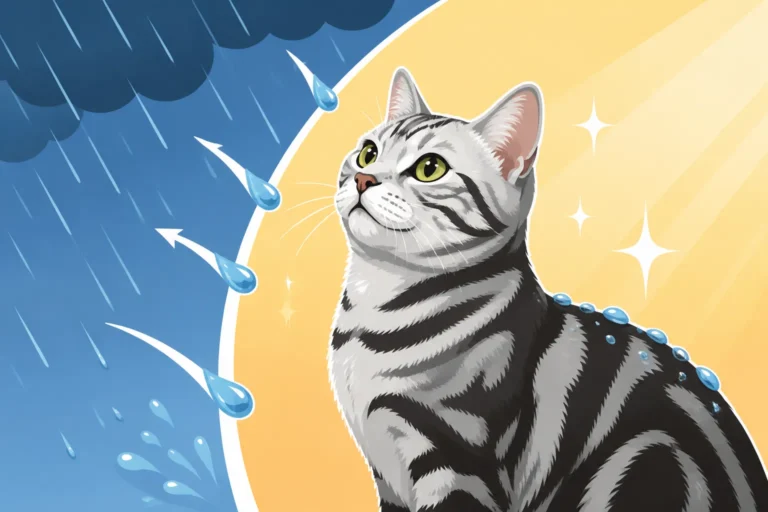
The unique structure of the American Shorthair's coat is what makes it so efficient. It typically has a good, strong guard hair layer, which are the coarser, protective hairs you feel on the surface. Beneath that, there's a softer, denser undercoat that provides insulation. This combination is what allowed their ancestors to thrive in various climates across North America. It helps repel moisture and dirt, acting almost like a natural shield. This design means they are remarkably good at keeping themselves clean and well-insulated without much human intervention. It’s a beautifully simple, robust system, but it also means that when that undercoat needs to go, it really needs to go, leading to those seasonal shedding periods we’ll discuss.
The Seasonal Shedding Cycle
Yes, the American Shorthair does shed. Anyone who tells you otherwise probably hasn't owned one for very long! The key isn't if they shed, but when and why. Their shedding is primarily seasonal, a natural adaptation to changing temperatures, a relic from their days living more exposed to the elements.
Springtime Blow-Out: Preparing for Warmer Weather
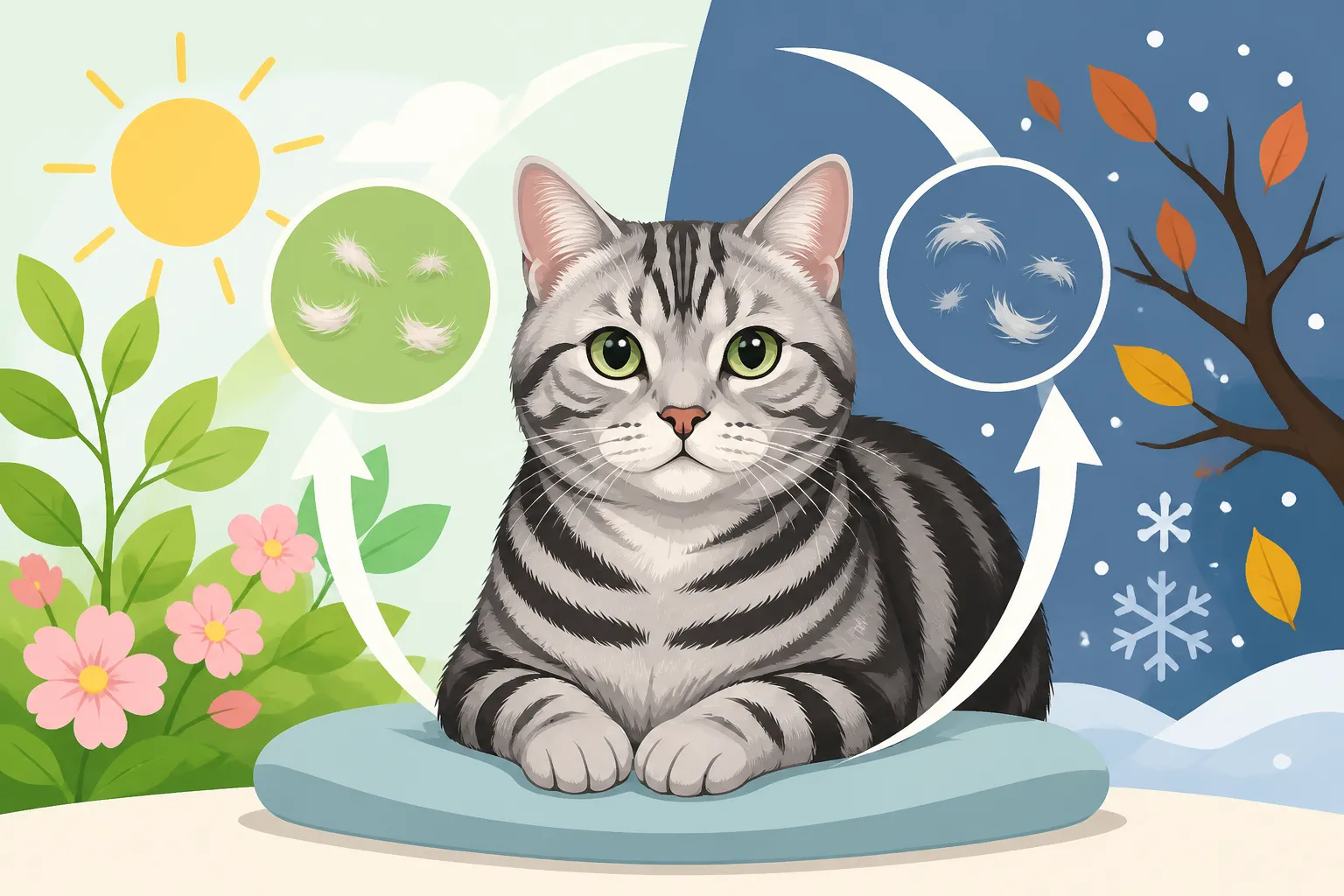
As the days start to lengthen and temperatures creep up after winter, your American Shorthair will begin what I affectionately call their "springtime blow-out." This is when they shed their thick, insulating winter undercoat to make way for a lighter, thinner summer coat. It's a necessary process to prevent overheating as the weather gets warmer. If you've ever thought your cat suddenly exploded with fur around March or April, you're not imagining things. This is typically when you'll see a noticeable increase in shed hair around your home, on your clothes, and maybe even floating through the air like tiny, furry dust bunnies. It can feel overwhelming, but it's completely normal and a sign of a healthy cat adapting to the environment. How an American Shorthair's Coat Thins Toward Summer
Autumnal Thickening: Getting Ready for Winter
Conversely, as summer fades and the crisp air of autumn sets in, your American Shorthair will embark on its other major shedding period. This time, they're shedding their lighter summer coat to grow in a denser, warmer winter coat. It’s their way of preparing for the colder months, ensuring they have ample insulation to stay cozy and comfortable. While it might seem counterintuitive to shed in preparation for more fur, it's about optimizing their coat for the upcoming conditions. This shedding might be less dramatic than the spring event, but you'll still notice more fur than usual. These two distinct periods, spring and fall, are when you'll need to step up your grooming game. Why an American Shorthair's Coat Thickens for Winter These are the two key months when you'll definitely notice their shedding increase. Which Two Months an American Shorthair Sheds Hardest
Managing the Twice-Yearly Shed
Okay, so your American Shorthair sheds. What do you do about it? The good news is that because their shedding is so predictable, you can prepare for it and manage it effectively. It doesn't require daily, intensive grooming like some breeds, but strategic action during those peak shedding seasons can make a world of difference.
Tools of the Trade: Brushes and Combs for the Job
You don't need a whole arsenal of fancy grooming gadgets, but a few key tools will be your best friends during shedding season. The most effective tool for an American Shorthair's dense coat is often a good quality metal comb with both wide and fine teeth. This allows you to work through the fur gently and remove loose undercoat without pulling. Many owners also swear by a rubber curry brush or a shedding blade designed for short-haired cats. These can be great for stimulating the skin and lifting loose hairs from the surface. For those thicker undercoats, a deshedding tool might also be useful, but use it sparingly and gently to avoid irritating their skin. You can find excellent options for all of these on retailers like Chewy or Amazon, making it easy to stock up. Which Comb Suits an American Shorthair's Hard Coat
Frequency and Technique: How Often and How to Brush
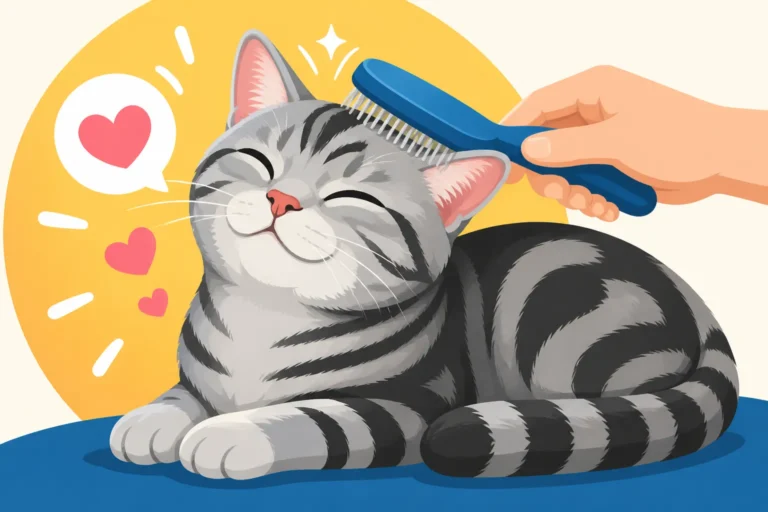
During the peak shedding seasons, aim to brush your American Shorthair a few times a week, perhaps every other day, to really get on top of the loose fur. Outside of these times, once a week or even less might be perfectly sufficient. The technique is important: always brush in the direction of hair growth, using gentle, short strokes. Pay particular attention to areas where the fur might be densest, like around their hindquarters and along their back. If you encounter any tangles – which are remarkably rare in an American Shorthair because their coat is so well-structured Why an American Shorthair Almost Never Mats – work them out carefully with the wide-toothed side of your comb first. Most American Shorthairs actually enjoy the attention and gentle massage, especially if you introduce brushing early in their lives. Make it a positive experience with treats and praise, and it can become a lovely bonding ritual. How Little Combing an American Shorthair Actually Needs
Beyond the Shed: General Coat Health
While managing shedding is a big part of coat care, a truly healthy, vibrant coat goes deeper than just brushing away loose hairs. It’s an outward sign of your cat's overall well-being, and diet plays a massive role.
Nutrition's Role in a Lustrous Coat
You know the old saying, “you are what you eat”? Well, for cats, it's “your coat is what you eat.” A high-quality diet rich in essential fatty acids (like Omega-3 and Omega-6) and protein is absolutely crucial for maintaining a healthy, shiny coat. These nutrients support skin health, reduce inflammation, and ensure the hair follicles produce strong, vibrant strands. If your cat's coat looks dull, greasy, or excessively flaky, it might be a sign that their diet isn't providing everything they need. Look for cat foods that list real meat as the first ingredient and contain balanced levels of these vital nutrients. Food made with fresh, high-quality ingredients can make a noticeable difference in coat quality. Providing an excellent diet is often the first step in addressing any persistent coat issues.
Bathing: Is It Really Necessary for an American Shorthair?
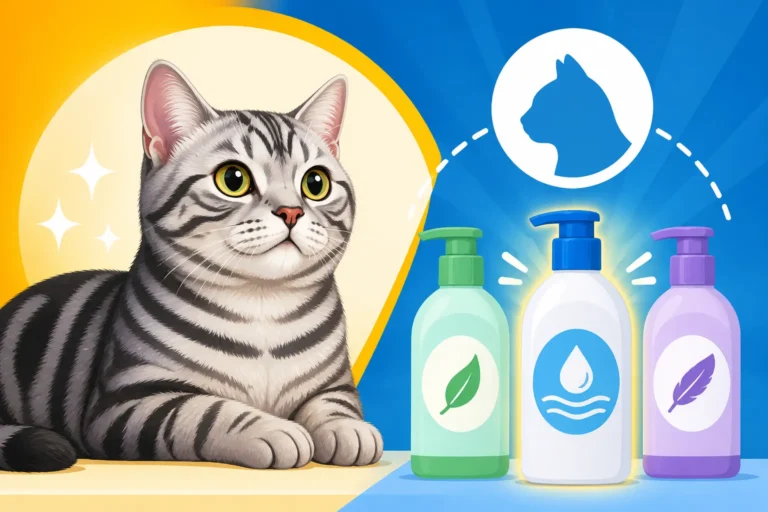
The short answer for most American Shorthairs is, rarely. These cats are fastidious self-groomers. They spend a significant portion of their day meticulously cleaning themselves, keeping their coats surprisingly pristine. How Much Time an American Shorthair Spends Grooming Itself Their coat is designed to be somewhat self-cleaning, repelling dirt and moisture. Unless your cat gets into something truly messy, has a skin condition that requires medicated baths, or is an older cat struggling to groom themselves, bathing an American Shorthair is usually unnecessary. In fact, too-frequent bathing can strip their skin of natural oils, leading to dryness and irritation. If you absolutely must bathe them, use a cat-specific shampoo, warm water, and make it as quick and stress-free as possible. Towel dry thoroughly, and ensure they are warm until completely dry. Why an American Shorthair Rarely Needs a Bath
Common Coat Concerns and Why They're Rare for American Shorthairs
One of the many joys of owning an American Shorthair is their generally robust health and low propensity for many of the issues that plague other breeds. This extends to their coat as well.
Mats, Tangles, and Skin Irritations
Due to their short, dense, and hardy coat, American Shorthairs are incredibly unlikely to develop mats or serious tangles. Unlike long-haired breeds with fine, delicate fur that can quickly knot, the American Shorthair’s hair shafts are stronger and less prone to sticking together. This is a huge relief for owners who dread the thought of wrestling a cat to de-mat its fur. Skin irritations are also less common thanks to their naturally protective coat and healthy skin. Of course, no cat is immune to every issue. Fleas, mites, or underlying allergies can still cause skin problems, but in a healthy American Shorthair, these are typically easily identified and treated. The main exception might be an overweight cat, who struggles to reach and groom all areas of its body, leading to potential matting in hard-to-reach spots. Why an Overweight American Shorthair Cannot Reach Its Back
Allergies and the American Shorthair's Hypoallergenic Myth
Let's address the elephant in the room: no cat is truly hypoallergenic. It's a common misunderstanding that breeds like the American Shorthair might be better for allergy sufferers because of their short coat. Unfortunately, it's not the fur itself that causes allergies, but proteins found in a cat's saliva, dander (dead skin cells), and urine. These proteins are present in all cats, regardless of coat length. While a shorter coat might mean less hair shedding and therefore potentially less dander spread around the house, it doesn't eliminate the allergen source. American Shorthairs are wonderful cats, but if you or a family member has severe cat allergies, it's always best to spend time with the specific cat you're considering before bringing them home, as individual cats produce varying levels of these proteins.
The Low-Maintenance Myth (and the reality)
So, we've established that the American Shorthair does shed, and they do need some grooming. Does that mean the "low maintenance" claim is a total myth? Not entirely. It's more about understanding what kind of maintenance they need, which is generally quite minimal compared to many other pedigreed cats.
Why They Groom Themselves So Well
The American Shorthair is a master of self-care. Their ancestors didn't have humans with brushes and combs; they had to rely entirely on their own efforts to keep their coats clean and functional. This innate drive for meticulous self-grooming is deeply ingrained in the breed. Their short, dense coat makes it relatively easy for them to reach all parts of their body, and their rough tongues are highly effective at removing loose hairs, dirt, and debris. This efficiency means that for the majority of the year, your American Shorthair will handle most of their coat care without a second thought, allowing you to enjoy their companionship without constant worry about grooming. How Much Time an American Shorthair Spends Grooming Itself
When to Step In: Recognizing When Your Cat Needs Help
While they are excellent self-groomers, there are times when your American Shorthair might need a helping hand. As mentioned, during their seasonal "blow-out" periods, extra brushing is definitely appreciated to manage the sheer volume of shedding undercoat. Beyond that, keep an eye out for changes in their grooming habits. If your typically pristine cat suddenly looks unkempt, greasy, or develops patches of matted fur (rare, but possible if they're unwell), it's a red flag. This could indicate pain, joint issues, dental problems, or an underlying illness that's preventing them from grooming effectively. Don't just dismiss it; a trip to the vet is warranted to uncover the root cause. Your intervention isn't about doing their job for them, but about supporting them when they can't quite manage it themselves.
Long-Term Coat Care for the Aging American Shorthair
As our beloved American Shorthairs transition into their golden years, their needs, including coat care, can change. What was once effortless for them might become a bit more challenging, and that's when our attentive care truly shines.
Changes in Coat Texture and Grooming Habits
It's common for an aging American Shorthair's coat to undergo subtle changes. You might notice it becomes a little coarser, or perhaps a bit thinner in places. The natural oils in their skin might decrease, leading to a duller appearance or even some flakiness. Their metabolism slows down, which can sometimes impact the health of their skin and fur. More importantly, as cats get older, their flexibility and energy levels can decline. They might find it harder to contort into those acrobatic positions necessary for a thorough self-grooming session, particularly around their hindquarters or along their spine. This isn't a sign of neglect on their part, but simply a physical limitation that comes with age. What Changes in an Aging American Shorthair's Coat
Addressing Mobility Issues That Impact Self-Grooming
If your senior American Shorthair is struggling to groom themselves, it's time for you to step up. This is where those grooming tools become even more invaluable. Gentle, regular brushing, perhaps every other day or even daily during shedding season, can help remove loose hair, stimulate their skin, and prevent any mats from forming in areas they can no longer reach. This also provides an opportunity to check their skin for lumps, bumps, or any signs of irritation that might otherwise go unnoticed. If mobility is a significant issue, ask your vet about joint supplements or pain management options that could make self-grooming easier for them. Sometimes, a little help from us can ensure they remain comfortable, clean, and feeling their best, even when their bodies aren't as agile as they once were. When an Old American Shorthair Needs Help Grooming
Here's a quick reference for common grooming tools and their best uses:
| Tool Type | Best For | American Shorthair Use Cases | Frequency | Where to Find |
|---|---|---|---|---|
| Metal Comb | Detangling, removing loose undercoat | Everyday brushing, especially during shedding season | 2-3 times/week | Pet stores, Chewy, Amazon |
| Rubber Curry Brush | Surface shedding, massaging skin | Lifting loose surface hairs, stimulating circulation | 1-2 times/week | Pet stores, Amazon |
| Shedding Blade | Removing large amounts of loose undercoat | Heavy shedding periods (use gently, not too often) | 1-2 times/month | Pet stores, Amazon |
| Soft Bristle Brush | Gentle finishing, distributing natural oils | Polishing the coat, sensitive cats | As desired | Pet stores, Amazon |
| Nail Clippers | Trimming sharp claw tips | Keeping claws from becoming too long or sharp | Every 2-4 weeks | Pet stores, Chewy, Amazon |
| Cat Toothbrush | Oral hygiene, preventing dental disease | Daily or regular brushing to maintain dental health | Daily (ideal) | Pet stores, Chewy, Amazon |
Disclaimer
This article is for general informational purposes only and does not constitute professional advice. Laws, prices and regulations vary by location and change over time. Consult a qualified professional for guidance on your specific situation.