Caring for an American Shorthair Past Twelve
Watching your beloved American Shorthair enter their golden years can be a bittersweet journey. While these wonderfully robust and low-maintenance cats are known for their longevity and stoic nature, they’re not immune to the aches, pains, and health shifts that come with age. This comprehensive guide is here to walk you through everything you need to know about caring for an American Shorthair past the age of twelve, helping you navigate their changing needs and ensure their comfort and happiness for many more years.
Recognizing the Signs of an Aging American Shorthair
It’s easy to miss the subtle shifts in our American Shorthairs as they age, especially given their naturally independent and often understated personalities. Unlike some more vocal or demonstrative breeds, an American Shorthair might quietly adjust to discomfort rather than loudly complain. However, recognizing these subtle signs is crucial for early intervention and maintaining their quality of life.
When Your American Shorthair Becomes a Senior Cat
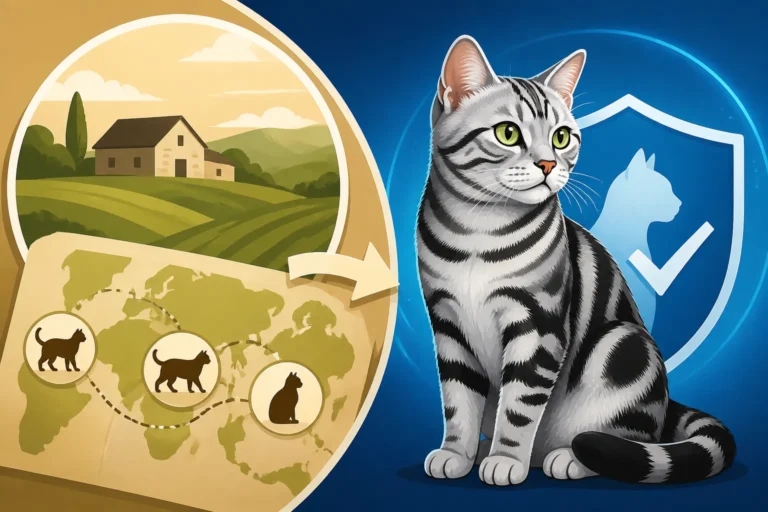
While there's no magic switch that flips, most veterinarians consider a cat to be "senior" once they hit around 11 to 14 years old, and "geriatric" beyond 15. For an American Shorthair, a breed renowned for its hardy constitution and often reaching The Fifteen to Twenty Years the American Shorthair Was Given, this means you might start noticing these changes closer to the upper end of that range, or even later. However, the exact timing can vary widely based on genetics, previous health, and lifestyle. Think of it not as a specific birthday, but a gradual transition marked by a collection of small changes rather than sudden, dramatic ones. It’s all about tuning into their individual rhythm and subtle cues.
Subtle Behavioral and Physical Changes to Look For
Your American Shorthair, once a formidable mouser and agile climber, might start to move with a little less spring in their step. Perhaps they're not quite as quick to greet you at the door, or they spend more time napping in their favorite sunbeam. You might notice they're a bit more hesitant to jump up to the counter or their favorite high perch, a common indicator of underlying joint discomfort – a topic explored further in Why an American Shorthair Stops Jumping to the Counter. Their once-sharp hunting instincts might diminish slightly, or they might engage in play for shorter periods. Physically, their coat might not be as lustrous as it once was, or you might spot some patchy areas if they're having trouble reaching certain spots to groom themselves. You might also observe changes in their eating or drinking habits, or even how they use their litter box. These aren't just quirks of old age; they're often important signals from a cat that still tries to hide its discomfort, reflecting their innate stoicism honed over centuries.
Common Health Concerns in Senior American Shorthairs
Despite the American Shorthair’s robust genetic heritage and general resilience, aging brings an increased risk of several common health issues. Staying vigilant and working closely with your veterinarian is key to managing these conditions effectively and providing the best possible care as your cat grows older.
Arthritis and Joint Pain
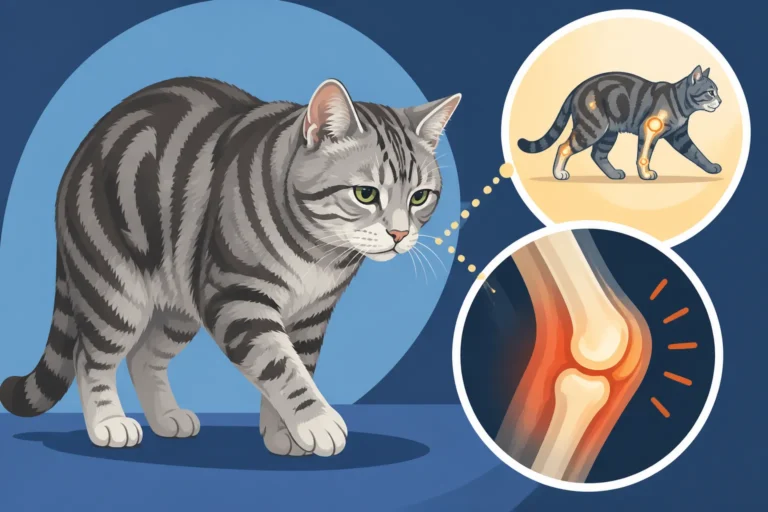
One of the most common ailments in aging felines, including our square-built American Shorthairs, is osteoarthritis. Years of patrolling their territory, jumping, and climbing take a toll on their joints. You might notice your cat hesitating before jumping, difficulty navigating stairs, or a general stiffness, particularly after resting. They might show a reluctance to be picked up or even seem grumpier when handled, not because their temperament has changed, but because they're in pain. This can be especially true for males, who tend to carry more muscle and put more weight through their joints. For a deeper dive, consider understanding Why a Broad Chested American Shorthair Puts Weight Through Its Hips. Your vet can diagnose arthritis through a physical exam and sometimes X-rays. Management often involves a combination of pain relief medications, joint supplements, weight management to reduce stress on joints, and environmental modifications.
Kidney Disease
Chronic kidney disease (CKD) is unfortunately very prevalent in older cats. The kidneys gradually lose their ability to filter waste products from the blood, leading to a buildup of toxins. Early signs can be subtle, such as increased thirst and urination, a slightly duller coat, or a decrease in appetite. As the disease progresses, you might notice weight loss, nausea, and lethargy. Regular senior blood work, which should be part of How Regularly a Healthy American Shorthair Still Needs Checking, is crucial for early detection, often before clinical signs become obvious. While CKD isn't curable, it can be managed with special prescription diets, fluid therapy (which you can administer at home with vet guidance), and medications to control symptoms. Early diagnosis can significantly slow progression and extend a cat's healthy lifespan.
Hyperthyroidism
This endocrine disorder, where the thyroid gland produces too much thyroid hormone, is another common issue in older American Shorthairs. It often presents with seemingly contradictory symptoms: despite eating more, your cat might actually be losing weight. Other signs include increased thirst and urination, restlessness, a greasy or unkempt coat, vomiting, and diarrhea. If you notice your cat suddenly developing a voracious appetite but looking thinner, it's definitely worth a vet visit. Diagnosis is made with a simple blood test. Treatment options include daily medication, a prescription iodine-restricted diet, radioactive iodine therapy, or surgical removal of the thyroid gland. Each option has its pros and cons, and your vet will help you decide the best course for your individual cat.
Dental Disease
Oral health is often overlooked until it becomes a significant problem, and it's a quiet issue for many senior American Shorthairs, as detailed in Why Gum Disease Is the American Shorthair's Quietest Problem. Over their lifetime, plaque and tartar can build up, leading to gingivitis and periodontal disease. This can cause pain, difficulty eating, tooth loss, and can even contribute to other systemic health problems as bacteria from the mouth can enter the bloodstream. Signs include bad breath, drooling, pawing at the mouth, reluctance to eat dry food, or visible red, swollen gums. Many cats hide dental pain remarkably well, so regular dental check-ups are essential. Professional dental cleanings under anesthesia are often necessary to properly assess and address issues, including extractions if teeth are too severely damaged.
Heart Disease
While the American Shorthair is generally considered a healthy breed, they are not entirely immune to heart conditions, with Hypertrophic Cardiomyopathy (HCM) being the most common inherited heart disease in cats. Although less prevalent than in some other pedigrees, HCM Is the One Inherited Disease the American Shorthair Kept and can manifest later in life. Signs can be subtle or sudden, ranging from lethargy and decreased appetite to difficulty breathing, coughing, or even sudden paralysis of the hind legs due to blood clots. Regular cardiac screenings, especially for breeding cats, are important, and even older pets can benefit from listening to the heart for murmurs during routine check-ups. If a murmur is detected, an echocardiogram can provide a definitive diagnosis. Early detection and management with medication can help slow the progression of the disease and improve quality of life.
Weight Management: Preventing Obesity and Related Issues
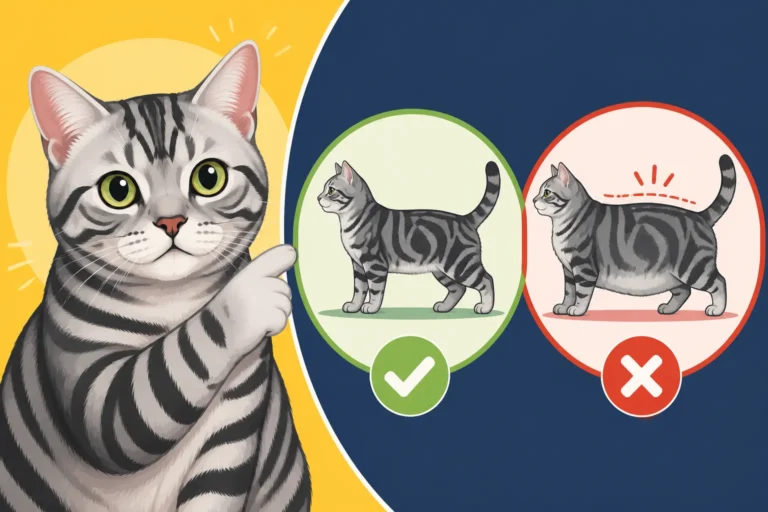
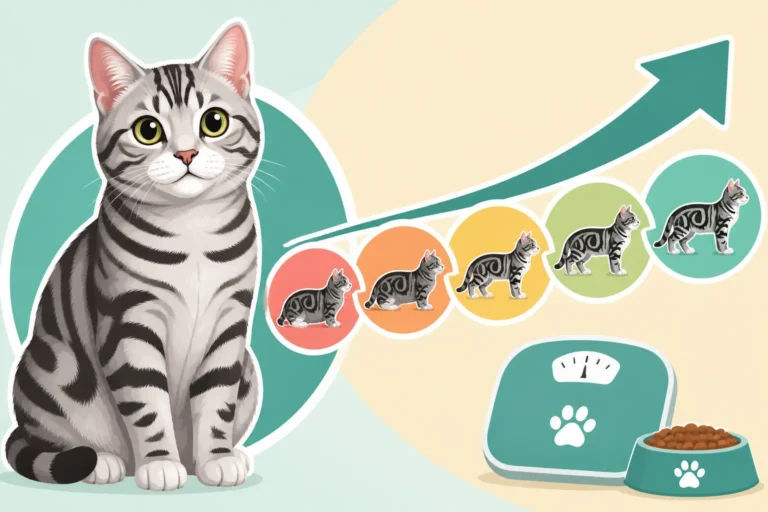
It’s an unfortunate truth that with age, many American Shorthairs become less active, which can lead to weight gain. Why Indoor Life Made the American Shorthair Fat perfectly sums up a common modern predicament for this historically working breed. Extra weight puts undue stress on their aging joints, exacerbates conditions like arthritis, and increases their risk of developing diabetes and other serious health problems. It's often difficult to spot weight gain on a square-built American Shorthair, whose sturdy frame can hide a few extra pounds, so regular weigh-ins and body condition scoring are essential. Your vet can help you assess your cat's ideal weight and create a tailored diet and exercise plan. This might involve switching to a senior-specific food that is lower in calories but still nutritionally complete, or incorporating more interactive play to encourage movement.
Adapting Their Environment for Comfort and Safety
As your American Shorthair ages, their world can start to feel a little more challenging. Small adjustments to their living space can make a monumental difference in their comfort, mobility, and overall quality of life, demonstrating your empathy for their changing abilities.
Making High Places Accessible
The American Shorthair loves to survey their domain from a high vantage point, a trait stemming from their ancestral hunting instincts. However, with arthritis or reduced agility, jumping onto windowsills, cat trees, or your bed can become painful or impossible. You might notice them attempting a jump, only to hesitate, or even miss. It's heartbreaking to see them frustrated by their own physical limitations. To help, consider providing ramps or pet stairs to their favorite elevated spots. If you have a multi-level cat tree, ensure there are easily accessible steps or wide platforms rather than large jumps between levels. Placing a sturdy stool or ottoman near a beloved window perch can also offer a helpful intermediate step. These simple additions allow them to continue enjoying their favorite high-up spots without strain or discomfort.
Comfortable Resting Spots
Older cats spend a significant portion of their day sleeping, and as their joints stiffen, a comfortable, supportive bed becomes even more crucial. Think orthopedic beds designed for pets, or simply extra-plush bedding in quiet, warm areas of the house. Drafts can exacerbate joint pain, so ensure their resting spots are away from cold windows or doorways. Many senior cats also appreciate a bit of warmth, especially during colder months. A heated pet bed, or even a soft blanket fresh from the dryer, can provide immense comfort to aching joints. Ensure these spots are easily accessible, perhaps on the ground floor, so they don’t have to navigate stairs to reach their haven. Having multiple comfortable spots throughout the house gives them options and reduces the need to travel far for a nap.
Litter Box Adjustments
Changes in mobility or the onset of conditions like arthritis can make using the litter box a challenge. A high-sided litter box, once perfectly fine, might now be a painful hurdle for a cat with stiff hips or knees. This can unfortunately lead to "accidents" outside the box, which can be frustrating for both you and your cat. To avoid this, switch to a litter box with lower sides, making it easier for them to step in and out. There are also specific senior-friendly litter boxes available with one very low entry point. Ensure the litter box is in an easily accessible location, perhaps closer to their main living areas, and consider adding more boxes if your home is large or has multiple levels. The type of litter matters too; soft, fine-grained litter can be more comfortable for sensitive paws.
Managing Environmental Stress
Older American Shorthairs, while generally placid and adaptable, can become more sensitive to changes in their environment or routine. Loud noises, new pets, or rearranging furniture can cause stress, which can manifest as changes in appetite, grooming habits, or even lead to urinary issues like stress cystitis. They might also find themselves more easily startled or confused, especially if their hearing or vision has declined. Creating a stable, predictable routine and a quiet, secure haven can help reduce stress. If you’re bringing a new pet into the home, introduce them slowly and carefully, allowing your senior cat ample space and time to adjust. Maintaining their regular feeding times, play sessions, and grooming routines can provide a sense of security and continuity.
Nutritional Adjustments for the Golden Years
Feeding an aging American Shorthair isn't just about putting food in a bowl; it's about providing targeted nutrition that supports their changing metabolism, maintains muscle mass, and addresses potential health concerns. Their dietary needs evolve significantly as they pass their prime, especially for a breed known for its historically robust appetite from its mousing days, as described in Why Ending the Mousing Job Made the American Shorthair Heavy.
Senior-Specific Cat Food
As cats age, their metabolism slows down, and they often become less active, meaning they need fewer calories to maintain a healthy weight. However, senior cats can also experience decreased nutrient absorption. This is where senior-specific cat foods come in. These formulas are typically lower in calories and fat to prevent weight gain, but higher in easily digestible protein to help maintain muscle mass. They often contain added joint supplements like glucosamine and chondroitin, antioxidants to support the immune system, and controlled levels of phosphorus and sodium to support kidney and heart health. Discuss with your veterinarian which senior diet is best for your cat, especially if they have any diagnosed health conditions that require a therapeutic diet, such as kidney disease or hyperthyroidism.
Importance of Hydration
Hydration becomes even more critical for senior cats, particularly those with kidney issues or a history of urinary problems. Many cats naturally don't drink enough water, and this can be exacerbated by a diet solely of dry kibble. Consider incorporating wet food into their diet, as it provides a significant amount of moisture. If your American Shorthair is particularly picky, you can also add a little warm water to their wet food to create a "gravy" consistency. Provide multiple water bowls throughout the house, ensuring they are clean and refreshed daily. Some cats prefer ceramic or stainless steel bowls, and many are enticed by pet water fountains, as the running water can be more appealing than still water in a bowl. Monitoring their water intake is a good habit to ensure they are getting enough, as a thirsty American Shorthair should always be tested if the thirst is excessive.
Managing Appetite Changes
It’s not uncommon for older American Shorthairs to experience fluctuations in appetite. Some might become pickier eaters, while others might develop a surprisingly ravenous appetite (which, as mentioned earlier, can be a sign of hyperthyroidism). If your cat is losing interest in food, try offering smaller, more frequent meals. Warming wet food slightly can enhance its aroma and make it more appealing. Ensure their eating area is quiet and free from stress, as a solitary American Shorthair often prefers to eat away from other pets. If your cat is consistently refusing food or experiencing significant weight loss, it’s a red flag that warrants an immediate vet visit, as it could indicate an underlying health issue that needs to be addressed. Sometimes, simply finding the right texture or flavor of food can make a world of difference.
Maintaining Mental Engagement and Quality of Life
Physical comfort is paramount, but a fulfilling life for a senior American Shorthair also requires mental stimulation and emotional connection. These intelligent cats, with their strong instincts, still need to engage their minds, even if their bodies can’t keep up with their youthful vigor.
Gentle Play and Enrichment
Even with reduced mobility, your American Shorthair still benefits from play. The key is to adapt play sessions to their capabilities. Instead of high-flying wand toys, opt for slower, ground-based toys that mimic hunting prey. Interactive toys like puzzle feeders can engage their minds and satisfy their natural foraging instincts without requiring strenuous physical activity. These can be particularly beneficial for an American Shorthair that once worked for meals. Short, frequent play sessions are often better than one long one, preventing overexertion. Consider toys that dispense treats, or simply move a wand toy slowly along the floor, allowing them easy "catches" to boost their confidence and satisfy their innate prey drive.
The Comfort of Routine and Familiarity
American Shorthairs, being creatures of habit and territory, thrive on routine. As they age, this becomes even more important. A consistent schedule for feeding, play, and cuddle times provides a sense of security and predictability. While they may appear to ask for almost nothing, a predictable environment helps prevent anxiety and confusion, especially if they are experiencing cognitive decline. Try to minimize major changes to their environment or daily schedule. If changes are unavoidable, introduce them gradually and patiently, ensuring your cat always has access to their safe spaces and familiar comforts. A self-reliant American Shorthair rarely panics alone, but they appreciate stability.
Grooming and Comfort
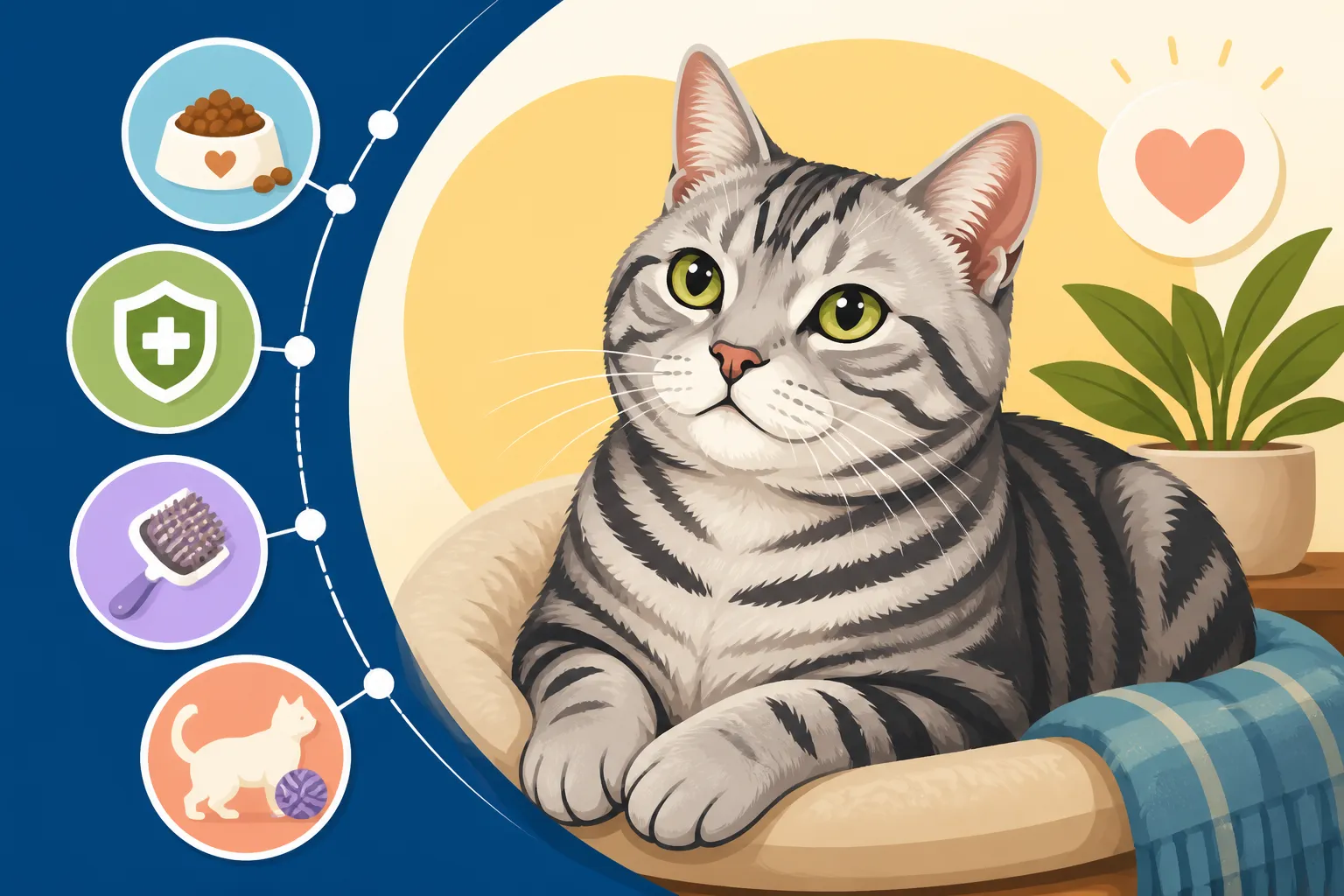
While American Shorthairs are generally excellent self-groomers, an aging cat with arthritis or obesity might struggle to reach all parts of their body, leading to a dull or matted coat, especially around the lower back or tail base. Regular, gentle brushing from you not only helps keep their coat healthy and free of mats but also serves as a bonding experience and an opportunity to check for lumps, bumps, or sore spots. Use a soft brush and make grooming sessions short and pleasant. This is a chance to show them affection and ensure they remain comfortable and clean, especially since their coat, which was built for weather, not a judge, still deserves care.
Social Interaction and Affection
Even the most independent American Shorthair needs social interaction. While they may not be lap cats in the traditional sense, they often enjoy being near their people, perhaps sitting beside you rather than on you, as discussed in Why a Working Bred American Shorthair Sits Beside You Rather Than On You. Gentle petting, quiet conversations, or simply sharing the same space strengthens your bond and provides emotional comfort. Pay attention to how they show affection and respect their boundaries. Some older cats might become less tolerant of being picked up or handled in certain ways due to pain, so always approach with care and sensitivity. Consistent, gentle interaction helps reassure them and keeps them feeling loved and secure.
Working with Your Vet: Essential Senior Check-ups and Monitoring
Proactive veterinary care is the cornerstone of successful senior cat management. Regular check-ups become even more crucial as your American Shorthair ages, shifting from preventative care to early detection and management of age-related conditions.
The Importance of Regular Senior Vet Visits
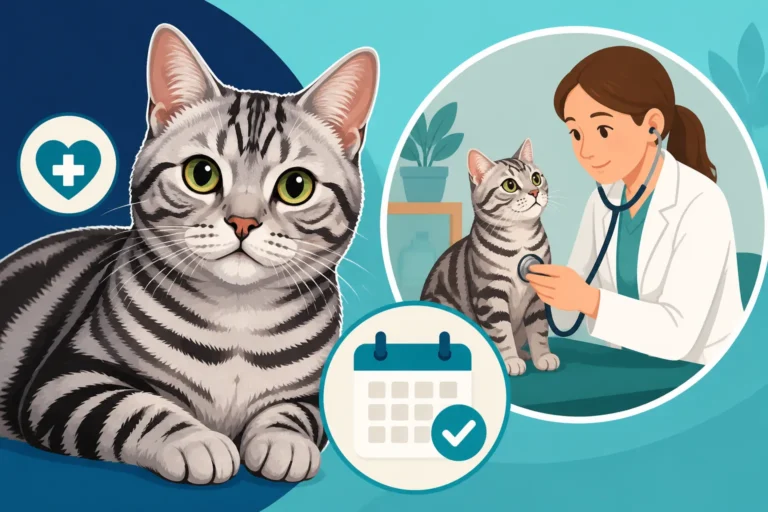
For an American Shorthair past twelve, annual vet visits should transition to semi-annual appointments, ideally every six months. These frequent visits allow your veterinarian to monitor subtle changes in weight, coat condition, and vital signs, and to perform thorough physical examinations, including dental checks. Many age-related diseases progress slowly, and early detection significantly improves the prognosis and effectiveness of treatment. Your vet can often spot issues long before they become outwardly obvious, especially in a stoic breed like the American Shorthair that hides pain the longest. Don't wait until something is clearly wrong; regular check-ups are your best tool for keeping them healthy and happy.
Bloodwork and Urinalysis
Beyond the physical exam, comprehensive senior bloodwork and urinalysis are critical diagnostic tools. Blood tests can reveal early signs of kidney disease, hyperthyroidism, diabetes, and other metabolic issues, even before your cat shows symptoms. Urinalysis provides insights into kidney function, hydration status, and can detect urinary tract infections or bladder stones. Your vet will establish a baseline for your cat's normal values, making it easier to identify deviations over time. Remember, understanding Which Blood Values Matter Most in an American Shorthair can empower you to ask informed questions and be an active participant in their healthcare. These tests are essential for tailoring their care plan and making informed decisions about their diet and medication.
Monitoring Chronic Conditions
If your American Shorthair has been diagnosed with a chronic condition like arthritis, kidney disease, or hyperthyroidism, ongoing monitoring is essential. This might involve more frequent blood tests, regular blood pressure checks, or adjustments to medication dosages. Your vet will guide you on the specific monitoring schedule and what signs to watch for at home. It’s a partnership where your observations as an owner are incredibly valuable, providing crucial information between vet visits. Keeping a journal of your cat's appetite, water intake, litter box habits, and overall energy levels can be very helpful for tracking their progress and communicating with your vet.
Financial Planning for Senior Cat Care
The reality of caring for an aging cat is that it can become more expensive. From more frequent vet visits and specialized diets to ongoing medications and potential emergency care, the costs can add up. Being prepared financially can ease the burden during an already emotional time.
Pet Insurance and Savings
Investing in pet insurance when your American Shorthair is younger can provide a safety net for unexpected senior health issues. While enrolling an older cat might come with higher premiums or exclusions for pre-existing conditions, it's still worth exploring options. Companies like Healthy Paws offer various plans that could help mitigate costs. If insurance isn't an option, start a dedicated savings fund for your cat's senior care. Even putting away a small amount each month can make a huge difference when a significant vet bill arises. Knowing you have resources available means you can make decisions based on what’s best for your cat, not just your wallet.
Budgeting for Ongoing Needs
Beyond emergency funds, factor regular senior care costs into your monthly budget. This includes semi-annual vet visits, prescription medications (e.g., for arthritis pain, hyperthyroidism, or kidney support), specialized senior or therapeutic diets, and supplements. Some conditions might require ongoing treatments, like subcutaneous fluids for kidney disease, which can incur regular costs for supplies. Being aware of these potential expenses allows you to plan accordingly and ensures your American Shorthair receives consistent, high-quality care without undue financial strain on your part.
Navigating End-of-Life Decisions
This is perhaps the hardest part of senior cat ownership, but it’s an important aspect of responsible care. Discussing quality of life with your veterinarian and understanding when medical intervention becomes futile or causes more suffering than benefit is crucial. Euthanasia is a deeply personal decision, and having these conversations proactively, rather than in a crisis, can make the process more peaceful. Consider your cat's comfort, happiness, and dignity above all else. Many vets offer in-home euthanasia, which can provide a more serene and less stressful experience for your beloved American Shorthair in their familiar territory. It's a testament to the love and bond you share, honoring their long and wonderful life.
Final Thoughts: Cherishing Every Moment
Caring for an American Shorthair past the age of twelve is a journey filled with both challenges and immense rewards. They have graced your life with their quiet companionship, their intelligent gaze, and their sturdy, comforting presence for so long. As they navigate their golden years, they rely on your attentiveness, patience, and unwavering love to ensure their comfort and dignity.
By understanding the signs of aging, proactively addressing potential health concerns, adapting their environment, and making appropriate nutritional and lifestyle adjustments, you are providing them with the best possible quality of life. Embrace the slower pace, cherish the extra naps on the sofa, and savor every purr and gentle head-butt. The bond you've built over a decade or more is profound, and these twilight years are an opportunity to deepen that connection even further. Your American Shorthair may be aging, but the love they bring to your home remains as vibrant as ever.
| Common Senior American Shorthair Ailments | Key Symptoms | Typical Age of Onset (approx.) | Management Strategies |
|---|---|---|---|
| Osteoarthritis/Joint Pain | Reluctance to jump, stiffness, limping, decreased activity, changes in temperament when handled | 10+ years | Pain relief (NSAIDs), joint supplements, weight management, environmental modifications (ramps, soft beds), physical therapy. |
| Chronic Kidney Disease (CKD) | Increased thirst/urination, weight loss, decreased appetite, nausea, lethargy, poor coat quality | 10+ years | Prescription renal diet, fluid therapy (subcutaneous), blood pressure medication, phosphorus binders, regular monitoring. |
| Hyperthyroidism | Weight loss despite increased appetite, increased thirst/urination, restlessness, vomiting, diarrhea, unkempt coat | 10+ years | Oral medication, radioactive iodine therapy, prescription iodine-restricted diet, surgery. |
| Dental Disease | Bad breath, drooling, difficulty eating, pawing at mouth, red/swollen gums, tooth loss | All ages, worsens with age | Professional dental cleanings (scaling, polishing, extractions), daily tooth brushing (if tolerated), dental diets/treats. |
| Heart Disease (e.g., HCM) | Lethargy, decreased appetite, difficulty breathing, coughing, hind leg weakness/paralysis | Varies, often mid to later life | Medications (e.g., diuretics, beta-blockers, ACE inhibitors, anti-coagulants), regular echocardiograms, fluid therapy, oxygen therapy for crises. |
| Obesity/Weight Gain | Visible fat pads, inability to feel ribs, reduced activity | 7+ years | Calorie-restricted diet, increased appropriate exercise, timed feeding, puzzle feeders, regular weigh-ins. |
| Cognitive Dysfunction | Disorientation, changes in interaction, altered sleep cycles, litter box accidents, increased vocalization | 12+ years | Environmental enrichment, consistent routine, supplements (e.g., antioxidants, omega-3s), prescription diets, medication (e.g., selegiline). |
Disclaimer
This article is intended for informational purposes only and does not constitute veterinary advice. Always consult with a qualified veterinarian for any health concerns or before making any decisions about your pet's medical care or diet. Individual cats may have unique needs.