How Rarely an American Shorthair’s Ears Need Cleaning
As an American Shorthair parent, you might find yourself wondering about their ear care. Unlike some breeds, these resilient and self-sufficient cats generally have very low-maintenance ears, and often, the less you interfere, the better. This guide will delve into why your American Shorthair's ears usually require minimal cleaning, how to recognize the rare instances when intervention is needed, and how to keep them healthy without overdoing it.
The American Shorthair's Design for Self-Sufficiency
Centuries of working life, keeping pests at bay on farms and ships, forged the American Shorthair into a robust and practical companion. This isn't a breed that was selectively bred for extreme features that might compromise its health or require constant human intervention. Their ears are a perfect example of this natural resilience, designed for function rather than elaborate aesthetics.
Anatomical Advantages for Clean Ears
Think about the structure of your American Shorthair's ears. They are typically medium-sized, rounded at the tips, and set moderately apart on a well-proportioned head. This shape isn't just charming; it's incredibly practical. The moderate size and open, upright carriage allow for good air circulation. Good airflow is a natural deterrent to the warm, moist environments that yeast and bacteria love to thrive in. Compare this to breeds with folded ears or heavily furred ear canals, which can easily trap moisture and debris. The American Shorthair's ear canal is generally open and unobstructed, making it easier for natural earwax and debris to work their way out on their own.
Furthermore, their coat, famously dense and hard, is relatively short even around the ears. This means there isn't a lot of long hair to fall into the ear canal, trapping dirt or creating a barrier to airflow. They weren't bred for elaborate ear tufts or plumes, which can often collect dust, pollen, and other irritants. It's truly a no-fuss design, a testament to their working-cat heritage where every feature served a purpose in keeping them healthy and effective at their job. This practical design is a big reason why How Rarely an American Shorthair Gets an Ear Infection compared to other breeds.
Master Groomers From the Whiskers Up
One of the most remarkable things about cats, including your American Shorthair, is their dedication to self-grooming. They are meticulous creatures, spending a significant portion of their waking hours keeping themselves spotless. Their flexible paws and rough tongues are surprisingly effective tools for maintaining hygiene, and this extends to their ears.
An American Shorthair will regularly clean around and inside their outer ear flaps with their paws. They might lick their paw and then use it to wipe down their ear, removing loose dirt, dust, and any excess earwax that has migrated to the visible parts of the ear. This constant, natural maintenance routine is usually all they need to keep their ears in tip-top condition. They're far more effective at this daily upkeep than any human could ever be with a cotton swab. It's just part of their inherent drive for cleanliness and self-preservation, a trait deeply ingrained from their ancestors who needed to stay healthy and alert in challenging environments.
How Often is "Rarely"? Setting Realistic Expectations for Ear Care
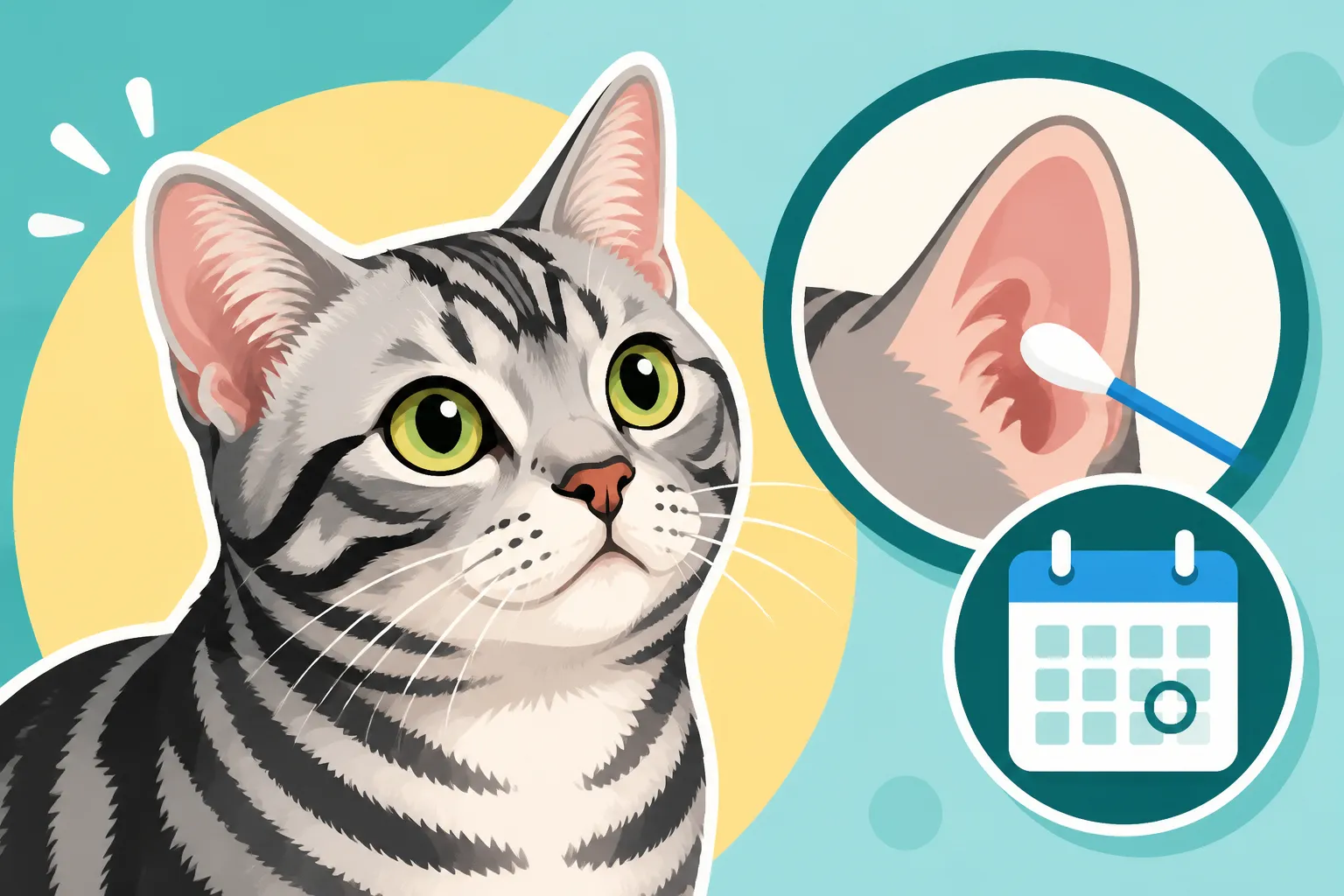
When we talk about an American Shorthair's ears needing cleaning "rarely," it's important to define what that actually means in practical terms. For most healthy American Shorthairs, active ear cleaning might only happen a few times in their entire lifetime, if at all. This isn't to say you should ignore them entirely, but rather to shift your focus from active cleaning to regular, gentle observation.
Routine Visual Checks vs. Routine Cleaning
Instead of scheduling weekly or monthly ear cleaning sessions, think about incorporating visual ear checks into your regular petting routine. When you're having a cuddle, gently lift their ear flap and take a quick peek inside. What you're looking for is simply normalcy. A healthy American Shorthair ear canal should appear clean, light pink, and free from any strong odor or excessive visible debris. You might see a little bit of light brown or reddish-brown earwax – that's perfectly normal, just like in humans. It's a natural protective substance.
These routine checks are quick, non-invasive, and allow you to catch any potential issues early without disturbing the natural balance of their ear environment. This approach aligns with the American Shorthair's generally low-maintenance nature, where proactive observation is more valuable than unnecessary intervention. When you are performing these checks, you can also keep an eye on other aspects of their well-being, like ensuring regular check-overs (How Regularly a Healthy American Shorthair Still Needs Checking).
When Not to Clean: Avoiding Unnecessary Intervention
It's a common misconception that clean ears mean no earwax. But earwax serves a vital purpose: it protects the delicate ear canal lining, traps dust and foreign particles, and has antibacterial properties. Over-cleaning an American Shorthair's ears can actually do more harm than good.
Here's why:
- Irritation: Excessive cleaning, especially with harsh solutions or cotton swabs pushed too deep, can irritate the sensitive skin of the ear canal. This irritation can lead to inflammation, making the ear more susceptible to actual infections.
- Disrupting Natural Flora: The ear canal has a natural balance of beneficial bacteria and yeast. Aggressive cleaning can disrupt this delicate ecosystem, allowing opportunistic pathogens to overgrow and cause problems.
- Pushing Debris Deeper: Using cotton swabs can inadvertently push earwax and debris further into the ear canal, compacting it against the eardrum and potentially causing blockages or even damage.
- Stress and Aversion: Most cats, including the typically calm American Shorthair, don't particularly enjoy having their ears fiddled with. Unnecessary or rough cleaning can create a negative association with ear handling, making it much harder if you ever do need to clean them due to a genuine problem or if a vet needs to examine them.
Unless you see clear signs of a problem, resist the urge to "clean" a seemingly healthy ear. Your American Shorthair's body is well-equipped to handle this on its own.
Signs Your American Shorthair's Ears Need Attention
While American Shorthairs are generally blessed with healthy ears, no cat is entirely immune to problems. Knowing what to look for is key to intervening appropriately and ensuring your feline friend gets the care they need when they need it. Don't fall into the trap of thinking "my cat is stoic, they'll be fine" – a trait that can sometimes mean Why a Stoic American Shorthair Hides Pain the Longest.
Common Symptoms of Ear Trouble
When you perform those routine visual checks, you're primarily looking for deviations from the norm. Here are the red flags that suggest your American Shorthair's ears might need more than just a passing glance, and potentially a trip to the vet:
- Excessive Scratching or Pawing: If your cat is constantly scratching at one or both ears, or pawing at their head, it’s a strong indicator of irritation or discomfort. This is often the first sign owners notice.
- Head Shaking: Frequent head shaking, as if trying to dislodge something, can also signal an issue deep within the ear canal.
- Redness or Swelling: The visible part of the ear flap or the opening of the ear canal may appear redder than usual, inflamed, or swollen.
- Unusual Discharge: Healthy ears might have a tiny bit of light brown wax. However, if you see dark brown, black, yellow, or green discharge, especially if it's thick, crusty, or excessive, this is definitely a cause for concern. Black, crumbly discharge often points to ear mites, while yellow or green usually signifies a bacterial infection.
- Foul Odor: A healthy ear should have little to no smell. A strong, unpleasant odor emanating from the ear is a clear sign of infection, often bacterial or yeast-related.
- Pain or Sensitivity: If your American Shorthair flinches, cries out, or becomes aggressive when you touch their ears, they are likely experiencing pain.
- Changes in Behavior: Beyond direct ear-related actions, you might notice more subtle changes. A normally placid cat might become withdrawn, lethargic, or lose their appetite if they're in discomfort.
Potential Causes of Ear Issues
Understanding what might be behind these symptoms can help you and your vet narrow down the problem.
- Ear Mites (Otodectes cynotis): These tiny parasites are a very common cause of ear problems in cats, especially kittens or those who have spent time outdoors or in shelters. They cause intense itchiness and a characteristic dark, crumbly, coffee-ground-like discharge. If your American Shorthair is an outdoor adventurer, Which Parasites an Outdoor American Shorthair Picks Up includes these pesky mites.
- Bacterial Infections: Bacteria can overgrow in the ear canal, particularly if the environment becomes warm and moist, or if the ear is irritated. These often lead to pus-like discharge and a foul odor.
- Yeast Infections (Malassezia): Yeast is a normal inhabitant of the ear, but it can overgrow when conditions are right, such as in humid environments or when the immune system is compromised. Yeast infections typically cause a brownish, waxy discharge and a distinct yeasty smell.
- Allergies: Just like humans, cats can suffer from environmental or food allergies. Skin allergies often manifest around the head and ears, causing itchiness, redness, and inflammation, which can then predispose the ear to secondary infections.
- Foreign Bodies: Less common, but sometimes a small seed, blade of grass, or even a tiny insect can get lodged in the ear canal, causing irritation and discomfort.
- Polyps or Tumors: In older cats, growths or polyps in the ear canal can also cause symptoms similar to infections.
- Trauma: A scratch during a rough play session or a fight with another animal could injure the ear, leading to swelling or infection. Which Fight Wounds an Outdoor American Shorthair Comes Home With might include ear injuries.
If you suspect any of these issues, a vet visit is paramount. Attempting to treat a painful or infected ear at home without a proper diagnosis can delay appropriate treatment and potentially worsen the condition.
| Feature | Healthy American Shorthair Ear | Signs of Potential Trouble |
|---|---|---|
| Appearance | Clean, light pink skin; minimal, light brown/reddish wax | Redness, swelling, crusts, excessive dark/yellow/green discharge |
| Odor | No discernible smell or very faint, clean scent | Strong, foul, yeasty, or sweet odor |
| Behavior | Rarely touches ears; calm during gentle ear handling | Frequent scratching, pawing, head shaking; vocalizes when ears touched |
| Discharge | Very little, dry, light-colored wax | Abundant, wet, dark brown ("coffee grounds"), yellow, or green discharge |
| Temperature | Cool to the touch | Warm or hot to the touch (indicating inflammation) |
Gentle Ear Care When Necessary
If your vet has diagnosed an ear issue and prescribed a cleaning routine or medication, or if they've given you the green light for a very gentle cleaning of only the outer ear for mild debris, here’s how to approach it with the least stress for your American Shorthair. Remember, for anything beyond very minor, external debris, consult your veterinarian.
Gathering Your Supplies for a Gentle Approach
Before you even think about touching your cat's ears, make sure you have everything you need laid out. This minimizes stress and makes the process quicker.
- Veterinary-Approved Ear Cleaner: This is crucial. Never use alcohol, hydrogen peroxide, or human ear drops in your cat's ears, as these can be irritating or even toxic. Your vet can recommend a gentle, feline-specific ear cleaning solution. Many reliable pet supply retailers like Chewy or Amazon offer options if your vet doesn't dispense them directly. Look for solutions specifically formulated for cats, often containing gentle antiseptics or ceruminolytics (wax-dissolving agents).
- Cotton Balls or Gauze Pads: Choose soft, non-shedding cotton balls or sterile gauze pads. Avoid cotton swabs (Q-tips) for inside the ear canal, as they can push debris deeper or cause injury.
- Treats and Praise: Make it a positive experience! Have their favorite Which Treats Fit an American Shorthair's Calorie Budget ready for after the process.
- Towel: A towel can be handy for wrapping your cat gently if they're a bit squirmy, providing a sense of security for them and control for you.
- Optional: Helper: If your cat is particularly resistant, having a second person to gently hold and reassure them can be invaluable.
Step-by-Step Gentle Cleaning Technique (for the outer ear, or as directed by vet)
This process should always be approached with extreme gentleness and patience.
- Prepare Your Cat: Choose a quiet time when your American Shorthair is relaxed. Speak to them in a calm, soothing voice. You might start by simply petting their head and ears without any cleaning, offering a treat, to build positive association.
- Positioning: Gently hold your cat on your lap or on a sturdy surface. If using a towel, wrap them loosely but securely, ensuring their head is accessible.
- Inspect the Outer Ear: Lift the ear flap. If there's only a tiny bit of visible dirt on the outer part of the ear flap, you can proceed. If you see signs of infection (redness, odor, discharge), stop and contact your vet.
- Apply Cleaner (If Directed): If your vet has specifically instructed you to use a liquid cleaner into the ear canal, follow their exact instructions for the amount. Gently hold the ear flap up and carefully squeeze the recommended amount of solution into the ear canal. For most routine care, you’ll just be cleaning the outer surfaces.
- Gently Massage: If you've applied solution into the ear, gently massage the base of the ear for about 20-30 seconds. You might hear a squishing sound, which indicates the solution is working its way around. This helps loosen debris.
- Wipe the Outer Ear: Take a clean cotton ball or gauze pad dampened with the ear cleaning solution. Gently wipe the visible parts of the outer ear flap and the entrance to the ear canal. Do NOT insert the cotton ball deeply into the ear canal. You are only cleaning what you can easily see. Use a fresh cotton ball for each wipe until no more debris comes off.
- Allow Them to Shake: After cleaning (especially if liquid was put into the ear), let your cat shake their head. This helps dislodge loosened debris and excess liquid. You might want to have another clean towel ready to catch anything that comes out.
- Repeat for the Other Ear: Use fresh supplies for the other ear to prevent cross-contamination if one ear is infected.
- Reward and Praise: Immediately after, offer lots of praise and a favorite treat. Make it clear that they did a good job!
When to Call the Vet: Don't Hesitate
It's vital to know when a situation is beyond home care. If you observe any of the concerning symptoms mentioned earlier (excessive discharge, strong odor, redness, swelling, pain, persistent scratching, or head shaking), please call your veterinarian. Self-treating an ear infection or other serious condition can lead to complications, chronic issues, or even hearing loss.
Your vet can properly diagnose the problem using an otoscope to examine the ear canal and possibly take a sample for microscopic analysis (cytology) to identify bacteria, yeast, or mites. Once a diagnosis is made, they can prescribe the correct medication, which might include specific ear drops, oral antibiotics, or anti-parasitics. In cases of foreign bodies, the vet will need to safely remove them. A healthy American Shorthair is generally resilient, but their ears are delicate, and professional care is always the best route when trouble arises.
Disclaimer
This article is for general informational purposes only and does not constitute professional advice. Laws, prices and regulations vary by location and change over time. Consult a qualified professional for guidance on your specific situation.