Why an Overweight American Shorthair Cannot Reach Its Back
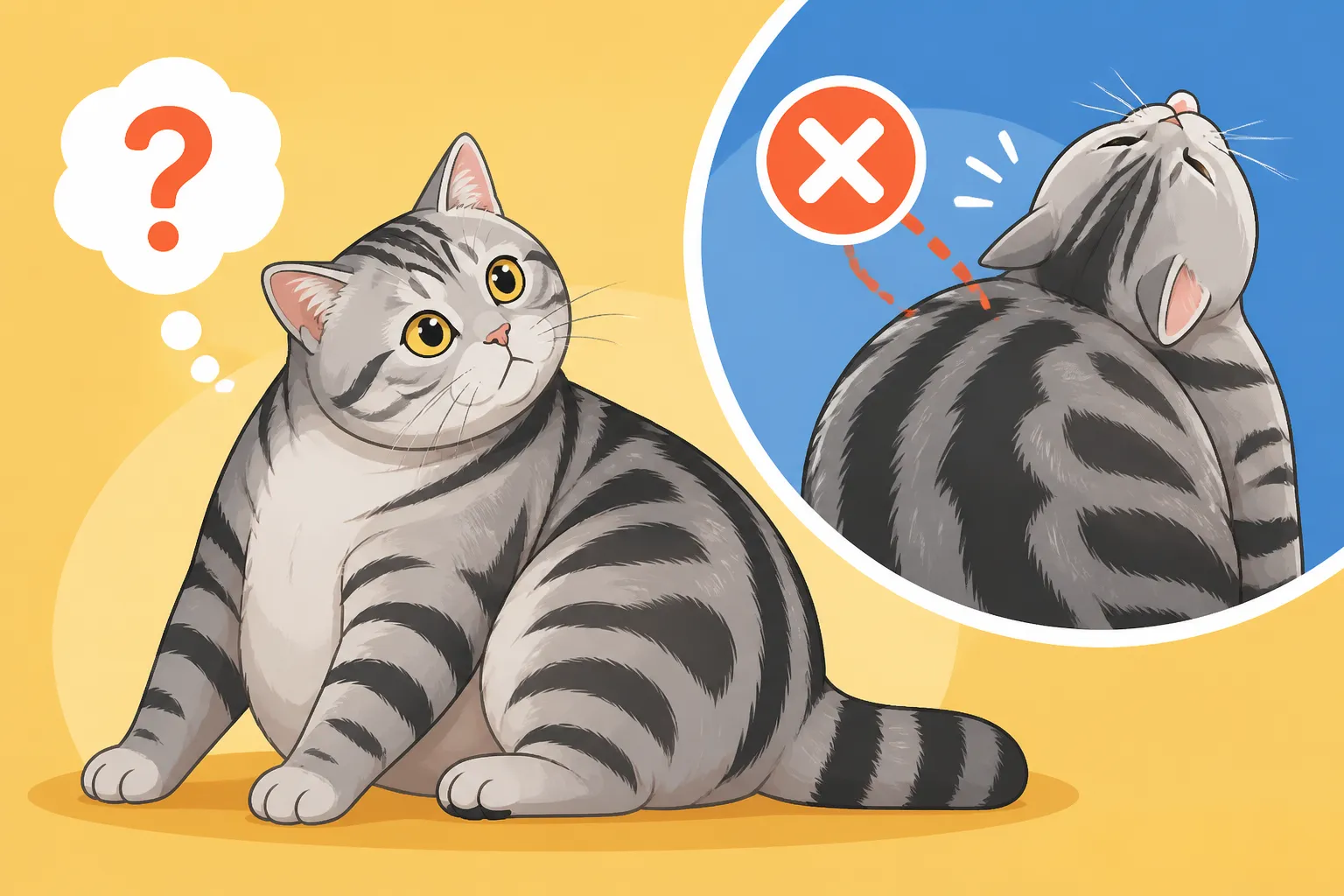
It’s a heart-wrenching sight for any cat parent: you notice your typically pristine American Shorthair struggling to groom itself, particularly along its spine and at the base of its tail. This isn't just a quirky habit; it’s a red flag, signaling that your beloved feline might be carrying too much weight, impacting its natural ability to stay clean and healthy. This guide will delve into why an overweight American Shorthair faces this common, yet often overlooked, challenge and how you can help them regain their comfort and vitality.
The Mechanics of an American Shorthair's Grooming
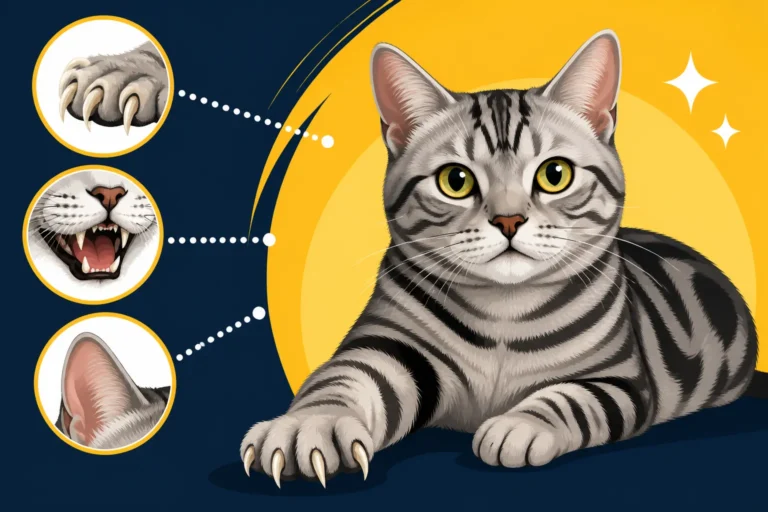
Our American Shorthairs, with their sturdy build and functional lineage, are masters of self-care. Their bodies are designed for agility, strength, and meticulous grooming, a critical survival instinct passed down through generations.
A Natural Self-Groomer by Design
Think about the wild ancestors of our domestic cats – the ones who arrived on ships and hunted in barns for centuries. They relied entirely on their own efforts to stay clean, healthy, and free of parasites. The American Shorthair inherited this incredible self-sufficiency, a trait that makes them relatively low-maintenance pets in terms of coat care. Their flexibility is truly astounding; they can twist, turn, and stretch into incredible contortions to reach almost every inch of their body with their rasping tongues. This isn't just about looking good; it's a fundamental part of their health, distributing natural oils, removing loose fur, and providing a sensory experience that calms and stimulates them. When they can't perform these actions, it's not just an inconvenience; it's a sign that something is profoundly off-kilter with their physical well-being.
Their muscular, athletic build, honed over centuries of active mousing and patrolling, supported this impressive range of motion. Strong, supple spines and flexible joints were essential for navigating tight spaces, climbing, jumping, and indeed, for reaching every last spot during a comprehensive grooming session. The dense, resilient coat of an American Shorthair, which you can read more about in The American Shorthair's Coat Was Built for Weather, Not a Judge, is perfectly suited for self-grooming, shedding loose hairs and dirt with relative ease when the cat is able to maintain it properly.
The Importance of Back-Reaching in Feline Hygiene
Reaching the back, especially the lower back and tail base, is not just about vanity for a cat. It’s absolutely crucial for preventing a host of problems. Imagine not being able to wash your own back after a long, sweaty day – it wouldn't feel great, and soon, hygiene issues would arise. For a cat, this area is a prime spot for sebaceous glands to produce oils, and if left ungroomed, these oils can build up, leading to greasy fur, skin irritation, and even dreaded "stud tail" in some cases.
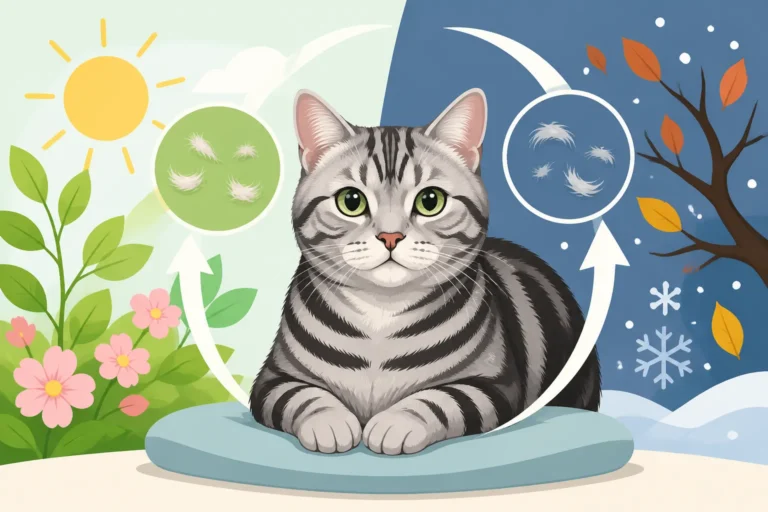
Beyond oil distribution, reaching the back is vital for shedding. American Shorthairs, like most cats, shed regularly, with particular intensity during seasonal changes, as discussed in How Often an American Shorthair Sheds Hardest. Their rough tongues act like natural brushes, removing dead hairs before they can form painful mats. This also helps prevent hairballs, as loose hair is either swallowed and passed through the digestive system or, ideally, groomed away from the coat. Neglecting this area leaves it vulnerable to parasites like fleas and ticks, which can thrive undisturbed in matted, unkempt fur.
How Excess Weight Impedes Natural Grooming
The moment an American Shorthair starts to carry extra weight, their incredible natural flexibility begins to diminish. It’s a slow, insidious process that often goes unnoticed until grooming issues become apparent.
The Physical Barriers of Abdominal Fat
The most immediate and obvious barrier to an overweight American Shorthair reaching its back is the sheer volume of extra fat around its midsection. As a cat gains weight, fat deposits accumulate not just visibly under the skin, but also internally around organs and within the abdominal cavity. This creates a literal physical obstacle. When your cat tries to twist its body to reach its hindquarters or spine, the bulging belly gets in the way, preventing the necessary contortion. It's like trying to bend over to tie your shoes with a large cushion strapped to your stomach – it's simply not possible to achieve the full range of motion.
This abdominal fat also alters the cat's center of gravity and overall body mechanics. The once agile, streamlined hunter becomes a heavier, less flexible creature. The tautness and elasticity of the skin and muscles across the abdomen are replaced by soft, yielding fat, which inhibits the deep bends and twists required for a thorough grooming session. Even a modest amount of excess weight can make a significant difference, turning a once effortless stretch into an impossible maneuver.
Reduced Flexibility and Joint Strain
Beyond the physical bulk, excess weight puts immense strain on an American Shorthair's joints and skeletal system. Their sturdy build, while historically robust, isn't designed to carry extra pounds long-term. The additional stress on hips, knees, and spine can lead to inflammation, pain, and reduced flexibility. Arthritis, a common ailment in aging cats, can be exacerbated or brought on prematurely by obesity. When a cat's joints hurt, or are simply stiff from disuse and extra load, they will naturally avoid movements that cause discomfort, and twisting to reach the back is definitely one of those movements.
This lack of flexibility isn't just about pain; it's about the physical capability of the joints and muscles to move through their full range. Cartilage wears down faster, ligaments and tendons become less elastic, and the entire musculoskeletal system is compromised. What an American Shorthair with no designer defect gets instead is a body built for resilience, but even that has its limits against the relentless pressure of extra weight. A cat that can no longer comfortably bend or stretch simply gives up trying to groom inaccessible areas, leading to a downward spiral of poor hygiene and increasing discomfort.
The Impact on Spine and Range of Motion
The spine is the central axis of a cat's remarkable flexibility, allowing for incredible arches, twists, and stretches. In an overweight American Shorthair, the spine itself can be affected by the extra load. The muscles supporting the spine become weaker or strained, and the intervertebral discs experience greater compression. This can lead to a general stiffness throughout the back, limiting the crucial lateral and rotational movements required for grooming. The natural curvature and mobility of the spine, which allow a cat to reach over its shoulder to groom its flanks or bend deeply to lick its tail, become severely restricted.
Imagine the subtle nuances of a cat's self-grooming: the delicate arch of the back, the precise twist of the head, the careful contortion of the body to access every angle. All these intricate movements rely on a healthy, flexible spine and well-conditioned muscles. When a cat is overweight, these movements are no longer smooth or effortless; they become labored, uncomfortable, or outright impossible. This diminished range of motion isn't just about grooming; it impacts their overall agility, ability to jump, and general quality of life, which is a key factor in understanding What Extra Weight Does to an American Shorthair's Working Frame.
The Health Consequences of Neglected Back Grooming
When an American Shorthair can no longer reach its back, the consequences extend far beyond just looking a bit messy. These unattended areas become breeding grounds for various health issues, causing discomfort and potentially leading to more serious conditions.
Skin Irritations and Infections
The ungroomed areas of an overweight American Shorthair's back and tail base are ripe for skin problems. Without the regular cleaning and exfoliation provided by the tongue, dead skin cells, dander, and excess oils accumulate. This creates a greasy, flaky environment that is perfect for bacterial and yeast overgrowth. You might notice the fur becoming matted, particularly in long-haired spots or where the coat is thicker, trapping moisture and debris against the skin. These mats can pull painfully on the skin, causing irritation, redness, and even open sores, which are entry points for secondary infections.
A common issue in these neglected areas is what's often referred to as "feline acne" or "stud tail" in severe cases, especially around the tail base, even in spayed/neutered cats. This is caused by blocked sebaceous glands and can lead to blackheads, pustules, and painful inflammation. The cat's inability to scratch or lick these irritating spots only makes the problem worse, leading to a cycle of discomfort and deteriorating skin health. Regular grooming, even assisted grooming, becomes crucial here to break this cycle and provide relief.
Increased Risk of Parasites and Flea Infestations
A cat's self-grooming is a powerful defense mechanism against external parasites. When an American Shorthair meticulously grooms its coat, its barbed tongue acts like a fine-toothed comb, dislodging fleas, flea eggs, and other hitchhikers. If your cat can't reach its back, these areas become safe havens for parasites. Fleas will happily set up shop in the undisturbed, warm fur, multiplying rapidly and causing intense itching and discomfort. You might notice "flea dirt" (digested blood) on their fur, or even see the tiny insects themselves, particularly around the tail base.
Beyond fleas, ticks can latch on, and if they go unnoticed in dense, matted fur, they can transmit diseases. The inability to effectively remove these pests means a greater burden on topical or oral parasite preventatives, and if those aren't consistently applied, your cat could suffer from severe infestations, flea allergy dermatitis, or other parasite-borne illnesses. This makes regular veterinary checks and consistent preventative care even more vital for an overweight cat.
Hairball Issues and Digestive Problems
One of the primary functions of self-grooming is to remove loose and dead hair from the coat. Cats naturally ingest some of this hair, which usually passes harmlessly through their digestive system. However, when an American Shorthair can't effectively groom its entire body, more dead hair remains on the coat, particularly in those inaccessible back regions. When they do manage to groom other parts of their body, or if some of that loose back fur migrates, they end up swallowing a significantly larger quantity of hair.
This excess ingested hair can accumulate in the stomach, forming hairballs that are too large or dense to pass naturally. While occasional hairballs are normal, an increase in frequency or size can lead to chronic vomiting, decreased appetite, lethargy, or even a life-threatening intestinal blockage requiring emergency veterinary intervention. It's a stark reminder of how interconnected grooming, weight, and digestive health truly are for our feline friends.
Why American Shorthairs Are Prone to Weight Gain
It's a common lament among American Shorthair owners: "My cat just loves to eat!" While individual metabolism plays a role, there are fundamental reasons why this particular breed seems to struggle with weight more than others, especially in a modern home environment.
The Legacy of a Working Breed's Appetite
The ancestors of today's American Shorthair were not pampered pets; they were essential workers. They earned their keep on farms, in barns, and aboard ships, tirelessly hunting rodents. This required a huge amount of energy, and therefore, a robust appetite to fuel their constant activity. They were built to be sturdy, muscular, and to consume whatever food they could find to maintain their working condition. You can delve deeper into this history in Why Ending the Mousing Job Made the American Shorthair Heavy. This strong hunting drive and high-calorie need are deeply ingrained in their genetics.
The problem arises when we take a cat genetically predisposed to an active, hunting lifestyle and place them in a relatively sedentary indoor environment. Their internal programming still tells them to eat heartily because, historically, they needed those calories for survival and strenuous activity. Their brains haven't quite caught up to the fact that their daily "work" now consists of napping on a sunbeam and maybe chasing a feather toy for five minutes. This mismatch between their ancestral appetite and modern energy expenditure is a primary driver of weight gain.
Indoor Lifestyle and Reduced Activity Levels
For centuries, an American Shorthair-type cat spent its days patrolling vast territories, climbing trees, sprinting after prey, and engaging in continuous, low-level physical activity. Their muscles were constantly engaged, their metabolisms humming. Fast forward to today, and many American Shorthairs live exclusively indoors, which is often safer but dramatically reduces their opportunities for natural exercise. The average house or apartment, no matter how large, simply doesn't offer the same physical challenges as a barn or a ship's deck.
While indoor cats can still be active, their activity is often intermittent and insufficient to burn off the calories their working-bred appetites crave. This sedentary shift is a major contributor to their expanding waistlines. Without the continuous "job" of hunting and patrolling, they conserve energy, and if their food intake isn't adjusted accordingly, those excess calories are stored as fat. It's a challenge to simulate a full day's worth of hunting activity in a living room, but it's a critical component of managing their weight and overall health.
Overfeeding and Free-Feeding Habits
One of the biggest culprits behind American Shorthair obesity, and indeed obesity in many cat breeds, is human feeding habits. Many owners, out of love or convenience, leave a bowl of kibble down all day, allowing their cat to "free-feed." While some cats can self-regulate, the American Shorthair, with its historical instinct to eat when food is available, often cannot. This constant access to food means they can graze throughout the day, easily consuming far more calories than they need. Their brain interprets unlimited food as an abundance that must be taken advantage of, rather than a signal to stop eating when full.
Portion control is another significant hurdle. It's incredibly easy to overestimate how much food a cat actually needs, especially for a sturdy breed like the American Shorthair. Owners might follow generic feeding guidelines on food packaging, which are often broad estimates, or simply "eyeball" a portion, invariably pouring too much. This daily caloric surplus, even if small, accumulates over time, leading to gradual but persistent weight gain. Understanding How Many Calories a Working Framed American Shorthair Needs a Day is crucial, and it’s usually much less than owners think, particularly for an indoor cat.
Strategies to Help Your American Shorthair Reach Its Back Again
Recognizing that your American Shorthair is struggling with grooming due to weight is the first, crucial step. The good news is that with a targeted approach, you can help them shed those extra pounds and regain their flexibility and comfort.
Veterinary Assessment and Tailored Weight Loss Plans
Before making any drastic changes to your cat's diet or exercise routine, the very first step should always be a visit to your veterinarian. They can accurately assess your American Shorthair's current weight, body condition score, and overall health. It's important to rule out any underlying medical conditions that might contribute to weight gain or make weight loss more complicated. For example, some hormonal imbalances or metabolic issues could affect their ability to lose weight.
Your vet will help you understand What an American Shorthair Should Weigh at Its Frame and can then formulate a safe, effective, and tailored weight loss plan. This isn't just about cutting calories; it's about ensuring your cat still gets all the essential nutrients it needs while gradually reducing weight. They can recommend specific therapeutic weight-loss diets, advise on ideal calorie targets, and set realistic goals for how much weight your cat should lose per week or month. Rapid weight loss can be dangerous for cats, potentially leading to fatty liver disease, so a slow and steady approach guided by a professional is paramount. You can learn more about this in How a Vet Builds an American Shorthair's Weight Loss Plan.
Dietary Adjustments and Portion Control
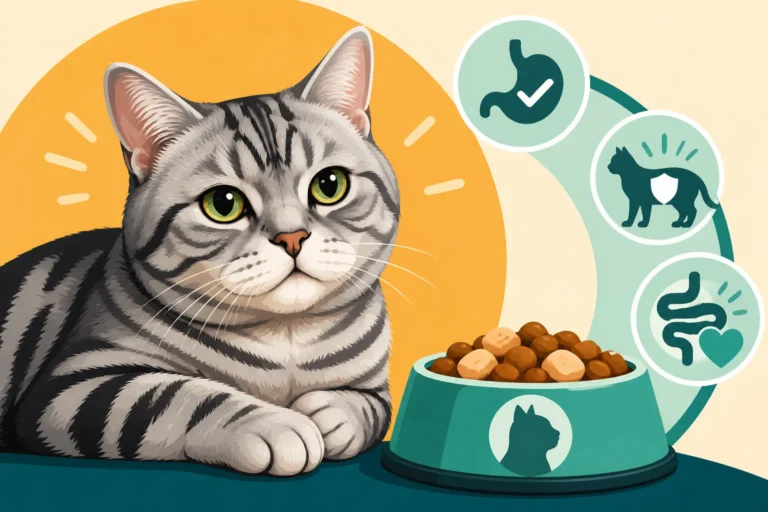
Once you have a vet-approved plan, implementing strict dietary adjustments is key. This almost always involves moving away from free-feeding and embracing precise portion control. Invest in a reliable kitchen scale to accurately measure out your cat's food. Even a small handful extra per day can add up to significant weight gain over time. Consider switching to a high-quality, high-protein, moderate-fat, and low-carbohydrate food that is specifically formulated for weight management or indoor cats. Brands like Purina Pro Plan, Royal Canin, or Hill's Science Diet offer veterinary-recommended options.
If your American Shorthair is a chronic overeater, feeding smaller, more frequent meals throughout the day can help manage hunger and keep their metabolism more active. This mimics their natural hunting pattern of small, frequent kills. For instance, instead of two large meals, try three or four smaller ones. Wet food can also be a valuable tool in weight loss, as its higher moisture content makes cats feel fuller with fewer calories. Fresh food can be precisely portioned and tailored to your cat's needs, and higher protein content is excellent for muscle mass maintenance during weight loss.
Incorporating Play and Exercise
Dietary changes alone are often not enough; increasing activity is equally vital for a working breed like the American Shorthair. Engage their natural hunting instincts with interactive play sessions. Wand toys that mimic prey birds or rodents are fantastic for encouraging chasing, pouncing, and jumping. Spend at least 15-20 minutes a day, divided into several sessions, actively playing with your cat. Make them run, jump, and stretch. Don't just wave the toy in front of them; make them work for it!
Puzzle feeders are another excellent tool. Instead of putting all their food in a bowl, divide some portions into puzzle toys or hide them around the house, forcing your cat to "hunt" for their meals. This not only burns calories but also provides mental stimulation, which is crucial for an intelligent breed like the American Shorthair. You can find a wide variety of interactive toys and puzzle feeders on platforms like Amazon or Chewy, making it easy to diversify their enrichment. Creating an "enrichment circuit" that encourages climbing, exploring, and engaging with their environment can make a huge difference in their daily calorie expenditure and overall well-being.
Assisted Grooming Techniques
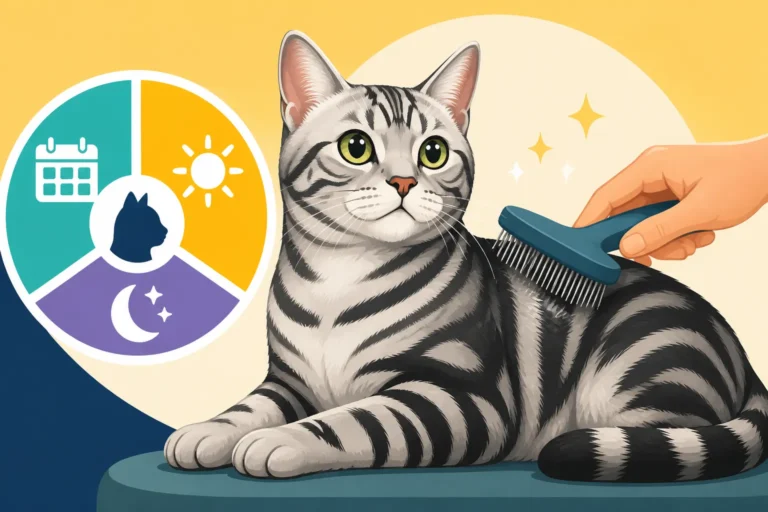
While the goal is for your American Shorthair to eventually resume self-grooming, in the interim, you'll need to step in and assist. Regular brushing is paramount, especially for those hard-to-reach areas on their back and around the tail. A good quality slicker brush or a deshedding tool can help remove loose fur, prevent mats, and distribute natural oils, improving the health and appearance of their coat. Start with short, gentle sessions, praising and rewarding your cat to make it a positive experience.
For particularly greasy or matted areas, you might need to use pet-safe wipes or even a damp cloth with a mild, cat-specific shampoo solution (ensuring you rinse thoroughly). If your cat has significant mats that you can't safely remove, a professional groomer or your vet can carefully shave them out to prevent pain and skin damage. This is a temporary measure to alleviate immediate problems while you work on the underlying weight issue. Remember, patience and a gentle approach are key to making grooming a stress-free experience for your cat.
Preventing Future Grooming Obstacles
Helping your American Shorthair get back to a healthy weight and full grooming capability is a significant achievement, but it's not a one-and-done deal. Maintaining that healthy weight and preventing a recurrence of grooming challenges requires ongoing commitment.
Regular Weight Monitoring
Consistency is key to preventing your American Shorthair from becoming overweight again. This means implementing a routine of regular weight monitoring. You don't need fancy equipment; a simple pet scale or even a regular bathroom scale (by weighing yourself, then weighing yourself holding your cat, and subtracting the difference) can do the trick. Aim to check your cat's weight once every two to four weeks. Keep a log so you can track any subtle upward trends before they become a significant problem.
Even more important than the number on the scale is assessing their body condition. Learn how to perform a body condition score (BCS) check at home. This involves feeling for their ribs, waist, and abdominal tuck. A cat at a healthy weight should have ribs that are easily palpable under a thin layer of fat, a visible waist when viewed from above, and an abdominal tuck when viewed from the side. You can find detailed guides on How to Spot Weight Gain on a Square Built American Shorthair. If you notice changes in their BCS or a steady increase in weight, it's a signal to revisit their diet and exercise routine before problems resurface.
| Body Condition Score | Description | Palpation Feel (Ribs) | Visual Appearance |
|---|---|---|---|
| 1 (Emaciated) | Ribs, spine, pelvic bones easily visible from a distance; no discernible body fat. | Easily visible, no fat cover. | Severe waist, pronounced abdominal tuck. |
| 2 (Thin) | Ribs easily palpable with minimal fat cover; obvious waist and abdominal tuck. | Easily palpable, very thin fat cover. | Obvious waist, distinct abdominal tuck. |
| 3 (Ideal) | Ribs palpable with slight fat cover; waist observed behind ribs. | Easily palpable, thin but present fat cover. | Well-proportioned waist, moderate abdominal tuck. |
| 4 (Overweight) | Ribs palpable with difficulty; moderate fat cover; no obvious waist. | Palpable with difficulty, moderate fat cover. | No distinct waist, slight abdominal bulge. |
| 5 (Obese) | Ribs not palpable under heavy fat cover; significant fat deposits. | Not palpable, heavy fat cover. | Abdomen pendulous, no waist, extensive fat deposits. |
Establishing Healthy Eating Routines
Long-term weight management hinges on consistent, healthy eating routines. This means sticking to portion control, even after your cat has reached its ideal weight. It's often tempting to relax the rules, but that's where the pounds creep back on. Continue to use a measuring cup or scale, and resist the urge to free-feed. Scheduled meals are best, as they allow you to monitor intake and provide opportunities for interactive feeding.
Consider the type of food your American Shorthair eats. Many indoor cat formulas are designed to be lower in calories and higher in fiber to help with satiety. Ensure their diet is rich in protein to maintain their muscular physique. If you use treats, factor them into their daily caloric intake and choose low-calorie, healthy options. Avoid feeding table scraps, which can quickly add empty calories and unhealthy fats. Establishing a predictable feeding schedule helps regulate their metabolism and satisfies their need for routine. Why a Bowl Left Down Undoes an American Shorthair is a vital read for understanding this shift.
Sustaining an Active Lifestyle
An active American Shorthair is a healthy American Shorthair. Their innate hunting instincts, as explored in The American Shorthair Still Hunts, Whether You Want It To or Not, need an outlet. Continue to prioritize daily interactive play sessions with wand toys, laser pointers (just be sure to end with a physical catch!), and other engaging toys. Rotate toys frequently to keep things novel and interesting, preventing boredom.
Beyond active play, create an environment that encourages movement. Install cat trees, shelves, or wall-mounted perches that allow them to climb, jump, and explore vertical space. This not only provides exercise but also satisfies their territorial instincts. Incorporate puzzle feeders regularly, not just for weight loss, but as an ongoing enrichment tool. A catio or supervised outdoor time can also offer valuable stimulation and activity, if feasible and safe for your specific situation. The goal is to make physical activity a natural, enjoyable part of their daily life, preventing them from falling back into sedentary habits that can lead to weight gain and, once again, the inability to reach their back.
Disclaimer
This article is for general informational purposes only and does not constitute professional advice. Laws, prices and regulations vary by location and change over time. Consult a qualified professional for guidance on your specific situation.