Whether a Deshedding Tool Is Worth Buying for The American Shorthair
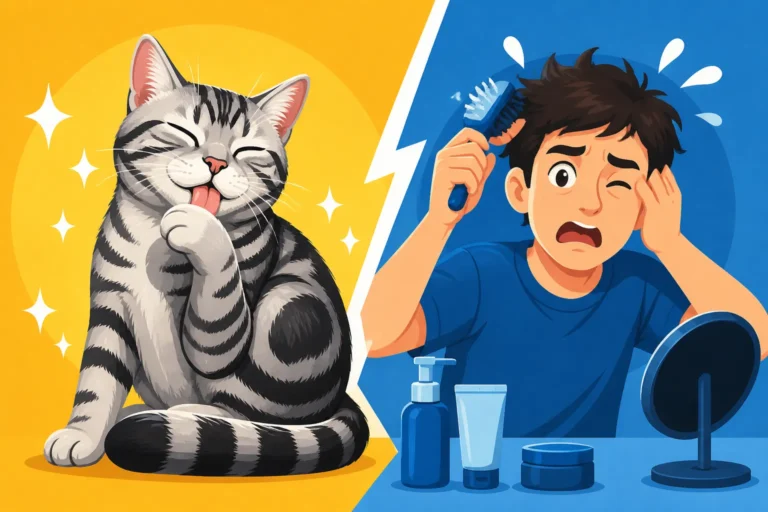
Every cat owner knows the struggle: you brush your beloved feline friend, you vacuum, you lint-roll, and yet, somehow, cat hair still seems to float through the air like glitter after a party, settling on every surface, clinging to every item of clothing. If you share your home with an American Shorthair, you've likely experienced this phenomenon firsthand, despite their seemingly low-maintenance coats. This guide will delve into whether a specialized deshedding tool is truly a worthwhile investment for managing your American Shorthair's beautiful, yet sometimes prolific, shedding.
Understanding the American Shorthair's Unique Coat
It’s easy to look at an American Shorthair and think, “Oh, a short-haired cat, that’ll be easy.” And while their grooming needs are certainly less demanding than, say, a Persian, their coat is far from simple. It’s a marvel of natural engineering, honed over centuries for functionality rather than pure aesthetics. Understanding its structure is the first step to figuring out how best to care for it.
The Double Layer and Its Purpose
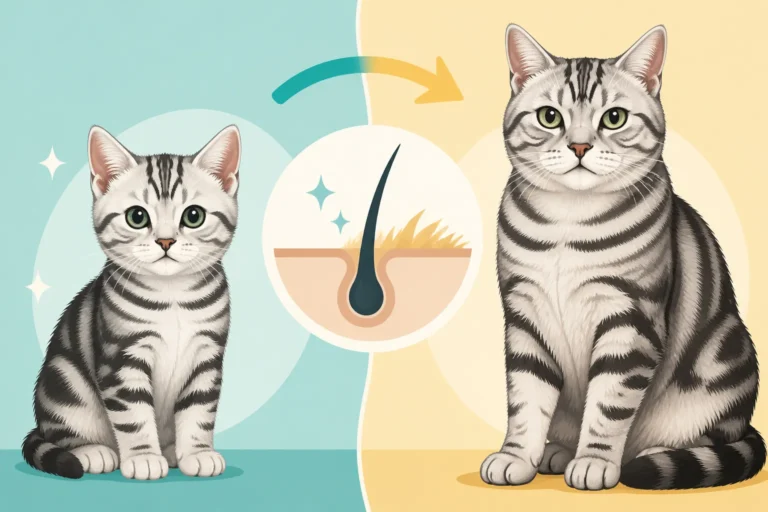
Unlike some single-coated breeds, the American Shorthair boasts a robust double coat. This means they have a soft, dense undercoat that provides insulation, acting like a built-in thermal layer, keeping them warm in winter and helping to regulate their temperature in warmer weather. Overlaid on this is a layer of coarser, protective guard hairs. These outer hairs are tougher, designed to repel water, dirt, and provide a protective barrier against external elements. Think of it as a well-made, practical jacket – an underlayer for warmth, and an outer shell for protection.
This dual-layer system isn't just for show; it's a testament to their heritage. American Shorthairs, or their ancestors, were working cats, often living outdoors on farms or ships, where their coats needed to withstand varying weather conditions. The American Shorthair's Coat Was Built for Weather, Not a Judge. This history means their coat is incredibly effective at what it does, but it also means there's a lot of hair to manage when it comes time for seasonal changes. The density of that undercoat, while beneficial for their survival in a working environment, is precisely what contributes to the amount of loose hair we find scattered around our homes today.
Seasonal Shedding Patterns
If you've noticed periods where your American Shorthair seems to be shedding more than usual, you're not imagining things. American Shorthairs, much like their wilder counterparts, undergo seasonal shedding cycles. This isn't just random hair loss; it's a natural adaptation to changing temperatures.
Typically, you'll observe a significant increase in shedding twice a year: in the spring and in the fall. As the days lengthen and temperatures rise in spring, your cat will shed its thick winter undercoat to prepare for the warmer months. This is when you'll likely see clumps of hair accumulating in corners or clinging to furniture. Conversely, as autumn approaches and the weather cools, they'll shed their lighter summer coat to make way for a denser, warmer winter coat. An American Shorthair Sheds Twice a Year and Asks Nothing Else. This adaptation allowed them to thrive outdoors, but in our climate-controlled homes, it can sometimes feel like a never-ending battle against furballs. How Much Comes Off an American Shorthair in Spring can feel like an avalanche! And then, just when you think you've caught up, How Much Comes Off an American Shorthair in Fall starts all over again. Understanding these natural rhythms helps manage expectations – and helps you decide if a specialized tool is truly needed.
Traditional Grooming Versus Deshedding Tools
For generations, cat owners have relied on simple brushes and combs to manage their pets' coats. But with the advent of specialized deshedding tools, a new question has emerged: are these modern gadgets truly superior, or can traditional methods still hold their own?
The Efficacy of Regular Brushing
Let's be honest, a good old-fashioned brush or comb has served cat owners well for a very long time. For an American Shorthair, whose coat is relatively short and not prone to severe matting like some long-haired breeds, consistent regular brushing can go a long way. A soft bristle brush, a rubber curry brush, or even a simple metal comb can effectively remove loose hairs from the topcoat and gently lift some of the shedding undercoat.
The key here is consistency. Daily or at least several times a week, a few minutes with a brush can dramatically reduce the amount of hair floating around your home. It's not about being aggressive; it's about being diligent. This regular interaction also provides a wonderful bonding opportunity with your cat, allowing you to check for any skin issues, bumps, or parasites. How Little Combing an American Shorthair Actually Needs might surprise you if you're consistent. A good quality metal comb, with both wide and fine teeth, is often all you truly need to get through that double coat and remove loose fur without causing discomfort. Rubber brushes, like those found on Amazon or Chewy, are also fantastic for stimulating the skin and collecting shedding hair.
What Deshedding Tools Promise
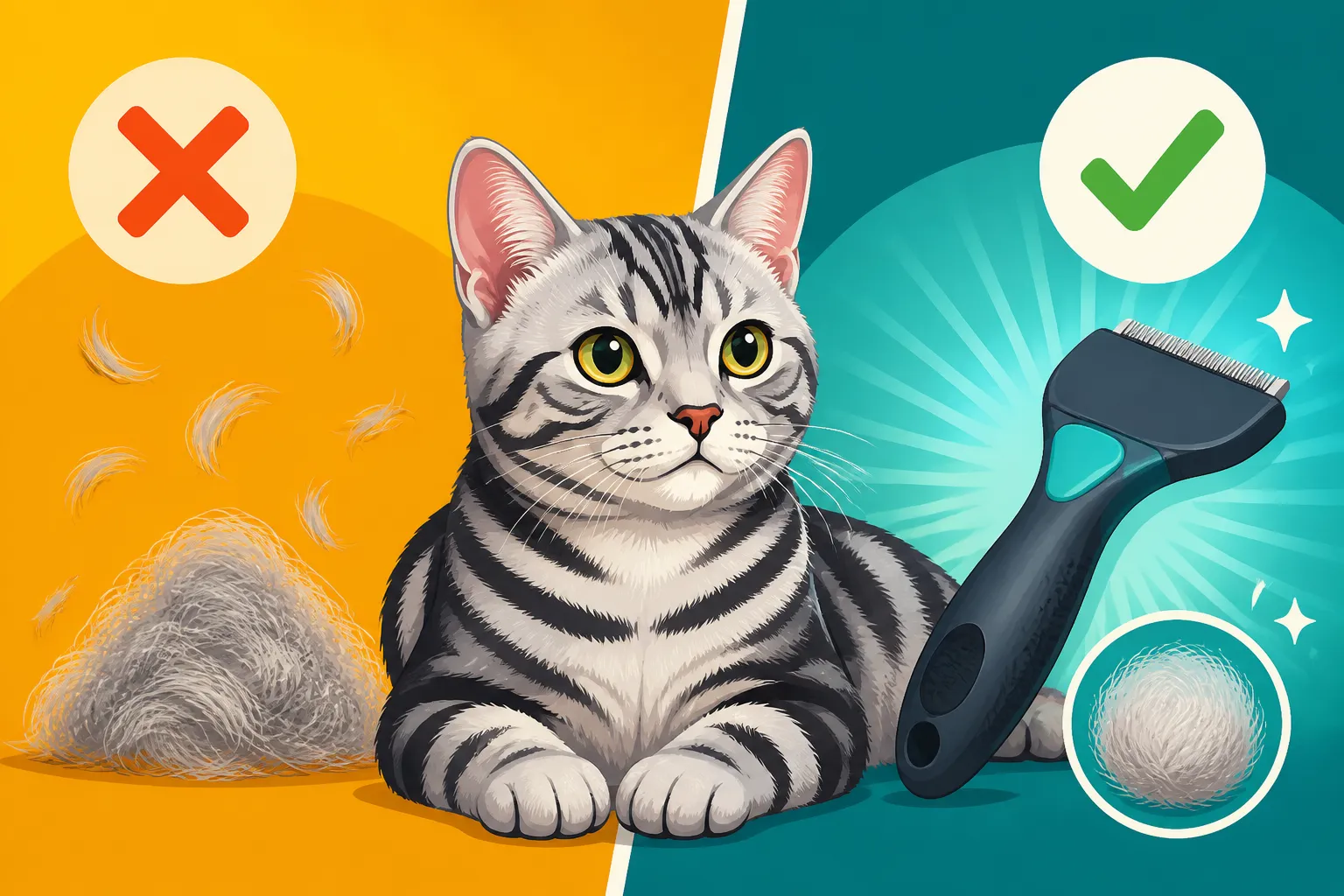
Now, enter the deshedding tool. These instruments, often characterized by their fine, closely spaced teeth or blades, are specifically designed to reach deep beneath the topcoat and effectively pull out the loose, dead undercoat that traditional brushes might miss. The marketing often touts incredible results, promising to reduce shedding by significant percentages – sometimes up to 90%.
The idea is that by removing this deep-seated, ready-to-shed undercoat, you'll experience a much cleaner home and a healthier coat for your cat. They work by gently "raking" through the fur, grabbing only the loose, unattached hairs while ideally leaving the healthy guard hairs intact. For breeds with very dense undercoats, these tools can indeed be quite effective at quickly removing a large volume of hair in a single session. They tap into that deep layer of fluff that is the true culprit behind the pervasive "cat glitter" effect in your home.
The Pros and Cons of Deshedding Tools for American Shorthairs
Okay, so we know what they promise. But for an American Shorthair owner, is a deshedding tool a miracle worker or an unnecessary gadget? Let's weigh the good against the not-so-good.
Potential Benefits
When used correctly, a deshedding tool can offer some genuine advantages for American Shorthair owners struggling with shedding:
- Significant Reduction in Household Hair: This is probably the number one reason people consider these tools. By removing a large volume of the loose undercoat at the source, you will notice less hair on your furniture, clothes, and floors. This can be a huge relief, especially if you have allergies or just prefer a cleaner living space. Imagine running your hands over your sofa without coming away covered in silver tabby fur!
- Reduced Matting Potential: While American Shorthairs aren't typically prone to severe matting due to their short, dense coat, the undercoat can sometimes clump, especially behind the ears, under the armpits, or around the hind legs, particularly in older cats who might not groom themselves as meticulously. A deshedding tool can help prevent these smaller, less obvious mats from forming, keeping the coat free and clear. This is especially true as cats age and become less flexible, making it harder for them to reach all those tricky spots. When an Old American Shorthair Needs Help Grooming often involves a bit more assistance in keeping their coats free of tangles.
- Improved Coat Health and Air Circulation: By removing dead hair, a deshedding tool can allow the skin to breathe better, improving air circulation through the coat. This can contribute to a healthier skin barrier and a shinier, more vibrant coat overall. It's like decluttering; getting rid of the old, dead stuff makes room for new, healthy growth.
- Quicker Grooming Sessions (When Effective): For some cats and owners, a deshedding tool can get more loose hair out in a shorter amount of time than a traditional brush, making grooming sessions more efficient. You can find a wide variety of these tools, from well-known brands to smaller manufacturers, on sites like Chewy and Amazon, often with detailed reviews from other cat parents.
Potential Drawbacks and Risks
As with any specialized tool, there are potential downsides and risks to consider before you rush out to buy one.
- Risk of Skin Irritation or Injury: The fine blades or teeth on some deshedding tools can be sharp. If used with too much pressure, on dry or sensitive skin, or by dragging it repeatedly over the same spot, it can cause irritation, brush burn, or even small nicks. American Shorthairs have fairly robust skin, but it's not invincible. Observing your cat's reaction is crucial; any signs of discomfort mean you need to lighten up or stop.
- Pulling Healthy Guard Hairs: The primary function of these tools is to remove dead undercoat. However, if the teeth are too aggressive, or if the tool is used incorrectly, it can inadvertently pull out healthy guard hairs. This can temporarily damage the integrity of the coat, making it less effective at repelling water and dirt, and potentially leading to a duller appearance. It can also be painful for your cat.
- Cat's Dislike for the Sensation: While many cats tolerate or even enjoy brushing, the sensation of a deshedding tool can be quite different. Some cats find the pulling action uncomfortable or even alarming, leading to stress, struggle, and a negative association with grooming. A relaxed grooming session is always preferable, and if a deshedding tool turns it into a wrestling match, it might not be worth the trouble.
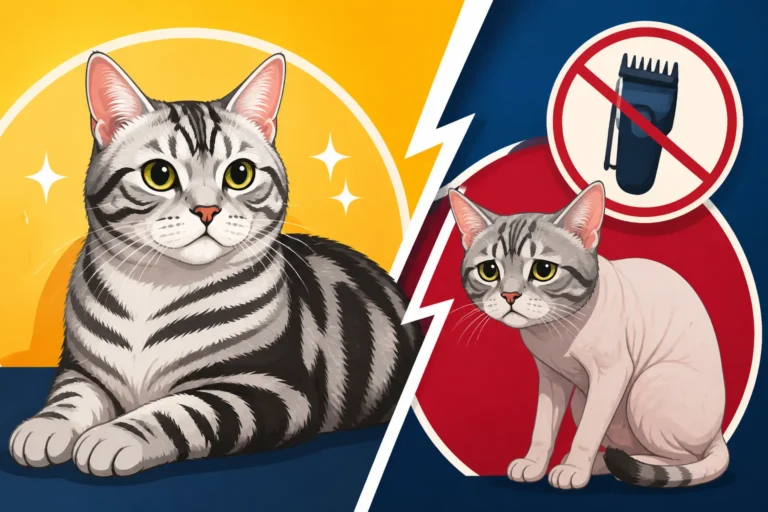
- Overuse and Coat Damage: There’s a temptation to keep going when you see how much hair is coming off, but overuse can strip the coat of its natural protection and density. It's designed to remove shedding hair, not all hair. Over-grooming can lead to thinning patches or a coat that feels coarse and unhealthy rather than smooth and vibrant.
The key message here is that while deshedding tools can be effective, they demand a gentle hand and careful observation of your cat's comfort.
How to Choose and Use a Deshedding Tool Wisely
So, you've decided a deshedding tool might be worth a try for your American Shorthair. Great! But don't just grab the first one you see. Using these tools effectively and safely requires a bit of research and a gentle approach.
Selecting the Right Tool
The market is flooded with deshedding tools, and they aren't all created equal. Here's what to look for when making your choice:
- Reputable Brands: While I can't name specific models, look for brands that have a long-standing reputation in the pet grooming industry. These brands usually invest in better design and materials, and they're more likely to have tools specifically engineered for different coat types. Read customer reviews on platforms like Chewy or Amazon to get a sense of what other American Shorthair owners have found effective.
- Blade Type and Size: For an American Shorthair, you'll want a tool designed for short to medium coats. Tools with very long teeth are typically for long-haired breeds and can be too harsh or ineffective on your cat's denser, shorter fur. Look for stainless steel teeth that are spaced appropriately to penetrate the undercoat without scraping the skin. Some tools also offer different blade sizes, so consider your cat's overall size and musculature.
- Ergonomic Handle: Grooming can take a few minutes, so a comfortable, non-slip handle is a small detail that makes a big difference for you. You want to maintain a steady, gentle grip.
- Start Gentle: If possible, purchase from a retailer that has a good return policy, in case your particular American Shorthair absolutely despises the tool. It's an investment, and you want to ensure it's one your cat will tolerate.
Best Practices for Deshedding
Once you have your tool, proper technique is paramount to ensure a positive experience for both you and your American Shorthair.
- Introduce It Slowly: Don't just spring the new tool on your cat. Let them sniff it, perhaps offer a treat. Start with very short sessions, maybe just a few strokes, and build up gradually. Make it a positive experience with praise and rewards.
- Ensure a Clean, Dry Coat: Always use a deshedding tool on a clean, completely dry coat. Wet or dirty fur can snag, making the process uncomfortable and less effective. Plus, trying to pull loose hair from a sticky, dirty coat isn't going to be pleasant for anyone.
- Go With the Grain: Always brush in the direction of hair growth, from head to tail. Never brush against the grain, as this can be painful and pull out healthy hairs. Use light, even strokes.
- Monitor Your Cat's Reaction: Pay close attention to your American Shorthair's body language. Are their ears flattened? Tail lashing? Are they trying to escape? If they show signs of discomfort or stress, stop immediately. It's better to do several short, pleasant sessions than one long, traumatic one.
- Know When to Stop: You’ll be amazed at how much hair comes off, especially during peak shedding season. It's easy to get carried away. However, once you notice less hair coming off with each stroke, or if you start to feel the tool dragging more, it’s time to stop. Over-grooming can lead to irritation and damage. For American Shorthairs, once a week during heavy shedding is usually sufficient, perhaps every other week or even less frequently during lighter shedding periods. There's no need to use it daily, especially if you're also using a regular brush.
Beyond the Tool: Comprehensive Coat Health for Your American Shorthair
While deshedding tools can be a useful addition to your grooming arsenal, they're just one piece of the puzzle when it comes to maintaining a truly healthy coat for your American Shorthair. A beautiful coat is often a reflection of overall health, and there are other factors that play an equally, if not more, important role.
Nutrition's Role in a Healthy Coat
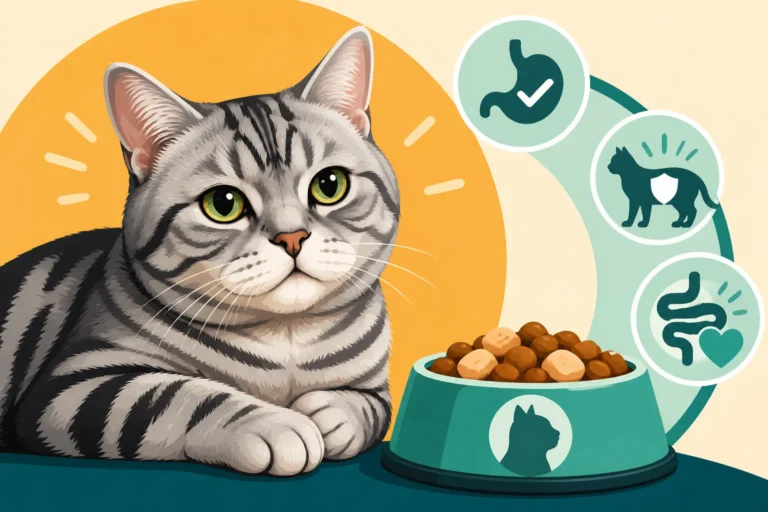
You truly are what you eat, and the same goes for your American Shorthair! A dull, dry, or excessively shedding coat can sometimes be a sign of a dietary imbalance. A high-quality diet, rich in essential fatty acids like Omega-3 and Omega-6, is absolutely crucial for healthy skin and a lustrous coat. These fatty acids help maintain the skin's moisture barrier, reduce inflammation, and promote strong, shiny hair follicles.
Look for cat foods that list a named meat source (like chicken, salmon, or beef) as the primary ingredient. Many premium cat foods focus on balanced nutrition with high-quality ingredients that support overall health, including skin and coat. You might also consider supplements, such as fish oil, under the guidance of your veterinarian. Just remember to introduce any new food or supplement gradually to avoid upsetting your cat's stomach. A well-nourished American Shorthair won't just look better; they'll feel better, too. Which Food Suits an American Shorthair Built for Muscle will also support a healthy coat.
Environmental Factors and Shedding
It's not just about what goes into your cat; their environment plays a significant role too. Our modern indoor living can sometimes throw a wrench into a cat's natural shedding patterns.
- Climate Control: Central heating and air conditioning, while comfortable for us, can create an artificially constant environment that doesn't trigger the natural seasonal shedding cycles as distinctly. An indoor American Shorthair might shed more consistently year-round, rather than in pronounced bursts, simply because their body isn't experiencing the drastic temperature shifts that would prompt a complete coat overhaul. This means you might be dealing with a moderate amount of shedding all the time, rather than intense seasonal shedding.
- Hydration: Just like for humans, adequate hydration is essential for healthy skin and hair. Make sure your American Shorthair always has access to fresh, clean water. Some cats prefer running water from a fountain, while others might appreciate multiple water bowls placed around the house. How Much Water an American Shorthair Should Drink can directly impact their skin's health and, consequently, their coat's condition. Dehydrated skin can lead to a dry, flaky coat and increased shedding.
When to Seek Professional Advice
While some shedding is completely normal, sometimes a change in coat condition or excessive shedding can signal an underlying health issue. It's important to know when to consult your veterinarian.
If you notice any of the following, it's time for a vet visit:
- Sudden, excessive, or unexplained shedding: Especially if it's accompanied by bald patches, scabs, or redness.
- Dull, greasy, or flaky coat: A healthy American Shorthair coat should be clean, dense, and have a natural sheen.
- Excessive scratching, licking, or biting at the skin: This could indicate allergies, parasites, or skin infections.
- Changes in appetite, energy levels, or behavior: These can be signs of systemic health problems that manifest in the coat.
Your vet can help rule out medical causes, such as parasites, allergies, fungal infections, hormonal imbalances, or nutritional deficiencies. They can also offer personalized advice on grooming tools and techniques best suited for your individual cat's needs and sensitivities. Remember, your American Shorthair is a stoic breed, and sometimes Why a Limp in a Stoic American Shorthair Is Never Minor can be generalized to other health issues; they often hide discomfort, so pay close attention to subtle changes.
Ultimately, a deshedding tool can be a valuable addition to your grooming kit for your American Shorthair, particularly during their seasonal shedding peaks. But it's not a magic bullet. It works best as part of a holistic approach that includes regular traditional brushing, a high-quality diet, proper hydration, and attentive monitoring of your cat's overall health. Choose wisely, use gently, and always prioritize your cat's comfort and well-being.
Grooming Tool Comparison for American Shorthairs
| Tool Type | Primary Function | Best For | Pros | Cons |
|---|---|---|---|---|
| Standard Metal Comb | Detangling, removing loose surface hair & some undercoat | Regular maintenance, checking for mats and fleas | Gentle, effective for daily use, versatile | May not remove deepest undercoat efficiently |
| Rubber Curry Brush | Massaging skin, collecting loose hair, stimulating circulation | Daily grooming, sensitive cats, short coats | Gentle massage, good for bonding, removes surface hair & dander | Less effective on very dense undercoat |
| Bristle Brush | Smoothing topcoat, distributing natural oils | Finishing brush, daily light grooming | Enhances shine, gentle, good for sensitive areas | Limited effectiveness on shedding undercoat |
| Deshedding Tool | Reaching deep undercoat to remove loose, dead hair | Heavy shedding seasons, minimizing household hair | Highly effective at removing large volumes of undercoat | Can irritate skin or pull healthy hair if misused, some cats dislike it |
Disclaimer
This article is for general informational purposes only and does not constitute professional advice. Laws, prices and regulations vary by location and change over time. Consult a qualified professional for guidance on your specific situation.