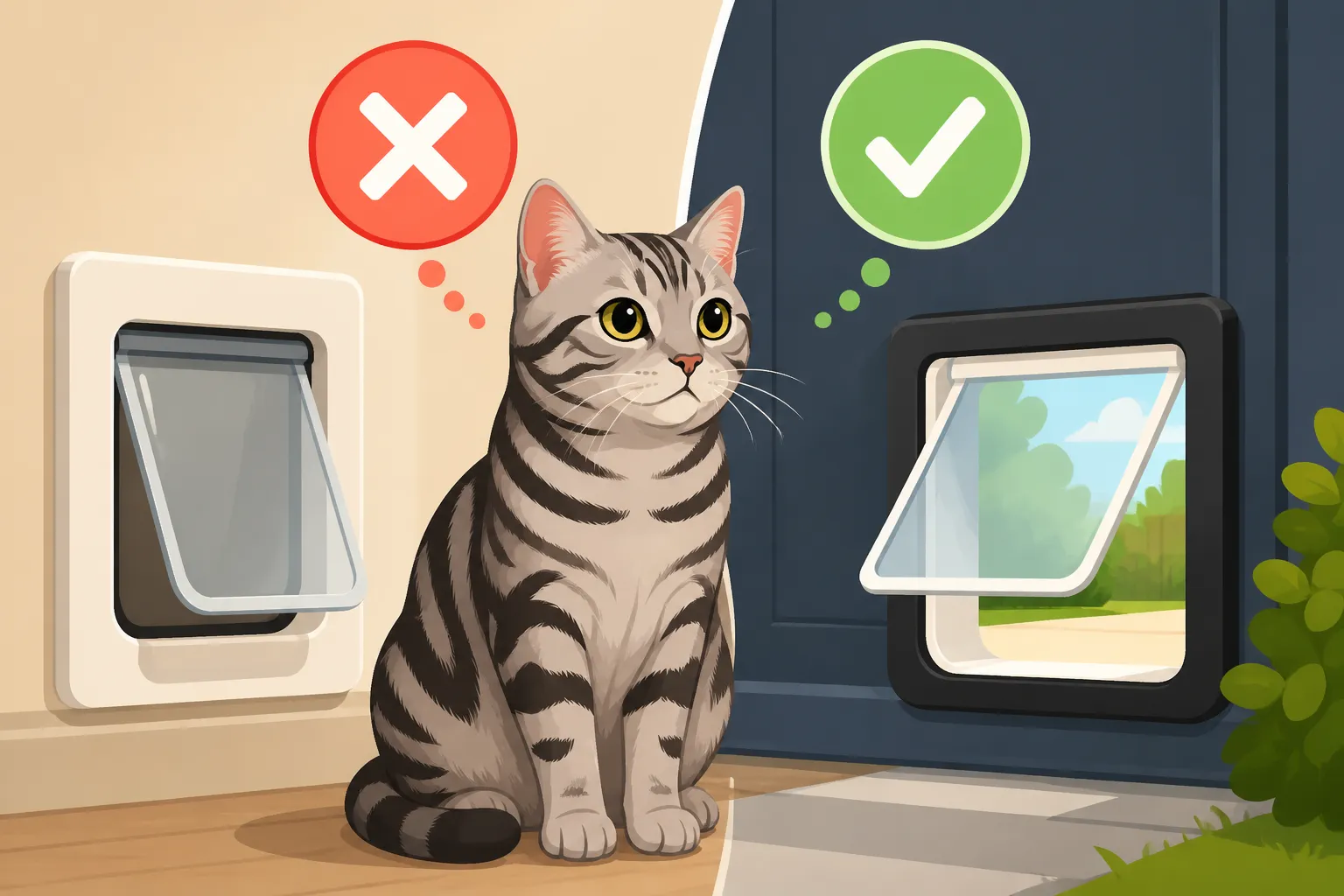
Whether an American Shorthair Needs a Cat Flap
Many American Shorthair owners wrestle with a very real dilemma: should their beloved companion have the freedom of a cat flap, allowing them to explore the great outdoors, or is the safety of an exclusively indoor life paramount? It's a question that brings up genuine anxieties about their well-being versus the desire for their cat to live a fulfilling life. This guide aims to explore the deep-seated instincts of the American Shorthair, the practicalities and inherent risks of cat flaps, and viable alternatives to help you make an informed decision that's right for your cat and your family.
The American Shorthair's Natural Instincts and Outdoor Drives
When we talk about whether an American Shorthair needs a cat flap, we're really digging into their very essence. These aren't just pretty faces; they come from a long, proud lineage of working cats, and those instincts don't just disappear because they're living on your sofa.
Tracing the Hunter's Roots
Imagine a time before cozy cat beds and gourmet kibble. The ancestors of your American Shorthair were invaluable members of households, farms, and even ships, earning their keep as master pest controllers. They were bred, not for specific aesthetics, but for their incredible ability to hunt and survive. This history is etched into their very DNA. Your American Shorthair might be a sweet lap cat now, but underneath that calm demeanor is a highly efficient predator. They still possess the keen senses, the quick reflexes, and the innate drive to stalk, chase, and capture. It's not about being hungry; it's about fulfilling an ancient program. Denying this instinct completely can lead to boredom, frustration, and even behavioral issues if not properly addressed. You can see why Why Centuries of Ratting Left the American Shorthair Its Drive is such a critical part of understanding them.
The Drive for Territory and Patrol
Part of that strong hunting instinct comes with an equally strong drive for territory. Cats, by nature, are territorial creatures. While an indoor American Shorthair will establish its territory within your home – marking favorite sleeping spots, patrol routes, and observation points – an outdoor cat expands that territory far beyond the four walls. A cat flap allows them to manage their own boundaries, investigate changes in their environment, and fulfill that deep-seated need to patrol. They might be checking for intruders, investigating new smells, or simply soaking up the sun in a prime spot. Without this outlet, some American Shorthairs can become restless or anxious, pacing by windows or trying to dart out the door every chance they get. It's less about escaping you and more about satisfying that inherent call to explore and claim their space, even if it's just your backyard.
The Practicalities and Perils of Cat Flaps and Outdoor Access
The idea of a cat flap sounds wonderful in theory: your American Shorthair gets freedom, and you don't have to play doorman. But the reality is a little more complex, with both distinct advantages and a host of potential headaches.
The Pros of a Cat Flap
Let's start with the good stuff, because there are definite benefits to providing your American Shorthair with a cat flap. Firstly, convenience for you is a huge factor. No more waking up at 3 AM to let them out, or rushing home from work to release an impatient cat. They can come and go as they please, which aligns perfectly with their naturally independent schedule. Secondly, it offers immense enrichment for your cat. Outdoor access provides a constantly changing environment, full of new scents, sounds, and sights. This stimulation can drastically reduce boredom and destructive behaviors often seen in under-stimulated indoor cats. They can chase butterflies, climb trees, and simply experience the world in a way no indoor environment can replicate. This sense of autonomy and freedom can genuinely contribute to their overall happiness and mental well-being. It allows them to feel more like the capable, self-sufficient creatures their ancestors were.
The Cons and Risks
However, the downsides are significant and often weigh heavily on owners' minds. The primary concern is always safety. Outdoor cats face numerous dangers that indoor cats simply don't.
- Traffic: For cats living near roads, the risk of being hit by a car is tragically high. How Road Traffic Shortens an Outdoor American Shorthair's Life is a stark reminder of this.
- Other Animals: Encounters with other cats can lead to fights, injuries, and the spread of diseases. Dogs, wildlife, or even aggressive humans can pose a serious threat. Which Injuries an Outdoor American Shorthair Comes Home With can range from simple scratches to severe trauma.
- Parasites and Diseases: Outdoor cats are exposed to fleas, ticks, worms, and infectious diseases like Feline Leukemia Virus (FeLV) or Feline Immunodeficiency Virus (FIV). Even with vaccinations and preventative treatments, the risk is always there. Which Parasites an Outdoor American Shorthair Picks Up is a long list, and it requires vigilant veterinary care to manage.
- Environmental Toxins: Lawn chemicals, antifreeze, rodenticides, and poisonous plants are all potential hazards.
- Theft or Getting Lost: Unfortunately, pedigree cats can be targets for theft, and even microchipped cats can wander too far and struggle to find their way home.
- Unwelcome Guests: A cat flap isn't exclusive to your cat. Depending on the type, other neighborhood cats, raccoons, possums, or even small rodents might decide your home is a welcoming place for a snack. While modern microchip-enabled cat flaps (you can find many options on sites like Chewy or Amazon) significantly mitigate this, they aren't foolproof.
Considering these risks, many owners feel that an indoor life, while potentially less stimulating, is a safer and healthier bet in the long run.
Alternatives to Full Outdoor Access: Satisfying the American Shorthair Indoors
For those who simply can't stomach the risks of a free-roaming outdoor life, or whose living situation makes a cat flap impractical, there are wonderful ways to satisfy your American Shorthair's natural instincts without compromising their safety.
Enclosed Outdoor Spaces: Catios and Secure Runs
One of the best compromises for an American Shorthair is a catio, or a securely enclosed outdoor space. These structures allow your cat to experience fresh air, sunshine, and the sights and sounds of the outdoors, all while being completely safe from traffic, predators, and getting lost. Catios can range from small window boxes to elaborate, multi-level enclosures with ramps, perches, and scratching posts. You can build one yourself with sturdy mesh and wood, or purchase pre-fabricated kits (a quick search on Amazon or Chewy will show you a wealth of options). This way, your American Shorthair can still "hunt" bugs, watch birds, and feel the grass beneath their paws, fulfilling many of those natural drives in a controlled environment. Whether a Catio Satisfies an American Shorthair's Drive is a question many ask, and for most, it's a resounding yes.
Indoor Enrichment Strategies
For American Shorthairs living exclusively indoors, providing ample mental and physical stimulation is crucial. Remember, they have that strong hunting drive, so simulating the "hunt" indoors is key.
- Interactive Toys: Think wand toys that mimic birds or mice, allowing them to stalk, chase, and "capture" their prey. Rotate toys regularly to keep things fresh. Which Wand Toy Reads as Prey to an American Shorthair can help you pick the right kind.
- Puzzle Feeders: Instead of just putting food in a bowl, make them work for it. Puzzle feeders require them to manipulate the device to get their kibble, engaging their problem-solving skills and mimicking the effort of a hunt. You can find many varieties on Chewy that will appeal to their natural curiosity. Whether a Puzzle Feeder Satisfies an American Shorthair is another common query, and the answer is usually yes, it significantly helps.
- Vertical Space: Cats love to climb and observe from high vantage points. Provide cat trees, shelves, or even clear out a bookshelf for them. This allows them to survey their "territory" from above, a highly satisfying activity for a natural predator. How Much Vertical Space an American Shorthair Needs is often more than you think!
- Supervised Leash Walks: If your American Shorthair is amenable, harness training can open up a whole new world. A supervised walk in a safe area can provide novel experiences and exercise, without the permanent risks of a cat flap.
- Window Perches: Even simple window perches can offer hours of entertainment, allowing them to watch the world go by.
Combining a variety of these strategies ensures your American Shorthair remains engaged, happy, and healthy, even without free outdoor access.
Making the Decision: Factors to Consider for Your American Shorthair
Ultimately, the decision of whether your American Shorthair needs a cat flap boils down to a careful consideration of your specific circumstances, your cat's personality, and your willingness to manage the associated risks. There's no one-size-fits-all answer.
Lifestyle and Environment
Your living situation plays a massive role.
- Urban vs. Rural: If you live on a busy street in a densely populated urban area, the risks associated with a cat flap, particularly traffic, are exponentially higher. A rural or suburban home with a large, quiet yard and minimal traffic might present fewer dangers.
- Neighborhood Risks: Are there known stray cat populations? Coyotes or other predators? Unfriendly dogs? These factors must be carefully assessed.
- Your Schedule: While a cat flap offers convenience, it also means less direct supervision when your cat is outside. If you're rarely home, you might not be aware of issues as they arise.
- Other Pets: Do you have other pets that might be affected by an open cat flap, either by escaping themselves or by unwelcome visitors?
Consider mapping out your immediate environment from your cat's perspective. What are the routes they might take? What dangers lurk around the corner? It's a sobering but necessary exercise.
Individual Cat Temperament
Not all American Shorthairs are created equal when it comes to their desire for the outdoors. While the breed generally retains strong hunting instincts, individual personalities vary widely.
- The Adventurer: Some American Shorthairs are true explorers, constantly seeking novelty and showing immense frustration when confined. For these cats, supervised outdoor time or a catio might be essential for their mental well-being.
- The Homebody: Others are perfectly content with their indoor kingdom, enjoying window perches and interactive play within the safety of home. Pushing a homebody outside might actually cause them stress rather than joy.
- Age and Health: An older American Shorthair, or one with health issues like a thickened heart or joint pain (issues that might crop up, as covered in articles like The Age an American Shorthair's Heart Starts to Thicken or How an Old American Shorthair Shows Its Joints Hurt), might not be able to navigate the outdoors safely. Their stamina and ability to escape danger might be compromised.
Observing your cat's behavior is key. Do they constantly try to dart out the door? Do they seem bored or lethargic indoors despite your best efforts at enrichment? Their actions will tell you a lot about their innate desire for outdoor experiences.
The decision to install a cat flap or allow outdoor access for your American Shorthair is deeply personal and multifaceted. While their ancestry certainly gives them a drive for exploration and hunting, the modern world presents a host of dangers that didn't exist for their forebears. By understanding their instincts, weighing the significant pros and cons, and exploring safe alternatives like catios or engaging indoor enrichment, you can make the most responsible and loving choice for your cherished American Shorthair, ensuring they lead a long, happy, and stimulated life, whether they have a cat flap or not.
Disclaimer
This article is for general informational purposes only and does not constitute professional advice. Laws, prices and regulations vary by location and change over time. Consult a qualified professional for guidance on your specific situation.