Why an American Shorthair Grooms Itself Better Than You Can
As a cat parent, you've probably watched your American Shorthair meticulously preen themselves, tongue rasping, paws wiping, and wondered if there's even anything left for you to do. It’s a common thought, and frankly, a valid one. These cats are champions of self-care, often appearing effortlessly pristine. This comprehensive guide will dive deep into why your American Shorthair is such a magnificent self-groomer, what their unique coat demands, and when, despite their best efforts, they might still need a little help from their favorite human.
The American Shorthair's Natural Grooming Prowess
It's truly something to behold, isn't it? The sheer dedication your American Shorthair puts into keeping themselves spotless. They didn't get this way by accident, nor is it just a cute quirk. Their incredible self-grooming abilities are deeply ingrained, a testament to centuries of evolution and independence that have shaped them into the resilient, low-maintenance companions we adore today.
Why Centuries of Independence Honed Their Skills
Think about their ancestors, the cats that came to North America on ships, earning their keep as mousers and ratters. These were not pampered pets with dedicated groomers. They were working cats, rugged and self-reliant, tasked with survival in varied environments. There was no one to brush them, no one to detangle their fur, or clean their ears after a long day of hunting. Their very existence depended on their ability to stay clean, healthy, and agile. A matted, dirty coat could hinder movement, attract parasites, or make them more visible to prey and predators. This constant pressure selected for cats with efficient grooming habits and coats that required minimal external intervention. The American Shorthair carries that legacy in every lick and preen, a deep, instinctual drive to maintain their own pristine condition. They learned to be self-sufficient, and grooming was a critical part of that survival toolkit.
The Efficiency of Their Self-Cleaning Routine
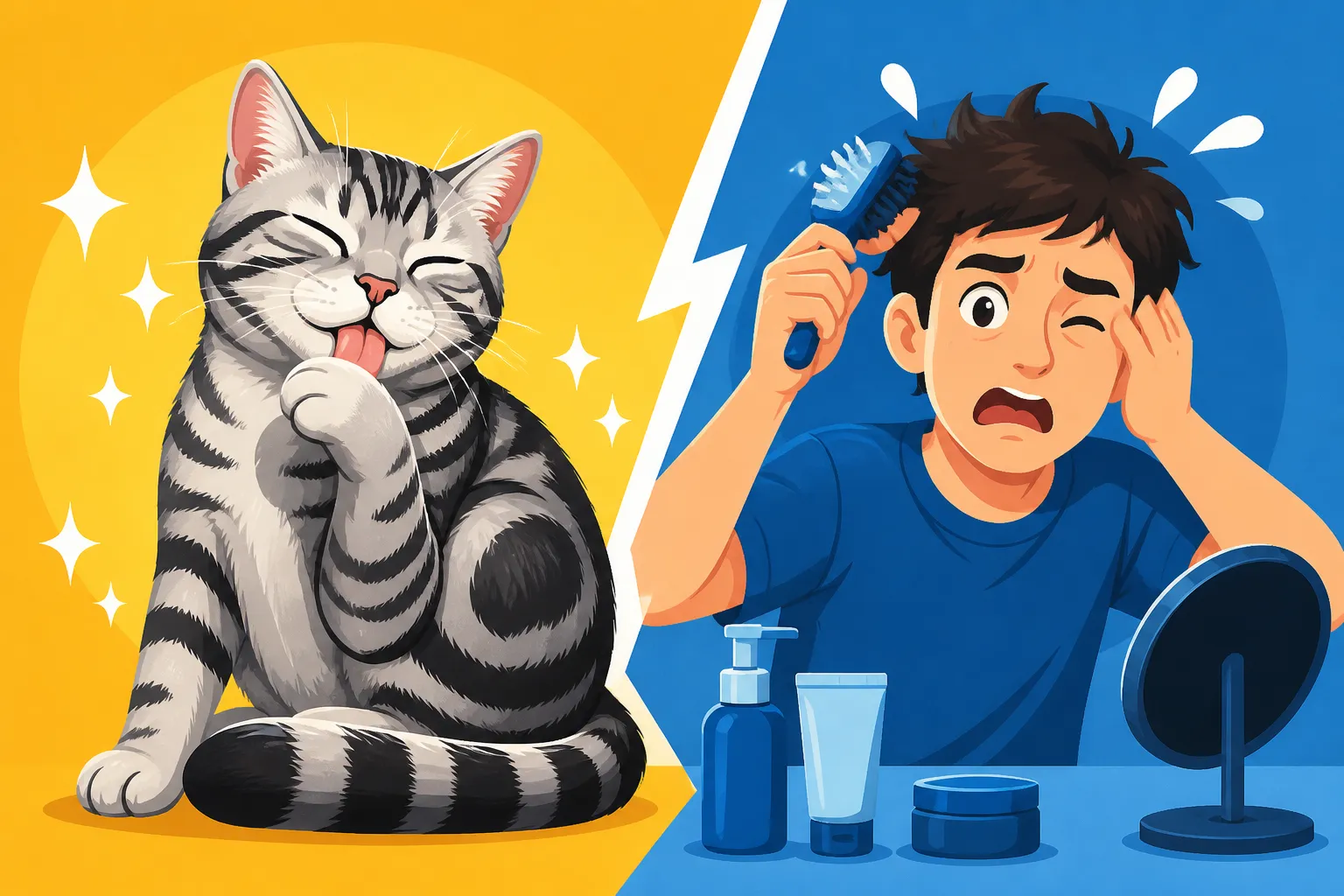
When you watch your American Shorthair grooming, it might look like a simple, repetitive action, but it's a remarkably sophisticated and efficient process. Their specialized tongue acts like a comb, covered in tiny, backward-facing spines called papillae. These aren't just for grip when eating; they're perfectly designed to pull loose fur, dirt, and debris from their coat. Imagine a hundred tiny brushes working simultaneously, reaching down to the skin. Beyond just cleaning, this action stimulates the skin, distributing natural oils that keep their coat waterproof and healthy, adding a protective layer. They're not just removing dirt; they're actively conditioning their fur. This routine is so effective that it minimizes the need for external washing, a trait inherited from their ancestors who certainly wouldn't have appreciated a dip in a tub. They've essentially perfected the art of a full-body dry-clean, complete with natural emollients.
Instinctual Grooming Behaviors From Kittenhood
This innate desire to be clean begins almost as soon as they're born. Mama cats meticulously groom their kittens, not only cleaning them but also stimulating their bodily functions and teaching them the vital art of self-grooming. Kittens quickly mimic their mother's actions, learning the precise movements and sequences required to maintain their own coats. It’s an essential part of their education, almost like a life skill passed down through generations. You'll see them practicing on their siblings, nibbling and licking, developing the muscle memory and coordination needed for thorough self-care. By the time they are independent, these behaviors are deeply ingrained, part of their natural rhythm. This early learning cements the habit, ensuring that even without human intervention, an American Shorthair possesses all the tools and knowledge to keep themselves looking sharp and feeling good. It’s part of what makes them such independent and capable companions.
Understanding the American Shorthair's Coat Structure
The American Shorthair's coat isn't just "shorthair" – it's a marvel of natural design, perfectly adapted to their original role as working cats in diverse climates. It's tough, resilient, and inherently easy to care for, which is a big part of why they're such excellent self-groomers. This coat was literally The American Shorthair's Coat Was Built for Weather, Not a Judge.
The Hard, Protective Outer Coat and Undercoat
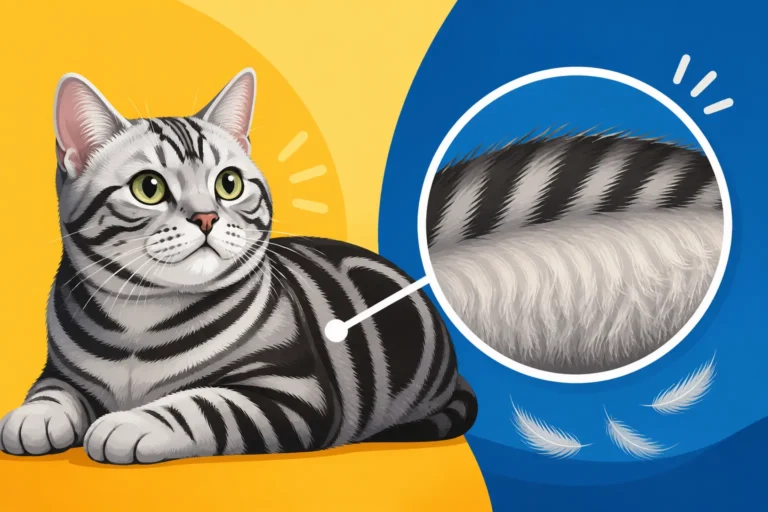
If you've ever petted an American Shorthair, you might have noticed their fur feels quite different from, say, the plush, dense coat of a British Shorthair. The American Shorthair possesses what's often described as a "hard" or "crisp" coat. This isn't to say it's unpleasant to touch, but it has a distinctly utilitarian feel. The outer guard hairs are coarse, dense, and close-lying, forming a protective barrier against moisture, dirt, and minor abrasions. These guard hairs are fantastic at repelling water, allowing rain and dew to bead up and roll right off, keeping the cat's skin dry.
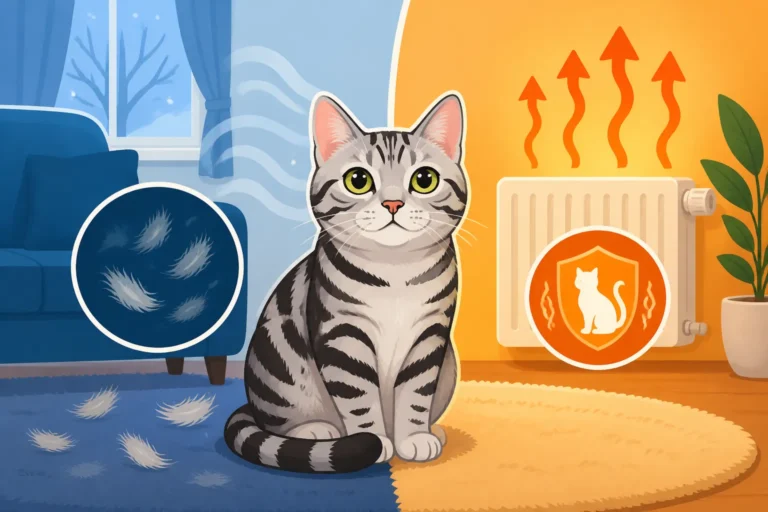
Beneath this hardy outer layer lies a softer, often slightly lighter undercoat. This downy layer provides insulation, keeping them warm in colder temperatures and helping to regulate their body temperature in warmer weather by trapping air. The combination of these two layers—a weather-resistant outer coat and a insulating undercoat—means their fur rarely clumps or mats. The texture naturally resists tangles, allowing loose hairs to shed out cleanly rather than getting caught and forming knots. This dual-layer system is incredibly efficient, making their self-grooming efforts go much further and keeping them comfortable in various conditions.
Seasonal Shedding and Coat Changes
Even with their efficient self-grooming, American Shorthairs do shed, and it's important to understand this natural cycle. They typically experience two main shedding seasons each year: a heavier shed in the spring to lighten their coat for summer, and another in the fall to prepare for growing a thicker winter coat. An American Shorthair Sheds Twice a Year and Asks Nothing Else. During these periods, you might find more fur around the house, on your clothes, and yes, even in their stomachs, which they'll then regurgitate as hairballs.
Outside of these peak shedding times, their shedding is usually moderate and manageable. The density of their coat will fluctuate with the seasons, thickening noticeably in colder months to provide extra warmth, and thinning out when temperatures rise. This natural adaptation to environmental changes is another reason why their coat is so well-suited to self-maintenance. They're constantly adjusting their insulation, and their grooming habits are aligned with removing the old, unwanted fur as these changes occur. While they handle much of this themselves, a little extra brushing during seasonal sheds can certainly help them feel more comfortable and reduce the amount of fur ending up on your furniture.
How Their Coat Minimizes Matting and Debris
One of the biggest advantages of the American Shorthair's coat type is its inherent resistance to matting. Unlike long-haired breeds or even some short-haired cats with very fine, soft fur, the American Shorthair's coarse guard hairs and relatively even texture make it difficult for knots and tangles to form. This means less work for both the cat and the owner.
When they groom themselves, their tongue's papillae effectively comb through the fur, easily removing loose hairs and minor debris. Any small bits of leaf, dust, or other detritus that might get caught in their coat are usually dislodged during their regular self-cleaning sessions. You rarely find an American Shorthair with significant mats unless there's an underlying health issue preventing them from grooming effectively, or they've been exposed to something particularly sticky or difficult to remove. This natural anti-matting quality is a huge relief for owners and another testament to the breed's functional origins, where a tangled coat would have been a distinct disadvantage.
The Science Behind a Cat's Self-Grooming
It's easy to take for granted the intricate process that goes into a cat's self-grooming, but it’s far more than just vanity. Every lick and stretch serves a biological purpose, contributing significantly to their overall health and well-being. Your American Shorthair’s body is a finely tuned machine, and grooming is one of its most essential maintenance functions.
The Amazing Anatomy of Their Tongue
The cat's tongue is a true marvel of biomechanical engineering, especially when it comes to grooming. As mentioned before, those tiny, backward-facing spines, or papillae, aren't just for show. Each papilla is a hollow, scoop-shaped structure made of keratin, much like your fingernails. When your American Shorthair licks, these papillae act like stiff, miniature combs, pulling through the fur with remarkable efficiency. They can penetrate deep into the coat, reaching the skin to stimulate it, remove loose hair, dirt, and even parasites. This structure also helps distribute saliva, which isn't just for cleaning; it plays a role in cooling them down, as we'll discuss.
The direction of these papillae is key – they act like tiny velcro hooks, grabbing everything in their path and pulling it towards the back of the mouth, where it can be swallowed. This is why you sometimes see your cat seemingly "inhale" a particularly stubborn clump of fur. It's all part of the ingenious design that makes their self-grooming so effective, reaching places even the finest human brush might struggle to penetrate.
Spreading Natural Oils for Skin and Coat Health
Beyond just cleaning, grooming is vital for maintaining the health of your American Shorthair's skin and coat. Their skin produces natural oils, or sebum, which are essential for keeping their fur supple, shiny, and waterproof. During grooming, the papillae on their tongue act like tiny brushes, spreading these oils evenly across their entire body. This isn't just for aesthetic appeal; it's a critical component of their natural defenses.
A well-oiled coat helps to repel water, keeping them dry and warm. It also acts as a barrier against environmental irritants and helps prevent their skin from becoming dry and flaky. Without this regular distribution of oils, their coat could become dull, brittle, and less effective at providing insulation and protection. This constant conditioning process is something your cat does far better than any commercial spray or conditioner could, tapping into their body's own natural resources to maintain optimal coat health.
Temperature Regulation Through Grooming
Here's another fascinating aspect of feline grooming: it's a built-in air conditioning system! Unlike humans, cats don't sweat much through their skin, relying primarily on their paw pads for minor perspiration. Their main method of cooling down is through evaporative cooling, and grooming plays a huge role in this.
When your American Shorthair licks their fur, they deposit saliva onto their coat. As this saliva evaporates, it takes heat away from their body, effectively cooling them down. You might notice your cat grooms more frequently and for longer periods during hot weather, or after a strenuous play session. This isn't just about cleanliness; it's a vital physiological response to prevent overheating. It’s a silent, natural thermostat, allowing them to regulate their body temperature without much fuss, making them incredibly adaptable to different environmental conditions. How Well an American Shorthair Handles Heat is partially due to this clever natural mechanism.
When Your American Shorthair Needs a Helping Hand
While your American Shorthair is undoubtedly a master of self-grooming, there are times when even the most fastidious feline needs a little assistance from their human companion. Recognizing these moments is key to supporting their health and comfort, ensuring they remain the picture of robust well-being.
Addressing Shedding: When Brushing Is Necessary
Even with their incredible self-cleaning abilities, there are periods, particularly during seasonal changes, when your American Shorthair's shedding can become quite prolific. During these times, their natural grooming might struggle to keep up with the sheer volume of loose fur. This is when regular brushing becomes a valuable tool, not just for keeping your house tidier, but for your cat's comfort and health.
Brushing helps remove dead hair before your cat swallows it, reducing the incidence of hairballs. A good quality brush or grooming glove can make a significant difference. You don't need fancy tools, but a sturdy metal comb with both fine and wide teeth, or a rubber curry brush, can work wonders. Brands like Furminator are popular for deshedding, but even a simple slicker brush can be effective. How Little Combing an American Shorthair Actually Needs usually isn't much, but during peak shedding, a few minutes a day can be invaluable. Aim for short, gentle sessions, making it a positive experience with treats and praise. Remember, you're not trying to replace their grooming; you're just giving them a helpful boost.
Dental Care: Beyond Their Own Efforts
This is perhaps the biggest area where your American Shorthair's self-care falls short, and it's a quiet but significant problem. Cats simply cannot brush their own teeth effectively, and while chewing on toys or certain foods might offer some minimal benefit, it's rarely enough to prevent plaque and tartar buildup. Why Gum Disease Is the American Shorthair's Quietest Problem is a serious concern, as dental disease can lead to pain, infection, and even impact their overall systemic health.
As a cat owner, you are truly your American Shorthair's best dentist. Regular at-home dental care, such as brushing their teeth with a cat-specific toothbrush and toothpaste, is the gold standard. If your cat won't tolerate brushing (and many won't!), consider dental treats or water additives recommended by your vet. However, these are often just supplementary. Professional dental cleanings under anesthesia at your vet clinic are essential, often needed every few years, especially as they age. Don't underestimate the importance of dental hygiene; it significantly impacts their quality of life and longevity.
Claw Maintenance: Keeping Those Claws Healthy
Your American Shorthair’s claws are formidable tools, essential for climbing, playing, and self-defense. They naturally keep them sharp and conditioned by scratching on appropriate surfaces, like a sturdy scratching post. This action not only removes the outer sheath of the claw, revealing a new, sharper one underneath, but also stretches their muscles. How to Cut the Claws of an American Shorthair That Uses Them is still important.
However, sometimes their natural activities aren't quite enough, especially for indoor cats who might not have access to as many varied scratching opportunities. Their back claws, in particular, often need more direct attention. If you notice their claws becoming too long, snagging on carpets, or growing into their paw pads, it's time for a trim. A cat-specific nail clipper is all you need. Be careful to only clip the very tip, avoiding the quick (the pink part containing nerves and blood vessels). If you're unsure, your vet or a groomer can demonstrate the correct technique. Keeping their claws trimmed prevents discomfort, injury, and protects your furniture from excessive wear and tear.
Common Grooming Challenges and Solutions for ASH
While American Shorthairs are generally low-maintenance, they're not immune to all grooming challenges. Being aware of potential issues and knowing how to address them can save both you and your feline friend a lot of discomfort and worry.
Dealing with Hairballs: Prevention and Remedies
Ah, the dreaded hairball. Every cat owner knows that sound. While a certain amount of hairball regurgitation is normal for any cat, especially a proficient groomer like the American Shorthair, frequent or very large hairballs can indicate a problem. They're caused by swallowed fur accumulating in the digestive tract.
Prevention is key:
- Regular Brushing: This is your first line of defense. By brushing your cat, particularly during peak shedding seasons, you remove loose fur before they swallow it. Even a quick daily brush can make a big difference. Consider tools from Chewy, which offers a wide selection of grooming brushes from simple combs to specialized deshedding tools.
- Hairball Control Diet: Many reputable cat food brands offer formulas specifically designed to help reduce hairball formation. These foods often contain increased fiber to help ingested hair pass more easily through the digestive system.
- Hairball Remedies: Over-the-counter hairball pastes or supplements, often flavored to be palatable, can help lubricate the digestive tract and aid in the passage of hair. Always check with your vet before starting any new supplement.
- Hydration: Ensuring your cat drinks enough water is crucial for a healthy digestive system. How Much Water an American Shorthair Should Drink can impact how easily hair passes through.
If your American Shorthair is constantly struggling with hairballs, becoming lethargic, or showing signs of discomfort, a vet visit is essential to rule out more serious underlying issues.
Overweight Cats and Grooming Difficulties
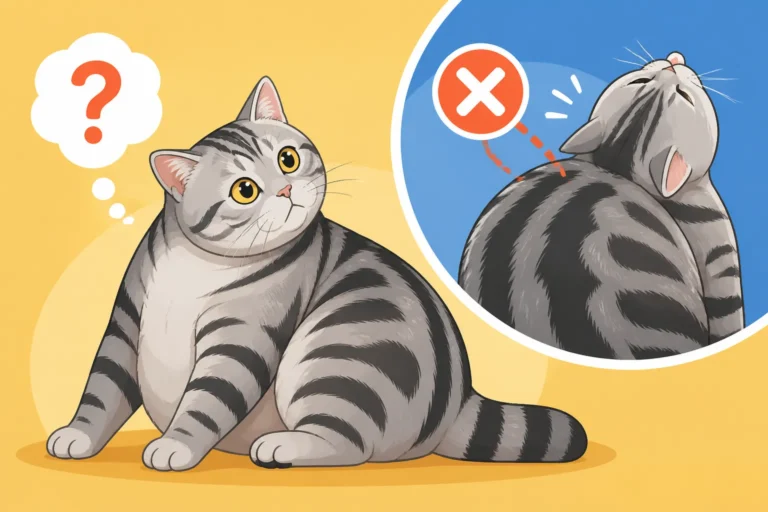
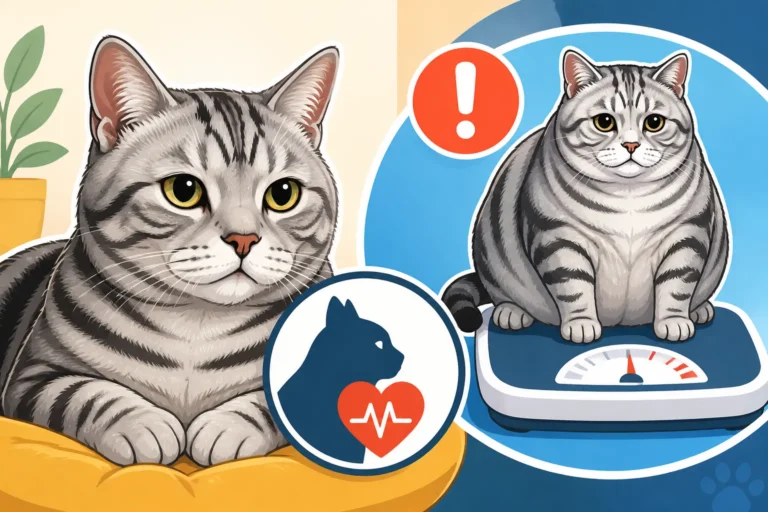
One of the most unfortunate side effects of an indoor, sedentary lifestyle, especially for a breed with a historical working appetite, is weight gain. Why an American Shorthair Stops Jumping to the Counter and other high spots can be an early sign of discomfort, and obesity creates significant challenges for grooming. Why an Overweight American Shorthair Cannot Reach Its Back to groom themselves properly, leading to matted fur, skin irritation, and even infections, particularly around their hindquarters.
Solutions for an overweight American Shorthair:
- Dietary Management: This is paramount. Work with your vet to establish a safe and effective weight loss plan. This often involves specific prescription weight-loss foods or carefully measured portions of high-quality, protein-rich wet food. Fresh food options can be a consideration, but always discuss with your vet.
- Increased Play and Exercise: Encourage more activity with interactive toys, feather wands, and puzzle feeders. Make them "work" for their food as their ancestors did.
- Assisted Grooming: While they are losing weight, you will need to step in and help with grooming, especially for hard-to-reach areas. Gentle brushing, and if necessary, professional grooming to trim matted areas, will be crucial for their comfort and hygiene. This direct assistance can prevent painful skin issues and help them feel better while they're on their weight loss journey.
Older Cats and Their Reduced Flexibility
As our beloved American Shorthairs age, they can become less agile and flexible. This is a natural part of the aging process, but it directly impacts their ability to groom themselves thoroughly. When an Old American Shorthair Needs Help Grooming becomes more common. Arthritis, stiff joints, or other age-related discomforts can make it painful or simply impossible for them to reach their back, hips, or tail base.
Supporting an aging American Shorthair's grooming:
- Gentle Brushing: Introduce regular, gentle brushing sessions. Use a soft brush and be mindful of any sensitive areas. This not only helps keep their coat clean but also provides a gentle massage that can improve circulation and comfort.
- Warm Compresses: For cats with arthritis, a warm, damp cloth gently wiped over stiff areas before grooming can help relax muscles and make the process more comfortable.
- Professional Grooming: For serious matting or if you're struggling to manage their coat, a professional groomer who specializes in senior cats can be a lifesaver. They can safely trim mats, clean around the hindquarters, and even give a gentle bath if needed.
- Vet Check-ups: Regular vet visits for senior American Shorthairs are vital. Your vet can assess their mobility, manage pain from arthritis, and recommend supplements like joint support, which can improve their flexibility and, by extension, their grooming ability. Caring for an American Shorthair Past Twelve means paying close attention to these details.
Remember, patience and kindness are paramount when helping an older cat with grooming. Their decreased ability isn't a lack of desire to be clean, but a physical limitation.
Diet and Its Impact on Coat Health
You know the saying, "you are what you eat"? Well, for your American Shorthair, it's more like "their coat is what they eat." A glossy, healthy coat isn't just a sign of good grooming; it's a direct reflection of their internal health, heavily influenced by the nutrition you provide. Even the most diligent self-groomer will struggle to maintain a vibrant coat if their diet is lacking.
Essential Nutrients for a Healthy, Shiny Coat
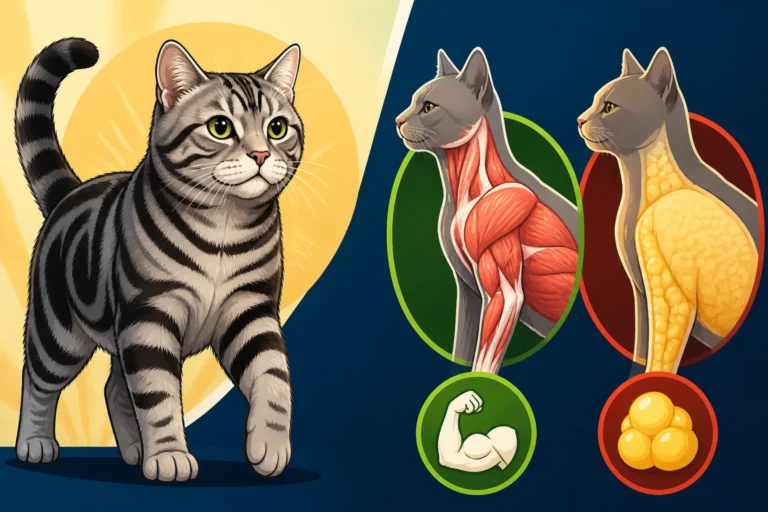
To understand why diet matters so much, let's look at the building blocks of a healthy coat. Cat fur is primarily made of protein, specifically keratin. Therefore, a diet rich in high-quality animal-based protein is absolutely non-negotiable for an American Shorthair. Their ancestors were carnivores, and their bodies are still designed to thrive on meat. Which Food Suits an American Shorthair Built for Muscle will naturally be high in protein.
Beyond protein, essential fatty acids, particularly Omega-3 and Omega-6, play a crucial role. These "good fats" are vital for skin health, reducing inflammation, and promoting a soft, lustrous coat. You'll often find them listed as ingredients like fish oil or flaxseed in premium cat foods. Vitamins (like Vitamin A, E, and B complex) and minerals (such as zinc and copper) are also important co-factors in skin and hair growth. A deficiency in any of these nutrients can lead to a dull, dry, flaky coat, excessive shedding, or even skin problems, making it harder for your American Shorthair to maintain their pristine appearance.
Hydration and Its Role in Skin and Fur Quality
We often focus on what our cats eat, but how much they drink is equally, if not more, critical for their overall health, including their skin and coat. Dehydration can quickly manifest in a dry, brittle coat and flaky skin, making grooming less effective and potentially uncomfortable for your cat.
Cats, by nature, don't always have a strong thirst drive because their wild ancestors got much of their moisture from their prey. This is why many vets recommend feeding wet food, as it contains a high percentage of water, boosting their daily fluid intake significantly. If your American Shorthair is primarily on a dry kibble diet, ensure they have constant access to fresh water in multiple locations. Some cats prefer running water, so a pet fountain might encourage them to drink more. How Much Water an American Shorthair Should Drink is more than you might think, and adequate hydration ensures skin cells are plump and healthy, supporting a strong, resilient coat that is easier for your cat to keep clean and vibrant.
Choosing the Right Food for Optimal Coat Health
Navigating the world of cat food can be overwhelming, but when it comes to coat health, focus on quality ingredients. Look for cat foods that list real meat (chicken, turkey, beef, fish) as the first few ingredients, avoiding excessive fillers like corn, wheat, and soy.
Consider a diet that includes:
- High-Quality Protein: Essential for building and repairing hair follicles.
- Omega Fatty Acids: Look for sources like salmon oil, flaxseed, or specific supplements. Many brands, like those found on Amazon or Chewy, offer formulations specifically enriched with these nutrients for skin and coat benefits.
- Wet Food: As mentioned, the moisture content is a huge boon for overall health, including skin and coat.
- Appropriate Calorie Content: How Much a Working Framed American Shorthair Should Eat varies, but overfeeding can lead to obesity, which, as we discussed, directly hinders grooming ability. A balanced diet prevents this, keeping your cat at a healthy weight where they can easily reach every part of their body for self-grooming.
Always consult with your veterinarian to determine the best diet for your individual American Shorthair, taking into account their age, activity level, and any specific health concerns. A good diet is the foundation upon which all other grooming efforts build.
Environmental Factors Affecting Grooming
It's easy to think of a cat's grooming as an isolated activity, but their environment plays a surprisingly significant role in how well they can maintain their coat and overall cleanliness. From the kind of home they live in to their stress levels, external factors can either support or hinder your American Shorthair's natural fastidiousness.
Indoor vs. Outdoor Lifestyle: Differing Needs
The choice between an indoor or outdoor life for your American Shorthair has direct implications for their grooming needs.
- Indoor Cats: Indoor American Shorthairs typically lead cleaner lives, with less exposure to dirt, mud, pollen, parasites, and potential injuries. Their coats generally stay cleaner, requiring less intensive self-grooming. However, central heating can dry out their skin and coat, sometimes leading to flakiness or increased shedding. A humidified environment might be beneficial in drier climates. Furthermore, their lower activity levels indoors can sometimes contribute to weight gain, which, as we've seen, impedes grooming.
- Outdoor Cats: Cats with outdoor access are exposed to a much wider array of environmental challenges. They might roll in dirt, brush against plants, or pick up burrs and sticky substances. Which Injuries an Outdoor American Shorthair Comes Home With can also lead to issues where they cannot groom certain areas due to pain. Their coats will naturally get dirtier, requiring more rigorous self-grooming, and sometimes, your intervention to remove stubborn debris or clean up after an adventure. They also have a higher risk of parasite infestations (fleas, ticks) which can cause intense itching and lead to excessive grooming, skin irritation, or hair loss. Which Parasites an Outdoor American Shorthair Picks Up are a constant concern for outdoor cats. Regular parasite prevention is absolutely critical for outdoor cats to support their coat health and comfort.
Ultimately, while outdoor cats might seem to "need" more grooming, it's often more about managing exposure than their inherent ability. Indoor cats, paradoxically, might need more attention to diet and exercise to prevent issues that impact grooming.
Humidity and Climate's Role in Coat Condition
The climate you live in, particularly the humidity levels, can subtly influence your American Shorthair's coat condition and, by extension, their grooming.
- High Humidity: In very humid environments, a cat's coat might feel heavier or slightly damp. This generally isn't a huge issue for American Shorthairs with their functional coats, but excessive humidity can sometimes make the fur feel a bit oilier, or potentially promote fungal growth if the coat stays damp for too long. However, the biggest impact is often on comfort rather than a direct grooming challenge.
- Low Humidity/Dry Climates: Dry air, especially combined with indoor heating in winter, can be quite harsh on a cat's skin and coat. It can lead to dry, flaky skin, increased static electricity in their fur, and a duller coat. This can make their self-grooming efforts less effective in distributing oils and might even cause some discomfort. In such environments, ensuring excellent hydration (plenty of fresh water, wet food) and potentially using a humidifier indoors can help maintain skin moisture and coat health. A little extra brushing can also help stimulate oil production and remove any dry flakes.
The American Shorthair's coat is generally quite adaptable, but extreme conditions can test its resilience and require a bit of supportive care from you.
Stress and Its Manifestation in Grooming Habits
Cats are creatures of habit and can be surprisingly sensitive to stress, even a placid American Shorthair. And when a cat is stressed, it often manifests in their grooming habits – either too little or too much.
- Under-Grooming: A stressed or anxious cat might neglect their grooming entirely, especially if they are feeling unwell or depressed. A sudden cessation of grooming, or a noticeable decline in their usual fastidiousness, is a red flag that something is wrong. Their coat might appear greasy, matted, or unkempt. This requires immediate investigation, both medically and environmentally, to identify and address the source of stress or illness.
- Over-Grooming (Psychogenic Alopecia): Conversely, some cats respond to stress by over-grooming, a condition known as psychogenic alopecia. They might excessively lick, chew, or pull out their fur, often concentrating on their belly, inner thighs, or flanks. This can lead to bald patches, skin irritation, and even open sores. Common stressors include changes in routine, new pets, moving house, loud noises, or underlying pain/discomfort that they try to soothe through licking.
If you notice a sudden and persistent change in your American Shorthair's grooming habits, a vet visit is the first step. Rule out any medical causes (allergies, parasites, pain) before exploring environmental or behavioral stressors. Your vet can help you identify triggers and suggest strategies, such as environmental enrichment, pheromone diffusers, or even medication, to help your cat feel more secure and return to healthy grooming habits.
Debunking Grooming Myths for American Shorthairs
There are a lot of misconceptions floating around about cat grooming in general, and sometimes these apply to the American Shorthair in particular. Let's clear up some common myths to ensure you're giving your wonderful companion the best, most realistic care.
The Myth of the "Shed-Proof" Cat
One of the most persistent myths is that short-haired cats, like the American Shorthair, don't shed much, or are somehow "shed-proof." This is absolutely not true! While they might not leave tumbleweeds of fur like a long-haired Persian, American Shorthairs definitely shed. As we discussed earlier, they have a double coat and undergo seasonal shedding, in addition to continuous daily shedding.
The difference often lies in the type of shedding. Their short, coarse hairs are less likely to get tangled in fabric but can embed themselves stubbornly. You might find smaller, more frequent amounts of hair rather than large clumps. No cat breed is truly shed-proof, and any claim otherwise is simply untrue. Expect to find American Shorthair fur, especially on your clothes and furniture, and view regular brushing as a helpful management tool, not an optional luxury. It's simply part of living with these beautiful, natural cats.
Why Bathing Is Rarely Needed
Another common myth, often applied broadly to cats, is that they need regular baths. For an American Shorthair, this couldn't be further from the truth. Thanks to their meticulously designed coat and their diligent self-grooming, American Shorthairs rarely, if ever, need a bath. Their natural oils and the structure of their fur are designed to repel dirt and moisture, making external washing largely unnecessary and potentially counterproductive.
Bathing too frequently can strip their coat of essential natural oils, leading to dry skin, a dull coat, and irritation. It can also disrupt their skin's natural pH balance. Unless your American Shorthair has rolled in something truly noxious or sticky that they cannot clean themselves, or if a vet recommends a therapeutic bath for a specific skin condition, a bath is generally not needed. If a localized mess occurs, spot cleaning with a damp cloth or pet-safe wipe is usually sufficient. Trust your American Shorthair's innate ability to keep themselves clean; they're usually far better at it than we are.
Understanding Their Unique Grooming Signals
Because American Shorthairs are often stoic and less overtly vocal than some other breeds, understanding their grooming signals becomes even more important. They might not complain loudly, but their grooming habits can tell you a lot about their health and comfort.
- Sudden Changes: A noticeable increase or decrease in grooming frequency, or a change in the areas they groom, is a significant signal. If they suddenly stop grooming entirely, or conversely, start obsessively licking a specific spot, it's time to investigate.
- Matted Fur in Specific Areas: While rare for an American Shorthair to mat, if you notice mats developing, particularly around the hindquarters, underarms, or along the spine, it could indicate pain, obesity, or illness preventing them from reaching those areas.
- Hair Loss or Skin Irritation: Bald spots, redness, sores, or scabs are clear signs of an issue. This could be anything from allergies and parasites to stress-induced over-grooming or an underlying medical condition.
- Excessive Hairballs: As discussed, while some hairballs are normal, frequent or severe hairballs warrant a vet visit.
Paying attention to these subtle cues is part of being a responsible American Shorthair owner. They may groom themselves better than you can, but they rely on you to notice when their amazing self-care system isn't working as it should.
| Grooming Aspect | American Shorthair's Natural Ability | When Human Help is Needed | Key Tools/Actions |
|---|---|---|---|
| Coat Cleaning | Exceptional: Papillae act as natural combs. | Heavy shedding seasons, extreme dirt/substances. | Soft brush, metal comb, rubber curry, spot cleaning. |
| Matting Prevention | High resistance due to coat texture. | Obesity, old age, injury preventing reach. | Regular brushing, vet-advised weight loss, professional groomer. |
| Hairball Management | Swallows loose fur, some regurgitation normal. | Frequent/large hairballs, discomfort. | Regular brushing, hairball control food/paste, hydration. |
| Dental Hygiene | Minimal natural cleaning. | Constant need for active care. | Toothbrush/paste, dental treats, vet dental cleanings. |
| Claw Conditioning | Uses scratching posts to shed sheaths. | Claws too long, snagging, growing into pads. | Cat-specific clippers, sturdy scratching posts (e.g., from Amazon). |
| Skin Health | Distributes natural oils, temperature regulation. | Dry climate, dehydration, stress, underlying illness. | Proper diet, hydration, humidifiers, vet check for issues. |
Disclaimer
This article is for general informational purposes only and does not constitute professional advice. Laws, prices and regulations vary by location and change over time. Consult a qualified professional for guidance on your specific situation.