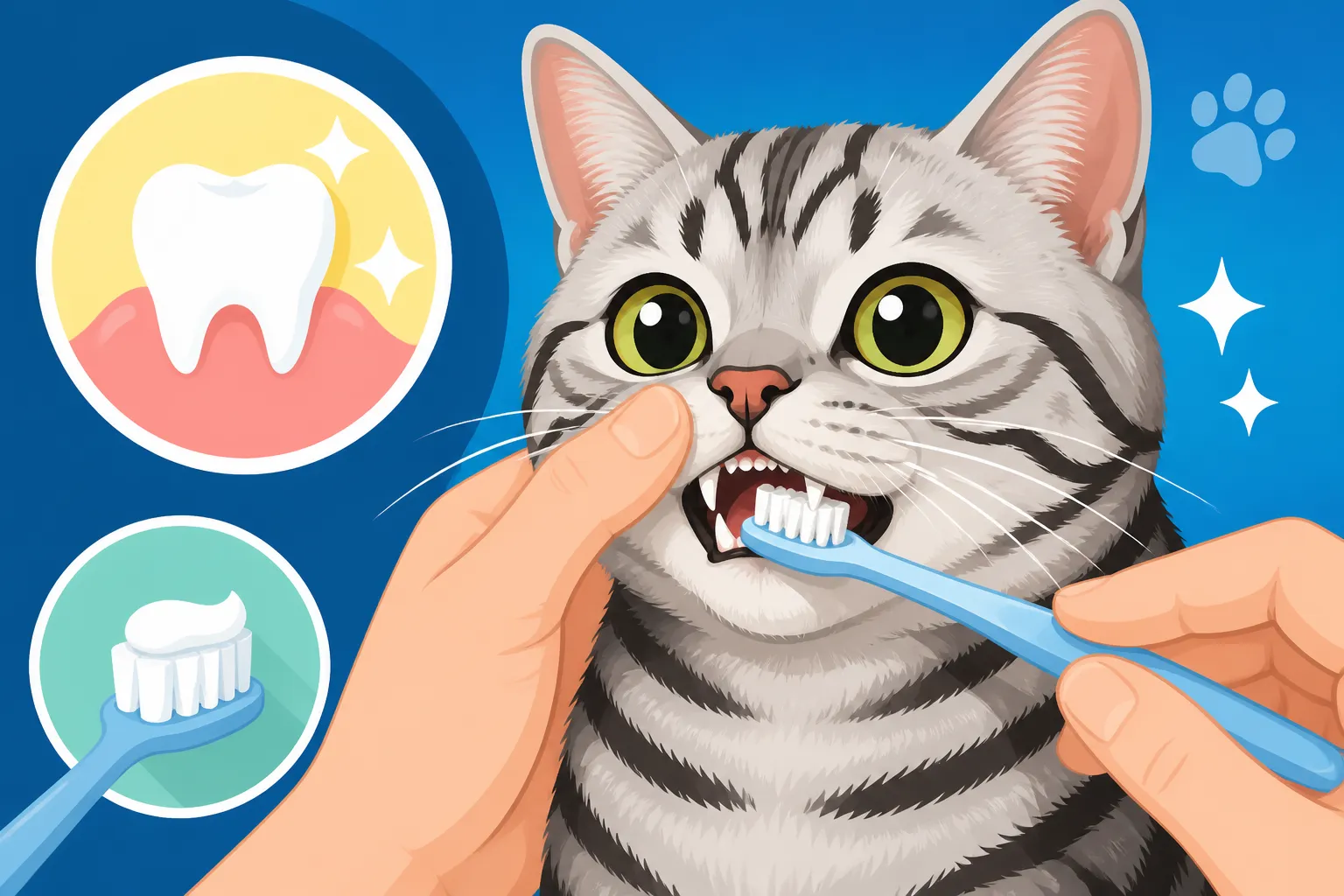
How to Brush an American Shorthair’s Teeth
The thought of brushing your cat's teeth might seem utterly impossible, like trying to herd mist or teach a fish to ride a bicycle. Many of us struggle with the idea, often dismissing it as something only "other" cat owners do, or assuming our American Shorthair, with their independent and somewhat stoic nature, would never tolerate it. But the truth is, dental disease is one of the most common and silently painful conditions our beloved felines face, leading to everything from bad breath to serious systemic health problems. This guide is here to demystify the process, offering practical, empathetic steps to help you introduce and maintain a regular dental hygiene routine for your American Shorthair, ensuring they enjoy a healthier, happier life free from the hidden agony of oral pain.
The Silent Threat of Feline Dental Disease
It's a tough pill to swallow, but dental disease in cats is far more common than most owners realize. Many of us assume that because our cats eat dry kibble, their teeth are naturally "cleaned," or that a little bad breath is just a normal part of cat ownership. Unfortunately, these assumptions leave countless felines suffering in silence, year after year, as insidious dental issues slowly take hold. For our resilient American Shorthairs, whose ancestors worked tirelessly and autonomously, the instinct to hide discomfort is deeply ingrained, making it even harder for us to spot a problem until it's become quite advanced.
Why Dental Health Often Goes Unnoticed in Cats
Cats are masters of disguise when it comes to pain. Unlike dogs, who might whimper or openly resist when something hurts, cats often withdraw, become less playful, or simply adapt their behavior to avoid the discomfort. This stoicism is a holdover from their wild instincts, where showing weakness could mean becoming prey. In a domestic setting, this means a cat with a painful mouth might just eat a little more slowly, favor one side of their mouth, or simply stop playing with certain toys, and we, their devoted human companions, might completely miss these subtle cues.
The progression of dental disease itself is also notoriously slow and cumulative. It usually starts with plaque, a sticky film of bacteria, food particles, and saliva, building up on the tooth surface. If not removed, plaque hardens into tartar, a rough, calcified deposit that clings stubbornly to the teeth, especially near the gumline. This tartar then irritates the gums, leading to gingivitis – inflammation of the gums, which can cause redness, swelling, and bleeding. Over time, untreated gingivitis progresses to periodontitis, a much more severe and irreversible condition where the infection spreads beneath the gumline, attacking the bone and ligaments that support the teeth. This is where real pain sets in, and teeth become loose, abscessed, or eventually fall out. It’s a slow burn, not a sudden emergency, making it easy to overlook until the damage is extensive.
The Specific Risks for American Shorthairs
While American Shorthairs are generally known for their robust health and long lifespans – a wonderful trait that means many years of companionship – this very longevity can sometimes work against them when it comes to dental health. The longer a cat lives, the more time there is for plaque and tartar to accumulate and for dental disease to progress. It's not that American Shorthairs are inherently predisposed to worse dental disease than other breeds, but rather that their sheer durability means they'll likely experience more years where these issues can develop if not actively managed.
Their natural, working-cat heritage means they were historically adept at catching prey, which might have offered some mechanical cleaning benefits through the tearing of raw meat and gnawing on bones. However, modern indoor American Shorthairs, feasting on carefully prepared commercial diets, don't get this natural "brushing." Their strong jaws and broad muzzles, while excellent for their original purpose, still fall victim to the same bacterial processes that affect all domestic cats. Additionally, if they develop any malocclusions (misaligned teeth) – which can happen in any cat, pedigree or not – certain teeth might not wear down correctly or could be more prone to collecting food debris, increasing their specific risk for localized dental issues. Understanding Why an American Shorthair Loses Teeth Nobody Noticed is really about recognizing their innate ability to mask discomfort, urging us to be proactive.
Long-Term Consequences of Neglected Oral Care
The consequences of ignoring your American Shorthair's dental health stretch far beyond just bad breath or a few lost teeth. The chronic pain from advanced dental disease can significantly impact their quality of life, making eating uncomfortable, reducing their desire to play, and generally diminishing their overall happiness. Imagine living with a constant, throbbing toothache – it's debilitating.
Moreover, the infection and inflammation in the mouth don't stay confined there. The bacteria from severe gum disease can enter the bloodstream and travel to major organs, including the heart, kidneys, and liver. This can lead to or exacerbate serious systemic health problems. For instance, a persistent bacterial infection can contribute to heart valve damage or strain kidney function over time, potentially shortening your American Shorthair’s healthy lifespan. We might boast about The Fifteen to Twenty Years the American Shorthair Was Given, but that potential is only truly realized with comprehensive care that includes dental hygiene. Finally, addressing these issues once they're severe typically involves costly veterinary procedures, often including extractions performed under anesthesia. Prevention, in this case, is not only kinder to your cat but also much kinder to your wallet.
Gathering Your Dental Arsenal: Tools for Success
Okay, so we’ve established that brushing your American Shorthair's teeth isn't just a nicety, it's a necessity. But before you even think about approaching your feline friend's mouth, you need to arm yourself with the right tools. You wouldn't tackle a DIY project without the correct screwdriver, right? The same goes for cat dental care. Having the appropriate, cat-specific equipment makes the process safer, more effective, and far less stressful for both of you.
Choosing the Right Toothbrush
This is where many first-time brushers get hung up. You can't just grab your own toothbrush and expect it to work! Cat mouths are tiny, their gums delicate, and their tolerance for anything unfamiliar is, well, limited. The key is to find a brush that fits comfortably in your hand and, more importantly, comfortably in their mouth.
- Finger Brushes: These are often recommended for beginners because they slip over your finger, giving you a direct tactile feel for your cat's teeth and gums. They're usually made of soft silicone with tiny nubs. They're great for getting your cat used to the sensation of something rubbing against their teeth and gums, but they might not be as effective at scrubbing away plaque as a bristle brush. You can often find these at your local pet store or online retailers like Chewy or Amazon.
- Small Cat Toothbrushes: These look like miniature versions of human toothbrushes, often with two heads at different angles to reach various parts of a cat's mouth. The bristles are usually extra-soft to prevent gum irritation. This type of brush offers a better cleaning action than a finger brush once your cat is accustomed to brushing.
- Human Extra-Soft Toothbrushes: In a pinch, if you can't find a dedicated cat toothbrush, an infant toothbrush with extra-soft bristles and a very small head can sometimes work. Just be incredibly gentle and cautious.
When making your choice, consider your cat's size, your comfort, and how much dexterity you have. Some American Shorthairs have broader heads than others, so a slightly larger head might be appropriate, but always err on the side of smaller and softer. Remember, the goal is to make it a positive experience, not a wrestling match.
Selecting Cat-Safe Toothpaste
This is perhaps the most crucial component. NEVER use human toothpaste on your cat. Human toothpastes contain fluoride and detergents that are toxic to cats if swallowed, and they will swallow it. Cat toothpaste, on the other hand, is specifically formulated to be safe for ingestion and often comes in flavors cats enjoy, like poultry, fish, or malt.
Look for enzymatic toothpastes. These contain enzymes that help break down plaque and kill bacteria, even after brushing. This added benefit means that even if your brushing technique isn't perfect, the toothpaste is still working hard to combat dental disease. Brands like Virbac C.E.T. or Petrodex are popular choices and widely available. When introducing it, let your American Shorthair lick a little off your finger first. The taste can be a huge motivator. If they love the taste, half the battle is already won! Finding the right one might take a little trial and error, but it's worth the effort.
Other Helpful Accessories
While a toothbrush and toothpaste are your primary weapons, a few other items can complement your dental hygiene efforts or help during the training phase.
- Dental Wipes: These are textured pads or cloths that fit over your finger, pre-soaked with dental cleaning solutions. They're a good stepping stone for cats who are resistant to a full toothbrush, helping to remove some plaque and get them used to having your finger in their mouth. They won't replace brushing but can certainly assist.
- Oral Rinses/Water Additives: These products are added to your cat's drinking water or applied directly to their gums. They often contain antibacterial agents that help reduce plaque and freshen breath. They are not a substitute for brushing, but they can be a helpful adjunct, especially for cats who absolutely refuse direct brushing. You can find a variety of these at pet supply stores or through online retailers like Chewy.
- Dental Treats: Certain treats are formulated with specific textures or ingredients to help reduce plaque and tartar buildup. While effective ones carry a veterinary oral health council (VOHC) seal, indicating they meet specific standards, remember that treats are just that – treats. They should never be relied upon as the sole method of dental care, especially not for a cat whose working ancestry might make them predisposed to enjoying their food a little too much, leading to weight gain if not portioned correctly. Think of them as a tiny bonus, not a solution. It's important to remember Whether Kibble Does Anything for an American Shorthair's Teeth — most dry foods offer very little cleaning action, and treats are no different unless specifically designed and proven.
The Step-by-Step Guide to Brushing Success
Alright, you've got your tools, and you understand why this is so important. Now for the practical part: getting your American Shorthair to actually let you brush their teeth. Let's be real, this isn't going to happen overnight, and it's definitely not going to feel natural at first. Your American Shorthair, with its self-sufficient nature, probably hasn't had much reason to let you poke around its mouth before! Patience, consistency, and positive reinforcement are your best friends here. Think of it as a marathon, not a sprint.
Acclimatization: Building Trust and Positive Associations
The absolute worst thing you can do is rush in, grab your cat, and try to force a toothbrush into its mouth. That's a surefire way to create a negative association that will be incredibly difficult to undo. Instead, we're going for a gradual, gentle introduction. This process could take days, weeks, or even a couple of months, depending on your individual cat's temperament and prior experiences.
- Start with Touch: Begin by simply touching your cat's face and lips. Gently stroke their cheek, then lift their lip for a second or two. Do this daily, for just a few seconds, always followed by praise, a favorite treat, or a short play session. The goal is for them to associate your touch around their mouth with something positive. If they resist, stop immediately and try again later, or the next day, for an even shorter duration.
- Introduce the Toothpaste: Once they're comfortable with lip lifts, let them taste the cat-specific toothpaste. Put a tiny dab on your finger and let them lick it off. If they like the flavor (and most cats find the poultry or fish flavors quite appealing), this is a huge step! Continue doing this for a few days, always making it a pleasant experience.
- Finger Brush Introduction: Now, put a small amount of toothpaste on a finger brush. Gently rub your finger, with the brush on it, along the outside of a few teeth and gums. Focus on the canine teeth and the large molars in the back, as these are often the easiest to access first. Keep the session very brief – literally 5-10 seconds – and immediately reward them. Don't worry about getting every tooth; the goal is acceptance.
- Transition to the Toothbrush: Once they're okay with the finger brush, transition to the actual cat toothbrush with toothpaste. Again, start with just a few teeth, gently brushing for a short duration. Gradually increase the number of teeth and the length of the session over time. Always end on a positive note, even if you only managed a few seconds of actual brushing.
Remember, your American Shorthair is a creature of habit, and building a new positive one takes time. Consistency is key, even if you can only manage a few seconds each day.
The Brushing Technique: What, Where, and How Often
Once your American Shorthair is somewhat tolerant of the toothbrush, it’s time to refine your technique. The aim is to clean the outer surfaces of the teeth where plaque and tartar accumulate most readily, specifically along the gumline.
- Positioning: Find a comfortable position for both of you. Some cats prefer to be held in your lap, others on a table, or even just standing on the floor. The key is to support their head gently but firmly. You might need to experiment to find what works best.
- Lifting the Lip: Gently lift your cat's upper lip with one hand to expose the teeth and gumline. You don't need to pry their mouth open wide; focusing on the outside surfaces is usually sufficient, as the tongue typically keeps the inner surfaces cleaner.
- Angle and Motion: Hold the toothbrush at a 45-degree angle to the gumline, aiming the bristles into the gum pocket where plaque hides. Use small, gentle circular motions, brushing only a few teeth at a time. Work your way around, focusing on the canine teeth (the fangs) and the large molars in the back, as these tend to accumulate the most plaque. Don't press too hard; you want to massage the gums, not irritate them.
- Duration and Frequency: Aim for at least 30 seconds to a minute of actual brushing per session, ideally covering most of the teeth. Daily brushing is the gold standard for preventing plaque and tartar buildup. If daily isn't feasible, even three times a week can make a significant difference. Remember, something is always better than nothing. The more consistent you are, the easier it becomes for your American Shorthair to accept it as part of their routine. This regular effort will significantly reduce the likelihood of them needing a costly What an American Shorthair Dental Costs With Extractions down the line.
Troubleshooting Common Challenges
Let's be honest, brushing a cat's teeth isn't usually a smooth, serene experience, especially at first. Your American Shorthair, even with its generally placid temperament, might decide it's not a fan. Here are some common hurdles and how to navigate them:
- Resistance and Biting: If your cat bats at the brush, tries to escape, or even gives a warning bite, stop immediately. Never punish them. This is a sign you've pushed too far, too fast. Go back a step in the acclimatization process. Shorten the sessions dramatically, increase the rewards, and proceed even more slowly. Sometimes, trying at a different time of day when they are relaxed (e.g., after a nap) can help.
- Difficulty Reaching Back Teeth: Those molars in the back can be tricky. This is where a dual-headed cat toothbrush or a very small human infant toothbrush can be beneficial, as their angles might allow for better access. If you absolutely can't reach, focus on the teeth you can clean effectively, and discuss the hard-to-reach areas with your vet during their regular check-ups.
- Maintaining Consistency: Life happens, and it's easy to skip a day, then two, then a week. Try to incorporate brushing into an existing daily routine, like after their evening meal or before bed. Set a reminder on your phone. Even if you miss a day, don't give up; just pick it up again the next day. The cumulative effect of regular brushing is what truly makes a difference. If you're struggling to keep up, even just a few times a week is immensely beneficial, as we discussed in How Many Dentals an American Shorthair Needs in Twenty Years.
Remember, every cat is an individual. What works for one American Shorthair might not work for another. Be patient, be flexible, and always prioritize making the experience as positive and stress-free as possible.
Integrating Dental Care into Your American Shorthair's Routine
You've got the brushing technique down, your American Shorthair is tolerating it (mostly!), and you're seeing some progress. Now, the real trick is to make dental care a sustainable, long-term part of your cat's life, rather than a fleeting experiment. This isn't just about the occasional brush; it's about embedding a holistic approach to oral hygiene that supports their overall health and well-being for years to come.
Frequency and Consistency: Making it a Habit
We've touched on this before, but it bears repeating: consistency is paramount. Think of it like brushing your own teeth – a daily habit you barely think about. We want to get your American Shorthair (and you!) as close to that as possible.
- Daily is Ideal: Ideally, brushing your American Shorthair's teeth once a day is the most effective way to prevent plaque from hardening into tartar. Plaque only takes about 24-48 hours to start calcifying, so daily removal is key.
- Three Times a Week is Still Great: If daily just isn't happening, commit to brushing at least three times a week. This frequency can still significantly reduce plaque buildup and keep their gums healthier than no brushing at all. Don't feel like a failure if you can't hit daily; any regular effort is a win.
- Find Your Schedule: Experiment with different times of day. Some cats are more cooperative first thing in the morning, others after a period of activity, or right before their last meal of the day. The most important thing is to choose a time you can consistently stick to. Make it a calm, predictable ritual. This consistent attention will help catch issues early, potentially reducing the need for emergency vet visits later on, which can be costly. When considering What an American Shorthair Kitten's First Shots Cost, think about how that early vet contact can also set the stage for discussing dental health from the start.
Complementary Dental Strategies
While brushing is the gold standard, it's perfectly fine, and often beneficial, to incorporate other tools into your dental care arsenal. Think of them as reinforcements that bolster your efforts, especially if your cat isn't a fan of daily brushing.
- Professional Dental Cleanings: Just like us, cats need professional dental cleanings under anesthesia to address existing tartar buildup and assess the health of teeth below the gumline. Your vet can scale off tartar, polish teeth, and identify any painful issues like resorptive lesions or pockets of infection that you can't see at home. Many American Shorthairs, despite their stoicism, will still need periodic professional cleanings as they age. Your veterinarian will advise on the frequency, often tied to their annual check-ups. This is a crucial part of long-term care and can often prevent serious problems. Don't forget to ask How Often an American Shorthair Should See a Dentist Vet.
- Specific Dental Diets: Some cat foods are formulated with a unique kibble design or special ingredients to mechanically scrub teeth as the cat chews, or to chemically reduce plaque. Look for diets with the VOHC (Veterinary Oral Health Council) seal of acceptance, which indicates they have been proven to reduce plaque and/or tartar. Brands like Hill's Prescription Diet t/d or Royal Canin Dental are often recommended by vets. You can usually find these specialized diets through your vet's office or online at retailers like Chewy or Amazon. However, be mindful of calories, as these cats often have a healthy appetite from their hunting lineage, so you might need to adjust their total food intake.
- Water Additives: These liquids are added to your cat's drinking water and contain ingredients that help reduce bacteria in the mouth. They're easy to use, requiring no direct contact with your cat's mouth, making them a great passive aid. Again, look for VOHC-approved products for proven efficacy.
- Appropriate Chew Toys: While cats aren't usually avid chewers like dogs, some do enjoy textured chew toys designed for dental health. The physical act of chewing can help scrape away some plaque. However, efficacy varies greatly between individual cats and toy types. Always supervise your cat with new toys to ensure they are safe and don't pose a choking hazard.
Recognizing When to Seek Professional Help
Even with the most diligent home care, it's vital to know when a problem warrants a trip to the vet. Your American Shorthair's stoic nature means you might miss subtle cues, so being observant is key.
- Persistent Bad Breath (Halitosis): While "cat breath" isn't often minty fresh, truly foul, persistent bad breath is a strong indicator of bacterial overgrowth and dental disease. It’s not just normal for your American Shorthair. This is one of the clearest signs that Why Gum Disease Is the American Shorthair's Quietest Problem might be escalating.
- Changes in Eating Habits: Reluctance to eat, chewing on one side of the mouth, dropping food, refusing hard kibble, or showing pain when eating are all red flags. They might still be eating because hunger overrides pain, but how they eat changes.
- Paw at the Mouth or Face Rubbing: Cats in pain might paw at their mouth or rub their face against furniture more frequently in an attempt to alleviate discomfort.
- Drooling: Excessive drooling, especially if it's tinged with blood, is a serious sign of oral pain or infection.
- Visible Issues: Red, swollen, or bleeding gums, visible tartar accumulation, fractured or discolored teeth, or missing teeth are all signs that your cat needs veterinary attention.
- Behavioral Changes: Any unexplained lethargy, aggression, or withdrawal can be a sign of underlying pain, and dental disease is a common culprit. For an independent breed like the American Shorthair, a sudden change in their normal patrolling or sleeping habits could indicate they are feeling unwell.
Regular veterinary check-ups are non-negotiable. Your vet will perform an oral examination during each visit, which can help catch issues early, before they become severe and costly to treat. They can also provide personalized advice and demonstrations for home care.
Understanding Your American Shorthair's Dental Journey Over Time
Just like us, a cat's dental health isn't static; it evolves throughout their life. From playful kittenhood to their graceful senior years, their oral needs change, and so too should our approach to their care. For the long-lived American Shorthair, this extended timeline means we have ample opportunity – and responsibility – to support their dental well-being every step of the way.
Dental Health from Kittenhood to Senior Years
Establishing good dental habits early sets the stage for a lifetime of better oral health. It’s far easier to introduce brushing to a curious kitten than to an adult cat set in their ways.
- Kittenhood (0-1 year): This is the prime time to start! Even before their adult teeth fully come in, you can begin the acclimatization process. Gently touch their mouth, let them taste the cat-safe toothpaste, and introduce the finger brush for very short sessions. The goal here isn't intense cleaning, but rather positive association and getting them used to the sensations. It's much like all the other early care steps, such as their first vet visits for vaccinations, which are crucial for their overall development. Building this foundation early means by the time they're fully grown, brushing is just another normal interaction, not a battle. This proactive approach supports their health for years, ensuring that The Fifteen to Twenty Years the American Shorthair Was Given are filled with comfort, not pain.
- Adulthood (1-10 years): This is where consistent brushing truly pays off. Continue daily or several-times-a-week brushing. Regular vet check-ups will include oral examinations, and your vet may recommend professional cleanings as needed. Pay attention to any signs of dental disease, as this is when plaque and tartar really start to build up. Your American Shorthair might still be energetic and active, masking early signs of discomfort.
- Senior Years (10+ years): As American Shorthairs age, dental issues can become more prevalent and complex. They might be more prone to gingivitis, periodontitis, and tooth resorption (a painful condition where the tooth structure erodes). Their immune systems may also be less robust, making them more susceptible to oral infections. Arthritis or other age-related conditions can make them less tolerant of being handled, so gentleness is even more crucial. You might need to adjust your brushing technique or increase the frequency of dental wipes or oral rinses. Senior American Shorthairs may also benefit from more frequent professional dental check-ups and cleanings. Caring for an American Shorthair Past Twelve truly involves a dedicated focus on their evolving dental needs, as dental pain can severely impact their quality of life.
The Impact of Diet on Dental Health
There's a lot of chatter about how diet affects cat dental health, and it's an area where common misconceptions abound. Understanding the nuances can help you make informed choices for your American Shorthair.
- Kibble vs. Wet Food: The long-held belief that dry kibble "cleans" a cat's teeth like a toothbrush is largely a myth. Most kibble shatters upon impact, offering minimal abrasive action. Some specific dental diets, as mentioned earlier, are designed with larger, fibrous kibbles that don't shatter easily, forcing the tooth to penetrate the kibble and providing a scrubbing action. But standard kibble? Not so much. In fact, many standard kibbles can leave behind carbohydrate residues that contribute to plaque formation. Wet food, while often seen as "worse" for teeth, doesn't necessarily cause more dental disease than standard kibble. It doesn't clean teeth, but it also doesn't leave the same type of residue. The most important factor for dental health, regardless of food type, is proactive brushing.
- Raw Diets: Some owners advocate for raw, bone-in diets, believing they mimic natural prey and provide mechanical cleaning. While the gnawing on appropriate raw bones can offer some cleaning benefits, raw diets carry their own risks, including bacterial contamination (for both cat and human) and potential for fractured teeth from hard bones. This is a complex topic that requires careful research and veterinary consultation. For your American Shorthair, known for its robust health and prey drive, a raw diet might seem intuitive, but it requires careful consideration.
- Balanced Nutrition: Regardless of the type of food, ensuring your American Shorthair receives a nutritionally complete and balanced diet is vital for their overall health, including strong teeth and gums. A deficiency in certain vitamins or minerals can indirectly impact oral health. For specific dietary needs or if your cat has developing dental issues, your vet might recommend specialized foods, available through trusted retailers like Chewy or Amazon.
Debunking Common Dental Myths
It's amazing how many myths persist about cat dental care. Let's clear up a few for the sake of your American Shorthair's pearly whites!
- Myth: "Bad breath is normal for cats." Absolutely not! While a cat's breath isn't going to smell like roses, truly foul, offensive breath (halitosis) is a strong indicator of an underlying problem. It's often the first, and sometimes only, sign of significant dental disease that owners notice. Ignoring it is ignoring your cat's discomfort. This ties directly into Why Gum Disease Is the American Shorthair's Quietest Problem.
- Myth: "My cat chews on toys, so their teeth are fine." While some cats do engage in chewing, the effectiveness of toys for dental cleaning varies wildly. Unless it's a VOHC-approved dental chew toy specifically designed and proven to reduce plaque/tartar, it's unlikely to provide comprehensive cleaning. Most toys offer little more than mental stimulation.
- Myth: "Only old cats get dental disease." While dental disease is more common and often more severe in older cats, it can start at any age. Many cats show signs of gingivitis and early plaque buildup by the age of three. Early intervention and consistent home care are crucial, regardless of age.
- Myth: "My cat isn't showing any pain, so their mouth must be healthy." As discussed, cats are masters of hiding pain. They might have severe dental disease, including painful infections or resorptive lesions, and show absolutely no outward signs of discomfort until the disease is incredibly advanced. This is why regular vet check-ups, even for your stoic American Shorthair, are so important.
Here's a quick comparison of various dental care methods:
| Method | Efficacy for Plaque/Tartar Reduction | Ease of Implementation | Cost Implication | Key Considerations |
|---|---|---|---|---|
| Daily Brushing | High (Gold Standard) | Moderate to Difficult | Low (Initial tools) | Requires patience & consistency; cat-specific tools & toothpaste essential. |
| Professional Cleaning | Very High (Removes existing) | Easy (Vet does it) | High (Anesthesia, scaling) | Necessary for existing tartar; requires general anesthesia. |
| Dental Diets (VOHC) | Moderate (Proven efficacy) | Easy (Part of feeding) | Moderate (Specialized food) | Must be VOHC-approved; may not suit all cats (e.g., allergies); calorie controlled. |
| Water Additives (VOHC) | Low to Moderate (Adjunctive) | Very Easy | Low to Moderate | Adjunct only, not a substitute for brushing; must be VOHC-approved. |
| Dental Treats (VOHC) | Low to Moderate (Adjunctive) | Easy | Low to Moderate | Adjunct only; portion control critical; must be VOHC-approved. |
| Dental Wipes | Low to Moderate (Adjunctive) | Easy to Moderate | Low to Moderate | Good for getting started or for cats intolerant to brushing. |
By combining consistent home brushing with regular veterinary check-ups and, when appropriate, complementary strategies like dental diets or water additives, you can give your American Shorthair the best chance at a long, healthy, and pain-free life. Their independent spirit might suggest they don't need us for much, but when it comes to silent health issues like dental disease, our diligent care truly makes all the difference.
Disclaimer
This article is for general informational purposes only and does not constitute professional advice. Laws, prices and regulations vary by location and change over time. Consult a qualified professional for guidance on your specific situation.