Which Two Months an American Shorthair Sheds Hardest
If you're an American Shorthair owner, you've probably noticed that while their sleek, low-maintenance coats are generally a dream, there are definitely times of the year when your home suddenly sprouts a new, furry carpet. It's completely normal to wonder why your seemingly short-haired cat is suddenly shedding enough to knit a sweater, and more importantly, when exactly to brace yourself for these fur-nados. This guide will walk you through the American Shorthair's natural shedding cycles, identify those peak shedding months, and offer practical advice to keep your home (and your sanity) intact.
Understanding the American Shorthair's Seasonal Shedding Cycle
The American Shorthair, a breed rooted in working cat ancestry, possesses a dense, protective coat that evolved to handle a variety of climates. Unlike some highly stylized breeds, their coat's primary function was always utility, not aesthetics. This means it's incredibly efficient at regulating their body temperature, which naturally leads to seasonal shedding. It’s not just random; it’s a finely tuned biological process.
The Biology of the American Shorthair's Coat Growth
Every hair on your American Shorthair's body goes through a life cycle: growth, rest, and shedding. This cycle isn't uniform across all hairs at once, but rather a constant, staggered process that ensures they're never completely bald. Their coat is actually made up of two layers: a soft, insulating undercoat and coarser, protective guard hairs. The undercoat is particularly important for warmth in colder months, while the guard hairs offer protection from moisture and minor injuries. This dual-layer system means there's more to shed than meets the eye, especially during transitions between seasons.
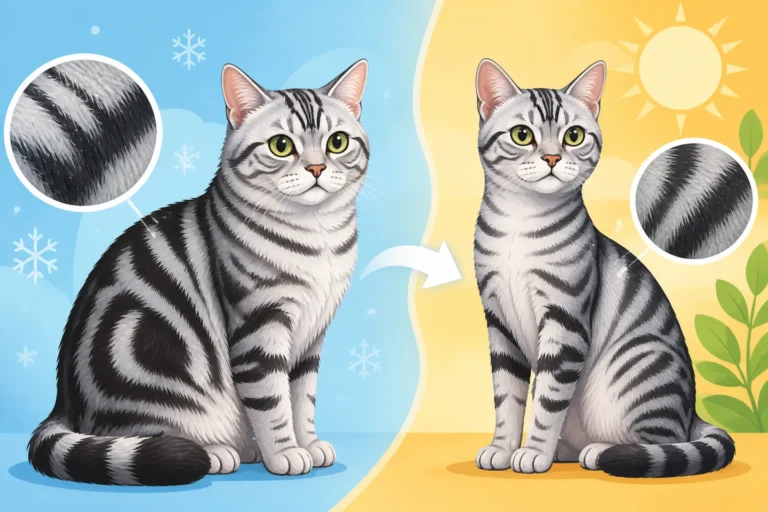
The length of each stage in the hair cycle is influenced by a variety of factors, including light exposure, temperature, nutrition, and hormones. When days get longer and temperatures rise, their bodies signal that it’s time to lighten the load, preparing for warmer weather. Conversely, as days shorten and it gets colder, their bodies prepare to grow a thicker, warmer coat. It’s a remarkable adaptation, even for our indoor companions who might not experience the full extremes of the outdoors.
Seasonal Triggers for Coat Turnover
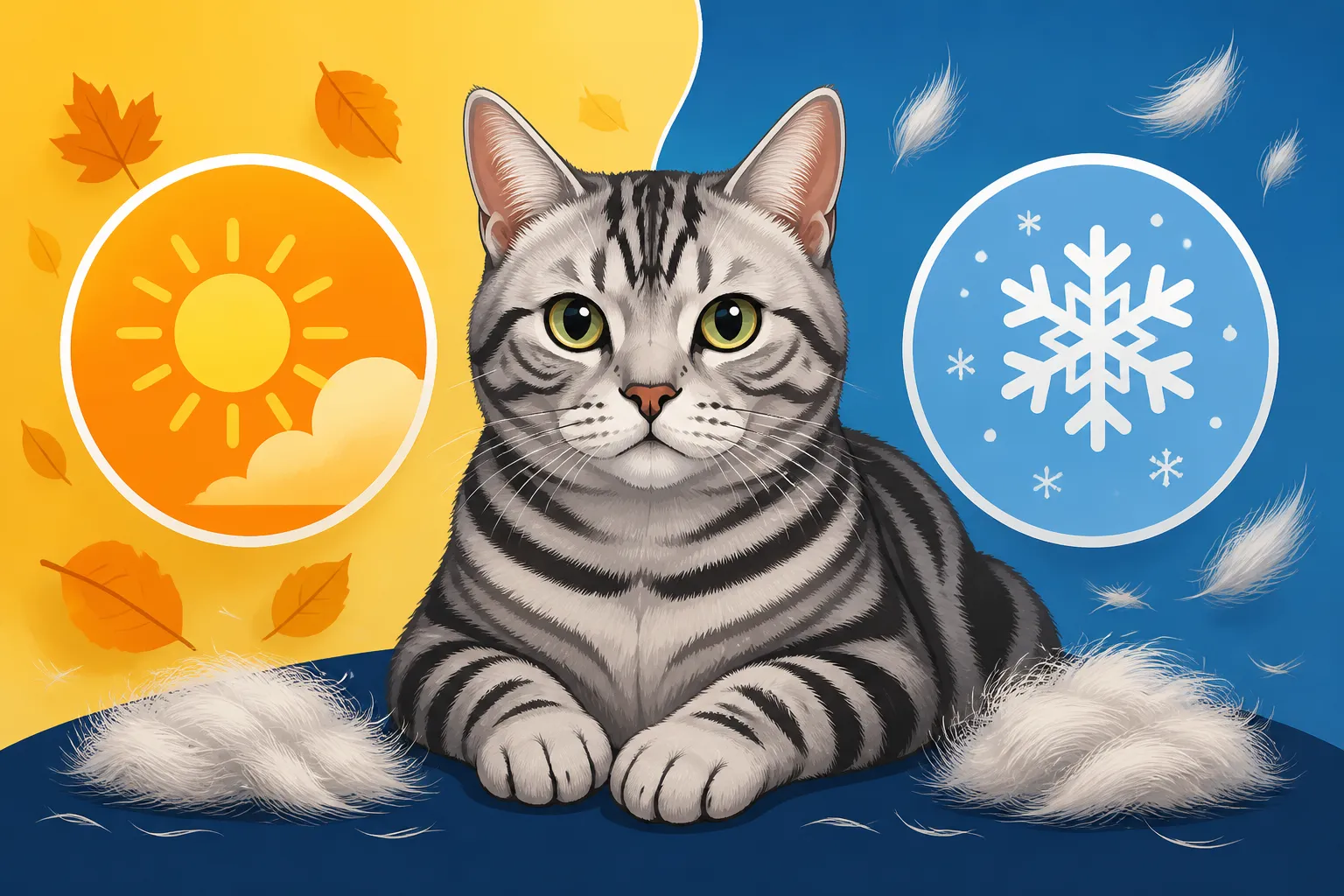
The most significant triggers for an American Shorthair's shedding are changes in daylight hours and temperature. Even for indoor cats, artificial lighting can somewhat influence this, but natural light plays a huge role. As winter gives way to spring, the increasing daylight signals the cat's body to shed its thick winter coat. This is often the most noticeable and heaviest shedding period. You might find yourself marveling at the sheer volume of fur coming off your seemingly compact cat.
Then, as autumn approaches and days begin to shorten, their bodies start preparing for colder weather by shedding the lighter summer coat to make way for a denser winter one. This second major shedding period is usually less intense than the spring shed, but it's still significant enough to warrant extra grooming attention. These natural cycles ensure your American Shorthair is always appropriately dressed for the season, a testament to their robust, no-frills origins. Why an American Shorthair's Coat Thickens for Winter delves deeper into this fascinating adaptation.
Identifying the Peak Shedding Months
So, when exactly should you brace yourself for the onslaught of fur? While shedding is a year-round affair, your American Shorthair will definitely shed hardest during two distinct periods, primarily tied to the natural shift in seasons.
The Spring Shed: March, April, and May
Without a doubt, the most intense shedding period for American Shorthairs typically occurs in spring, usually starting around March and continuing through April and into May. This is when they actively slough off their dense winter undercoat, which served them so well against the cold. You'll likely notice a dramatic increase in the amount of fur left on furniture, clothing, and floating around your home. It’s a full-scale coat change operation.
During these months, a casual petting session can quickly turn into a mini grooming session, as loose hairs practically leap off their body. This heavy shedding is a necessary biological function to prepare them for the warmer temperatures of summer. If you live in an area with particularly distinct seasons, you'll see this cycle play out clearly. Even in more temperate climates, the shift in daylight hours is often enough to kickstart this significant coat turnover. How Much Comes Off an American Shorthair in Spring details this impressive seasonal event.
The Autumn Shed: September, October, and November
While not as dramatic as the spring explosion, American Shorthairs also experience a noticeable increase in shedding during the autumn months, typically from September through October and into November. This is their body's way of getting rid of the thinner summer coat and making room for the thicker, warmer winter coat to grow in. You'll still see plenty of fur, but it might feel more manageable than the spring surge.
This autumn shedding prepares them for the colder, shorter days ahead. The new winter coat that grows in is designed to offer maximum insulation, protecting them from the elements, even if they're primarily indoor cats. Think of it as their annual wardrobe change, just with a lot more fur involved! Understanding these patterns can help you anticipate the need for increased grooming and household cleaning, making these transitions much smoother for both you and your feline friend.
Factors Influencing Shedding Intensity
While the general shedding periods are predictable, the exact amount and intensity of your American Shorthair's shedding can vary quite a bit. Several factors, from their lifestyle to their diet, play a significant role.
Indoor Versus Outdoor Living
Cats who live primarily outdoors, or who have significant outdoor access, often experience more pronounced seasonal shedding. This is because their bodies are more directly exposed to the natural fluctuations in light and temperature, which are the primary drivers of the shedding cycle. Their coats need to be perfectly adapted to the environment at all times.
Indoor-only American Shorthairs, on the other hand, live in a more controlled environment. Consistent indoor temperatures and artificial lighting can sometimes disrupt the natural rhythm, leading to more moderate, but potentially more constant, year-round shedding. Instead of two massive "blow-outs," you might find they shed a consistent, albeit smaller, amount of hair daily, with slight peaks during spring and fall. However, even with all the comforts of home, their deep-seated instinctual responses to subtle environmental cues still prompt those seasonal changes. Whether an Indoor American Shorthair Lives Longer also touches on aspects of their environment.
Diet and Nutrition's Role in Coat Health
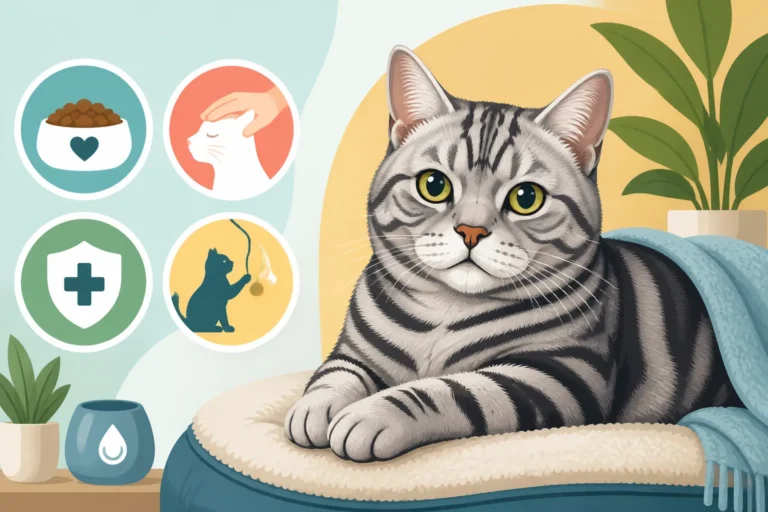
What your American Shorthair eats has a direct and profound impact on the health and quality of their coat, and by extension, their shedding. A high-quality diet rich in essential fatty acids (like Omega-3 and Omega-6), proteins, and vitamins helps maintain strong hair follicles. When hair is strong and healthy, it's less prone to breakage and excessive shedding. Think of it like this: a well-nourished plant will hold onto its leaves longer and shed less prematurely.
Conversely, a diet lacking in these vital nutrients can result in a dull, brittle coat that sheds more frequently and more heavily than necessary. If you've noticed an uptick in shedding outside the normal seasonal changes, take a good look at your cat's food. High-quality fresh, kibble, or wet food options can make a noticeable difference in coat luster and shedding reduction. Always look for foods with real meat as the first ingredient and a good balance of nutrients specific to felines.
Underlying Health Conditions and Stress
Sometimes, excessive shedding isn't just about the season; it can be a red flag for an underlying health issue or stress. Conditions like allergies, parasites (fleas, mites), fungal infections (ringworm), hormonal imbalances, or even certain internal diseases can all manifest as dull coats, patches of hair loss, or increased shedding. A cat in discomfort or pain might also over-groom, leading to hair loss in specific areas.
Stress and anxiety can also play a part. A sudden change in routine, a new pet, or even moving to a new home can cause a cat to shed more than usual. If you notice shedding that seems truly excessive, patchy, or accompanied by skin irritation, lethargy, or changes in appetite, it's always best to consult your veterinarian. They can rule out any medical causes and offer solutions. What an Untested American Shorthair Usually Dies Of and Why an American Shorthair Is a Low Anesthetic Risk touch on broader health concerns, but a healthy coat is often an indicator of overall well-being.
Managing Shedding During Peak Times
Even though shedding is natural, that doesn't mean you have to live in a house covered in fur. There are plenty of proactive steps you can take to manage your American Shorthair's shedding, especially during those peak months.
Grooming Routines to Reduce Loose Hair
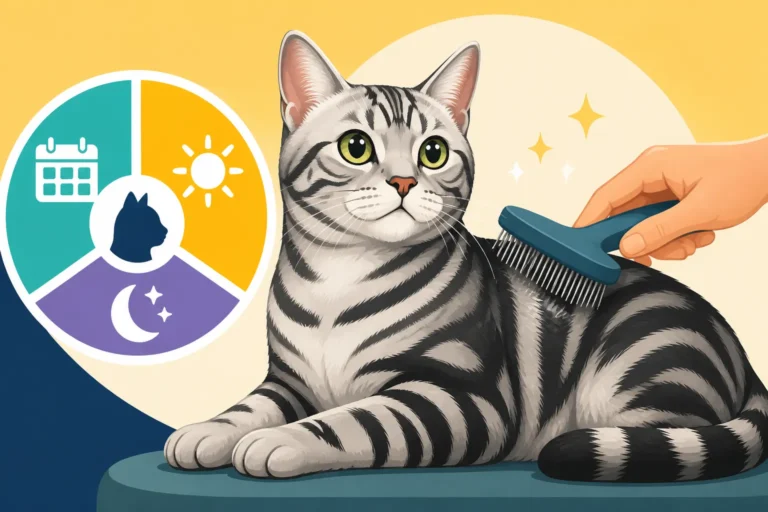
Regular grooming is your absolute best defense against excessive fur around the house. During peak shedding season, you'll want to increase your brushing frequency to at least daily, if not twice a day. The goal is to remove as much loose hair as possible before it ends up on your sofa or flying through the air. American Shorthairs have short, dense coats that benefit from specific types of brushes.
A good quality metal comb with both wide and fine teeth can help tease out loose undercoat. A rubber grooming mitt or a brush with soft, rubber nubs can also be very effective at grabbing shed hair and giving your cat a pleasant massage at the same time. Tools like the Furminator, used sparingly and correctly, can be highly effective at removing undercoat, but be careful not to overdo it, as aggressive brushing can irritate the skin. You can find a wide array of grooming tools on Amazon or Chewy to suit your American Shorthair's needs. How Little Combing an American Shorthair Actually Needs provides further insights into their grooming.
Nutritional Support for a Healthy Coat
As mentioned, diet plays a crucial role. During shedding periods, ensuring your cat is getting optimal nutrition can help the new coat grow in strong and healthy, and potentially reduce the severity of shedding by strengthening existing hair. Look for foods that specifically mention "skin and coat health" and contain ingredients like fish oil or flaxseed, which are rich in Omega fatty acids.
Consider adding a high-quality Omega-3 supplement to their diet, especially during the shedding seasons. These supplements can support skin hydration, reduce inflammation, and promote a glossy, healthy coat that sheds less. Always introduce new supplements gradually and discuss any dietary changes with your vet to ensure they're appropriate for your individual cat. Remember, a cat with a nourished coat often sheds less overall.
Environmental Controls and Housekeeping
Keeping your home as fur-free as possible during peak shedding means a bit more effort on the housekeeping front. Regular vacuuming, especially with a vacuum designed for pet hair, will be essential. Microfiber cloths are excellent for wiping down furniture, as they attract and hold onto loose fur. You might even consider investing in an air purifier with a HEPA filter to capture airborne dander and hair.
Using washable slipcovers on furniture your cat frequents can save your upholstery, and simply tossing them in the wash regularly can remove a surprising amount of hair. For laundry, dryer sheets can help loosen pet hair from fabrics. While you can't stop the natural process, you can definitely make your living environment more comfortable during these furry transitions.
The Unique Characteristics of the American Shorthair Coat
The American Shorthair’s coat isn't just "short"; it's a marvel of natural selection, built for purpose and resilience. Understanding these unique characteristics helps explain why they shed the way they do.
Built for Utility: Weather Resistance and Protection
The American Shorthair's coat is famously described as "hard" or "dense." This isn't a negative term; it refers to the texture of the guard hairs, which are stiff and resilient, designed to offer protection against rain, wind, and minor abrasions. This historical legacy of being working cats, often living outdoors on farms or ships, meant their coats had to be incredibly practical. The American Shorthair's Coat Was Built for Weather, Not a Judge perfectly captures this essence.
Beneath these sturdy guard hairs lies a softer, insulating undercoat. This combination creates a highly effective barrier against the elements. This dual-layer construction is precisely why they have a seasonal shedding pattern; they need to regulate this insulation. In winter, the undercoat is thick and plush, providing warmth. In summer, it thins out, allowing for better air circulation and cooling. It’s a beautifully engineered system that performs its job without human intervention.
How an American Shorthair's Coat Compares to Other Breeds
When you compare an American Shorthair's coat to, say, a fluffy Persian or a plush British Shorthair, the differences are stark. A Persian's long, silky coat requires extensive daily grooming to prevent mats and tangles, and its shedding can be a constant, significant event. The British Shorthair has a wonderfully dense, plush coat that stands away from its body, feeling like a thick carpet. While also shedding seasonally, its texture and volume are different from the American Shorthair.
The American Shorthair's coat, by contrast, lies close to the body, is even in length, and is notably easy to care for outside of those peak shedding windows. It doesn't typically mat, and it's self-maintaining for most of the year. This ease of care is one of the breed's most appealing features, despite the seasonal shedding bursts. It means you spend less time battling tangles and more time enjoying your sturdy, affectionate companion.
When Shedding Might Indicate a Problem
While seasonal shedding is normal, there are times when your cat's fur loss goes beyond the typical seasonal turnover and warrants closer attention. Recognizing these signs can help you catch potential health issues early.
Signs of Abnormal or Excessive Shedding
Normal shedding typically means loose hair is evenly distributed across the body, and the underlying skin looks healthy and unbothered. Abnormal shedding, however, might present differently. Look out for patches of thinning hair or bald spots, which are definitely not part of a normal shed. The skin underneath might appear red, inflamed, flaky, or have scabs. You might also notice your cat scratching, licking, or biting excessively at certain areas, indicating irritation.
Another sign of concern is a coat that looks dull, greasy, or feels brittle to the touch, rather than healthy and lustrous. If the amount of shedding seems truly extreme, far beyond what you'd expect for the season, or if it persists for many months without let-up, it’s time to take notice. Sometimes, the change in What Changes in an Aging American Shorthair's Coat can be mistaken for a problem, but it's important to distinguish between age-related changes and actual health concerns.
Common Health Issues Linked to Coat Problems
Numerous health conditions can impact your American Shorthair's coat and lead to abnormal shedding. Parasites like fleas, ticks, and mites are a very common culprit, causing intense itching and subsequent hair loss from scratching and over-grooming. Allergies – whether to food, environmental factors, or fleas – can also lead to skin irritation and excessive shedding.
Internal issues, such as kidney disease, liver disease, or thyroid problems (especially hyperthyroidism in older cats), can affect coat quality and cause poor grooming habits or general malaise that impacts hair health. Nutritional deficiencies, as discussed earlier, also play a huge role. Fungal infections like ringworm can cause patchy hair loss and skin lesions. If you're seeing any of these signs, don't just dismiss it as "heavy shedding." A vet visit is in order.
When to Consult Your Veterinarian
It’s always better to be safe than sorry when it comes to your pet's health. If you observe any of the following, schedule an appointment with your veterinarian:
- Bald spots or noticeably thinning hair: This is a clear indicator that something is amiss.
- Red, inflamed, scabby, or flaky skin: Suggests irritation, infection, or allergies.
- Excessive scratching, licking, or biting: Your cat is trying to tell you something is bothering them.
- Dull, greasy, or brittle coat: Points to potential nutritional deficiencies or internal health issues.
- Shedding accompanied by other symptoms: Such as changes in appetite, thirst, energy levels, or litter box habits.
- Shedding that is truly excessive or non-seasonal: If it's not spring or fall and your house is drowning in fur, get it checked out.
Your vet can perform a thorough examination, possibly run some diagnostic tests like skin scrapes or blood work, and help pinpoint the exact cause of the problem. They can then recommend appropriate treatment or dietary adjustments. Early detection often leads to faster and more effective solutions, ensuring your American Shorthair stays happy, healthy, and, mostly, less shed-y.
The Long-Term Impact of Shedding on Your Home and Cat
While dealing with shedding can feel like a chore, understanding its long-term implications can help you better manage it and appreciate the natural rhythms of your American Shorthair.
Managing Fur Accumulation and Allergies
The constant presence of shed hair, even from a relatively low-shedding breed like the American Shorthair for most of the year, can be a challenge. Beyond just the aesthetics, fur accumulates in vents, on clothing, and can exacerbate allergies for sensitive individuals in the household. It’s not just the hair itself, but the dander (tiny flakes of skin) attached to it that often triggers allergic reactions. Even with a short coat, dander is still present. How Much an American Shorthair Sets Off Allergies offers more detail on this topic.
To combat this, a regular cleaning routine becomes paramount. Investing in furniture covers, robust vacuum cleaners with HEPA filters, and even washable cat beds can significantly reduce the allergen load. Keeping surfaces wiped down and using lint rollers are small but mighty acts in the ongoing battle against fur. For those with severe allergies, discussions about air purifiers or even professional duct cleaning might come into play.
The Role of Grooming in Overall Cat Health
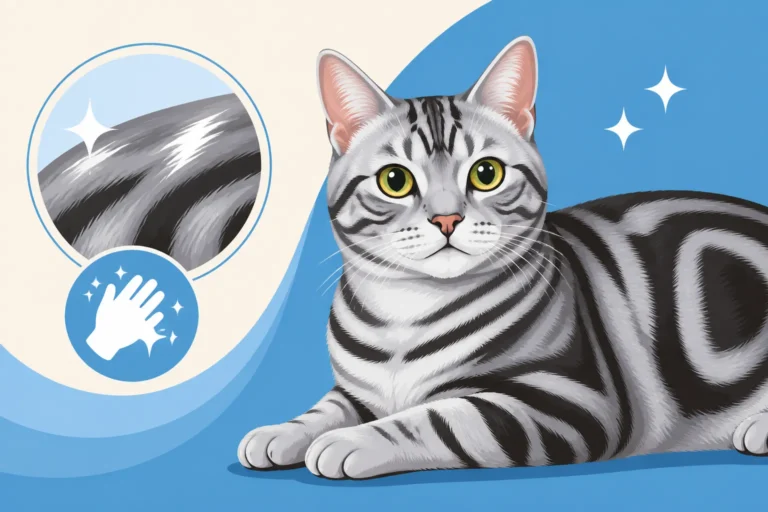
Regular grooming is more than just managing shedding; it's a vital part of your American Shorthair's overall health and well-being. Brushing not only removes loose hair but also distributes natural skin oils, promoting a healthy, shiny coat. It provides an opportunity for you to bond with your cat and to perform a quick "health check" for any lumps, bumps, skin irritations, or parasites that might otherwise go unnoticed.
For older American Shorthairs, who might find it harder to groom themselves effectively due to arthritis or weight issues, your grooming assistance becomes even more critical. When an Old American Shorthair Needs Help Grooming highlights this need. It prevents mats (even short-haired cats can get them, especially if overweight or elderly), improves circulation, and helps keep their skin clean. Making grooming a positive, regular experience from a young age can set your cat up for a lifetime of comfortable, healthy coat maintenance.
| Shedding Period | Primary Trigger | Coat Type Being Shed | Grooming Frequency | Typical Intensity |
|---|---|---|---|---|
| Spring | Increasing light, rising temps | Dense winter undercoat | Daily to twice daily | High |
| Summer | Stable warm temps | Minimal, daily maintenance | 2-3 times per week | Low to Moderate |
| Autumn | Decreasing light, falling temps | Lighter summer coat | 3-4 times per week | Moderate |
| Winter | Stable cool temps | Minimal, daily maintenance | 2-3 times per week | Low |
This table offers a general guideline, but remember that individual cats can vary based on their environment, genetics, and health. Consistent care, especially during peak periods, will always yield the best results for both your American Shorthair and your home.
Disclaimer
This article is for general informational purposes only and does not constitute professional advice. Laws, prices and regulations vary by location and change over time. Consult a qualified professional for guidance on your specific situation.