Play That Finishes the Hunting Sequence for an American Shorthair
It's a common dilemma many American Shorthair owners face: you love your quiet, amiable companion, but sometimes you catch them staring intensely at a dust bunny, stalking your ankles, or batting at imaginary prey. That deeply ingrained hunting instinct, passed down through generations of working cats, doesn't just disappear because they're living comfortably indoors. This guide will help you understand how to harness that natural drive, turning playtime into a truly satisfying experience that completes your American Shorthair's inherent hunting sequence, leading to a happier, more enriched feline friend and a calmer household.
Understanding the American Shorthair's Primal Hunt Instinct
Our American Shorthairs may be cherished house pets now, far removed from their days on ships and farms, but the genetic blueprint of a skilled hunter is still very much alive within them. Ignoring this fundamental aspect of their nature can lead to restless energy and even frustration for your feline friend.
The Hardwired Predatory Drive
Think about the history of the American Shorthair. Their ancestors weren't bred for pretty looks or fancy pedigrees; they were bred for function. They were the original pest control, keeping rodents off ships and out of barns across North America. Why Centuries of Ratting Left the American Shorthair Its Drive This isn't just a quirky habit; it’s a deeply embedded biological imperative. Even the most laid-back American Shorthair has a sophisticated predatory drive that dictates much of its natural behavior. This drive is a complex interplay of sight, sound, and smell, culminating in a series of actions designed for survival in the wild.
This isn't just about catching prey for food; it's about the entire behavioral sequence that leads up to it. It provides mental stimulation, physical exercise, and a sense of purpose. When this drive isn't adequately expressed, it's like a constant hum in the background of their minds, seeking an outlet. It's not a flaw in your cat's personality; it's a testament to their ancient, efficient design.
The Four Stages of the Hunt: Stalk, Chase, Pounce, Kill Bite
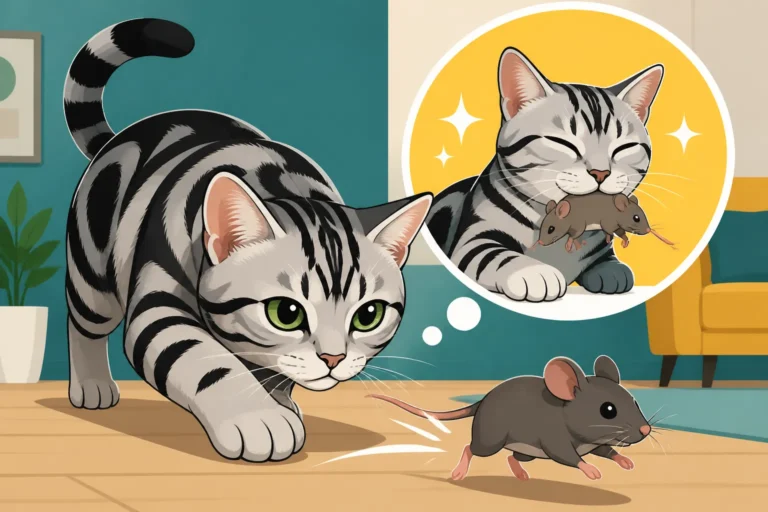
To truly understand how to satisfy your American Shorthair, we need to break down the hunting sequence into its core components. It's not just a single act, but a carefully choreographed dance that culminates in a catch. First, there's the stalk, where your cat observes, calculates, and slowly approaches, low to the ground, eyes fixed. How an American Shorthair Stalks This requires immense focus and patience.
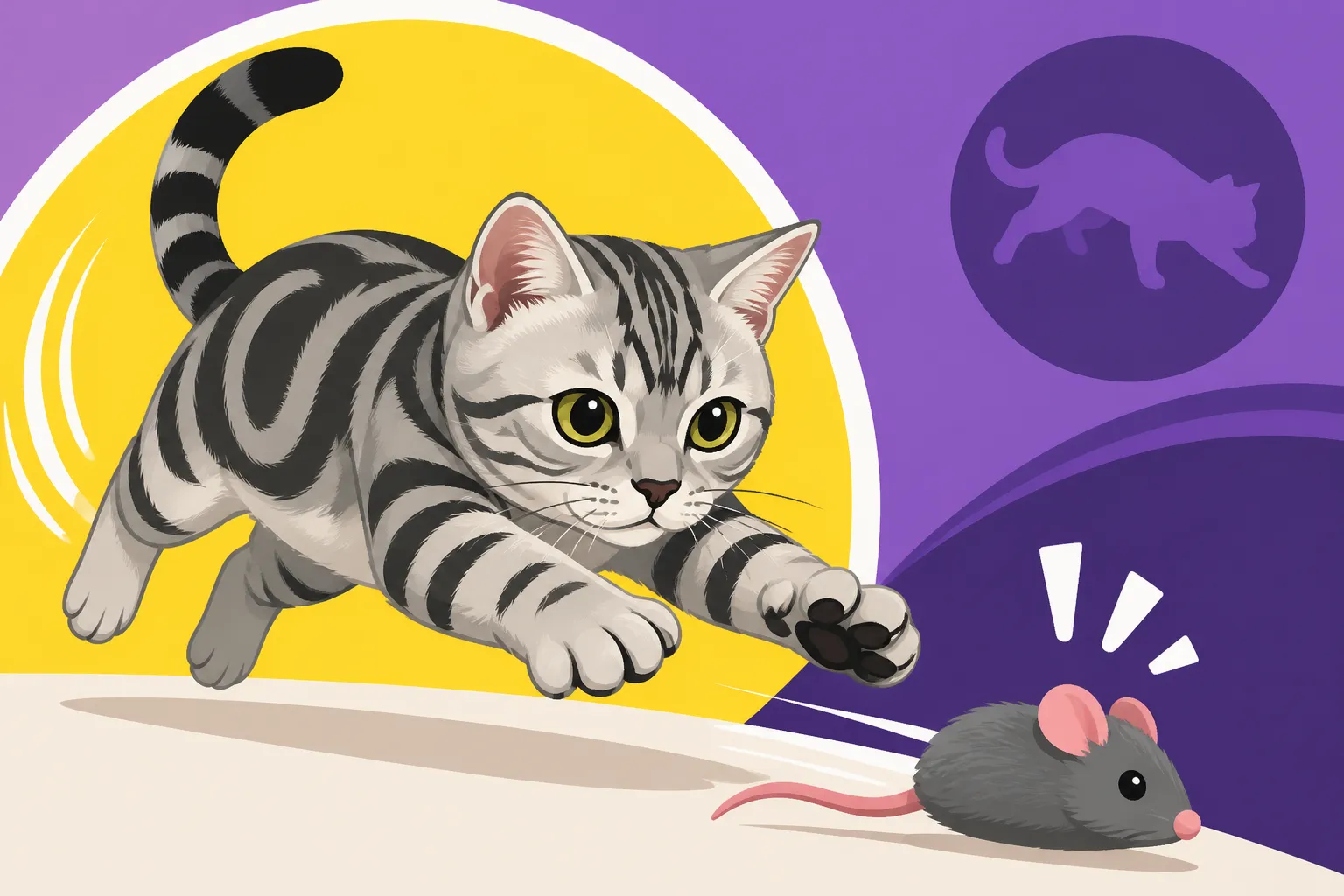
Next comes the chase, an explosion of energy where they pursue their "prey." This stage taps into their incredible agility and speed over short distances. Then, the dramatic pounce, where they launch themselves, often using their strong hind legs to propel them towards their target. Finally, the kill bite, which, in a domestic setting, is more about the tactile sensation of "capturing" and "subduing" the toy, often involving a final shake or a mock bite to the neck. If any of these stages are consistently missed during playtime, the entire sequence feels incomplete to your cat.
Why Indoor Cats Still Feel the Urge
It’s easy to think that because your American Shorthair has a cozy home, regular meals, and plenty of snuggles, they've outgrown their hunting instincts. But that's just not how it works. What an Indoor American Shorthair Does With a Mouser's Instinct Their digestive system might be filled with kibble or wet food, but their minds and bodies are still hardwired for the thrill of the hunt. This instinct doesn't vanish; it simply redirects.
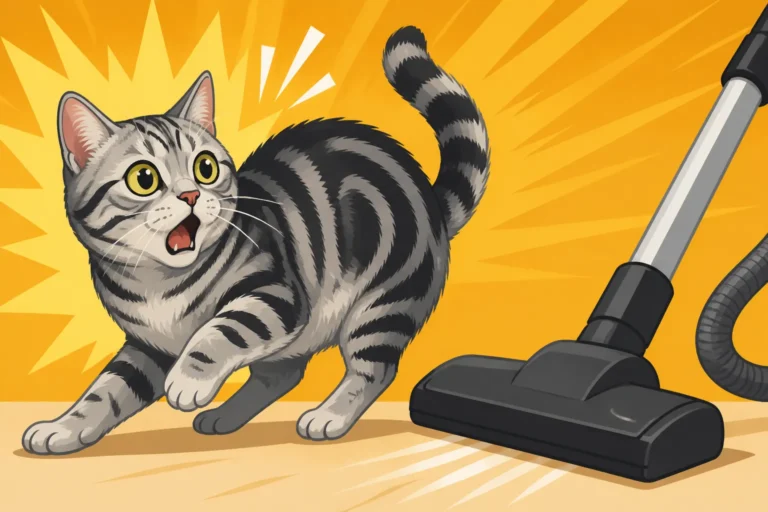
Without appropriate outlets, this redirection can manifest in ways we don't always appreciate, like attacking feet, chewing on household items, or even becoming overly restless or anxious. It’s important to remember that these behaviors aren't malicious; they are simply your cat's attempt to fulfill a deep-seated biological need. Providing structured, satisfying play is not a luxury; it’s a crucial component of their overall well-being.
The Problem with Incomplete Play Sessions
Many well-meaning cat owners engage in play with their American Shorthairs, but unknowingly leave them feeling unsatisfied. This isn't your fault – it's often a misunderstanding of what a cat truly needs from its play.
Frustration and Behavioral Issues
Imagine constantly being on the verge of achieving a goal, only to have it snatched away at the last second. That's how many indoor American Shorthairs feel when their hunting sequence is interrupted or left unfinished. This constant state of almost-there can lead to significant frustration. Why a Laser Frustrates an American Shorthair That Needs the Catch This pent-up energy and unfulfilled instinct can manifest in a variety of undesirable behaviors.
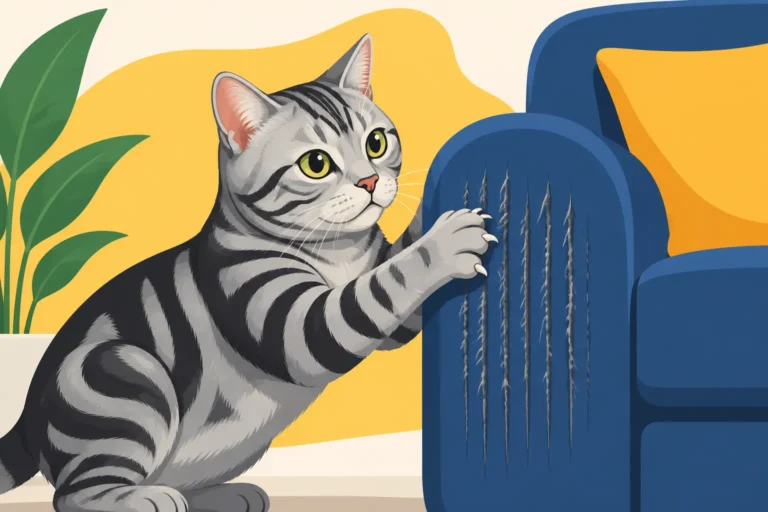
You might see an increase in destructive scratching, inappropriate urination, or even aggression towards other pets or people. Your calm, stoic American Shorthair might become jumpy, agitated, or overly vocal. They might start "hunting" your feet and ankles more aggressively, which, while sometimes endearing in a kitten, isn't so much fun when your adult American Shorthair delivers a full-force pounce. These are all signs that their natural instincts aren't being properly channeled and satisfied through play.
Laser Pointers: A Common Culprit
Laser pointers are a popular toy for cats, and it's easy to see why. They're engaging, require minimal effort from the owner, and cats absolutely love chasing that little red dot. However, they are a prime example of play that leaves the hunting sequence incomplete. Your American Shorthair will stalk, they will chase, and they will pounce with incredible enthusiasm. The problem? There's nothing tangible to catch.
This lack of a physical capture, of that final "kill bite," can be incredibly frustrating. They expend all that energy, their predatory instincts are fully engaged, but the satisfaction of the actual catch is never achieved. It can leave them feeling confused, agitated, and even more wired than before. While a laser pointer can be a great way to get them moving and engage their initial hunting stages, it should always be followed up with a toy they can physically grab and "kill."
The Need for a "Catch"
The "catch" is the crucial, often overlooked, component of the hunting sequence. It's the moment of victory, the tangible proof of their success. Without it, the entire process feels like an endless treadmill. This is why a simple feather wand that they can sink their claws into, or a stuffed mouse they can wrestle, is often far more satisfying than a chase that never ends with a prize. Why an American Shorthair Needs to Catch the Toy
This physical interaction with the "prey" allows them to complete the instinctive motions of the kill bite – holding, shaking, and even mouthing the toy. It releases dopamine, the feel-good neurotransmitter, and provides a true sense of accomplishment. Understanding this need for a tangible outcome is the first step in designing truly enriching and satisfying play sessions for your American Shorthair.
Designing Play to Satisfy the Full Hunting Sequence
Now that we understand the stages of the hunt and why the "catch" is so vital, let's talk about how to integrate these elements into your playtime routine. It's about thinking like a cat and orchestrating an experience that feels authentic to them.
Emulating the Stalk and Chase
The best way to engage your American Shorthair's hunting instincts is to make their "prey" behave like real prey. This means varying the speed, direction, and visibility of the toy. Don't just dangle it in front of them. Let it disappear behind furniture, skitter across the floor, or pause momentarily as if hiding. Use a wand toy to simulate a bird flitting past a window, or a mouse darting under a rug. On Amazon, you can find a huge variety of wand toys with different attachments that mimic these movements beautifully.
Move the toy away from your cat, encouraging them to chase, rather than bringing it directly to them. Allow them moments to crouch, observe, and anticipate the next move. This builds suspense and fully engages their strategic hunting mind. Think about how a real mouse or bird would behave – sudden bursts of speed, sudden stops, quick changes in direction. Replicating this unpredictability is key to a truly engaging chase.
The Importance of the Pounce and Capture
Once the stalk and chase have sufficiently excited your American Shorthair, it's time for the pounce. Guide the toy to an open area where they have room to launch themselves, but also allow it to "hide" briefly, giving them that perfect opportunity to spring. The "capture" part means letting them actually get their paws on the toy. Don't pull it away at the last second every time. Let them win!
When they grab the toy, let them hold it for a few moments, wrestle with it, and feel that sense of accomplishment. This is where their strong, muscular build comes into play, allowing them to truly "subdue" their catch. Why the American Shorthair Kept a Broad Chest Some cats will carry their "prey" away, others will hold it down with their paws and bat at it. Whatever their chosen method, allow them that moment of triumph. This helps reinforce the positive association with successful hunting.
Mimicking the "Kill Bite"
This is the final, crucial stage that laser pointers so often miss. Once your American Shorthair has captured the toy, they need to perform a "kill bite." For toys, this translates to chewing, biting, and shaking the toy vigorously. Choose toys that are durable enough to withstand this enthusiastic assault without falling apart. Soft plush toys are excellent for this, especially those with textures that feel satisfying in their mouths.
Some cats prefer to carry their "kill" around the house, presenting it to you proudly. Why an American Shorthair Brings You Things This is a sign of a completed hunt. Allow them this moment. It's their way of showing off their success and perhaps even sharing their "bounty" with their chosen family members. This final act of chewing and subduing the toy provides immense satisfaction and helps to release any residual predatory energy.
Types of Toys That Complete the Hunt
Not all toys are created equal when it comes to fulfilling the complete hunting sequence. Investing in the right tools can make a world of difference for your American Shorthair's enrichment.
Wand Toys with Interchangeable Prey
These are arguably the kings of interactive play for American Shorthairs. The long wand allows you to create distance and mimic natural prey movement, from flying birds to scurrying rodents. The interchangeable attachments are key. A variety of feathers, faux fur mice, crinkly toys, and even small, stuffed insects can keep things fresh and interesting, appealing to different aspects of their hunting repertoire. Which Wand Toy Reads as Prey to an American Shorthair
Look for wand toys that have a sturdy, flexible rod and a strong connection point for the attachments. You want something that can withstand the powerful pounces and tugs of a muscular American Shorthair. Many popular brands offer refill packs for their attachments, which is great for sustainability and variety. You can often find a wide selection of these high-quality interactive toys on Amazon.
Interactive Puzzle Feeders
While not a traditional "toy" in the sense of a wand or ball, puzzle feeders are brilliant for engaging your American Shorthair's cognitive hunting skills. They force your cat to "work" for their food, much like their ancestors had to hunt for every meal. This slows down eating, prevents boredom, and provides significant mental stimulation. Whether a Puzzle Feeder Satisfies an American Shorthair
There's a vast array of puzzle feeders, from simple treat balls to complex multi-chambered devices that require pawing, nudging, and problem-solving. Start with easier ones and gradually introduce more challenging designs to keep your cat engaged. This form of "hunting" for food directly taps into their inherent drive to forage and track, adding another layer of enrichment to their daily routine.
Solo Play Toys That Offer a "Reward"
Even when you're busy, your American Shorthair needs opportunities to "hunt." Solo play toys are essential for this, but they need to offer that satisfying "catch." Plush mice, crinkle balls, and small kicker toys are perfect. Ensure they are durable and don't have small parts that can be easily chewed off and ingested.
Some of the best solo play toys mimic the feel of actual prey, with textures, sizes, and weights that are easy for your cat to bat, carry, and "kill." Placing these toys in various locations around the house can encourage exploration and independent "hunting" expeditions. You can even find some catnip-infused toys that add an extra layer of appeal, making them irresistible for a good wrestling match.
Table: Toy Types and Hunting Sequence Engagement
Here's a quick look at how different toy types engage the full hunting sequence:
| Toy Type | Stalk | Chase | Pounce | Kill Bite/Capture | Overall Satisfaction |
|---|---|---|---|---|---|
| Wand Toys | Excellent | Excellent | Excellent | Good | Very High |
| Laser Pointers | Excellent | Excellent | Excellent | Poor (no physical catch) | Low, can be frustrating |
| Puzzle Feeders | Moderate (mental) | Low | Low | High (food reward) | High (cognitive & hunger) |
| Plush Mice/Balls | Moderate | Good | Excellent | Excellent | High |
| Automatic Toys | Good | Good | Good | Variable (some allow capture) | Moderate to High |
Establishing a Play Routine for Maximum Enrichment
Consistency is key when it comes to satisfying your American Shorthair's hunting instincts. A haphazard approach to playtime won't be as effective as a structured, predictable routine.
Timing Play Sessions
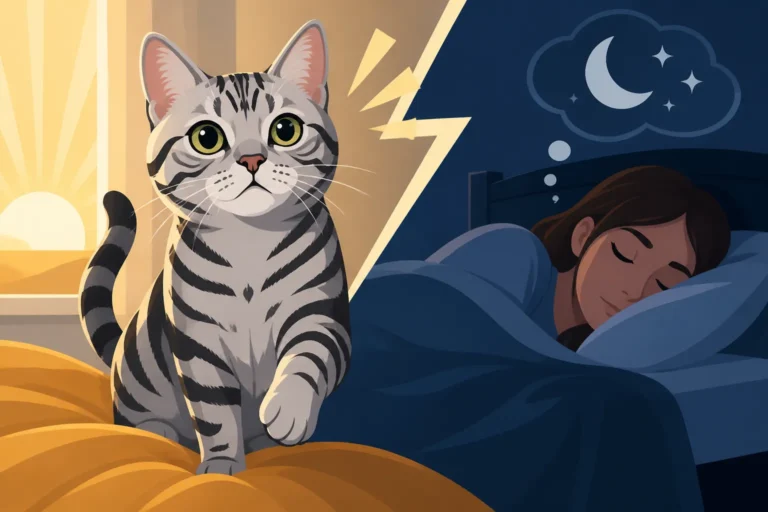
Cats are crepuscular, meaning they are most active at dawn and dusk. This is when their natural prey would also be most active, so it makes sense that these are the prime times for your American Shorthair to feel the urge to hunt. Scheduling your interactive play sessions around these times will yield the most enthusiastic engagement. Aim for at least two sessions a day, ideally one in the morning before you head off to work, and one in the evening when you're winding down.
How Many Hunts a Day an Indoor American Shorthair Needs These sessions don't need to be marathon events; even 10-15 minutes of focused, intense play can make a significant difference. Pay attention to your cat's cues – dilated pupils, twitching tail, and a low, stalking posture are all signs that they are ready to engage. Don't force play if they're clearly not interested; respect their rhythm.
The Ritual of the Hunt
Just like a real hunt, a successful play session often benefits from a consistent "ritual." Start by getting your cat's attention with the wand toy, letting it dart tantalizingly just out of reach. Engage in a good chase, allowing them to stalk and pounce multiple times. Let them "catch" the toy frequently, giving them that sense of accomplishment.
Crucially, always end the play session with a successful "kill." Let them capture the toy, wrestle it, and then "eat" it – by giving them a small, healthy treat afterward. This completes the entire sequence, from hunt to consumption, leaving your American Shorthair feeling truly satisfied and content. Afterward, some cats might groom themselves, which is a common post-hunt behavior.
Making it a Daily Habit
Incorporating these play sessions into your daily routine might seem like another item on your to-do list, but the benefits for both you and your American Shorthair are immense. A well-exercised and mentally stimulated cat is a calmer, happier cat. Think of it as preventative medicine for behavioral issues.
Consider creating a schedule and sticking to it as much as possible. Even on busy days, a quick, intense 5-10 minute session can help stave off frustration. Your American Shorthair will quickly learn to anticipate these "hunting expeditions" and look forward to them. This consistency helps them regulate their energy and provides a healthy outlet for their natural instincts, reinforcing a strong bond between you both.
Addressing Common Playtime Challenges
Even with the best intentions, you might run into some roadblocks when trying to get your American Shorthair to play. Don't worry, these are common issues, and there are always solutions.
The Bored or Uninterested Cat
Sometimes, your American Shorthair might seem completely uninterested in play, swatting half-heartedly or just watching from a distance. This isn't necessarily apathy; it could be boredom with the current toys or routine. The key is novelty and engagement. Try introducing new types of wand attachments – perhaps a feathery bird one day, a furry mouse the next. Which Wand Toy Reads as Prey to an American Shorthair
Vary the play environment. Instead of always playing in the living room, try a session in the hallway or even a bathroom. Use different hiding spots and approach angles for the toy. Sometimes, a cat that ignores a toy thrown directly at them will become fully engaged if that same toy "skitters" unexpectedly from behind a couch. Remember, American Shorthairs are intelligent, so challenge their minds with puzzles and unpredictable movements.
Cats Who Play Too Rough
It's natural for a cat with a strong predatory drive like the American Shorthair to play rough. They are, after all, practicing skills for catching and subduing prey. However, when those powerful jaws and sharp claws turn on you, it's time to redirect. Never use your hands or feet as toys. This only teaches your cat that human body parts are fair game for hunting.
Instead, when they get too rough, immediately stop the play session, withdraw your attention, and calmly redirect them to an appropriate toy. A sturdy kicker toy or a durable plush animal is perfect for them to wrestle and bite without harming you. Over time, they will learn that rough play is reserved for their toys, not for their human companions. This teaches them boundaries while still allowing them to express their natural behaviors.
Multi-Cat Households: Ensuring Everyone Gets Their "Hunt"
In a multi-cat household, especially with American Shorthairs who tend to be fairly self-reliant, ensuring each cat gets adequate play can be a challenge. Dominant cats might hog the toys, or shyer cats might retreat during play. The trick is often to have separate, dedicated play sessions for each cat, even if they are short.
You can also try using multiple wand toys simultaneously if you have more than one person to help. Alternatively, set up different "hunting grounds" in separate rooms so each cat can have their turn without competition. Puzzle feeders can be microchipped so only the designated cat can access them, or simply placed in different, private areas. Observing your cats' individual play styles and preferences will help you tailor a strategy that ensures everyone's hunting needs are met.
The Benefits of Satisfying the Hunting Drive
Beyond simply preventing unwanted behaviors, truly fulfilling your American Shorthair's hunting instinct brings a wealth of positive benefits that contribute to their overall health and happiness.
Reduced Stress and Anxiety
An unfulfilled hunting drive can be a significant source of stress for an indoor cat. The constant internal pressure to express a natural behavior, with no appropriate outlet, can lead to chronic anxiety. When your American Shorthair has regular, satisfying play sessions that complete the hunting sequence, they experience a natural release of this tension. This isn't just about physical exercise; it's about mental and emotional fulfillment.
A cat that feels productive and capable in its "hunting" role is a more confident and relaxed cat. This can lead to a reduction in stress-related behaviors like over-grooming, hiding, or excessive vocalization. You'll likely notice a calmer demeanor, less restless pacing, and a generally more content companion curled up on the sofa beside you.
Better Physical Health
Let's be honest, many indoor cats, including our robust American Shorthairs, are prone to becoming a bit too comfortable and, well, plump. The lack of consistent, vigorous activity that a hunting lifestyle would provide can easily lead to weight gain. Why Indoor Life Made the American Shorthair Fat Structured play sessions that involve stalking, chasing, and pouncing are excellent forms of exercise.
Regular physical activity helps your American Shorthair maintain a healthy weight, strengthens their muscles, and keeps their joints supple. This is especially important for a breed known for its sturdy, muscular build. Preventing obesity can stave off a host of health issues like diabetes, arthritis, and heart disease. Think of these play sessions as their daily gym workout, keeping them agile and in peak physical condition. How a Vet Builds an American Shorthair's Weight Loss Plan
Stronger Bond with Your Cat
When you engage in interactive play, you're not just providing exercise; you're actively participating in one of your cat's most fundamental and enjoyable behaviors. This shared experience deepens the bond between you and your American Shorthair. They associate you with positive, stimulating activities and the satisfaction of a successful "hunt."
This can translate into increased affection, trust, and a more engaged relationship. Your American Shorthair might seek out your presence more, rub against your legs, or even bring you their "kill" after a particularly good session. Why an American Shorthair Brings You Things You become a valued "hunting partner," reinforcing their connection to you in a profound and instinctual way. It’s a powerful way to show them you understand and respect their true nature.
Beyond Toys: Creating a Hunting-Friendly Environment
While interactive toys are fantastic, a truly enriching environment considers the broader needs of an American Shorthair's hunting instincts, even when you're not actively playing.
Vertical Space and Hiding Spots
In the wild, a hunter needs vantage points to observe prey and hiding spots to ambush. Your indoor American Shorthair is no different. Providing ample vertical space in your home allows them to survey their "territory" from above, which can be incredibly satisfying for their innate patrolling behavior. How High an American Shorthair Needs to Get This could include tall cat trees, wall-mounted shelves, or even just leaving a clear path to the top of a bookcase. On Amazon, you'll find a wide array of cat trees and wall furniture perfect for creating these elevated perches.
Equally important are hiding spots. These provide a sense of security and allow them to "stalk" unseen. Cardboard boxes, open paper bags (handles removed for safety), cat tunnels, or cozy beds tucked away in quiet corners can all serve this purpose. A mix of both high vantage points and secure hiding places makes for a dynamic and stimulating environment.
Window Perches: Observational Hunting
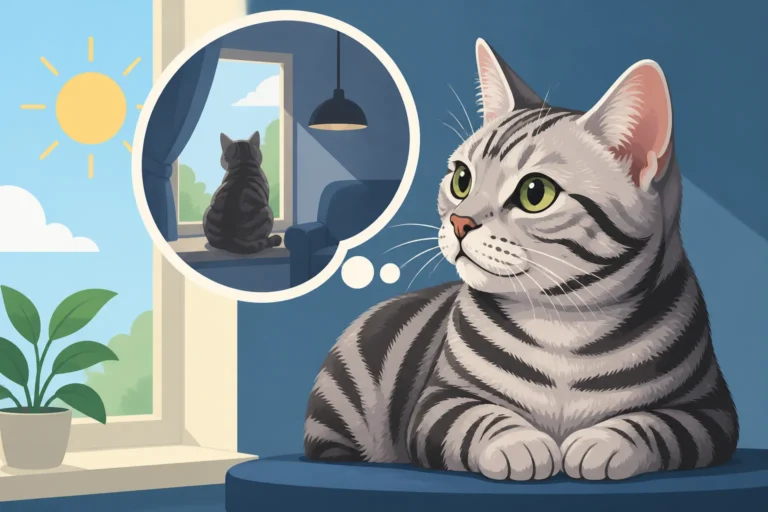
Even if your American Shorthair is strictly an indoor cat, the outside world offers endless "observational hunting" opportunities. A sturdy window perch can become their private nature documentary screen, where they can watch birds, squirrels, and insects with rapt attention. This visual stimulation is a powerful form of mental enrichment.
Place these perches in windows that offer a good view of outdoor activity. Ensure they are comfortable, perhaps with a soft blanket, and secure. Watching the world go by satisfies a part of their predatory curiosity without exposing them to the dangers of actual outdoor life. It's a safe and endlessly fascinating way for them to connect with their ancient instincts. Why a Window Is a Hunting Post to an American Shorthair
Hiding Food: Making them "Hunt" for Meals
As mentioned earlier with puzzle feeders, making your American Shorthair work for their food is a fantastic way to engage their hunting drive daily. Instead of simply putting their food in a bowl twice a day, try hiding small portions of their daily kibble allowance around the house. Place them in different rooms, on low shelves, or even inside empty toilet paper rolls for them to discover.
This "foraging hunt" encourages exploration, problem-solving, and physical activity. It turns mealtime into an engaging mental and physical exercise, preventing boredom and giving them a sense of purpose. It doesn't have to be every meal, but even a few times a week can significantly boost their overall enrichment. Whether Foraging Feeding Suits an American Shorthair
Disclaimer
This article is for general informational purposes only and does not constitute professional advice. Laws, prices and regulations vary by location and change over time. Consult a qualified professional for guidance on your specific situation.