Why a Bowl Left Down Undoes an American Shorthair
It's a common scenario, isn't it? You love your American Shorthair, and you want them to always have enough to eat, so you fill their bowl and leave it out, letting them graze as they please. It feels kind, generous, like you're ensuring they never know hunger. But what if I told you that this well-intentioned act, leaving a bowl down all the time, is actually undermining your American Shorthair's health and natural instincts, slowly but surely "undoing" the robust, self-sufficient companion they were born to be? This guide will break down exactly why free-feeding can be problematic for this wonderful breed and what you can do to support their well-being through mindful nutrition.
The American Shorthair's Ancestral Hunger Drive
To truly understand why a constantly full food bowl is an issue for your American Shorthair, we need to take a little trip back in time, tracing their lineage back to the working cats of yesteryear. These weren't pampered pets lounging on velvet cushions; they were skilled hunters, earning their keep on farms, in barns, and even on ships. Their bodies and minds were honed by centuries of chasing, catching, and eating prey, often on an irregular schedule dictated by the hunt's success. This history has left an indelible mark on their physiology and psychology.
The Hunter's Instinct and Food Scarcity
Imagine an American Shorthair's ancestors: constantly patrolling, listening, watching for the slightest sign of a mouse or a rat. When they caught something, it was a victory, a hard-won meal that sustained them until the next successful hunt. There was no guaranteed, endless supply of food. Scarcity was a natural part of their existence, and their bodies adapted to this reality by becoming incredibly efficient at utilizing every calorie they consumed. They also developed a strong drive to eat when food was available, knowing it might not be for long.
This instinct is still very much alive in your American Shorthair, even if their "prey" now comes in a bag or a can. When they see a full bowl, their ancient programming kicks in: "Food! Eat it now, because who knows when it will be there again?" This isn't gluttony; it's a deep-seated survival mechanism. They don't have the mental framework to understand that another meal will appear magically tomorrow, or even in a few hours. This inherent drive, combined with the complete absence of genuine food scarcity in a modern home, creates a dangerous imbalance.
The Link Between Effort and Reward
For the American Shorthair's ancestors, every meal was a result of effort. They had to stalk, pounce, and overcome their prey. This entire sequence, from the initial detection to the final consumption, was deeply satisfying and physically demanding. It provided mental stimulation and physical exercise, which are critical for a cat's overall well-being. The reward of eating was intrinsically linked to the effort of the hunt.
When food is constantly available in a bowl, this crucial link is severed. There's no effort required, no mental challenge, no physical exertion. The act of eating becomes a passive, almost mindless activity. This lack of engagement can lead to boredom, which, ironically, can often manifest as more eating, not less. The cat might eat simply because there's nothing else stimulating to do, turning food into a default coping mechanism rather than a functional necessity. This disconnect between effort and reward is a key factor in why free-feeding can be so problematic for a breed designed for active hunting.
Modern Life and the Calorie Conundrum
Our homes are sanctuaries, full of comfort and safety, a far cry from the demanding environment their ancestors navigated. While we celebrate their calm demeanor and adaptability, this stark change in lifestyle has unintended consequences, especially when it comes to nutrition. The fundamental problem lies in their genetically programmed appetite meeting a world where physical exertion is minimal and food is abundant.
Reduced Activity, Same Appetite
Let's be honest, most indoor American Shorthairs aren't out chasing mice all day or defending a barn from pests. Their daily routine is more likely to involve napping in sunbeams, light play with a toy, and perhaps a casual stroll around the house. This drastically reduced activity level means their caloric needs are much lower than those of their working ancestors. You might think, "Well, they'll just eat what they need," but that's where the ancestral hunger drive comes into play. Their brain is still wired to eat opportunistically, to stock up when food is available.
The result? They consume far more calories than they burn. This isn't a unique problem to the American Shorthair, but it's particularly pronounced in breeds with a strong working heritage. Their solid, muscular build, once an asset for hunting, becomes a disadvantage when paired with a sedentary lifestyle and constant food access. It's like having a high-performance sports car but only driving it to the grocery store once a week – the engine is capable of so much more, and if you keep filling the tank to capacity without using that energy, you're going to have problems. For more on what they actually need, check out How Many Calories a Working Framed American Shorthair Needs a Day.
The Slippery Slope of Free-Feeding
Free-feeding, or leaving a full bowl out all day, might seem convenient for busy owners, but it sets your American Shorthair on a slippery slope towards health issues. Without any portion control, it's virtually impossible to accurately track how much your cat is consuming. One day they might eat a moderate amount, the next they might clear the bowl out of sheer boredom or anxiety. This inconsistent intake makes it challenging to maintain a healthy weight.
Moreover, free-feeding can obscure subtle changes in appetite, which are often early indicators of illness. If the bowl is always full, you might not notice if your cat starts eating less, or even if they start eating more (which can be a sign of certain diseases like hyperthyroidism or diabetes). A regulated feeding schedule forces you to interact with your cat around meal times, allowing you to observe their eating habits and catch potential problems early. The convenience of free-feeding ultimately comes at the cost of vigilance over your beloved companion's health.
Health Risks of Constant Access
The silent consequence of leaving a bowl down all the time is the slow but steady deterioration of your American Shorthair's health. While they might seem perfectly content, the internal toll of overconsumption is significant, leading to a cascade of preventable issues that can shorten their lifespan and diminish their quality of life.
Obesity: The Silent Epidemic
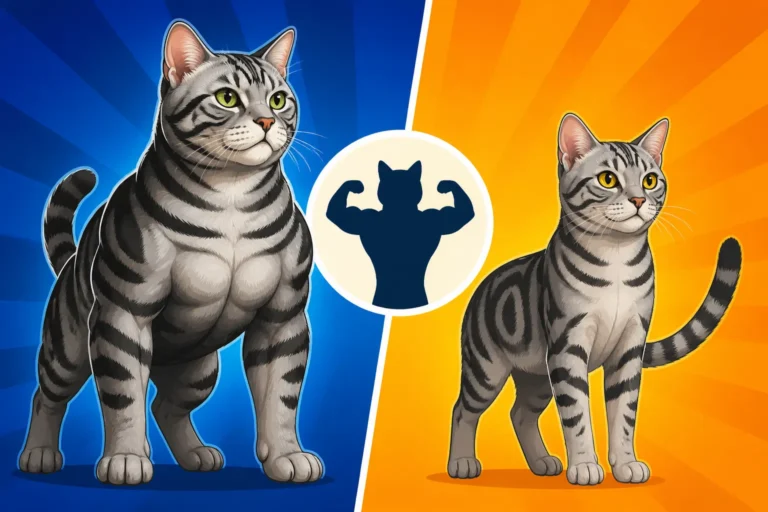
Obesity is, without a doubt, the most common and devastating health risk associated with free-feeding. An American Shorthair, with its naturally stocky and muscular build, can easily accumulate excess fat without it being immediately obvious to an untrained eye. This isn't just about looking a little chunky; obesity is a serious medical condition. It strains every system in their body.
Consider the implications: extra fat means a heavier load on their joints, making movement more difficult and painful over time. What Extra Weight Does to an American Shorthair's Working Frame is immense. Their strong frame, built for agile hunting, becomes burdened, leading to conditions like arthritis at a younger age. The heart and lungs have to work harder to circulate blood and oxygen to a larger body mass. Their internal organs, including the liver and kidneys, can become infiltrated with fat, impairing their function. It’s a vicious cycle: the more they weigh, the less they want to move, leading to more weight gain. This is why learning How to Judge an American Shorthair's Ideal Weight by Frame is so important, and regular checks with a scale are crucial. How to Weigh an American Shorthair at Home can be easily done using a simple bathroom scale and subtracting your own weight.
Diabetes and Other Metabolic Issues
The continuous intake of food, especially carbohydrate-rich dry kibble often associated with free-feeding, can wreak havoc on an American Shorthair's metabolic system. Their bodies are designed for intermittent meals, processing nutrients in cycles. When food is constantly available, their pancreas is perpetually working overtime, releasing insulin to manage blood sugar levels. Over time, this constant demand can lead to insulin resistance, where the body's cells stop responding effectively to insulin.
This is the precursor to Type 2 diabetes, a condition that is sadly all too common in overweight cats. How Weight Turns Into Diabetes in an American Shorthair involves this exact mechanism. Once diagnosed, managing feline diabetes often requires daily insulin injections, special diets, and frequent veterinary visits, significantly impacting both the cat's and owner's life. Beyond diabetes, obesity can contribute to other metabolic disorders, including fatty liver disease (hepatic lipidosis), which can be life-threatening if not aggressively treated. The best defense is proactive prevention through controlled feeding.
Joint Strain and Mobility Challenges
The American Shorthair is known for its sturdy, well-muscled physique, built for strength and agility. However, this robust frame can become its Achilles' heel when burdened by excess weight. The joints, particularly the hips and knees, are not designed to carry a continuously increasing load. Over time, the constant stress and inflammation from extra weight accelerate the wear and tear on cartilage, leading to painful conditions like osteoarthritis.
This is a particularly poignant issue because the American Shorthair is a stoic breed; they often hide pain until it becomes severe. You might not notice your cat is struggling until they stop jumping onto their favorite perch or hesitate before using the litter box. Why a Stocky Build Costs an American Shorthair Its Hips is a reality that owners must acknowledge. While genetics can play a role, obesity significantly exacerbates these issues, making what might have been mild discomfort into debilitating pain. Maintaining a healthy weight through portion control and encouraging activity is paramount to preserving their mobility and ensuring a comfortable, active senior life.
Beyond the Bowl: Behavioral Impacts
The consequences of leaving a food bowl down aren't just physical; they delve deep into your American Shorthair's mental and emotional landscape. A healthy diet isn't solely about calories and nutrients; it's also about how food is obtained and consumed, influencing their overall happiness and your bond with them.
Boredom, Stress, and Overeating
An American Shorthair's ancestors spent a significant portion of their waking hours hunting. This wasn't just about survival; it was an engaging, stimulating activity that provided mental enrichment. In a modern indoor environment, this natural drive for activity and engagement often goes unfulfilled. When a cat has constant access to food with no effort required, the novelty of eating wears off, and it can become a source of boredom rather than satisfaction.
Paradoxically, boredom can lead to overeating. A cat might graze simply because there's nothing else interesting to do. Food becomes a distraction, a way to fill the void of unmet behavioral needs. This can also be a stress response. If a cat feels anxious or insecure, constant eating can be a coping mechanism, much like stress-eating in humans. This creates a cycle where boredom or stress leads to overeating, which leads to weight gain, further reducing their desire for active play, and compounding the boredom. This is a significant factor in Why Indoor Life Made the American Shorthair Fat.
Lack of Engagement and Owner-Cat Bond
Meal times, when managed consciously, are incredible opportunities for interaction and bonding with your American Shorthair. When you are the provider of their meals, you reinforce your role as a trusted caregiver, building a positive association. This shared ritual creates anticipation and a sense of routine that is comforting to cats.
With free-feeding, this interaction is largely absent. The cat doesn't need to engage with you for their sustenance. The relationship around food becomes transactional rather than interactive. This isn't to say that free-fed cats don't love their owners, but a structured feeding routine can deepen that bond. When you present a meal or engage them in a puzzle feeder, you become part of their "hunt" sequence, fulfilling their natural drives in a constructive way. This engagement can lead to a more confident, less anxious cat who associates positive experiences with you, rather than just with the endless supply of kibble in a bowl.
Shifting to a Structured Feeding Plan
Making the switch from free-feeding to a structured meal plan can feel daunting, especially if your American Shorthair has been grazing their whole life. They might protest, and you might feel guilty. But remember, you're doing this for their long-term health and happiness. It’s a process, and patience is key.
Implementing Timed Meals
The first step is to establish a consistent feeding schedule. Start by measuring out their daily portion based on their ideal weight and activity level. Your vet can help you determine How Much a Working Framed American Shorthair Should Eat to maintain a healthy weight. Divide this daily amount into two or three smaller meals. Why Three Small Meals Suit an American Shorthair is because it mimics their natural hunting pattern of catching small prey throughout the day, keeps their metabolism steady, and prevents long stretches of hunger.
Begin by offering these measured meals at set times, perhaps once in the morning and once in the evening. Leave the food down for a limited period, say 15-20 minutes, then pick up anything that hasn't been eaten. Your cat will likely be confused or even annoyed at first. They might ignore the food or try to demand more later. Stick with it. They will learn quickly that food is only available at certain times. It might take a few days, or even a week or two, but their hunger instinct will eventually take over, and they will adapt to the new routine. Don't give in to their pleas for extra food between meals, as this will only prolong the adjustment period. Remember, consistency is your best friend here.
The Role of Puzzle Feeders and Foraging
Once your American Shorthair is accustomed to timed meals, you can take their enrichment to the next level by incorporating puzzle feeders and foraging opportunities. This is where you truly start to honor their ancestral hunting instincts. Instead of simply putting food in a bowl, make them "work" for it, mimicking the effort their wild counterparts expend.
Puzzle feeders, available from pet retailers like Chewy or on Amazon, require your cat to manipulate objects, solve a simple problem, or extract food from a dispenser. This turns mealtime into a mental and physical game. You can also How to Hide an American Shorthair's Food Around the House, scattering portions of their kibble in various spots—on cat trees, in cardboard boxes, or inside tunnels. This encourages them to "forage" and "patrol" their territory for food, just as they would in the wild.
This approach provides invaluable mental stimulation, reduces boredom, and helps burn a few extra calories. Whether a Puzzle Feeder Replaces an American Shorthair's Hunt is a resounding yes for many cats, providing a safe, engaging outlet for their predatory drive within the confines of your home. It transforms eating from a passive act into an active, enriching experience, contributing significantly to their overall well-being.
Nutritional Considerations for the American Shorthair
Beyond how you feed them, what you feed your American Shorthair is equally crucial, especially when trying to undo the effects of free-feeding or prevent future issues. A muscular, sturdy breed like the American Shorthair thrives on a diet that supports their natural physiology.
Choosing the Right Food Type
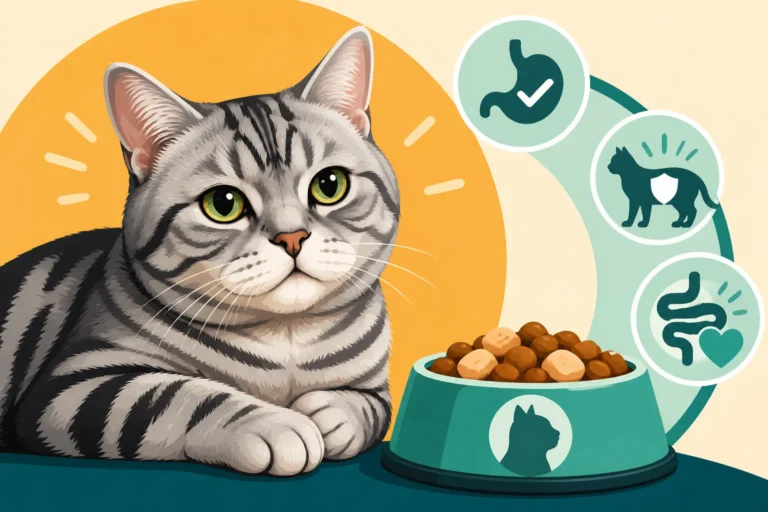
When selecting food for your American Shorthair, consider their carnivorous nature. Cats are obligate carnivores, meaning their bodies are designed to derive nutrients primarily from animal protein. Look for high-quality wet food that lists meat as the first ingredient and has a low carbohydrate content. Wet food also provides essential moisture, which is incredibly important for kidney health and can help prevent urinary issues, especially in male cats.
While kibble can be convenient, many dry foods are high in carbohydrates and can contribute to weight gain and metabolic stress. If you do feed kibble, ensure it's a high-protein, low-carb formula, and always measure it precisely. Read labels carefully and consult with your veterinarian to determine the best food for your individual cat's age, activity level, and health status.
Hydration and Its Importance
Proper hydration is often overlooked but plays a vital role in preventing many common feline health problems, particularly urinary tract issues and kidney disease. Cats naturally have a low thirst drive, evolved from consuming prey that's high in moisture. Dry kibble provides very little moisture, meaning cats on an exclusively dry diet need to drink significantly more water to stay hydrated.
How Much Water an American Shorthair Should Drink depends on various factors, but ensuring constant access to fresh water is non-negotiable. Consider offering multiple water sources around the house, using ceramic or stainless steel bowls, and even investing in a feline-friendly water fountain. Many cats prefer running water, and a fountain can encourage them to drink more. Feeding a diet rich in wet food is arguably the most effective way to increase their daily moisture intake, directly combating the risks associated with chronic dehydration.
Disclaimer
This article is for general informational purposes only and does not constitute professional advice. Laws, prices and regulations vary by location and change over time. Consult a qualified professional for guidance on your specific situation.