Why a Neutered American Shorthair Needs Less Food
Many American Shorthair owners find themselves scratching their heads when their once-lean, active feline friend starts to pack on the pounds after being spayed or neutered. It's a common, often frustrating, reality that the simple act of neutering can significantly alter your cat's metabolism and energy needs, leading to unexpected weight gain if their diet isn't adjusted. This guide will walk you through the undeniable reasons why a neutered American Shorthair requires less food, helping you understand the physiological changes and offering practical strategies to keep your beloved companion healthy and at a happy weight.
The Metabolic Shift After Neutering
When your American Shorthair is neutered or spayed, it's not just a surgical procedure; it's a profound change in their entire endocrine system. The removal of the gonads (testes in males, ovaries in females) stops the production of sex hormones like testosterone and estrogen, which play a far larger role in metabolism than many of us realize. These hormones are natural regulators of energy expenditure, helping to keep an intact cat's metabolic rate humming along at a higher pace.
Hormonal Changes and Energy Expenditure
Think of sex hormones as tiny internal thermostats, helping to burn calories more efficiently and maintain muscle mass. Without them, the body's basal metabolic rate (BMR) naturally decreases. This means that even if your neutered American Shorthair is doing the exact same amount of activity as they were before, their body is simply not burning as many calories at rest. It's like switching from a high-performance sports car to a more fuel-efficient sedan; suddenly, you need less gas to go the same distance. This metabolic slowdown can be quite significant, often leading to a reduction in calorie needs by 20-30% for some individuals. Ignoring this fundamental shift is the number one reason many neutered cats begin to gain weight.
This isn't a flaw in the neutering process itself, but rather a natural consequence of removing powerful hormonal influences. These hormones also play a role in maintaining the muscle mass that contributes to a higher metabolism. With their absence, there can be a subtle shift towards increased fat storage and decreased muscle maintenance if diet and exercise aren't proactively addressed. It's a physiological fact of life for our neutered companions, and acknowledging it is the first step towards preventing obesity.
Reduced Activity Levels
Beyond the internal metabolic changes, neutering can also subtly, or sometimes not so subtly, impact an American Shorthair's activity levels. Intact cats, particularly males, are often driven by a strong instinct to roam, find mates, and engage in territorial skirmishes. This natural drive leads to a lot of physical exertion, from patrolling vast outdoor territories to engaging in intense bursts of play or aggression with rivals. While an indoor American Shorthair might not be fighting off tomcats, the underlying hormonal drive still contributes to a more restless, active disposition.
Once neutered, much of this hormonal impetus for intense activity wanes. The urge to roam endlessly, to defend territory with vigorous chases, or to expend energy in mating rituals diminishes significantly. Your cat might become more content to lounge, sleep, and engage in less strenuous play. While this often makes for a calmer, more affectionate housemate, it also means fewer calories are being burned throughout the day. This reduction in voluntary activity, combined with the metabolic slowdown, creates a perfect storm for weight gain if their food intake remains the same. It's vital to recognize that Why a Neutered American Shorthair Puts On Weight Faster is a complex issue, not just about food.
Understanding the American Shorthair's Natural Build and Appetite
The American Shorthair isn't just any cat; they come from a long, proud lineage of working felines. These are the descendants of hardy European cats that sailed across the Atlantic with early settlers, valued for their prowess as mousers on ships and farms. This history has profoundly shaped their physical build and their inherent drive, which, when combined with modern indoor living and neutering, can become a recipe for weight management challenges.
A Working Breed's Legacy
Imagine a cat whose very survival depended on its ability to hunt, stalk, and capture prey day in and day out. That's the legacy of the American Shorthair. Their sturdy, muscular build, powerful jaws, and keen instincts were honed over centuries of earnest work. This active, predatory lifestyle required a significant amount of energy, and consequently, a robust appetite to fuel their physical demands. Their bodies were efficient calorie consumers because they were always active. They weren't bred for delicate features or extreme types; they were bred for function and health. Why Function Left the American Shorthair Fewer Faults is a testament to this practical breeding history.
Even generations removed from active farm work, these innate traits persist. Your American Shorthair still carries the genetics for a strong hunting drive and a metabolism accustomed to higher caloric expenditure. When food was scarce, and daily exercise was mandatory, a hearty appetite was an asset. In today's world, where food is abundant and easily accessible, that strong appetite can easily become a liability, especially after neutering further reduces their energy needs. They still feel the urge to eat, even if their bodies no longer need as much fuel.
The Indoor Lifestyle Contrast
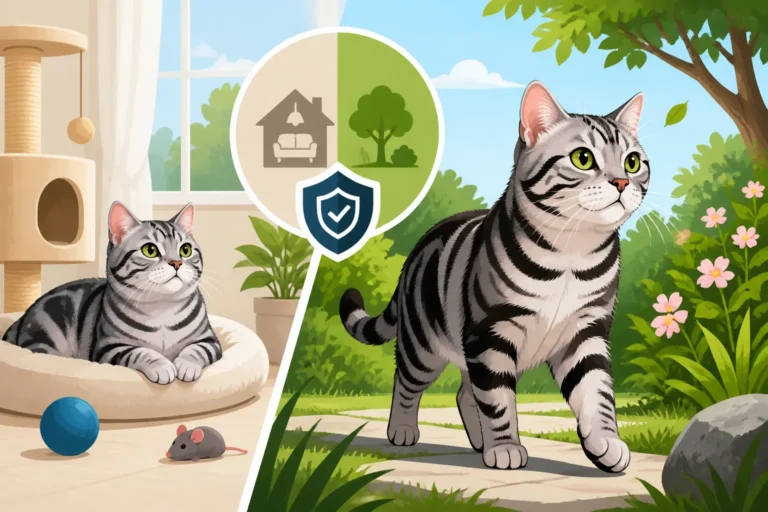
The stark reality for most American Shorthairs today is a comfortable, safe, indoor existence—a stark contrast to the life their ancestors led. Instead of patrolling barns and fields, hunting for every meal, they often spend their days napping on sunbeams, gazing out windows, and enjoying the occasional play session. While this provides protection from many outdoor hazards, it also drastically reduces their energy output. Why an Indoor American Shorthair Keeps the Instinct to hunt, yet often lacks the opportunity to fully express it through physical activity.
When you couple this naturally robust working appetite with a significantly reduced activity level and the metabolic slowdown from neutering, you create a caloric imbalance. Their internal programming still tells them they need to eat a certain amount, inherited from a life of constant exertion, but their modern life doesn't demand it. Many owners inadvertently overfeed their neutered American Shorthairs simply because they're not aware of this profound mismatch between their cat's genetic predisposition and their current sedentary reality. Why Ending the Mousing Job Made the American Shorthair Heavy perfectly encapsulates this challenge.
How Much Less Food Does a Neutered American Shorthair Need?
Pinpointing the exact calorie reduction for every neutered American Shorthair isn't an exact science, as each cat is an individual. However, there are general guidelines and, more importantly, a method for monitoring your cat that will help you find their sweet spot. The goal isn't to starve your cat, but to match their energy intake with their actual expenditure.
Calorie Reduction Guidelines
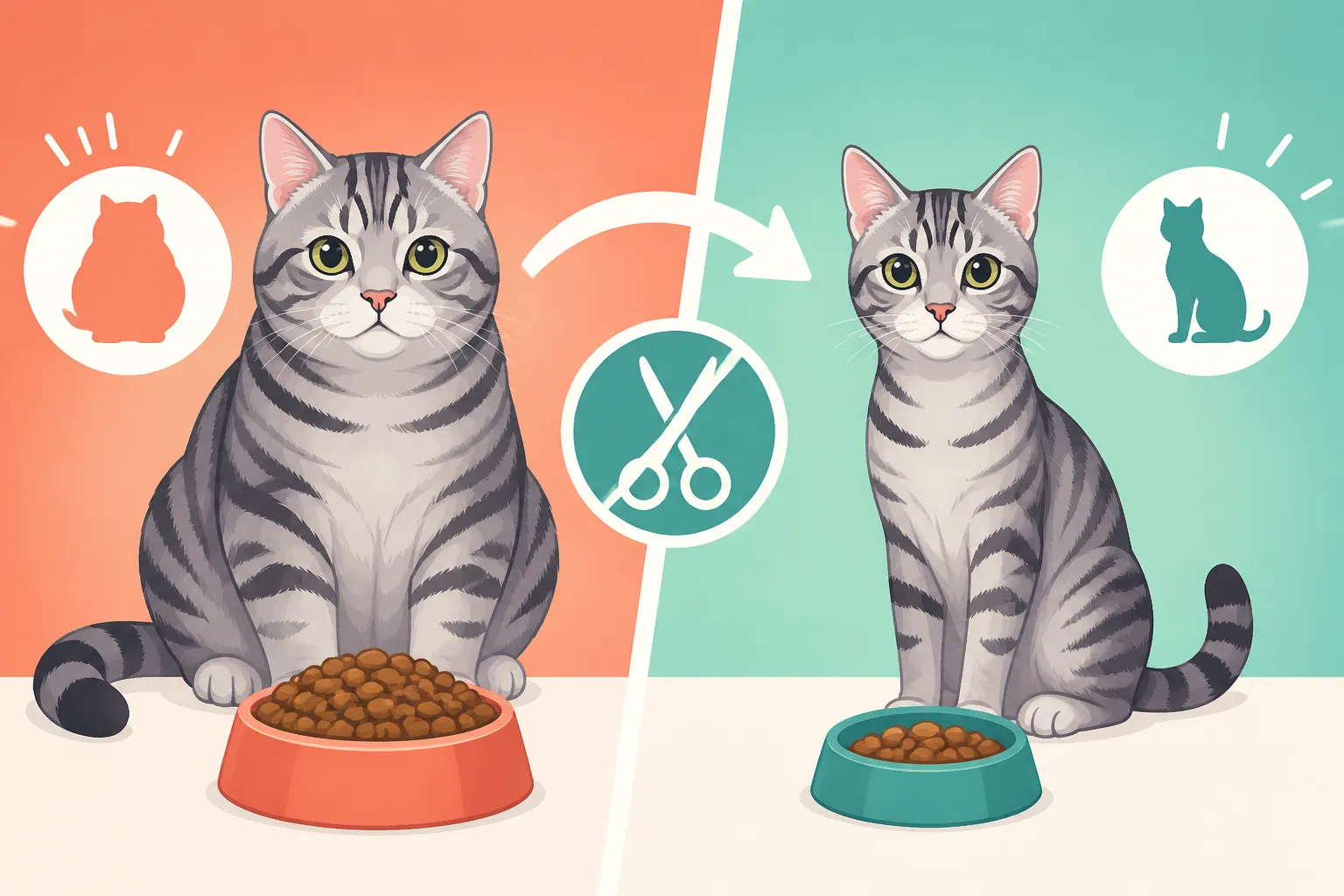
Veterinary studies and common practice suggest that neutered cats often require 20-30% fewer calories than their intact counterparts to maintain a healthy weight. This is a significant adjustment! If your American Shorthair was eating, for example, 250 calories a day before neutering, they might now only need 175-200 calories. This isn't just a minor tweak; it often means a noticeable reduction in the amount of food in their bowl. It's important to discuss specific calorie recommendations with your vet, as they can factor in your cat's age, current weight, activity level, and any underlying health conditions.
Transitioning to a lower calorie intake should be done gradually to avoid digestive upset and to allow your cat time to adjust. Suddenly cutting their food drastically can lead to hunger and stress, potentially causing behavioral issues. Start by reducing their previous portion by about 10% and monitor their weight over a couple of weeks. If they're still gaining, gently reduce it further. Some pet food brands also offer specific "light" or "neutered" formulas that are designed with fewer calories and often higher fiber to help cats feel fuller longer, which can be a good starting point. You can often find a wide selection of these specialized foods through online retailers like Chewy.
Monitoring Weight and Body Condition Score
The most reliable way to determine if your American Shorthair is getting the right amount of food is through regular weight checks and, critically, by assessing their Body Condition Score (BCS). Simply looking at them can be deceiving, especially with the American Shorthair's naturally sturdy, muscular build. What looks "normal" to an untrained eye might actually be overweight.
A healthy American Shorthair should have a BCS of 5 out of 9. This means you should be able to easily feel their ribs with a light touch, but not see them. They should have a visible waist when viewed from above, and their belly should tuck up slightly when viewed from the side. If you can't easily feel their ribs or spine, or if they have a prominent sag in their belly, it's highly likely they are carrying too much weight. How to Spot Weight Gain on a Square Built American Shorthair can be tricky, but learning to feel their body is key. Regularly weigh your cat, ideally once a month, using a dedicated pet scale or by weighing yourself, then picking up your cat and subtracting your weight. Small changes in weight can signal the need for dietary adjustments.
Here's a quick guide to body condition scoring:
| Score | Appearance | What You Feel | Recommendation |
|---|---|---|---|
| 1 | Severely Underweight | Ribs, spine, pelvic bones very prominent | Increase food gradually |
| 2-3 | Underweight | Ribs, spine, pelvic bones easily seen/felt | Increase food |
| 4 | Slightly Underweight | Ribs easily felt, minimal fat | Slight food increase |
| 5 | Ideal Weight | Ribs easily felt, slight fat cover | Maintain current diet |
| 6 | Slightly Overweight | Ribs felt with difficulty, slight fat | Reduce food slightly |
| 7 | Overweight | Ribs felt with difficulty, fat cover thick | Reduce food |
| 8-9 | Obese | Ribs, spine, pelvic bones difficult to feel | Significant food reduction |
Your veterinarian can demonstrate how to properly assess your cat's BCS and help you establish a target weight and feeding plan. Don't be afraid to ask for their guidance; preventing obesity is one of the kindest things you can do for your American Shorthair's long-term health. Remember, What Extra Weight Does to an American Shorthair's Working Frame can lead to a host of health problems.
Strategies for Managing Your Neutered American Shorthair's Diet
Once you understand why your neutered American Shorthair needs less food, the next step is implementing practical strategies to manage their diet effectively. This isn't just about cutting calories; it's about providing appropriate nutrition, managing meal times, and enriching their environment to encourage activity.
Choosing the Right Food
The type of food you offer plays a crucial role in maintaining your neutered American Shorthair's ideal weight. Not all cat foods are created equal, and some are far better suited for a cat with a slower metabolism. Look for foods that are:
- High in Protein, Moderate in Fat, Low in Carbohydrates: This mirrors a cat's natural carnivorous diet. High protein helps maintain muscle mass, which is vital for a healthy metabolism, while low carbs help prevent excess energy storage as fat. Many specialized "weight management" or "neutered cat" formulas are designed with this profile.
- Rich in Moisture (Wet Food): Wet food often has a lower caloric density per serving compared to dry kibble, simply because of its water content. This means your cat can eat a more satisfying volume of food without consuming excessive calories. Plus, increased moisture intake is beneficial for overall urinary tract health. You can find many high-quality wet food options on platforms like Amazon.
- Fiber-rich (in moderation): Some weight management foods incorporate fiber to help cats feel fuller. However, too much fiber can reduce nutrient absorption, so balance is key.
Always read labels carefully and prioritize foods with meat as the first ingredient, avoiding excessive fillers and by-products. When considering new foods, a gradual transition over 7-10 days can prevent stomach upset. Mix a small amount of the new food with their old food, slowly increasing the proportion of the new food each day.
Portion Control and Feeding Schedules
For an American Shorthair with a propensity for weight gain, free-feeding (leaving food out all day) is almost always a recipe for obesity. This approach allows them to graze endlessly, often consuming far more calories than they need. Instead, portion control and scheduled mealtimes are your best friends. How Much to Put Down for an American Shorthair at Each Meal will depend entirely on their specific caloric needs.
- Measured Portions: Invest in a proper measuring cup or, even better, a small kitchen scale to accurately weigh out their daily food allowance. Even a slight overestimation with a measuring cup can lead to significant extra calories over weeks and months.
- Multiple Small Meals: Instead of one or two large meals, consider splitting their daily allowance into three or four smaller meals throughout the day. This can help keep their metabolism more active, prevent long stretches of hunger, and provide more opportunities for mental engagement. For instance, you could feed breakfast, a mid-day snack, dinner, and a small evening meal.
- Consistent Schedule: Cats thrive on routine. Establishing a consistent feeding schedule helps regulate their appetite and can reduce begging behavior, as they learn when to expect their next meal. Remember, Why a Bowl Left Down Undoes an American Shorthair, particularly one with a natural inclination to eat when food is available.
Enriching Mealtime for Mental and Physical Health
Since your neutered American Shorthair no longer has to hunt for survival, you can help them "work" for their food in other ways, tapping into their natural instincts. This not only encourages physical activity but also provides mental stimulation, which is crucial for a happy, well-adjusted cat.
- Puzzle Feeders: These ingenious devices require your cat to manipulate them to release kibble or treats. They slow down eating, provide mental enrichment, and encourage natural foraging behavior. You can find a vast array of different puzzle feeders online, including on Chewy and Amazon, from simple treat balls to more complex mazes. Why a Puzzle Feeder Satisfies an American Shorthair is because it engages their ancestral hunting drive.
- Food Scatters: Instead of placing all their kibble in one bowl, scatter portions of it in various locations around your home. Hide small amounts in different rooms, on cat trees, or under furniture. This encourages your American Shorthair to "patrol" their territory and search for their meals, turning eating into an activity.
- Interactive Play Before Meals: Mimic the hunt by engaging your cat in a vigorous play session with a wand toy or feather teaser right before a meal. This allows them to "hunt" and "capture" their prey (the toy) before being rewarded with their "kill" (their food). This completes the natural hunt-eat sequence and can help burn a few extra calories. Regularly simulating hunts is important; How Many Hunts a Day an Indoor American Shorthair Needs can be more than you think.
By proactively addressing the metabolic shifts and understanding the breed's history, you can ensure your neutered American Shorthair lives a long, healthy, and happy life at a comfortable weight. It takes dedication and thoughtful planning, but the rewards are immeasurable.
Disclaimer
This article is for general informational purposes only and does not constitute professional advice. Laws, prices and regulations vary by location and change over time. Consult a qualified professional for guidance on your specific situation.