The American Shorthair Is the Control Group of Cat Breeding
It can be incredibly disheartening to navigate the world of purebred cats today, where so many beloved breeds seem to carry a laundry list of potential health issues, many of them heartbreakingly genetic. It often feels like a constant uphill battle to ensure your furry family member isn't inheriting a predisposition to serious illness. This guide will delve into why the American Shorthair stands as a refreshing anomaly in this landscape, serving as the unofficial "control group" of cat breeding, and what that truly means for their exceptional health and longevity.
Understanding the "Control Group" Concept in Feline Breeding
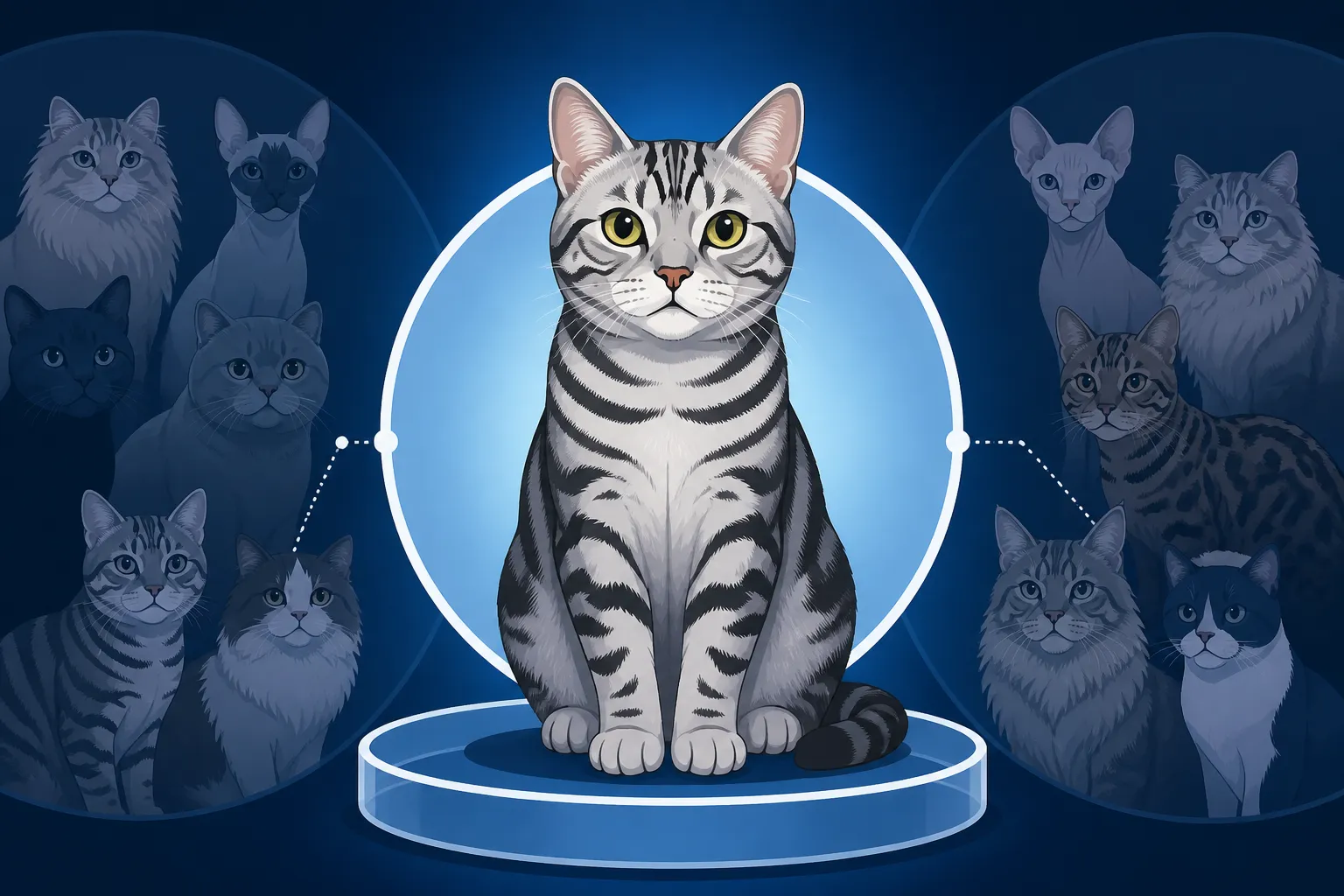
When we talk about the American Shorthair as the "control group" in cat breeding, it's not a scientific experiment happening in a lab, but rather a way to understand the profound impact of natural selection and minimal human intervention on a breed's health. In scientific studies, a control group provides a baseline – a point of comparison against which the effects of a variable (like selective breeding for extreme traits) can be measured. For cats, the American Shorthair largely represents that baseline: a cat whose health has been shaped more by utility and survival than by specific aesthetic demands.
What Makes a Breed a "Control Group" for Health?
A "control group" breed, in this context, is one that has largely avoided the pitfalls of intensive, often appearance-driven, selective breeding that can inadvertently concentrate genetic weaknesses. Imagine a world where cats were bred solely for their ability to thrive, hunt, and reproduce without human interference dictating coat color, ear shape, or face structure. The American Shorthair, historically, comes remarkably close to this ideal. Their sturdy build, moderate features, and robust constitution are direct results of generations where survival of the fittest was the primary selection criterion, not the whims of a show ring judge. This translates into a healthier, more resilient animal, generally less prone to the breed-specific ailments that plague many of their more "designer" counterparts. They simply have fewer artificial pressures on their genetic makeup, allowing their natural hardiness to shine through.
How the American Shorthair Fits This Unique Definition
The American Shorthair's history is one of working cats, brought to North America by early settlers to control rodent populations. These were not pampered pets; they were essential members of the crew on ships and later, indispensable farmhands. Their ability to hunt, adapt to various climates, and maintain good health with minimal human intervention was paramount. Cats that couldn't perform these tasks or were sickly simply didn't survive to pass on their genes. This continuous process of natural selection, coupled with a wide and open gene pool for much of their existence, meant that deleterious genetic mutations rarely had the chance to become widespread within the population. Unlike breeds that might have been developed from a small number of foundation cats or through intentional inbreeding to fix specific traits, the American Shorthair's origins are deeply rooted in a large, diverse population of common working cats. This long lineage of pragmatic breeding priorities means that they serve as an excellent benchmark for what a generally healthy, structurally sound cat breed should look like, free from the compromises often seen in more heavily modified breeds. This is a big reason why the article, Why the American Shorthair Is Used as a Health Benchmark, dives into this concept further.
A Legacy of Natural Selection: The American Shorthair's Origins
The story of the American Shorthair isn't one of carefully planned matings in a cattery to achieve a specific look. Instead, it's an epic tale of survival, utility, and the relentless forces of nature shaping a breed into what it is today. Their origins are intrinsically linked to their robust health profile, a direct consequence of centuries of function-first existence.
From Ship Cats to Farm Mousers: Survival of the Fittest
The ancestors of the American Shorthair were quite literally the original immigrants, sailing across the Atlantic with European settlers as crucial members of the ship's crew. Their job was vital: control the rat and mouse populations that threatened provisions and spread disease. A sick or weak cat wouldn't survive the arduous journey, let alone be effective in its role. Once ashore, these tenacious felines continued their work on farms and in burgeoning settlements, keeping barns and homes free of pests. This demanding lifestyle meant that only the most resilient, intelligent, and healthy cats thrived and reproduced. There was no room for delicate constitutions or genetic weaknesses; nature simply culled those that weren't up to the task. This continuous selective pressure for health, vigor, and hunting prowess laid the genetic groundwork for the strong, adaptable breed we know today. The article, The Mayflower Cats Behind the American Shorthair, offers a fascinating glimpse into this seafaring heritage.
How Functional Breeding Shaped Their Robust Health
Unlike many modern pedigreed breeds that were developed in the late 19th and 20th centuries through intentional, often intense, selective breeding for specific aesthetic traits, the American Shorthair evolved organically. Breeders eventually recognized and formalized the breed, but they did so by identifying and perpetuating the traits of these existing, healthy working cats. The focus wasn't on exaggerating features but on preserving the well-balanced, sturdy type that had proven so successful. This means their characteristic broad chest, powerful jaws, and muscular body weren't bred for superficial beauty but for practical function – catching rodents and enduring harsh conditions. This history explains Why Function Left the American Shorthair Fewer Faults, as traits that might be considered "faults" in a show ring for some breeds (like a slightly heavier build) were actually advantages for survival and work. Because form followed function for so long, the American Shorthair naturally developed a body plan that is inherently less prone to the structural issues that can arise from breeding for extreme aesthetics, such as flattened faces, exaggerated short legs, or overly cobby bodies.
The Advantage of a Wide and Open Gene Pool
One of the most significant factors contributing to the American Shorthair's remarkable health is its deep and diverse gene pool. In the world of pedigreed animals, genetic diversity is often the first casualty of selective breeding, but the American Shorthair, for much of its history, managed to maintain a robust genetic foundation.
What an Open Gene Pool Means for Genetic Diversity
An open gene pool refers to a population of animals where there's a wide variety of genetic material, allowing for healthy genetic exchange and minimizing the chances of undesirable recessive genes expressing themselves. Think of it like a diverse investment portfolio: the more variety you have, the less vulnerable you are to a single market crash. In cat breeding, a broad gene pool means that there's less likelihood of two cats carrying the same hidden genetic flaw being bred together, thus reducing the risk of their offspring inheriting two copies of that flawed gene and developing a disease. For many purebreds, intense selection for specific looks, or breeding from a small number of popular "founder" cats, can lead to a phenomenon known as genetic bottlenecking, where the genetic diversity shrinks significantly. This, in turn, can inadvertently concentrate genes for certain diseases. The American Shorthair, having largely developed from a vast and varied population of common domestic cats, didn't suffer this fate to the same extent, allowing a wider array of healthy genes to persist. If you're curious about the specifics, the article How Wide the American Shorthair's Gene Pool Really Is provides more detail on this topic.
The Historic Inclusivity of the American Shorthair's Pedigree
For a long time, the American Shorthair's pedigree was more flexible than many other breeds. While formal registration established a "purebred" status, the breed occasionally allowed for the inclusion of well-typed, healthy domestic shorthairs into its registry. This practice, particularly in its earlier days, was instrumental in preventing the gene pool from becoming too narrow. It's almost like periodically refreshing the genetic deck with new, healthy cards. This differs sharply from breeds with closed stud books, where only cats whose parents are both registered members of that specific breed are allowed to contribute to the next generation. This historic openness helped infuse new genetic material, reinforcing the breed's natural health and resilience. It's a fascinating aspect of their development, and the question of Whether the American Shorthair Gene Pool Is Still Open explores how this has evolved over time. This approach, by avoiding extreme inbreeding, helped maintain a low What an American Shorthair's Inbreeding Coefficient Looks Like, which is a key indicator of genetic health.
Minimal Inherited Disease Burden: What the American Shorthair Doesn't Carry
One of the most compelling arguments for the American Shorthair as a "control group" is the relative scarcity of inherited diseases compared to many other pedigreed cat breeds. While no breed is entirely immune to genetic issues, the American Shorthair stands out for its generally clean bill of health in this regard.
The Absence of Many Common Purebred Health Issues
When you research many popular purebred cats, you often encounter lists of breed-specific genetic predispositions: polycystic kidney disease (PKD) in Persians and Himalayans, patellar luxation in Abyssinians, various heart conditions in Maine Coons, or cerebellar hypoplasia in some lines. It can feel overwhelming for prospective owners trying to choose a healthy companion. The beauty of the American Shorthair is that, by and large, these extensively documented, often debilitating, genetic conditions are not prevalent within the breed. Their long history of natural selection has largely weeded out such weaknesses. This means that American Shorthair owners, on average, face fewer worries about their cat developing a severe genetic illness purely due to its breed background. This doesn't mean they're invincible, of course, but their inherent genetic robustness is a significant advantage. The information in Which Diseases the American Shorthair Actually Carries provides an objective look at the reality, often highlighting the relative absence of many common issues.
Why Less Selective Breeding Led to Fewer Genetic Problems
The direct correlation between intensive selective breeding for exaggerated traits and an increase in genetic health problems is a well-documented concern in many animal breeds, both canine and feline. When breeders focus intensely on achieving a particular look—a very short nose, extremely large ears, a dwarf stature, or specific coat type—they often narrow the gene pool to the point where deleterious recessive genes become more likely to be expressed. Because the American Shorthair was primarily selected for its working abilities and robust health for centuries, and only later refined for a standard that celebrated its balanced, moderate features rather than extreme ones, the pressure on its genetic makeup was never as intense. This "hands-off" approach for much of its history prevented the concentration of harmful genes. It's a testament to the idea that sometimes, less human intervention in breeding can lead to a healthier outcome for the animals themselves. Owners often find that their American Shorthair kitten arrives with minimal paperwork regarding extensive genetic testing panels, simply because Whether the American Shorthair Has a Required DNA Panel usually reveals very few breed-specific tests are deemed necessary.
Focusing on HCM: The American Shorthair's Primary Genetic Concern
While the American Shorthair is celebrated for its robust health and minimal inherited disease burden, it would be inaccurate to claim they are entirely without genetic concerns. Like many cat breeds, including domestic shorthairs, they can be predisposed to Hypertrophic Cardiomyopathy (HCM), a common feline heart disease.
Understanding Hypertrophic Cardiomyopathy in American Shorthairs
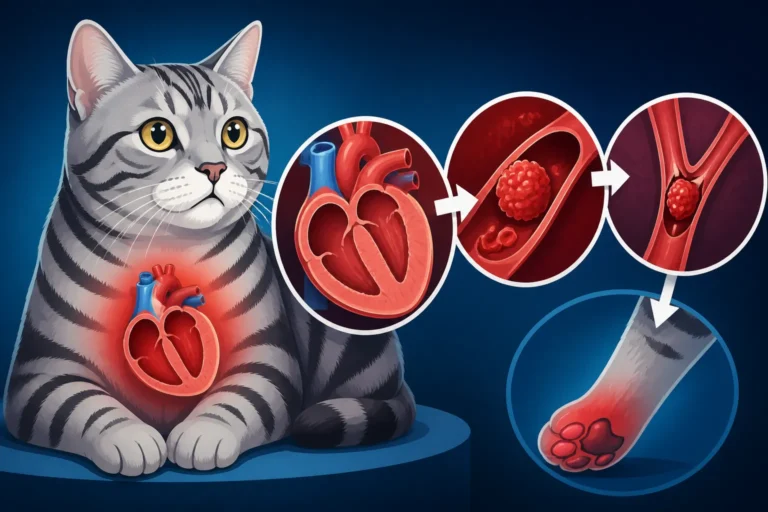
Hypertrophic Cardiomyopathy (HCM) is the most common heart disease in cats, regardless of breed. It's characterized by a thickening of the heart muscle, particularly the left ventricle. This thickening makes it harder for the heart to pump blood effectively, leading to a range of potential complications, including congestive heart failure, blood clots, and sudden death. For the American Shorthair, HCM is often considered the one significant inherited disease they retained, despite their generally healthy lineage. It's believed to have persisted due to its widespread nature in the broader cat population and the complex genetics involved. While some breeds have a clear genetic marker, the expression of HCM can be influenced by multiple genes and environmental factors. For devoted owners, understanding Why HCM Survived in the American Shorthair can help contextualize its presence.
The insidious nature of HCM is that affected cats often show no symptoms in the early stages, making regular screening incredibly important. A cat might appear perfectly healthy and active, yet their heart muscle is slowly thickening. Symptoms typically only manifest when the disease is quite advanced, which is why preventative measures are key.
Screening and Management of HCM in the Breed
Given that HCM is the primary genetic health concern for the American Shorthair, responsible breeders and attentive owners prioritize screening. The gold standard for diagnosing HCM is an echocardiogram, a specialized ultrasound of the heart performed by a veterinary cardiologist. This allows the specialist to visualize the heart's structure, measure the thickness of the muscle walls, and assess its function.
For breeding American Shorthairs, annual echocardiograms are highly recommended to ensure that affected cats are removed from breeding programs to reduce the prevalence of the disease. This proactive approach helps to keep the breed as healthy as possible. Even for pet owners, especially as their cat ages, discussing a baseline echocardiogram with their vet can be a wise decision. Knowing Why an American Shorthair Still Needs a Yearly Heart Scan even if they seem fine is crucial for early detection and potential management. Early diagnosis can allow for interventions, such as medications, that may slow the progression of the disease and improve the cat's quality of life. The typical age at which The Age an American Shorthair's Heart Starts to Thicken can vary, but regular monitoring from middle age onwards is often suggested by veterinarians. Should an American Shorthair receive an HCM diagnosis, a veterinarian will work with the owner to create a management plan. This usually involves medication to help the heart function more efficiently, manage fluid buildup, and prevent blood clots. Learning How a Vet Manages an American Shorthair With HCM can provide peace of mind and practical steps for owners facing this diagnosis. Regular check-ups with a vet, including listening for heart murmurs, are also essential. When it comes to managing the financial aspect of such care, many owners turn to pet insurance providers like Healthy Paws, who can offer coverage for ongoing treatments and specialized diagnostics, easing the burden during a challenging time.
Maintaining Health in a Modern World: Preventative Care for the American Shorthair
Even with an excellent genetic foundation, American Shorthairs, like all cats, are susceptible to lifestyle-related health issues in our modern indoor environments. Their history as active, working animals means they thrive when their needs for exercise and appropriate nutrition are met, and can suffer when they're not.
The Challenge of Obesity in an Inactive Lifestyle
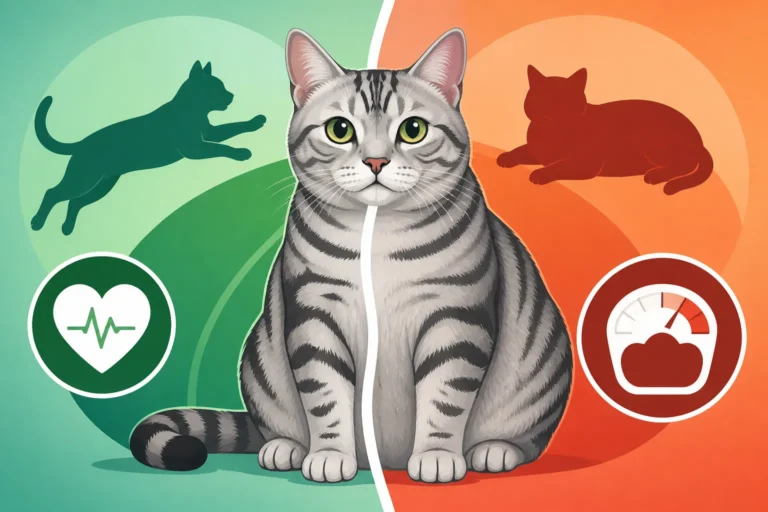
The irony of the American Shorthair's robust history is that its efficient, working-bred metabolism can become a detriment in a sedentary indoor life. These cats were built to hunt, patrol, and burn significant calories. When that activity is removed, but their instinctual appetite remains, weight gain can become a serious problem. Obesity is not merely a cosmetic issue; it's a significant health risk for cats, leading to a cascade of other problems. Just like in humans, excess weight puts strain on joints, increases the risk of diabetes, exacerbates heart conditions, and can even shorten their lifespan. It's often difficult for owners to spot weight gain, especially in a cat with a naturally sturdy and muscular build. This issue is so prevalent that it's often referred to as Obesity Is What Ending the American Shorthair's Job Cost It.
Recognizing when your American Shorthair is becoming overweight requires a keen eye and understanding of their body type. They are meant to be muscular, not chubby. You should be able to feel their ribs with light pressure without seeing them. If you're struggling to assess your cat, your vet can help you understand How to Spot Weight Gain on a Square Built American Shorthair and develop a tailored nutrition and exercise plan. Preventative measures include portion control, high-quality food, and interactive play sessions that mimic hunting behavior. Companies like Healthy Paws can be a great resource for managing the costs associated with weight-related conditions should they arise.
Essential Routine Care for Lifelong Wellness
Beyond managing weight, comprehensive routine care is the bedrock of an American Shorthair's lifelong wellness. This includes regular veterinary check-ups, dental care, and attention to grooming.
Regular Veterinary Visits: Even for a breed known for its health, annual or semi-annual vet visits are non-negotiable. These appointments allow your veterinarian to conduct thorough physical exams, catch potential issues early, and keep vaccinations up to date. Early detection of problems like kidney disease, hyperthyroidism, or even the subtle signs of joint pain (which can be hard to notice in a stoic cat) can significantly impact treatment success and quality of life. Understanding How Regularly a Healthy American Shorthair Still Needs Checking is crucial for proactive care.
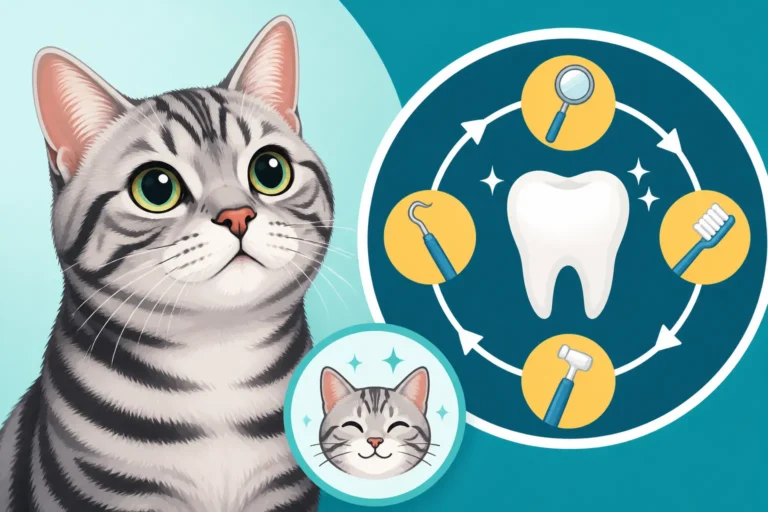
Dental Health: Dental disease is one of the most common and often overlooked health issues in cats. Tartar buildup, gingivitis, and periodontal disease can lead to pain, tooth loss, and even systemic infections if bacteria from the mouth enter the bloodstream. American Shorthairs, like most cats, are susceptible. Many owners are surprised to learn that their cat can lose teeth without showing obvious signs of pain, highlighting Why an American Shorthair Loses Teeth Nobody Noticed. Regular brushing at home, dental treats, and professional dental cleanings as recommended by your vet are essential to prevent this silent suffering.
Grooming: While their short, dense coats are relatively low-maintenance, regular grooming helps manage shedding, prevents hairballs, and provides an opportunity to check for skin issues, lumps, or external parasites. A weekly brush with a suitable comb is usually sufficient. This attention to routine care not only keeps your American Shorthair looking and feeling good but also fosters a stronger bond between you and your cherished companion.
Here’s a simplified table comparing common health considerations:
| Health Category | American Shorthair (ASH) | Many Other Pedigree Breeds | General Domestic Shorthair |
|---|---|---|---|
| Genetic Predispositions | Low overall; HCM is primary concern. | Often several breed-specific genetic diseases (e.g., PKD, luxating patellas, extreme brachycephaly-related issues). | Generally low, similar to ASH, but history can be unknown. |
| HCM Risk | Present, similar to general cat population; screening recommended. | High in some breeds (e.g., Maine Coon, Ragdoll); specific genetic tests sometimes available. | Present, similar to ASH. |
| Orthopedic Issues | Generally robust; some hip dysplasia possible due to sturdy build. | Can be higher due to selective breeding for certain body types (e.g., short legs, extreme cobby). | Generally robust. |
| Dental Disease | Common, like all cats; requires routine care. | Common, potentially exacerbated by facial structure in some breeds. | Common, like all cats. |
| Obesity | High risk if inactive and overfed due to efficient metabolism. | High risk in many indoor breeds due to inactivity. | High risk in many indoor cats due to inactivity. |
| Lifespan | Generally 15-20 years. | Highly variable, some breeds shorter due to specific health issues. | Generally 12-18 years, highly variable. |
| Routine Vet Needs | Regular annual check-ups, dental care, parasite control. | Regular annual check-ups, often more specialized screenings due to breed risks. | Regular annual check-ups, dental care, parasite control. |
The American Shorthair as a Model for Responsible Breeding
The narrative of the American Shorthair isn't just a fascinating historical account; it serves as a living lesson for the broader world of animal breeding. By embodying a natural, moderate type, they provide a valuable blueprint for what can be achieved when health and function remain paramount.
What Other Breeds Can Learn from the American Shorthair's Health Profile
In an era where many purebred animals grapple with inherited health problems that can stem from breeding for extreme aesthetics or from narrow genetic foundations, the American Shorthair offers a refreshing counter-narrative. Their success story demonstrates that it is entirely possible to have a pedigreed cat that is both recognizable as a distinct breed and remarkably healthy. The key takeaways for other breed developers are clear: prioritize a broad gene pool, select for overall health and robust constitution over exaggerated physical traits, and be willing to incorporate new genetic material when necessary to prevent genetic bottlenecks.
The American Shorthair's journey reminds us that "purebred" doesn't have to mean "prone to illness." Instead, it can signify a reliable, healthy, and predictable companion whose traits have been refined over generations through a process that valued wellness above all else. This approach could inspire a more responsible breeding paradigm across the feline (and even canine) world, shifting focus back to the well-being of the animals themselves. The American Shorthair essentially offers a vision of what What an American Shorthair With No Designer Defect Gets Instead – a long, healthy life – can truly mean.
The Importance of Health Screening and Ethical Breeding Practices
While the American Shorthair enjoys robust health, this doesn't mean breeders can be complacent. The presence of HCM, even if less prevalent than in some other breeds, underscores the ongoing importance of health screening and ethical breeding practices. Responsible American Shorthair breeders understand the need for regular health checks, particularly cardiac screening, to ensure they are contributing to the continued well-being of the breed. This includes clear communication with prospective owners about any health testing performed on their breeding cats and providing relevant health paperwork for kittens. Knowing What an American Shorthair Breeder Should Have Screened empowers owners to ask the right questions and choose a responsible source for their kitten.
Ultimately, the American Shorthair’s status as a "control group" is a powerful reminder that genetic health is a precious commodity, easily compromised by misguided breeding goals but robustly maintained when nature's wisdom is respected. By understanding and celebrating the health of the American Shorthair, we gain valuable insights into how to ensure a healthier future for all our feline companions.
Disclaimer
Please remember that while the American Shorthair is generally a healthy breed, no animal is immune to illness. This guide provides general information and should not replace professional veterinary advice. Always consult with a qualified veterinarian for any health concerns or before making decisions about your cat's care.