How Regularly a Healthy American Shorthair Still Needs Checking
It’s a common misconception among cat owners that if your American Shorthair is bouncing around, eating well, and seemingly full of life, those routine vet visits can slide. We often think, "My cat isn't showing any signs of being sick, why bother?" But the truth is, even the most robust and seemingly healthy American Shorthair needs consistent veterinary check-ups to ensure they truly are as healthy as they appear and to catch any silent health issues early. This guide will help you understand the essential schedule for your American Shorthair's wellness checks, and why each visit is a critical investment in their long and happy life.
The Myth of the "Bulletproof" American Shorthair
Many American Shorthair owners might instinctively believe their cats are somehow immune to common ailments. After all, this breed traces its lineage back to hardy working cats that proved their worth on ships and farms, surviving tough conditions and relying on their wits and strength. This rich history of resilience can foster a belief that they are inherently "bulletproof" and only require a vet visit when something is undeniably wrong. While it's true they are generally a very healthy breed, robust doesn't mean invincible. This mindset can lead to overlooking subtle health cues and delaying crucial preventative care, which can have significant consequences down the line.
Why a 'Healthy' Cat Isn't a 'No Vet' Cat
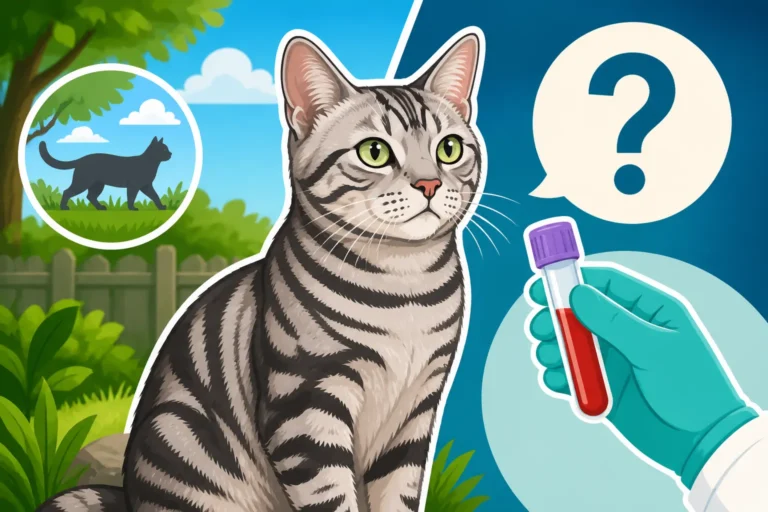
The reality is that even a cat that appears perfectly healthy on the surface can be harboring underlying issues. Cats are masters of disguise when it comes to pain and illness, a survival instinct honed over centuries. An annual or biannual check-up isn't just about reacting to sickness; it's about proactive prevention and early detection. Your veterinarian is trained to spot the minuscule changes that an owner, however attentive, might miss. This could be anything from a barely perceptible heart murmur, the initial stages of dental disease, a slight shift in weight that points to metabolic changes, or a minor reduction in joint flexibility that indicates budding arthritis. Waiting for overt symptoms means the condition has often progressed to a point where treatment is more complex, more expensive, and less effective. Regular check-ups are the bedrock of maintaining your American Shorthair’s health, helping them to live out The Fifteen to Twenty Years the American Shorthair Was Given.
The Silent Nature of Feline Illness
Cats, including our beloved American Shorthairs, are incredibly adept at concealing discomfort. This isn't stubbornness, but an instinctual behavior stemming from their wild ancestry where showing weakness could mean becoming prey. By the time your American Shorthair starts exhibiting noticeable symptoms—like a persistent limp, significant weight loss, or prolonged hiding—they have likely been experiencing the issue for a considerable period. This silent suffering makes routine veterinary visits indispensable. A vet uses their trained eye and hands to detect these covert signs: a dulling coat, subtle muscle atrophy, a tender spot during palpation, or a slight change in their gait. These early indicators are vital, prompting further diagnostic investigation long before the condition becomes critical or irreversible. Understanding that Why a Stoic American Shorthair Hides Pain the Longest is key to appreciating the value of these regular health assessments.
The Essential Wellness Schedule for Your American Shorthair
Determining the ideal frequency of vet visits for your American Shorthair isn't a one-size-fits-all situation; it largely depends on their life stage. Just as a human baby needs more frequent doctor visits than a healthy adult, and an elder requires more attention, your cat's veterinary needs will evolve throughout their life. Establishing a consistent schedule from the very start creates a comprehensive health record, allowing your vet to track their well-being and quickly identify any deviations from their normal healthy baseline. This proactive approach is perhaps the single most effective way to extend your cat's lifespan and enhance their overall quality of life.
Kittenhood to Young Adult First Year
For your American Shorthair kitten, the first year of life is a period of intense development and critical health interventions. You can expect more frequent trips to the veterinarian during these formative months. Typically, kittens receive a series of vaccinations, usually starting around 6-8 weeks of age, with subsequent boosters administered every 3-4 weeks until they are approximately 16 weeks old. These visits are also crucial for a comprehensive deworming schedule, initiation of flea and tick prevention, and getting your kitten accustomed to being handled in a veterinary setting, which makes future visits less stressful. During these early appointments, your vet will also discuss essential procedures like spaying or neutering, the importance of microchipping for identification, and guiding you on the best nutritional plan to support their rapid growth. This initial year is foundational, setting the stage for a lifetime of good health and helping to ensure What an American Shorthair With No Designer Defect Gets Instead.
Adult Years 1-6 Years Old
Once your American Shorthair has successfully navigated the energetic demands of kittenhood and matured into its prime adult years, generally spanning from one year up to about six or seven, the recommended frequency for wellness exams typically settles into an annual schedule. During these yearly check-ups, your veterinarian will conduct a meticulous physical examination. This includes a nose-to-tail inspection, evaluating their overall body condition and weight, assessing their dental health for any signs of plaque, tartar, or gingivitis, and carefully listening to their heart and lungs. They will also gently palpate their abdomen to check for any abnormalities. These visits are also the time for any necessary booster vaccinations and to discuss ongoing parasite control strategies. While bloodwork may not be required annually for every young adult cat, your vet might suggest periodic screening to establish a healthy baseline and detect early indicators of organ function changes, ensuring that Why an American Shorthair Still Needs a Yearly Heart Scan is addressed preventatively.
Mature to Senior Years 7+ Years Old
As your American Shorthair gracefully transitions into its mature years (around 7-10 years old) and then fully enters its senior phase (typically 11-12 years and beyond), the frequency of veterinary visits should increase to bi-annual (twice a year) wellness exams. This intensified schedule is vital because older cats are significantly more susceptible to a range of age-related conditions. These can include insidious diseases like arthritis, progressive dental disease, hyperthyroidism, chronic kidney disease (How Kidney Disease Creeps Up on an Old American Shorthair), and various forms of cancer. During these more frequent appointments, your vet will pay particular attention to subtle signs of joint pain or reduced mobility, any unexpected changes in weight, the development of new lumps or bumps, and monitoring for any shifts in organ function. Comprehensive senior blood panels and urinalysis become critically important at this stage, serving as essential diagnostic tools to catch diseases in their earliest, most treatable stages. Additionally, regular blood pressure checks may be incorporated, as hypertension is a common concern in older felines. This vigilant, proactive approach is key to Caring for an American Shorthair Past Twelve and ensuring their comfort and quality of life through their golden years.
What Happens During a Routine Vet Visit
For many cat owners, a trip to the vet can be a source of anxiety, particularly if your American Shorthair is adept at playing it cool until the examination table. Understanding the comprehensive nature of a routine check-up can help demystify the process and highlight its immense value. These visits are far more than just a cursory glance; they are detailed health assessments designed to maintain your cat’s well-being and identify potential issues before they escalate. It’s an opportunity for your vet to act as a crucial partner in your cat's health journey.
The Comprehensive Physical Examination
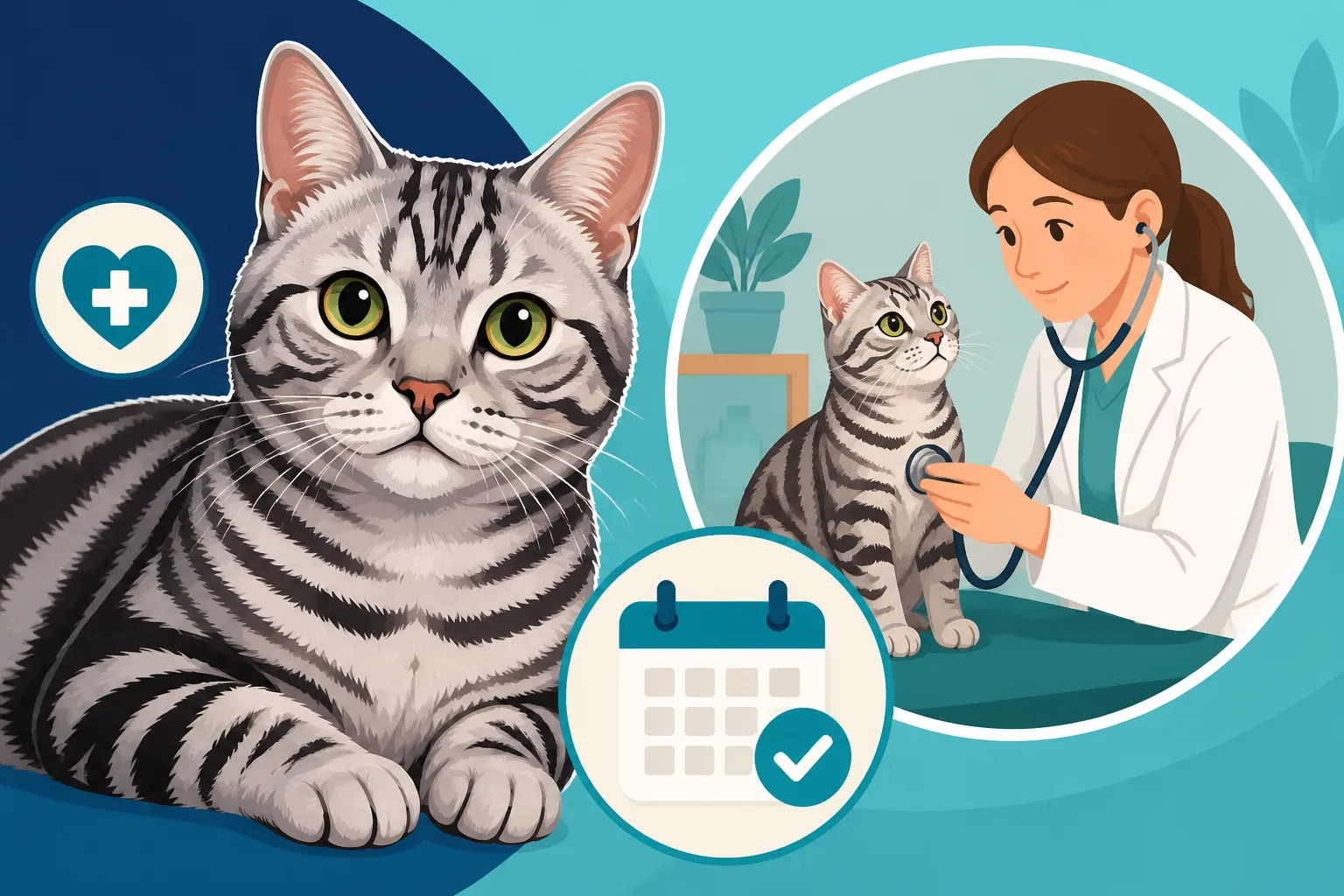
Every routine veterinary visit for your American Shorthair begins with a thorough head-to-tail physical examination, where your veterinarian meticulously evaluates every aspect of your cat's health. This hands-on assessment is where subtle clues often emerge that might indicate an underlying issue. The vet will start by observing your cat's overall demeanor, gait, and body condition, noting any changes since their last visit.
Then, the detailed inspection begins:
- Oral Health: A careful examination of their teeth and gums is performed to check for plaque, tartar buildup, gingivitis, or signs of tooth resorption. Dental disease is incredibly common and often painful, but easily missed by owners.
- Ears and Eyes: Checking for cleanliness, discharge, inflammation, or any signs of infection or mites.
- Nose and Throat: Assessing for any discharge, congestion, or swelling.
- Palpation: Gently feeling lymph nodes, abdominal organs, and muscles for any unusual masses, tenderness, or enlargement. This can reveal early signs of tumors or organ issues.
- Auscultation: Using a stethoscope to listen to the heart and lungs, checking for any murmurs, irregular rhythms, or abnormal breathing sounds. This is crucial as a healthy-looking American Shorthair could still have early heart disease.
- Joint and Mobility Assessment: Manipulating limbs and checking the spine for flexibility, pain, or early signs of arthritis, which can impact a sturdy breed like the American Shorthair.
This comprehensive approach allows the veterinarian to build a complete picture of your cat's current health status, often identifying potential problems that could otherwise go unnoticed until they become more severe.
Diagnostics and Preventative Care
Beyond the physical examination, routine vet visits are also the designated time for vital diagnostic tests and preventative care measures. While not every test is performed annually, your veterinarian will recommend appropriate screenings and treatments based on your American Shorthair's age, lifestyle, and any findings during the exam.
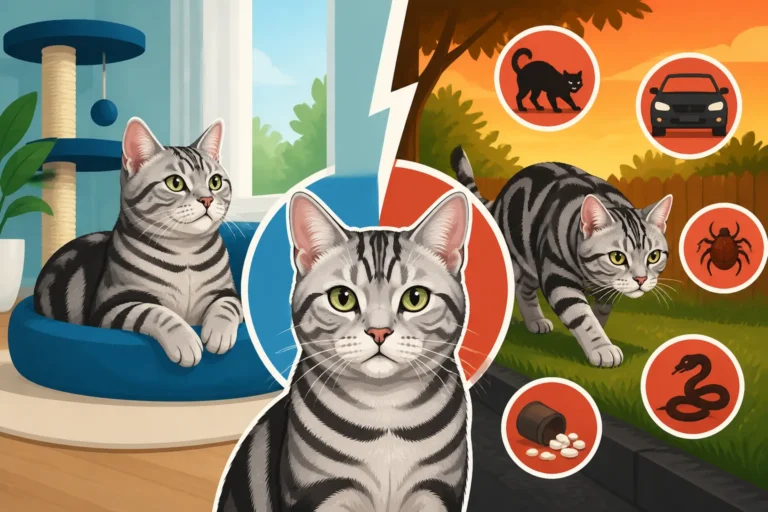
- Vaccinations: Ensuring your American Shorthair is up-to-date on core vaccinations (rabies, FVRCP) is essential for protecting them against common infectious diseases. Depending on their lifestyle, especially if they have any outdoor access, vaccines like the feline leukemia virus (FeLV) may also be recommended.
- Parasite Prevention: This involves discussions about year-round prevention for fleas, ticks, and heartworms, tailored to your local environment and your cat's exposure risks.
- Bloodwork and Urinalysis: For adult cats, periodic blood tests (complete blood count, chemistry panel) and urinalysis are valuable tools to detect early signs of anemia, infection, diabetes, and kidney or liver disease. These become particularly critical for senior American Shorthairs, often recommended annually or bi-annually as part of What a Full American Shorthair Panel Actually Screens For.
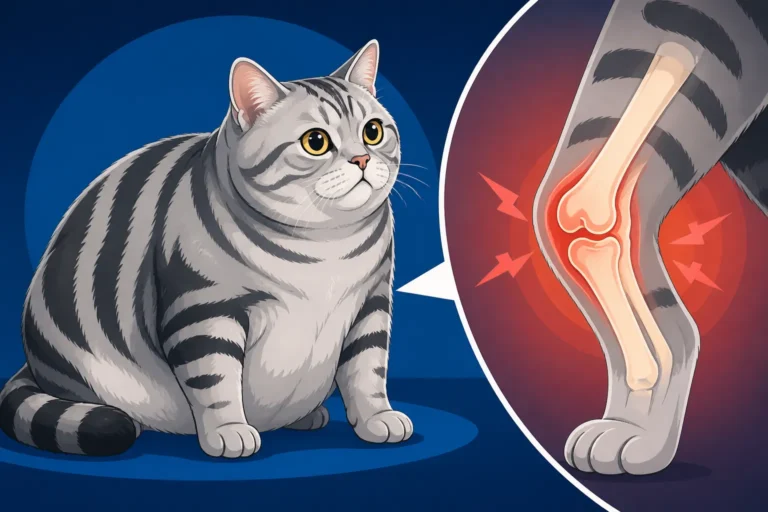
- Weight Management: Your vet will weigh your cat, assess their body condition score, and offer personalized advice on diet and exercise. Given that Obesity Is What Ending the American Shorthair's Job Cost It, proactive weight management is a cornerstone of preventative care for this breed.
- Microchipping: If your cat isn't already microchipped, this essential preventative measure significantly increases the chances of reunification if they ever become lost.
- Owner Consultation: This is your invaluable opportunity to discuss any behavioral changes, concerns about appetite, litter box habits, or anything else you've noticed. Your observations are a critical component in helping your vet understand your American Shorthair's complete well-being.
Recognizing When More Than a Routine Check-up is Needed
Even with the most meticulous annual or bi-annual wellness schedule, there will inevitably be moments when your American Shorthair needs an unscheduled visit to the veterinarian. This isn't a reflection on your care; it's simply a reality of living with an animal. The crucial part, especially with a breed renowned for its stoicism, is recognizing the subtle cues that signal an immediate need for veterinary attention, rather than waiting for the next routine appointment. Trusting your instincts as an owner is paramount.
Subtle Signs Your American Shorthair Is Hiding Discomfort
American Shorthairs, with their independent and calm nature, can be incredibly adept at masking illness. This means you need to be an observant detective, attuned to even the slightest deviations from their normal routines and behaviors. Unlike a dog who might whine or visibly limp, a cat often retreats.
Keep a watchful eye out for changes such as:
- Changes in Eating or Drinking Habits: A sudden loss of appetite, an increased or decreased thirst.
- Litter Box Alterations: Straining to urinate or defecate, frequent trips to the litter box with little result, urinating outside the box, or changes in stool consistency or frequency. Why a Male American Shorthair's Urethra Blocks First is a serious concern, requiring immediate attention.
- Behavioral Shifts: Hiding more than usual, becoming unusually irritable or withdrawn, a decrease in their typical playfulness, or reluctance to jump to favorite spots—even if they don't show obvious pain.
- Grooming Habits: A scruffy or unkempt coat can indicate they're not feeling well enough to groom themselves, or an inability to reach certain areas due to pain or weight. Conversely, over-grooming in a specific spot could indicate pain or itchiness.
- Vocalization Changes: While American Shorthairs are typically quiet, any unusual or increased meowing, growling, or hissing warrants attention.
- Physical Changes: Any new lumps, bumps, discharge from eyes or nose, persistent sneezing, coughing, or noticeable bad breath.
- Lethargy: Excessive sleeping, a general lack of energy, or disinterest in their surroundings.
- Weight Changes: Sudden, unexplained weight loss or gain.
If you observe any of these signs, no matter how minor they seem, it's always prudent to contact your veterinarian. It is far better to have a vet confirm everything is fine than to delay care for a condition that could worsen rapidly. This proactive step can make all the difference in your American Shorthair's recovery.
The Importance of Proactive Care and Insurance
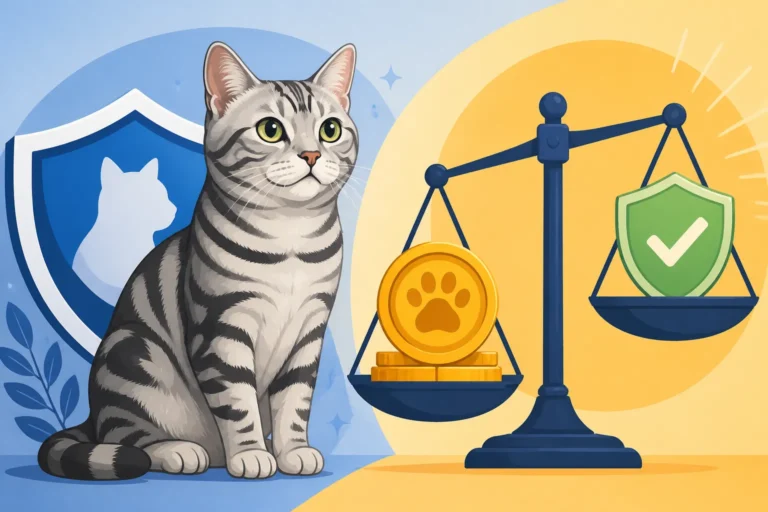
Being proactive about your American Shorthair's health extends beyond regular vet visits; it also means being financially prepared for the unexpected. While American Shorthairs are generally a healthy breed, accidents and illnesses can strike any cat at any age, and the resulting veterinary bills for diagnostics, treatments, and emergency care can be quite high. This is where pet insurance becomes an invaluable part of responsible pet ownership. Companies like Healthy Paws offer comprehensive coverage that can significantly ease the financial burden of unforeseen medical expenses.
A robust pet insurance policy, such as those provided by Healthy Paws, allows you to prioritize your cat's health without the added stress of crushing costs. Whether it’s an emergency unblocking for a male cat, surgery for an unexpected injury, or ongoing management for a chronic condition, having insurance means you can make decisions based on the best possible care for your American Shorthair. Even though Why an American Shorthair Is a Low Anesthetic Risk, unexpected situations can still arise. Healthy Paws can truly offer peace of mind, enabling you to focus entirely on your beloved companion’s recovery and well-being. Investing in preventative care, recognizing subtle signs of distress, and having a safety net like Healthy Paws are all critical components in ensuring your American Shorthair lives a long, healthy, and happy life.
Recommended American Shorthair Wellness Schedule
| Age Category | Recommended Visit Frequency | Key Focus Areas | Typical Procedures/Discussions |
|---|---|---|---|
| Kitten (0-1 year) | Monthly (first 4-6 months), then Annually | Growth & Development, Immunization, Parasite Control, Socialization | Vaccinations, Deworming, Flea/Tick prevention, Spay/Neuter, Microchipping |
| Adult (1-6 years) | Annually | Baseline Health, Preventative Care, Dental Health, Weight Management | Annual Physical Exam, Booster Vaccinations, Parasite Control, Dental checks, Diet review |
| Mature (7-10 years) | Annually (or Bi-Annually if vet recommends) | Early Detection of Age-Related Illnesses, Joint Health, Organ Function | Full Physical Exam, Senior Bloodwork (CBC, Chemistry), Urinalysis, Blood Pressure |
| Senior (11+ years) | Bi-Annually | Managing Chronic Conditions, Pain Management, Quality of Life, Advanced Diagnostics | Full Physical Exam, Comprehensive Senior Blood Panel, Urinalysis, Blood Pressure, X-rays (if needed) |
| Any Age (Acute Concerns) | As needed | Addressing sudden illness, injury, or significant behavioral changes | Emergency exam, specific diagnostics (e.g., X-rays, ultrasound), treatment plan |
This table provides a general guideline, and your veterinarian will always tailor recommendations specifically to your individual American Shorthair's health, lifestyle, and risk factors.
Disclaimer
This article is intended for informational purposes only and does not constitute professional veterinary advice. Always consult with a qualified veterinarian for any health concerns or before making any decisions about your American Shorthair's medical care.