The American Shorthair Still Hunts, Whether You Want It To or Not
If you've ever watched your placid American Shorthair suddenly dive-bomb a dust bunny or stalk a sunbeam with laser focus, you know exactly what I'm talking about. Many people bring a cat into their home, especially an American Shorthair known for its calm demeanor, and assume its hunting instincts will simply fade away in the comfort of indoor life. Oh, if only it were that simple! The truth is, the American Shorthair still carries centuries of finely-tuned hunting prowess in its very DNA, and that drive doesn't disappear just because it has a plush bed and a full food bowl. This guide will help you understand, appreciate, and most importantly, productively channel your American Shorthair's inherent hunting nature, ensuring a happy and enriched life for both of you.
The Deep Roots of the American Shorthair's Hunting Instinct
To truly understand why your American Shorthair behaves like a miniature predator, you have to look back at its history. This isn't a breed conjured up for fancy aesthetics; it's a working cat through and through, one whose very existence depended on its ability to hunt. This historical role has etched a powerful instinct deep into their genetic makeup, making hunting not just a pastime, but an essential part of their being.
Ancestral Maritime Hunters
Picture this: cramped wooden ships, long voyages across stormy seas, and an ever-present threat of disease and spoiled provisions due to rodents. This was the reality for early settlers, and their solution often came in the form of robust, capable cats. The ancestors of the American Shorthair were invaluable members of these crews, earning their keep by keeping the ship's rat population in check. It wasn't about a warm lap or a cute meow; it was about survival, for both the cats and the humans.
These maritime hunters faced demanding conditions. They needed to be quick, stealthy, and utterly driven to succeed in their vermin control duties. Generations of cats selected for these traits meant that the most effective hunters were the ones who passed on their genes. This fierce dedication to the chase, the quick pounce, and the decisive "kill" bite became foundational elements of the breed's character. The constant challenge of a moving ship, ever-shifting hiding spots for rodents, and the sheer necessity of their work honed their skills to an unparalleled degree.
Life as a Farm and Barn Cat
Once these industrious felines disembarked, their job didn't end. They seamlessly transitioned from ships to the burgeoning farms and settlements across North America. Here, too, they were essential workers. Barns full of grain attracted mice and rats, threatening precious food stores. Farms needed protection for their livestock feed and prevention of disease spread by rodents. The ancestors of the American Shorthair were the front-line defense.
Life on a farm further solidified their hunting prowess. They had ample territory to patrol, a constant supply of "prey," and the freedom to hone their natural behaviors. They learned to stalk through tall grass, lie in wait in haylofts, and navigate complex environments to track down their quarry. This environment demanded strength, resilience, and an unwavering commitment to the hunt. This heritage is why your American Shorthair, even in a cozy apartment, still feels that ancient call to patrol, investigate, and pursue. Why Centuries of Ratting Left the American Shorthair Its Drive is a powerful force that continues to shape their behavior today.
How the American Shorthair's Hunting Sequence Unfolds
The hunting instinct in an American Shorthair isn't just a random act; it's a finely choreographed sequence of behaviors, perfected over millennia. Even when there's no actual mouse in sight, your cat will often go through these motions, sometimes subtly, sometimes dramatically, simply because their brain is wired for it. Understanding this sequence helps you interpret their actions and provide appropriate outlets.
The Art of the Stalk
Before any pounce, there's the stalk. This is the period of intense focus, often characterized by low-to-the-ground creeping, unwavering eye contact, and sometimes even a slight twitching of the tail tip. Your American Shorthair might flatten itself, using every available piece of cover – a chair leg, a rug, even your foot – to approach its perceived prey unnoticed. Their muscles will be tense, ready to spring into action at a moment's notice.
During the stalk, their senses are on high alert. Their ears swivel independently, pinpointing sounds you can't even hear. Their eyes track the smallest movement, and their whiskers, highly sensitive to air currents, help them map their environment. This is a crucial phase where they assess the prey's position, potential escape routes, and the best angle of attack. It's a testament to their innate intelligence and patience. How an American Shorthair Stalks isn't just movement; it's calculated strategy.
The Thrill of the Chase and Pounce
Once the optimal moment arrives, the stalk explodes into the chase. This might be a sudden dash across the room, a lightning-fast scramble up a cat tree, or a quick burst of speed to cut off an escaping "prey." The chase is all about speed and agility, using their strong, muscular bodies to their full advantage.
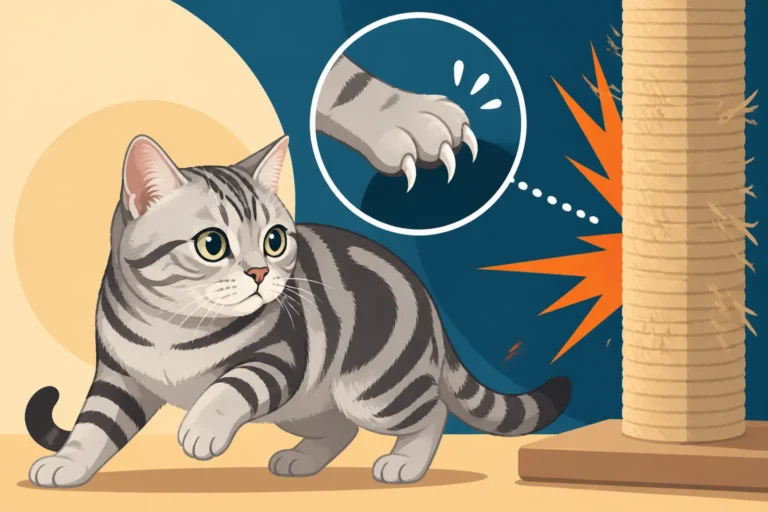
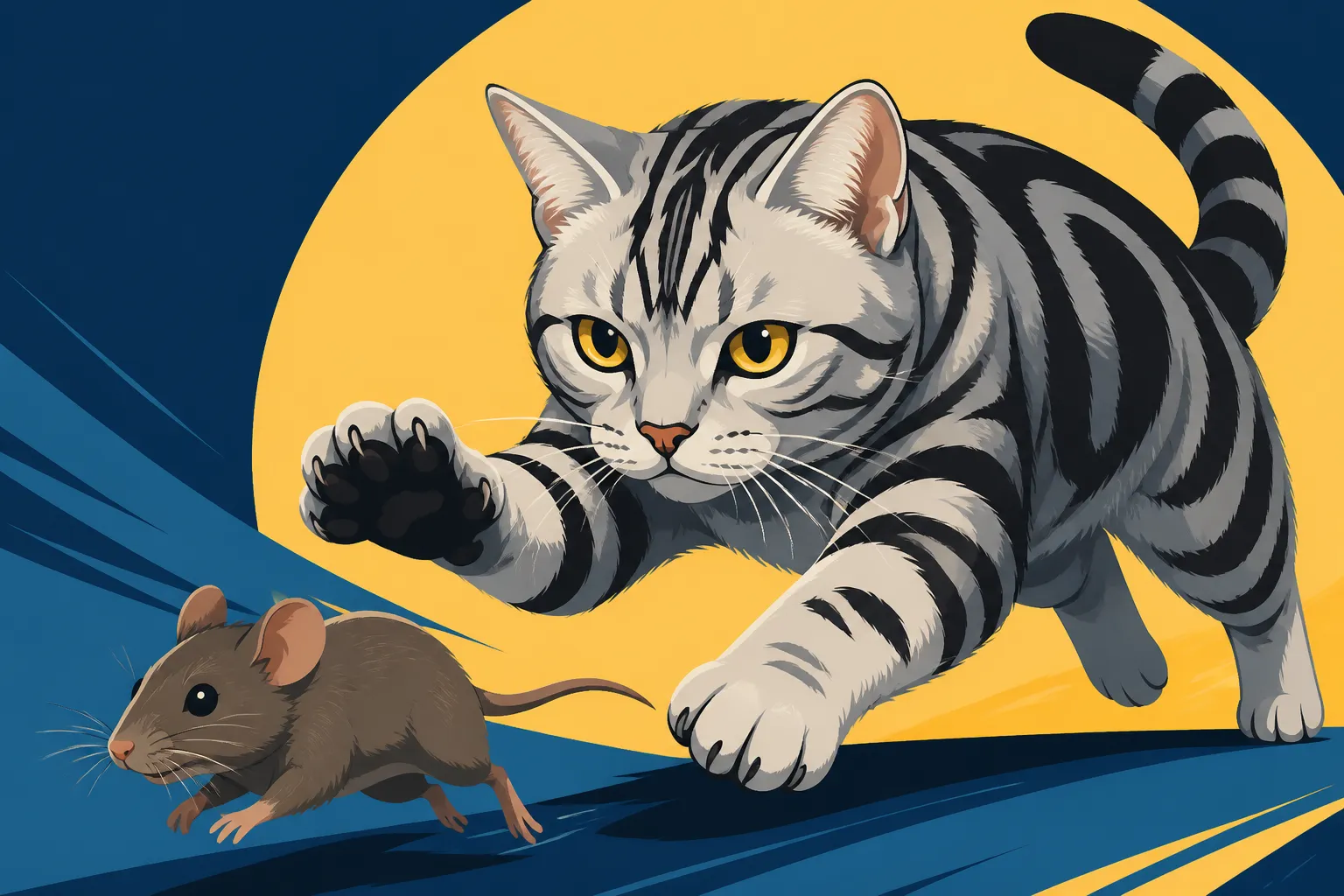
Following the chase, or sometimes directly from a patient stalk, comes the pounce. This is often an aerial maneuver, with your American Shorthair leaping onto the "prey" with precision. They aim to pin it down with their paws, using their claws if necessary to secure it. This is the culmination of their built-up tension and focus. Even if it's just a crumpled piece of paper, the satisfaction of the successful pounce is evident in their posture and the way they hold their "capture." How an American Shorthair Pounces demonstrates their incredible athletic ability and instinctive precision.
The Decisive "Kill" Bite
After the pounce and capture, the final, instinctual step in the hunting sequence is the "kill" bite. In the wild, this would be a swift, decisive bite to the neck to dispatch the prey. With toys, it translates into a vigorous chew, a shake, or repeated mouthing of the captured item. They might carry the toy around in their mouth, triumphantly, as if ensuring it's truly incapacitated.
It's important to understand that this isn't aggression; it's the natural conclusion of their predatory drive. They're not trying to destroy the toy out of spite, but rather fulfilling an ancient programming that tells them the hunt isn't over until the prey is neutralized. Allowing them to complete this "kill" phase with a durable toy is vital for their mental satisfaction and helps to fully discharge that pent-up hunting energy. Without this completion, they might feel frustrated, leading to continued restlessness or seeking other, less desirable outlets for their instincts.
What an Indoor American Shorthair Hunts When There's No Prey
When you bring a cat with such a rich hunting heritage indoors, their instincts don't just vanish; they adapt. Your American Shorthair will find "prey" in the most unexpected places, often turning everyday household items into targets for their ancient predatory drives. It's truly fascinating to watch their inherent nature manifest in a modern home environment.
The Mysterious Allure of Dust Bunnies and Insects
Every cat owner knows the phenomenon: a perfectly clean floor, save for one tiny dust bunny rolling innocently across the tiles, suddenly becomes the target of a full-scale feline ambush. For your American Shorthair, that floating tuft of fluff isn't just dirt; it's a mysterious, unpredictable "creature" that demands investigation and, ultimately, capture. The way it moves erratically, the way it seems to appear and disappear – it all triggers their prey drive.
Similarly, a stray fly, a spider, or even a tiny ant can become the most compelling target in the house. You'll see their pupils dilate, their body language shift, and their entire focus narrow down to that one tiny insect. They might perform incredible acrobatic feats, leaping and batting at the air, all in pursuit of their six-legged quarry. These small, fleeting encounters are miniature hunting expeditions that help satisfy their instinctual needs, even if the "trophy" is just a squashed bug. What an Indoor American Shorthair Hunts Instead is a common sight in many homes.
Stalking Shadows, Reflections, and Moving Lights
Beyond tangible objects, American Shorthairs are also captivated by the ephemeral. The play of light and shadow, especially a reflection shimmering across the wall or the elusive dot of a laser pointer, can trigger their hunting sequence just as effectively as a physical mouse. They'll stalk these light patterns with incredible intensity, flattening themselves, wiggling their hindquarters, and pouncing with full commitment.
While these can be entertaining to watch, it's crucial to remember that a laser pointer, in particular, can be frustrating if not used correctly. The American Shorthair's instinct demands a "kill." If they continuously chase a light that they can never catch and "kill," it can lead to anxiety and redirecting their frustration onto other things. Always end a laser pointer session by directing the beam onto a physical toy that they can pounce on and triumphantly "kill," fulfilling the entire hunting sequence. This helps prevent that feeling of endless, unfulfilling pursuit.
The Unexpected Prey: Everything Else
Let's be honest, if it moves, or even if it just sits there looking interesting, your American Shorthair might just decide it's prey. This could be anything from a dropped hair tie, a rolling pen, a crinkled receipt, or even your wiggling toes under a blanket. They use their keen senses and natural curiosity to identify potential targets in their environment.
This adaptability is a hallmark of the breed. Their ancestors thrived by being opportunistic hunters, and that trait continues today. They learn quickly which objects respond to their pounces and chases, and these become their favorite "toys." This often means that the most expensive, elaborate cat toy might sit untouched while a simple bottle cap provides hours of entertainment. It's a constant reminder that their drive is rooted in the action, not necessarily the inherent value of the item.
The Drive to Present the "Kill": Why They Bring You Gifts
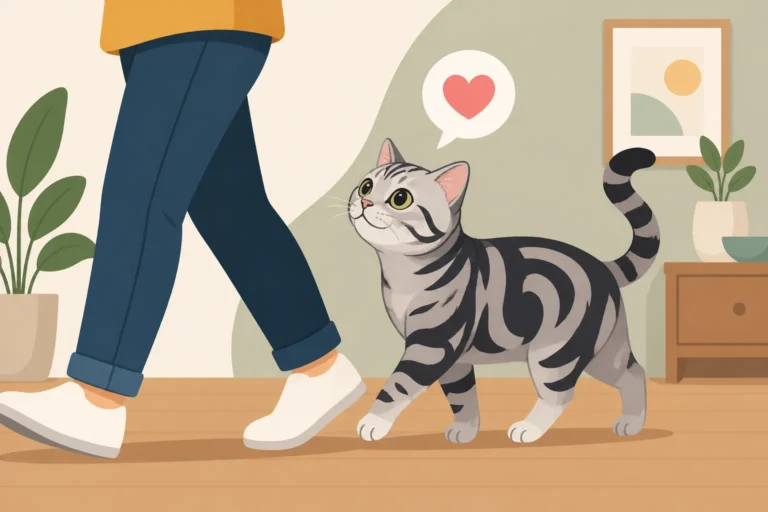
One of the most endearing, yet sometimes perplexing, behaviors of a hunting cat is their tendency to bring you their "kill." Whether it's a real mouse (if they have outdoor access), a favorite toy, or even something completely unrelated to hunting, this act is deeply ingrained in their social and predatory wiring. For your American Shorthair, it’s not just a gesture; it’s communication.
Sharing the Spoils of the Hunt
In the natural world, a mother cat often brings prey back to her kittens to teach them how to eat and hunt, or to provide for them. While your American Shorthair views you as their primary caretaker, they might also see you as part of their "colony" or family unit. Therefore, bringing you their "kill" can be an expression of their instinct to share and provide for their kin. It's their way of saying, "Look what I caught! We can eat tonight!"
This behavior often happens at times when they feel particularly connected to you, such as when you first wake up, or when you've just returned home. They might drop the item at your feet, perhaps even give a small, proud meow, and then look at you expectantly. It's a truly ancient interaction, demonstrating their trust and their view of you as a central figure in their life, deserving of their bounty. Why an American Shorthair Presents Its Kill is a direct link to their wild past.
Seeking Your Approval and Attention
Beyond sharing, bringing a "gift" can also be a way for your American Shorthair to seek your attention and approval. They've just completed a significant instinctual act – the hunt – and they want you to acknowledge their success. A positive response from you, even just a gentle stroke and an appreciative tone of voice, reinforces this behavior.
They learn quickly that presenting a toy to you often leads to interaction, whether it's praise, a gentle toss of the toy, or even an impromptu play session. This creates a powerful positive feedback loop. For a cat that might be otherwise quite independent, this is a precious moment of connection, showing they value your presence and input in their world. It’s their unique way of engaging with you on a very primal level.
The Confusing Non-Prey "Gifts"
Sometimes, your American Shorthair might bring you things that are clearly not prey, or even toys. It could be a sock, a pen, a piece of crumpled paper, or anything else they find interesting enough to carry. This is often an extension of their hunting and carrying instinct. They've found something novel or appealing, and they've "captured" it.
Think of it as them showing you their latest "discovery" or "treasure." It still ties back to that instinctual need to interact with their environment and bring important items back to their home base or "den." While a sock might not seem like much to you, to them, it could be a fascinating item that they successfully "captured" and deem worthy of presenting to their most trusted companion – you!
Channeling the Instinct: Effective Play for Your American Shorthair
Since we know the American Shorthair's hunting instinct is strong and persistent, the best thing we can do for our feline friends is to provide safe, enriching outlets for this drive. Simply feeding them and ignoring their need to "hunt" can lead to frustration, boredom, and potentially undesirable behaviors. Strategic play is key to a happy, well-adjusted American Shorthair.
Wand Toys: Simulating the Full Hunt
Wand toys are hands down one of the most effective tools for engaging your American Shorthair's hunting instincts. They allow you to simulate the entire predatory sequence: the unpredictable movement of prey, the chase, the pounce, and the all-important "kill." Look for wand toys with feathers, faux fur, or other attachments that mimic small animals. Which Wand Toy Reads as Prey to an American Shorthair best provides maximum engagement.
When playing, remember to move the toy like prey. Make it dart, hide, pause, and then spring away. Never just dangle it in their face. Let them stalk it, chase it, and eventually, catch it. Crucially, allow them to "kill" it by pouncing and giving it a few vigorous shakes or bites. This completion of the hunting cycle is vital for their mental satisfaction. After a few "kills," put the toy away, signaling the end of the hunt, just as prey would be consumed or abandoned. Aim for at least two 10-15 minute sessions per day. You can find a fantastic selection of durable wand toys on Amazon.
Puzzle Feeders: Making Them Work for Meals
In their past life, American Shorthairs had to work for every meal. They hunted, caught, and consumed their prey. Modern indoor cats, on the other hand, often have food readily available in a bowl, removing this vital aspect of their natural behavior. Puzzle feeders bridge this gap by making your cat engage their minds and bodies to "hunt" for their food.
There are many types of puzzle feeders, from simple balls that dispense kibble as they roll, to more complex contraptions that require batting, pushing, or figuring out a sequence of actions. Starting with an easier one and gradually introducing more challenging options can keep your American Shorthair engaged. This not only provides mental stimulation but also slows down their eating, which can be beneficial for managing weight. Whether a Puzzle Feeder Satisfies an American Shorthair is a resounding yes, especially when combined with other forms of play.
Climbing and Vertical Spaces: Territory and Observation Posts
While not directly about the "kill," providing ample vertical space caters to another critical aspect of a hunter's life: surveying their territory and finding advantageous positions. American Shorthairs, with their muscular builds, love to climb and observe. Cat trees, wall shelves, and even clear spaces on top of wardrobes become their observation posts.
From these elevated positions, they can "patrol" their domain, feel secure, and watch for any "prey" movements below. This satisfies their natural instinct to be aware of their surroundings and to have a strategic vantage point. Having multiple levels also adds complexity to their environment, making it more stimulating and less monotonous, which is particularly important for an intelligent, active breed like the American Shorthair.
Understanding the American Shorthair's Hunting Schedule
Cats are often perceived as lazy creatures that sleep all day, but beneath that calm exterior, your American Shorthair still operates on a primal schedule dictated by the optimal times for hunting. This understanding can help explain their bursts of energy, their early morning antics, and why they seem to come alive when you're winding down for the night.
The Crepuscular Hunter: Dawn and Dusk
American Shorthairs, like most cats, are crepuscular, meaning they are most active during the twilight hours of dawn and dusk. This isn't a coincidence; these are the times when their natural prey, such as rodents and small birds, are also most active. Their eyes are exceptionally well-adapted for low-light conditions, giving them a significant advantage during these transitional periods.
This crepuscular nature means that your American Shorthair is likely to be most "hunt-ready" in the early morning and again in the evening. You'll often see them exhibiting peak playfulness, stalking behaviors, and generally being more engaged during these times. Planning your interactive play sessions around these natural activity peaks can be incredibly effective, aligning with their internal clock and maximizing their enjoyment and satisfaction. Why an American Shorthair Hunts at Dusk is directly linked to these biological rhythms.
Early Morning Wake-Ups: The Pre-Breakfast Hunt
For many American Shorthair owners, one of the most persistent frustrations is the cat that acts as an alarm clock, sometimes hours before the actual alarm is set to go off. This isn't just them being demanding (though it can certainly feel that way!); it's a direct manifestation of their dawn hunting instinct. As the first hints of light appear, their internal wiring tells them it's prime hunting time.
They might "hunt" you by batting at your feet under the covers, kneading on your chest, or even vocalizing their need for action (and perhaps breakfast). This is their body telling them to get up and hunt. Rather than simply feeding them right away, which reinforces the "wake human, get food" cycle, try to engage them in a short play session before their meal. This simulates the hunt-then-eat sequence, which is far more natural and satisfying for them. It helps to validate that inherent drive. Why an American Shorthair Wakes at Dawn is a common challenge for owners.
Evening Patrols and Play: Winding Down with a Hunt
As the day transitions into evening, and artificial lights come on, your American Shorthair's predatory senses often kick into high gear again. After a day of napping and perhaps a few casual observations, the evening marks another shift to active hunting time. This is when they might become particularly interested in toys, shadows, or even just exploring the house with renewed intensity.
This is an excellent time for another dedicated play session. It allows them to burn off energy, engage their instincts, and settle down for the night feeling satisfied and fulfilled. A good, vigorous play session in the evening can help curb nighttime zoomies and ensure they get a good night's rest – and hopefully, allow you to get one too! Integrating these playtimes into their routine around their natural schedule creates a predictable and enriching environment that caters to their inherent needs.
The Risks and Realities of Outdoor Hunting
While the American Shorthair’s hunting instinct is undeniably powerful, allowing them unrestricted outdoor access to fulfill this drive comes with significant risks, both for the cat and for local wildlife. Making the decision about whether your American Shorthair should be an indoor or outdoor cat is a complex one, and understanding these realities is crucial.
Impact on Local Wildlife
It's no secret that cats are incredibly effective predators. A single American Shorthair, even one that is well-fed, can take a surprising toll on local bird and small mammal populations. Their instinct to hunt is not driven by hunger alone; it's a deeply ingrained behavior that they will pursue even if they've just finished a hearty meal. This can be particularly devastating for vulnerable species, especially in urban or suburban areas where wildlife populations might already be stressed.
Many owners feel a moral dilemma here. On one hand, they want their cat to experience a full, natural life; on the other, they recognize their responsibility to protect local ecosystems. Studies consistently show that domestic cats, even cherished pets, are a significant source of mortality for small animals. This impact can be minimized by keeping your American Shorthair indoors or providing supervised outdoor access. How Much Wildlife an American Shorthair Takes can be substantial, making responsible pet ownership a key factor in conservation.
Dangers to the Outdoor American Shorthair
Beyond the impact on wildlife, there are serious and often life-threatening risks associated with allowing your American Shorthair to roam freely outdoors. They are naturally curious and fearless hunters, which can lead them into dangerous situations they are not equipped to handle.
Consider the following common dangers:
- Road Traffic: Cars are a leading cause of injury and death for outdoor cats. A hunting American Shorthair, focused on prey, might dart into traffic without a second thought.
- Other Animals: Encounters with aggressive dogs, coyotes, raccoons, or even other territorial cats can lead to severe injuries, infections, and the transmission of diseases like FIV and FeLV. Which Injuries an Outdoor American Shorthair Comes Home With are often serious.
- Parasites and Illnesses: Outdoor cats are exposed to a myriad of parasites, from fleas and ticks to intestinal worms. They are also at a higher risk of contracting contagious diseases from other animals. Which Parasites an Outdoor American Shorthair Picks Up requires diligent preventative care.
- Poisons and Traps: Rodenticides, antifreeze, and other toxic chemicals used in gardens and garages pose a significant threat. They might also encounter traps set for other animals.
- Cruelty and Theft: Sadly, outdoor cats can be targets for unkind individuals or may be picked up by well-meaning strangers who mistake them for strays.
Given these considerable risks, many experts and rescue organizations advocate for keeping American Shorthairs primarily indoors, with supervised outdoor access (like a leash walk or a catio) as a safer alternative to fulfill their need for fresh air and exploration. Why Letting an American Shorthair Outside Is a Real Decision that requires careful consideration of all these factors.
Living with a Hunter: Managing a Prey-Driven Cat
Successfully coexisting with an American Shorthair means acknowledging and managing their deep-seated hunting instincts within the safe confines of your home. It's about providing outlets, setting boundaries, and understanding that some behaviors are simply part of who they are.
Securing Small Household Pets
If you share your home with smaller pets like birds, hamsters, gerbils, or even fish, managing your American Shorthair's hunting instinct becomes paramount for the safety of these vulnerable creatures. It's not a matter of whether your American Shorthair wants to harm them; it's about whether their instinct takes over. For a breed bred to catch small animals, the sight, sound, or smell of a hamster can be an irresistible trigger.
All small prey animals must be housed in secure, escape-proof enclosures that your American Shorthair cannot access or knock over. Cages should be heavy, with narrow bar spacing, and ideally placed in a room where the cat is not allowed, or on a high shelf that is completely inaccessible. Glass aquariums should have heavy, tightly fitting lids. Never leave small pets unsupervised, even for a moment, in the same room as your American Shorthair. Why an American Shorthair Cannot Live With a Bird or Hamster safely without extreme precautions is due to this strong prey drive.
Managing Counter-Surfing and Food Scavenging
The American Shorthair's history as a self-sufficient hunter meant they were adept at finding food wherever it was available. This translates into a modern-day tendency for some to be master counter-surfers or opportunistic scavengers if food is left within reach. If something smells like food, or even just looks interesting enough to investigate, their instinct to "catch" and "consume" can kick in.
To manage this, consistency is key. Keep counters clear of food, especially when you're not in the room. Put away groceries immediately, and don't leave dirty dishes with enticing crumbs sitting out. If your American Shorthair attempts to jump on the counter, a firm "no" and gently moving them off, followed by redirecting their attention to an appropriate toy or activity on the floor, can help. Some owners use motion-activated air canisters (placed safely and discreetly) or double-sided sticky tape along the counter edges to create an unpleasant, but harmless, deterrent. Never resort to physical punishment, which will only create fear and distrust.
| Hunting Instinct Aspect | Challenge for Owners | Effective Management Strategy |
|---|---|---|
| Stalk/Chase | Cat gets restless, fixates on small movements, "attacks" feet | Daily interactive wand play, varied toy rotation, ample vertical space for observation. |
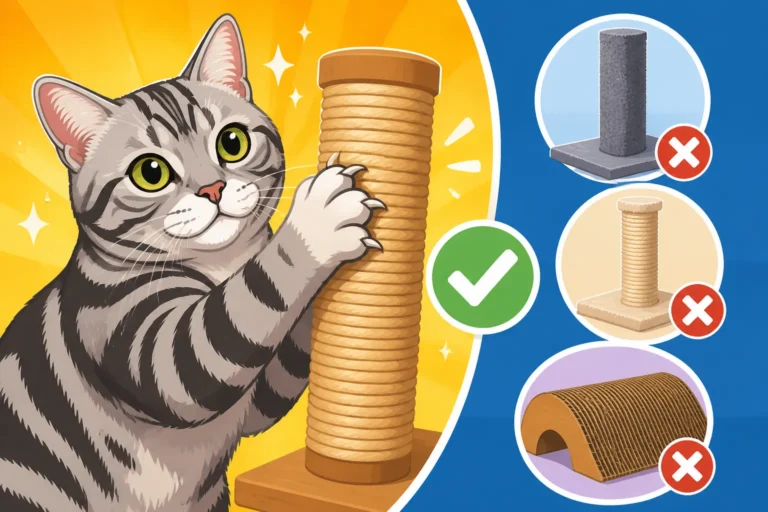
| Pounce/Capture | Inappropriate pouncing on household items, scratching | Provide durable prey-like toys (feathers, fur), allow "kill" completion, scratching posts/pads. |
| Kill/Consume | Chewing on non-toy items, counter-surfing, early wake-ups | Puzzle feeders for meals, treat dispensers, short play before meals, durable chew toys. |
| Present Prey | Bringing unwanted items, seeking attention through "gifts" | Acknowledge the "gift" with praise, then redirect to appropriate play with designated toys. |
| Territory Patrol | Destructive climbing, restless exploration | Provide cat trees, wall shelves, window perches; regular structured play to simulate patrols. |
| Crepuscular Activity | Early morning wake-ups, evening "zoomies" | Schedule interactive play sessions at dawn and dusk to align with natural activity peaks. |
General Management and Enrichment
Beyond specific behaviors, a good overall approach to managing your American Shorthair's hunting drive involves a holistic view of their environment and routine.
First, routine is comforting. Cats thrive on predictability. Try to establish regular times for feeding, play, and general interaction. This helps them feel secure and reduces anxiety, which can sometimes manifest as exaggerated hunting behaviors if they're bored or stressed.
Second, enrichment is vital. This means making their indoor environment as stimulating as possible. Think beyond just toys. Consider cat grass for a sensory experience, a window perch with a view of bird feeders (safely out of reach, of course!), or even rotating toys to keep them fresh and interesting. How Many Hunts a Day an Indoor American Shorthair Needs will vary, but consistent daily enrichment is paramount.
Finally, remember that your American Shorthair is an individual. While the breed's instincts are strong, each cat will express them differently. Pay attention to their specific play preferences, their triggers, and their unique ways of communicating their needs. By understanding their ancestral drive and providing thoughtful outlets, you'll ensure your American Shorthair remains a calm, contented, and deeply cherished member of your family.
Disclaimer
This article is for general informational purposes only and does not constitute professional advice. Laws, prices and regulations vary by location and change over time. Consult a qualified professional for guidance on your specific situation.