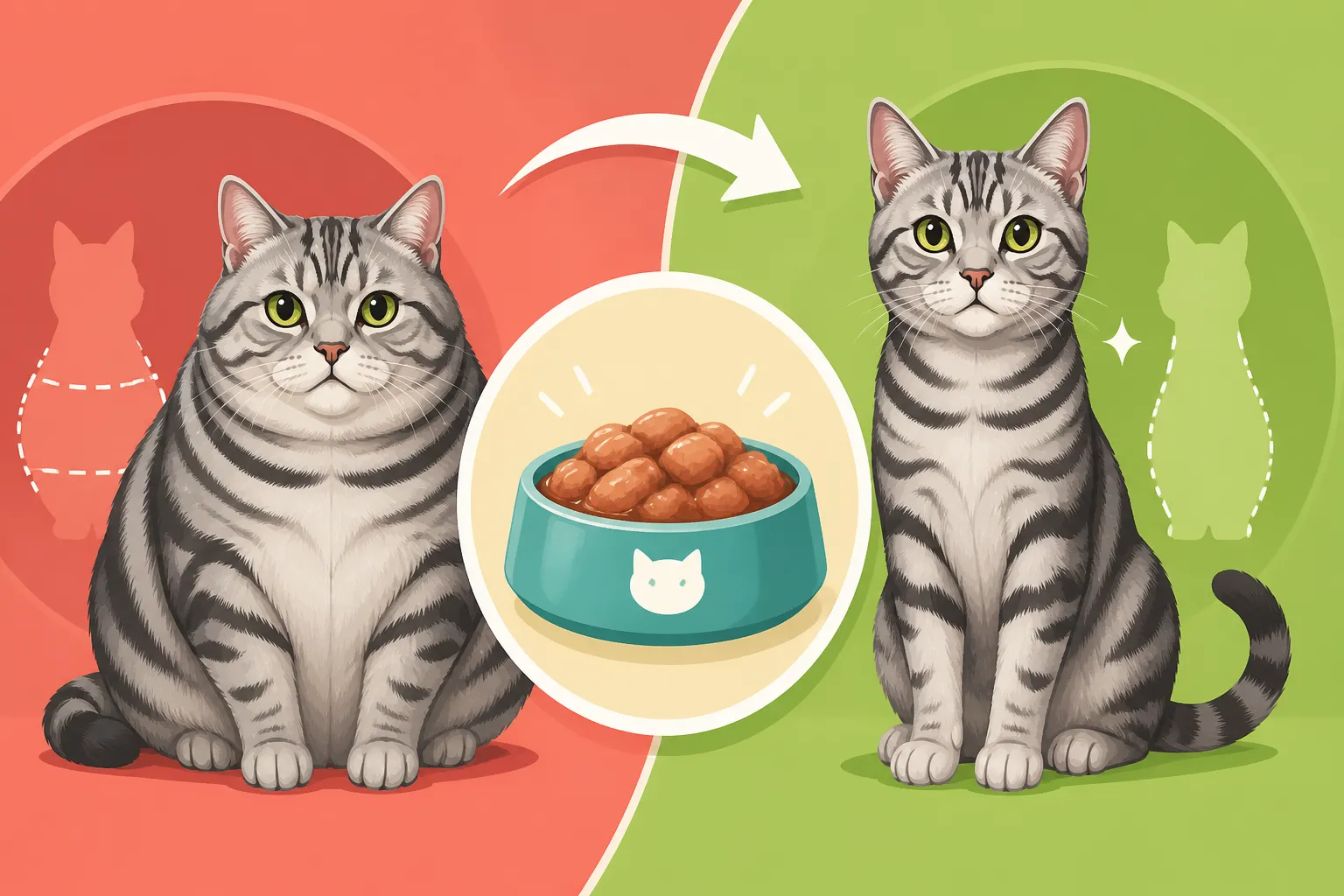
How Wet Food Helps an American Shorthair’s Waistline
It’s a common frustration for American Shorthair owners: you look at your beloved, sturdy cat and notice a bit more jiggle than usual, a waistline that’s gone from sleek to somewhat square. Given their robust build and their ancestors' history of earning their meals, it’s easy for these wonderful cats to put on a few extra pounds, especially when living a comfortable indoor life. This comprehensive guide will walk you through how incorporating wet food into your American Shorthair's diet can be a game-changer for managing their weight and overall health, offering practical advice and understanding for the challenges you face.
The American Shorthair's Unique Predisposition to Weight Gain
Understanding why your American Shorthair might be prone to weight gain is the first step toward effectively managing their waistline. These cats have a fascinating history and a natural build that, while historically advantageous, can now work against them in a modern home environment.
A Legacy of Hard Work and a Hearty Appetite
Imagine your American Shorthair's ancestors: they were the quintessential working cats, earning their keep by keeping vermin in check on ships and in barns across North America. This lifestyle demanded a sturdy, muscular build and, crucially, a highly efficient metabolism that could make the most of every meal. They hunted, they patrolled, they survived on what they could catch or what was given. This ingrained history means they evolved with a robust appetite, always ready for the next meal, because they never knew when it would come.
Fast forward to today, and your American Shorthair still carries that genetic blueprint. They have a powerful drive to eat, a natural instinct to consume what's available, honed over centuries of active, often challenging, lives. The problem is, for most housecats, the "next meal" is never far away; it's always in the bowl, or easily accessible. This mismatch between an ancient, survival-driven appetite and a modern, abundant food supply is a primary reason why weight creeps up on even the most well-meaning American Shorthair. Their bodies are still expecting to burn through far more calories than they do when lounging on the sofa. Why ending the mousing job made the American Shorthair heavy speaks to this exact shift in their daily lives.
The Sedentary Reality of Indoor Life
While we adore our American Shorthairs for their placid, adaptable nature, their transition from working cat to cherished indoor companion has had significant implications for their energy expenditure. An outdoor American Shorthair, even today, would be constantly on the move, marking territory, climbing, running, and hunting. An indoor American Shorthair, by contrast, expends far fewer calories.
Think about it: their "patrol route" might be from the living room couch to the kitchen, then to a sunny window sill. While they still possess those keen hunting instincts, the opportunities for vigorous, calorie-burning activity are dramatically reduced. Many owners might not realize just how few calories an indoor cat truly needs compared to their active ancestors or even an outdoor contemporary. How Few Calories an Indoor American Shorthair Burns is a really eye-opening read on this topic. Without careful management of their food intake, even a normal amount of dry kibble can quickly lead to an caloric surplus, resulting in steady weight gain. It's not that they're lazy; it's simply that their environment no longer requires the energy output their bodies are wired for.
The "Solid" Look Can Mask Weight Gain
American Shorthairs are renowned for their substantial, well-muscled build. They are often described as sturdy or cobby, with a broad chest and powerful legs. This "solid" appearance, while desirable for the breed standard, can actually make it harder for owners to spot weight gain in its early stages. Unlike some leaner breeds where a few extra pounds are immediately obvious, an American Shorthair can carry a surprising amount of excess weight before it becomes visibly alarming or leads to a rounded belly.
You might be thinking, "My cat just looks big, not fat!" This is a common misconception. Their dense musculature can hide a layer of fat accumulating underneath. Owners might confuse a healthy, robust frame with one that's carrying too much weight, only realizing there's a problem when their cat starts to struggle with jumping or moving gracefully. Learning How to Spot Weight Gain on a Square Built American Shorthair is essential, as subtle changes in their body condition can easily be overlooked if you're not actively looking for them. Early intervention is key, and switching to a diet that supports their natural tendencies while accounting for their indoor lifestyle is crucial.
The Science of Satiety: How Wet Food Works Its Magic
So, you understand why your American Shorthair might be packing on pounds. Now, let's talk about the how – how wet food can specifically combat this tendency, making them feel fuller and more satisfied without overdoing the calories. It's not just about what's in the food, but how its structure interacts with your cat's physiology.
Water Content as a Natural Filler
The most immediate and obvious difference between wet food and dry kibble is its moisture content. Dry kibble typically contains about 10% water, sometimes even less. Wet food, on the other hand, can be upwards of 70-80% water. This isn't just a trivial difference; it's a huge factor in how filling a meal is.
Think of it like this: if you eat a handful of crackers versus a bowl of soup, which one leaves you feeling fuller? The soup, right? The same principle applies to your cat. The high water content in wet food physically fills your cat's stomach, sending signals of satiety to their brain much faster than dry food. This means they feel full and content on fewer calories overall because a significant portion of their meal is just water, which has no caloric value. This "dilution" of calories is a powerful tool for weight management, helping your American Shorthair feel satisfied after eating, rather than constantly searching for more food. It's a simple yet incredibly effective trick that leverages their natural hunger drive without adding unnecessary calories.
Higher Protein for Muscle Maintenance and Fullness
Cats, as obligate carnivores, thrive on a diet rich in protein. Their bodies are designed to process and utilize protein much more efficiently than carbohydrates. Many high-quality wet foods are formulated with a significantly higher percentage of protein on a dry matter basis compared to typical kibble, which often relies on carbohydrates as fillers to create its structure.
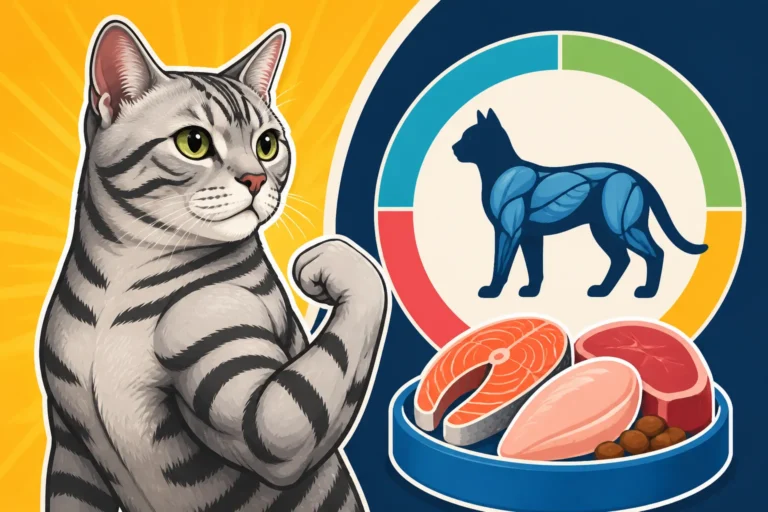
This higher protein content is vital for an American Shorthair's waistline for several reasons. Firstly, protein helps maintain lean muscle mass. When a cat loses weight, you want them to lose fat, not precious muscle. Protein helps preserve that musculature, which is especially important for a sturdy breed like the American Shorthair. Secondly, protein is incredibly satiating. It takes longer for a cat's body to digest protein compared to carbohydrates, which means the feeling of fullness lasts longer after a high-protein meal. If your American Shorthair feels full for longer, they're less likely to beg for extra snacks or overeat at their next meal. This not only aids in weight loss but also helps prevent the muscle loss that can occur with calorie restriction, keeping them strong and active. How to Score a Square Built American Shorthair's Body Condition emphasizes the importance of feeling those muscles, not just fat.
Calorie Density: Less Per Bite
When you look at a serving of dry kibble versus a serving of wet food, it might seem like the wet food is less substantial. But it's all about calorie density. Because wet food contains so much water, it has fewer calories per gram or ounce than dry food. This means your American Shorthair can eat a larger volume of food and feel more satisfied, while still consuming fewer overall calories.
Let's illustrate with a simple comparison (remember, these numbers are illustrative, and you should always check the specific caloric content on your chosen cat food packaging):
| Food Type | Water Content | Calories per Ounce (approx.) | Volume Eaten for 100 Calories | Satiety Factor |
|---|---|---|---|---|
| Dry Kibble | ~10% | 100-120 | Small portion | Lower |
| Wet Food (Pate) | ~75% | 25-35 | Much larger portion | Higher |
As you can see, to get the same amount of calories, your American Shorthair would need to eat a significantly larger amount of wet food. This larger portion size engages their digestive system more, provides that satisfying feeling of a full belly, and helps to curb incessant hunger. It's a fundamental shift in how you feed them, allowing them to feel truly content without piling on the extra pounds. This can be especially helpful if you're managing a cat that always seems hungry, despite being fed appropriate amounts of dry food.
Practical Strategies for a Successful Wet Food Transition
Changing your cat's diet, especially for a creature of habit like an American Shorthair, can sometimes feel like a monumental task. But with a strategic approach, patience, and the right tools, you can smoothly transition your cat to a wet food diet and set them on the path to a healthier weight.
Gradual Introduction and Flavor Exploration
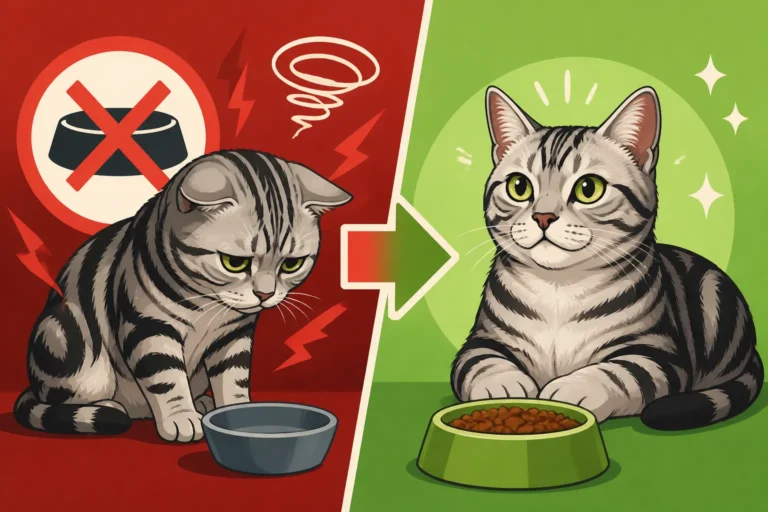
Cats can be notoriously particular about their food. A sudden switch from dry kibble to wet food might be met with disdain, or even outright refusal. The key is to introduce wet food gradually. Start by offering a tiny amount – literally a teaspoon – mixed in with their regular dry food, or even just alongside it as a separate treat. Do this for a few days, letting them get used to the new smell and texture.
Once they're accepting that small amount, slowly increase the proportion of wet food while decreasing the amount of dry kibble over a period of 1-2 weeks. Some cats might take longer, and that's perfectly fine. If your American Shorthair is particularly stubborn, try different textures (pate, shredded, chunky) and flavors. What one cat might turn their nose up at, another will adore. You might find a great variety on platforms like Chewy or Amazon, which offer different brands and types to experiment with. Patience is truly a virtue here; forcing a fast switch can lead to food aversion.
Mindful Portioning and Meal Timing
Even with wet food, portion control remains paramount. While it's lower in calorie density, feeding too much of any food will still lead to weight gain. Start by consulting the feeding guidelines on the wet food can or pouch, but remember these are just starting points. Your American Shorthair's ideal caloric intake will depend on their current weight, target weight, activity level, and age. Your vet can provide a precise calorie target, especially for weight loss. How a Vet Builds an American Shorthair's Weight Loss Plan goes into detail about this.
Instead of leaving food down all day, which often leads to overeating, try to establish a mealtime routine. Two to three scheduled meals a day for an adult American Shorthair works well. This mimics a more natural hunting pattern and allows you to accurately measure and monitor their intake. Use a kitchen scale to weigh out portions, as "a quarter can" can vary wildly depending on your interpretation. If you have a cat that eats too quickly, consider a slow feeder bowl or spreading the wet food on a flat plate to encourage slower consumption.
Making Them "Work" for Their Dinner
Remember your American Shorthair's hunting instincts? You can tap into that even with wet food to provide mental stimulation and a bit of physical activity, which can help with satiety and engagement. This doesn't mean hiding a can of food under the sofa, but rather using food-dispensing toys or puzzle feeders designed for wet food.
There are various styles available on sites like Chewy or Amazon – from lick mats that spread the wet food thin, making it last longer, to hollow toys that you can stuff with a pate and freeze. These methods make your cat engage their brains and paws to get their meal, turning mealtime into a mini-hunt. Not only does this slow down their eating, but it also provides enrichment, helping to alleviate boredom which can sometimes lead to overeating. Making them "work" a little for their dinner can be a really satisfying experience for an American Shorthair, tapping into those deep-seated instincts. Making an American Shorthair Work for Its Dinner Again offers more ideas on this.
Beyond the Waistline: Additional Benefits of Wet Food
While weight management is a primary driver for many owners considering wet food, it’s far from the only advantage. A diet rich in moisture and high-quality protein can have a ripple effect, improving several aspects of your American Shorthair's overall health and wellbeing.
Enhanced Hydration and Urinary Tract Health
One of the most significant, yet often overlooked, benefits of a wet food diet is the dramatic increase in your cat's daily water intake. Cats, by nature, don't have a strong thirst drive compared to other animals. Their ancestors got most of their hydration from their prey. Dry kibble offers very little moisture, meaning cats eating only dry food need to drink a lot of water separately to stay adequately hydrated. Many simply don't drink enough.
Insufficient hydration is a major contributing factor to a range of urinary tract issues, including the formation of urinary crystals and stones, and conditions like cystitis (bladder inflammation). Male American Shorthairs, in particular, are susceptible to urinary blockages due to their narrower urethras. Feeding wet food ensures a consistent, high level of hydration through their diet, flushing out the urinary system regularly. This helps keep the urine diluted, making it less concentrated and reducing the likelihood of crystal formation. This proactive approach to hydration is a huge win for preventing painful and costly urinary problems. Why a Male American Shorthair's Urethra Blocks First highlights this critical vulnerability.
Supporting Kidney Function and Preventing Constipation
As American Shorthairs age, like many cats, they can become more prone to kidney disease. Adequate hydration is absolutely crucial for supporting healthy kidney function, as the kidneys need plenty of fluid to filter waste products efficiently from the blood. A lifetime of chronic dehydration from a dry food-only diet can put undue stress on these vital organs. Wet food provides that consistent hydration, potentially helping to slow the progression of kidney issues and support overall renal health in the long run.
Beyond the kidneys, the digestive system also benefits greatly from higher moisture content. Constipation is a surprisingly common problem in cats, especially older or less active ones, and those on dry diets. When stool is dry and hard, it's difficult to pass. The moisture in wet food helps to keep the digestive tract moving smoothly, ensuring softer, easier-to-pass stools. This can dramatically improve your American Shorthair's comfort and prevent painful episodes of straining in the litter box, which can be a real sign of distress.
Potential for Better Dental Health (with caveats)
There's a persistent myth that dry kibble "cleans" a cat's teeth. While some specialized dental kibble can offer minor abrasive benefits, regular dry food generally does very little to prevent plaque and tartar buildup. In fact, many kibbles are high in carbohydrates, which can stick to teeth and contribute to dental issues.
Wet food, while not inherently "cleaning" in a mechanical sense, doesn't contribute to dental problems in the same way. The absence of dry, sugary coatings means fewer particles to adhere to the teeth. The texture also means less opportunity for tiny bits to get stuck between teeth. While you'll still need to maintain a proper dental hygiene routine (which ideally includes regular brushing, dental treats, and professional cleanings), a wet food diet can be less detrimental to dental health than a kibble-heavy diet. For an American Shorthair, a breed known for its robust jaw structure but still susceptible to dental disease over a long lifespan, this can be a quiet but important benefit. Why Gum Disease Is the American Shorthair's Quietest Problem reveals how easily dental issues can sneak up on us.
Troubleshooting and Advanced Tips for Wet Food Success
Even with the best intentions, transitioning to or maintaining a wet food diet can present challenges. But don't despair! There are always solutions and advanced strategies to help your American Shorthair thrive on their new meal plan.
Dealing with Picky Eaters and Food Aversions
Some American Shorthairs are, let's just say, opinionated about their food. If your cat is turning their nose up at wet food, it might not be the wet food itself, but the specific brand, flavor, or texture. Don't give up after one or two tries. Here are some tactics:
- Vary Textures: Is your cat used to crunchy kibble? They might prefer a chunkier wet food initially, something that offers a bit more chew. Or, conversely, a smooth pate might appeal more. Explore options like shredded chicken, flaked fish, or meaty gravies.
- Warm It Up: Gently warming wet food in the microwave (ensure it's not hot!) can enhance its aroma, making it more appealing to a reluctant eater. Cats are very scent-driven, and a warm, fragrant meal can be irresistible.
- Taste Test Several Brands: Just like humans have preferences, so do cats. Don't assume one brand or flavor represents all wet food. Try fresh, human-grade wet food options or different protein sources like chicken, turkey, salmon, or beef. Keep a small variety pack on hand to see what sticks.
- The "Clean Bowl" Rule: Don't leave wet food out for more than 30-60 minutes, especially if your cat isn't eating it. After that, pick it up. This teaches them that food is available at specific times, and if they don't eat it, it goes away. It also prevents bacterial growth.
Integrating Treats and Supplements Mindfully
When you're actively managing your American Shorthair's weight with wet food, every calorie counts. This means being very mindful of treats. While occasional treats are fine for enrichment and bonding, they can quickly undo all the good work of a carefully portioned wet food diet. Opt for low-calorie, high-protein treats, or even use a small portion of their daily wet food allowance as a "treat" in a puzzle feeder.
Supplements, if recommended by your vet, should also be factored into their diet. For example, if your American Shorthair is older or has joint issues, your vet might suggest a joint supplement. Discuss with your vet how these can be incorporated without adding unnecessary calories or disrupting their weight loss plan. The goal is to ensure a balanced, calorie-controlled diet that supports their health from all angles. What an American Shorthair Should Weigh at Its Frame remains your reference point for their ideal body condition.
Long-Term Management and Monitoring Progress
Transitioning to wet food is a fantastic step, but weight management is an ongoing journey. Regularly monitor your American Shorthair's weight at home using a baby scale or by weighing yourself, then picking up your cat and subtracting your weight. Track their progress weekly or bi-weekly.
Beyond the scale, regularly assess their body condition score by gently feeling their ribs and spine. You should be able to feel their ribs without pressing hard, and they should have a discernible waistline when viewed from above. Their activity levels and coat condition can also be indicators of overall health. If you notice a plateau in weight loss, or if your cat seems lethargic or unusually hungry, it's time to consult your vet. They can help adjust the caloric intake, rule out any underlying medical conditions, and provide continued guidance to ensure your American Shorthair lives a long, healthy, and happy life at their ideal weight. How Many Months an American Shorthair's Weight Plan Runs is a helpful resource for understanding the commitment required.
Disclaimer
This article is for general informational purposes only and does not constitute professional advice. Laws, prices and regulations vary by location and change over time. Consult a qualified professional for guidance on your specific situation.