Whether Kibble Alone Suits an American Shorthair
It’s a common scenario: you’ve got a busy life, and your American Shorthair is purring contently with a bowl of kibble in front of them. It seems convenient, easy, and many cat owners rely solely on dry food. But deep down, you might wonder if this single-source diet truly meets all the needs of a breed known for its robust health and a history steeped in hunting. This guide will explore whether kibble alone is genuinely sufficient for your beloved American Shorthair, delving into their unique requirements and how different feeding approaches can impact their well-being.
Understanding the American Shorthair's Ancestral Diet
Before they were pampered house pets, American Shorthairs, or their ancestors, were working cats. They were the original pest control, keeping rodents off ships and out of barns and homes. This history profoundly shaped their physiology and, consequently, their dietary needs.
The Hunter's Legacy and Modern Kibble
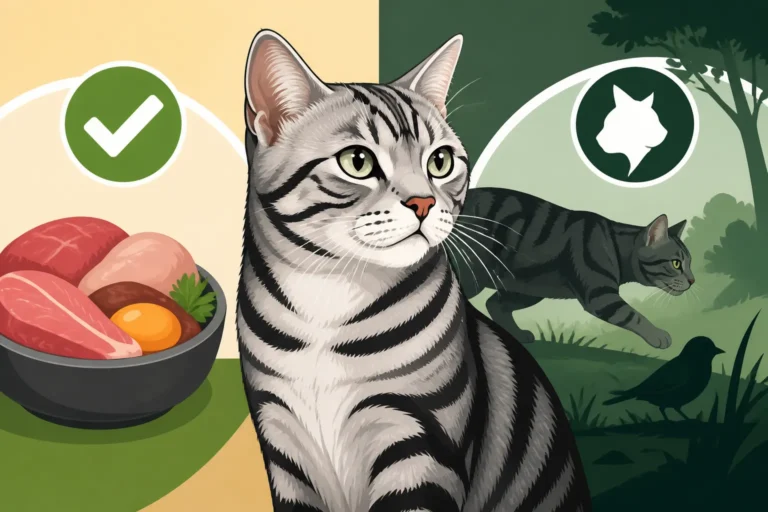
Imagine your American Shorthair's ancestors: lean, muscular, and perpetually on the hunt. Their diet consisted almost entirely of fresh prey – think mice, small birds, and insects. This meant a diet rich in protein, moderate in fat, and incredibly low in carbohydrates. Crucially, their prey also provided a significant amount of moisture, keeping them naturally hydrated. These cats didn't graze on dry biscuits; they consumed whole, fresh food.
Today's American Shorthair still carries that genetic blueprint. Their digestive systems are primarily designed to process animal-based protein and fat, not the plant-based carbohydrates often found in dry kibble. While modern cat food science has come a long way, replicating the nutritional profile of a freshly caught meal in a shelf-stable dry pellet is a challenge. Many contemporary kibbles rely on grains or starches as binders, which are far removed from what a cat's system is optimized to digest. Understanding this ancestral context is key to assessing whether kibble alone truly suits them.
Why the American Shorthair's Appetite Outlasted Its Job
Even though most American Shorthairs today are beloved indoor companions with no real hunting duties, their instinctual drive to eat often remains strong. They come from a lineage where food wasn't always guaranteed, and having a hearty appetite was a survival trait. This can lead to a tricky situation with modern feeding. Why an American Shorthair's Appetite Outlasted Its Job dives deeper into this fascinating aspect of their history.
For a cat whose ancestors expended significant energy hunting for every meal, the transition to a sedentary indoor lifestyle, coupled with readily available, calorie-dense kibble, can quickly lead to weight gain. This is especially true if a bowl is left down all day. The natural "feast or famine" cycle of a hunter is replaced by constant availability, often leading to overconsumption. This isn't a fault of the cat, but rather a mismatch between their inherent drives and their modern environment. The high carbohydrate content in many kibbles can also contribute to a feeling of less satiety compared to a protein-rich meal, causing your American Shorthair to feel hungry sooner and eat more.
The Pros and Cons of an All-Kibble Diet
Many cat owners opt for kibble because, let's be honest, it makes life a lot easier. But convenience shouldn't always come at the expense of optimal health, especially for a cat breed celebrated for its natural vigor like the American Shorthair.
The Convenience Factor and Cost Considerations
There's no denying the practical advantages of an all-kibble diet. Dry food is incredibly convenient to store, requiring no refrigeration and staying fresh in an airtight container for weeks. It's also far less messy than wet food, making clean-up a breeze. For busy households, or those utilizing automatic feeders for scheduled meals, kibble is the undisputed champion of ease. It also typically has a longer shelf life once opened, reducing waste.
From a financial perspective, kibble often appears to be the more economical choice upfront. Per pound, dry cat food is generally less expensive than wet food, and it can last longer, stretching your budget further. Many owners purchase large bags from retailers like Chewy or Amazon, further reducing the cost per serving. This perceived affordability and undeniable convenience are strong motivators for many to stick with a kibble-only approach for their American Shorthair. However, it's worth considering the potential long-term health costs that might arise from an exclusively dry diet.
Potential Nutritional Gaps and Hydration Concerns
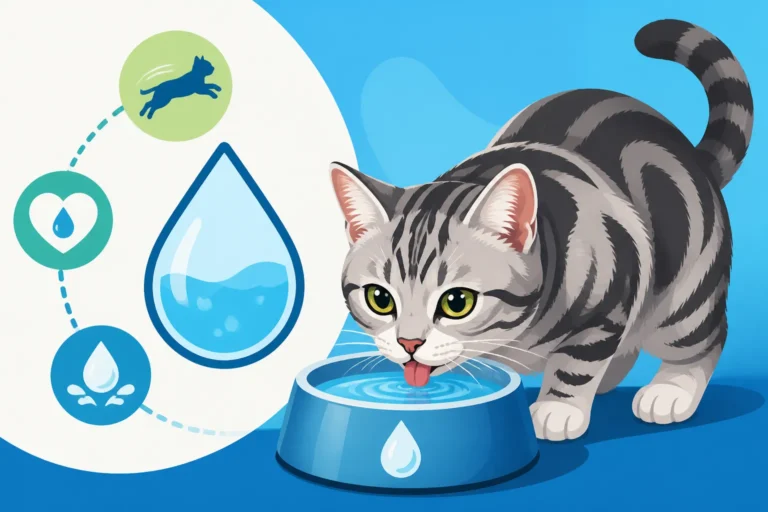
Despite the convenience, an all-kibble diet presents some significant challenges for an American Shorthair. The most prominent issue is hydration. Cats, by nature, have a low thirst drive because their wild ancestors obtained most of their water directly from their prey. Dry kibble contains very little moisture, usually around 5-10%. This means a cat on an exclusively kibble diet needs to drink a lot of water to compensate, and many simply don't. Chronic low-level dehydration can put a strain on their kidneys and urinary tract over time. How Much Water an American Shorthair Should Drink explains the importance of this.
Another concern is the carbohydrate content. While many quality kibbles use better ingredients, dry foods still generally contain more carbohydrates than a cat's natural diet. Cats don't have a dietary need for carbohydrates; their bodies are designed to derive energy from protein and fat. High carbohydrate intake can contribute to issues like obesity, which is a major problem for many indoor American Shorthairs, and can even increase the risk of diabetes. What an American Shorthair Should Weigh at Its Frame delves into ideal weight management. Also, the processing required to create kibble can sometimes reduce the bioavailability of certain nutrients, even if they are listed on the label.
The Role of Wet Food and Other Dietary Supplements
Given the limitations of an exclusively kibble diet, many American Shorthair owners look for ways to enhance their cat's nutrition. Incorporating wet food or exploring other options can make a significant difference.
Boosting Hydration and Nutrient Intake
Introducing wet food into your American Shorthair's diet is one of the easiest and most impactful ways to address the hydration issue. Wet food typically contains around 70-80% moisture, closely mimicking the water content of natural prey. This passive hydration helps support kidney function and urinary tract health, which are crucial for any cat, but especially beneficial for those whose primary diet is dry. Even just one wet meal a day can significantly improve your cat's overall water intake.
Beyond hydration, wet food often provides a higher concentration of animal-based protein and less carbohydrate filler compared to many kibbles. This aligns more closely with the American Shorthair's carnivorous needs, supporting their muscle mass and overall vitality. When looking for wet food, prioritize options with named meat sources as the first ingredients. You can find a vast selection on platforms like Amazon or Chewy, offering various textures and flavors to tempt even the pickiest palate. For owners interested in exploring fresh, human-grade options, tailored meal plans that prioritize whole ingredients and moisture content are gaining popularity. How Wet Food Helps an American Shorthair's Waistline further emphasizes these benefits.
When to Consider a Mixed Diet
For many American Shorthairs, a mixed diet that combines both wet and dry food offers the best of both worlds. It provides the convenience of kibble while mitigating some of its drawbacks with the added hydration and higher quality protein of wet food. You could offer wet food in the morning and evening, leaving a smaller portion of kibble out for grazing during the day, or use puzzle feeders to make them "work" for their dry food, which mimics their hunting instinct. Feeding an American Shorthair That No Longer Hunts Its Food provides excellent strategies for this.
Another consideration is supplementing their diet. While a well-balanced commercial diet should cover most needs, some owners consider fish oil for coat health or probiotics for digestion. However, always consult your veterinarian before adding supplements, as too much of a good thing can sometimes be harmful. For an American Shorthair, whose working frame needs robust nutrition, choosing a diet that supports their musculature is key. Which Food Suits an American Shorthair Built for Muscle offers more guidance on selecting appropriate food.
Making Informed Dietary Choices for Your American Shorthair
Deciding on the best diet for your American Shorthair isn't a one-size-fits-all situation. It requires careful consideration, professional advice, and keen observation of your individual cat. After all, they each have their own quirks and preferences!
Consulting Your Veterinarian
The absolute best resource for tailoring your American Shorthair's diet is your veterinarian. They know your cat's medical history, current health status, and any specific predispositions. They can help you evaluate your cat's current body condition, discuss any underlying health issues (like early kidney disease or a tendency towards urinary crystals), and recommend appropriate food types or brands. Your vet can also guide you on portion sizes, taking into account your cat's age, activity level, and whether they are spayed or neutered. How Many Calories a Working Framed American Shorthair Needs a Day is a crucial piece of information your vet can help you calculate.
Don't be afraid to come to your vet appointment with questions about ingredients, carbohydrate levels, or the pros and cons of different feeding styles. They can help you decipher confusing food labels and make recommendations that align with both your lifestyle and your cat's health needs, ensuring you’re making the most informed choices.
Observing Your Cat's Health and Preferences
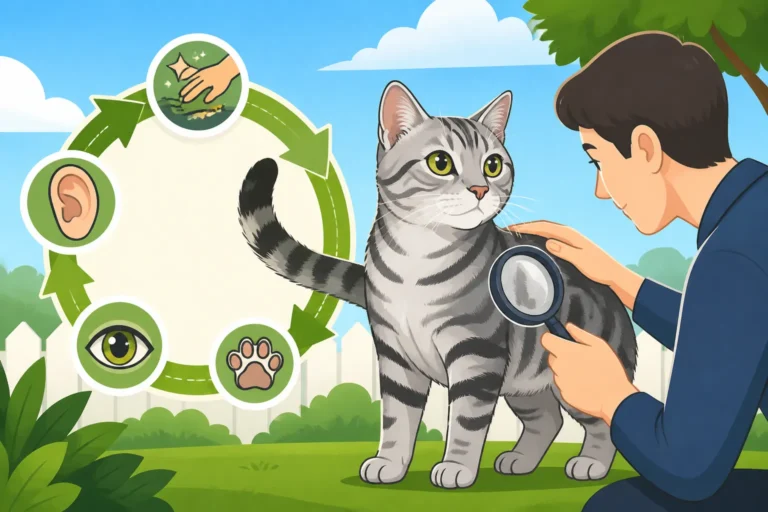
Ultimately, your American Shorthair will tell you what works for them, through their health and behavior. Pay close attention to their energy levels, coat quality, litter box habits, and overall demeanor. Is their coat shiny and soft? Are they playful and active? Is their stool well-formed? These are all indicators of good health and a suitable diet. If you notice any changes, such as lethargy, a dull coat, unexplained weight loss or gain, or changes in urination or defecation, it's time for a vet check-up and a dietary review.
Also, consider your cat's preferences. Some American Shorthairs are notoriously picky, while others will eat anything. If you're trying to transition to a mixed diet, do it slowly and offer a variety of wet food textures and flavors to find what your cat enjoys most. Remember, a cat that refuses to eat isn't getting any nutrients. A bowl left down can sometimes lead to an American Shorthair eating out of boredom rather than hunger, so monitoring intake is important. Why a Bowl Left Down Undoes an American Shorthair offers more insights into this common issue.
Here’s a quick comparison to help you weigh your options:
| Feature | Kibble (Dry Food) | Wet Food (Canned/Pouched) |
|---|---|---|
| Convenience | High (easy storage, long shelf life, auto-feeders) | Moderate (requires refrigeration, can be messy) |
| Cost | Generally lower per serving | Generally higher per serving |
| Moisture Content | Very Low (5-10%) | Very High (70-80%) |
| Carbohydrates | Often Higher | Often Lower |
| Protein Source | Can be mixed plant/animal-based | Usually primarily animal-based |
| Satiety | May lead to quicker hunger (due to carb content) | Can promote greater fullness |
| Dental Health | Often marketed as helping, but efficacy debated | No inherent dental benefits |
| Weight Mgmt. | High risk for obesity if free-fed | Easier to manage portions, aids satiety |
| Urinary Health | Can contribute to dehydration/issues | Helps maintain hydration, supports urinary health |
Ultimately, while kibble alone can sustain an American Shorthair, it's generally not the most optimal diet for their long-term health, especially given their ancestral needs for high moisture and animal protein. Many owners find that a combination of high-quality wet and dry food, or even exploring fresh food options, better supports the robust health and well-being of their beloved American Shorthair. It's about finding a balance that works for both you and your feline friend.
Disclaimer
This article is for general informational purposes only and does not constitute professional advice. Laws, prices and regulations vary by location and change over time. Consult a qualified professional for guidance on your specific situation.