How Much Water an Active American Shorthair Gets Through
It's a common worry for us cat parents: are our beloved felines drinking enough water? This is especially true if you have an active American Shorthair, a breed known for its robust health and often, its playful, energetic nature. This guide will walk you through why proper hydration is paramount for your athletic feline, what factors influence their thirst, how to encourage them to drink more, and when it’s time to consult your vet.
The Crucial Role of Water for Your Active American Shorthair
Let's be honest, cats aren't exactly known for guzzling water like a dog after a long walk, and American Shorthairs are no exception. They often evolved in arid environments, getting much of their moisture from their prey. However, a modern, active American Shorthair still needs consistent hydration to thrive, perhaps even more so than their more sedate counterparts.
Why Hydration is Absolutely Vital for Your Feline Friend
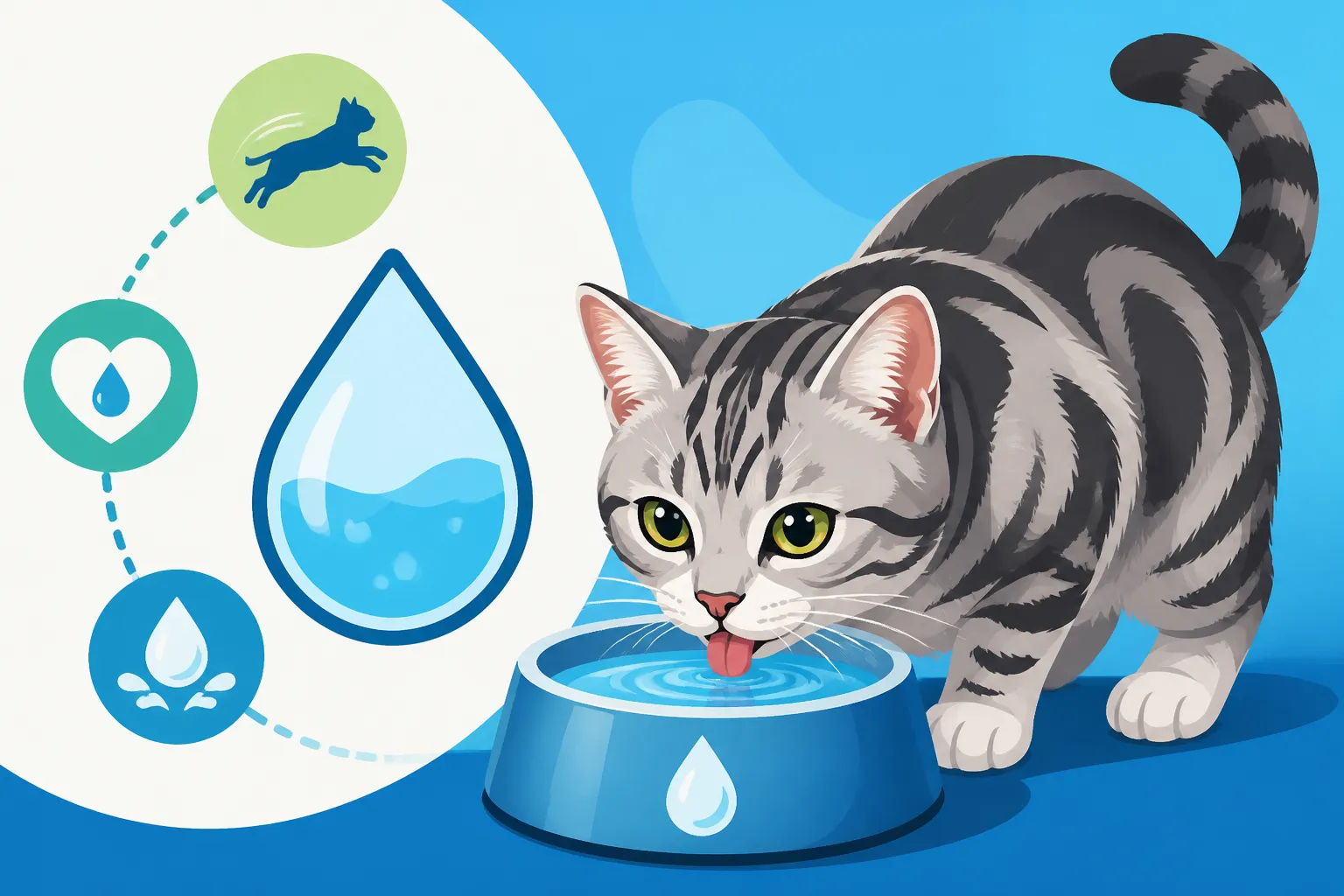
Think of water as the unsung hero of your cat's body. It's involved in virtually every bodily process. For an active American Shorthair, this means everything from lubricating their joints as they bound around the house, to helping their muscles recover after a vigorous play session. Dehydration can quickly lead to a domino effect of issues, impacting everything from nutrient absorption to waste elimination. It's not just about preventing thirst; it's about supporting optimal organ function, maintaining body temperature, and ensuring a healthy metabolism. Without enough water, their bodies simply can't perform at their best, and that robust American Shorthair vitality starts to wane.
An American Shorthair's Ancestral Needs and Modern Living
Our American Shorthairs descend from hard-working cats, often known for their mousing skills. The American Shorthair Still Hunts, Whether You Want It To or Not. This lineage means they're built with a strong, muscular frame and a keen instinct for activity. While today's pampered indoor American Shorthair might not be chasing barn rats all day, they still possess that inherent drive. Whether it's zooming through the living room or pouncing on a toy, this activity increases their metabolic rate and, consequently, their need for fluids. Their bodies are designed for efficiency, but even the most efficient system requires its essential components – and water is at the top of that list. Understanding this helps us appreciate why we can't just assume they'll drink enough on their own.
What Influences Your American Shorthair's Daily Water Needs
It's not a one-size-fits-all answer when it comes to how much water your American Shorthair needs. Several factors play a significant role, and it's essential for us as their caregivers to consider them all.
Activity Level and Energy Output
This might seem obvious, but an American Shorthair that spends its days actively exploring, climbing, and engaging in vigorous play will naturally need more water than one who prefers long naps on the sofa. If your American Shorthair is still chasing invisible mice under the rug or engaging in intense zoomies, their muscles are working, their heart rate is up, and they're expending energy, all of which increases their fluid requirements. Just like us, a more active lifestyle demands more water to replenish lost fluids and keep everything functioning smoothly. If you've got a cat that embodies that classic hunting spirit, you'll need to be extra vigilant about their water intake.
The Impact of Diet Type: Wet Food vs. Dry Kibble
This is perhaps the single biggest factor influencing how much water your American Shorthair will drink directly from a bowl.
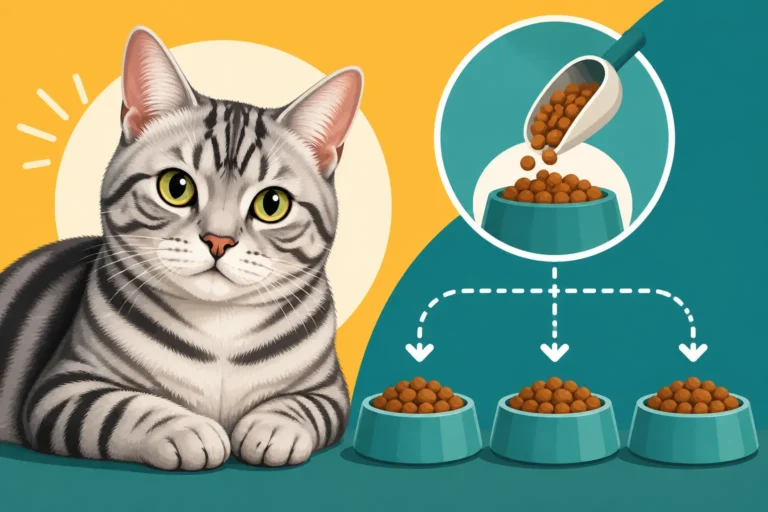
Cats on a purely dry kibble diet will always need to drink significantly more water to compensate for the lack of moisture in their food. Dry kibble typically contains only about 6-10% water.
In contrast, wet food, whether it's a pate or chunky gravy, is usually around 70-80% water. If your American Shorthair primarily eats wet food, they're getting a substantial amount of their daily fluid intake directly from their meals. This is why many vets advocate for at least a partial wet food diet, especially for cats prone to urinary issues. Think about it: if you get most of your water from your food, you're not going to be as thirsty between meals. This is a vital consideration when you're trying to figure out How Much Water an American Shorthair Should Drink.
Environmental Factors, Age, and Health Considerations
Beyond diet and activity, the environment plays a role. During warmer months or if your home is kept very warm and dry, your American Shorthair will lose more moisture through respiration and evaporation, increasing their need for water.
Age also comes into play. Growing kittens have high metabolisms and need plenty of water, while senior American Shorthairs might be less active but can be more susceptible to dehydration due to age-related changes in thirst sensation or underlying health issues. Caring for an American Shorthair Past Twelve often involves a closer look at their hydration status.
Certain health conditions, like kidney disease or diabetes, will drastically increase a cat's water intake. If you notice your cat suddenly drinking a lot more or a lot less, it’s a definite sign to check in with your vet. For instance, How Kidney Disease Creeps Up on an Old American Shorthair is a critical piece of knowledge, as increased thirst can be an early indicator.
Here's a general guide to estimating daily water needs, but remember, every cat is an individual!
| American Shorthair Weight (approx.) | Diet Type | Estimated Daily Water Intake (ml/oz) | Notes |
|---|---|---|---|
| 8-10 lbs (3.6-4.5 kg) | Dry Kibble | 160-200 ml (5.4-6.8 oz) | This is additional water needed beyond what dry food provides. |
| 8-10 lbs (3.6-4.5 kg) | Wet Food | 80-100 ml (2.7-3.4 oz) | Less direct drinking needed due to high moisture content in food. |
| 11-14 lbs (5-6.4 kg) | Dry Kibble | 220-280 ml (7.4-9.5 oz) | A larger, more muscular cat will naturally need more. What an American Shorthair Should Weigh at Its Frame is a good reference. |
| 11-14 lbs (5-6.4 kg) | Wet Food | 110-140 ml (3.7-4.7 oz) | Still less direct drinking due to dietary moisture. |
Note: These are general guidelines. Active cats, hot weather, or certain health conditions will increase these needs.
Encouraging Adequate Water Intake for Your American Shorthair
Since our American Shorthairs can be a bit particular (understatement of the year for cat owners!), getting them to drink enough often requires a bit of creativity and observation on our part.
The Power of Multiple and Varied Water Sources
Don't just stick to one water bowl in one location and hope for the best. Cats are often finicky about where and how they drink.
- Location, Location, Location: Place multiple water bowls around your home, away from their food bowls and litter boxes. Cats instinctually don't like to drink near where they eat or eliminate. Think about where they might "patrol" in your home.
- Bowl Materials: Experiment with different materials. Some cats prefer ceramic, others stainless steel, some even glass. Plastic bowls can sometimes retain odors or develop scratches where bacteria can harbor, which might put off a sensitive feline.
- Size and Depth: A wide, shallow bowl is often preferred, as it doesn't bother their whiskers. Whiskers are incredibly sensitive, and bumping them against a narrow bowl can be irritating.
Introducing Water Fountains and Other Novelties
Many cats are absolutely fascinated by moving water. This harks back to their wild instincts, where running water was often safer and fresher than stagnant pools. A good quality pet water fountain can be a game-changer. Brands like those you can find on Chewy or Amazon offer a wide range of options, from ceramic to stainless steel, with different flow settings. Whether a Water Fountain Suits an American Shorthair is often a matter of trial and error, but many owners find success.
Beyond fountains, consider adding a few ice cubes to their water bowl, especially on hot days. Some cats enjoy batting at them, and it slowly releases more cool water. You could also try leaving a dripping faucet for a short period if you know your cat loves it, though this isn't a sustainable long-term solution. Another idea is to offer water in unexpected places, like a glass on your bedside table (assuming it's safe and won't be knocked over!).
Strategic Dietary Adjustments
As mentioned, increasing wet food in your American Shorthair's diet is one of the most effective ways to boost their overall hydration. Even mixing a small amount of water or low-sodium, plain chicken/beef broth into their wet food can help. Just a tablespoon or two can make a difference. If you're feeding a dry kibble diet, consider transitioning to at least a partial wet food regimen. This doesn't mean you have to switch completely, but even one wet meal a day can provide a significant hydration boost. Remember to introduce new foods gradually to avoid upsetting their stomach.
Spotting Dehydration and When to Seek Veterinary Advice
Even with all our best efforts, sometimes cats don't drink enough. Knowing the signs of dehydration can help you act quickly.
Key Signs of Dehydration in Your American Shorthair
Cats are masters at hiding discomfort, so you need to be observant.
- Skin Tent Test: Gently pinch the skin between your American Shorthair's shoulder blades and lift it slightly. In a well-hydrated cat, the skin should snap back into place almost immediately. If it's slow to return or "tents" (stays peaked) for a moment, it indicates dehydration.
- Lethargy and Weakness: A dehydrated cat will often be less active, appear tired, and might seem generally weak. Their usual playfulness might be absent.
- Sunken Eyes: Their eyes might appear dull or sunken into their sockets.
- Dry Gums: Check their gums. They should be moist and pink. If they feel tacky or dry to the touch, it's a red flag.
- Decreased Urination: Pay attention to their litter box habits. Fewer urine clumps or smaller clumps can indicate less fluid intake. Why a Male American Shorthair's Urethra Blocks First is a serious concern, and proper hydration is key to preventing such issues.
Monitoring Water Intake and When to Worry
It can be tricky to precisely measure how much your cat drinks, especially with multiple cats or if they have access to various water sources. However, you can estimate. Try filling a bowl with a measured amount of water each morning and checking how much is left the next day. This gives you a baseline. If you notice a significant drop in their usual intake, or if they seem overly thirsty but aren't drinking, it's a concern.
A sudden change in drinking habits, either drinking much more or much less, always warrants a vet visit. Excessive thirst can indicate underlying conditions like diabetes or kidney issues. If you notice any of the dehydration signs mentioned above, especially in combination with other symptoms like vomiting, diarrhea, or loss of appetite, don't delay. Prompt veterinary care in cases of severe dehydration can be life-saving. Your vet can perform tests, assess their hydration status, and recommend appropriate interventions, which might include subcutaneous fluids to quickly rehydrate them. It's always better to be safe than sorry when it comes to your beloved American Shorthair's health.
Disclaimer
This article is for general informational purposes only and does not constitute professional advice. Laws, prices and regulations vary by location and change over time. Consult a qualified professional for guidance on your specific situation.