Why Ending the Mousing Job Made the American Shorthair Heavy
It's a common dilemma we see with our beloved American Shorthairs: they're known for being sturdy, robust cats, but many suddenly find themselves struggling with weight gain once they've settled into a cushy indoor life. This isn't just about overfeeding; it's a deep-seated evolutionary challenge. This guide will dive into the historical roots of the American Shorthair's natural athleticism and how the abrupt end of their "mousing job" has profoundly impacted their metabolic needs and led to an all-too-common struggle with extra pounds.
The American Shorthair's Energetic Heritage
To truly understand why our American Shorthairs are so prone to weight gain, we have to journey back in time, long before they were cherished household companions. These cats weren't bred for their looks or a particular temperament as much as they were for their utility. They were, first and foremost, working animals, earning their keep on farms, in barns, and even aboard ships, where their "job" was critical for survival.
The Demands of a Hunter's Life
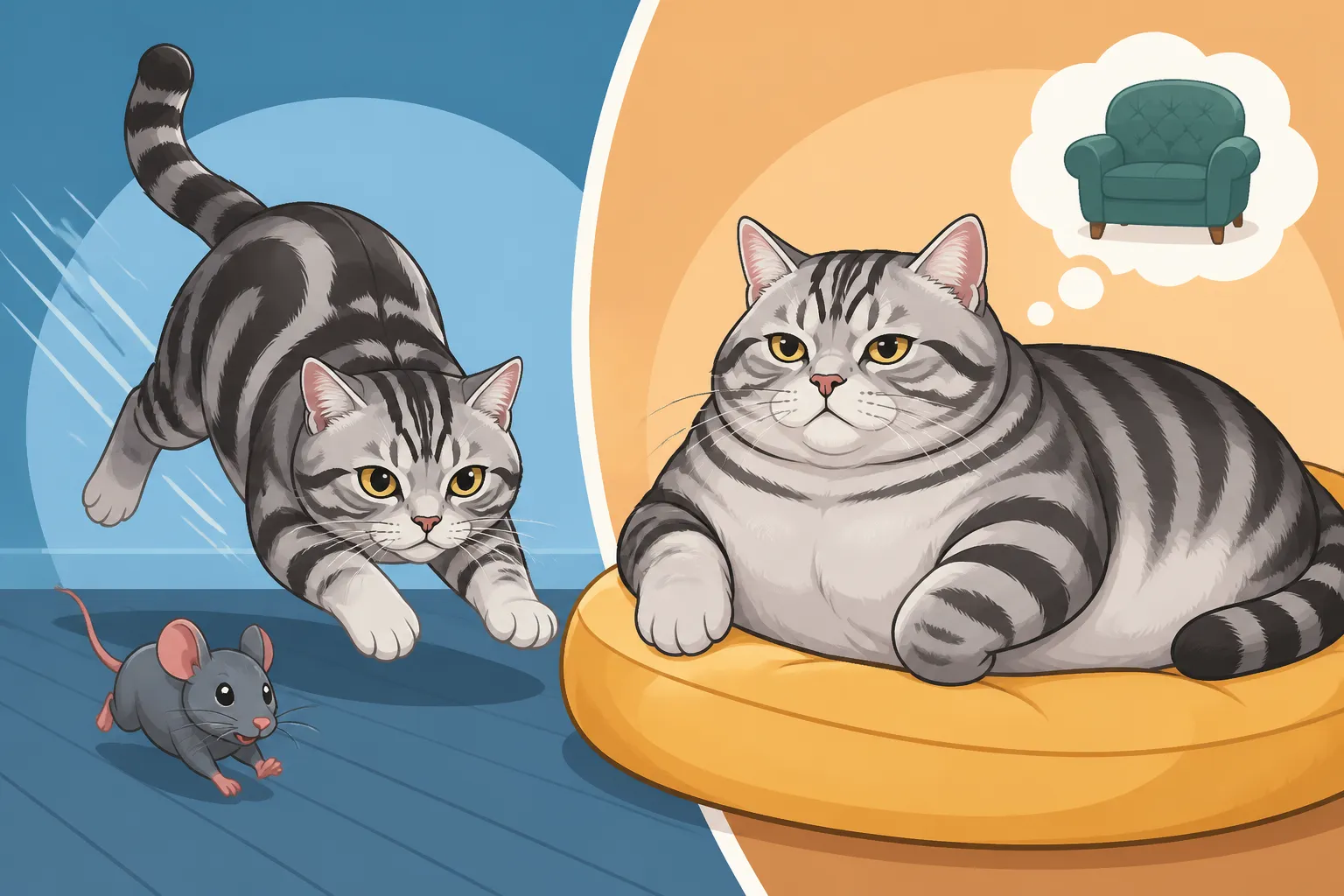
Imagine a cat living on a bustling farm in colonial America. Life wasn't about leisurely naps in sunbeams; it was a constant cycle of patrol, stalk, and chase. These cats were the original pest control, keeping barns and larders free of rodents. This active lifestyle meant they were constantly burning calories, often running significant distances, climbing structures, and engaging in intense bursts of hunting activity throughout the day and night. Their bodies evolved to be lean, muscular, and incredibly efficient, capable of sustained physical effort. Every meal was, in essence, earned through physical exertion. This constant physical output meant that their metabolism was geared towards high energy expenditure, and their frames were designed for agility and strength. You can read more about how their instincts remain strong even today in our article, The American Shorthair Still Hunts, Whether You Want It To or Not.
Instinctive Eating Habits Forged by Survival
When you're a working cat, you don't always know when your next meal is coming. This reality shaped the American Shorthair's instinctive eating habits. They learned to eat when food was available, to fuel their demanding lifestyle, and to store energy for leaner times. This isn't gluttony; it's a hardwired survival mechanism. They weren't accustomed to a perpetually full bowl; their bodies were primed to make the most of every calorie. In the wild, or on a farm, if they caught a mouse, they ate it. If they found scraps, they consumed them. There was no concept of portion control or a "light" diet. This deep-seated instinct to eat when food is present becomes a real challenge when their caloric expenditure drops dramatically but their urge to eat remains.
The Shift to Domestic Life and Caloric Imbalance
The transition from a hard-working barn cat to a pampered house pet, while a boon for comfort and safety, created a fundamental imbalance for the American Shorthair's physiology. Their genetic blueprint still expects a life of constant activity, but their modern reality is far different.
Reduced Activity and Energy Burn
Moving indoors meant the end of the daily "mousing job" and all the intense physical activity that came with it. No more chasing rodents across fields, climbing rafters, or defending territory against rivals. Instead, their days became filled with lounging, short bursts of play (if stimulated), and the occasional stroll from the sofa to the food bowl. This drastic reduction in activity means their caloric needs plummeted. An indoor American Shorthair simply doesn't burn anywhere near the calories their ancestors did. This is a critical factor in understanding Why Indoor Life Made the American Shorthair Fat. It's a stark contrast to their historical role, where every movement contributed to their survival. We often underestimate just How Many Calories an Indoor American Shorthair Burns, leading to an easy surplus that quickly translates into weight gain.
The Convenience of Constant Food Access
Adding to the problem is the modern practice of "free feeding," where a bowl of kibble is left out all day. While convenient for owners, this directly conflicts with the American Shorthair's instinctual eating patterns. Their bodies, still wired for scarcity, see an open food bowl as an opportunity not to be missed. They eat, not necessarily because they're truly hungry in the moment, but because their ancestral programming tells them to take advantage of readily available resources. This constant access to calories, combined with their reduced energy expenditure, creates the perfect storm for weight gain. It’s a completely different scenario from their historical reality where they had to work for their dinner again. Even healthy, well-balanced pet food, if overfed, will lead to excess weight in a cat that no longer has to hunt. This is where pet insurance providers like Healthy Paws can be incredibly helpful later on, as they often cover conditions directly related to obesity, which can become quite costly.
Health Consequences of Weight Gain in the American Shorthair
The extra weight isn't just a cosmetic issue; it's a significant health risk for American Shorthairs, much like it is for humans. Their naturally robust and muscular build, which was once an asset for hunting, can quickly become a liability when carrying excess fat. This change puts immense strain on their bodies, leading to a cascade of potential health problems that can severely impact their quality of life and lifespan.
Joint Strain and Mobility Issues
An American Shorthair's frame is built for agility and strength, designed to support a lean, muscular physique. When that frame has to carry additional pounds, the joints, particularly in the hips and elbows, bear the brunt of the extra load. This can lead to or exacerbate conditions like arthritis, making movement painful and difficult. You might notice your once-active cat slowing down, hesitant to jump to their favorite perch, or struggling with stairs. This is often an early sign that What Extra Weight Does to an American Shorthair's Working Frame is causing serious discomfort. The stoic nature of many American Shorthairs means they often hide their pain until it's quite severe, making it even more crucial for owners to be vigilant about their weight and activity levels. Regular check-ups are key, and a good pet insurance plan from a provider like Healthy Paws can ease the financial burden of managing chronic joint issues as they arise.
Increased Risk of Metabolic Diseases
Beyond physical strain, obesity dramatically increases an American Shorthair's risk of developing a range of metabolic diseases. Perhaps the most well-known is feline diabetes, a condition where the body either doesn't produce enough insulin or can't effectively use the insulin it does produce. Overweight cats are significantly more prone to developing insulin resistance, leading to diabetes. Our article on How Weight Turns Into Diabetes in an American Shorthair delves deeper into this particular risk.
But it's not just diabetes. Obese cats are also at a higher risk for:
- Hepatic Lipidosis (Fatty Liver Disease): A severe and often life-threatening condition where fat accumulates in the liver, often triggered by a period of anorexia in an overweight cat.
- Urinary Tract Issues: Including bladder stones, as obesity can affect water intake and urine concentration.
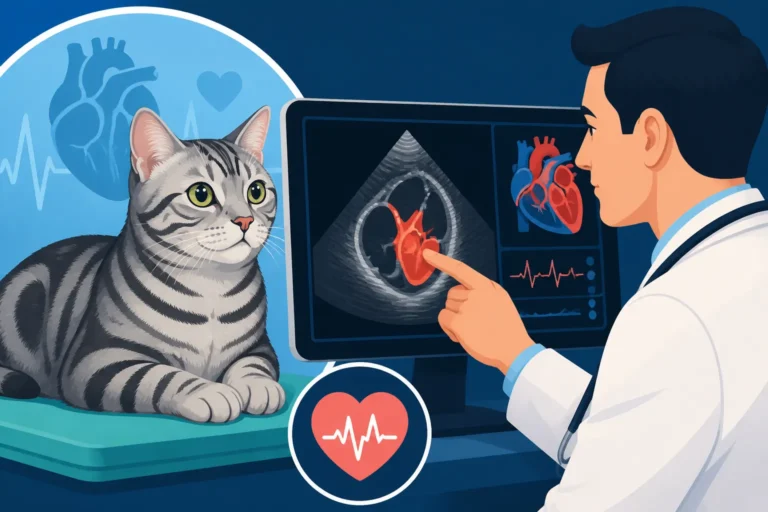
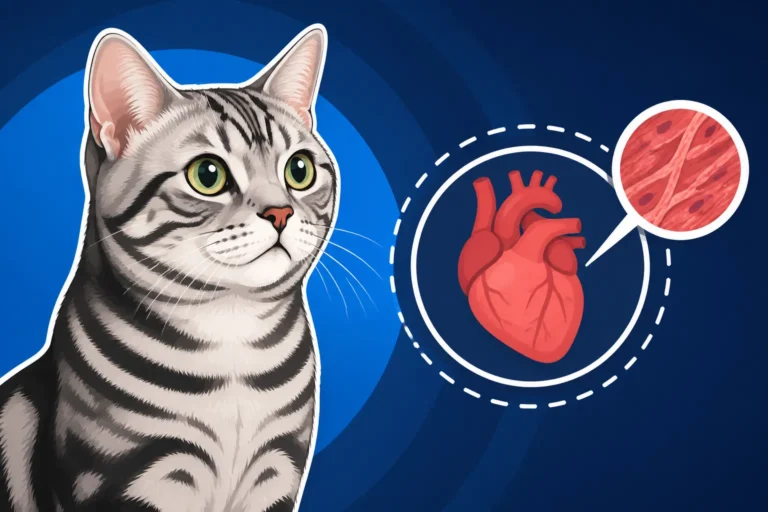
- Heart Disease: While American Shorthairs are generally healthy, excessive weight can strain the cardiovascular system, making existing conditions worse or contributing to new ones.
- Certain Cancers: Some studies suggest a link between obesity and an increased risk of specific cancers in felines.
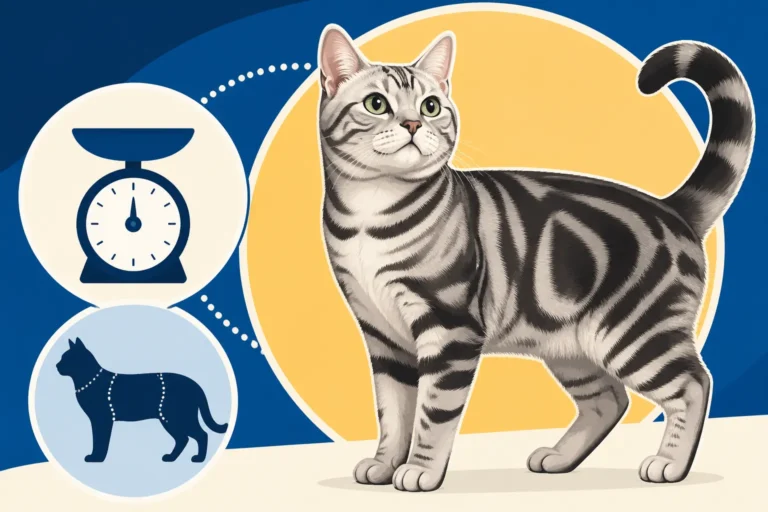
Recognizing these risks early is vital. Being able to Spot Weight Gain on a Square Built American Shorthair is the first step in prevention. Proactive care, including weight management, can help mitigate these serious health challenges.
Here's a quick overview of how an American Shorthair's lifestyle change impacts their health:
| Aspect | Ancestral Working Life | Modern Indoor Life | Health Impact (Weight Gain) |
|---|---|---|---|
| Activity Level | High (hunting, patrolling) | Low (lounging, limited play) | Drastically reduced calorie burn |
| Food Access | Intermittent (earned through hunt) | Constant (free feeding, bowls out) | Excess calorie intake, metabolic overload |
| Calorie Needs | High (to fuel activity) | Low (for sedentary lifestyle) | Significant caloric imbalance |
| Body Condition | Lean, muscular, agile | Prone to fat accumulation | Joint strain, organ stress |
| Common Health Issues | Injuries, parasites | Obesity, diabetes, arthritis, heart disease | Chronic conditions, reduced lifespan |
Managing Weight and Maintaining a Healthy Lifestyle
The good news is that with understanding and commitment, you can help your American Shorthair thrive and maintain a healthy weight. It requires a mindful approach that acknowledges their genetic heritage while adapting to their modern environment. Preventing and managing obesity in your American Shorthair is one of the most impactful things you can do for their long-term health and happiness.
Tailoring Diet to an Indoor Lifestyle
Since their "mousing job" no longer dictates their caloric needs, you, as their dedicated caregiver, must step into that role. This means careful portion control and selecting appropriate food. Forget the free-feeding model that worked against their natural instincts. Instead, aim for two to three measured meals a day. Our guide on Portioning for an American Shorthair That Once Worked for Meals offers excellent advice on how to calculate what your specific cat needs. Remember, a cat’s calorie requirements are surprisingly low, especially for an indoor, neutered adult. A quick chat with your veterinarian about How Much a Working Framed American Shorthair Should Eat can provide a precise starting point.
When it comes to food choices, look for high-quality, protein-rich wet food, as this helps with satiety and provides essential moisture, which is beneficial for kidney and urinary health. While dry kibble can be part of their diet, make sure it's portioned meticulously. Consider weight-management formulas if your cat is already overweight, but always consult your vet before making significant dietary changes. They can help you create a sustainable weight loss plan and monitor progress, ensuring your cat loses weight safely and effectively, avoiding issues like fatty liver disease caused by too rapid weight loss. Having pet insurance from a reliable provider like Healthy Paws can also give you peace of mind, knowing that if weight-related health issues arise, you're better prepared for the vet bills.
Encouraging Natural Hunting Behaviors for Exercise
You can't send your American Shorthair out to hunt mice anymore (and frankly, that's not safe for them or the local wildlife!), but you can absolutely tap into their ingrained hunting drive to encourage exercise and mental stimulation. This isn't just about burning calories; it's about fulfilling their instinctual needs and preventing boredom, which can also contribute to overeating.
Here are some ways to bring the "hunt" back into their day:
- Interactive Play: Use wand toys, feather teasers, or fishing rod-style toys to simulate prey movement. Drag them, hide them, make them dart and pounce. Aim for 10-15 minute sessions, several times a day. Let them "catch" the toy at the end of each session to satisfy their hunting sequence.
- Puzzle Feeders: Instead of a regular bowl, use puzzle feeders or treat-dispensing toys that require your cat to work for their food. This slows down eating and provides mental engagement, making them "hunt" for every bite. You can find many options at your local pet store.
- Food Scatters: Scatter portions of their kibble around the house in different locations, on cat trees, or under furniture. This encourages natural foraging and patrolling behavior.
- Vertical Space: Provide cat trees, shelves, or catio access that encourages climbing and jumping. American Shorthairs are natural athletes and enjoy surveying their territory from high vantage points.
- Supervised Outdoor Time: If safe and practical, consider a secure catio or walks on a harness (if your cat tolerates it). This provides novel experiences and additional exercise.
By integrating these strategies, you're not just helping your American Shorthair lose weight; you're enriching their life, satisfying their core instincts, and fostering a stronger bond between you. Proactive steps in managing your American Shorthair's weight are paramount in avoiding significant health problems, leading to a much happier and longer life for your furry family member.
Disclaimer
This article is for general informational purposes only and does not constitute professional advice. Laws, prices and regulations vary by location and change over time. Consult a qualified professional for guidance on your specific situation.