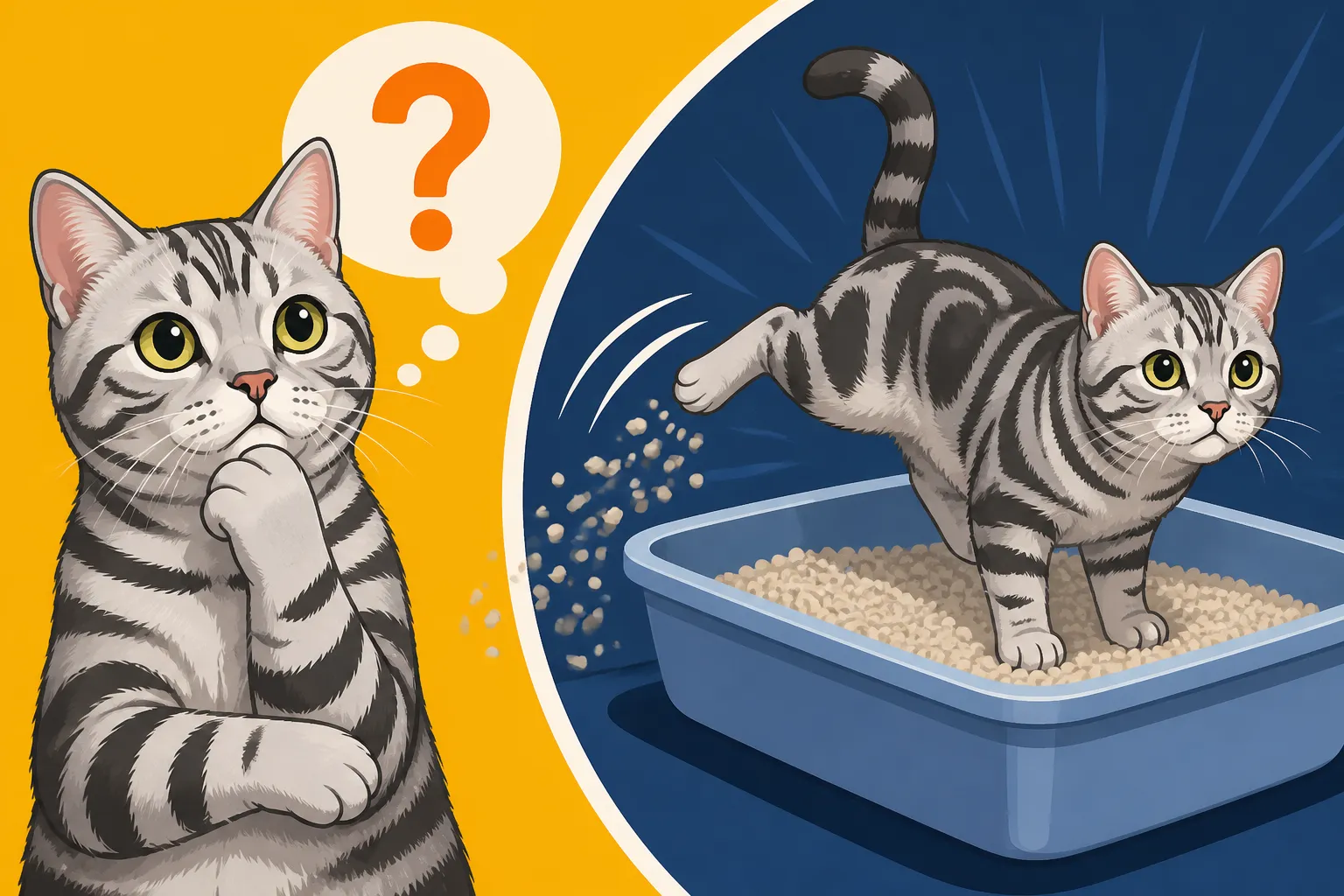
Whether an American Shorthair Kicks Litter
There's nothing quite like the crunch of stray litter underfoot when you're just trying to walk through your house, or the sight of a fresh pile of granules scattered across your clean floor, especially right outside the litter box. If you share your home with an American Shorthair, you might find yourself wondering if their enthusiasm for digging is a unique trait or just a universal cat quirk. This guide is here to shed some light on why your American Shorthair might be kicking litter with such gusto, and more importantly, what actionable steps you can take to keep your home tidier and your feline friend happy.
The Instinctive Drive Behind Litter Kicking
It can feel personal when your American Shorthair seems determined to redecorate your bathroom floor with litter, but rest assured, it’s not defiance. This behavior is deeply rooted in their primal instincts, instincts that served their ancestors well for centuries. Understanding these origins is the first step to managing the mess.
Tracing Back Their Ancestral Habits
American Shorthairs, much like their common tabby cousins, descend from working cats whose very survival depended on stealth and discretion. In the wild, or even in barn environments, covering their waste served a critical purpose: hiding their presence from predators and rivals. A visible, uncovered pile of waste is a giant "I was here!" sign in the animal kingdom, potentially attracting danger or challenging other territorial creatures. Your American Shorthair may be a pampered housecat now, but those deep-seated instincts are still very much alive.
Imagine an American Shorthair's ancestors, perhaps a tough ships' cat or a diligent farm mouser. They wouldn't just relieve themselves and walk away; they'd meticulously bury their leavings. This natural burying action involves a lot of enthusiastic digging, pawing, and pushing material over their waste. It's a highly effective way to mask their scent and location. When your modern American Shorthair performs a vigorous litter-kicking routine, they're simply channeling generations of this crucial survival behavior. It's not about being messy; it's about being a cat.
The Territorial Imperative
Beyond hiding from predators, covering waste is also a territorial marker. While it might seem counterintuitive to cover scent to mark territory, in the cat world, a highly visible deposit can be an aggressive challenge. Covering waste can be a sign of a secure cat who doesn't need to overtly advertise their presence, or a cat trying to avoid conflict. Your American Shorthair, even in the safety of your home, still perceives their litter box as a critical part of their territory. How they interact with it, including how vigorously they bury, can be a reflection of their comfort and perceived security within that space.
A cat that feels particularly vulnerable or insecure might actually bury more aggressively, trying to erase all traces of themselves. Conversely, a very confident cat might bury less, but the American Shorthair tends to be quite thorough, likely due to their practical, working-cat heritage. This thoroughness, while commendable from an evolutionary standpoint, translates to quite a bit of litter scattering when they're working in a confined box. They aren't trying to be disrespectful; they're just being true to their nature.
How Litter Box Setup Influences the Mess
While instinct is a huge factor, the physical environment of the litter box plays an equally significant role in how much litter ends up outside the box. A poorly chosen or maintained setup can turn a minor kicking habit into a major clean-up operation.
The Size and Type of the Litter Box
One of the biggest culprits for litter being kicked out of the box is, quite simply, the size of the box itself. American Shorthairs are typically robust, well-muscled cats. They need space to maneuver, dig, and turn around comfortably without feeling cramped. A standard-sized litter box, often designed for smaller or more daintily built cats, can be completely inadequate for a fully grown American Shorthair. When they try to dig and cover, their paws inevitably hit the sides or the low edges, sending litter flying over the top.
Think about it: if you were trying to dig a hole in a confined space, dirt would go everywhere, right? It's the same for your cat. Many owners find that a large, high-sided litter box makes a dramatic difference. Some even opt for extra-large storage bins or tote boxes with a U-shaped cutout for entry, providing ample room for digging and high walls to contain the displaced litter. This extra space allows them to express their natural digging behavior more effectively within the confines of the box, rather than launching material into your living space. For more on this, check out Why a Standard Box Is Too Small for an American Shorthair and What a Box Wide Enough for an American Shorthair Costs.
Location, Location, Location
The placement of the litter box might seem like a minor detail, but it can significantly impact how your American Shorthair uses it and, by extension, how much litter they kick out. Cats are creatures of habit and also crave security. A litter box placed in a high-traffic area, a noisy spot, or somewhere they feel exposed can make them rush their business. If they feel hurried or anxious, their natural instinct to bury might become more frantic and less precise, leading to more scattered litter.
Consider a quiet, semi-secluded spot where your American Shorthair can have some privacy and feel safe. This doesn't mean a dark, forgotten corner of the basement; it means a place where they won't be constantly disturbed by foot traffic, barking dogs, or loud appliances. A calm environment allows them to take their time, dig thoroughly, and cover their waste without feeling the need to make a quick exit. Additionally, if you have multiple cats, ensuring enough litter boxes in different, accessible locations can prevent stress-related frantic digging. Generally, the rule of thumb is one box per cat, plus one extra, and your American Shorthair will appreciate having options. Read more on How Many Litter Boxes an American Shorthair Needs.
The Impact of Litter Type
Believe it or not, the type of litter you use can also play a huge role in how much of it gets kicked out. Some litters are inherently messier than others due to their texture, weight, and dust levels.
- Lightweight Litters: While appealing for easy lifting and disposal, lightweight litters are a double-edged sword when it comes to mess. Their reduced density means they are incredibly easy for your American Shorthair to flick out of the box with minimal effort. A vigorous dig can send clouds of lightweight granules flying.
- Clay Litters (especially fine-grained): These are common, but the fine dust they produce can settle everywhere, and the small particles are easily tracked out on paws. While good for clumping, the sheer volume of dust and tiny particles contributes significantly to the "litter all over the floor" problem.
- Pellet Litters (wood, paper): These tend to be much heavier and larger, making them harder to kick out of the box. They also produce less dust. However, some cats dislike the feel of pellets under their paws, and if your American Shorthair isn't a fan, they might dig less enthusiastically (or even avoid the box), leading to other problems.
- Silica Gel Litters: These are often low-dust and don't track as much, but their hard, crystal-like texture might not appeal to all cats for digging.
Finding the right balance between your cat's preference and your desire for a clean home is key. Experimentation might be necessary, but starting with a heavier, less dusty clumping clay or a natural alternative could make a noticeable difference. You can find a good selection of various litter types, including low-dust and heavier options, on pet supply sites like Chewy or Amazon. Remember, Which Litter an American Shorthair Accepts is ultimately up to them!
Mitigating the Litter Trail and Scatter
Once you've addressed the instinctive reasons and the basic setup, it's time to look at practical solutions to keep that litter where it belongs. There are several tools and techniques that can help significantly reduce the mess your American Shorthair creates.
Litter Mats and Containment Solutions
One of the simplest yet most effective ways to combat litter tracking is by strategically placing a litter mat. These aren't just decorative rugs; they're designed with textures and patterns that gently dislodge litter from your cat's paws as they exit the box.
- Textured Rubber or Silicone Mats: These often have deep grooves or loops that trap litter. They're easy to shake out and wash.
- Honeycomb or Mesh Mats: These clever designs have two layers. The top layer, often with large holes, catches litter, allowing it to fall through to a solid bottom layer. You can then simply open or separate the layers and pour the trapped litter back into the box. This is a game-changer for many.
- Enclosed Litter Boxes or Furniture: For the most enthusiastic kickers, an entirely enclosed litter box or a piece of litter box furniture can be a godsend. These options not only contain the scatter within an enclosed space but also provide a private, den-like environment that many cats appreciate. You can find many stylish and functional options from pet retailers. While your American Shorthair is an independent soul, they often appreciate a secure spot for their necessities, as discussed in An American Shorthair Asks You for Almost Nothing.
When choosing a mat, make sure it's large enough for your American Shorthair to walk completely across after exiting the box. A small mat won't do much good if they can just step over it.
Regular Cleaning and Maintenance
This might sound obvious, but the frequency and thoroughness of your litter box cleaning routine directly impact litter scatter. A full, heavily soiled litter box can encourage more frantic, less precise digging as your cat tries desperately to find a clean spot to do their business. This desperation can lead to more aggressive kicking.
- Scoop Daily (or twice daily): Removing waste frequently keeps the remaining litter cleaner and more appealing. Your American Shorthair won't feel the need to excavate an entirely new quadrant of the box just to find a fresh patch.
- Deep Clean Regularly: Depending on the type of litter and number of cats, aim for a full litter change and scrubbing of the box every week or two. This removes residual odors and bacteria that can make the box less inviting.
- Maintain Adequate Litter Depth: Don't skimp on the litter. American Shorthairs need a good 3-4 inches of litter to feel like they can really dig and bury properly. Too little litter, and they'll hit the bottom of the box, leading to more scattering and potentially dissatisfaction with the box. You might find that How Much Litter a Cat the Size of an American Shorthair Uses is more than you initially expected.
A consistently clean and well-maintained litter box doesn't just reduce mess; it also contributes to your cat's overall health and well-being. Cats are fastidiously clean animals, and a dirty box can lead to stress, inappropriate elimination, and other behavioral issues.
The Role of Covered and Top-Entry Boxes
While some cats prefer an open-air experience, a covered or top-entry litter box can be incredibly effective at containing litter kicked by an enthusiastic American Shorthair.
- Covered Litter Boxes: These boxes come with a hood or dome that encloses the litter area, often with a swinging door for entry. The high walls and roof act as barriers, preventing kicked litter from escaping. The caveat here is that some cats dislike the enclosed feeling or the reduced ventilation, which can trap odors. If your cat is sensitive to smells, this might not be the best option. However, for a cat that's fine with it, a covered box can drastically reduce scatter. Whether a Covered Box Suits an American Shorthair really depends on your individual cat's preference.
- Top-Entry Litter Boxes: These are gaining popularity, and for good reason. They are essentially boxes with a hole in the top for entry and exit. To get in and out, your American Shorthair has to jump onto the textured lid, which naturally helps brush litter from their paws before they hit the floor. This design almost completely eliminates side-spray and minimizes tracking. Most cats adapt well to them, especially if introduced patiently. This type of box can be a fantastic solution for American Shorthairs who love to dig and kick with gusto.
When trying out a new litter box style, introduce it gradually. Place the new box next to the old one for a few days, allowing your cat to explore it at their own pace. Once they're comfortable using the new one, you can remove the old box. Patience is key to a smooth transition and a cleaner home.
Final Thoughts on Managing Litter Mess
Dealing with litter kicked out of the box is a common reality for many cat owners, especially those with robust, instinct-driven breeds like the American Shorthair. It’s a testament to their natural behaviors that they still try so hard to cover their tracks, even in your cozy home. While you can’t completely extinguish that ingrained desire to dig and bury, you absolutely can manage the fallout.
By investing in a generously sized, high-sided litter box, choosing the right type of litter (often a heavier, low-dust variety), providing a calm and private location for their facilities, and utilizing effective litter mats or enclosed box solutions, you can dramatically reduce the amount of litter that ends up on your floor. Regular, diligent cleaning also goes a long way in keeping the area appealing for your cat and less messy for you. Your American Shorthair will thank you for providing a clean, comfortable, and appropriately designed space, and you'll appreciate not having to sweep quite so often. It's all about understanding their needs and finding solutions that work for both of you.
Disclaimer
This article is for general informational purposes only and does not constitute professional advice. Laws, prices and regulations vary by location and change over time. Consult a qualified professional for guidance on your specific situation.