How an American Shorthair Copes With Change
Life throws us curveballs all the time, and while we might brace ourselves for major changes, we often forget that our beloved feline companions also experience the upheaval, sometimes profoundly. If you’ve ever wondered how your steadfast American Shorthair handles everything from a new couch to a cross-country move, you're not alone. This guide will walk you through the unique ways American Shorthairs process change, how to spot their subtle signs of stress, and, most importantly, how you can help them navigate life’s transitions with grace and confidence.
The American Shorthair's Foundational Calm in the Face of the Unknown
The American Shorthair breed isn't known for being flighty or overly dramatic. In fact, one of their most endearing qualities is their calm, adaptable nature. This isn't just a happy coincidence; it's deeply ingrained in their history and genetics, stemming from centuries of practical, working life. Understanding this background helps us appreciate why they react to change in their own unique way, often with a quiet resilience that can sometimes make it harder for us to see their internal struggles.
Tracing Their Ancestral Roots of Resilience
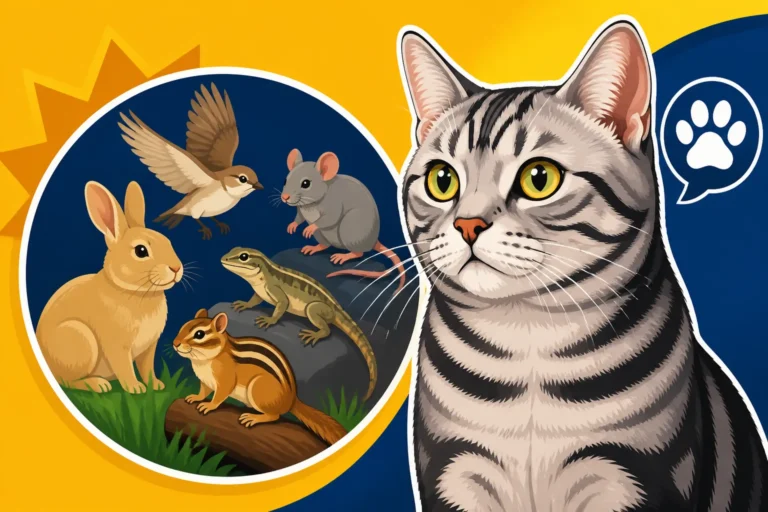
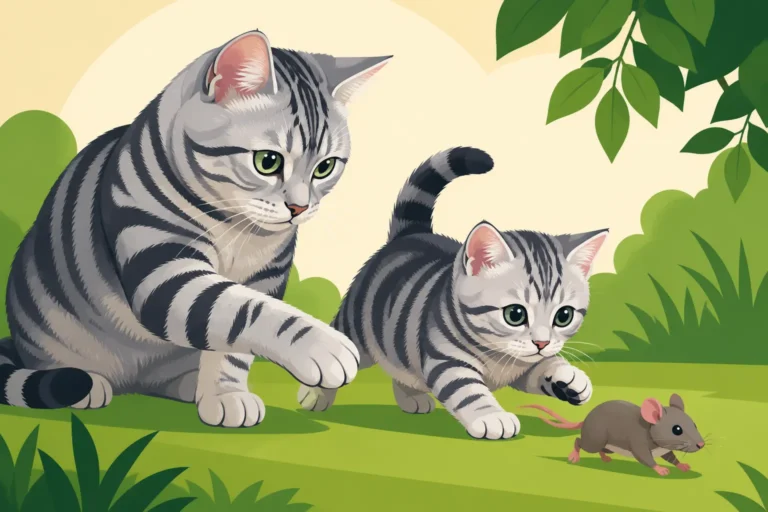
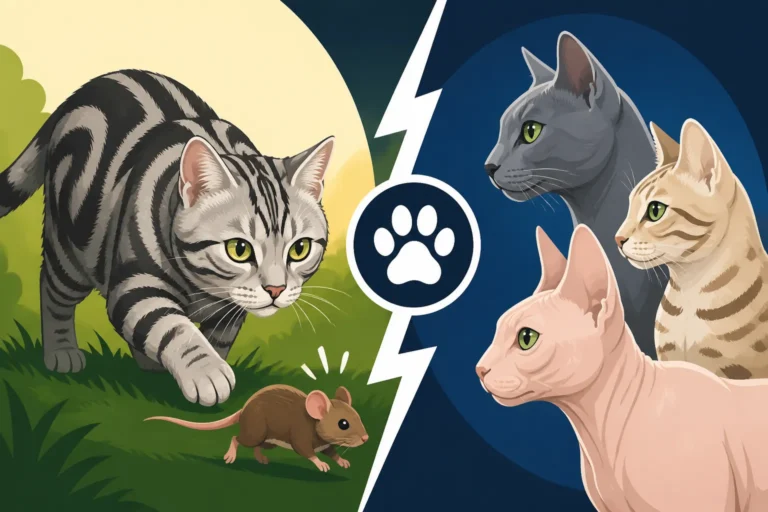
Imagine a cat whose ancestors spent generations on ships, crossing oceans and then settling into barnyards and homes across a burgeoning continent. These weren't pampered pets; they were vital members of the crew and the family, tasked with keeping rodents at bay. Their survival depended on their ability to assess new environments quickly, adapt to shifting circumstances, and remain self-sufficient. This historical lineage means that American Shorthairs come equipped with an inherent, practical sense of self-reliance. They needed to cope with constant changes in surroundings, people, and daily routines just to do their job and stay alive.
This deep-seated resilience doesn't mean they're immune to stress, but it does mean their initial reaction to change might be a quiet assessment rather than an immediate panic. They observe, they evaluate, and they strategize. This is a cat that understands the ebb and flow of life, even if they prefer a predictable routine. It’s part of Whether a Landrace Origin Explains the American Shorthair's Health and contributes to their overall hardiness.
How Their "Working Cat" Mentality Translates to Stability
That "working cat" mentality gifted the American Shorthair with a disposition that prizes stability and clear territorial boundaries. When their environment or routine shifts, they don't necessarily lash out, but rather they might retreat, observe, and quietly try to re-establish their sense of order. They're problem-solvers by nature, but their solutions might involve remapping their "patrol route" or finding new secure hiding spots, rather than demanding your immediate attention. They tend to cope internally, which can be both a blessing and a curse for observant owners. This innate self-sufficiency is why you'll often hear that Why a Self Reliant American Shorthair Rarely Panics Alone.
Their stoicism means they're not typically the type of cat to loudly protest a change. Instead, they absorb it, process it, and slowly, deliberately adjust. This often translates to a cat that handles the hustle and bustle of a busy household remarkably well, and can even adapt to new people or animals over time, provided they are given the space and time to do so on their own terms. However, this quiet processing can also make it difficult to ascertain when a change has pushed them beyond their comfort zone.
Common Life Changes and an American Shorthair's Typical Reactions
While American Shorthairs are known for their adaptability, even the most resilient cat has its limits. Major shifts in their environment, routine, or social structure can be incredibly taxing. Understanding how these common life changes impact your American Shorthair specifically can help you prepare and offer support.
Moving to a New Home: A Major Territorial Shift
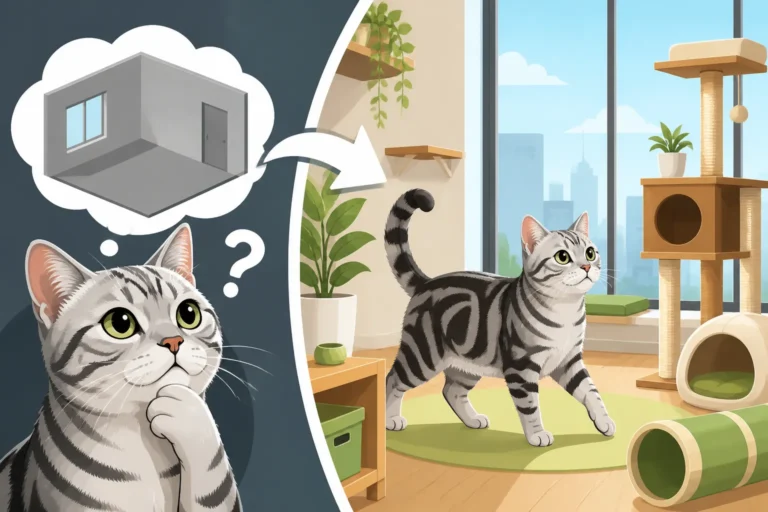
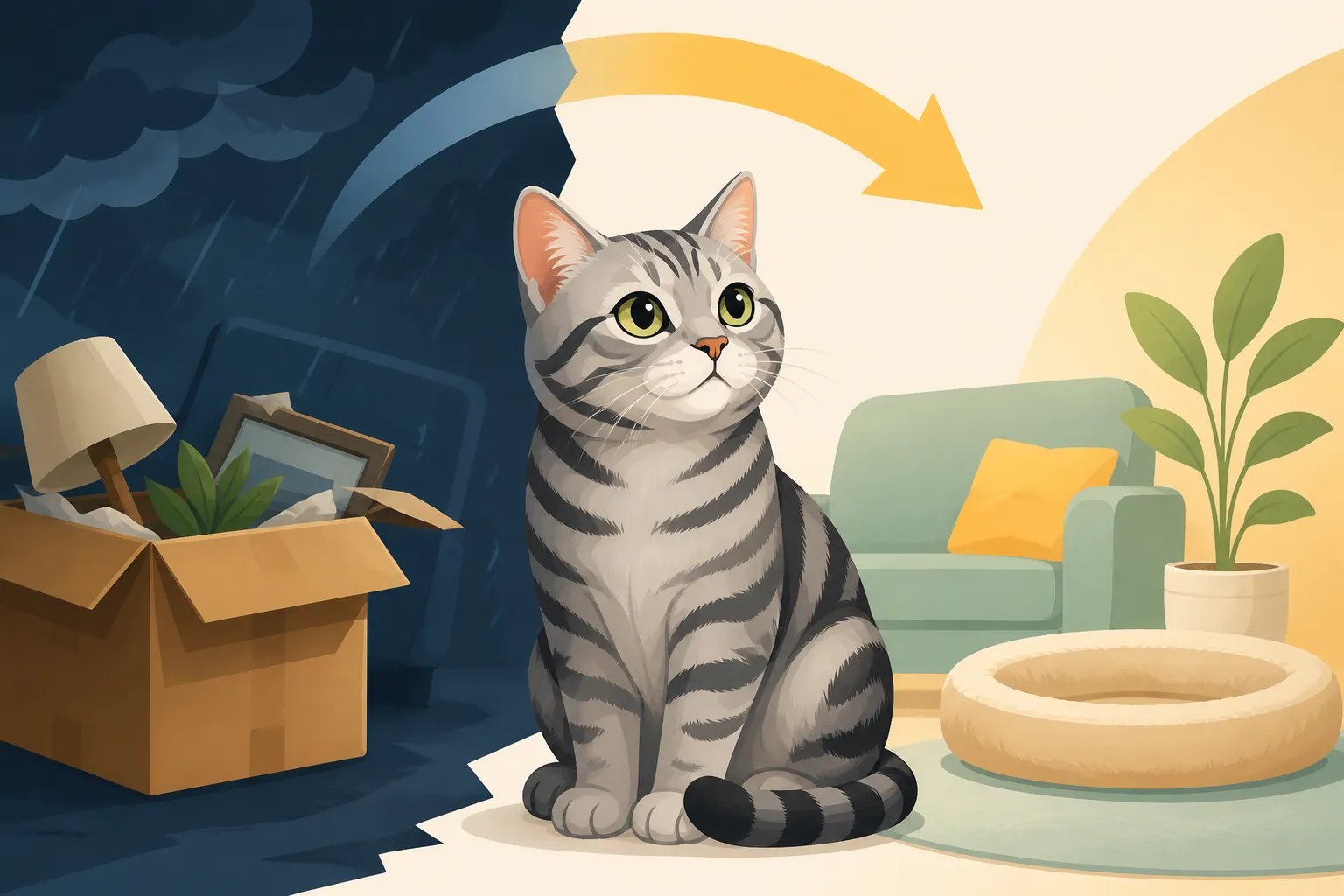
For a cat whose identity is so tied to its territory and routine, a move can be one of the most stressful events. Suddenly, every scent, every sound, every visual landmark is different. Their established patrol routes are gone, and they have to start from scratch. This isn't just an inconvenience; it's a fundamental challenge to their sense of security. You might see them initially hide more, exploring cautiously at night, or perhaps becoming more vocal as they try to orient themselves. It's a massive undertaking for them to literally rebuild their mental map of a safe space.
When you move, don't be surprised if your American Shorthair seems a little lost or withdrawn for a while. They need time to scent-mark their new territory, to discover all the best hiding spots, and to map out their escape routes. Providing them with familiar items, like their own bed, blankets, and a What a Carrier a Square Built American Shorthair Fits In Costs can help. Patience is key, as they slowly begin to feel at home. It’s a process where How a Territorial American Shorthair Rebuilds a Patrol Route from the ground up, and it takes deliberate effort on your part to make it as smooth as possible.
New Family Members: Human Babies and Other Pets
Introducing new family members, whether they have two legs or four, represents a significant shift in the household dynamic for your American Shorthair. A new baby brings not only new sights and sounds but also a drastic change in your attention and routine. A new pet, especially another cat or a dog, means sharing resources, territory, and potentially having to re-establish their social hierarchy. While American Shorthairs are generally good-natured, these changes can be particularly challenging because they directly impact their sense of security and their position within the family unit.
With a new baby, an American Shorthair might initially be curious but quickly become wary of the unpredictable noises and movements. They might seek higher ground or quieter rooms to observe from a distance. The key here is not to force interactions but to allow them to approach on their own terms, associating the baby with positive experiences like treats or gentle praise. For a new pet, particularly another cat, the issue is often territorial. They might display subtle signs of anxiety, like increased marking, hissing, or avoidance. Gradual introductions, scent swapping, and ensuring ample resources (food bowls, litter boxes, vertical space) are crucial steps. This is where advice on How an American Shorthair Adapts to a New Baby and How to Introduce an American Shorthair Without a Territory Fight becomes invaluable.
Changes in Routine: Schedule Shifts and Owner Absences
American Shorthairs thrive on routine. Their internal clock is surprisingly precise, and they know exactly when it's mealtime, playtime, or snuggle time. Any deviation from this established rhythm can be unsettling. If your work schedule suddenly changes, if you start traveling more, or even if your daily habits shift, your American Shorthair will notice. They might react with subtle anxiety, like increased vocalization around meal times, sleeping in unusual spots, or becoming more clingy or, conversely, more withdrawn. They interpret these changes as unpredictability, which can be unsettling to a creature that values order.
Prolonged owner absences, whether for work or vacation, can also be a source of stress. While they are self-reliant, they still form strong bonds and rely on you for their core needs and companionship. Knowing How an American Shorthair Copes Left Overnight is important, but a longer absence means more than just having food and water. They might act out upon your return, displaying behaviors like ignoring you, excessive grooming, or even temporary litter box issues. Maintaining as much consistency as possible with their feeding times, play sessions, and even the cat sitter's routine can help mitigate some of this stress. Consider a puzzle feeder or a new interactive toy purchased from Amazon to keep them engaged while you're away.
Recognizing the Subtle Signs of Stress in Your American Shorthair
One of the biggest challenges with American Shorthairs is that they are masters of subtlety. Their stoic nature means they don't always broadcast their discomfort with dramatic displays. Instead, stress often manifests in quiet, indirect ways. As an owner, it's vital to become fluent in their nuanced communication to catch issues before they escalate. After all, Why a Stoic American Shorthair Hides Pain the Longest, and that applies to emotional pain just as much as physical.
Behavioral Indicators of Discomfort
When an American Shorthair is stressed by change, their behavior might shift in ways that are easily overlooked. You might notice them hiding more often, seeking out new, secluded spots they didn't use before. Perhaps they become less interactive, turning away when you try to pet them, or spending less time in common areas. Conversely, some might become more clingy, constantly seeking your presence, as if trying to re-establish security through proximity. Changes in their litter box habits – suddenly peeing outside the box, for instance – are almost always a sign of stress, be it medical or behavioral.
Another common behavioral indicator is a change in appetite. They might eat less, or perhaps even more, as a coping mechanism. Excessive grooming, to the point of creating bald patches or skin irritation, is a classic sign of anxiety in cats. You might also notice a change in their vocalizations; a usually quiet cat might become more chatty, or a typically expressive cat might fall silent. Any sustained deviation from their normal demeanor, even if it seems minor, warrants attention. If you observe these patterns, it might be time to consider Why a Withdrawn American Shorthair Should See a Vet, even if just for peace of mind.
Physical Manifestations of Anxiety
Beyond behavioral shifts, stress can also manifest physically in your American Shorthair. While these might initially seem like minor health issues, they are often directly linked to underlying anxiety from change. Digestive upset, such as vomiting, diarrhea, or constipation, can be triggered by stress. Their immune system might also take a hit, making them more susceptible to common feline ailments like upper respiratory infections or bladder issues. You might even notice subtle changes in their coat quality – perhaps it appears duller, or they're shedding more than usual outside their typical seasonal sheds.
Another indicator can be changes in sleep patterns. A stressed cat might sleep excessively, trying to escape their worries, or they might become restless, pacing at night or appearing hyper-vigilant. Observe their posture and body language: a cat that is tense, hunched, or has flattened ears is likely feeling anxious. Persistent stress can lead to chronic health problems, so paying attention to these physical cues is incredibly important. Regular check-ups are always a good idea, and How Often an American Shorthair Needs Checking Over includes looking for these more subtle stress signals.
| Sign of Stress | Description | What to Look For |
|---|---|---|
| Hiding/Withdrawal | Seeking secluded spots, avoiding interaction. | Increased time under beds, in closets, or new, unusual hiding places. |
| Changes in Appetite | Eating more or less than usual. | Unfinished meals, begging for food more often, sudden weight gain or loss. |
| Litter Box Issues | Urinating or defecating outside the litter box. | Accidents in common areas, new spots for elimination. |
| Excessive Grooming | Over-grooming to the point of skin irritation or hair loss. | Bald patches, red skin, constant licking, often on belly or legs. |
| Increased Vocalization | More meows, howls, or growls, or conversely, unusual silence. | Cat becoming more "talkative" or unnervingly quiet for its normal personality. |
| Aggression/Irritability | Hissing, swatting, or growling at people or other pets. | Sudden unprovoked aggression, less tolerance for petting or interaction. |
| Digestive Upset | Vomiting, diarrhea, or constipation. | Regular stomach issues not linked to diet change. |
| Altered Sleep Patterns | Sleeping excessively or being restless/insomniac. | Constant napping, or pacing at night when usually asleep. |
| Changes in Play | Loss of interest in toys or interactive play. | Refusing to engage with wand toys or favorite puzzle feeders. |
Practical Strategies to Help Your American Shorthair Adapt
Helping your American Shorthair cope with change isn't about eliminating stress entirely – that's impossible in life! Instead, it's about providing them with the tools, environment, and reassurance they need to process the change and re-establish their sense of security. A proactive approach makes all the difference in minimizing their anxiety.
Creating a Sanctuary and Familiarity
One of the most powerful things you can do for an American Shorthair facing change is to provide them with a predictable, safe sanctuary. This might be a quiet room with their favorite bed, Which Water Bowl an American Shorthair Prefers, litter box, and toys, where they can retreat when feeling overwhelmed. In a new home, this designated "safe room" is absolutely essential, giving them a small, manageable territory to explore first before being introduced to the wider house. For any significant change, try to keep this one area constant and familiar. Using Feliway diffusers, which release calming pheromones, can also be a huge help in these spaces, subtly communicating "all clear" to your cat. You can often find these and other calming products easily on Amazon.
Beyond a specific room, maintaining as much familiarity as possible within the overall environment helps. Keep their feeding schedule consistent, place their familiar bedding in prominent spots, and don't rearrange everything all at once if you can avoid it. Cats rely heavily on scent, so bringing familiar items from an old home or keeping their favorite blankets unwashed for a short period can provide immense comfort. The goal is to create islands of predictability and safety within the sea of change.
Gradual Introductions and Positive Reinforcement
Sudden, abrupt changes are far more stressful for an American Shorthair than gradual ones. Whenever possible, introduce new things slowly. If a new person is joining the household, have them visit frequently before moving in. For a new pet, follow a structured introduction plan involving scent swapping, supervised brief encounters, and separate resources. When bringing home a new piece of furniture, allow your cat to explore it at their own pace. This gradual approach allows them to process the new stimuli bit by bit, rather than being overwhelmed.
Positive reinforcement is your best friend during these transitions. Associate new things or situations with highly desirable rewards, like their favorite treats, a special toy from Amazon, or focused playtime. If they show curiosity towards a new baby, offer a treat. If they calmly observe a new dog from a distance, praise them. Never punish them for fear-based behaviors; this will only increase their anxiety and erode trust. Instead, redirect their attention and reward brave or calm behavior. This positive association helps them build confidence and view changes less as threats and more as opportunities for good things.
Enrichment to Build Confidence and Distraction
During times of change, your American Shorthair might have a surplus of nervous energy. Providing ample mental and physical enrichment can help channel this energy constructively and distract them from anxieties. Interactive playtime, especially with wand toys that simulate the hunt, is fantastic for stress relief. Engaging their natural hunting instincts allows them to "finish the hunt sequence," which is incredibly satisfying for them. You might even find that Which Wand Toy Reads as Prey to an American Shorthair becomes a new favorite activity.
Puzzle feeders are another excellent tool. Instead of simply eating from a bowl, your American Shorthair has to "work" for their meal, engaging their minds and instincts. This not only provides mental stimulation but also slows down their eating, which can be beneficial if they're stress-eating. Consider placing these feeders in different spots around the house to encourage exploration and activity, helping them feel more secure in their territory. High-quality puzzle feeders are readily available online through retailers like Amazon. Also, providing plenty of vertical space like cat trees or shelves gives them a sense of security and oversight, allowing them to observe changes from a safe vantage point.
When to Seek Professional Guidance
While American Shorthairs are resilient, there are times when their coping mechanisms are simply not enough, and the stress of change becomes overwhelming. Knowing when to reach out for professional help is crucial for their long-term well-being and can prevent minor issues from becoming chronic problems.
Persistent Stress and Health Concerns
If your American Shorthair displays persistent signs of stress, despite your best efforts at providing a safe environment and positive reinforcement, it's time to involve a professional. This includes chronic hiding, ongoing litter box issues, excessive grooming leading to skin problems, a sustained loss of appetite, or uncharacteristic aggression. These aren't just "bad behaviors"; they are often cries for help. Prolonged stress can also lead to genuine physical ailments, such as stress-induced cystitis or gastrointestinal issues, which require veterinary intervention.
A visit to your veterinarian is always the first step. They can rule out any underlying medical conditions that might be contributing to or exacerbating the stress-related behaviors. For example, if your cat is urinating outside the box, the vet will check for urinary tract infections before you delve into behavioral solutions. Your vet can also assess your cat's overall health and discuss potential anti-anxiety medications or supplements if appropriate. They can provide valuable insights into your cat's specific situation and guide you on the next steps, often recommending a specialist.
The Role of a Feline Behaviorist or Veterinarian
If medical issues have been ruled out, or if the stress-related behaviors are severe and persistent, consulting a certified feline behaviorist can be incredibly beneficial. These specialists have extensive knowledge of feline psychology and can help you identify the root causes of your cat's stress and develop a comprehensive, tailored behavior modification plan. They can observe your cat's interactions, evaluate your home environment, and offer strategies that are specific to your American Shorthair's personality and the nature of the change they are experiencing.
A behaviorist might suggest specific training techniques, environmental modifications, or even refer you back to your vet for discussions about behavioral medication as part of a larger treatment plan. Working with a professional ensures that you're addressing the problem effectively and compassionately, giving your American Shorthair the best chance to not just cope with change, but to truly thrive. They can also help differentiate between normal adjustment and signs that a cat truly cannot handle the situation on their own.
Disclaimer
This article is for general informational purposes only and does not constitute professional advice. Laws, prices and regulations vary by location and change over time. Consult a qualified professional for guidance on your specific situation.