How to Introduce an American Shorthair Without a Territory Fight
Bringing a new cat into your home is an exciting time, but if you've ever dealt with hissing, swatting, or even full-blown cat fights, you know the stress and heartbreak it can cause. It's truly disheartening to watch your beloved American Shorthair, usually so placid, become a territorial guard, making life miserable for a newcomer. This guide is here to walk you through a gentle, step-by-step process to introduce a new cat to your American Shorthair, aiming for a peaceful coexistence, not a battle over every sunbeam.
Understanding the American Shorthair's Territorial Nature
It's easy to assume all cats are the same, especially when it comes to territory, but American Shorthairs have a unique history that shapes how they view their space. They're not just any housecat; they come from a long line of working cats, bred for centuries to protect their territory from pests. This isn't just a quirky trait; it's deeply ingrained.
The Legacy of a Working Cat's Territory
Imagine your American Shorthair's ancestors: ships' cats, barn cats, vigilant guardians of homes and provisions. Their very survival depended on maintaining a clear, secure territory where they could hunt, eat, and raise their young without competition. They weren't bred for elaborate social structures or sharing their spoils. They were self-sufficient, solitary hunters who viewed their domain as sacred. This isn't to say they can't be social – far from it! But their inherent understanding of "my space" is strong.
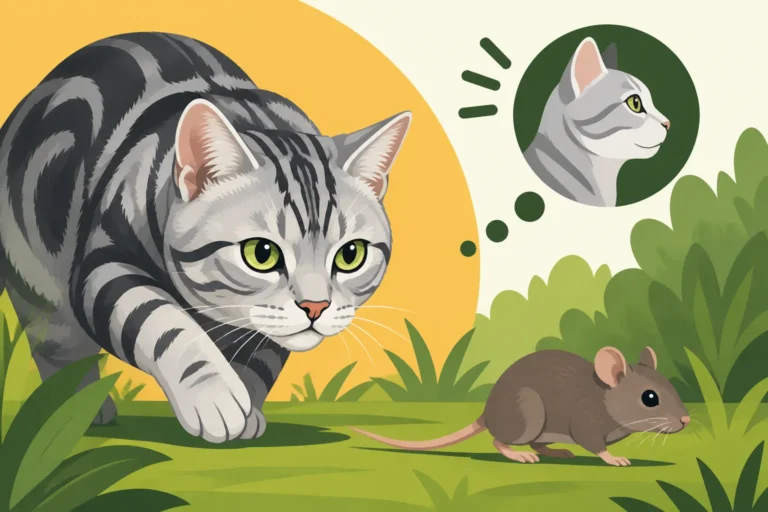
When you bring a new cat into your home, your American Shorthair isn't thinking, "Oh, a new friend!" They're thinking, "Intruder! Threat to my resources! Threat to my safety!" This instinct, honed over generations, kicks in. It's not personal, it's primal. That sun-drenched window sill they love? Suddenly, it's a contested resource. The food bowl? Now it feels like it might be rationed. Even your attention, a vital resource for a housecat, might feel threatened. This deep-seated need for secure territory means you can't just throw two cats together and expect them to sort it out. It requires patience and a structured approach that respects their ancient programming. Ignoring this fundamental aspect of their nature is a recipe for disaster and prolonged conflict. For more on their natural behaviors, you might find The American Shorthair Still Hunts, Whether You Want It To or Not insightful.
Signs Your American Shorthair Feels Threatened
An American Shorthair, despite its generally calm demeanor, will absolutely communicate its distress when its territory is compromised. Often, these signs can be subtle at first, especially from a stoic breed that doesn't always wear its heart on its sleeve. You might not see outright aggression immediately.
Look for changes in routine or subtle shifts in their body language. Is your American Shorthair suddenly spending more time hiding under the bed or on top of a bookshelf, places they didn't frequent before? Are they eating less, or approaching their food bowl with hesitation? You might notice a change in their grooming habits – either excessive licking or, conversely, neglecting themselves. Sometimes, they might start marking territory, either through spraying or inappropriate urination, particularly around the new cat's scent. Hissing, growling, or batting at you when you try to comfort them after interacting with the new cat are also clear indicators. They might become withdrawn, less playful, or even exhibit a low, rumbling growl when they hear the new cat move about. Don't dismiss these as minor behavioral quirks; they are flashing red lights indicating deep stress and territorial anxiety. Understanding Why a Withdrawn American Shorthair Should See a Vet can also provide context for serious behavioral changes.
Setting Up the Sanctuary: The First Crucial Step
The absolute cornerstone of a successful cat introduction is creating a safe, isolated space for the new cat. Skipping this step is like trying to build a house without a foundation – it's just going to crumble. This isn't about punishing the new cat; it's about giving both cats a chance to adjust without direct confrontation.
The Importance of a "Safe Room"
Think of the safe room as a decompression chamber for your new feline friend. When a new cat arrives, it's already overwhelmed. New smells, new sounds, a new human, and perhaps the scent of another cat – it's a lot. A safe room provides a haven where the new cat can feel secure, adjust to its immediate surroundings, and start to feel comfortable without the added stress of meeting the resident American Shorthair face-to-face. This space should ideally be a spare bedroom, a quiet bathroom, or even a large utility room. It needs a door that can be securely closed.
For your American Shorthair, the safe room serves an equally important purpose: it contains the "intruder" and its scents, allowing your resident cat to process the new presence from a distance, without feeling directly challenged. This prevents immediate territorial disputes and gives your American Shorthair time to acclimate to the idea of a new cat in their home, rather than having an unknown feline suddenly appear in their established patrol route. Trying to introduce them without this buffer almost guarantees a negative first impression, which can be incredibly hard to overcome.
Essential Items for the New Cat's Space
To make this safe room a true sanctuary, it needs to be fully equipped. This isn't just a place to stash the new cat; it's their temporary home.
Here's a checklist of what every safe room needs:
| Item | Purpose |
|---|---|
| Litter Box | Absolutely essential. Place it away from food and water. For a single cat, you might only need one box, but with two, remember the "N+1" rule (number of cats + 1). Make sure it's an appropriate size. You can find excellent, spacious litter boxes on Amazon that even large American Shorthairs can comfortably use. |
| Food & Water | Fresh water in a sturdy bowl, and their regular food. Consistency is key here. If the new cat isn't eating, try offering something highly palatable. Ensure these bowls are also away from the litter box to promote hygiene and comfort. |
| Bedding/Hiding Spot | A comfortable bed, a cardboard box turned on its side, or a cat carrier with a soft blanket inside. Cats need a place to retreat and feel secure, especially in a new environment. This gives them a sense of control and safety. |
| Scratching Post | Essential for natural claw maintenance and stress relief. Make sure it's stable and tall enough for the cat to stretch fully. |
| Toys | A variety of toys can help alleviate stress and boredom. Puzzle feeders are excellent for mental stimulation, and wand toys can provide interactive play. |
| Feliway Diffuser | While optional, a Feliway Classic diffuser can release calming pheromones that mimic a cat's natural facial pheromones, helping to reduce stress and promote a sense of security for both cats. Plug one into the safe room and one in the main living area where your American Shorthair spends most of its time. |
By providing everything the new cat needs within its safe room, you minimize the need for them to venture out before they're ready, and you ensure they can meet their basic needs without additional stress.
The Scent Exchange: Building Familiarity Without Confrontation
Cats live in a world of scent. It's how they identify friends, foes, and their territory. Before your American Shorthair ever sees the new cat, they need to "meet" through scent. This crucial step allows them to process the other cat's presence as something familiar, rather than an unknown threat.
How to Safely Swap Scents
Scent swapping is simple but incredibly effective. Start by gently rubbing a soft cloth or a sock on your new cat's cheeks and head, where their facial glands deposit "friendly" pheromones. Do this daily. Then, take that scent-laden cloth and place it in an area where your American Shorthair usually rests or eats. Don't just dump it; introduce it subtly. You might even rub it on a favorite blanket or cat tree your American Shorthair uses. Observe their reaction. Do they sniff it curiously? Hiss at it? Ignore it completely?
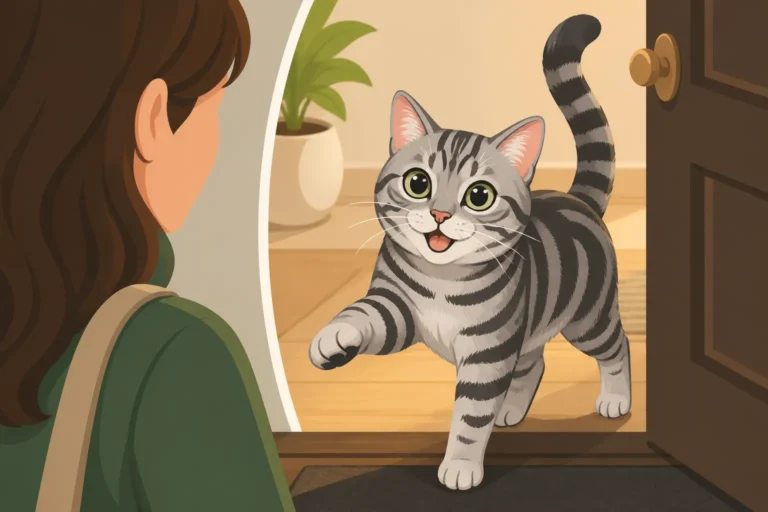
Conversely, take a cloth rubbed on your American Shorthair (especially their cheeks) and place it in the new cat's room. This allows the new cat to get used to the resident cat's scent. You can also swap bedding, especially if one cat has slept on a towel or blanket. The goal is to gradually mix their scents, so when they eventually meet, the "new cat" scent isn't entirely foreign and alarming. This process should continue for several days, or even a week, depending on how each cat reacts. How an American Shorthair Greets a Visitor can give you an idea of how they process new introductions generally.
Using Scent to Create Positive Associations
Beyond just familiarization, you want to associate the other cat's scent with positive experiences. For example, when you introduce the new cat's scent cloth to your American Shorthair, immediately offer a favorite treat or engage in a brief play session. This creates a mental link: "New cat smell = good things happen." Similarly, when you put your American Shorthair's scent cloth in the new cat's room, bring out their favorite wet food or a highly desirable toy.
Another excellent trick is to feed both cats on opposite sides of the closed safe room door. This allows them to smell each other while they're engaged in a pleasant activity – eating. The presence of the other cat becomes associated with the satisfaction of a meal. Start with the bowls far from the door, and gradually move them closer over several days, as long as both cats remain calm and eat without hesitation. If one cat stops eating, move the bowl back a little. Patience is absolutely key here.
Controlled Visual Introductions: Slow and Steady Wins the Race
Once the cats are comfortable with each other's scents and can eat on opposite sides of the door without stress, it's time for supervised visual introductions. This is where many people rush, leading to setbacks. Remember, you're looking for calm curiosity, not forced interaction.
The "Door Crack" Method
The next step is allowing a very brief, supervised visual interaction through a slight crack in the door. You might need someone to help hold the door open just enough for a sliver of sight, or use a baby gate to create a secure barrier. Ensure both cats are calm before you begin. Place both cats on opposite sides of the door, perhaps with a favorite toy or a small treat. Open the door just enough for them to glimpse each other.
Keep these initial visual sessions very short – just a few seconds to a minute. Immediately close the door if you see any signs of tension: hissing, growling, flattening of ears, or puffed-up fur from either cat. The goal is to end on a positive or neutral note. Repeat this several times a day for a few days, gradually increasing the duration as long as both cats remain relaxed. This is about building a slow, positive association. Don't push it; let them dictate the pace.
Supervised Meetings with a Barrier
Once the door crack method is going well, you can move to a more open, yet still secure, visual meeting. A pet gate, or even two gates stacked for jumpers, is invaluable here. Set up the gate in the doorway of the safe room. Again, ensure both cats are in a calm state. You can try feeding them treats on opposite sides of the gate, gradually moving the treats closer as they become more comfortable.
During these sessions, pay close attention to body language. Are ears forward? Tails relaxed? Are they engaging with their treats or toys, or are they solely focused on the other cat with an intense stare? If you see signs of aggression or fear, end the session immediately by separating them gently. The barrier provides a layer of safety, preventing any physical altercations, but it's still your job to manage the interaction and keep it positive. These sessions should still be relatively short, maybe 5-10 minutes, several times a day. You're aiming for indifference or mild curiosity, not instant best friends.
Facilitating Positive Interactions: Food, Play, and Calm
Once they can tolerate seeing each other through a barrier without stress, you're ready to try direct, supervised interactions in a shared space. These interactions should always be short, positive, and end before any tension can build.
Mealtime as a Bonding Opportunity
Food is a powerful motivator for cats, especially for a breed like the American Shorthair with its working-cat appetite. Use meal times to encourage positive associations. Start by feeding both cats in the same room, but at a distance from each other, ensuring they each have their own bowls. You might even have someone present with each cat to provide comfort and redirection if needed. For a breed that once worked for its meals, understanding Portioning for an American Shorthair That Once Worked for Meals can help you use food effectively.
Gradually, over days or weeks, as they remain calm during feeding, you can ever-so-slightly move the bowls closer together. If either cat shows signs of tension (eating too fast, guarding, growling), move the bowls back. The key is to keep these sessions calm and peaceful. Never force them to eat closer than they are comfortable. This process might take a long time, and that's perfectly fine. If they can comfortably eat in the same room, it's a huge step toward acceptance. Remember to ensure each cat has its own designated feeding area to prevent resource guarding, which can lead to fights.
Play Sessions to Redirect Energy
Play is another fantastic way to redirect any nervous or aggressive energy into something positive and shared. Use interactive wand toys, like a feather on a string from Amazon, that allow both cats to "hunt" the same "prey" without directly interacting with each other. This kind of parallel play can help them build a sense of shared fun. Have two separate wand toys, or one long one, that you can use to engage both cats simultaneously.
During these play sessions, observe their behavior. Are they playing, or are they fixating on each other? If they are playing calmly, great! If one cat tries to stalk or attack the other, end the session immediately. The goal is to provide a positive, enriching experience that takes their minds off the new cat being an "intruder" and instead associates them with fun. Don't be surprised if your American Shorthair still displays its hunting instincts; How Strong an American Shorthair's Hunting Drive Is highlights this ingrained trait. These sessions should also be kept short, ending on a high note before anyone gets overstimulated or stressed.
Recognizing When to End a Session
This is perhaps the most critical skill to develop during introductions. It's always better to end a session too early than too late. You want to conclude while both cats are still calm, or at least neutral, and preferably on a positive note, like after a shared play session or a treat.
Look for subtle signs of discomfort:
- Stiff body posture: No longer relaxed, ready to spring or retreat.
- Flattened ears or ears swiveled backward: Clear signs of irritation or fear.
- Tail lashing or tucked: Indicates agitation or anxiety.
- Hard stare: Intense, unblinking eye contact between the cats.
- Subtle growls or hisses: Even a soft one is a warning.
- Excessive grooming or yawning: These can be displacement behaviors, indicating stress.
If you observe any of these, it's time to gently separate them. Don't scold them; simply guide them back to their respective safe spaces. The idea is that every interaction ends with them feeling safe and comfortable, reinforcing the idea that the other cat isn't a threat. Pushing them past their comfort zone can undo weeks of progress.
What to Do When Things Go Wrong: Troubleshooting Common Issues
Even with the best intentions and the most careful planning, sometimes introductions hit a snag. It's normal for there to be ups and downs, but knowing how to troubleshoot can prevent a minor setback from becoming a full-blown crisis.
Dealing with Hissing, Growling, and Swatting
If you encounter persistent hissing, growling, or even outright swatting during supervised interactions, it's a clear sign you've moved too quickly. Don't panic, but don't ignore it either. This means you need to take a step back in your introduction process.
Go back to basics:
- Re-establish the safe room: Put the new cat back in its dedicated space.
- Intensify scent swapping: Increase the frequency of swapping scent-laden cloths. You can even try rubbing the cloths on both cats' bedding or your furniture in shared spaces to saturate the environment with mixed, familiar scents.
- Return to door feeding: Feed both cats on opposite sides of the closed door, ensuring they are calm and eating well before even attempting visual cues again.
- Increase positive associations: Whenever a cat is exposed to the other's scent (even through a closed door), provide high-value treats or favorite toys immediately.
- Consider calming aids: Double-check your Feliway diffuser. If you don't have one, this is a prime time to get one. Natural calming supplements (consult your vet first) might also be an option for particularly anxious cats.
Remember, a single negative encounter can set you back significantly. The goal is to build positive memories and associations, so don't be afraid to slow down or even reverse course if things get tense. American Shorthairs are generally tolerant, but they are also resolute. For guidance on how they generally handle life changes, consider How an American Shorthair Copes With Change.
When to Seek Professional Help
There are times when despite your best efforts, the cats just aren't making progress, or the aggression is escalating. If you've been diligently following a slow introduction plan for weeks or even months and are still seeing consistent aggression, fear, or stress in either cat, it might be time to call in the cavalry.
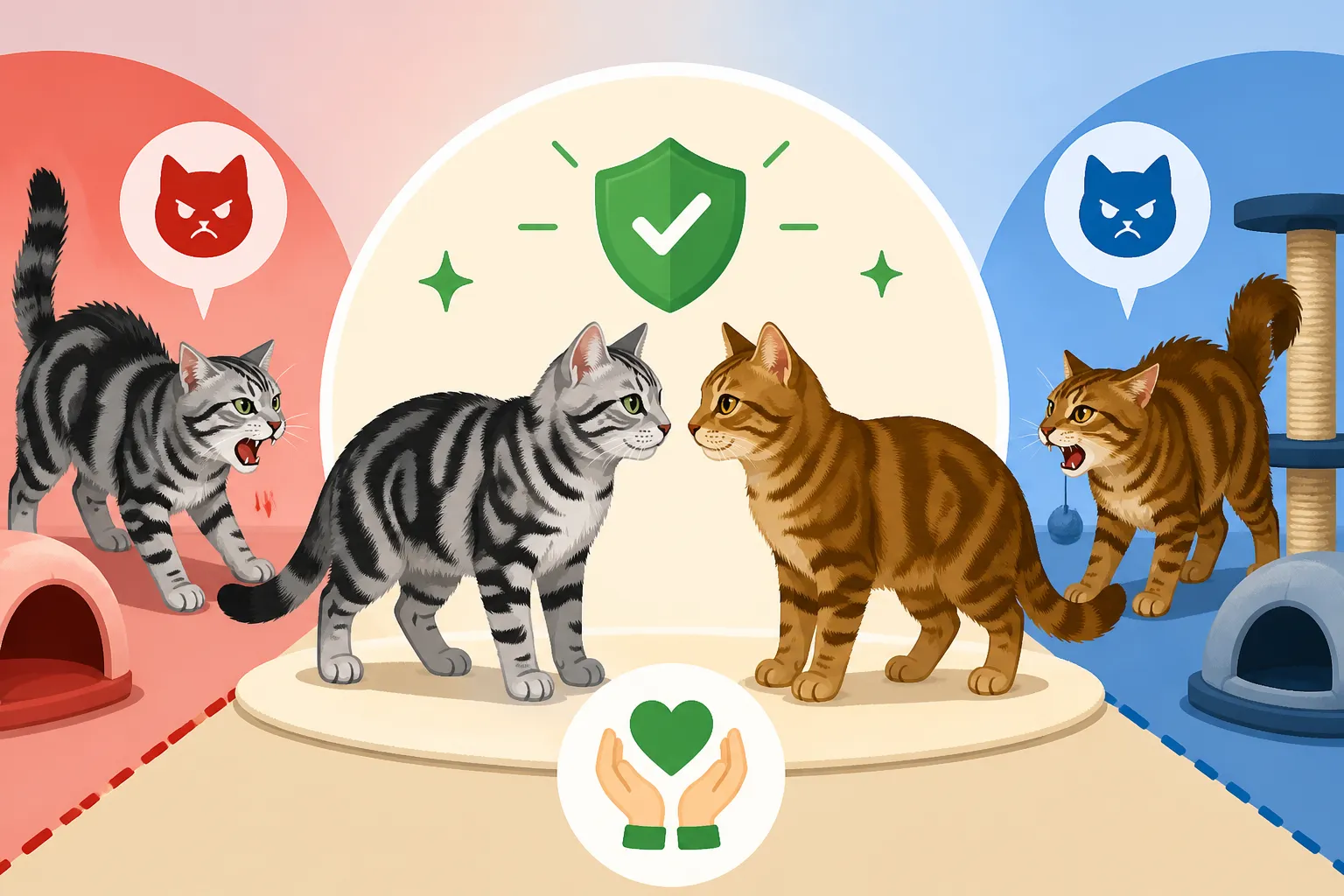
A certified feline behaviorist or a veterinary behaviorist can be an invaluable resource. They can assess your specific situation, observe the cats' interactions (or lack thereof), and provide tailored advice and strategies. They might identify subtle cues you've missed, suggest different environmental modifications, or recommend specific training techniques. Sometimes, underlying medical issues can contribute to behavioral problems, so a vet visit to rule out any health concerns is also a good idea if aggression or withdrawal is severe. Don't see seeking professional help as a failure; it's a proactive step to ensure the well-being of all your feline family members and give them the best chance at a harmonious life together. This might save you from a situation where Whether Two American Shorthairs Split the Territory or Fight for It becomes a constant battle.
Long-Term Integration and Maintaining Harmony
Even when your American Shorthair and the new cat seem to be getting along, the work isn't over. Long-term harmony requires ongoing effort, attention to their needs, and continued monitoring.
Expanding Shared Territory Gradually
Once your cats can comfortably share a room, eat near each other, and engage in parallel play, you can start to gradually expand their shared territory. This means allowing the new cat access to more areas of the house, but still always under supervision. Don't just open all doors and leave them alone. Gradually introduce them to one new room at a time, allowing them to explore and interact while you're there to mediate.
Continue to provide separate spaces for retreat, even if they choose not to use them. The availability of "escape routes" and safe zones is crucial for a cat's sense of security. Never force interaction or confinement. Let them explore and interact at their own pace. You'll observe your American Shorthair adjusting its patrol routes; understanding How a Territorial American Shorthair Rebuilds a Patrol Route can give you insight into this process. This gradual expansion helps both cats feel secure in the new, shared boundaries of their home.
Ensuring Resources are Plentiful
Resource guarding is a common cause of conflict in multi-cat households. To prevent this, you absolutely must ensure that there are enough resources for every cat, plus a little extra. This goes back to the "N+1" rule for litter boxes (Number of cats + 1). So, for two cats, you need at least three litter boxes placed in different, easily accessible locations around the house. For further reading, How Many Litter Boxes an American Shorthair Needs provides great detail.
The same principle applies to food and water bowls, scratching posts, cat beds, and perching spots (like cat trees or window perches). Provide multiple options in different areas. This reduces competition and the perception of scarcity, making both cats feel more secure. Imagine having to share your favorite armchair every single time; cats feel the same way about their prime napping spots. By making resources abundant, you minimize reasons for conflict and allow each cat to have its own "personal space" even within a shared home.
Monitoring for Subtle Signs of Stress
Even after a successful introduction, continue to be vigilant for subtle signs of stress or underlying tension. Cats are masters at hiding discomfort, and an American Shorthair, with its stoic nature, might be even better at it. Periodically observe their interactions when you think they're not aware you're watching.
Look for:
- Blocking: One cat consistently blocking another's access to food, litter, or a favorite resting spot.
- Staring: Prolonged, intense staring contests.
- Ambushing: One cat consistently hiding and pouncing on the other, even if it seems playful at first, it can become bullying.
- Resource guarding: One cat preventing the other from using a litter box, eating, or drinking.
- Changes in grooming: Excessive or reduced grooming.
- Changes in eating/drinking habits: Eating or drinking significantly more or less.
- Inappropriate elimination: Urinating or defecating outside the litter box.
If you notice any of these, it's a sign that underlying tension might be present, and you may need to revisit earlier steps in the introduction process or add more resources. Maintaining harmony is an ongoing process of observation, adjustment, and ensuring all your feline friends feel safe and cherished in their home. Your proactive attention will ensure that your American Shorthair and its new companion can truly thrive together. Whether a Solitary American Shorthair Wants Another Cat discusses the social dynamics that can be at play.
Disclaimer
This article is for general informational purposes only and does not constitute professional advice. Laws, prices and regulations vary by location and change over time. Consult a qualified professional for guidance on your specific situation.