How a Territorial American Shorthair Rebuilds a Patrol Route
One of the most unsettling experiences for any cat parent is seeing their American Shorthair, usually a picture of calm confidence, suddenly seem disoriented or anxious in their own home. Whether you've just moved, brought them back from a vet stay, or even simply rearranged the furniture, a territorial American Shorthair can become truly flustered when their established patrol routes are disrupted. This guide will walk you through exactly why these changes hit them so hard and, more importantly, how you can gently and effectively help your beloved companion rebuild and reclaim their sense of security.
Understanding the American Shorthair's Innate Need for Territory
The American Shorthair is a magnificent breed, known for its robust health, easy-going nature, and that classic "all-American" look. But beneath that calm demeanor lies a history steeped in purpose and self-reliance, which profoundly influences their need for a stable, predictable territory. They aren't just pets; they're descendants of working cats, and their instincts are deeply ingrained.
The Legacy of a Working Cat
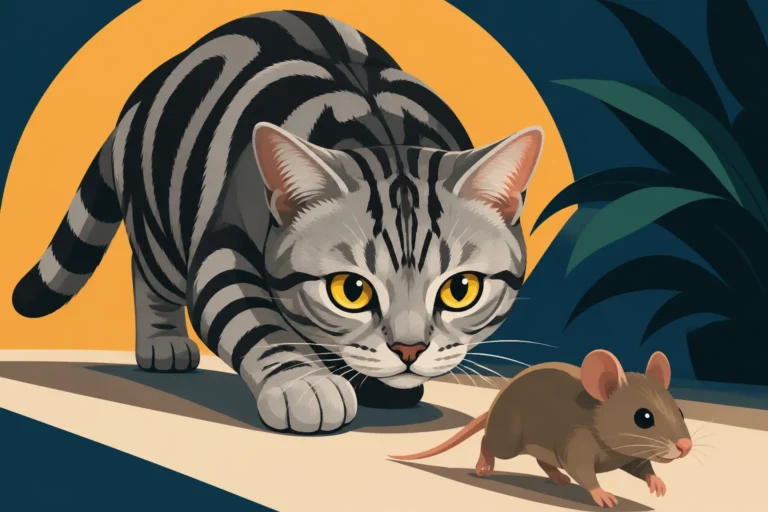
Imagine the ships our American Shorthair ancestors sailed on, or the barns and homesteads they protected from rodents. These weren't places of pampered luxury; they were environments where survival depended on keen awareness, sharp hunting skills, and an intimate knowledge of their surroundings. A cat that understood every nook, every cranny, every escape route, and every potential hiding spot for prey or predator was a cat that thrived. This historical role means that territory isn't just a preference for an American Shorthair; it's a fundamental aspect of their psychological blueprint. They are, at their core, explorers and protectors of their domain.
This deep-seated instinct means that every part of your home, from the sunny windowsill to the dark space under the bed, is mapped out in their mind. They use scent, sight, and even touch to create a mental blueprint. When you move a sofa or bring in a new piece of furniture, it's not just a minor redecoration to them; it's a shift in their established map, potentially creating confusion and a feeling of vulnerability. Their robust build, often described as "working framed," isn't just for show; it's for patrolling and defending this very territory.
Why a Defined Patrol Route is Crucial for Their Well-being
For an American Shorthair, a clearly defined and understood patrol route is the foundation of their confidence and happiness. It’s how they manage their world, how they feel safe, and how they express their natural behaviors. Think of it as their daily rhythm: wake up, check the perimeter of the living room, perhaps scale the cat tree, inspect the kitchen for breakfast, then settle into a prime napping spot with a full view of their domain. This routine, often invisible to us, is how they assert control and maintain mental balance.
When this route is disrupted, whether by a new environment or even just a subtle change within their familiar space, it can trigger anxiety. They might feel exposed, unsure of where to hide, or uncertain about the safety of their resources. Without a clear path to patrol, their instincts become frustrated, leading to behaviors that might seem out of character. They are, after all, creatures of habit, and their quiet, self-sufficient nature means they prefer predictability. Why an American Shorthair Makes So Few Demands is often because they have their routines and territory sorted out; when that's gone, they truly struggle.
Signs Your American Shorthair's Patrol Route is Disrupted
Recognizing that your American Shorthair is struggling with a disrupted patrol route is the first step towards helping them. These cats are known for their stoicism, often hiding discomfort until it becomes undeniable. Their quiet independence means they won't always vocally complain, but their behavior will certainly speak volumes if you know what to look for.
Behavioral Changes You Might Notice
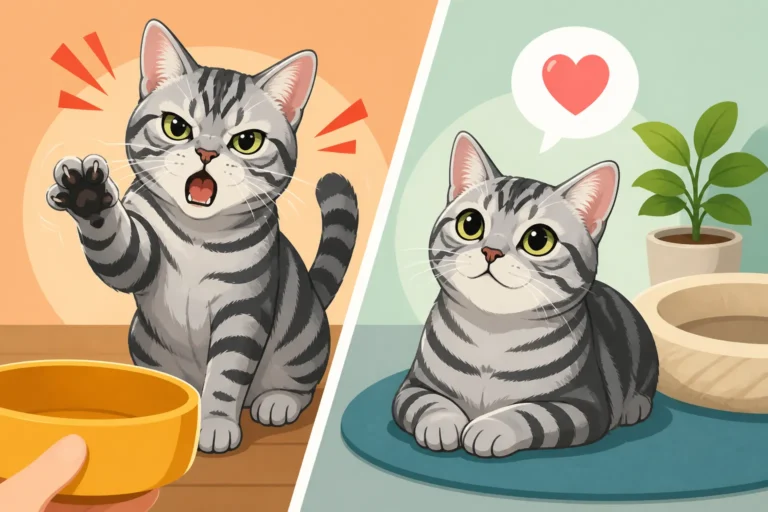
When an American Shorthair feels their territory is compromised, you might observe a range of subtle to overt behavioral shifts. Increased anxiety is common; they might become clingier, following you from room to room as if seeking reassurance, or conversely, they might become more withdrawn and hide more frequently in unusual spots. You might see them pacing, vocalizing more than usual (which for these typically quiet cats, is a big sign!), or even engaging in excessive grooming as a self-soothing mechanism.
Another clear indicator is a change in their litter box habits. An American Shorthair might start eliminating outside the box, particularly in areas they previously considered safe or part of their core territory, like a favorite rug or a corner of the living room. This isn't out of spite; it's often a desperate attempt to re-mark their territory with their own scent, trying to re-establish control over a space that now feels alien. They might also lose their appetite or change their sleeping patterns, becoming restless at night or sleeping far more than usual during the day.
The Impact of New Environments or Absences
Moving to a new home is arguably the biggest disruption an American Shorthair will face. Suddenly, their entire world is unfamiliar, lacking their familiar scent markers and visual cues. It's an entirely blank slate, and for a cat whose security is tied to a known territory, this can be incredibly overwhelming. They might spend days, even weeks, in a heightened state of alert, slowly trying to map out their new surroundings. How a Territorial American Shorthair Handles Being Moved can often be a slow and deliberate process.
Even a temporary absence, like a stay at the vet or a boarding facility, can be disorienting. When they return to a home they thought was theirs, the residual scents of the clinic or another animal can trigger a defensive response. They might perceive their own home as having been "invaded" or changed in their absence. This can lead to them being wary, cautious, and needing to thoroughly re-patrol and re-mark every inch of their familiar space to feel truly at home again. How an American Shorthair Handles Leaving Its Territory often means they come back needing to re-establish dominance over their own space.
Step-by-Step Guide to Rebuilding a Patrol Route in a New Home
Moving house is one of life's most stressful events, and it's doubly so for your American Shorthair. Their entire world shifts, and their carefully constructed mental map of safety and security is completely erased. But with a structured, patient approach, you can guide them through this transition, helping them to build a new patrol route and reclaim their confidence.
Starting Small: The Safe Room Strategy
The absolute best way to introduce your American Shorthair to a new home is by starting with a dedicated "safe room." This should be a quiet, contained space, like a spare bedroom or a large bathroom, where they can feel secure without being overwhelmed by the entire house. Before they even arrive, set up this room with all their essentials: a litter box, food and water bowls, a comfortable bed, and a scratching post. Include familiar items from your old home, like a favorite blanket or a toy, to provide comforting scents.
When you first bring your American Shorthair into the new home, take them directly to this safe room. Close the door and let them explore at their own pace. Spend some quiet time with them in this room, sitting on the floor, offering gentle reassurance. Don't force interaction; just be a calm presence. The idea is for this room to become their secure base, a predictable sanctuary from which they can eventually venture out. Keep this room as consistent as possible, and remember, How Many Litter Boxes an American Shorthair Needs might increase in a new large space, but start with one reliable, easily accessible one in their safe room.
Here's a quick checklist for setting up your American Shorthair's safe room:
| Item | Description | Purpose |
|---|---|---|
| Litter Box | Clean, easily accessible, familiar litter type. | Essential for comfort and hygiene. |
| Food & Water | Bowls with their usual food and fresh water. | Sustenance in a secure environment. |
| Comfortable Bed | Familiar bed or blanket with old scents. | Sense of security, cozy retreat. |
| Scratching Post | Vertical or horizontal, preferred material. | Scent marking, stress relief, claw health. |
| Favorite Toys | Small, familiar toys for comfort and play. | Reduces anxiety, encourages natural behavior. |
| Familiar Blanket | Blanket from old home, draped over furniture or bed. | Strong scent association with previous home. |
| Hiding Spots | Cardboard box, carrier with door open, or soft cave bed. | Provides a secure retreat. |
| Pheromone Diffuser | Plugged in a few hours before arrival (optional but recommended). | Creates a calming environment. |
Gradual Expansion and Scent Integration
Once your American Shorthair is comfortable and confident within their safe room, typically after a few days to a week, you can begin the slow process of introducing them to the rest of the house. Start by opening the safe room door, allowing them to explore the adjacent room. Don't push them; let their curiosity lead the way. It’s important to supervise these initial explorations, but allow them space to investigate every corner.
Scent integration is absolutely key here. Rub a soft cloth on your cat’s cheeks and head (where their scent glands are located) and then gently wipe it on doorframes, furniture legs, and new items throughout the house, at their head height. This helps them "mark" the new territory with their own scent, making it feel more familiar and less threatening. You can also move their bed or a favorite blanket to new areas they've explored. Remember that companies like Amazon offer a wide range of scent diffusers specifically designed for cats, which can help promote a sense of calm during this transitional period. Gradually, over days or weeks, open up more rooms, always observing their comfort level and ensuring their core resources remain accessible.
Establishing Core Resources and New Scent Markers
As your American Shorthair begins to explore the wider home, you need to strategically place their core resources. This includes additional litter boxes in various locations, especially if you have a multi-story home, and multiple food and water stations. These don't have to be fancy; a simple bowl of fresh water in a quiet corner can make a huge difference. Consider adding vertical spaces like cat trees or shelves, as American Shorthairs, despite their ground-dwelling history, appreciate vantage points. How High an American Shorthair Needs to Get and How Much Vertical Space an American Shorthair Needs are important considerations for their sense of security.
Every time they use a new scratching post, rub against a doorframe, or settle into a sunny spot, they are depositing their unique scent, slowly turning an alien environment into their own. Continue to use those pheromone diffusers in key areas where they spend a lot of time. Place a What a Cat Tree an American Shorthair Will Actually Use Costs in a central location with a good view, giving them a high perch for surveying their domain – a perfect spot for feeling secure and re-establishing their patrol. The more they interact with and mark their new surroundings, the faster they will rebuild their mental map and feel truly at home.
Re-establishing a Route After Minor Disruptions or Returns
It's not just big moves that can throw an American Shorthair off their patrol route. Even seemingly minor events like a vet visit, a boarding stay, or a change in furniture can disrupt their sense of order. Understanding how to smoothly re-integrate them and reinforce their comfort in these situations is just as important.
Calming the Re-entry Process
Bringing your American Shorthair home after a stressful event like a vet visit or a stay at a boarding kennel requires a gentle approach. They might be carrying unfamiliar scents, which can make them feel out of place in their own home, or even cause conflict with other resident pets. When you first arrive home, take them to their safe room or a quiet, familiar part of the house. Don't immediately unleash them into the chaos of family life. Give them a few hours, or even a full day, to decompress and re-familiarize themselves with the scents of home.
Offer a small, comforting meal and fresh water. Spend some quiet time with them, petting them gently if they welcome it. You might want to use a Feliway or other calming spray on a cloth and rub it around their carrier before letting them out, or plug in a pheromone diffuser in their main living area well before they arrive. This helps neutralize any lingering "stranger" scents they might have picked up and re-establish the comforting aroma of their territory. Patience is key; let them decide when they are ready to emerge and re-engage with their world.
Reinforcing Familiarity After Furniture Changes or Renovations
Even something as simple as moving a sofa or replacing an old rug can momentarily confuse an American Shorthair. Their mental map is precise, and changes to visual landmarks or scent profiles can be unsettling. If you're undertaking renovations or major furniture rearrangement, try to do it gradually if possible, or keep your cat in a separate, unaffected room while the major work is happening. How an American Shorthair Handles Building Work is a great example of where careful management of their environment can prevent a lot of stress.
Once the changes are complete, give your cat access to the altered area gradually. Encourage them to explore by placing treats or favorite toys in the new configuration. Again, use that trusty scent-transfer technique: rub a soft cloth on their cheeks and then wipe it on the newly moved or introduced furniture. This effectively "marks" the new items with their own scent, making them part of the familiar territory rather than a foreign intrusion. Consistency in other routines, like feeding times and playtime, will also provide a sense of stability during these minor upheavals.
Encouraging Exploration and Confidence
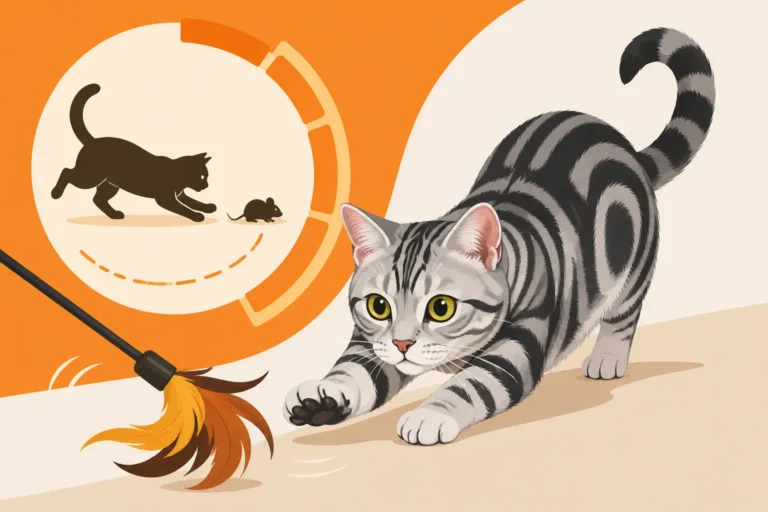
Whether it's a new home or just a tweaked old one, actively encouraging your American Shorthair to explore and interact with their environment will boost their confidence and help them cement their patrol route. Play is a fantastic tool for this. Use wand toys, like those found on Amazon, to guide them through different rooms, up cat trees, and around new obstacles. Which Wand Toy Reads as Prey to an American Shorthair will help them engage with their environment in a natural way, simulating the hunt that is so inherent to their breed.
Remember, the goal of play for an American Shorthair is to simulate the full hunting sequence, which means they need to "catch" the prey at the end. Why an American Shorthair Needs to Catch the Toy is not just about fun; it's about fulfilling that deep-seated instinct, providing a sense of accomplishment and control. Puzzle feeders, also widely available on Amazon, can be scattered around the house, encouraging them to "hunt" for their food and explore new corners of their territory. The more positive associations they build with every part of their home, the more secure and confident they'll become in their re-established, or newly established, patrol route.
Disclaimer
This article is for general informational purposes only and does not constitute professional advice. Laws, prices and regulations vary by location and change over time. Consult a qualified professional for guidance on your specific situation.