Why a Stoic American Shorthair Hides Pain the Longest
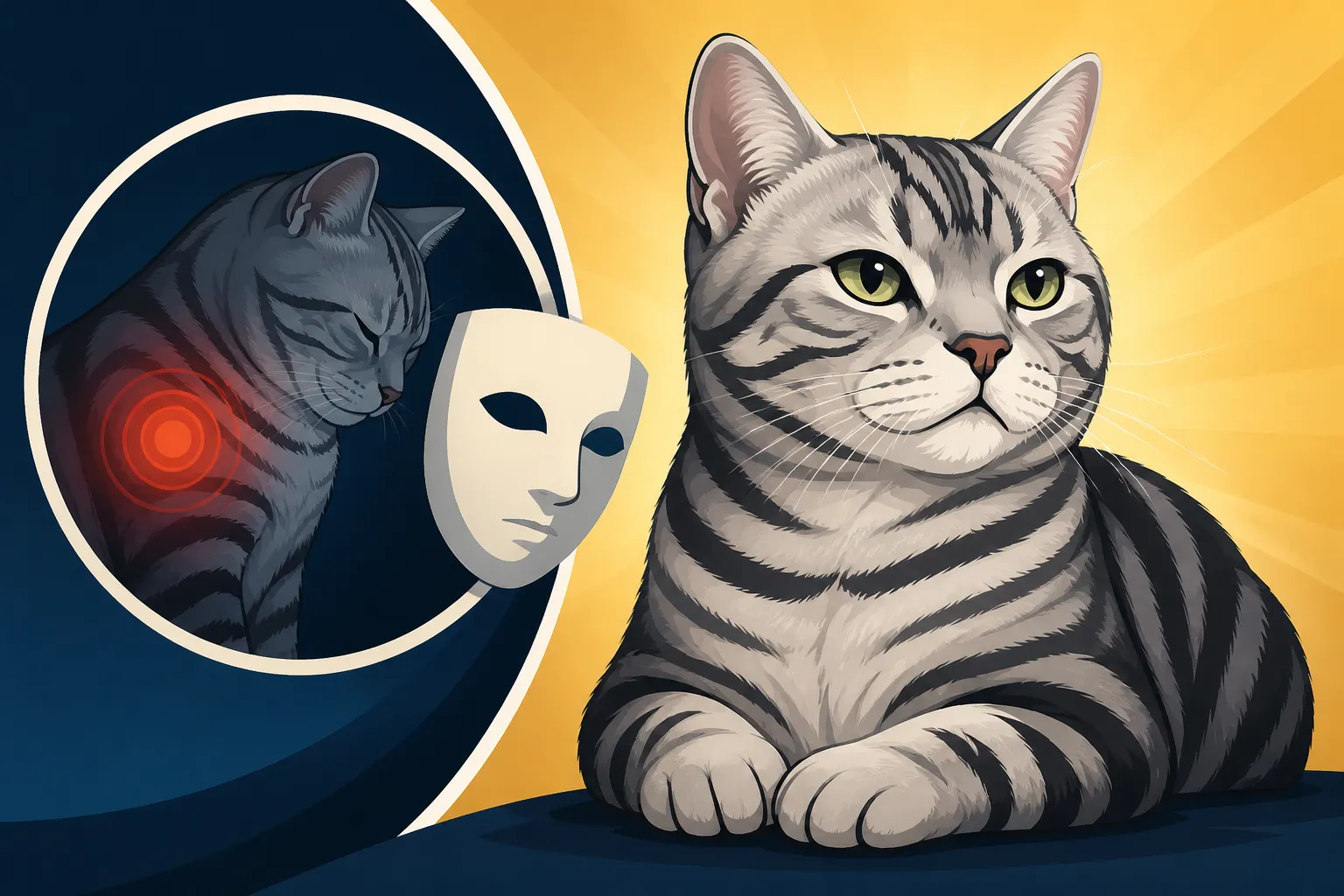
It’s a heartbreaking reality for many American Shorthair owners: your seemingly robust and unfazed companion might be suffering in silence, simply because their inherent stoicism makes them incredibly good at masking discomfort. This guide will delve into the deep-rooted reasons behind this stoic nature, help you decipher the subtle signals your American Shorthair might be sending, and provide actionable strategies to ensure your beloved feline friend lives a comfortable and pain-free life, even when they’re trying their hardest to pretend everything is fine.
The American Shorthair's Innate Stoicism and Its Origins
When we talk about the American Shorthair, we're not just discussing a pretty face; we're talking about a cat whose very being is steeped in a history of independence and self-reliance. Their stoicism isn't a personality quirk as much as it is a deeply ingrained survival mechanism, honed over centuries. Understanding this background is key to recognizing why they might hide pain, even from their most devoted humans.
A Legacy of Independence and Survival
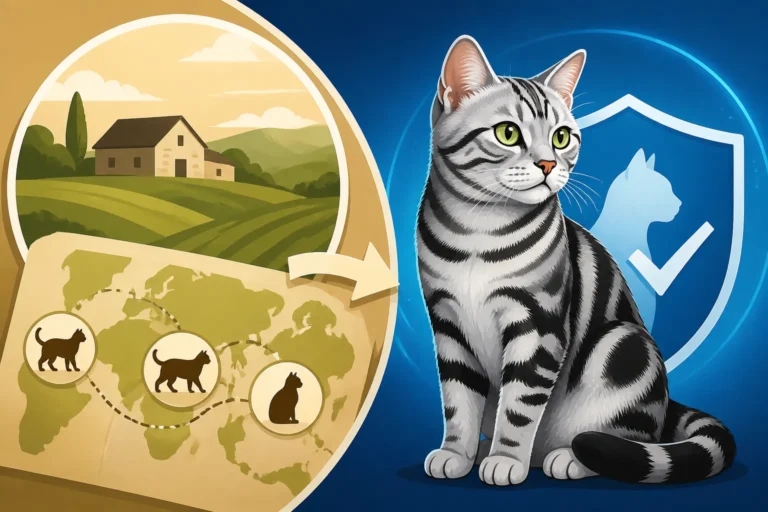
Imagine the ancestors of your American Shorthair – the resourceful, hardy cats that sailed on ships across oceans and worked tirelessly on farms and in burgeoning settlements across North America. These weren't pampered pets; they were essential workers, earning their keep as master mousers and pest controllers. In such a demanding environment, showing weakness was a liability. A cat that displayed pain or illness openly might be seen as vulnerable, making it a target for predators or potentially losing its place in the pecking order for food and shelter.
This intense pressure to survive meant that any cat too overtly expressive of its discomfort simply didn't thrive. Over generations, a natural selection process favored those individuals who could endure hardship silently, continuing their vital work without drawing undue attention to themselves. This quiet resilience became a cornerstone of the American Shorthair's genetic makeup, shaping the calm, independent, and sometimes inscrutable companion we know today. They are survivors, through and through, and that survival instinct still whispers in their DNA, even when they are safe and sound on your sofa.
The Working Cat Mentality in Modern Pets
Fast forward to today, and while most American Shorthairs lead lives of pampered luxury, that historical programming for resilience remains. They carry within them the spirit of the working cat, a creature accustomed to facing challenges alone and pushing through discomfort. This isn't to say they don't feel pain; quite the opposite. They feel it just as acutely as any other cat, but their instinctual response is to internalize it, to manage it without complaint.
For us, as their owners, this means we can't expect overt signs of distress. A cat with a working heritage isn't going to limp dramatically or cry out every time something hurts. Instead, they will try to maintain their normal routine for as long as possible, conserving energy and observing their surroundings. Their focus isn't on seeking comfort from us in the way a more "designer" breed might be; it's on continuing to function and maintain their territory. This is why even a small change in behavior can be a huge red flag that something is amiss, a signal we need to learn to interpret. They don't want you to worry, or perhaps, they simply don't have the biological imperative to broadcast their vulnerability.
Common Sources of Pain an American Shorthair Might Conceal
Because of their impressive ability to mask discomfort, it’s even more crucial for American Shorthair owners to be aware of the common ailments and injuries that can cause them pain. Many of these issues develop slowly, making their hidden nature even more challenging to detect until they become advanced.
Arthritis and Joint Discomfort
Just like us, cats, especially as they age, can develop arthritis. This is particularly relevant for the sturdy, well-muscled American Shorthair, whose broad-chested frame puts pressure on their joints over time. You might not see a dramatic limp, at least not initially. Instead, you might observe subtle shifts in their movement. Perhaps they hesitate before jumping onto the counter, or they choose to sleep on lower surfaces than they once did. An American Shorthair that once effortlessly scaled a tall cat tree might now favor the bottom perch. These aren't just signs of "slowing down" due to age; they are often indicators of chronic pain in their hips, knees, or spine.
Imagine your cat, usually so agile, taking a moment longer to stretch after a nap, or showing a slight stiffness in their gait when they first get up. These subtle changes are their body telling you they're hurting, even if their brave demeanor doesn't. You might notice they're less enthusiastic about playtime that involves high jumps or rapid chases, choosing instead to watch from the sidelines. These can be early warnings that their joints are causing them grief. Recognizing these changes can be tough, especially with a cat whose natural inclination is to act tough. If you're wondering How an American Shorthair Shows Its Joints Hurt, paying attention to these small deviations from their usual energetic self is paramount.
Dental Disease and Oral Pain
Feline dental disease is incredibly common, and it’s also one of the most frequently hidden sources of pain. Cats are notorious for continuing to eat, even when their mouths are excruciatingly painful from gingivitis, periodontal disease, or tooth resorption. The American Shorthair, with its strong jaws and history of using its mouth for hunting, might be even more prone to simply "toughing it out" rather than demonstrating obvious discomfort while eating.
You might notice a gradual change in their eating habits: perhaps they start to prefer softer foods, chew on one side of their mouth, or drop bits of kibble. Sometimes, the only sign is bad breath, or you might never know until a routine vet check reveals significant issues under anesthesia. A cat with severe dental pain might become a bit more withdrawn, less interested in being petted around the head, or might stop grooming as meticulously as before because moving their jaw is uncomfortable. It’s not uncommon for an American Shorthair to have several painful teeth that nobody noticed because they just kept on eating. Regular dental check-ups are essential, and a dedicated pet health plan like those offered by Healthy Paws can really ease the financial burden of these often-expensive dental procedures, ensuring your cat gets the care it needs without delay.
Internal Organ Issues and Chronic Illness
Beyond musculoskeletal and dental pain, American Shorthairs, like all cats, can suffer from a range of internal conditions that cause chronic discomfort, such as kidney disease, hyperthyroidism, or even undetected cancers. These illnesses often progress silently, with the cat's stoicism making early detection even harder. For instance, How Kidney Disease Creeps Up on an Old American Shorthair is a prime example of a condition that causes generalized malaise and discomfort long before obvious symptoms appear.
A cat might experience a dull ache, nausea, or a persistent feeling of being unwell, yet outwardly appear largely normal. You might see very subtle changes: a slight decrease in appetite, a shift in their sleeping patterns, or a less enthusiastic response to their favorite toys. They may seek out quieter, warmer places to rest, or simply seem "off" without any clear explanation. An American Shorthair suffering from chronic pain due to internal issues will conserve energy and might be less interactive, not because they're aloof, but because every movement causes a degree of discomfort. This is why paying close attention to their routine and temperament is vital for owners of this resilient breed.
Deciphering the Subtle Signs of Pain
Given their natural inclination to hide pain, recognizing discomfort in an American Shorthair requires a keen eye and a deep understanding of their individual personality. You won't often hear loud meows or see dramatic limps; instead, you'll need to look for nuanced behavioral shifts.
Behavioral Changes That Hint at Discomfort
The most telling signs of pain in a stoic American Shorthair are often found in deviations from their established routines and personality. Think of your cat's baseline behavior—how they usually eat, sleep, play, and interact with you. Any subtle drift from this norm can be a whisper of pain. For example, an American Shorthair that typically greets you at the door might start lingering in another room, or they might reduce their grooming, especially in hard-to-reach areas like their back, if joint pain makes stretching difficult. Conversely, some cats might over-groom a painful area, licking excessively to try and soothe themselves.
You might notice changes in their sleep patterns: sleeping more than usual, or in unusual spots, trying to find a position that minimizes discomfort. Perhaps they become less tolerant of petting in certain areas, or even withdraw completely from physical contact, which for an otherwise affectionate American Shorthair can be a significant red flag. They might also become more irritable, hissing or swatting if touched in a painful spot, which is a big change for a breed known for its placid nature. Even subtle changes in their vocalizations – a softer meow, or less frequent chatter – can be a sign. If your usually quiet American Shorthair has gone When an Already Quiet American Shorthair Has Gone Too Quiet, it's time to pay close attention.
Changes in Movement and Posture
Because pain often affects mobility, observing your American Shorthair's movements can provide critical clues. While they may not limp, you might notice a stiffness when they get up, or a reluctance to jump to their favorite high perches. They might start using furniture or ramps to get to places they once easily leaped to. Their gait might appear subtly altered, perhaps a bit more hesitant or less fluid.
Changes in posture are also significant. A cat in abdominal pain might hunch its back, or sit in a "sphinx" position for extended periods. Cats with neck pain might hold their head lower, or be unwilling to turn it fully. If they're struggling with joint pain, they might stand with their legs held closer together, or shift their weight unevenly. Even the way they position themselves in the litter box can be a clue; straining or spending an unusual amount of time could indicate urinary or digestive discomfort. This is where understanding Why an American Shorthair Stops Jumping to the Counter becomes crucial, as it's often more than just laziness.
Appetite and Hydration Variations
While many cats continue to eat even when in pain, subtle changes in their appetite or drinking habits can be a sign. They might eat slower, drop food, or show less enthusiasm for meal times. If they have dental pain, they might only eat wet food, or chew only on one side. A significant decrease in appetite, or even an increase in hunger for conditions like hyperthyroidism, warrants attention.
Changes in water intake are also important. Increased thirst can be a sign of kidney disease or diabetes, both of which can cause systemic discomfort. Conversely, if your cat is in pain, they might be less willing to get up to drink, leading to dehydration. Keeping track of their daily food and water consumption, even informally, can help you spot these subtle shifts. A sudden preference for drinking from the faucet over their bowl, for example, could indicate they’re struggling to bend down to drink, a sign of spinal or neck pain.
Table: Subtle Indicators of Pain in an American Shorthair
| Behavioral Aspect | Potential Signs of Pain | What to Look For |
|---|---|---|
| Activity Level | Reduced play, reluctance to jump/climb, increased sleeping, hiding | Less interest in toys, hesitation before jumping, choosing lower sleeping spots, prolonged naps, avoiding family |
| Grooming | Over-grooming specific areas, poor grooming, matted/unkempt coat | Excessive licking/biting at one spot, greasy coat, matted fur, especially on the back or base of the tail |
| Appetite & Thirst | Decreased or increased appetite, changes in eating style, altered drinking habits | Eating slower, dropping food, chewing on one side, favoring wet food, unusual thirst or reluctance to drink |
| Interaction/Temperament | Withdrawal, irritability, aggression when touched, less affectionate, changes in vocalization | Avoiding contact, hissing/swatting, less purring/cuddling, altered meows or silence |
| Litter Box Habits | Straining, vocalizing in box, accidents outside, changes in posture | Prolonged squatting, crying out during elimination, urinating/defecating outside box, hunched posture while eliminating |
| Posture & Movement | Stiffness, abnormal gait, hunched back, favoring limbs, head held low | Difficulty rising, "bunny hopping" stairs, arched back, holding one paw up, unwillingness to turn head |
| Appearance | Dull coat, dilated pupils, tense muscles, weight loss/gain | Lackluster fur, wide pupils (in unusual contexts), tense body language, noticeable changes in body condition |
Proactive Care for a Stoic Companion
Caring for an American Shorthair means embracing their independent spirit while also acknowledging their incredible ability to mask discomfort. Proactive measures are the best defense against hidden pain.
Regular Veterinary Check-ups and Screening
The absolute cornerstone of proactive care for an American Shorthair is regular veterinary visits. Even if your cat seems perfectly fine, an annual or bi-annual check-up allows a professional to perform a thorough physical examination, which can catch subtle signs of illness or pain that you might miss. Vets are trained to notice changes in muscle mass, joint flexibility, dental health, and organ function that might indicate a brewing problem. They can assess your cat's gait and posture with a professional eye, often spotting a problem before it becomes obvious.
As your American Shorthair ages, these check-ups become even more critical. Many vets recommend a senior blood panel to screen for common age-related diseases like kidney disease, hyperthyroidism, and diabetes, which can cause significant, yet hidden, discomfort. While they are a generally robust breed, regular check-ups help ensure their long lifespan is a comfortable one. For example, How Regularly a Healthy American Shorthair Still Needs Checking emphasizes that even a low-risk breed benefits immensely from consistent professional oversight. Don't wait for obvious symptoms; proactive screening can detect issues early when they are most treatable, potentially saving your cat from months or years of silent suffering.
Creating an Environment for Comfort and Exercise
A comfortable and enriching environment plays a huge role in both preventing and managing pain in your American Shorthair. Ensure they have soft, warm sleeping spots that are easy to access. If they're showing signs of joint stiffness, provide ramps or steps to help them reach their favorite elevated areas without painful jumping. A multi-level cat tree with easily accessible platforms can satisfy their natural instinct to climb without putting undue strain on their joints.
Regular, appropriate exercise is also vital. While they might be stoic, American Shorthairs still possess a strong hunting drive, and engaging this instinct with interactive toys can keep their muscles strong and joints mobile. Play sessions should mimic hunting, allowing them to stalk, pounce, and "catch" their prey. This not only provides physical exercise but also mental stimulation, which is important for overall well-being. Keeping them at a healthy weight is paramount, as extra pounds put immense strain on their joints, potentially leading to pain and reduced mobility. A proper diet and portion control are critical, especially for a breed known for its hearty appetite.
The Role of Pet Insurance and Financial Planning
Let's be realistic: vet care, especially for chronic conditions or unexpected emergencies, can be expensive. This is where pet insurance can be a game-changer for American Shorthair owners. Knowing that you have financial support for diagnostic tests, medications, or even specialist consultations can remove a huge barrier to seeking prompt veterinary care. You won't have to hesitate to investigate a subtle change in behavior or pursue an expensive diagnostic work-up if your cat suddenly experiences a limp that is Why a Limp in a Stoic American Shorthair Is Never Minor.
Providers like Healthy Paws offer comprehensive coverage that can help cover the costs of unexpected accidents and illnesses, giving you peace of mind and ensuring your stoic companion gets the best possible treatment without financial strain. For a breed that hides pain so well, timely and thorough veterinary care is often the only way to uncover hidden ailments. Having insurance means you can authorize necessary procedures, like X-rays for potential arthritis or a full dental cleaning with extractions, without delay, directly addressing the hidden pain your American Shorthair might be enduring. It's an investment in their comfort and well-being.
Advocating for Your American Shorthair
Because your American Shorthair is so adept at masking pain, you become their primary advocate. Your attentiveness and willingness to dig deeper are what will ultimately ensure their comfort.
Trusting Your Gut and Documenting Changes
When it comes to a stoic cat, your intuition as an owner is incredibly powerful. If you feel like something is "off" with your American Shorthair, even if you can't pinpoint exactly what it is, trust that feeling. You know your cat best, and subtle shifts in their energy, their interactions, or their daily habits that a stranger might dismiss as normal can be significant indicators to you. Don't let their brave face fool you into thinking they are okay when your gut says otherwise.
It's also immensely helpful to keep a journal or notes on any behavioral changes you observe. Write down when you first noticed something, what the change entails, and how frequently it occurs. For example: "April 15th: Jasper hesitated before jumping onto the bed this morning. April 20th: Jasper is sleeping more in the quiet den than on the sofa." This detailed information can be invaluable to your veterinarian, providing a timeline and specific examples that help them diagnose the issue more efficiently. Remember, for a breed that says so little, every small detail you provide adds to the picture.
Communicating Effectively with Your Vet
When you bring your American Shorthair to the vet with concerns about potential pain, it's crucial to communicate your observations clearly and concisely. Don't just say "I think he's in pain"; instead, describe the specific changes you've seen. Use your notes to list the behavioral, movement, or appetite changes you've observed, even if they seem minor. Emphasize their stoic nature and how these small shifts are actually quite significant for your particular cat.
Be prepared to answer questions about their diet, litter box habits, activity levels, and interactions at home. Explain that you understand American Shorthairs hide pain well, and that's why you're being extra vigilant. A good veterinarian will appreciate your detailed observations and work with you to uncover the root cause. Don't be afraid to ask questions about diagnostic options or pain management strategies. You are your cat's voice, and advocating for them means ensuring their needs are heard and addressed by their healthcare team.
Understanding Pain Management Options
If your American Shorthair is diagnosed with a painful condition, knowing that there are many options for pain management can bring great relief. Depending on the cause, your vet might recommend a combination of approaches. This could include anti-inflammatory medications, joint supplements, physical therapy, or even alternative therapies. For chronic conditions like arthritis, multimodal pain management—using several different types of treatment—is often the most effective.
Remember that managing pain isn't just about medication; it's also about environmental modifications, weight management, and sometimes, even dietary changes. Discuss with your vet the pros and cons of different treatments, potential side effects, and how you can administer medications at home. For a stoic cat, finding a routine that minimizes stress while maximizing comfort is key. Your vet can also help you understand how to monitor their progress and adjust treatments as needed, ensuring your American Shorthair maintains the best possible quality of life, even if they never openly complain. This holistic approach ensures that while they may still hide some discomfort, you're doing everything you can to prevent it and alleviate it when it does occur.
Disclaimer
This article is for general informational purposes only and does not constitute professional advice. Laws, prices and regulations vary by location and change over time. Consult a qualified professional for guidance on your specific situation.