How an American Shorthair Copes Left Overnight
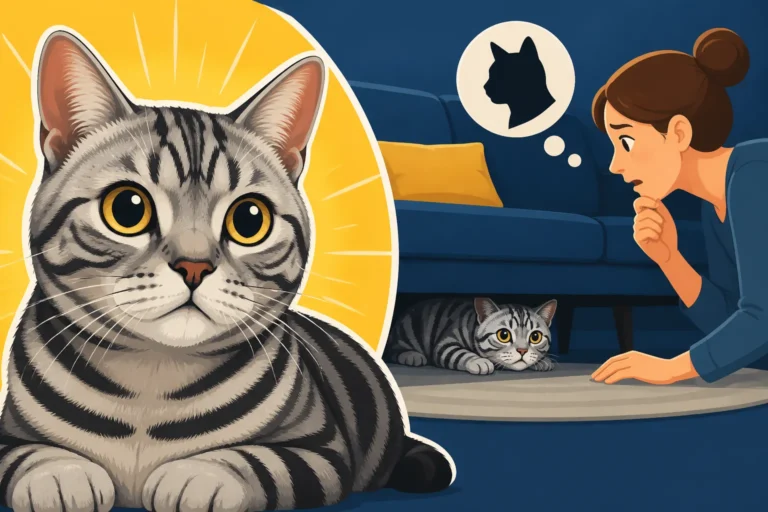
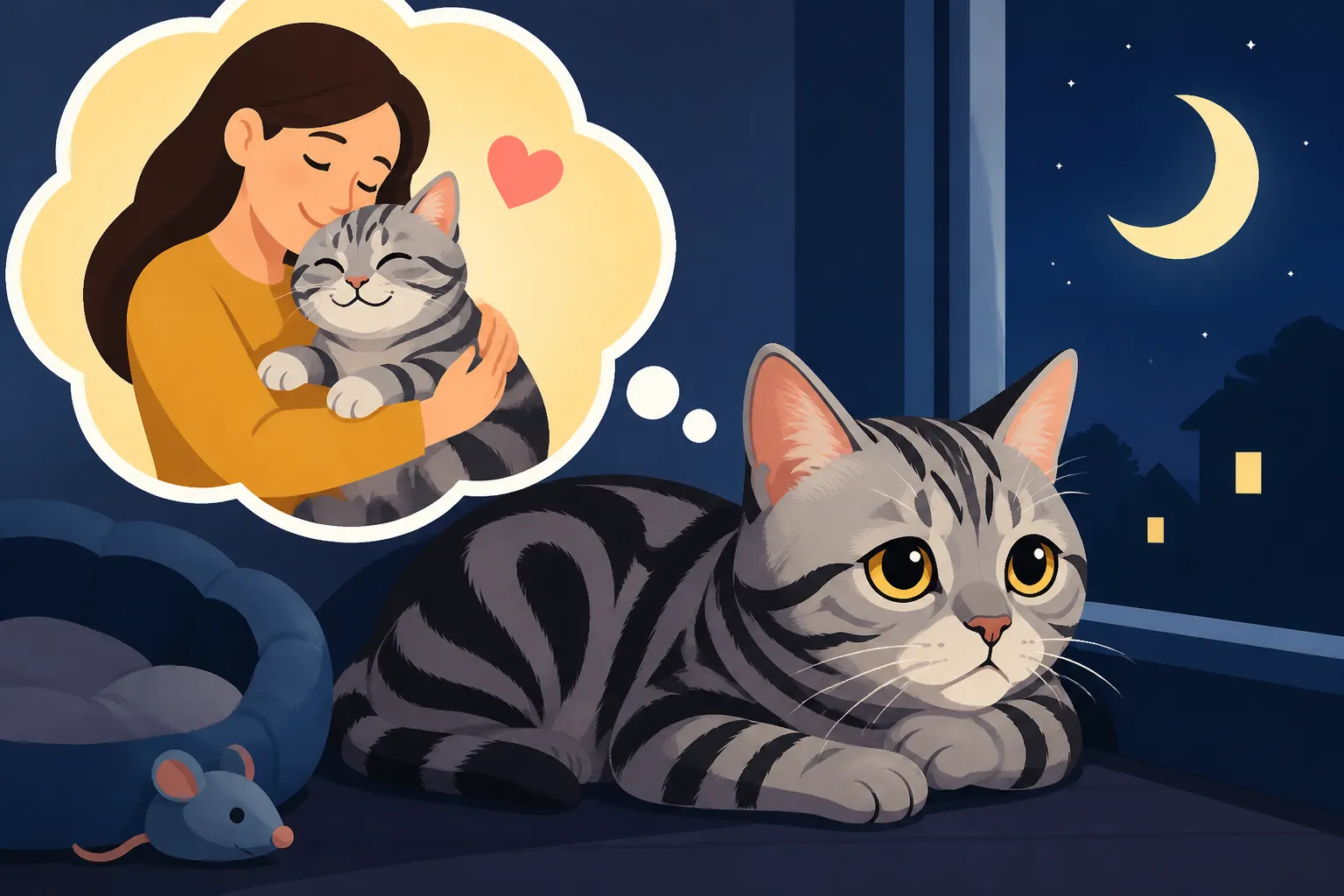
It’s a common scenario for busy cat parents: you’re faced with an overnight trip, perhaps for work, a family event, or a much-needed break, and a familiar wave of guilt washes over you. Can your beloved feline companion handle being left alone? While some cat breeds might throw a dramatic protest or develop separation anxiety, the American Shorthair, with its calm and self-reliant nature, often copes remarkably well with a night spent solo. This guide will walk you through what to expect, how to prepare, and how to ensure your American Shorthair remains happy and healthy during your absence.
Understanding the American Shorthair's Independent Spirit
The American Shorthair isn't just any housecat; they carry a strong lineage of self-sufficiency that informs how they handle being left alone. Their history is etched into their very being, making them remarkably resilient and less prone to the kind of dramatic separation anxiety you might see in more delicate or highly people-dependent breeds.
A Legacy of Self-Reliance
Think about the origins of the American Shorthair. Their ancestors weren't bred to be pampered lap cats or decorative ornaments in a royal court. Instead, these were the ultimate working cats, earning their keep on ships and farms across North America for centuries. They were the original pest control experts, a vital part of survival for early settlers. This means they developed an innate ability to hunt, protect their territory, and generally take care of themselves without constant human intervention. They were solitary hunters, perfectly capable of spending long hours alone, patrolling their domain, and only seeking human company on their own terms.
This deep-rooted independence means your American Shorthair isn't likely to view your overnight absence as a personal betrayal or a catastrophic event. For them, a quiet house might just mean more time for undisturbed patrols or a particularly deep nap in their favorite sunbeam. They are comfortable in their own skin, and more importantly, comfortable in their own territory. You can learn more about their history in How Farm Work Shaped the American Shorthair.
How a Self Reliant American Shorthair Rarely Panics Alone
Unlike some breeds that thrive on constant interaction and can become visibly stressed when their human companions are out of sight, the American Shorthair typically possesses a calm demeanor that allows them to adapt easily to temporary solitude. Their self-reliant nature means they aren't wired to panic the moment you close the door. They don't typically pace anxiously by the window, wailing for your return, or engage in destructive behaviors born of pure loneliness.
Instead, they often settle into their usual routine. They’ll likely spend a good portion of the night sleeping, as cats naturally do, interspersed with short bursts of activity, perhaps patrolling their perceived territory, having a snack, or playing with a favorite toy. Their comfort comes from the familiarity of their surroundings – their scents, their spaces, their routine. As long as their basic needs are met and their environment feels secure, an American Shorthair is usually content to be the sole monarch of their castle for a night. This trait is a huge relief for owners, and it speaks volumes about Why a Self Sufficient American Shorthair Copes With a Long Day. They understand the rhythm of life and don't assume every departure is permanent.
Essential Preparations for an Overnight Stay
Even with their independent streak, you wouldn't just walk out the door without a second thought, right? Preparing your American Shorthair for an overnight stay is all about ensuring their physical comfort and mental well-being, leaving them with everything they need to feel secure and cared for. A little planning goes a long way in making sure your cat has a smooth, stress-free night.
Food and Water
This might seem obvious, but it's where most owners either overdo it or underdo it. For an American Shorthair, who historically had to work for every meal, food is a significant motivator, and their appetite can sometimes outlast their immediate need. Simply filling their bowl to the brim with dry kibble might seem like a good idea, but it can lead to overeating or stale food.
Consider an automatic feeder, especially if your cat is prone to gulping down their food all at once. There are many reliable options available on platforms like Amazon that allow you to program precise meal times and portions, mimicking their usual feeding schedule. This consistency is crucial for their digestive health and helps prevent them from feeling bored or anxious because their routine is thrown off. As for water, always provide multiple sources. A large, stable bowl filled with fresh water is a must. Many American Shorthairs also enjoy drinking from a running tap or a pet water fountain, which can encourage them to drink more, an important factor for their overall health. Ensure all water sources are clean and full to the brim before you leave. You can read more about feline hydration in How Much Water an American Shorthair Should Drink.
Litter Box Logistics
A clean litter box is non-negotiable for any cat, but especially one that values its territory and routine as much as an American Shorthair. While they are usually excellent at using their litter box, a full or dirty box can lead to accidents or, worse, stress-induced avoidance.
Before you head out, give all their litter boxes a thorough scoop. If you have more than one cat, or if your cat tends to use the litter box frequently, consider setting out an extra box if space allows. The general rule of thumb is one litter box per cat, plus one extra, but for an overnight stay, ensuring the existing boxes are spotless is often sufficient for a single cat. Make sure the boxes are in their usual, quiet spots and are easily accessible. A clean, inviting space will make your American Shorthair feel more comfortable and reduce the chances of any unexpected surprises when you return. Knowing How Many Litter Boxes an American Shorthair Needs can help you assess if you have enough for a comfortable overnight.
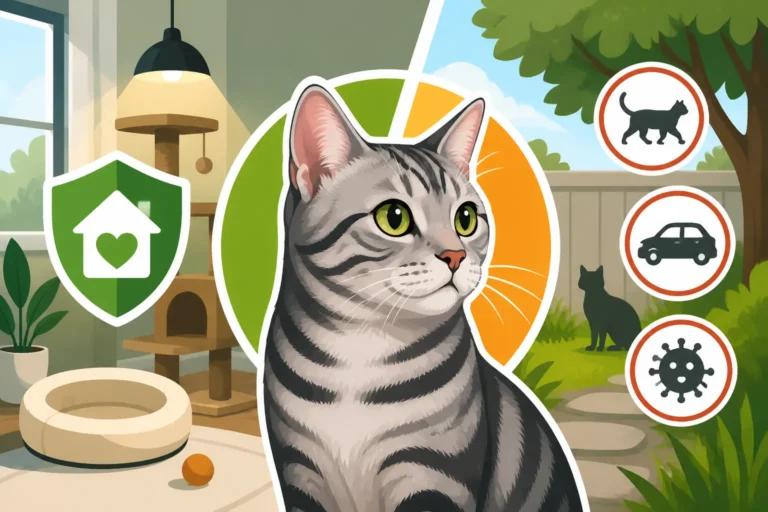
Safety and Environment
Creating a safe and secure environment is paramount. Cats are naturally curious, and an unattended house can present unexpected hazards. Before you leave, do a thorough sweep of your home:
- Secure Cabinets and Drawers: Cats, particularly the intelligent American Shorthair, can be surprisingly adept at opening doors and exploring forbidden areas. Secure any cabinets containing cleaning supplies, medications, or human foods that could be toxic to cats.
- Remove Potential Hazards: Put away any small items that could be swallowed, tie up loose cords from blinds or curtains that could pose a strangulation risk, and ensure any houseplants are non-toxic to cats. Even benign items can become a choking hazard if chewed.
- Temperature Control: Set your thermostat to a comfortable temperature, avoiding extreme heat or cold. Your American Shorthair has a hardy coat, but dramatic temperature swings can still be uncomfortable.
- Access to Retreats: Ensure your cat has access to all their usual favorite sleeping spots and hiding places. These secure zones provide comfort and a sense of safety, which is especially important when the house is quiet and they're alone. A cozy bed, a cat tree with a hideaway, or even an open closet door can serve as a reassuring retreat. While they're generally calm, sudden outside noises or unfamiliar situations can still startle them, so having a safe space is key. Their ability to handle various stimuli, including noise, is part of How an American Shorthair Handles Household Noise.
Keeping Your American Shorthair Engaged and Content
Even the most independent American Shorthair can get a little stir-crazy if they have nothing to occupy their intelligent minds during an extended solo period. Just because they don't demand attention doesn't mean they don't benefit from thoughtful enrichment. Ensuring they have stimulating activities helps prevent boredom and keeps their natural instincts satisfied.
Enrichment Opportunities
An American Shorthair still carries the strong hunting drive of its ancestors, even if their "prey" is now a crinkly toy instead of a mouse. When left alone, this instinct still needs an outlet. Providing various toys and engaging activities can make their overnight stay much more fulfilling:
- Interactive Toys: Leave out a selection of toys that they can play with independently. Think about toys that roll, crinkle, or have catnip infused. Puzzle feeders are an absolute gem for American Shorthairs. These require your cat to "work" for their food, mimicking the hunting process and providing mental stimulation. You can find a fantastic array of these on Amazon, from simple treat balls to more complex labyrinth feeders. This isn't just about food; it's about engaging their brains and satisfying their natural urge to problem-solve and hunt, even if it's just for a few kibbles. This is crucial for Which Toys Finish an American Shorthair's Hunt and helps them express Why an American Shorthair Still Hunts, Whether You Want It To or Not.
- Vertical Space: American Shorthairs appreciate vertical territory. Ensure they have access to cat trees, shelves, or window perches where they can survey their kingdom. A window perch with a view of bird feeders or outdoor activity can provide hours of passive entertainment, acting as their personal "cat TV."
- New Scents: Sometimes, a new scent can be an interesting distraction. You might leave out a paper bag (handles removed for safety) or a box for them to explore. Even a clean, fresh-smelling towel or blanket can offer a new sensory experience.
- Rotated Toys: If you have a collection of toys, consider rotating them. Put away some of their usual toys before you leave and bring out a few "new" ones. This element of novelty can keep them more interested and engaged.
Maintaining Routine
While your physical presence will be missing, trying to keep their routine as consistent as possible before and after your absence can significantly reduce any potential stress. Cats are creatures of habit, and their internal clock is surprisingly accurate.
- Pre-Departure Routine: Before you leave, engage in a good play session. Wear them out a bit, allowing them to expend some energy and satisfy their hunting instincts. Feed them at their usual time. This helps to normalize the evening and sets them up for a calm night.
- Post-Return Routine: When you get back, avoid making a huge fuss right away, which might inadvertently reinforce the idea that your absence was a big deal. Instead, calmly greet them, check their food and water, and scoop the litter. Then, engage in another play session or offer some focused attention. Re-establish their routine as quickly as possible. This predictability is a cornerstone of their well-being, especially considering How an American Shorthair Splits Its Day Between Patrol and Sleep. They thrive on knowing what to expect, and maintaining a consistent schedule, even with you away for a night, provides that comfort.
When Overnight Becomes Longer: Beyond a Single Night
While your American Shorthair can generally manage a single night alone with proper preparation, the calculus changes when your absence extends beyond 24 hours. The considerations shift from basic comfort to sustained care and companionship. It’s important to honestly assess your cat’s needs and your own travel plans to determine the best course of action for longer trips.
Assessing the Situation
Every American Shorthair, despite the breed's general characteristics, is an individual. What one cat tolerates, another might struggle with. Before planning a longer absence, take a moment to consider your specific cat:
- Individual Personality: Is your American Shorthair unusually clingy, or do they truly embrace solitude? Some might be more sensitive to changes, even if the breed generally isn't. Observe their behavior when you're gone for a workday – do they seem particularly lonely when you return, or are they just casually present?
- Age and Health: Kittens and senior cats often require more frequent attention. Kittens need more play and interaction for proper development, while older cats might need medication at specific times, or simply more oversight to ensure they're eating and drinking adequately. Caring for an American Shorthair Past Twelve requires specific considerations. A cat with a known medical condition, such as diabetes or kidney issues, absolutely cannot be left alone for more than a day without someone checking in.
- History of Stress: If your American Shorthair has a history of stress-related behaviors (like inappropriate urination or excessive vocalization) when left alone for even short periods, a longer absence is likely to exacerbate these issues. You might find it helpful to consider How Long an American Shorthair Copes Alone in the Day to gauge their threshold for solitude.
For absences longer than a single overnight, relying solely on ample food and water isn't sufficient. Cats need social interaction, mental stimulation, and regular human checks to ensure their health and safety. Even the most independent cat can become bored, lonely, or develop health issues that go unnoticed if left entirely alone for multiple days.
The Cat Sitter or Boarding Debate
For any trip lasting more than 24-36 hours, you absolutely need to arrange for someone to care for your American Shorthair. This usually comes down to two main options, each with its own pros and cons, particularly for a territorial breed like the American Shorthair.
1. A Pet Sitter (In-Home Care): This is often the preferred option for American Shorthair owners.
* Pros: Your cat stays in their familiar territory, which is incredibly important for a breed that thrives on knowing their environment. A pet sitter can maintain their routine, feed them, scoop the litter, and engage in play sessions. This minimizes stress from a change of environment. They also provide security for your home. Finding a reliable pet sitter is crucial, and you can even set up a pet camera (available on Amazon) to check in remotely and see how your cat is doing. This can offer immense peace of mind.
* Cons: It can be more expensive than boarding, especially for multiple daily visits. You need to trust someone with access to your home. Availability might be an issue during peak travel times. A good pet sitter understands What a Sitter Must Keep Up for an American Shorthair.
2. Boarding Facility: This involves taking your cat to a specialized facility where they will be cared for.
* Pros: Constant supervision by trained staff, often with veterinary support on-site or nearby. You don't have to give anyone access to your home.
* Cons: This is often the more stressful option for an American Shorthair. Cats are highly territorial creatures, and being removed from their home environment, even to a luxurious kennel, can be incredibly upsetting. They are exposed to new scents, sounds, and potentially other animals, which can lead to anxiety, hiding, or even refusal to eat. This disruption to their territory is a significant point of concern, as explored in Why Boarding Takes an American Shorthair's Territory Away. The breed thrives on familiarity, and a boarding facility can feel like a profound violation of their personal space.
Ultimately, for your American Shorthair, keeping them in their own home with a trusted pet sitter who visits daily is almost always the superior choice for trips longer than a single night. It honors their independent yet territorial nature, allowing them to remain the happy, calm monarch of their domain, even in your temporary absence.
| Consideration | Single Overnight (≤ 24 hours) | Extended Absence (> 24 hours) |
|---|---|---|
| Food | Ample dry food, consider automatic feeder for portion control | Automatic feeder essential; consider a wet food portion for hydration |
| Water | Multiple, full, clean water bowls/fountain | Multiple, full, clean water bowls/fountain; daily refills critical |
| Litter Box | Thoroughly scooped before departure | Daily scooping by a trusted person is essential |
| Safety | General hazard proofing | Enhanced hazard proofing; regular checks for new hazards by sitter |
| Enrichment | Variety of toys, puzzle feeder | Variety of toys, puzzle feeder; rotation by sitter to prevent boredom |
| Companionship | Usually fine with solitude | Needs daily human interaction (sitter preferred) |
| Monitoring | Optional pet camera | Highly recommended pet camera (e.g., from Amazon) |
| Vet Access | Vet contact info readily available | Vet contact info for sitter; emergency plan discussed |
| Peace of Mind for Owner | Often manageable with preparations | Relies heavily on reliable sitter/facility |
Disclaimer
This article is for general informational purposes only and does not constitute professional advice. Laws, prices and regulations vary by location and change over time. Consult a qualified professional for guidance on your specific situation.