How an American Shorthair Adapts to a New Baby
Bringing a new baby home is an incredibly exciting, yet undeniably chaotic time for any family. While our human hearts are overflowing with joy and anticipation, our furry family members, especially an American Shorthair, might find the sudden shift in household dynamics and the arrival of a tiny, noisy human a little overwhelming, to say the least. This guide is all about helping your stoic and adaptable American Shorthair navigate this huge life change with as much grace and comfort as possible, ensuring a smooth transition for everyone, two-legged and four-legged alike.
Preparing Your American Shorthair Before the Baby Arrives
One of the biggest mistakes new parents make is waiting until the baby is home to address how their cat will react. For an American Shorthair, a breed known for its calm demeanor but also its love for routine and predictable territory, a gradual introduction to upcoming changes is absolutely critical. Think of it as a pre-flight checklist for your feline co-pilot. You want to slowly desensitize them to the sights, sounds, and smells of a new infant, rather than dropping a bomb of novelty on their well-ordered world.
Introducing New Sights and Smells Gradually
Your American Shorthair relies heavily on scent and visual cues to understand their environment. A new baby brings a whole new olfactory and visual landscape. Suddenly, there are cribs, changing tables, strollers, and an array of baby products with unfamiliar smells invading their established territory. To help them cope, start early. Set up the nursery well in advance, allowing your cat ample time to explore the new furniture, sniff everything to their heart's content, and generally get used to these additions. Don't let the room become a no-go zone immediately; instead, make it a positive experience. You might even place some favorite treats or a cozy bed in the nursery during this phase.
As for smells, consider acquiring some baby lotion or powder a few weeks before the due date and gently applying a tiny bit to your hands after touching your cat, or on a blanket that your American Shorthair frequents. This allows them to associate these new, distinct baby scents with something familiar and safe – you. You're essentially creating a bridge between their current safe world and the future new arrival. The goal is to make these new elements part of their normal, everyday sensory input, rather than a jarring surprise when the baby arrives. How an American Shorthair Copes With Change is a good read if you want to understand more about their adaptability.
Acclimating to New Sounds and Routines
Babies are not quiet. They cry, coo, burp loudly, and have a host of specialized gadgets that make their own unique noises, from musical mobiles to bottle sterilizers. These sounds can be startling for a cat used to a quieter, more predictable home. Start playing recordings of baby sounds – crying, gurgling, fussing – at a very low volume, gradually increasing it over several weeks. Play these sounds during positive experiences, like meal times or cuddle sessions. This counter-conditions your American Shorthair to associate these sounds with comfort and security, rather than alarm.
Beyond sounds, a new baby will inevitably alter your daily routine. Late-night feedings, changed waking hours, and less dedicated playtime will be the norm. Begin to subtly adjust your cat's routine before the baby arrives. Shift feeding times by small increments, change playtimes, or introduce new interactive toys, perhaps from Amazon, that can occupy them independently. This helps your American Shorthair build resilience to schedule fluctuations, so they aren't hit with a double whammy of a new baby and a completely upended schedule. Remember, Why a Self Reliant American Shorthair Rarely Panics Alone speaks to their independent nature, which can be an asset here if you lean into it.
The Grand Introduction: First Encounters
The moment your baby comes home is monumental. For your American Shorthair, it's the arrival of the biggest change they've ever experienced. Managing these initial encounters with patience, foresight, and a focus on your cat's emotional state is paramount. Rushing things or forcing interactions can lead to fear, stress, and behavioral issues that are much harder to correct later on.
The Controlled First Meeting
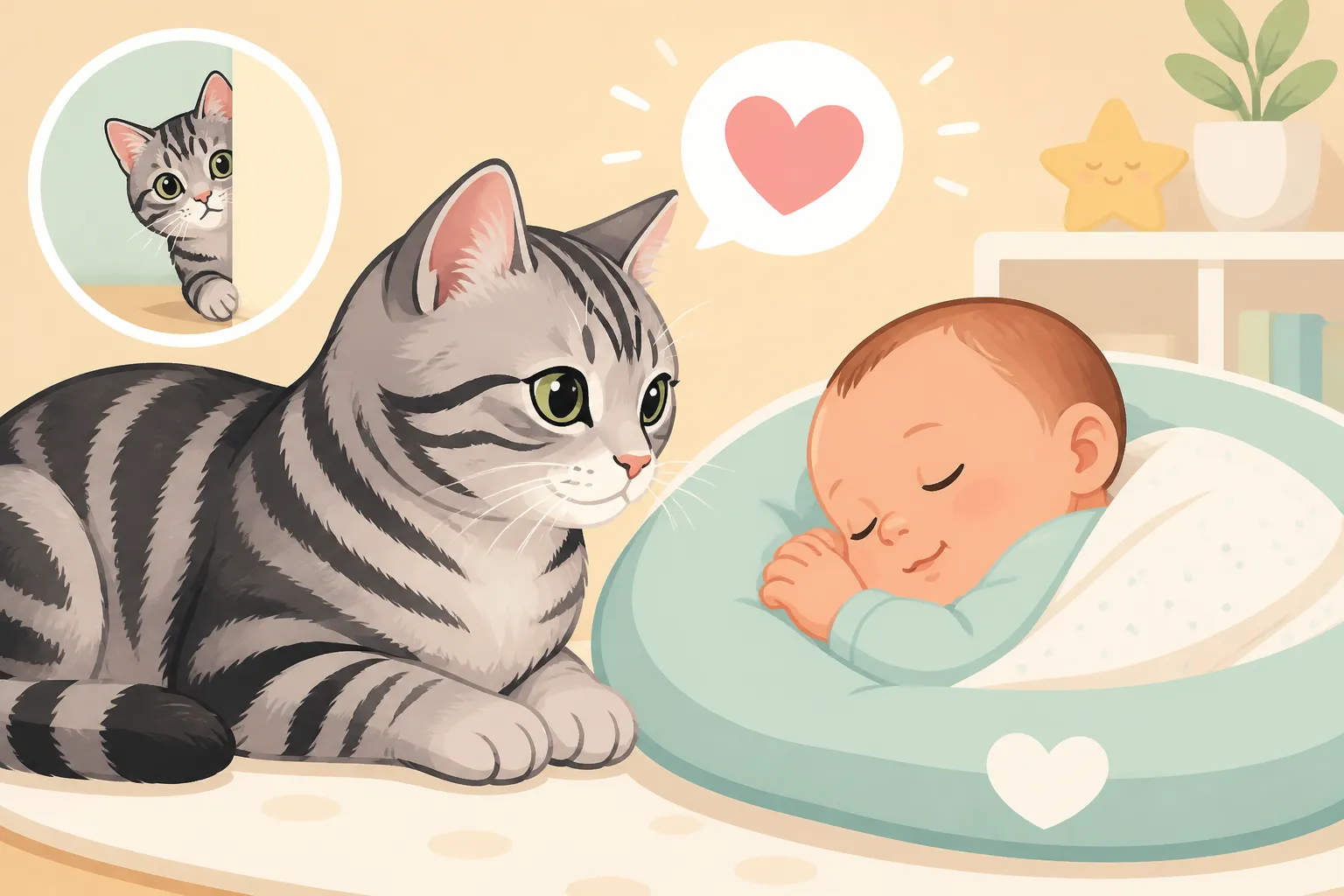
When you first bring the baby home, try to enter the house calmly. Before the baby even comes through the door, have someone, perhaps your partner, bring in a baby blanket or an item of clothing the baby has worn while still at the hospital. Let your American Shorthair sniff this item extensively in a calm environment. This allows them to process the smell of the baby without the overwhelming visual and auditory presence. When the baby is finally brought in, keep them in a carrier or in someone's arms. Allow your cat to observe from a distance. Do not force interaction. Offer praise, treats, or gentle petting to your American Shorthair when they remain calm in the baby's presence.
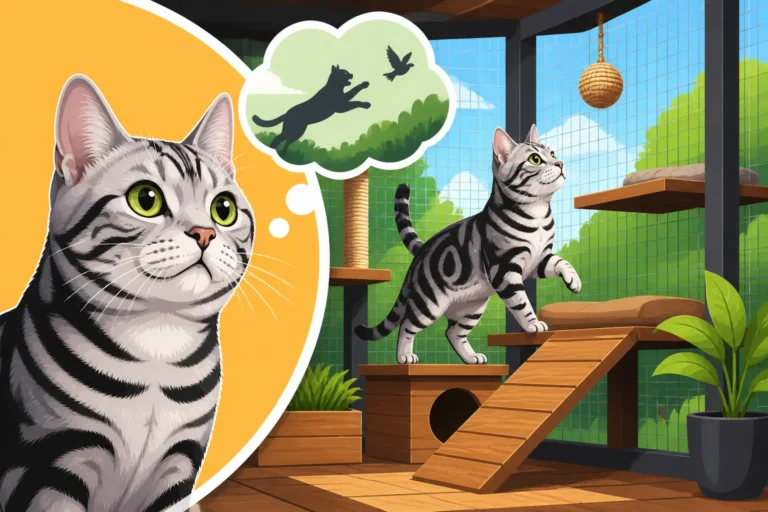
It’s crucial to understand that your American Shorthair isn’t necessarily threatened by the baby itself, but by the sudden novelty and loss of predictability. Provide plenty of escape routes and high perches – like a new cat tree from Amazon – where your cat can retreat if they feel overwhelmed. They may choose to observe from a distance, perhaps from atop a bookshelf or a tall cat tower, which is perfectly normal and healthy. Respect their need for space.
Supervised Interactions and Positive Reinforcement
All initial interactions should be strictly supervised. Never leave your American Shorthair alone with the baby, even for a moment. This isn't just for the baby's safety; it's also for your cat's peace of mind. Knowing you are there, acting as a calm mediator, helps them feel more secure. When the baby is awake and active, create positive associations. While you're holding the baby, talk calmly to your American Shorthair, offer them treats, or engage them with a favorite wand toy. This helps them link the baby's presence with good things happening for them, rather than feeling neglected or replaced.
If your American Shorthair approaches the baby to sniff or investigate, reward this calm curiosity. However, if they show any signs of stress – flattened ears, hissing, tail twitching, or trying to bolt – gently redirect them. Don't punish; simply create distance and try again later. This gentle approach helps maintain trust. Remember, your American Shorthair is a pretty stoic breed, but they still need to feel secure in their home. An American Shorthair With Children, Dogs and Noise highlights their general tolerance, but even the most placid cat has limits.
Living in Harmony: Long-Term Integration
Once the initial "newness" wears off, the real work of integration begins. This phase is about establishing a new normal where both your American Shorthair and your baby can coexist happily and safely. It requires consistent effort to maintain your cat's well-being and to teach both pet and child appropriate boundaries.
Maintaining Your American Shorthair's Routine and Territory
Even with a baby, it’s vital not to completely abandon your American Shorthair’s established routine. While some flexibility will be inevitable, try to maintain regular feeding times, designated play sessions, and quiet cuddle moments. This consistency provides a sense of security that is invaluable during periods of significant change. Ensure your cat still has access to their favorite quiet spots, high perches, and escape routes where they can retreat from the baby's curious hands or sudden noises. Consider installing baby gates that allow your cat to jump over but keep the baby out of certain areas, effectively preserving their "cat zones." Amazon offers a wide variety of pet-friendly baby gates that can be very helpful.
It's easy for your cat to feel displaced when a new, demanding arrival takes center stage. To combat this, consciously carve out dedicated "cat time" each day, even if it's just 10-15 minutes of uninterrupted play or snuggles. This reassures your American Shorthair that they are still a valued member of the family and that their bond with you hasn't been broken. A neglected cat is a stressed cat, and a stressed cat is more likely to act out. Keep their litter boxes clean and accessible in private locations, far from the baby's reach.
Teaching Boundaries and Respect
As your baby grows into a toddler, they will inevitably become more mobile and curious, often viewing the cat as another fascinating, fluffy toy. This is where teaching boundaries for both the child and the cat becomes crucial. From the very beginning, teach your child to be gentle with the cat. Guide their hands, showing them how to stroke gently, rather than grab or pull. Never allow a child to corner or torment the cat. If the American Shorthair retreats, that’s their signal to be left alone, and it must be respected. Why an American Shorthair Retreats Before It Scratches highlights their natural inclination to avoid conflict, which is a good thing to nurture.
Conversely, teach your American Shorthair that the baby’s toys and spaces are generally off-limits. This might involve gentle redirection or providing them with their own exciting toys and designated scratching posts elsewhere. If your cat has a tendency to jump onto the changing table or crib, use positive reinforcement to keep them off, or use deterrents like crinkly foil (when the baby isn't present) to make those spots less appealing. Consistent reinforcement from an early age will help both learn to share their home respectfully.
Navigating Challenges and Ensuring Well-being
Even with the best preparation, bumps in the road can happen. Understanding the signs of stress in your American Shorthair and knowing how to address them is key to maintaining peace and preventing more serious behavioral issues.
Recognizing Signs of Stress in Your American Shorthair
While American Shorthairs are generally calm and adaptable, even they can show signs of stress when their world is turned upside down. It's important to be vigilant and look for subtle cues, as cats are masters at hiding discomfort.
Here are some common indicators that your American Shorthair might be struggling:
- Changes in Appetite: Eating significantly more or less than usual.
- Litter Box Issues: Urinating or defecating outside the litter box, especially if they were previously perfectly clean. This is often a cry for help.
- Increased Hiding: Spending more time secluded or avoiding family interaction.
- Aggression: Hissing, growling, swatting, or even biting, especially if provoked or feeling cornered. This can be directed at the baby, other pets, or even you.
- Excessive Grooming: Over-grooming to the point of bald patches, a common stress-coping mechanism.
- Changes in Vocalization: More meowing, yowling, or becoming unusually quiet. What an American Shorthair Does Instead of Demanding shows how subtle their communication can be.
- Destructive Behavior: Uncharacteristic scratching of furniture or spraying.
- Loss of Interest in Play: No longer engaging with toys they once loved.
If you observe any of these behaviors, it's a clear signal that your American Shorthair is not coping well and needs intervention. Don't wait for the problem to escalate.
Strategies for Addressing Stress and Behavioral Issues
Addressing stress requires a multi-faceted approach, focusing on environmental enrichment, routine, and possibly even professional help.
- Re-establish Routine: Where possible, try to bring back as much predictability to your American Shorthair’s day as you can. Consistent feeding times, playtime, and quiet interaction can go a long way.
- Provide Safe Havens: Ensure your cat has plenty of high perches, cat trees, and quiet hiding spots where they can feel secure and get away from the baby. Vertical space is incredibly important for cats.
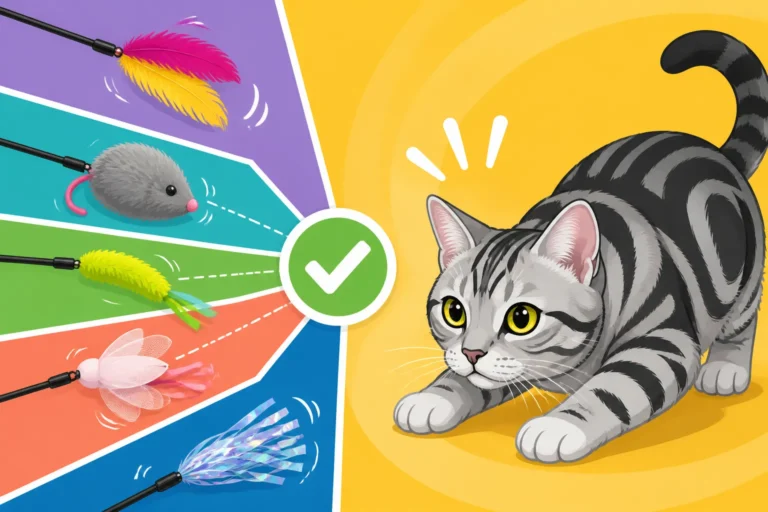
- Enrichment: Increase mental and physical stimulation. Use puzzle feeders, available on Amazon, to make meal times more engaging. Dedicate short, intense play sessions with wand toys that simulate hunting. Which Wand Toy Reads as Prey to an American Shorthair can give you ideas here. This can help burn off nervous energy and keep them mentally stimulated.
- Pheromone Diffusers: Products like Feliway diffusers can release calming synthetic feline pheromones into the air, helping to reduce stress and promote a sense of security. Place these in rooms where your cat spends a lot of time.
- Positive Association: Continue to associate the baby's presence with positive experiences for your cat. Give treats, praise, or play when the baby is around and your cat is calm.
- Don't Punish: Never punish your cat for stress-related behaviors. This will only increase their fear and anxiety, making the situation worse. Instead, redirect them gently or remove them from the stressful situation.
- Vet Consultation: If behavioral issues persist or worsen, consult your veterinarian. They can rule out any underlying medical conditions and may recommend a certified feline behaviorist. A behaviorist can offer tailored strategies and help you understand the nuances of your cat's communication and needs.
| Adjustment Area | Pre-Baby Arrival Strategies | Post-Baby Arrival Strategies |
|---|---|---|
| Scent | Introduce baby lotions/blankets gradually. | Let cat sniff baby's clothing (supervised). |
| Sound | Play recordings of baby sounds at low volume. | Maintain calm environment, reward cat for calm behavior near baby. |
| Space/Territory | Set up nursery, allow exploration. Provide high perches. | Ensure established "cat zones" remain undisturbed and accessible. |
| Routine | Gradually shift feeding/play times. | Maintain consistent feeding/play times as much as possible. |
| Interaction | Dedicate consistent attention and playtime. | Carve out daily "cat time" to reinforce bond. |
| Safety | Install baby gates, ensure cat has escape routes. | Supervise all baby-cat interactions. Teach gentle handling. |
Bringing a new baby home is a journey for everyone, including your cherished American Shorthair. With thoughtful preparation, consistent positive reinforcement, and a deep understanding of your cat's needs, you can foster a loving and harmonious environment for your expanding family. Your American Shorthair's inherently calm and adaptable nature, as explored in Why an American Shorthair Fits Any Household, makes them an excellent candidate for this transition, but even the best-natured cats thrive with a little extra help during big changes.
Disclaimer
This article is for general informational purposes only and does not constitute professional advice. Laws, prices and regulations vary by location and change over time. Consult a qualified professional for guidance on your specific situation.