Why a Self Reliant American Shorthair Rarely Panics Alone
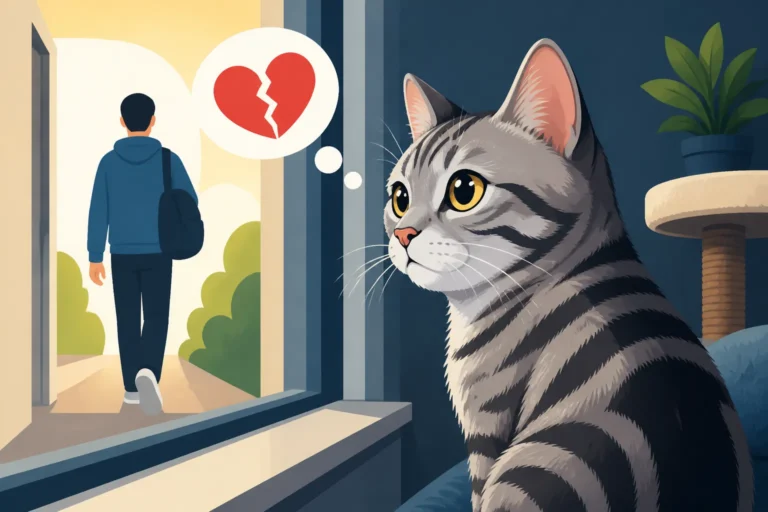
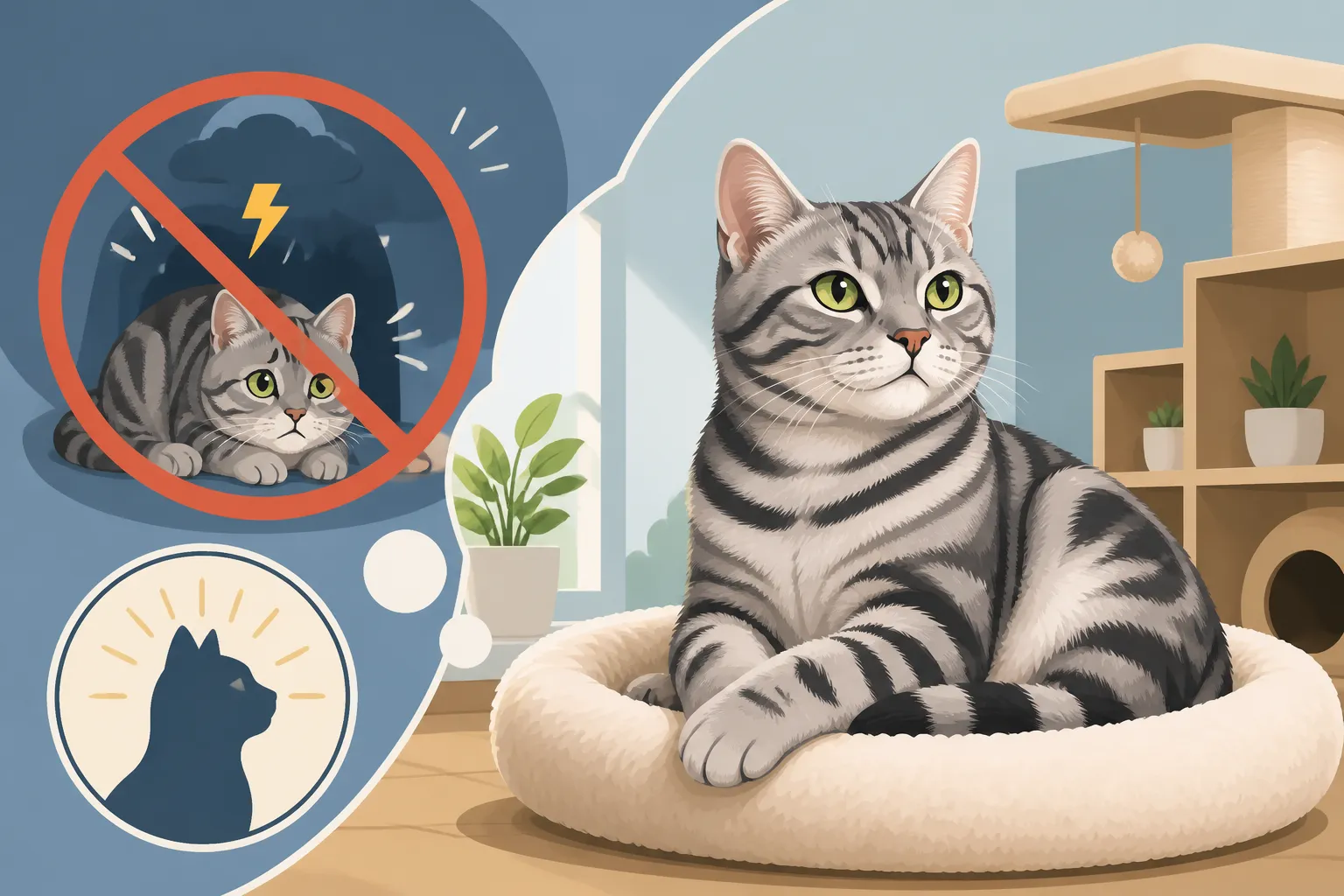
One of the biggest worries for any cat parent is leaving their beloved feline companion alone, especially if you have a busy life or travel frequently. We all grapple with that nagging guilt, wondering if our cats are lonely, bored, or worse, anxious. But if you're the proud owner of an American Shorthair, you might find that your worries are a little less founded than you'd expect, because these wonderful cats are truly masters of self-reliance and rarely fall into a panic when left to their own devices. This guide will delve into the unique traits that make the American Shorthair so adept at handling solitude, how to ensure their time alone is enriching, and how to tell the difference between a contented solo cat and one who genuinely needs more interaction.
The Deep Roots of American Shorthair Independence
It’s not by accident that the American Shorthair carries such a strong streak of independence. Their very origins are steeped in a history where self-sufficiency wasn't just a trait, but a matter of survival. These aren't cats bred for delicate features or constant human attention; they were bred for a job, and that job required them to be capable and resourceful on their own.
Life on the Ships: Early Independence
Imagine the harsh realities of life aboard a ship centuries ago. Space was confined, resources were often scarce, and the primary role of a cat was to control vermin. These ancestral felines, the very stock from which the American Shorthair emerged, weren't pampered pets curled on a sailor's lap all day. They were working animals, expected to patrol the decks and holds, hunt independently, and secure their own meals if necessary. This nomadic, task-oriented existence fostered a deep-seated independence. They learned to adapt to changing environments, to find comfort in their own company, and to not rely on a constant human presence for their well-being. This era truly cemented the foundation of their self-reliant nature. Ships Carried the American Shorthair's Ancestors as Ratters tells more about this fascinating history.
The Farm Cat Ethos: Hunting Alone
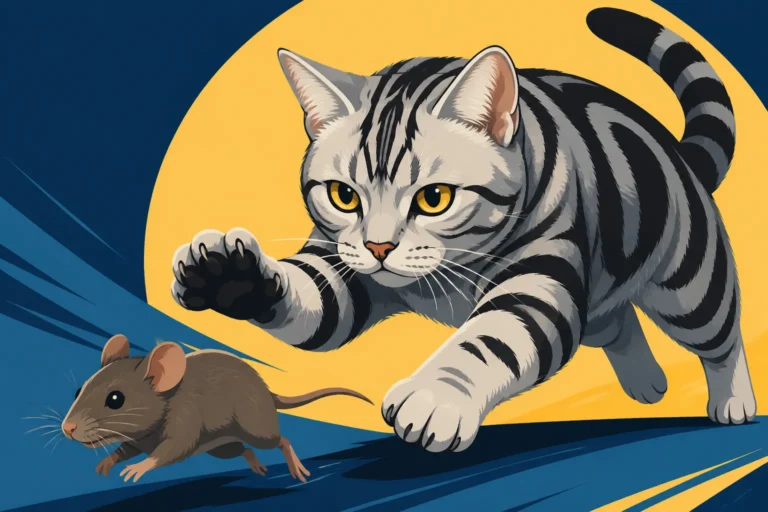
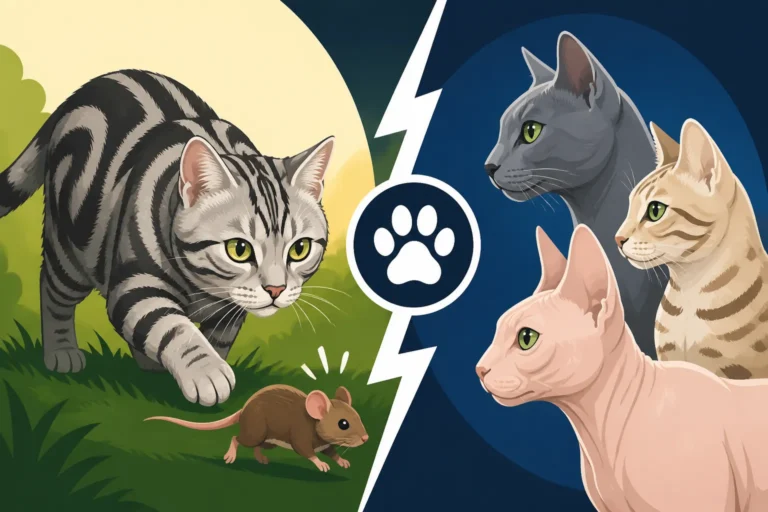
Once on solid ground in the New World, these cats transitioned from ship-mousers to farm-mousers, taking up residence in barns, granaries, and homesteads. Here, too, their primary role was practical: keeping pests out of stored food and protecting crops. A farm cat's life meant wide open spaces, varied territories, and the constant need to hunt for sustenance. Unlike a modern house cat who has meals served on a silver platter, these cats were active predators, stalking, pouncing, and dispatching prey often with no human intervention or supervision. This lifestyle reinforced their ability to entertain themselves, manage their own time, and find satisfaction in their natural instincts. They weren't waiting around for a human to play with them; they were out there, doing their job. This ingrained hunting drive means The American Shorthair Still Hunts, Whether You Want It To or Not, even as a modern housecat.
Breeding for Function, Not Fawning
Unlike many pedigree breeds that were selectively bred over generations for specific aesthetic traits or to be lap cats, the American Shorthair's development was largely driven by their working abilities. Breeders, when they eventually formalized the breed, focused on preserving their robust health, sturdy build, and admirable temperament — traits that were directly linked to their working heritage. They weren't encouraged to be overly clingy or demanding. Instead, the emphasis was on a calm, adaptable, and self-possessed cat. This long history of being valued for their practical skills rather than their neediness means that even today, a well-bred American Shorthair is unlikely to be the type of cat who suffers from separation anxiety or panics when their human isn't constantly present. They simply aren't wired that way.
Understanding the American Shorthair's Temperament and Self-Sufficiency
The legacy of their working ancestors is clearly visible in the modern American Shorthair's temperament. They embody a quiet confidence and a balanced nature that makes them excellent companions for busy individuals or families who might not be able to offer constant interaction.
Quiet Companionship Over Constant Clinginess
If you're looking for a cat that will be perpetually underfoot, a shadow following your every move, the American Shorthair might not be your first choice. They are affectionate, absolutely, but their affection tends to be expressed in a more understated way. They enjoy being in the same room as you, perhaps napping nearby on the sofa while you read, or greeting you with a gentle head-butt when you come home. This "parallel play" or "present but not demanding" style of companionship is perfectly suited to their independent spirit. They're happy to share your space without needing to be the constant center of attention. They appreciate your presence but don't require it for their sense of security. This makes them truly unique in the feline world. You'll find that An American Shorthair Asks You for Almost Nothing, which is a testament to their self-contained nature.
Master of Their Domain: Territorial Instincts
American Shorthairs have a strong sense of territory, a trait carried over from their working cat days. They are keen observers of their environment, regularly patrolling their domain – be it a small apartment or a large house. This isn't a sign of nervousness, but rather a confident assertion of their ownership and comfort within their space. When you're not home, they're not panicking about your absence; they're likely monitoring their territory, maybe napping in a sunbeam, or watching the birds outside the window. This inherent drive to manage their own space provides a tremendous source of enrichment for them, keeping them engaged and feeling secure, even when no one else is around. It means their home is their sanctuary, regardless of human activity.
The American Shorthair's Inner Calm
One of the most defining characteristics of the American Shorthair is their generally placid and even-keeled disposition. They are not prone to dramatic outbursts, extreme shyness, or excessive vocalizations unless there’s a very good reason. This inner calm serves them incredibly well when left alone. They don't typically experience the kind of heightened anxiety that might lead another breed to destructive behaviors or excessive vocalizations. Instead, they’ll usually just settle into their routine, enjoying the quiet time. This doesn't mean they don't love you or miss you; it simply means their emotional stability allows them to process your absence without distress. It's a hallmark of their solid, no-fuss personality, meaning they are often How Undemanding an American Shorthair Really Is.
Creating an Enriched Indoor Environment for the Solitary American Shorthair
Even with their innate self-reliance, it's crucial to provide an enriching environment for your American Shorthair, especially if they spend significant time alone. This doesn't mean you need to turn your home into a cat amusement park, but thoughtful additions can tap into their natural instincts and keep them mentally and physically stimulated.
Simulating the Hunt Indoors
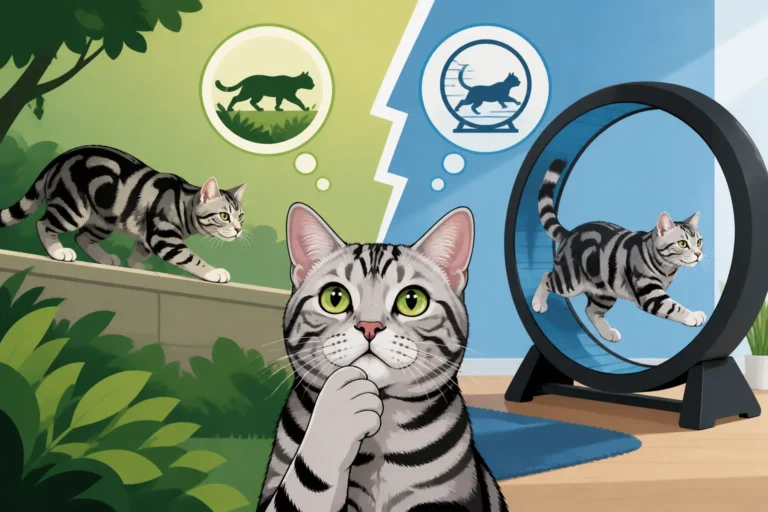
Remember that strong prey drive from their ancestors? That doesn't just disappear because they live indoors. Providing outlets for this instinct is vital. Interactive toys that mimic prey can keep them engaged for hours. Think about toys on strings or wands that you can use to simulate a bird or mouse darting around. Even better, look for automated toys or puzzle feeders that dispense treats as your cat "hunts" them. You can find a fantastic selection of these clever gadgets on Amazon. Hide small portions of their kibble in different spots around the house – behind a curtain, under a rug, or in a toy – to encourage foraging behavior. This makes mealtime an active hunt rather than a passive bowl-eating experience, which is particularly important for What an Indoor American Shorthair Does With a Mouser's Instinct.
Vertical Space: Their Own Perch for Patrol
Cats feel secure when they have options to survey their territory from a height. Providing vertical space is paramount for an American Shorthair's well-being, especially when they're alone. Cat trees, shelves, or even just leaving space on top of a bookshelf accessible to them allows them to "patrol" their domain from above. This satisfies their natural inclination to observe, giving them a sense of control and security. A window perch where they can watch the world go by can be endlessly entertaining, providing mental stimulation through observing birds, squirrels, and neighborhood activity. Consider sturdy, multi-level cat trees from retailers like Amazon that can accommodate their solid build.
Mental Stimulation: Engaging Their Clever Minds
While they aren't necessarily "puzzle cat" aficionados like some more high-strung breeds, American Shorthairs still benefit from mental challenges. Puzzle feeders are a great way to make them think for their food, slowing down mealtime and engaging their problem-solving skills. Rotate their toys regularly to keep things fresh and interesting. Leave a radio or television on at a low volume for background noise – familiar sounds can be comforting in an otherwise silent house. Even simple things like leaving a crumpled paper ball or a few catnip-filled toys strategically placed can provide moments of engagement. The goal is to provide enough variety and challenge that their time alone feels stimulating, not monotonous.
Recognizing the Difference: Loneliness Versus Contentment
As a responsible cat owner, it’s natural to want to ensure your American Shorthair is happy and healthy, whether you're home or not. Understanding the subtle cues they provide can help you distinguish between a cat that is genuinely struggling with solitude and one that is simply enjoying their independent time.
Subtle Signs of Contentment
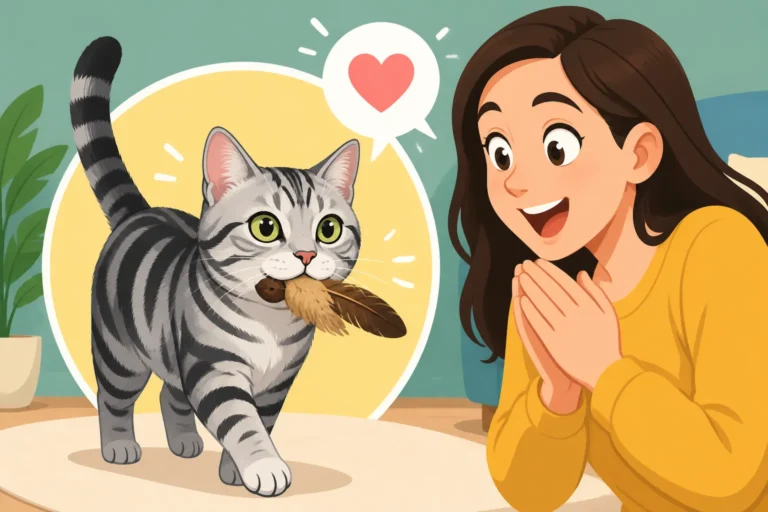
A contented American Shorthair, even when alone, will often exhibit behaviors that show they are relaxed and comfortable in their environment. You might come home to find them stretching languidly, purring softly as you approach, or simply resuming their routine without excessive fanfare. They'll have a good appetite, use their litter box reliably, and maintain a tidy coat. Look for signs that they’ve been engaging with their environment – perhaps a toy has moved from where you left it, or they’ve settled in a new sunbeam spot. These are all indicators that they've been occupying themselves happily. Their greetings might be warm but not desperate; they’re happy to see you, but they haven't been pining away in distress. How an American Shorthair Greets You After Work sheds more light on their typical welcoming behavior.
What Isn't Panic in an American Shorthair
It’s easy to project human emotions onto our pets, but it's important to understand what American Shorthair behaviors aren't typically signs of panic or distress. A cat that isn't constantly seeking your lap the moment you walk in the door isn't necessarily unhappy; it's simply behaving in line with its self-reliant nature. A quiet house doesn't mean a sad cat, but often a peaceful one. They might not jump up and greet you with frantic meows; instead, a calm approach, a rub against your legs, or a slow blink indicates deep affection and trust. Don't confuse their inherent stoicism or preference for quiet observation with sadness. Their calm demeanor is a feature, not a bug, of the breed. Their strong focus on their own routines and territory means How an American Shorthair Splits Its Day Between Patrol and Sleep effectively, even when you're not around.
When "Alone Time" Becomes a Problem
While American Shorthairs are resilient, no cat is immune to potential issues. It's vital to know when "alone time" might actually be indicative of a deeper problem. If your typically calm American Shorthair suddenly starts exhibiting destructive behaviors, such as scratching furniture excessively, urinating outside the litter box, or displaying unusual aggression upon your return, these could be signs of stress or an underlying medical issue, not just loneliness. Excessive vocalization (howling, constant meowing) or changes in appetite (either refusing to eat or overeating) are also red flags. If you notice a significant, prolonged change in behavior, it’s always best to consult with your veterinarian to rule out any health problems.
Here's a quick comparison to help you gauge your cat's state:
| Sign of Contentment | Sign of Potential Distress/Problem |
|---|---|
| Calm, relaxed posture | Hiding more than usual |
| Eating and drinking normally | Refusing food/water or overeating |
| Using litter box as usual | Urinating/defecating outside the box |
| Grooming regularly, sleek coat | Over-grooming (bald patches) or neglecting grooming |
| Engaging with toys or window views | Apathy, no interest in play |
| Affectionate but not clingy greetings | Excessive vocalization (howling, frantic meows) |
| Sleeps peacefully in various spots | Restlessness, pacing, difficulty settling |
| Regular patrol of territory, appearing confident | Destructive behaviors (excessive scratching, chewing) |
Managing Extended Absences with a Self-Reliant American Shorthair
Even the most self-reliant cat needs appropriate care and consideration when you plan to be away for more than a day or two. While they might not panic, ensuring their basic needs and sense of security are met is essential.
Preparing for Longer Stays Away
For short trips, a self-feeder, plenty of fresh water, and a clean litter box might be sufficient for your American Shorthair. Their independent nature truly shines here, and they'll often just enjoy the extended quiet time. However, for anything longer than a day or two, it’s wise to take a few extra steps. Make sure all their resources are easily accessible. Consider having multiple water bowls in different locations, perhaps even a cat water fountain (many good options on Amazon) to encourage hydration. Leave out extra toys and rotate them before you leave to give them something "new" to discover. Ensure their favorite sleeping spots are comfortable and accessible. The goal is to make their environment as self-sustaining and comforting as possible.
The Role of the Cat Sitter (or lack thereof for brief periods)
Unlike dogs who almost always require a sitter or boarding, an American Shorthair's self-sufficiency often means they can handle shorter absences with less intervention. For a weekend trip, leaving them alone with ample food, water, and clean litter is often perfectly fine. Many American Shorthair owners appreciate that What a Sitter Costs for an American Shorthair That Needs Little is usually less than for other pets because these cats often do well with just daily check-ins, rather than constant company.
However, for longer vacations, having a trusted friend or professional cat sitter come in once a day is ideal. This person can scoop the litter box, refresh food and water, and, most importantly, provide a quick visual check on your cat’s well-being. They don't need to entertain your American Shorthair for hours, but a few minutes of interaction, a quick play session with a wand toy, or even just a reassuring presence can make a big difference. It prevents boredom and ensures any unexpected issues, like a spilled water bowl or an upset stomach, are noticed promptly. The key is minimal disruption to their established routine and territory, something a home visit by a sitter achieves far better than a busy boarding facility.
Reconnecting After You've Been Away
When you return home, your American Shorthair might not greet you with the frenzied enthusiasm of a dog. Don't take it personally! Their calm demeanor means their joy is often expressed more subtly. They might slowly stretch, rub against your legs, or simply sit near you, purring softly. Give them a few minutes to re-acclimate to your presence. A quiet cuddle session, a gentle brushing, or a short play session with their favorite toy can help re-establish your bond. Avoid overwhelming them with too much fuss right away. Allow them to come to you and dictate the pace of reconnection. Their ability to cope so well alone means that How Much a Self Sufficient American Shorthair Misses You might not be shown with dramatics, but rather with a quiet, contented return to your shared routine.
In conclusion, while all cats thrive on love and attention, the American Shorthair is a breed uniquely equipped to handle periods of solitude without panicking. Their storied past as working cats has imbued them with a remarkable sense of independence and an inner calm that allows them to navigate their environment confidently, even when you're not around. By understanding their history, respecting their temperament, and providing an enriching indoor environment, you can foster a truly happy and self-reliant American Shorthair companion.
Disclaimer
This article is for general informational purposes only and does not constitute professional advice. Laws, prices and regulations vary by location and change over time. Consult a qualified professional for guidance on your specific situation.