Which Water Bowl an American Shorthair Prefers
It can be incredibly frustrating when you watch your beloved American Shorthair turn their nose up at a perfectly clean bowl of fresh water, only to see them try to sip from the dripping faucet or even the toilet! Many cat parents fret over whether their furball is getting enough to drink, and for good reason – hydration is absolutely critical for their long-term health. This guide is here to help you navigate the often mysterious world of feline drinking preferences, focusing specifically on what water bowls an American Shorthair tends to prefer, and how you can encourage them to drink more.
Why Water Intake Is Such a Big Deal for Your American Shorthair
You might think, "It's just water, they'll drink when they're thirsty, right?" Unfortunately, it's not always that simple with cats, and particularly with breeds like the American Shorthair whose ancestors had unique hydration needs. Understanding the 'why' behind their drinking habits is the first step in finding the perfect solution.
The Silent Threat of Dehydration
Cats are notoriously bad drinkers. Unlike dogs, who often gulp down water enthusiastically, many cats seem to prefer to just… not. This isn't just a quirky habit; it's a holdover from their desert-dwelling ancestors who got most of their moisture from their prey. Domestic cats, including our robust American Shorthairs, still retain this physiological trait, meaning they don't have a very strong thirst drive. When they eat mostly dry kibble, they simply aren't getting the moisture content their bodies naturally expect, and they often don't compensate by drinking enough from a bowl.
Chronic, low-grade dehydration can quietly contribute to a host of health problems over your American Shorthair's lifespan. Kidney disease is a big one, often lurking silently for years before symptoms become obvious. Urinary tract issues, like painful cystitis or the formation of bladder stones, are also heavily influenced by how much water a cat consumes. How Much Water an American Shorthair Should Drink and How Much Water Keeps an American Shorthair's Bladder Clear are topics worth exploring if you're concerned. It’s not about them feeling thirsty; it’s about their internal systems needing a consistent flush of fluids. Ignoring subtle signs of low water intake can lead to serious health scares down the line, requiring emergency vet visits that no one wants.
How an American Shorthair's Ancestry Plays a Role in Drinking Habits
The American Shorthair has a rich history as a working cat, originally brought to North America on ships to control rodent populations. These were hardy, self-sufficient felines, not pampered pets. Their focus was on hunting, patrolling, and surviving, often obtaining nearly all their hydration from the small prey they caught. A mouse, for instance, is about 70-80% water. If your cat is munching on a dry kibble that's only 10% moisture, you can see the huge deficit they're starting with right away.
This ancestral drive means they often aren't naturally drawn to stagnant water. In the wild, still water sources could be contaminated, so a preference for running water or the moisture in their food was a survival advantage. While your modern American Shorthair isn't out in the barn catching mice for every meal, that primal instinct for freshness and caution around still water is still wired into their DNA. This heritage explains why some American Shorthairs seem almost suspicious of a bowl of water that's been sitting out all day, or why a male American Shorthair may face specific urinary risks if they don't drink enough. Why a Male American Shorthair's Urethra Blocks First delves deeper into these concerns. Understanding this inherent wiring helps us cater to their needs rather than expecting them to conform to our human ideas of drinking.
Understanding Your American Shorthair's Quirky Drinking Preferences
Cats are individuals, but many American Shorthairs share some common preferences when it comes to their water source. Paying close attention to these nuances can make all the difference in boosting their daily fluid intake.
Material Matters: Ceramic, Stainless Steel, Plastic
The type of material your American Shorthair's water bowl is made from can significantly impact whether they'll drink from it. It's not just about aesthetics for us; for them, it can affect taste, temperature, and even safety.
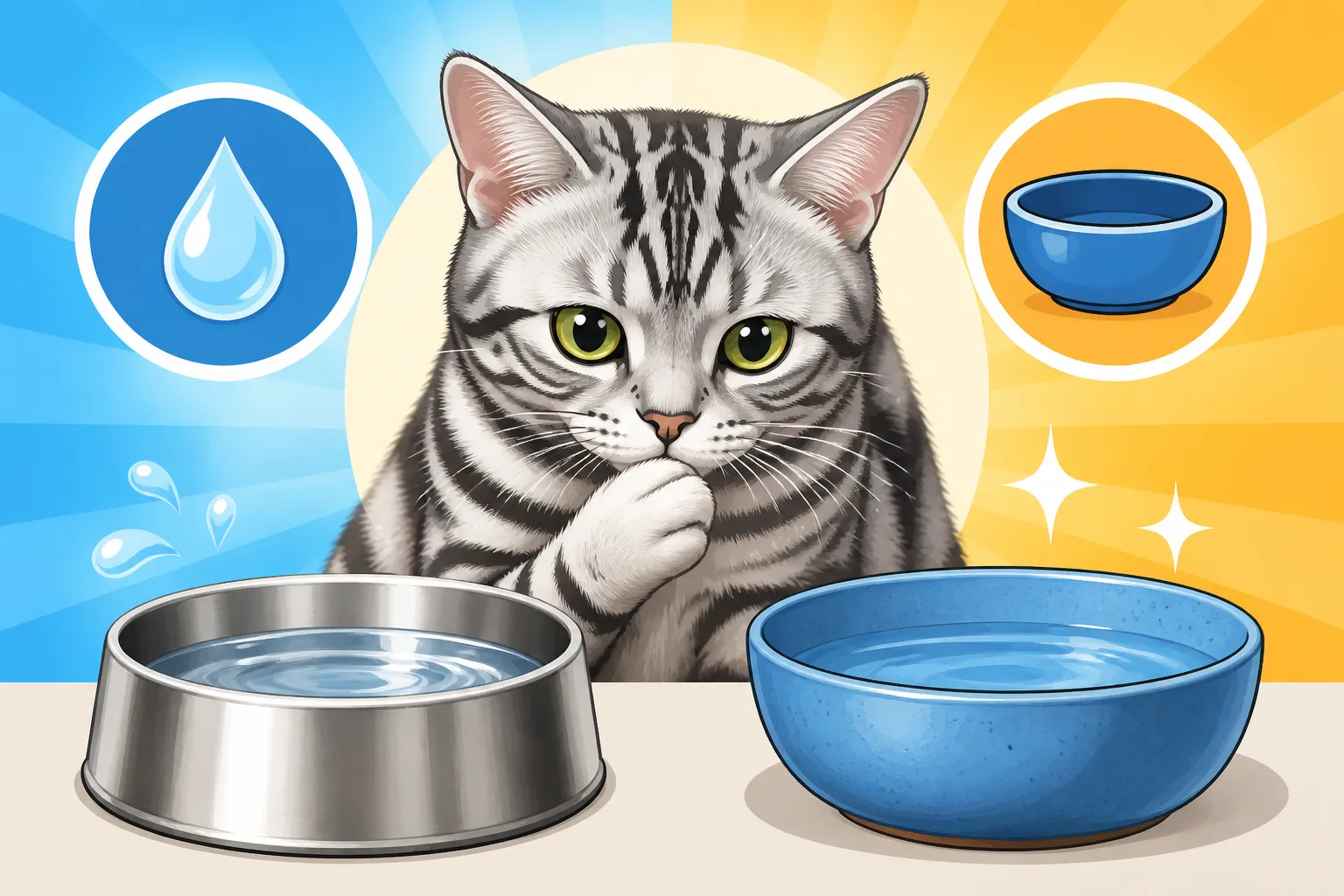
- Stainless Steel Bowls: These are often hailed as the gold standard for pet bowls, and for good reason. They're non-porous, meaning they don't harbor bacteria or absorb odors that might put off your sensitive cat. They're also incredibly durable, easy to clean (many are dishwasher safe!), and don't leach chemicals into the water. For an American Shorthair, a sturdy, heavy-bottomed stainless steel bowl feels secure and won't slide around during a drink. The water tends to stay cooler in them, which can be a big draw for cats. You can find excellent options on sites like Chewy that offer a range of sizes and designs.
- Ceramic Bowls: Another fantastic option, ceramic bowls are also non-porous (if properly glazed), easy to clean, and heavy enough not to tip over easily. Many cats seem to prefer ceramic because it keeps the water cool and has no residual taste. They come in a huge variety of colors and patterns, so you can often find one that blends beautifully with your home decor. The main downside is that they can break if dropped, and you must ensure the glaze is food-safe and lead-free. Always check for any cracks or chips, as these can become breeding grounds for bacteria.
- Plastic Bowls: While often the most affordable and readily available, plastic bowls are generally the least recommended. Plastic is porous, meaning it can scratch easily and harbor bacteria over time, leading to a slimy film even after washing. This film, sometimes called "biofilm," can give the water an off-putting taste or smell that most cats will detect, even if you can't. Some cats can also develop "feline acne" around their chin from contact with plastic, as the bacteria irritate their skin. Furthermore, some plastics contain chemicals that can leach into the water, especially if the bowl is old or exposed to heat. If you absolutely must use plastic, opt for food-grade, BPA-free plastic and replace the bowl frequently, perhaps every 6-12 months.
The Shape and Size of the Perfect Water Station
It’s not just what the bowl is made of, but how it's designed. Believe it or not, the dimensions of the bowl can greatly influence your American Shorthair's drinking comfort.
- Whisker Fatigue is Real: Cats have highly sensitive whiskers that they use to navigate and explore their world. When a water bowl is too narrow or deep, their whiskers constantly brush against the sides. This can be genuinely uncomfortable and lead to a phenomenon known as "whisker fatigue." If your American Shorthair dips their paw in the water before drinking, or refuses to drink deeply from the bowl, they might be experiencing whisker fatigue. Look for wide, shallow bowls that allow their whiskers to remain free and clear while they drink. A wider surface also means the water has more contact with the air, which some cats seem to prefer.
- Stability is Key: An American Shorthair is a sturdy, muscular cat. Why an American Shorthair Is Built Square explains their robust frame. They need a bowl that won't slide across the floor or tip over easily when they lean in for a drink. A heavy ceramic bowl or a stainless steel bowl with a non-slip rubber base is ideal. No cat wants their water station moving around as they try to hydrate.
- Bowl Height: For senior American Shorthairs, or those with joint issues, bending down low can become uncomfortable. Caring for an American Shorthair Past Twelve touches on some of these age-related changes. Elevated bowls can make drinking much more comfortable, reducing strain on their neck and joints. You can find stands for existing bowls or purchase elevated bowl sets. Just ensure the height is appropriate for your cat – not so high that they have to reach uncomfortably, but high enough to ease the strain.
The Allure of Running Water: Fountains for American Shorthairs
This is where many cat owners find their American Shorthairs truly shine in terms of hydration. Cat water fountains mimic the natural appeal of a fresh, flowing stream, which taps into that ancestral instinct we talked about earlier.
- Why Fountains are Often Preferred: The sound and movement of bubbling or cascading water are incredibly attractive to many cats. It suggests freshness and purity, much like a natural spring. The continuous circulation also keeps the water aerated and cooler, which can make it more palatable. For an American Shorthair, who might be a bit skeptical of still water, a fountain can be a game-changer. Whether an American Shorthair Bothers With a Fountain is a common question, and for many, the answer is a resounding yes!
- Types of Fountains:
- Stainless Steel Fountains: Just like bowls, stainless steel fountains are durable, hygienic, and easy to clean. They're a great choice for keeping water cool and pure.
- Ceramic Fountains: These offer the same benefits as ceramic bowls – keeping water cool and clean-tasting, often with an attractive design. However, they are also breakable.
- Plastic Fountains: If choosing plastic, again, look for food-grade, BPA-free options. While more affordable, they may require more frequent cleaning to prevent bacterial buildup.
- Flow Styles: Fountains come with different flow styles:
- Bubbling: A gentle bubbling up from a central spout, similar to a natural spring.
- Free-falling stream: Water cascades down a ramp or spout into a reservoir. Some cats love this "faucet-like" action.
- Multiple streams: Some fountains offer several points of flow, giving your cat options.
Observe your American Shorthair's curiosity. Do they like to lap from a bubbling surface or drink directly from a stream? Their preference can guide your choice. Brands like Chewy and Amazon offer a wide array of fountain styles, so you can definitely find one that suits your cat's specific preferences.
Setting Up the Ultimate Hydration Haven
Once you've chosen a few potential bowl types, it's time to think about placement and maintenance. These seemingly small details can have a huge impact on whether your American Shorthair actually drinks.
Placement, Placement, Placement
Where you put the water bowl is almost as important as the bowl itself. Cats are surprisingly particular about their dining and drinking spots.
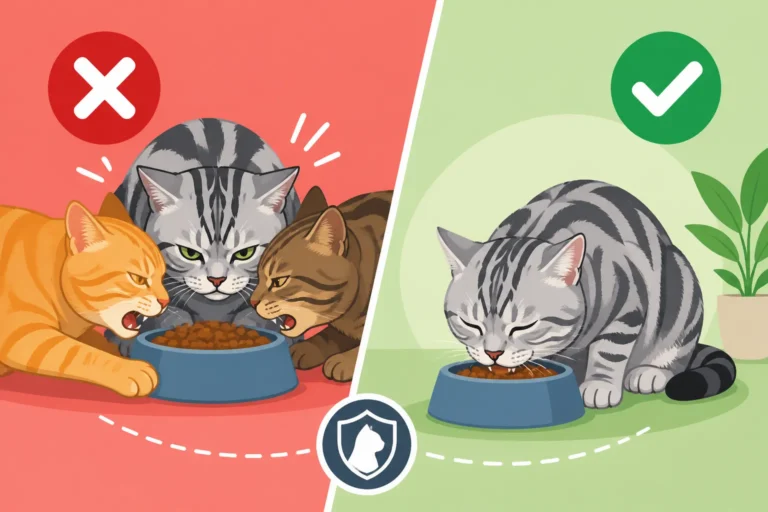
- Away from Food: This might sound counter-intuitive to us, but many cats prefer their water source to be separate from their food bowl. In the wild, a kill could contaminate a nearby water source, so it's a natural instinct to keep them apart. Try placing the water bowl a few feet away from their food, or even in a completely different room.
- Quiet, Safe Areas: Cats like to feel secure when they're eating or drinking. Avoid high-traffic areas, noisy appliances (like the washing machine or furnace), or locations where they might feel ambushed by a person or another pet. A calm corner of the kitchen, or even a spot in a less-used hallway, might be perfect.
- Multiple Water Stations: Don't just have one water bowl. The more options your American Shorthair has, the more likely they are to drink. Place bowls in different rooms, on different levels of your home, and using different types of bowls or even a fountain. This encourages opportunistic drinking throughout the day. Consider adding a water source in a room where your cat spends a lot of time lounging, like near a sunny window or their favorite napping spot.
- Consider the Litter Box: Absolutely never place a water bowl near the litter box. Cats are incredibly fastidious, and they wouldn't want to drink near their bathroom any more than you would! This is a common mistake that can easily deter a cat from drinking enough.
Keeping It Fresh and Clean: The Daily Routine
Even the most expensive, perfectly shaped bowl won't do any good if the water isn't fresh and the bowl isn't clean. This is perhaps the most crucial aspect of encouraging hydration.
- Change Water Daily (or More Often): Stagnant water quickly loses its appeal to a cat. It can collect dust, hair, and other debris, and its temperature can fluctuate. Always provide fresh, cool water at least once a day, and ideally twice. If you live in a warm climate, or if your cat is a "dunker" who plays in their water, you might need to change it even more frequently.
- Wash Bowls Daily: Don't just refill! Wash the water bowl thoroughly with soap and hot water every single day. This removes the invisible biofilm that can build up, which harbors bacteria and causes an unpleasant odor or taste. For fountains, follow the manufacturer's instructions for cleaning, which usually involves a deeper clean once a week and filter changes as recommended. Regular cleaning is absolutely non-negotiable for optimal cat health and hydration.
- Consider Filtered Water: While tap water is generally fine in most places, some cats are sensitive to the taste of chlorine or other minerals. Offering filtered water (like from a Brita pitcher) might make the water more appealing. If you're using a fountain, the integrated filter helps with this, removing impurities and keeping the water tasting better.
- Ice Cubes as a Treat: On a hot day, or just as a fun enrichment, a few ice cubes in your American Shorthair's water can make it extra appealing. Some cats enjoy batting at the cubes, which can even encourage them to drink more as the ice melts.
Troubleshooting Common Water Bowl Woes
Despite your best efforts, your American Shorthair might still be a finicky drinker. Don't despair! There are always more tricks up your sleeve.
My American Shorthair Won't Drink From the Bowl I Chose
You've bought the perfect stainless steel, wide-rimmed bowl, or invested in a top-of-the-line ceramic fountain, and your cat still gives it the cold shoulder. What gives?
- Observe Their Current Habits: Where does your American Shorthair try to drink from? Do they try to lap from the shower floor, the toilet, or a dripping faucet? These behaviors are clues! If they're drawn to the faucet, a free-falling fountain is probably a good bet. If they like a wider, still puddle, perhaps a very shallow, wide ceramic dish would work. Don't be afraid to experiment with different types of bowls at the same time in different locations.
- Test Different Water Sources: Some cats are particular about the water itself. Try offering bottled spring water, filtered tap water, and regular tap water in separate bowls to see if they show a preference.
- Add Flavor (Safely): A little trick can be to add a tiny amount of low-sodium chicken broth (ensure it has no onion or garlic, which are toxic to cats) or tuna juice (from tuna packed in water, not oil) to their water. Just a teaspoon can make the water more enticing. This is a temporary measure to get them started, and you should always provide plain water options too. Remember that Why a Thirsty American Shorthair Should Be Tested if their thirst seems excessive or unusual.
- Consider Their Past: If you adopted your American Shorthair from a shelter, their past experiences might influence their preferences. They might have been used to a certain type of bowl, or even had negative experiences that make them wary. Patience and variety are your best tools here.
Encouraging More Sips Throughout the Day
Beyond the bowl itself, there are other strategies to boost overall hydration. Remember, your American Shorthair's ancestors got most of their water from their food!
- Switch to Wet Food: This is hands down the most effective way to increase your cat's hydration. Canned or wet food is typically 70-80% moisture, mimicking their natural prey diet. Even if you can't switch completely, incorporating one wet meal a day or mixing some wet food with their dry kibble can make a significant difference. Fresh food options often emphasize moisture-rich recipes, which can be a game-changer for hydration. Whether an American Shorthair Needs Wet Food explores this benefit in more detail.
- Add Water to Wet Food: You can even go a step further and add a tablespoon or two of extra water or low-sodium broth to their wet food. Mix it in well – most cats won't even notice the addition, and it gives them an extra boost of fluids.
- Interactive Water Play: Some American Shorthairs are fascinated by water. You can try a few drops of water in a sink, or even shallow water in a large, wide pan with some floating toys. This can turn drinking into a fun, engaging activity rather than a chore.
- Monitor Intake: It can be hard to tell how much your cat is actually drinking, especially with multiple cats or multiple water sources. If you have concerns, How to Tell If an American Shorthair Drinks Enough can guide you on monitoring their intake and knowing when to consult your vet. Keeping an eye on their litter box output (clump size) can also give you clues about their hydration status.
- Patience and Persistence: Changing a cat's habits takes time. Don't get discouraged if your American Shorthair doesn't immediately take to a new bowl or fountain. Keep offering options, keep the water fresh, and be consistent. They'll appreciate your efforts to keep them healthy in the long run.
Here's a quick comparison of common water bowl types:
| Bowl Type | Pros | Cons | Best For |
|---|---|---|---|
| Stainless Steel | Durable, hygienic, easy to clean, keeps water cool | Can be noisy if it slides, less aesthetic variety | Most cats, especially those prone to feline acne or who need stability |
| Ceramic | Keeps water cool, aesthetically pleasing, heavy | Can break, check glaze for lead, chips can harbor bacteria | Cats who prefer heavy, still bowls, owners prioritizing aesthetics |
| Plastic | Affordable, lightweight, widely available | Porous (harbors bacteria), can cause feline acne, leaches chemicals | Temporary use, budget-conscious owners (with frequent replacement) |
| Water Fountain | Encourages drinking, keeps water aerated & cool, filters impurities | Requires electricity, motor noise, regular cleaning/filter changes | Cats attracted to running water, those needing extra hydration |
Finding the right water bowl for your American Shorthair is a journey of observation and experimentation. By understanding their natural instincts and offering them appealing, hygienic options, you'll be well on your way to ensuring your beloved companion stays happily hydrated and healthy for years to come.
Disclaimer
This article is for general informational purposes only and does not constitute professional advice. Laws, prices and regulations vary by location and change over time. Consult a qualified professional for guidance on your specific situation.