Whether a Landrace Origin Explains the American Shorthair’s Health
Many prospective cat parents wonder why the American Shorthair seems to boast such robust health, often appearing less prone to the breed-specific ailments that plague some other pedigreed cats. The answer often lies deep in their ancestry, rooted in a "landrace" origin that favored survival and resilience over specific aesthetic traits. This guide will explore whether this natural, unmanipulated heritage truly explains the American Shorthair's renowned health, delving into what a landrace breed truly is and how it shaped these wonderful companions.
Understanding the Landrace Concept for Felines
The Definition of a Landrace Breed in Cats
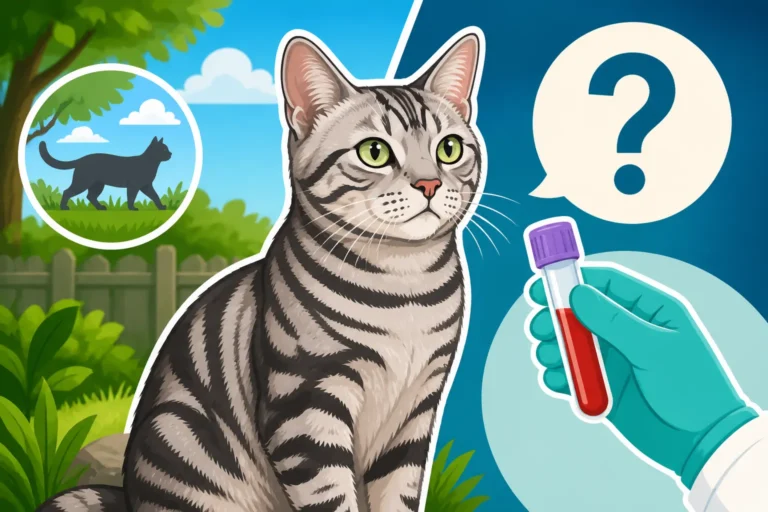
When we talk about a "landrace" breed in animals, we're not just throwing around fancy terminology; we're referring to a group of animals that have developed over generations in a specific geographical area, primarily through natural selection and minimal human intervention. Think of it as nature's own breeding program. Instead of humans meticulously selecting for traits like a particular ear shape, coat color, or ultra-flat face, a landrace animal thrives because it's best suited to its local environment. This means strong immune systems, good hunting instincts, and a general hardiness were prioritized, simply because less fit individuals wouldn't survive to reproduce. These cats were bred for function, not just appearance, making their survival dependent on traits that ensured their ability to hunt, adapt to various climates, and resist common ailments.
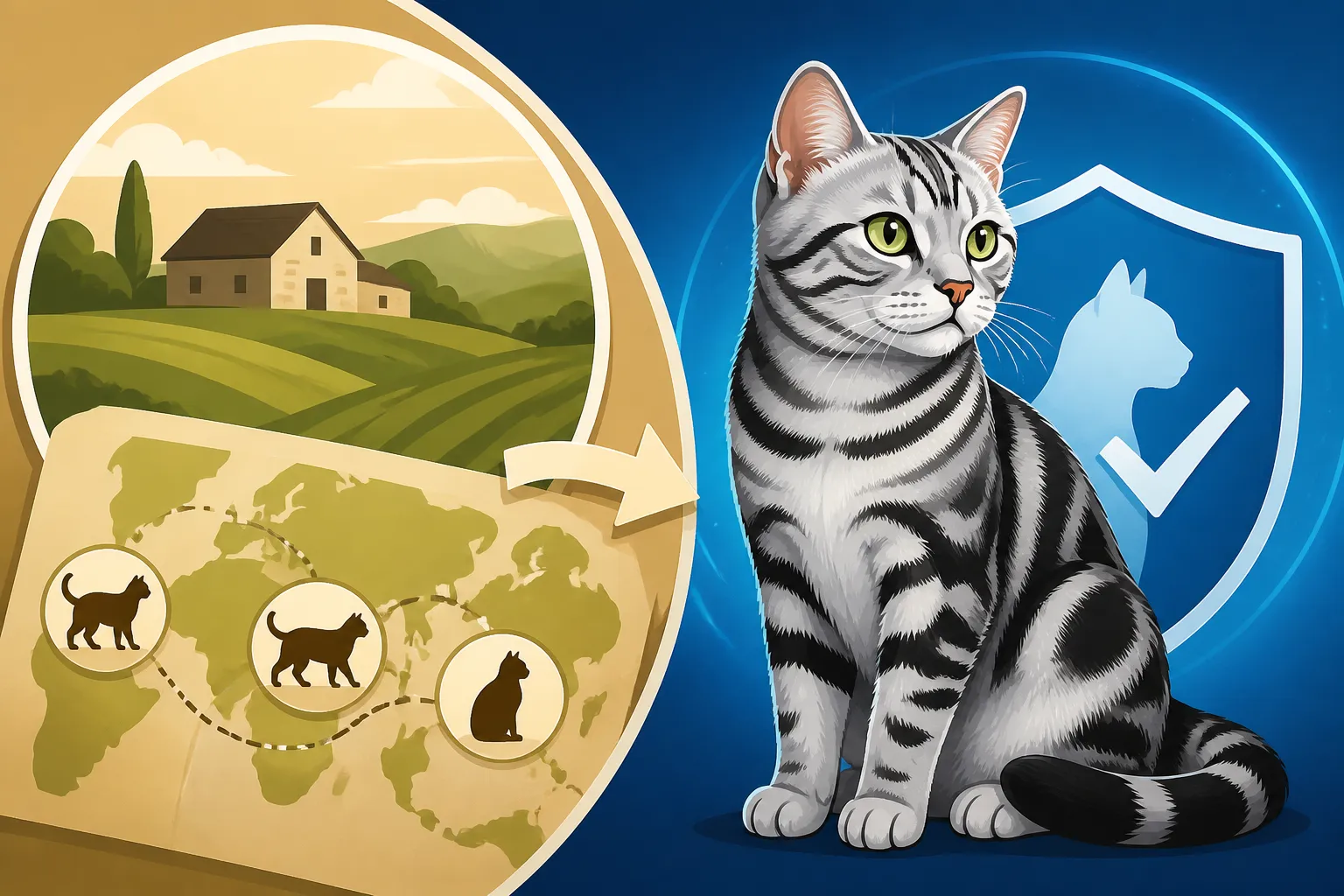
For our beloved American Shorthair, this concept is absolutely foundational. They weren't originally created in a cattery with carefully planned matings to achieve a certain look. Instead, their ancestors were the working cats brought over from Europe by early settlers, truly earning their keep by keeping rats and other vermin at bay on ships and in barns. These were cats that had to be tough, resourceful, and healthy to survive the arduous voyages and the challenges of settling a new continent. Any cat that wasn't robust enough simply didn't make it, meaning only the strongest genetics were passed down. This brutal, yet effective, form of natural selection is a key part of why the American Shorthair is often cited as a benchmark for feline health, a topic explored further in Why the American Shorthair Is Used as a Health Benchmark.
The Journey from Working Cat to Pedigreed American Shorthair
It's easy to look at a sleek, pedigreed American Shorthair today and forget their gritty past as working animals. Before they were recognized and celebrated in cat shows, these cats were simply known as "Domestic Shorthairs" – a catch-all term for common house cats with short coats. Their transformation into a recognized breed started in the late 19th and early 20th centuries, as cat fanciers began to appreciate their unique qualities. The goal wasn't to radically change them, but rather to preserve the sturdy, well-balanced characteristics that had allowed them to thrive for centuries. This meant establishing a breed standard that reflected their existing traits, rather than inventing new, potentially unhealthy ones.
The breeders who championed the American Shorthair understood the value of their natural heritage. They focused on maintaining the robust build, excellent temperament, and functional health that were already inherent in these cats. They weren't trying to create an "extreme" look; they were trying to honor what nature had already perfected. This approach stands in stark contrast to the creation of some other breeds, where intense selective breeding for exaggerated features sometimes inadvertently introduced genetic vulnerabilities. By focusing on maintaining their healthy, working-cat blueprint, the American Shorthair avoided many of the pitfalls associated with more intensive breeding programs. Their lineage truly highlights The Mayflower Cats Behind the American Shorthair, illustrating a long history of usefulness.
How Natural Selection Forged a Resilient Feline
Surviving the Seas and Settling the Land
Imagine the conditions facing the ancestors of the American Shorthair. They weren't pampered pets; they were essential crew members on ships, responsible for protecting precious cargo and food supplies from rodents. These voyages across the Atlantic were incredibly challenging, demanding extreme resilience from any creature hoping to survive. Only the hardiest cats, those with strong immune systems, good balance, and an inherent toughness, would have made it through such journeys, as explored in Ships Carried the American Shorthair's Ancestors as Ratters. Once on land, in the burgeoning settlements of North America, life wasn't much easier. These cats continued their vital work on farms and in homes, exposed to varying climates, predators, and the constant need to hunt for food.
This constant pressure to survive meant that any genetic weaknesses were quickly culled from the gene pool. Cats prone to illness, those with poor vision or hearing that hindered their hunting, or those too fragile to withstand the elements, simply wouldn't pass on their genes. This isn't to say their lives were idyllic, far from it. It was a harsh existence, but one that rigorously selected for physical and mental strength. The result? A cat breed inherently built for survival, with a natural resistance to many common ailments and a temperament that is generally calm yet alert, perfectly suited for independent living. This natural vetting process is a significant factor in explaining the American Shorthair's remarkable health today.
The Impact of a Wide and Open Gene Pool
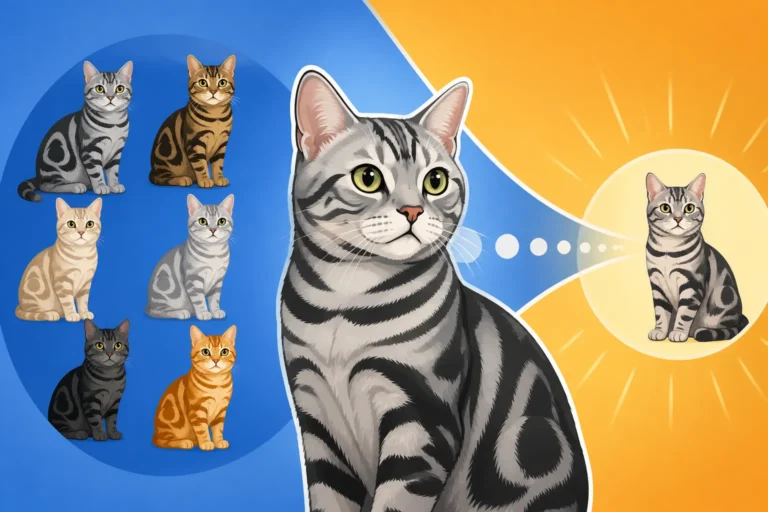
One of the greatest benefits of a landrace origin is the naturally wide and diverse gene pool it creates. Unlike breeds developed from a small number of foundation cats, often leading to a higher degree of inbreeding, the American Shorthair's ancestors were varied and plentiful. They came from different parts of Europe and continued to interbreed with local feline populations as they spread across the continent. This broad genetic base meant a greater variety of genes, which in turn reduces the likelihood of "doubling up" on recessive genes that carry inherited diseases. When you have a diverse gene pool, harmful recessive traits are less likely to express themselves because a healthy dominant gene is usually present to mask them.
This inherent genetic diversity is a powerful shield against many hereditary conditions that can plague more selectively bred animals. It's why topics like How Wide the American Shorthair's Gene Pool Really Is are so important for understanding their overall well-being. While no breed is entirely immune, the American Shorthair benefits from centuries of broad-based breeding where natural fitness was the primary criterion. This isn't just about avoiding specific diseases; it's about overall genetic robustness, leading to stronger immune systems, better adaptability, and a greater general vitality throughout their lives. This wide gene pool is one of the most compelling arguments for the landrace origin explaining the breed's excellent health.
The Tangible Health Benefits of a Landrace Heritage
Fewer Inherited Genetic Diseases
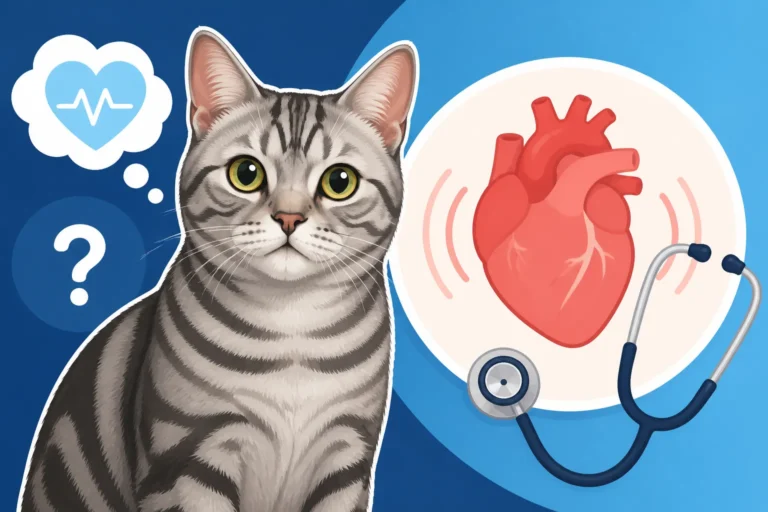
The American Shorthair’s landrace heritage translates into a noticeable reduction in the prevalence of inherited genetic diseases compared to many other pedigreed cats. While specific genetic screenings are always recommended for any purebred cat, American Shorthairs generally face a lower risk of inheriting conditions like Polycystic Kidney Disease (PKD) or certain types of progressive retinal atrophy. This isn't to say they are entirely free of all genetic predispositions – for instance, Hypertrophic Cardiomyopathy (HCM) is something that every cat, including the American Shorthair, can be susceptible to, as discussed in HCM Is the One Inherited Disease the American Shorthair Kept. However, the overall incidence rate for many common genetic issues is significantly lower.
This reduced risk means that American Shorthair owners often spend less time and money dealing with complex, expensive hereditary health problems. It's a real blessing for the budget and emotional well-being of cat parents. Of course, regular veterinary check-ups are still crucial, but the peace of mind that comes with knowing your cat carries a lower genetic burden is immense. Many owners also find that enrolling their American Shorthair with a reputable pet insurance provider like Healthy Paws provides an extra layer of financial security, even for a breed known for its hardiness. It’s always better to be prepared for the unexpected, even with a naturally healthy cat. What an American Shorthair With No Designer Defect Gets Instead is truly a cat built to thrive.
Robust Physicality and Adaptability
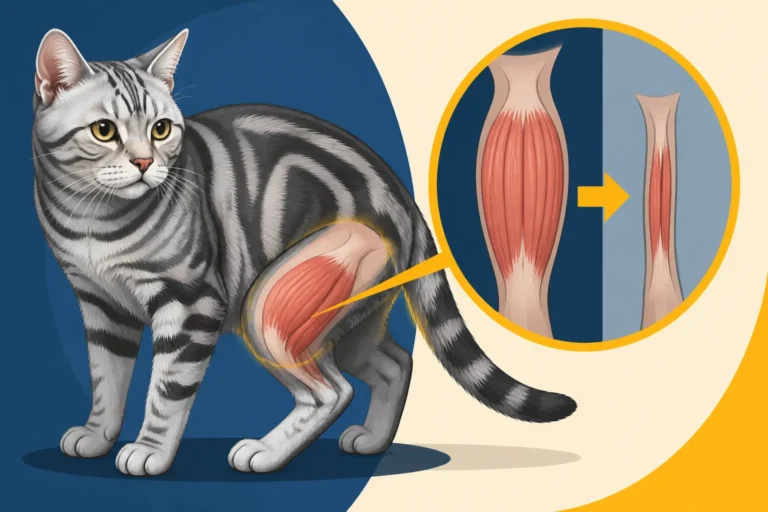
Beyond specific genetic disease resistance, the landrace origin of the American Shorthair has endowed them with a truly robust physicality and an incredible ability to adapt to various living situations. Their sturdy, well-muscled bodies, as outlined in What an American Shorthair Looks Like by the Standard, are built for strength and agility – perfect for their ancestral roles as hunters. This isn't a delicate cat; it's a solidly built animal designed for function and durability. They typically have strong bone structure, good dental health (though proactive care is still essential), and a generally resilient constitution that stands up well to the rigors of life.
Their adaptability also extends to their temperament. These cats are known for being easygoing and tolerant, capable of adjusting to different household environments, whether bustling family homes or quieter single-person dwellings. This blend of physical hardiness and calm adaptability often makes them ideal companions for a wide range of owners, including first-timers. They aren't typically prone to extreme stress responses that can sometimes manifest as physical ailments in more sensitive breeds. This natural resilience, honed over centuries, contributes significantly to their longer average lifespans, frequently reaching The Fifteen to Twenty Years the American Shorthair Was Given, a testament to their enduring health.
Navigating Modern Care with an Ancient Blueprint
Common Health Considerations for American Shorthairs
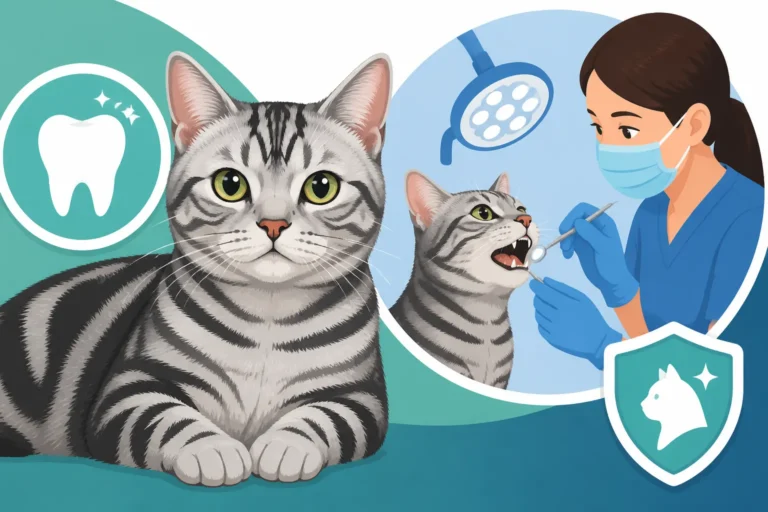
Even with their fantastic landrace health, American Shorthairs aren't immune to every health concern. Like all cats, they can face common feline issues, particularly as they age. Obesity, for example, has become a significant concern, especially since many American Shorthairs are now indoor-only pets and no longer actively hunting for their meals. This shift in lifestyle means their natural "mousing job" has ended, and without careful dietary management and environmental enrichment, weight gain can become a real problem. This is precisely Obesity Is What Ending the American Shorthair's Job Cost It. Joint issues can also arise in older, heavier cats due to their sturdy build bearing extra weight. Dental disease is another ubiquitous problem in felines, and American Shorthairs are no exception; without regular dental care, plaque and tartar can lead to pain and infection.
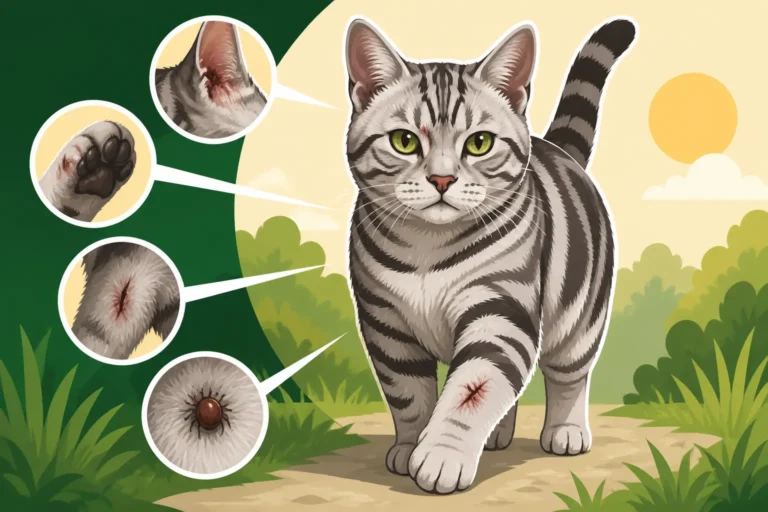
Regular veterinary check-ups are paramount to catch these issues early. Your vet can advise on appropriate diets, exercise routines, and preventive dental care. While they may be less prone to inherent genetic problems, proactive care for lifestyle-related conditions is absolutely necessary. This includes routine vaccinations, parasite control, and monitoring for signs of common illnesses like kidney disease or hyperthyroidism as they approach their senior years. While their breed profile generally means a lower vet bill compared to some other breeds, understanding Why an American Shorthair Costs a Vet Less Than a Persian, consistent care is still an investment.
Proactive Care for a Naturally Healthy Breed
Embracing the naturally robust health of your American Shorthair means focusing on proactive, preventive care that supports their inherent strengths. This isn't about constant worry, but rather about consistent, thoughtful attention. A high-quality diet appropriate for their age and activity level is essential, particularly one that helps manage their weight if they're indoors. Providing ample opportunities for exercise through interactive play, cat trees, and puzzle feeders can help satisfy their innate hunting drive and keep them physically fit. Many owners find that incorporating activities that mimic the hunt, as described in Play That Finishes the Hunting Sequence for an American Shorthair, keeps them engaged and active.
Routine veterinary visits, usually annually for adults and more frequently for kittens and seniors, allow your vet to monitor their overall health, perform necessary screenings, and address any potential issues before they become serious. This might include checking for signs of heart murmurs that could indicate HCM, even though it's rare, reinforcing Why an American Shorthair Still Needs a Yearly Heart Scan. Additionally, maintaining a clean environment, ensuring access to fresh water, and engaging in regular grooming (even for their easy-care coats) all contribute to their long-term well-being. Having a comprehensive pet insurance plan, such as those offered by Healthy Paws, can be a fantastic way to ensure you're financially prepared for any unexpected health needs, allowing you to focus on getting your beloved cat the best care without undue stress. Knowing What an Untested American Shorthair Usually Dies Of can guide proactive discussions with your vet.
To illustrate some key health differences and management aspects:
| Health Aspect | Landrace (American Shorthair) | Selectively Bred (Some other pedigrees) | Proactive Care for American Shorthair |
|---|---|---|---|
| Genetic Diversity | High; broad gene pool reduces recessive disease expression. | Can be lower; smaller foundation stock may increase risks. | Regular vet check-ups, awareness of familial history. |
| Inherited Diseases | Generally low incidence (e.g., lower PKD, specific retinal issues). | Higher incidence of breed-specific genetic conditions. | Specific screenings for HCM (echoes), even if rare. |
| Physical Build | Sturdy, muscular, functional, balanced for agility and strength. | Can range from delicate to exaggerated, sometimes compromising function. | Weight management, joint support as needed, ample exercise. |
| Temperament | Adaptable, calm, independent, less prone to stress-related issues. | Varies widely; some breeds may be more prone to anxiety or specific needs. | Enrichment, stable environment, positive reinforcement. |
| Common Concerns | Obesity, dental disease, age-related conditions (kidney, thyroid). | Obesity, dental, age-related, plus breed-specific genetic issues. | Diet, regular dental care, senior wellness panels. |
| Insurance Premiums | Often lower due to generally good health (e.g., Healthy Paws may reflect this). | Can be higher depending on breed-specific risks. | Still recommended for unexpected illnesses or injuries. |
In conclusion, the landrace origin of the American Shorthair provides a strong foundation for their excellent health. Their history of natural selection and a broad gene pool has truly sculpted a resilient and adaptable feline companion. While no cat is entirely maintenance-free, understanding their heritage empowers owners to provide targeted, proactive care that supports their natural strengths, ensuring these wonderful cats enjoy long, healthy, and happy lives.
Disclaimer
This article is intended for informational purposes only and does not constitute professional veterinary advice. Always consult with a qualified veterinarian for any health concerns or before making any decisions about your pet's care.