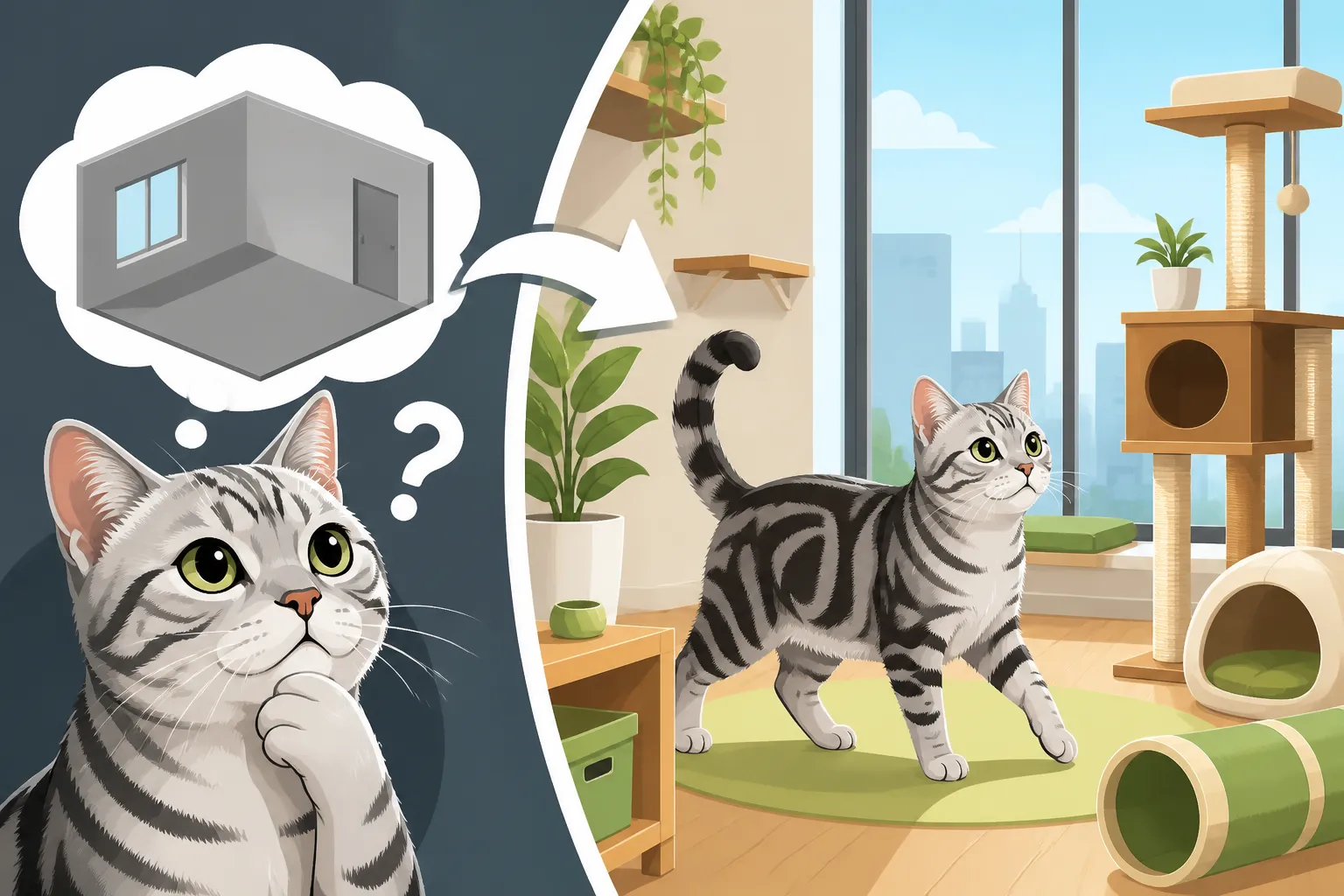
Whether an Apartment Gives an American Shorthair Enough Territory
It’s a common worry for many cat lovers, especially those of us living in smaller spaces: can an apartment truly provide enough for a sturdy, intelligent cat like the American Shorthair? These aren't dainty lap cats, after all. Their heritage is steeped in utility and independence, and it’s natural to wonder if a confined urban environment can satisfy their deep-seated instincts. This guide is here to reassure you and show you exactly how to transform even the coziest apartment into a rich, stimulating environment where your American Shorthair can thrive, tapping into their natural behaviors without ever feeling cramped.
Understanding the American Shorthair's Innate Need for Territory
The American Shorthair, with its historical roots as a working cat on farms and ships, possesses an inherent need for territory and the instinct to patrol it. This isn't about vast acres, though; it's about ownership, security, and the ability to survey their domain. When we bring these wonderful felines into our homes, especially apartments, we need to understand how these ancestral needs translate into a modern, indoor setting.
The Hunter's Mind in a Small Space
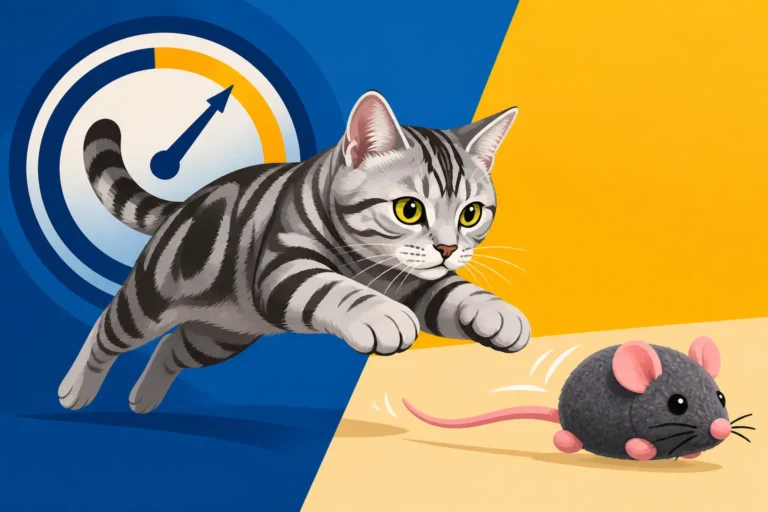
Centuries of ratting and mousing have honed the American Shorthair's predatory instincts. They are stalkers, pouncers, and observant hunters, traits that don't magically disappear when they trade a barn for a living room. In an apartment, without actual mice to chase, this powerful drive can manifest in various ways, sometimes constructively, sometimes destructively. You might notice them "hunting" dust bunnies, stalking a shadow on the wall, or fixating on birds outside the window. This isn't boredom; it's their intrinsic nature finding an outlet. The challenge, and our responsibility as owners, is to provide appropriate and safe channels for these instincts. If left unchecked, this pent-up energy can lead to behaviors like scratching furniture, over-grooming, or even anxiety. Why Centuries of Ratting Left the American Shorthair Its Drive is a great read if you want to understand this background better.
Redefining "Territory" for an Indoor Cat
For a wild cat, territory is horizontal – miles of open land. For an apartment-dwelling American Shorthair, "territory" becomes a much more complex, three-dimensional concept. It’s not just the floor space; it’s the vertical landscape you create. Think of it as a multi-story building where each level offers a new vantage point, a new escape route, or a new place to rest. They need to feel like they own their space, that they can climb to a safe height to observe their surroundings, and that they have quiet nooks where they can retreat and feel secure. This involves strategic placement of cat trees, shelves, and even furniture, all working together to create a varied and stimulating environment that addresses their need for exploration and security within the confines of your walls.
The Impact of a Sedentary Lifestyle
Let's be honest, an apartment life often means a less active life compared to a free-roaming outdoor cat. This shift from a working hunter to a cherished pet has its downsides, primarily the risk of a sedentary lifestyle. American Shorthairs are naturally muscular and prone to maintaining a hearty appetite, a leftover from their days of earning their meals. Without enough exercise to burn those calories, weight gain can become a real problem. Why Ending the Mousing Job Made the American Shorthair Heavy delves into this more. A sedentary existence doesn't just impact their physical health, leading to issues like obesity and joint problems, but it also takes a toll on their mental well-being. A bored, under-exercised American Shorthair can become lethargic, destructive, or even depressed. It's crucial to acknowledge this and actively work to counteract it through thoughtful environmental enrichment and regular play.
Maximizing Vertical Space: Turning Small Apartments into Multi-Level Playgrounds
One of the most effective strategies for making an apartment feel larger and more stimulating for an American Shorthair is to embrace verticality. Cats are natural climbers and observers, and providing opportunities to ascend gives them a crucial sense of control and expanded territory. This isn't just about aesthetics; it's about fulfilling a fundamental behavioral need.
Cat Trees, Shelves, and Window Perches
Think of your walls and windows as untapped real estate. A sturdy cat tree is often the first step, offering multiple levels, scratching surfaces, and cozy napping spots. But don't stop there! Floating shelves, strategically mounted on walls, can create an exciting "cat highway" around your living space. These should be wide enough for your American Shorthair to comfortably walk and turn around on, and securely anchored. Window perches are also invaluable, offering a front-row seat to the outside world, satisfying their instinct to observe. Look for durable, easily cleanable options on platforms like Amazon that can withstand a hefty American Shorthair's weight. When selecting these items, consider your cat's size and build; a robust American Shorthair needs stable, well-built structures that won't wobble or tip when they launch themselves upwards. How High an American Shorthair Needs to Get is a good read if you're wondering about optimal heights.
The Art of the Cat Highway
The goal isn't just scattered vertical elements; it's to connect them, creating a continuous flow or "highway" that allows your American Shorthair to traverse the room without ever touching the floor. Imagine a series of shelves leading from a cat tree to a window perch, then perhaps across to the top of a bookshelf. This allows them to patrol their territory from an elevated position, feeling safe and dominant, just as their ancestors might have surveyed a barn from the rafters. You can achieve this with modular cat shelving systems or by repurposing existing furniture, adding carpeted steps or ramps for easy access. This kind of interconnected vertical space provides both physical exercise and mental stimulation, as they plan their routes and explore new paths.
Strategic Placement for Optimal Use
Where you place these vertical structures matters immensely. Consider areas where your cat already likes to observe, such as near windows or in central living areas. Ensure that each vertical element has a clear path for ascent and descent, ideally with multiple options so they don't feel trapped. Placing a cat tree near a sunny window means they get both warmth and "cat TV." A shelf above a doorway offers a prime observation spot without interrupting human traffic. If you have multiple cats, ensuring multiple access points and distinct high perches can help prevent territorial disputes. The key is to think like a cat: where would they want to be to feel safe, warm, and in command of their surroundings?
Mental Enrichment: Keeping a Hunter Engaged Indoors
An American Shorthair's robust physical form is matched by a keen, intelligent mind. Simply providing vertical space isn't enough; you also need to stimulate their intellect and satisfy their innate hunting drive in ways that are appropriate for an indoor setting. This is where creative enrichment comes into play.
Simulating the Hunt with Interactive Toys
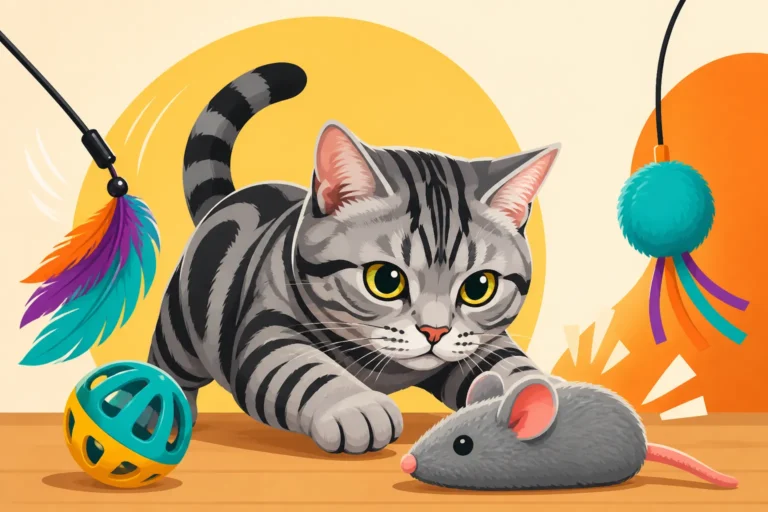
Since your American Shorthair isn't actually chasing prey around your apartment, you need to bring the hunt to them! Interactive toys are paramount. Think about toys that mimic the erratic movements of prey: feather wands, fishing pole toys, and even remote-control mice. The key is variety and engagement. Don't just leave toys lying around; actively play with your cat daily, guiding the toy in a way that encourages stalking, pouncing, and capturing. Make sure there’s a "kill" at the end of the session, where they actually catch the toy, preventing frustration. Rotating toys regularly keeps things fresh and exciting. Websites like Amazon offer a huge array of interactive toys designed for feline hunters, from spring-loaded mice to intricate feather teasers. Play That Finishes the Hunting Sequence for an American Shorthair offers more insights into this crucial aspect of play.
Puzzle Feeders and Foraging Opportunities
An American Shorthair that once worked for its meals will benefit immensely from having to "work" for food again, even if it's just a kibble. Puzzle feeders are fantastic for this, requiring your cat to manipulate objects or solve a simple problem to get their food. This slows down eating, preventing scarfing, and provides valuable mental stimulation. You can start with simpler designs and gradually move to more complex ones. Beyond feeders, consider scattering small portions of their daily kibble ration in different hiding spots around the apartment – under a rug, behind a curtain, or in a crinkly tunnel. This encourages natural foraging behavior, turning mealtime into a stimulating hunt. Whether a Puzzle Feeder Satisfies an American Shorthair explores this topic in more detail. It taps into their natural instincts and prevents boredom, making them think and move for their sustenance.
The Power of Window Watching and "Cat TV"
Never underestimate the entertainment value of a good window. For many indoor American Shorthairs, a window is their personal movie screen, offering endless "cat TV" in the form of birds, squirrels, leaves rustling, or even just people walking by. Ensure your cat has comfortable, elevated access to at least one window, ideally one that overlooks some outdoor activity. A soft blanket or a dedicated window perch can make this spot irresistible. If your apartment doesn't offer much in the way of outdoor views, or if you want to supplement, consider playing nature videos for cats on a tablet or TV. While not a replacement for active play, these can provide a calming and visually stimulating experience, engaging their predatory interest without actually stressing local wildlife.
Addressing Social and Physical Needs in a Confined Space
Living in an apartment means that every interaction, every stretch, every dash across the room contributes to your American Shorthair's overall well-being. You are their primary source of engagement, and understanding how to meet their physical and social needs within these boundaries is key to a happy, healthy cat.
Dedicated Play Sessions with Your Cat
Unlike outdoor cats who might spend hours patrolling or interacting with other animals, your apartment-dwelling American Shorthair relies heavily on you for physical exercise and social interaction. This means dedicated play sessions are non-negotiable. Aim for two to three sessions daily, each lasting 10-15 minutes, using those interactive wand toys we talked about. These sessions aren't just for exercise; they strengthen your bond and allow your cat to express their natural behaviors in a safe, controlled environment. Mimic the hunt, let them chase, pounce, and "kill" the toy. Vary the type of play and the toys used to keep them interested. Remember, consistency is crucial, so try to build these sessions into your daily routine. How Many Hunts a Day an Indoor American Shorthair Needs is a fantastic resource for structuring these activities.
Considerations for Multi-Cat Households
If you're thinking of adding a second American Shorthair, or if you already have multiple cats in an apartment, territory becomes even more critical. While American Shorthairs are generally known for their placid nature, every cat needs their own space, especially for eating, sleeping, and using the litter box. In an apartment, this means providing enough resources to avoid conflict. Offer multiple feeding stations, several litter boxes placed in different, private locations, and a variety of elevated resting spots. Vertical space is your best friend here, as it multiplies the perceived territory. Ensure each cat has a "safe haven" they can retreat to, whether it's a cozy bed on a high shelf or a covered cat cubby. A harmonious multi-cat home in an apartment is entirely possible with careful planning and an abundance of resources.
Maintaining Physical Health and Preventing Obesity
As mentioned, the American Shorthair's predisposition to a hearty appetite, combined with an indoor, less active lifestyle, can easily lead to obesity. This isn't just a cosmetic issue; it significantly impacts their health and lifespan, contributing to conditions like diabetes, arthritis, and heart disease. Regular exercise through play, as discussed, is vital. But equally important is mindful feeding. What Extra Weight Does to an American Shorthair's Working Frame highlights the specific risks. Don't leave a bowl of kibble down all day for them to graze; instead, portion out their food into scheduled meals, perhaps using puzzle feeders to slow down consumption. Consult your vet to determine the ideal weight and calorie intake for your specific cat. A simple kitchen scale can help you accurately measure their food, ensuring they get exactly what they need without overeating. This proactive approach to diet and exercise is crucial for their long-term health and well-being in an apartment setting.
The Importance of Routine and Consistency in Apartment Life
Cats, American Shorthairs included, are creatures of habit. They thrive on predictability, and in the contained environment of an apartment, a consistent routine provides a sense of security and control. Deviations from this routine, especially sudden or frequent ones, can be a significant source of stress for them.
Establishing a Predictable Schedule
A consistent daily schedule forms the backbone of your American Shorthair's security in an apartment. This means feeding them at roughly the same times each day, scheduling play sessions, and maintaining a regular cleaning routine for their litter boxes. Cats internalize these patterns, and knowing what to expect reduces anxiety. For example, if they know that after your morning coffee, it's time for a play session, they are less likely to express their energy destructively out of boredom. A predictable environment helps them feel safe and confident, even if their physical territory is limited. Why a Self Sufficient American Shorthair Copes With a Long Day is a good article to understand their innate independence and how routine complements it.
Managing Environmental Changes
Apartments, by their nature, can sometimes feel a bit… mutable. Rearranging furniture, bringing in new items, or even having guests over can disrupt your cat's carefully mapped-out territory. While American Shorthairs are generally adaptable, sudden changes can still be unsettling. When introducing a new piece of furniture, allow your cat to explore it at their own pace. If guests are coming, ensure your cat has a quiet, safe room they can retreat to if they feel overwhelmed. Maintain their core routine as much as possible during these changes. Gradual introductions and a consistent base routine will help your American Shorthair cope with the minor disruptions inherent in apartment living. How an American Shorthair Copes With Change delves deeper into their adaptability.
Behavioral Cues and Stress Indicators
Since cats are masters at hiding discomfort, especially stoic breeds like the American Shorthair, it’s vital for apartment owners to become adept at reading their cat's behavioral cues. Subtle changes can indicate stress, boredom, or a lack of enrichment. Look for signs like excessive grooming, changes in appetite or litter box habits, increased vocalization (though American Shorthairs are generally quiet, a sudden increase might be a red flag), or destructive behaviors like scratching where they shouldn't. A withdrawn cat, one that's suddenly spending all its time hiding, could also be a sign something is amiss. These aren't necessarily signs that the apartment isn't enough, but rather that the current level of enrichment isn't meeting their needs. Early detection allows you to adjust your approach and ensure their well-being.
When an Apartment Isn't Enough: Recognizing Limits and Seeking Solutions
While most American Shorthairs can thrive in an apartment with proper enrichment, there are always limits. Recognizing when your efforts aren't quite hitting the mark, or when a particular cat's needs exceed what your space can offer, is a crucial part of responsible pet ownership.
Recognizing Signs of Under-Stimulation
Despite your best efforts, sometimes a cat's individual personality or a prolonged period of insufficient enrichment can lead to clear signs of under-stimulation. These might include persistent destructive scratching on furniture even with appropriate posts available, excessive vocalization, lethargy, or repetitive behaviors like compulsive grooming or tail chasing. Some cats might become overly demanding for attention, while others might withdraw. It's important to differentiate these from routine mischief. If you've tried increasing play, adding more vertical space, and incorporating puzzle feeders, and these behaviors persist, it might be a sign that your cat needs a more significant change or perhaps a re-evaluation of their environment.
Exploring Outdoor Access Alternatives
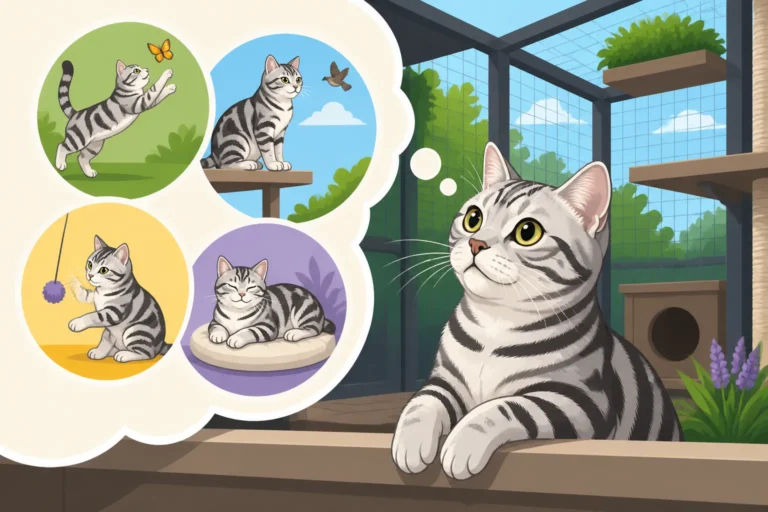
If your American Shorthair truly seems to yearn for more outdoor sensory input, but you live in an apartment where free-roaming is unsafe or impossible, consider a catio. A catio – a secure outdoor enclosure – offers the best of both worlds: fresh air, sunshine, and exposure to outdoor sights, sounds, and smells, all within a safe, contained space. Even a small catio attached to a window or balcony can make a huge difference, providing a feeling of expansion and connection to nature that an indoor apartment cannot replicate. Alternatively, some American Shorthairs can be trained to walk on a harness and leash, allowing supervised outdoor excursions in safe, quiet areas. This isn't for every cat, but for those who enjoy it, it's a wonderful way to expand their world. Whether a Catio Satisfies an American Shorthair's Drive is worth looking into if you're exploring this option.
The Lifelong Commitment to Enrichment
Ultimately, ensuring an apartment provides "enough territory" for an American Shorthair is a continuous, lifelong commitment. Their needs may change as they age, or as your household dynamics shift. A kitten will need different kinds of play and enrichment than a senior cat. An American Shorthair who once loved climbing may, as they age, prefer easier-to-access perches and softer beds. Regularly assessing your cat's behavior, making adjustments to their environment, and staying engaged with their needs will ensure they remain happy and healthy. It's about providing quality of life, not just quantity of space. By being attentive and creative, an apartment can indeed be a fulfilling home for these wonderful, adaptable felines.
Here's a quick overview of how apartment living can cater to an American Shorthair's needs:
| Need Category | Apartment Solutions | Outdoor Equivalent (Simplified) | Benefits for American Shorthair |
|---|---|---|---|
| Territory & Security | Cat trees, wall shelves, window perches, dedicated hiding spots | Wide open spaces, high vantage points | Sense of ownership, safe observation, stress reduction |
| Hunting Instincts | Interactive wand toys, laser pointers (with "kill"), hidden treats | Live prey, patrolling, stalking | Mental stimulation, physical exercise, prevention of destructive behavior |
| Physical Exercise | Daily play sessions, cat tunnels, climbing structures | Running, jumping, climbing for survival | Weight management, muscle tone, joint health |
| Mental Stimulation | Puzzle feeders, "cat TV," foraging games, rotating toys | Problem-solving for food, novel experiences | Prevents boredom, reduces anxiety, engages intelligence |
| Social Connection | Dedicated owner interaction, safe multi-cat dynamics | Interaction with other cats/animals (or solitude) | Strengthens bond, meets emotional needs, sense of belonging |
| Observation | Window perches, high shelves | Surveying landscape, predator/prey watch | Satisfies curiosity, provides external stimulus |
Disclaimer
This article is for general informational purposes only and does not constitute professional advice. Laws, prices and regulations vary by location and change over time. Consult a qualified professional for guidance on your specific situation.