Why an American Shorthair Assesses Before It Approaches
Many American Shorthair owners observe their beloved felines appearing to "think" deeply before they engage with anything new, be it a visitor, a strange object, or even a sudden noise. This isn't just a quirk; it's a deeply ingrained behavioral trait stemming from centuries of their heritage. This guide will explore the rich history and inherent instincts that drive an American Shorthair to assess a situation thoroughly before ever making a move, helping you understand and appreciate your thoughtful companion.
The Legacy of the Working Cat Mindset
When you watch your American Shorthair carefully surveying a room or scrutinizing a new object, it's easy to wonder what's going through their mind. The truth is, their ancestors weren't bred for lap-sitting or beauty pageants; they were working cats, tasked with keeping ships and farms free of vermin. This demanding role instilled a profound sense of self-reliance and the critical need to assess their environment for safety, opportunity, and potential threats.
Centuries of Self-Reliance and Observation
Imagine a cat living on a ship crossing the Atlantic or patrolling a bustling farmyard. There were no designated caregivers providing regular meals or ensuring their comfort. These cats had to be resourceful, intelligent, and fiercely independent. Their survival depended on their ability to observe, learn, and adapt. They weren't just reacting to stimuli; they were analyzing them. This constant vigilance became hardwired into their very being, a trait that the modern American Shorthair still carries today. They learned to rely on their own keen senses and judgment to navigate a complex, often dangerous world.
This lineage contrasts sharply with many other pedigreed breeds that were developed in more sheltered, pampered environments, often selected for aesthetic traits or specific temperaments rather than rugged self-sufficiency. For the American Shorthair, every interaction, every new scent, every rustle in the undergrowth was a potential data point that needed processing. It allowed them to be incredibly adaptable and resilient, making them excellent companions for those who appreciate a cat with a strong sense of self. It also contributes to their remarkable robustness; Whether a Landland Origin Explains the American Shorthair's Health is a testament to this inherent resilience.
Survival Instincts Over Immediate Gratification
This isn't about being shy or aloof; it's about a deeply rooted survival strategy. When an American Shorthair encounters something new, their first instinct isn't usually impulsive curiosity or immediate engagement. Instead, they pause, take it all in, and weigh the potential pros and cons. Is this new person a threat? Could this unfamiliar object offer a hiding spot, or might it fall on them? Is there food involved? This deliberate calculation is a direct inheritance from their working past, where a wrong move could mean missing a meal or encountering a predator.
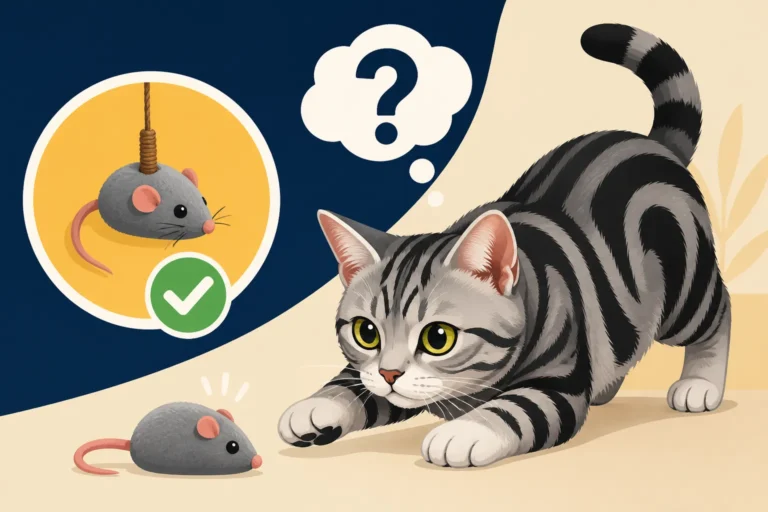
Even in the safety of your home, this instinct persists. A new bag of groceries, a piece of furniture, or even a sudden change in decor can trigger this assessment mode. They might watch from a distance, ears swiveling, eyes narrowed, until they've gathered enough information to decide on a course of action. This often manifests as a calm, watchful demeanor that can sometimes be mistaken for disinterest. But make no mistake, their minds are working. They're constantly evaluating, making sure their environment is safe and predictable. This keen observation is closely tied to their predatory nature; they need to understand their "prey" or situation before committing, much like How an American Shorthair Stalks its quarry in the wild.
Understanding Territory and Patrol
For an American Shorthair, their home isn't just a dwelling; it's their territory, their domain. And like any good sentinel, they take the security and integrity of that territory very seriously. Their assessment behavior is often a direct reflection of their need to understand and control their environment, ensuring everything is as it should be.
Mapping Their World: The Importance of Patrols
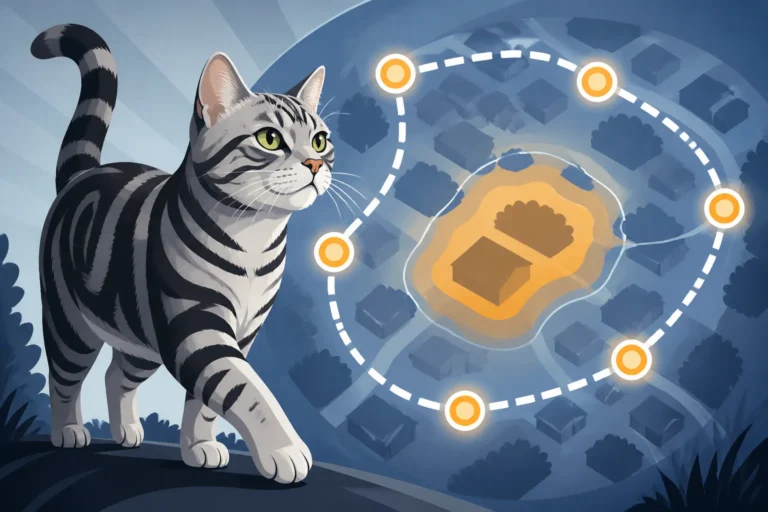
Cats are inherently territorial creatures, and the American Shorthair, with its working background, takes this to another level. They have an internal map of their home, complete with preferred pathways, lookout points, and safe havens. Every day, they embark on subtle "patrols," checking that everything is in its usual place and that no unwelcome changes have occurred. When something new appears – a coat draped over a chair, a plant moved to a different spot – it disrupts this mental map. The assessment begins: what is this new thing, what is its purpose, and how does it fit into the established order of my territory?
This behavior isn't about being fussy; it's about maintaining a sense of security and control. They need to understand the lay of the land to feel truly at ease. You might notice them sniffing, rubbing against, or even "testing" new items. This is them integrating the new into their familiar world. Their daily routine often involves these careful inspections, a fundamental part of How an American Shorthair Splits Its Day Between Patrol and Sleep. They're constantly updating their internal blueprints, and any deviation requires a re-evaluation to ensure their comfort and safety.
New Entrants to the Territory: Guests and Objects
When a new person enters your home, or a large, unfamiliar object is brought in, your American Shorthair's assessment behavior becomes even more pronounced. To them, these are not just benign additions; they are potential changes to their established territory that require immediate scrutiny. A guest, no matter how friendly, is an unknown entity with new scents, sounds, and movements. An unfamiliar piece of furniture represents a change in their patrol route, a new obstacle, or perhaps a new vantage point.
Their initial approach to guests is often one of cautious observation. They might watch from a safe distance, perhaps from under a chair or from a high perch, cataloging everything about the newcomer. They'll listen to voices, note body language, and, most importantly, process all the new smells. Only when they feel they have sufficient data, and deem the new presence non-threatening, will they consider a closer interaction. This is their way of integrating the new into their world. They might even rub against your guest's legs once they feel comfortable, marking them with their scent as part of the accepted territory. This careful introduction is a far cry from an immediate cuddle, but it's their way of making an acquaintance, much like How an American Shorthair Greets a Visitor.
Nuances of Cat Communication and Body Language
Understanding why your American Shorthair assesses before approaching means diving into the subtle world of feline communication. They don't just speak with meows; they speak with their entire body, and their assessment phase is a masterclass in non-verbal information gathering.
Reading the Room: A Cat's Perspective
Cats are incredibly sensitive creatures, and an American Shorthair uses every tool in their sensory arsenal to "read the room" before committing to an action. Their eyes aren't just for seeing; they're gauging distance, movement, and the intentions of others. Their ears, capable of rotating independently, are constantly scanning for sounds you might not even register. Their powerful sense of smell allows them to detect subtle pheromones, fear, happiness, or even what you had for lunch. They'll flare their nostrils slightly, taking in environmental cues that tell them a story about the situation.
This multi-sensory data collection happens in milliseconds. They're processing the angle of your body, the tone of your voice, the scent of the new bag you brought home, and the subtle vibration of the floor when someone walks by. Every piece of information contributes to their internal risk assessment. They might show very little outward emotion during this phase, but inside, a complex calculation is happening. Their stoic nature means they don't often express their thoughts vocally, emphasizing How Little an American Shorthair Bothers to Say, but their body language speaks volumes if you know how to interpret it.
Slow Blinks and Gradual Approaches: Their Social Protocol
Once an American Shorthair has completed its initial assessment and decided that a situation or individual is likely safe, their approach is typically slow, deliberate, and respectful. You won't often see them charging in for an immediate head-butt or a full-body rub. Instead, they might offer a slow blink from a distance, a clear sign of trust and relaxation. This gentle gesture says, "I see you, I trust you, and I mean you no harm." If you reciprocate with a slow blink, you're speaking their language, building a bridge of understanding.
Their physical approach will be equally unhurried. They might walk in a wide arc, rather than directly towards you, allowing themselves an easy escape route if their re-assessment uncovers something unexpected. They might sniff the air, or even the floor, collecting more information as they get closer. This gradual engagement is their social protocol, a way of allowing both parties to adjust to the interaction. It’s a testament to their independent yet discerning nature, often preferring to sit beside you rather than directly on you, which highlights Why a Working Bred American Shorthair Sits Beside You Rather Than On You. They value their personal space and respect yours, indicating a desire for companionship that doesn't demand constant physical contact.
Patience and Predictability for a Thoughtful Feline
Understanding the American Shorthair's need for assessment means recognizing that patience on your part is key. Rushing them will almost always backfire, reinforcing their caution rather than building trust. Instead, creating a predictable and safe environment will encourage them to approach with confidence.
Respecting Their Process: Allowing Them Time and Space
The most important thing you can do for an American Shorthair is to respect their timeline. When they're in assessment mode, trying to force an interaction—picking them up, cornering them, or continually calling their name—will only heighten their anxiety. They need to feel that they have control over their environment and their interactions. This means giving them the space they need to observe, process, and make their own decision to engage.
Think of it as granting them autonomy. If they choose to stay under the bed while guests are over, let them. If they circle a new bag of catnip for five minutes before sniffing it, that's perfectly normal. This patient approach not only builds trust but also empowers them, making them feel more secure in their decisions. It reinforces the idea that their home is a safe space where they are respected. Ultimately, this leads to a more confident cat who is more likely to approach you when they are ready. They are inherently adaptable, but even a cat as resilient as the American Shorthair benefits from feeling secure, especially when encountering changes. How an American Shorthair Copes With Change often depends on how much control they feel they have over their immediate environment.
Creating a Predictable and Safe Environment
A consistent routine and a stable home environment are paramount for an American Shorthair. When their world is predictable, they have less to constantly assess, allowing them to relax and feel more confident. This includes regular feeding times, consistent play sessions, and a calm household atmosphere. Cats thrive on routine, and the American Shorthair's historical independence means they value a dependable territory even more. Knowing what to expect reduces the need for constant vigilance.
Ensuring they have safe spaces, such as a tall cat tree or a cozy bed in a quiet corner (you can find many comfortable options on Amazon), gives them retreat options if they feel overwhelmed. These designated safe zones are crucial for their mental well-being, especially if you have a busy household or frequent visitors. A secure environment with predictable elements allows them to reserve their assessment skills for genuinely new or unusual situations, rather than constantly scanning for perceived threats. This sense of security is vital for a self-reliant cat; Why a Self Reliant American Shorthair Rarely Panics Alone is largely due to their ability to trust their environment. This predictability also helps them cope better if left alone, as they are less likely to feel anxious when their surroundings are stable, illustrating How Long an American Shorthair Copes Alone in the Day.
Navigating Social Dynamics with Other Beings
The American Shorthair's assessment behavior extends well beyond inanimate objects; it's a core part of how they interact and integrate with other living beings in their world, be they human, canine, or feline.
Sizing Up New Family Members
Introducing an American Shorthair to new family members – whether a baby, a puppy, or another cat – will bring their assessment skills to the forefront. They don't simply accept a new being into their established hierarchy without careful consideration. Their initial response will be to observe, often from a safe distance, watching how the new addition behaves, how they interact with others, and what their role in the household dynamic might be. This is a crucial phase where they determine if the new family member is a friend, a foe, or simply an interesting, non-threatening fixture.
For a new baby, they might observe from afar, trying to understand the strange new sounds and smells. With a new dog, they'll meticulously watch its movements, energy levels, and overall demeanor before making any direct contact. It's a calculated risk assessment, ensuring their own safety and territory are not compromised. They want to understand the new dynamic before they become an active participant. This careful observation is paramount, especially when integrating with the most vulnerable members of the family, as demonstrated in How an American Shorthair Adapts to a New Baby.
Learning to Coexist: A Gradual Acceptance
Once the initial assessment phase is complete, an American Shorthair's acceptance of new companions is typically a gradual process. It’s rarely an instant bond, but rather a slow, steady integration built on repeated positive interactions and predictable behavior from the newcomer. For children, this means teaching gentle handling and respecting the cat's space. For dogs, it involves supervised introductions and ensuring the cat has escape routes and high perches. For other cats, it's about scent exchange and slow, controlled meetings to minimize territorial disputes.
They will slowly begin to adjust their mental map of the household to include the new presence. They might gradually reduce the distance they keep, allow closer proximity, or even initiate brief, tentative interactions. This journey from assessment to coexistence is a testament to their patience and adaptability. The key is never to rush this process. Provide ample opportunities for positive reinforcement and ensure that the cat always feels secure and in control of the interaction. Remember, building trust with an American Shorthair is a marathon, not a sprint.
When Caution Becomes Concern
While an American Shorthair's thoughtful assessment is a normal and healthy part of their personality, it's important to differentiate this natural caution from signs of genuine fear, anxiety, or illness. Understanding this distinction can help you intervene if your cat's behavior shifts from typical assessment to concerning avoidance.
Distinguishing Caution from Fear
A healthy American Shorthair will assess, then usually approach or settle, albeit sometimes slowly. They might hide briefly, but they'll eventually re-emerge to observe. Signs of true fear or anxiety are more pronounced and persistent. This includes prolonged hiding, refusal to eat or drink, flattened ears, dilated pupils (not just in low light), hissing, growling, swatting, or even aggressive lunging. A cat in fear will often try to make itself as small as possible or attempt to flee entirely, indicating a perceived threat rather than just an unfamiliar situation.
The difference lies in the cat's ability to recover and adapt. A cat merely assessing will eventually integrate the new information and return to its normal routine. A fearful cat, however, might remain stressed and withdrawn for extended periods, or its behavior might escalate to defensive aggression if it feels trapped. It’s crucial to observe the duration and intensity of their reactions. Is it a temporary pause, or a sustained state of distress? When a cat's behavior changes dramatically, like becoming withdrawn and quiet for too long, it's a clear signal that something might be wrong. Why a Withdrawn American Shorthair Should See a Vet immediately underscores the importance of not dismissing such changes.
Seeking Professional Guidance for Behavioral Changes
If your American Shorthair's assessment behavior becomes extreme, constant, or escalates into signs of chronic fear, anxiety, or aggression, it's time to seek professional help. This isn't a failure on your part, but an indication that your cat might be struggling with something beyond normal caution. A sudden change in behavior could indicate an underlying medical issue, so a trip to the veterinarian should always be the first step to rule out pain, illness, or neurological problems.
If health issues are ruled out, a certified feline behaviorist can provide invaluable guidance. They can help you identify triggers, understand the root cause of the behavioral change, and develop strategies to help your cat feel more secure and confident. They might suggest environmental modifications, pheromone diffusers (often available on Amazon, such as Feliway products), or behavioral modification techniques. Addressing these issues early can prevent them from becoming entrenched and significantly improve your cat's quality of life.
Here's a quick comparison of an American Shorthair's typical assessment behavior versus signs of distress:
| Behavior Aspect | Typical Assessment | Signs of Fear/Stress |
|---|---|---|
| Initial Reaction | Observation from a distance, stillness, quiet gaze | Immediate hiding, freezing, attempts to flee |
| Vocalization | Generally silent, perhaps a soft meow or chirp | Hissing, growling, spitting, distressed cries |
| Body Posture | Relaxed body, tail loosely held or gently swishing | Crouched low, flattened ears, puffed fur, stiff legs |
| Eye Contact | Direct but calm, slow blinks, pupils normal | Wide, unblinking stare; dilated pupils (even in bright light) |
| Approach | Slow, deliberate, wide arc, sniffing | No approach, retreating, darting movements |
| Duration | Relatively short, leading to eventual engagement/settling | Prolonged hiding, persistent avoidance, constant vigilance |
| Response to You | May eventually seek interaction or allow petting | Avoids eye contact, refuses interaction, lashes out if approached |
Remember, your American Shorthair's thoughtful nature is one of its most endearing qualities. By understanding its origins and respecting its needs, you can foster a deep, trusting bond with your discerning feline friend.
Disclaimer
This article is for general informational purposes only and does not constitute professional advice. Laws, prices and regulations vary by location and change over time. Consult a qualified professional for guidance on your specific situation.