Whether an American Shorthair Hunts Better Than a Modern Breed
It can be incredibly baffling and even a little frustrating when your seemingly laid-back house cat suddenly transforms into a stealthy predator, stalking a dust bunny or a housefly with intense focus. Many cat owners, especially those new to certain pedigrees, often wonder if some cats are just better at this primal dance than others. This guide dives deep into whether the American Shorthair, with its rich history as a working cat, still retains a sharper hunting edge compared to many of today's more modern, often selectively bred, cat breeds.
The American Shorthair's Enduring Hunting Instinct
When you look at an American Shorthair, you’re looking at living history. These aren't cats that were bred purely for their beautiful patterns or unique coat textures just a few generations ago. Their very existence is rooted in a deeply practical purpose: hunting. This isn't just a quaint historical fact; it’s a genetic blueprint that continues to shape their behavior and capabilities even today.
A Legacy Forged in Function
Centuries before cat shows and pedigree registries, the ancestors of the American Shorthair were invaluable members of any household, farm, or sailing ship. They weren't just pets; they were essential workers. Imagine a wooden ship crossing the Atlantic, its holds teeming with provisions and, inevitably, rodents. A good mouser wasn't a luxury; it was a necessity to protect food supplies and prevent the spread of disease. These cats were selected, generation after generation, not for their fluffy tails or their vocalizations, but for their ability to eliminate pests with ruthless efficiency. This selective pressure ingrained the hunting instinct deeply into their very being. Why Centuries of Ratting Left the American Shorthair Its Drive They weren't given an option to be lazy; their survival, and often the survival of the humans they lived with, depended on their prowess.
This rugged upbringing meant that their physical and mental traits were constantly honed for the hunt. While many modern breeds have been refined for specific aesthetic standards or gentle temperaments in more recent decades, the American Shorthair's primary "breeding program" for hundreds of years was simply survival and effectiveness. The cats that caught the most mice thrived and reproduced. This unbroken chain of working ancestry means that the instinct is far from dormant; it's a vibrant, active part of their genetic makeup, ready to spring into action at the sight of a flickering shadow or a buzzing fly.
Physical and Mental Attributes of a Born Hunter
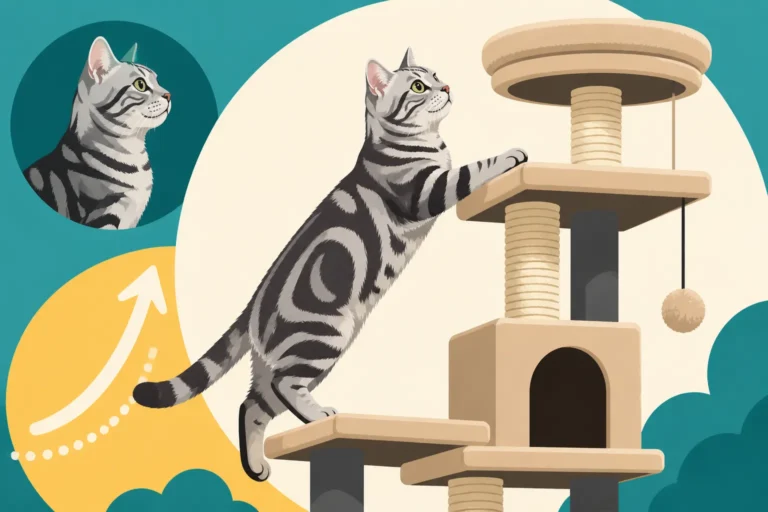
Beyond just the historical context, the American Shorthair possesses a suite of physical and mental traits that are perfectly optimized for hunting. Their muscular, well-proportioned bodies aren't just aesthetically pleasing; they're built for agility, strength, and quick bursts of speed. A strong, broad chest and powerful hindquarters allow them to launch themselves into a pounce with considerable force and accuracy. You can often see this coiled power even in a relaxed American Shorthair, waiting for the right moment. How an American Shorthair Pounces
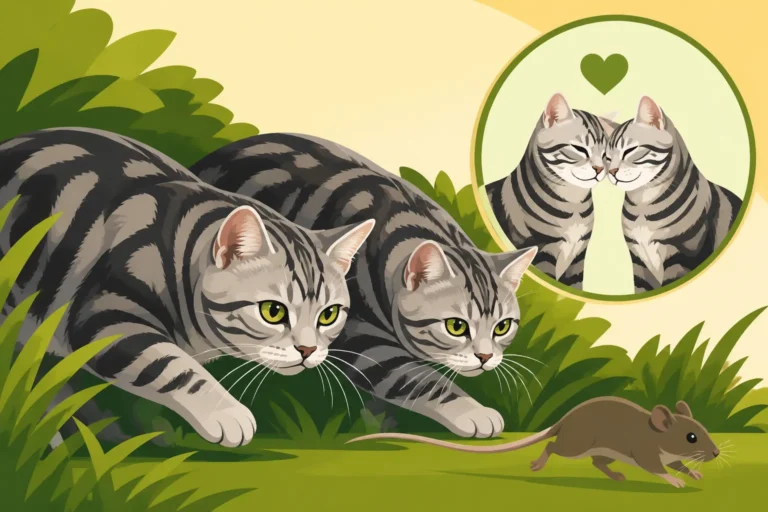
Mentally, these cats are incredibly patient and observant. They're not prone to impulsive, chaotic chases like some other breeds. Instead, they exhibit a methodical stalking behavior. They can remain utterly still, eyes fixed, for extended periods, waiting for the precise moment to strike. This patience, coupled with their keen senses of sight and hearing, makes them formidable predators. How Patient an American Shorthair Is at a Gap Their intelligence is also geared towards problem-solving in a hunting context—figuring out how to access prey, anticipating movements, and adapting their strategy. This combination of physical prowess and focused mental acuity gives them a distinct advantage when it comes to effective hunting, whether it's a real mouse or a crinkly toy.
The Evolving Landscape of Modern Cat Breeds
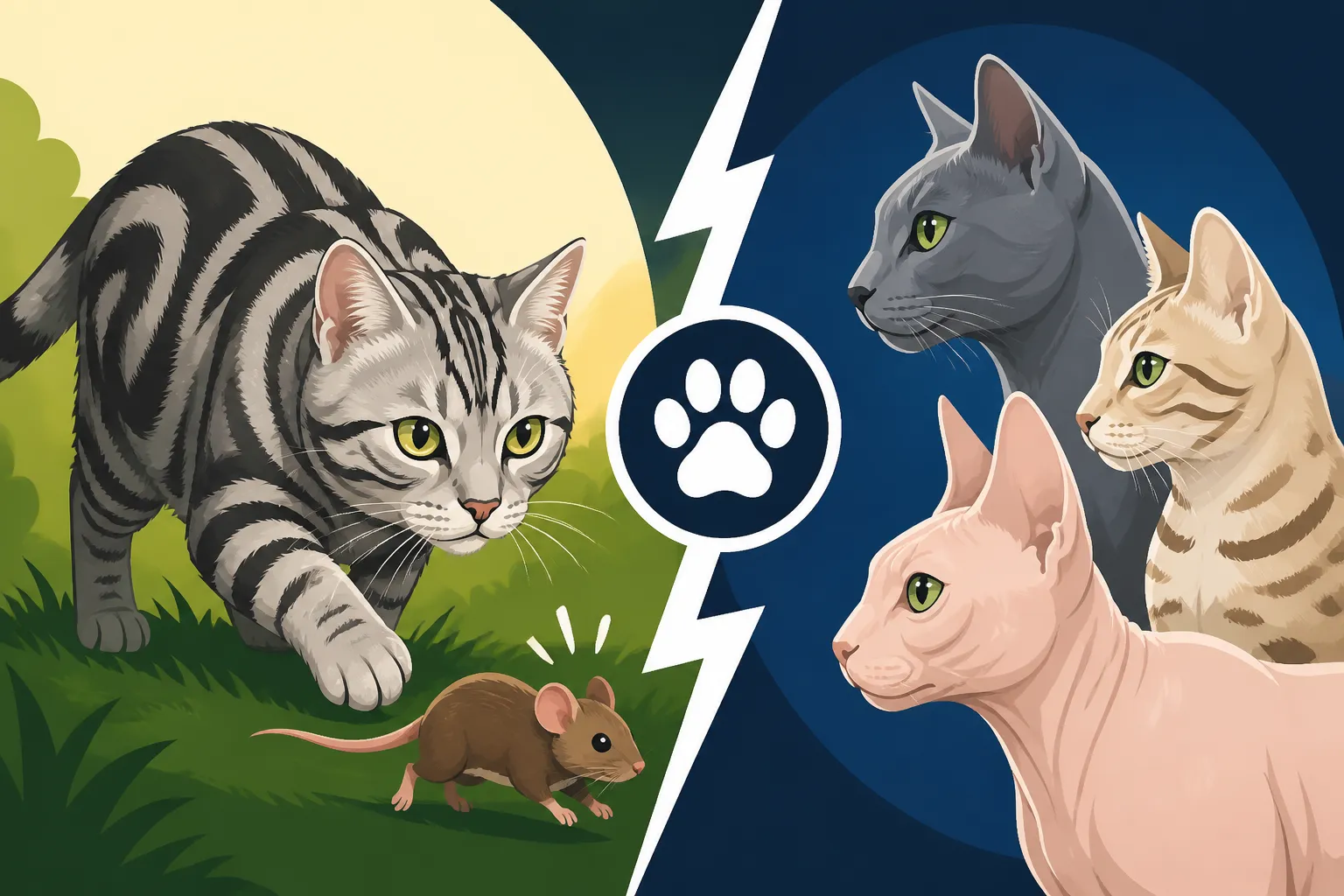
In stark contrast to the American Shorthair's practical origins, many of the cat breeds we admire today have been developed with entirely different goals in mind. The world of pedigree cats has diversified immensely, moving far beyond the simple need for a good mouser. This shift has, inevitably, influenced the hunting drives and physical capabilities of these newer breeds.
Prioritizing Aesthetics and Companionship Over Utility
Many modern cat breeds were developed in an era where the primary role of a cat in the home had transitioned from working animal to cherished companion. Breeders began to focus on specific physical traits—long, flowing coats, distinctive facial structures, unique eye colors, or particularly docile temperaments. Think of breeds like the Persian, with its magnificent long fur and flattened face, or the Ragdoll, known for its soft, plush coat and tendency to go limp in one's arms. While these traits make for undeniably beautiful and often incredibly affectionate pets, they sometimes come at the expense of attributes that would be crucial for a skilled hunter. A very long coat, for instance, can impede movement or become entangled in brush, and extreme facial features can sometimes affect breathing or vision, which are vital for a predator.
The emphasis shifted from "how good is this cat at catching mice?" to "how beautiful is this cat?" or "how well does this cat fit into a quiet family home?" This isn't a criticism of these breeds; it's simply a recognition of different breeding priorities. The selection criteria changed, leading to cats that excel in areas like calmness, striking appearance, or intense affection, rather than raw predatory skill. While they might still chase a laser pointer, the innate drive and refined techniques of their working ancestors are often less prominent, if present at all, in their genetic makeup.
Variable Hunting Drives in Contemporary Breeds
It's important to understand that "modern breed" isn't a monolith when it comes to hunting ability. There's a wide spectrum. Some modern breeds, particularly those developed from hardy domestic shorthair populations in other regions or those that retain a robust, less extreme conformation, may still exhibit a fairly strong hunting drive. Breeds like the Bengal, for example, were intentionally bred to retain a wilder appearance and often have a very high prey drive, though their ancestry includes wild cats. However, even within these more "active" modern breeds, the consistency of the drive and the methodology of the hunt can vary.
For many modern breeds, the hunting instinct might manifest as playful chasing of toys, but without the intense focus, patience, or the instinctive desire to complete the entire hunt sequence (stalk, pounce, kill bite). It might be more sporadic, less efficient, or simply a less central part of their daily routine. An owner of a less prey-driven modern breed might find their cat enjoys swatting at a toy for a minute or two before wandering off, whereas an American Shorthair might spend twenty minutes meticulously tracking a moth. The difference isn't always in the absence of instinct, but in its strength, refinement, and how consistently it's expressed. This variability means that while your particular modern breed cat might enjoy a good chase, it's less likely to be the consistent, formidable hunter that an American Shorthair intrinsically is.
Measuring Hunting Efficacy: Old Versus New
So, when we ask if an American Shorthair hunts better than a modern breed, we're really asking about efficiency, instinctual completeness, and the depth of their predatory drive. It's not just about whether they can catch something, but how they go about it and how intrinsically satisfying the act is to them.
Efficiency and Instinctive Completion of the Hunt
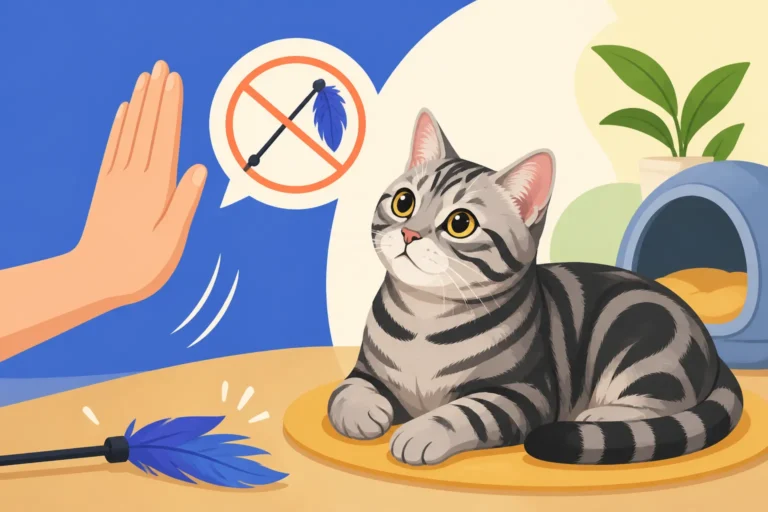
The hallmark of the American Shorthair's hunting prowess lies in its efficiency and its unwavering commitment to the full predatory sequence. They don't just chase; they hunt. This means observing, stalking with incredible stealth, calculating the optimal pounce, and then, crucially, delivering the "kill bite" (even if it's just on a toy mouse). For an American Shorthair, the hunt is a complete cycle, and missing any part of it can leave them feeling unfulfilled. This is why a laser pointer, while engaging for a moment, can actually be quite frustrating for an American Shorthair because it never allows them to "catch" and "kill" their prey. Why an American Shorthair Loses Interest in a Laser They need that physical resolution.
Compared to many modern breeds, whose hunting instincts may be more dulled or fragmented, the American Shorthair's approach is often more deliberate and effective. They're less likely to give up quickly if the prey evades them, and they possess an innate understanding of tactics—using cover, anticipating escape routes, and assessing weaknesses. Their centuries of evolutionary and selective pressure have refined these skills to a degree that is often not seen in breeds where these instincts were not a primary factor in their development. It's the difference between a cat that enjoys a game of chase and a cat that genuinely understands and executes the art of predation.
Adapting the Hunt to the Indoor Environment
Even for indoor-only American Shorthairs, this deep-seated hunting instinct doesn't disappear; it simply adapts to the available environment. They become expert "indoor hunters," meticulously patrolling their territory and seeking out anything that moves. A spider on the wall, a fly buzzing near a window, or even a dust bunny stirred by a draft can trigger their full hunting sequence. They’ll stalk, pounce, and "kill" with the same intensity they would display in a barn or field. What an Indoor American Shorthair Hunts Instead
This adaptability means that providing adequate enrichment for an indoor American Shorthair is crucial. They need opportunities to express these natural behaviors. Interactive toys, like wand toys with feathery ends from brands you can find on Amazon, that mimic prey movements are excellent. Puzzle feeders, also readily available on platforms like Amazon, that require them to "hunt" for their food can provide mental stimulation and physical engagement, tapping into that primal need to work for their meals. Without these outlets, a bored American Shorthair might find less desirable "prey" around the house, like your feet under a blanket, or become restless. Their profound hunting instinct shapes their entire engagement with their world, even within the confines of a living room.
Living with a Hunter: Owner Responsibilities and Rewards
Understanding the American Shorthair's strong hunting drive is key to providing them with a fulfilling life and a harmonious home. It's not a flaw, but a fundamental characteristic that requires thoughtful consideration from their human companions.
Nurturing the Natural Drive Responsibly
For American Shorthair owners, acknowledging and responsibly managing this powerful hunting instinct is paramount. This means making sure your cat has plenty of opportunities for simulated hunting play every single day. Interactive play sessions with wand toys are a must, ensuring the cat gets to "catch" the toy at the end to satisfy that instinctual drive. How to End a Play Session With an American Shorthair Leaving toys lying around is often not enough; they need interaction that mimics the thrill of the chase. Many excellent interactive toys can be found on Amazon, offering different "prey" types.
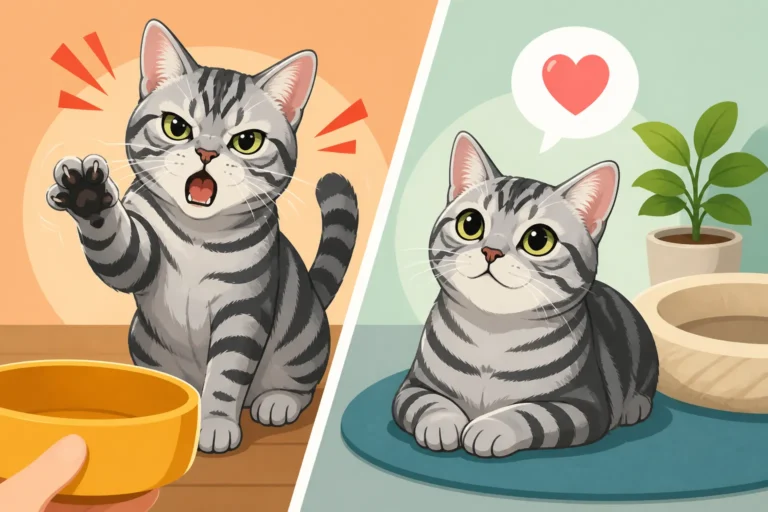
It also means being mindful of other small pets in the home. While an American Shorthair is generally placid with humans and other cats, their prey drive can be a genuine risk to birds, hamsters, fish, or other small animals. Why an American Shorthair Cannot Live With a Bird or Hamster Secure enclosures, or even separate rooms, are often necessary to ensure the safety of these vulnerable creatures. If you have an outdoor American Shorthair, recognizing their impact on local wildlife is also part of responsible ownership, perhaps considering a catio or limiting their outdoor access to certain times of day when birds are less active.
Celebrating the Primal Spirit of the American Shorthair
Ultimately, the American Shorthair's remarkable hunting ability isn't just a comparison point; it's a testament to their heritage and a truly fascinating aspect of their personality. While modern breeds offer a diverse range of traits, the American Shorthair offers a direct connection to the working cats of yesteryear. There's a certain raw beauty in watching an American Shorthair's instincts take over, whether they are focused on a toy mouse or a sunbeam.
This deep-seated trait makes them incredibly engaging companions. They are often quiet and undemanding, but their intense focus during play and their methodical exploration of their territory reveal a rich inner world. Owning an American Shorthair means appreciating this primal spirit, providing outlets for their natural talents, and understanding that beneath that calm demeanor lies the heart of a truly effective hunter. It’s a rewarding experience to share your home with a cat so beautifully connected to its ancestral roots.
Here's a quick comparison of hunting traits between the American Shorthair and a generalized modern breed:
| Feature | American Shorthair | Typical Modern Breed (e.g., Persian, Ragdoll) |
|---|---|---|
| Ancestral Role | Primarily working hunter (ships, barns) | Primarily companion, show cat, specific aesthetics |
| Hunting Drive Intensity | High, deeply ingrained, consistent | Variable, often lower, can be inconsistent |
| Stalking & Pouncing | Highly developed, patient, precise, methodical | Can be present, but often less refined or sustained |
| Completion of Hunt | Strong drive to complete full predatory sequence | May enjoy chase, but less emphasis on "kill" |
| Physical Build for Hunt | Muscular, agile, balanced, efficient | Varies; some traits might impede (e.g., heavy coat) |
| Indoor Adaptability | Actively seeks out "prey" (insects, toys) indoors | May chase toys, but often less persistent or focused |
| Enrichment Needs | Requires consistent, interactive predatory play | Enjoys play, but less dependent on "hunt" simulation |
Disclaimer
This article is for general informational purposes only and does not constitute professional advice. Laws, prices and regulations vary by location and change over time. Consult a qualified professional for guidance on your specific situation.