How an American Shorthair Handles Household Noise
It's a common concern for any cat parent: how do our quiet, often serene feline companions truly cope with the constant barrage of sounds that make up our modern homes? From the sudden roar of the vacuum cleaner to the clang of pots and pans, the blare of the TV, or the excited chatter of children, household noise can be a relentless symphony. For American Shorthairs, known for their calm and composed nature, understanding their reaction to this auditory landscape is key to ensuring their continued comfort and well-being. This guide will explore how these wonderful cats typically handle the cacophony of daily life, offering insights and practical strategies to help them thrive in even the busiest environments.
The Legacy of a Working Cat: Inherited Calmness Amidst Chaos
The American Shorthair's history isn't one of pampered quietude; quite the opposite. These cats descended from hardy working felines brought to North America by early settlers, tasked with keeping ships and nascent settlements free of vermin. This demanding ancestry instilled in them a unique blend of self-reliance and environmental awareness, which profoundly influences their modern-day temperament and, crucially, their approach to household noise.
Origins in Bustling Environments: Ships and Barns
Imagine life aboard a sailing ship: the constant creak of the timbers, the flap of sails, the shouts of the crew, and the endless rush of waves against the hull. These were the everyday sounds that forged the ancestors of the American Shorthair. Their world was rarely silent. Similarly, on farms, they encountered the lowing of cattle, the clatter of machinery, the cackling of chickens, and the general hubbub of rural life. These environments, while different from a modern home, were far from quiet and demanded a certain level of adaptability to sustained background noise.
This constant exposure to a diverse range of sounds, from rhythmic to jarring, meant that the early American Shorthairs developed an inherent ability to filter and categorize noise. They learned what sounds signaled danger (a predator), what indicated opportunity (a scurrying mouse), and what was simply background static they could largely ignore. This pragmatic approach to their auditory world is a hallmark of the breed's historical role and contributes to their generally unflappable demeanor today.
It wasn't about being oblivious; it was about being observant without being constantly startled. Their survival depended on discerning relevant sounds amidst the din, rather than reacting to every single noise with panic. This foundational experience is a key reason why many American Shorthairs often possess a remarkable composure in otherwise noisy households.
A Hunter's Need for Stillness vs. Tolerance for Action
There’s a fascinating paradox in the American Shorthair’s history. As efficient hunters, their success depended on incredible stillness and stealth. To stalk a mouse or wait patiently by a hole, they needed to be almost invisible, both visually and audibly. This required a profound inner calm and the ability to focus intently, blocking out extraneous sensory input.
However, once the hunt was on, they needed to be capable of sudden, explosive action, often in noisy, dynamic environments. Picture a barn cat chasing a rat through hay bales, kicking up dust and making a ruckus. This duality of needing profound calm for observation, yet being ready for energetic, often noisy, pursuit, shaped a breed that isn't easily thrown by sudden changes in their auditory world. They have an innate capacity to switch between quiet focus and active engagement, even if it means a burst of noise.
This means that while your American Shorthair might enjoy long stretches of peaceful napping, they are also equipped to handle moments of intense activity and sound, seeing it as part of the natural flow rather than an immediate threat. They're not always seeking absolute silence, but rather a predictable, manageable soundscape where they can choose to engage or withdraw as needed. Why a Working Bred American Shorthair Sits Beside You Rather Than On You offers more insight into their composed nature.
The American Shorthair's Foundation in Resilience
The accumulated experiences of generations of working cats have gifted the American Shorthair with an impressive baseline of resilience when it comes to noise. They generally aren't a breed prone to hysterics or prolonged anxiety from typical household sounds. Instead, they tend to assess, adapt, and proceed, rather than freezing or fleeing in a panic at every unexpected clang.
This isn't to say they are deaf or immune to discomfort, but their threshold for what constitutes a true threat versus mere background noise is often higher than some more delicate or selectively bred felines. This robust mental fortitude makes them excellent companions for families with children, other pets, or those who simply live in bustling urban environments. They’ve inherited a "roll with it" attitude, born from necessity.
Understanding this historical context can help you appreciate your American Shorthair's calm demeanor and equip you to provide an environment that respects their natural resilience while also offering them comfort when the world gets a little too loud. For further reading on their inherent adaptability, check out Why a Farm Bred American Shorthair's Tolerance Suits a House With Children.
Deciphering the Sounds of Home: What an American Shorthair Hears
Cats perceive the world through a different sensory lens than humans, and their hearing is no exception. They can hear a much wider range of frequencies, particularly in the ultrasonic range, which means the sounds of your home are interpreted in ways we can barely imagine. Understanding this difference helps us empathize with their reactions to our daily noise.
The Spectrum of Household Noises: From Ambient to Abrupt
For an American Shorthair, household noises fall into distinct categories. There's the low hum of the refrigerator, the distant rumble of traffic, the constant ticking of a clock – these are ambient sounds, often ignored once they become a regular part of the environment. Your ASH's finely tuned ears quickly learn to filter these out, much like we learn to ignore the sound of our own breathing. These background noises often serve to mask more jarring sounds, creating a steady sonic blanket.
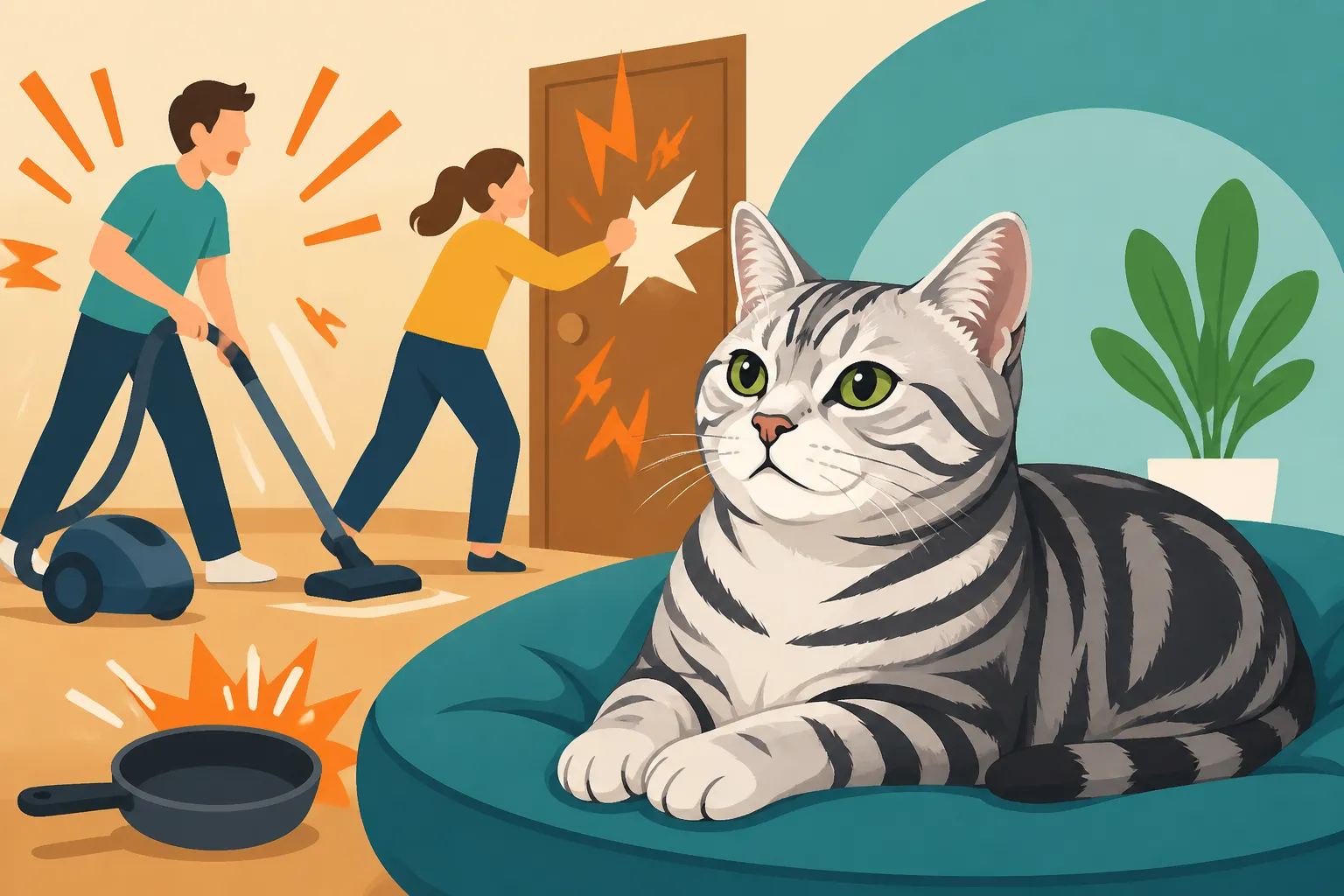
However, abrupt and unpredictable sounds are a different story. The sudden crash of a dropped dish, the shrill ring of a phone, or the whir of a blender can be startling. While many American Shorthairs possess a commendable composure, a sudden, sharp noise can still trigger their innate startle reflex. They might jump, their ears might swivel, or their tail might twitch as they process the unexpected sound. It's a quick assessment of potential threat, usually resolved within moments.
Even familiar sounds can be startling if they occur unexpectedly or at a higher intensity than usual. A usually quiet washing machine suddenly going into a loud spin cycle, or a door slamming louder than intended, can momentarily catch your American Shorthair off guard. It's not the sound itself that's always the issue, but its suddenness or deviation from the expected pattern.
Familiar vs. Unfamiliar Sounds: Building a Noise Lexicon
Just like humans learn the meaning of various sounds, American Shorthairs build their own "noise lexicon" over time. The vacuum cleaner, initially a terrifying monster, often becomes a predictable, if annoying, part of the weekly routine. They learn its patterns: the sound of it being plugged in, the warm-up whir, the direction it moves. This predictability allows them to choose a safe retreat well in advance. You can delve more into their specific reactions to this common appliance by reading How an American Shorthair Reacts to a Vacuum.
Unfamiliar sounds, however, present a challenge. A new appliance, a renovation project next door, or even strange voices from visitors can disrupt their sense of security. Because they haven't categorized these sounds, their initial reaction might be one of caution or curiosity. They might sit and observe, ears twitching, trying to determine if the sound signifies danger or merely a novel (and harmless) change in their environment.
This learning process is continuous. As your household evolves and new sounds enter the fray, your American Shorthair is constantly updating their mental database. Patience and consistent exposure, paired with positive reinforcement, can help them integrate new noises into their understanding of their safe home environment. This adaptability is part of their charm, but it's a process, not an instant recognition.
Human Voices and Emotional Cues
It's truly remarkable how attuned American Shorthairs are to human voices, not just for the volume but for the emotional tone embedded within them. They can discern the difference between a happy, excited conversation and a tense, angry exchange. Even if both are loud, the emotional energy conveyed can have a vastly different impact on your cat.
Loud, angry shouting, even if not directed at them, can be profoundly unsettling. Cats are sensitive to conflict and stress in their environment, and human arguments can trigger anxiety. They might withdraw, seek a hiding spot, or exhibit subtle signs of discomfort. Conversely, loud, joyful laughter or enthusiastic greetings, while still high in volume, are often perceived as non-threatening and might even elicit a curious head tilt or a slow blink of contentment.
This sensitivity highlights the importance of creating a generally calm and positive vocal environment in the home. While life inevitably brings its share of arguments or boisterous celebrations, being mindful of your tone and volume can go a long way in ensuring your American Shorthair feels secure. Understanding how they interact with the human element of noise can be further explored in An American Shorthair With Children, Dogs and Noise.
Subtle Signals: How Your American Shorthair Communicates Noise Discomfort
American Shorthairs are famously stoic, a trait that often makes them seem completely unfazed by everything. However, beneath that calm exterior, they are incredibly sensitive creatures, and they communicate their discomfort with noise in subtle ways. It’s vital for us, as their caretakers, to learn to read these quiet cues, as they rarely resort to overt drama.
The Art of the Retreat: Seeking Sanctuary
When an American Shorthair is bothered by noise, their first and most common reaction is to simply remove themselves from the source. This isn't necessarily fear; it's a deeply ingrained survival instinct that tells them to seek a quieter, safer vantage point. You might find them relocating from the living room to a quiet bedroom, slipping under a bed, or perching silently atop a tall cat tree.
These retreats are their way of self-regulating their exposure to overwhelming sensory input. They're seeking a place where the sound is muffled, distant, or at least predictable. It's their method of creating a personal "quiet zone" within your home. This preference for high ground for observation and safety is a common feline trait, and you can understand more about their need for vertical space in How Much Vertical Space an American Shorthair Needs.
It’s crucial not to disturb them in these moments of self-imposed quiet. Their retreat is a clear signal that they need space and peace. Trying to coax them out or force interaction can increase their stress, teaching them that their safe haven isn't truly safe. Respecting their need for solitude allows them to process the noise and return to their usual sociable self when they feel ready.
Behavioral Shifts: Beyond Just Hiding
While hiding is a primary indicator, a discerning eye will notice other, more subtle behavioral shifts when an American Shorthair is experiencing noise-related stress. These can be easy to miss if you're not specifically looking for them. Watch for changes in their normal patterns and routines.
For instance, an American Shorthair might start grooming themselves excessively, licking patches of fur repeatedly. This is a common displacement behavior, a way for them to self-soothe when feeling anxious. Their ears might be flattened against their head, or constantly swiveling, indicating heightened vigilance. Their tail, instead of being held high or relaxed, might be tucked low or twitching rapidly. You might also notice dilated pupils, even in normal lighting, which is a sign of arousal or fear.
Appetite can also be affected; a cat stressed by noise might eat less, or even refuse food, particularly if the noise is ongoing during meal times. Similarly, their sleeping patterns might be disturbed, leading to restlessness or sleeping in unusual, more secluded spots. These are quiet cries for help, indicating that while they appear stoic, they are indeed experiencing internal discomfort.
When Tolerance Breaks: Rare Signs of Extreme Distress
It's genuinely rare for an American Shorthair to exhibit extreme signs of distress due to typical household noise, thanks to their robust temperament. However, prolonged exposure to overwhelming, inescapable noise – such as persistent construction outside the window or very loud, continuous parties – can push even the most resilient cat to their limits. In such scenarios, their usual quiet withdrawal might escalate.
Signs of extreme distress could include persistent vocalization (howling or incessant meowing, which is unusual for a typically quiet breed), inappropriate urination or defecation outside the litter box, or even uncharacteristic aggression if they feel trapped and unable to escape the perceived threat. They might flatten themselves, hiss, or bat out if approached, indicating that their tolerance has truly broken down.
If you observe these more severe reactions, it's a clear signal that the noise situation is intolerable, and immediate steps are needed to reduce their exposure or provide a truly sound-proofed sanctuary. Consulting with a vet or a feline behaviorist might be necessary to help your cat cope and prevent long-term anxiety.
Cultivating Calm: Strategies for a Noise-Conscious Home
While American Shorthairs are generally tolerant of noise, proactive measures can significantly enhance their comfort and well-being. Creating a noise-conscious environment isn't about eliminating all sound, but about managing it in a way that supports your cat's natural peace and security.
Creating Noise Buffers and Safe Zones
One of the most effective strategies is to strategically create "noise buffers" and designated "safe zones" throughout your home. These are places your American Shorthair can retreat to when things get too loud. Think about areas of your home that are naturally quieter, perhaps a spare bedroom, a utility room, or a seldom-used corner. Ensure these spaces are always accessible to your cat.
Within these safe zones, provide comfortable, enclosed resting spots. Covered cat beds, cozy crates with soft bedding, or even a simple box placed on its side can offer a sense of security. Placing these beds in higher locations, like on a sturdy Amazon cat tree or a shelf, also gives them a sense of control and a good vantage point to observe their surroundings from safety. Consider using thick curtains or even sound-absorbing panels on walls in these areas to further reduce decibel levels.
Sometimes, simply closing doors to rooms where loud activities are occurring can make a huge difference. If you're hosting a boisterous gathering, ensure your American Shorthair has a quiet room away from the main festivities, complete with food, water, and a litter box. This gives them agency and prevents them from feeling trapped or overwhelmed.
Gradual Acclimation and Positive Associations
For unavoidable or new loud noises, gradual acclimation and positive reinforcement can be incredibly effective. If you know a noisy event is coming (like a new appliance delivery or visitors), try to introduce associated sounds at a low volume first. For example, if you get a new blender, turn it on briefly in another room, associating the sound with treats or a favorite toy.
When operating noisy appliances like a vacuum cleaner, start by vacuuming rooms away from your cat, gradually moving closer over several sessions. During these times, offer high-value treats or engage in a quick play session with a wand toy from Amazon. The goal is to create a positive association: "Loud noise means good things happen!" This strategy can help reframe their perception of the sound from a threat to a benign, or even rewarding, event.
Never force your American Shorthair to endure a loud noise they are clearly distressed by. Instead, respect their need to retreat and continue the positive association training from a distance. Consistency is key; over time, most American Shorthairs can learn to tolerate, if not enjoy, the sounds that once made them wary.
Managing External and Intermittent Loudness
Dealing with external noises like construction, traffic, or fireworks presents a unique challenge because we have less control over them. In these situations, the focus shifts to masking the offending sounds and enhancing your cat's sense of security. For guidance on specific noise events, refer to How an American Shorthair Handles Building Work.
One effective tool is a white noise machine or a fan, which can help mask sudden, jarring sounds by providing a consistent, soothing background hum. Gentle classical music or specially designed calming pet music can also be effective. Consider using a calming diffuser, like those readily available on Amazon, which release synthetic feline pheromones that can help reduce stress and promote a sense of well-being.
During periods of expected external noise (like July 4th fireworks), make sure all windows are closed, curtains are drawn, and your American Shorthair has access to their most preferred safe space. Provide extra comfort, like a favorite blanket or a worn item of your clothing, to further enhance their feeling of security. Distraction with interactive toys can also redirect their attention away from the noise, helping them focus on something enjoyable instead.
| Type of Noise | Typical ASH Reaction | Mitigation Strategy |
|---|---|---|
| Ambient Noise | Generally ignored | Provide quiet retreats, stable routine |
| (Fridge hum, distant traffic) | ||
| Predictable Loud Noise | Retreat, observe, mild annoyance | Gradual desensitization, positive association |
| (Vacuum, dishwasher) | ||
| Sudden, Sharp Noise | Startle, ears swivel, assess | Offer safe zones, mask with white noise |
| (Dropped object, door slam) | ||
| Boisterous Voices/Laughter | Observe, may retreat slightly | Ensure positive tone, provide escape routes |
| (Children playing, party guests) | ||
| Angry Shouting/Conflict | Retreat, signs of anxiety | Maintain calm household, immediate safe space |
| External Construction | Vigilance, seeking shelter | Close windows, use white noise, calming products |
| Fireworks/Thunder | Hiding, increased anxiety | Deep safe space, mask sound, calming aids |
The Adaptable American Shorthair: Nurturing Resilience
The American Shorthair's historical journey has imbued them with a remarkable capacity for adaptation. While they appreciate a calm environment, their inherent resilience means they can often learn to navigate a noisy world with grace, especially with a little help and understanding from their human companions. Nurturing this resilience is an ongoing process of thoughtful care.
Early Exposure and Socialization for Kittens
The early weeks and months of a kitten's life are critical for their development, including their ability to cope with various stimuli, such as noise. Kittens who are exposed to a diverse range of normal household sounds from a young age are far more likely to develop into confident, well-adjusted adults. A good breeder will ensure their kittens are raised in a home environment, not a silent cattery, so they naturally encounter the sounds of daily life.
If you're bringing an American Shorthair kitten home, gently expose them to different noises in a controlled way. This doesn't mean blasting loud music, but rather letting them experience the normal sounds of your home – the TV, conversation, kitchen activity – while always ensuring they have a safe, quiet spot to retreat to if needed. Pair these exposures with positive experiences, like play or tasty treats.
A kitten that learns early on that these sounds are part of their safe world will grow up with a higher tolerance and less likelihood of developing noise-related anxiety. This foundation in early socialization is a cornerstone of their long-term well-being and helps them better adapt to change, as explored in How an American Shorthair Copes With Change.
Routine and Predictability: A Cat's Anchor
For any cat, but especially one with a strong territorial and observational instinct like the American Shorthair, a predictable routine provides immense psychological security. When they know when to expect meals, playtime, and quiet periods, unexpected noises become less jarring because they are framed within a familiar and safe schedule.
Maintaining consistent feeding times, play sessions, and even regular quiet moments helps your American Shorthair feel in control of their environment. This predictability reduces overall stress levels, making them less reactive to sudden or loud stimuli. If their world is generally stable, a transient loud noise is just a blip, rather than a disruption to an already chaotic existence.
This stability is particularly important when there are changes in the household, such as a new work schedule or renovation. For insights into how they adjust to new routines, you can read How an American Shorthair Adapts to a New Work Routine. By providing this anchor of predictability, you empower your American Shorthair to face the occasional loud moments with greater equanimity.
The Long Game: Patience, Observation, and Knowing Your Cat
Ultimately, successfully helping your American Shorthair handle household noise is a long game that requires patience, keen observation, and a deep understanding of your individual cat. While the breed generally boasts a robust temperament, every cat is unique. What one American Shorthair shrugs off, another might find mildly irritating.
Spend time watching your cat's reactions to different sounds. Do they merely twitch an ear and continue napping when the doorbell rings, or do they bolt under the sofa? Do they tolerate the vacuum for a few minutes before seeking refuge, or do they appear genuinely distressed from the outset? These observations are invaluable for tailoring your approach.
Trust your instincts and your cat's signals. If a particular sound consistently causes distress, prioritize mitigating that sound or providing a comprehensive escape route. If you notice subtle changes in their behavior over time, consider if increased noise levels might be a contributing factor. The American Shorthair is a master of quiet communication, and with careful attention, you can ensure they live a life of peace and contentment, even in a world full of sound. Their self-reliant nature, as discussed in Why a Self Reliant American Shorthair Rarely Panics Alone, means they might not always demand your attention, but your proactive care will make all the difference.
Disclaimer
This article is for general informational purposes only and does not constitute professional advice. Laws, prices and regulations vary by location and change over time. Consult a qualified professional for guidance on your specific situation.