Which Wand Toy Reads as Prey to an American Shorthair
It’s a common scenario: you’ve got a perfectly lovely American Shorthair lounging on the sofa, looking utterly placid, yet you know deep down there’s a mighty hunter just waiting for a cue. The challenge isn't just getting them to play, but finding a toy that truly engages their centuries-old prey drive. This guide will walk you through understanding what makes a wand toy irresistible to your American Shorthair, tapping into their natural instincts for rich, satisfying play.
Understanding the American Shorthair's Primal Prey Drive
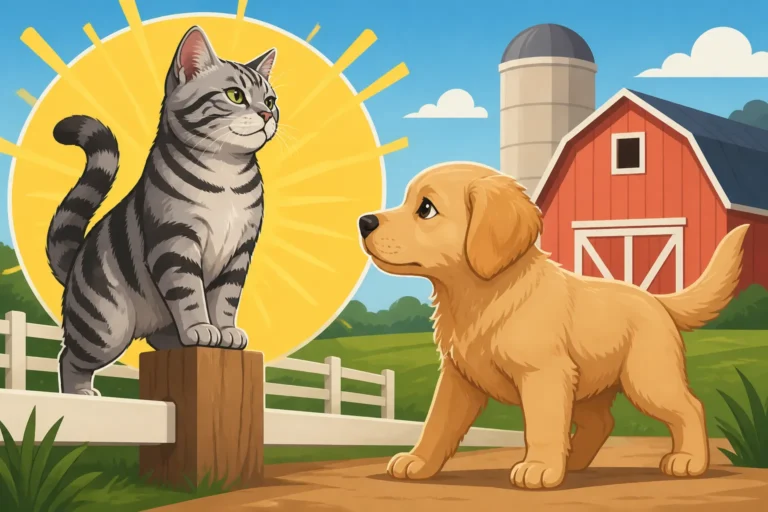
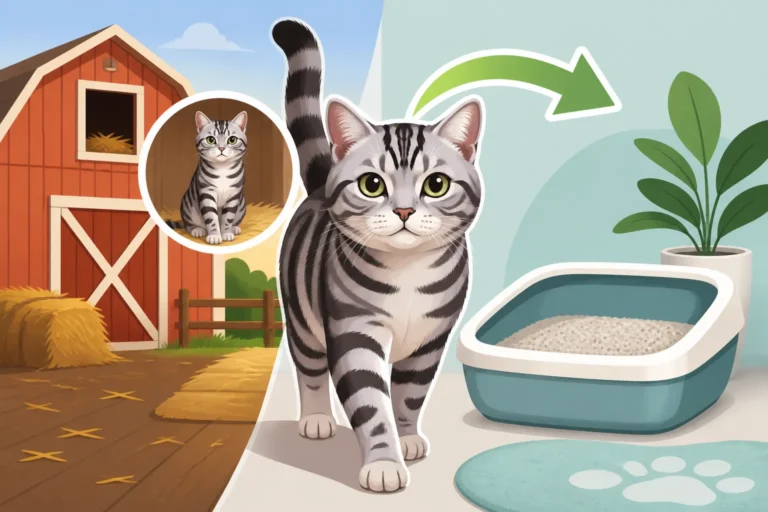
American Shorthairs carry a rich history as working cats, often brought over on ships to control rodent populations. This isn't just a fun historical tidbit; it's etched into their very being. That calm, collected demeanor often masks a keen hunter's instinct, a powerful drive that, if not properly channeled, can lead to boredom, destructive behaviors, or simply a less fulfilled feline friend.
The Legacy of the Hunter in Your Living Room
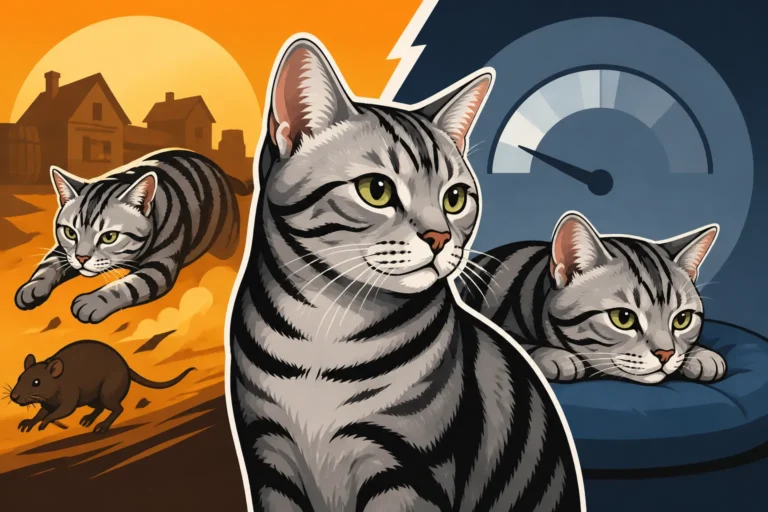
Think about your American Shorthair's ancestors. They weren't bred for delicate features or exotic coats; they were valued for their ability to keep barns and ships clear of pests. This meant they needed strong muscles, sharp senses, and an unshakeable focus on catching prey. Even though your beloved companion probably hasn't had to hunt for a meal in generations, that intrinsic wiring for the chase, the pounce, and the "kill" is still very much alive. Centuries of Ratting Left the American Shorthair Its Drive is a powerful force that shapes their play.
This deep-seated instinct means that merely batting at a stationary toy might hold their attention for a moment, but it won't truly satisfy the primal urge. They need a simulation that mimics the entire hunting sequence, allowing them to express those natural behaviors in a safe, appropriate way. When they don't get this outlet, they might turn their attention to your ankles, your houseplants, or even become lethargic and less engaged. It’s not misbehavior; it’s an unmet need.
What 'Prey' Truly Means to an American Shorthair
For an American Shorthair, "prey" isn't just something they can physically grab. It's an entire experience: the sudden movement, the rustle of leaves (or feathers), the scurrying away, the brief pauses, and ultimately, the satisfying capture. They are wired to detect the subtle cues of a small animal trying to escape. This means a good wand toy needs to do more than just hang there; it needs to behave like prey.
Consider the types of prey their ancestors would have encountered: birds, mice, insects. Each has distinct movements, sounds, and textures. A bird might flutter and glide, a mouse might dart and freeze, an insect might buzz and crawl erratically. The most effective wand toys will tap into these specific simulations, offering a varied and unpredictable experience that challenges their hunting prowess and keeps them mentally stimulated. They are highly intelligent, and a predictable toy quickly loses its appeal.
The Stages of the Hunt: From Stalk to Kill
Engaging an American Shorthair with a wand toy is more than just waving it around; it's about leading them through the complete hunting sequence, just as they would in nature. This sequence typically involves several distinct stages:
- Stalking: This is where your cat crouches low, eyes fixed, tail twitching, slowly creeping closer to the "prey." A good wand toy allows for slow, subtle movements during this phase, mimicking a hesitant mouse or a bird momentarily distracted. You'll see their pupils dilate, their body language become tense with anticipation.
- Chasing: Once the prey "moves," the chase is on! This involves quick, erratic movements of the wand toy – darting, zipping, and occasionally "hiding" behind furniture. This phase taps into their explosive energy and incredible agility. They love the challenge of predicting where the prey will go next. How an American Shorthair Stalks and then bursts into action is a sight to behold.
- Pouncing/Capturing: This is the climactic moment where your American Shorthair leaps, swats, and eventually grabs the toy. It’s crucial that they are able to physically "capture" the toy at the end of a successful chase. This final act of securing the prey is incredibly satisfying and releases the pent-up hunting energy. Allowing them to catch it firmly and even "kill" it by shaking it is vital for their mental well-being.
- "Killing" and Carrying: After the capture, many American Shorthairs will hold the toy, perhaps bat it a few more times, or even carry it triumphantly to another spot. This is their way of ensuring the "prey" is truly subdued and then bringing it to a safe place, mirroring their natural behavior. Skipping this vital step can leave them feeling frustrated and incomplete.
Deconstructing the Ideal Wand Toy for American Shorthairs
Not all wand toys are created equal, especially when you're trying to appeal to the discerning instincts of an American Shorthair. Their long history as effective mousers means they respond best to specific characteristics that closely mimic real prey.
Key Characteristics That Mimic Real Prey
When you're browsing for wand toys, whether it's at your local pet store or online through a retailer like Amazon, keep these characteristics in mind. You're not just buying a toy; you're investing in a piece of hunting equipment for your cat.
- Unpredictable Movement: This is perhaps the most critical factor. Real prey doesn't move in a straight line or at a consistent speed. Look for toys with attachments that flutter, spin, or bounce erratically. Feathers that twirl as the wand moves, or small "bug" attachments that seem to skitter across the floor, are excellent. The element of surprise keeps your American Shorthair guessing and engaged. A toy that hangs limply and just swings back and forth won't cut it for long.
- Small, Discreet Size: Prey is rarely large and imposing. Your American Shorthair's instinct is to hunt small creatures. Therefore, the attachment at the end of the wand should be appropriately sized – think mouse, bird, or large insect. Overly large or cartoonish attachments might be cute to us, but they don't trigger that deep-seated hunting response. They’re looking for something they can truly overpower.
- Lightweight Attachments: The "prey" needs to be lightweight enough to allow for natural, fluid movement and for your cat to easily carry it after the "kill." Heavy attachments are difficult to maneuver realistically and can even be frustrating for your cat to catch and manipulate. A feather or a small tuft of fur is ideal because it moves with minimal effort, simulating a light, agile creature.
Materials and Textures That Entice and Endure
Beyond how the toy moves, what it's made of plays a huge role in its appeal and longevity. An American Shorthair's bite can be quite powerful, a remnant of their working past, so durability is important.
- Natural Textures: Feathers, real fur (responsibly sourced, of course), and even crinkly natural fibers are highly attractive. These textures feel authentic to their paws and mouth, making the "kill" feel more real. Smooth, hard plastic often lacks the tactile stimulation that excites a hunter. The feel of feathers brushing against their whiskers, or the soft give of fur in their mouth, completes the illusion.
- Durability and Safety: While natural textures are great, they also need to hold up. Look for attachments that are securely fastened to the wand string. No cat toy is indestructible, but you want something that can withstand repeated pounces and bites. Always inspect toys for loose parts that could be a choking hazard. Why an American Shorthair Wants to Catch the Toy isn't just about the chase, it's about the final satisfaction of sinking their teeth into it. Replace worn-out attachments promptly to avoid any accidental ingestion.
- Variety in Materials: Having a selection of wand toys with different materials can keep things fresh. One day it's a feathery bird, the next a furry mouse, and perhaps a crinkly insect on another. This variety prevents boredom and allows you to tap into different aspects of their hunting repertoire. Many brands offer interchangeable attachments, which is a fantastic way to keep your cat engaged without buying a whole new wand every time.
Size, Sound, and Scent: The Subtle Cues
While movement and texture are primary, these often-overlooked details can significantly enhance the realism and appeal of a wand toy for your American Shorthair.
- Appropriate Wand Length: The wand itself should be long enough to create a safe distance between your hand and your cat's claws, but also short enough to allow you precise control over the toy's movements. Most standard cat wands found on Amazon are a good length for this, usually between 18-24 inches, with a string that adds another 2-3 feet of reach. This allows you to create wide arcs and quick darts that a shorter wand wouldn't permit.
- Subtle Sound Makers: Think about the faint rustle of a mouse in the leaves or the quiet chirping of a bird. Some wand toy attachments incorporate small bells or crinkly material that produce soft, enticing sounds. Avoid overly loud or annoying noisemakers, as these can be startling rather than alluring. The sound should be subtle, mimicking the natural sounds of prey. A gentle crinkle or jingle can be just enough to draw their attention without overwhelming their sensitive hearing.
- Infusion with Natural Scents (Optional but Effective): While less common, some owners find that lightly scenting a wand toy with a natural attractant like catnip or silvervine can further enhance its appeal. Be mindful not to overdo it, as some cats can become too stimulated. The idea is to add a faint, natural scent that might mimic the presence of actual prey, adding another layer of sensory engagement to the hunting experience. Remember, their sense of smell is far more acute than ours.
Top Wand Toy Types That Spark the Instinct
With a solid understanding of what makes a wand toy irresistible, let's explore some of the most effective types that truly read as "prey" to your intelligent American Shorthair.
Feather Wands: The Classic Bird Simulation
Feather wands are often a go-to for a reason – they are incredibly effective at mimicking birds. The way feathers flutter, glide, and dive through the air can ignite an American Shorthair's aerial hunting instincts like nothing else.
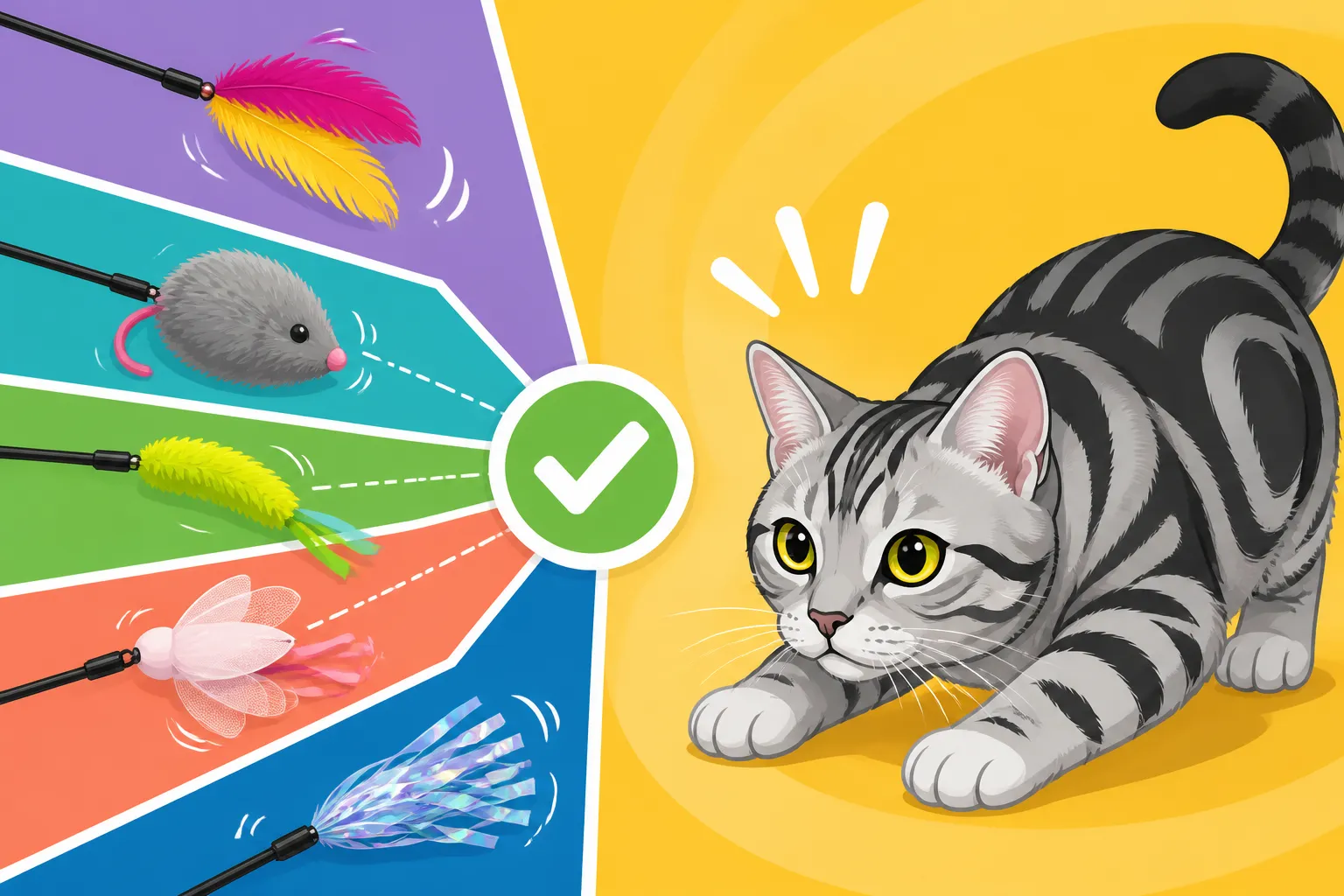
These toys usually consist of a long, flexible wand with a string or wire ending in a cluster of natural feathers. Brands like Da Bird are famous for their realistic bird-like flight. When you deftly move the wand, the feathers can mimic a bird taking off, soaring, or even briefly landing. This type of play taps into their instinct to observe, track, and then explode into a powerful jump. The lightness of the feathers also means they can easily "catch" and carry their "prey," fulfilling that crucial final stage of the hunt. Always check for loose feathers after play, as sometimes they can come off and be ingested. Which Wand Toy Reads as Prey to an American Shorthair directly relates to how these simulate flight.
Fur and Critter Wands: Ground Prey Come to Life
For cats that are more focused on ground-dwelling prey like mice and insects, fur and critter wands are the answer. These typically feature small, furry or textured attachments that scurry and dart across the floor, replicating the movements of a rodent or a large beetle.
Look for attachments made from real or realistic synthetic fur. Some even have little plastic eyes or ears to complete the illusion. The key here is to drag these toys along the ground, making them hide behind furniture, pause abruptly, and then dash away. This stimulates the stalking and pouncing behaviors that are so intrinsic to the American Shorthair. My own cat, Jasper, absolutely loses his mind for the "Mouse Hunter" wand from SmartyKat, which I often find on Amazon. It's fantastic for getting him to really engage his stealth and speed. What an Indoor American Shorthair Hunts Instead is often these smaller, ground-based "critters" you provide.
Interactive and Combination Wands: Keeping the Chase Fresh
Variety is the spice of life, and for an intelligent hunter like the American Shorthair, it’s crucial to prevent boredom. Interactive and combination wands offer different attachments or features that can keep their interest piqued.
Many wands now come with interchangeable attachments. This means you can swap out a feather cluster for a fur worm, or a crinkly fabric toy for a brightly colored streamer, all on the same wand handle. This not only offers economic benefits but also allows you to quickly adapt the play session to your cat's mood or preference. Some interactive wands also incorporate elements like bells within the attachment, or even catnip pouches, adding more sensory layers to the experience. How Much Simulated Hunting an American Shorthair Needs often relies on having these varied options to keep them guessing. Remember, the more unpredictable and varied the play, the more fulfilling it will be for your cat’s natural hunting instincts.
How to Use a Wand Toy Effectively for Your American Shorthair
It’s not enough to just buy the right wand toy; how you wield it is just as important. Your technique as the "hunter's assistant" can make all the difference in engaging your American Shorthair's natural instincts.
Mimicking Prey Movement for Maximum Engagement
Think like prey. This is the golden rule of wand play. Don't just swing the toy wildly or dangle it passively in front of your cat. Instead, imagine how a real mouse or bird would behave:
- Dart and Freeze: Real prey moves in short bursts and then freezes to assess danger. Replicate this with your wand toy. Dash it across the floor or let it fly, then suddenly stop it behind a piece of furniture or under a rug. Your American Shorthair will naturally go into stalk mode, waiting for the "prey" to reappear. This anticipation builds their excitement and engagement.
- Hide and Seek: Let the toy disappear briefly. Drag it under a blanket, around a corner, or behind a chair. This triggers their curiosity and their instinct to follow and flush out hidden prey. They love the challenge of finding it again.
- Escape and Engage: Don't let your cat catch the toy too easily at first. Make it "escape" just as they're about to pounce, leading them on a merry chase. This frustration builds desire, making the eventual capture all the more rewarding. But, and this is a big "but," always ensure they do get to catch it eventually.
- Vary the Speed and Direction: Mix fast movements with slow, subtle wiggles. Change direction unpredictably. This keeps your American Shorthair on their toes, forcing them to use their keen senses and quick reflexes. Avoid repetitive patterns; predictability is the enemy of a good hunt.
The Importance of the "Kill" and Proper Play Conclusion
This is perhaps the most overlooked aspect of interactive play, and it’s critical for your American Shorthair's satisfaction and mental well-being.
- Allow for the Capture: At the end of a play session, let your cat win. Let them catch the toy, hold it, and even give it a few celebratory "kills" (shaking, batting). This completion of the hunting sequence releases endorphins and provides immense satisfaction. If you always pull the toy away before they can catch it, it leads to deep frustration and can make them lose interest in playing with you altogether.
- The "Kill" is the Release: When they've caught it, let them truly "kill" it. They might bat it around, carry it in their mouth, or simply hold it firmly. This is their moment of triumph. Don't immediately snatch it away. Give them a minute to savor their victory. This is a crucial part of Why an American Shorthair Needs to Catch the Toy.
- Wind Down and Put Away: After a satisfying hunt, gradually slow down the play. Let the "prey" become less active, eventually allowing your cat to make a final, decisive capture. Then, put the wand toy away. Leaving interactive toys out dulls their appeal and can lead to frustration if they can't make them "move" on their own. This signals the end of the hunt and prevents them from becoming overly stimulated or aggressive. Store the toys out of sight, ideally in a drawer or a box, keeping them special for designated playtimes.
Safety First: Preventing Frustration and Injury
While wand toys are fantastic for enrichment, a few safety considerations will ensure the experience is positive for everyone involved.
- Supervise All Play: Never leave your American Shorthair unattended with a wand toy, especially one with a long string or small attachments. The string can be a serious choking or entanglement hazard if ingested or wrapped around their neck. Small attachments could also be swallowed.
- Inspect Toys Regularly: Before each play session, quickly check the wand toy for any damage. Are the feathers still securely attached? Is the string frayed? Are there any small pieces coming loose? Discard or repair any damaged toys immediately.
- Choose Appropriate Materials: Ensure the materials are non-toxic. When purchasing from a reputable source, whether a local shop or a large online retailer like Amazon, product descriptions usually indicate if materials are pet-safe.
- Respect Their Boundaries: Pay attention to your cat's body language. If they become overly agitated, start hissing, or show signs of fear, it’s time to stop the play session. The goal is positive enrichment, not stress. Some cats prefer a calmer, more predictable hunt, while others thrive on high-energy chases. Learn your cat's individual play style.
Using wand toys effectively transforms play from a simple activity into a profound and satisfying experience for your American Shorthair, honoring their ancient hunting lineage and enriching their modern, indoor lives.
| Wand Toy Type | Primary Prey Mimicked | Key Appeal | Best Play Style | Considerations |
|---|---|---|---|---|
| Feather Wand | Birds, flying insects | Fluttery, unpredictable aerial movement | High jumps, aerial chases, sudden dives | Feathers can come loose; supervise closely. |
| Fur/Critter Wand | Mice, small rodents | Scuttling, darting, ground-level action | Stalking, pouncing, hiding/seeking along the floor | Fur can be chewed off; check for durability. |
| Crinkle/Fabric Wand | Large insects, leaves | Rustling sound, erratic bouncing, texture | Quick swats, batting, surprising movements | Can be less visually realistic; sound can be a primary draw. |
| Interchangeable Wand | Varies by attachment | Variety, customizable play, prevents boredom | Adapts to mood and preference; combines elements | Requires buying multiple attachments; check attachment security. |
Disclaimer
This article is for general informational purposes only and does not constitute professional advice. Laws, prices and regulations vary by location and change over time. Consult a qualified professional for guidance on your specific situation.