Where a Working Bred American Shorthair Will Let You Touch It
It’s a common moment for American Shorthair owners: you reach out to pet your cat, expecting a purr and a cuddle, only to be met with a subtle twitch of an ear, a slight shift away, or perhaps even a quick, dismissive flick of a tail. This isn't a rejection of your affection, but rather a gentle reminder of their deep-seated independence and personal boundaries, traits forged over centuries of self-sufficiency. This guide will help you understand where your working-bred American Shorthair is most likely to appreciate your touch, and how to build a bond based on mutual respect and understanding of their unique nature.
Understanding the American Shorthair's Independence and Boundaries
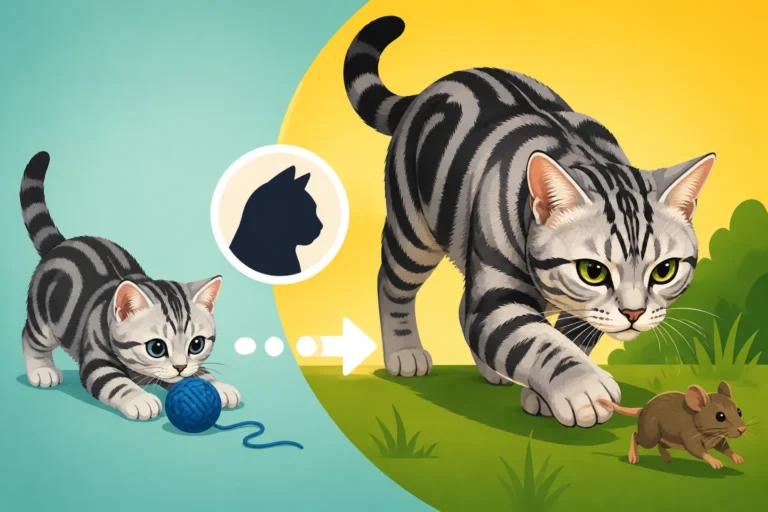
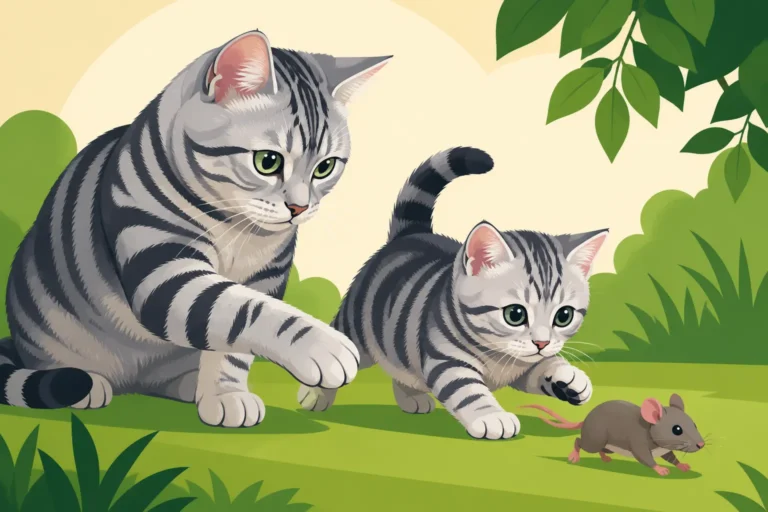
The American Shorthair isn't your typical velcro cat, and that’s perfectly okay. Their history as robust, independent working cats—keeping rodents at bay on ships and farms—has profoundly shaped their temperament and, by extension, their preferences for physical interaction. They were bred for utility, not constant cuddles, and understanding this historical context is key to decoding their sometimes aloof, but always affectionate, communication style.
The Legacy of a Self-Sufficient Hunter
Imagine your American Shorthair's ancestors: solitary hunters, constantly aware of their surroundings, and relying on their own wits for survival. These cats didn't have the luxury of extended lap sessions or being picked up and carried around for long periods. Their focus was on patrol, protection, and finding their next meal. This ancestral programming means that many American Shorthairs still carry an inherent sense of vigilance and self-reliance. They often prefer to observe before engaging and tend to keep a paw (or four) firmly on the ground, ready to move if necessary.
This deep-rooted independence often translates into a cat that values its personal space. They show affection in their own way, often by simply being in the same room as you, or following you quietly from a distance. While they might enjoy a good scratch, it’s usually on their terms and for a limited duration. It's not that they don't love you; it's that their love language is less about constant physical contact and more about companionship and shared territory. If you've ever wondered Why an American Shorthair Was Never Bred to Need You, this historical context truly explains it. They are fantastic companions, but their need for personal space is a hallmark of the breed.
Reading Their Cues: How an American Shorthair Communicates Comfort
Learning to read your American Shorthair's subtle body language is like learning a new language – and it's essential for building trust. Unlike some more overtly demonstrative breeds, an American Shorthair might not give you huge, obvious signs of approval or disapproval. Their signals are often nuanced. A slow blink, for instance, is a classic sign of trust and contentment. If they lean into your touch, their eyes might soften, their purr might deepen, and their tail might be held in a relaxed, gentle curve.
On the flip side, signs of discomfort can be equally subtle. A stiffening of the body, a quick flick of the tail, ears rotated slightly backward, or a direct stare without blinking can all indicate they've had enough. If they pull away slightly, don't chase after them. Respecting these boundaries reinforces that you understand and value their autonomy. Pushing too hard can actually lead to them associating your touch with annoyance, making them less likely to seek it out in the future. Remember, these cats are self-reliant, and they expect their humans to be understanding of their space. For more on their quiet displays of affection, consider exploring How an American Shorthair Shows Affection Between Patrols.
Common "Acceptable" Zones for Touch on an American Shorthair
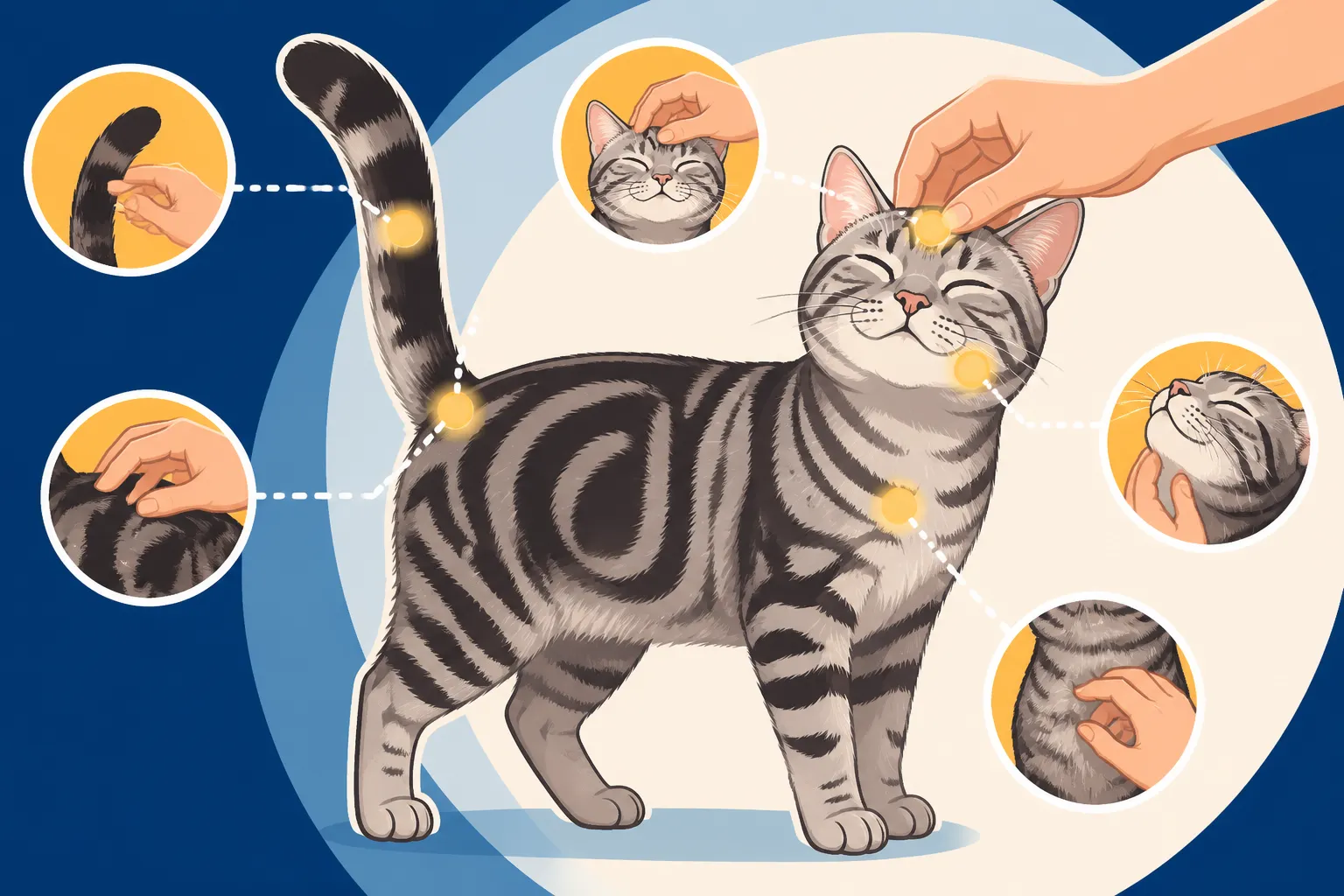
When you approach your American Shorthair, think of them as having a personal "comfort map." Certain areas are generally safe bets for a positive interaction, while others are best avoided unless explicitly invited. Their working background means they appreciate functional, reassuring touches rather than prolonged, vulnerable contact.
Head, Cheeks, and Chin Scratches
These are almost universally favored spots for many American Shorthairs, and for good reason. Cats have scent glands in these areas, and when you scratch there, you're not only providing physical pleasure but also helping them deposit their scent, marking you as part of their accepted "colony." This type of interaction is less about vulnerability and more about mutual marking and social bonding, which aligns perfectly with their territorial and self-sufficient nature.
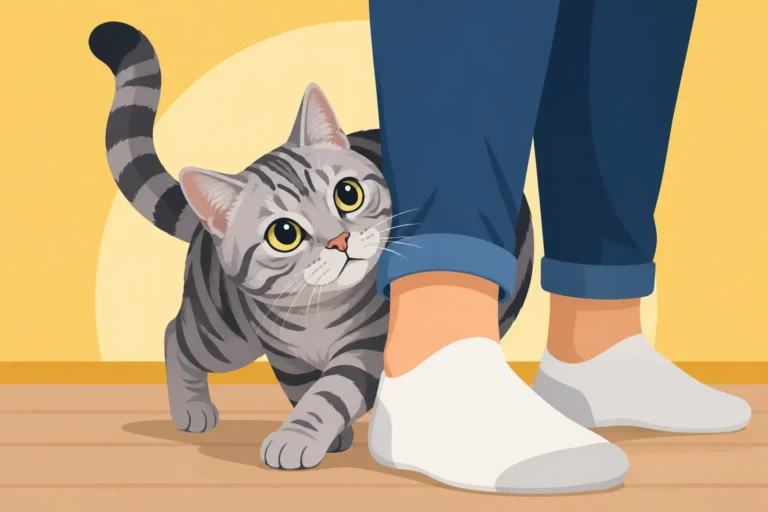
A gentle scratch behind the ears, along the cheeks, or under the chin can often elicit a soft purr and a contented lean into your hand. You might even notice them "bunting" their head against your hand or leg, inviting more contact in these areas. This is a very clear invitation! Many cats enjoy a good cheek rub where their whiskers meet their face, or a gentle massage at the base of their ears. These areas are not only pleasurable but also don't put them in a vulnerable position, allowing them to remain aware of their surroundings, a trait passed down from their ancestors.
Back and Shoulder Pats
For the American Shorthair, quick, firm pats or strokes along their back and shoulders are often well-received. This isn't typically a spot for prolonged petting, but rather a more casual, reassuring form of contact. Think of it like a friendly pat on the shoulder between human colleagues—it’s a recognition of presence and a sign of amicable relations without being overly intimate.
These areas are less sensitive than the belly or paws and allow the cat to maintain a sense of control. Their robust, muscular build, inherited from generations of active hunting, means their back and shoulders are sturdy. A gentle stroke from the head down the spine, avoiding the base of the tail if they're not keen, can be a great way to connect. Just watch for their cues; if they stiffen or their skin ripples, it's time to stop. Many American Shorthairs, being quite stoic, will tolerate more than they enjoy, so always aim for genuine enjoyment on their part. If you're looking for grooming tools that enhance these experiences, you can find a variety of gentle brushes suitable for their dense, weather-resistant coat on Amazon.
Areas Where American Shorthairs Might Be Less Receptive to Touch
Just as there are preferred zones, there are also areas where your American Shorthair is likely to be less enthusiastic about being touched. Understanding these "no-go" zones is crucial for maintaining a positive relationship and respecting their inherent instincts.
The Belly and Sensitive Undersides
The belly is arguably the most vulnerable part of any animal, and for a cat with a strong predatory past, exposing it is a huge sign of trust. While some very confident and relaxed American Shorthairs might occasionally roll onto their backs and flash their fluffy tummies, this isn't usually an invitation for a belly rub. More often, it's a sign of extreme comfort and a desire to play, or even a subtle stretch. Reaching for the belly without explicit, consistent invitation can trigger a defensive response, involving claws and teeth.
The underside of their body, including the chest and groin area, are also highly sensitive and typically off-limits. Their instinct for self-preservation dictates that these areas should be protected. If your American Shorthair does expose their belly, try a gentle scratch on their chest or chin while they are in that position, rather than going straight for the stomach itself. If they remain relaxed and purring, you might try a very light, brief stroke on the edge of the belly, but always be prepared to retreat immediately if you see any signs of tension.
Paws and Tail
Their paws and tail are other highly sensitive zones that most American Shorthairs prefer you not touch. Paws are critical tools for hunting, climbing, and defense. They are also incredibly delicate, filled with nerve endings. Touching them can feel intrusive and threatening, as it hinders their ability to react quickly or escape. You might need to handle their paws for nail trims, but this should be done with care, positive reinforcement, and usually after they've been desensitized to it from kittenhood. Even then, it's a necessary task, not usually a source of pleasure for them. You might find specialized cat nail clippers and treats on Amazon to make this process easier.
The tail is an extension of their spine and a vital part of their balance and communication. Grabbing or even playfully tugging an American Shorthair's tail can be painful and startling, leading to a negative association with your hands. They use their tails to signal everything from excitement to irritation, and interfering with this sensitive appendage can be very upsetting. When petting, always avoid the tail unless your cat specifically nudges it into your hand, and even then, treat it with utmost gentleness. Their entire body language, including the tail, speaks volumes about their comfort level.
| Preferred Touch Zones | Less Preferred/Vulnerable Zones | Reasons for Preference/Avoidance |
|---|---|---|
| Head (forehead, crown) | Belly (entire underside) | Scent glands, social bonding; Extreme vulnerability, self-preservation instinct |
| Cheeks, Chin, Jawline | Paws (pads, claws, between toes) | Scent glands, enjoyable; Crucial for hunting/defense, sensitive nerve endings |
| Behind the Ears | Tail (base to tip) | Pleasurable, less vulnerable; Extension of spine, balance, communication, sensitive |
| Neck, Shoulders | Lower Back (near tail base) | Casual reassurance, sturdy; Can be overstimulating or painful for some |
| Upper Back | Mouth (teeth, gums) | General petting, non-threatening; Very sensitive, requires significant trust for dental care |
Building Trust and Positive Touch Experiences
Building a strong bond with your American Shorthair, one that includes positive touch, is a marathon, not a sprint. It's about respecting their natural inclinations and fostering an environment where they feel safe and secure enough to invite your affection on their own terms.
Respecting Their Space and Agency
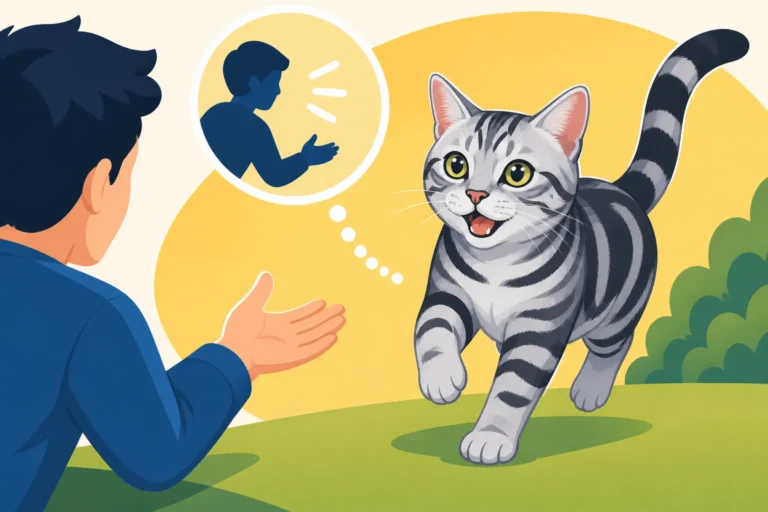
The golden rule for an American Shorthair is "let them come to you." For a cat whose ancestors lived by their wits, having control over interactions is paramount. Forcing attention, scooping them up when they don't want to be held, or chasing them when they walk away will only erode their trust and make them more wary of your hands. When they approach you, offer a finger to sniff. If they rub against it, that’s your invitation. Start with a gentle scratch on their head or chin, and let them dictate the duration and intensity of the interaction.
Observe where they like to relax. Many American Shorthairs will choose a spot nearby, perhaps on a cat tree you found on Amazon, or a chair next to yours, rather than directly on your lap. This is their way of being close without feeling confined. If you respect their choice of proximity, they are far more likely to eventually decide that your lap looks rather inviting. This patient approach is vital, especially since Why a Working Bred American Shorthair Sits Beside You Rather Than On You is a common trait of the breed. They love companionship but often on a side-by-side basis.
Using Tools for Bonding
Sometimes, the best way to touch your American Shorthair isn't with your bare hands at all. Interactive play with wand toys or gentle grooming sessions can be fantastic bonding experiences that satisfy their natural instincts while providing positive physical contact. A good wand toy that mimics prey can engage their hunting drive, letting them "catch" something and feel satisfied, which can lead to a more relaxed and receptive cat afterward. For an American Shorthair, Which Wand Toy Reads as Prey to an American Shorthair can make all the difference in engaging their deep-seated hunting instincts.
Grooming, even for their easy-care coat, can also be a gentle way to interact. A soft brush or a grooming glove used on their back and shoulders can be a soothing experience, especially if they associate it with positive attention. This allows you to provide physical contact in a way that feels natural and non-threatening to them, avoiding sensitive areas while still showing affection. Remember, these cats are independent, but they do appreciate a good scratch or a fun play session, especially when they initiate it or when it’s presented in a way that respects their boundaries.
Ultimately, connecting with your American Shorthair through touch is about understanding their unique heritage and respecting their individual personality. By learning their cues and focusing on the areas they enjoy, you’ll build a stronger, more trusting relationship with your stoic, self-sufficient companion.
Disclaimer
This article is for general informational purposes only and does not constitute professional advice. Laws, prices and regulations vary by location and change over time. Consult a qualified professional for guidance on your specific situation.