Caring for an Old American Shorthair
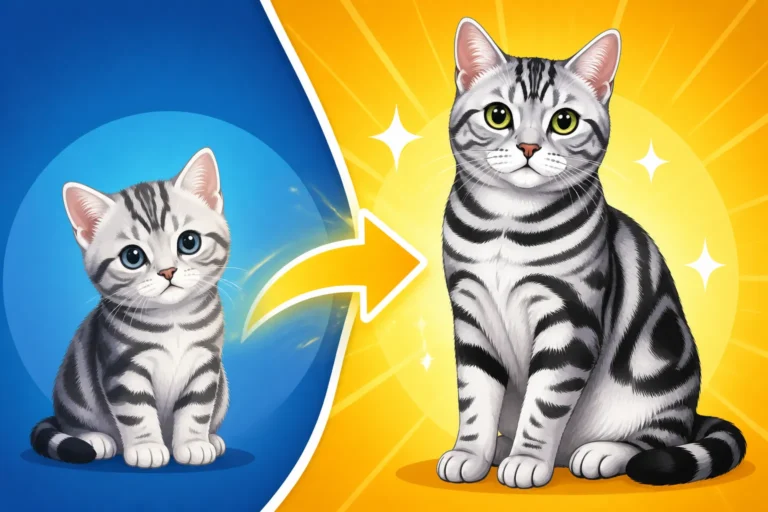
Watching your beloved American Shorthair gracefully enter their senior years is a bittersweet journey. You cherish every moment, but you also start to notice subtle changes – a little less spring in their step, a bit more napping, maybe a slight pickiness with food. It's easy to feel overwhelmed, wondering if you're doing enough, or if you're missing signs of discomfort in your stoic companion. This comprehensive guide is here to walk you through everything you need to know about caring for an old American Shorthair, ensuring their golden years are as comfortable, happy, and healthy as possible.
Recognizing the Subtle Signs of Aging in Your American Shorthair
It’s a funny thing with cats, isn’t it? They’re masters of disguise, especially when it comes to discomfort. Our American Shorthairs, with their historically robust and self-sufficient nature, are particularly good at it. You might not see dramatic shifts overnight, but rather a slow, gradual accumulation of small changes that, when added up, signal they’re moving into their senior phase. Knowing what to look for can make all the difference in providing timely and appropriate care.
Subtle Behavioral Shifts
One of the first places you might notice changes in your aging American Shorthair is in their daily routines and interactions. They might not be as eager to chase the laser pointer or swat at toys with the same fervor they once did. Instead, you might observe them spending more time resting in a warm, sunny spot, perhaps on their favorite cat tree that they now approach a bit more carefully. They may become less tolerant of boisterous household activities, opting to retreat to a quiet room when the grandkids visit or when there's a lot of noise. It's not that they love you less; they just have a lower energy reserve and a higher need for peace. You might also notice a shift in their sleeping patterns, perhaps sleeping more deeply or at different times of the day than before. A common concern for many owners is discerning between normal aging and a sign of something more serious. Pay attention to changes in their affection levels – while American Shorthairs are generally independent, a sudden withdrawal or increased clinginess could be a signal. Why a Stoic American Shorthair Hides Pain the Longest delves into how these cats often mask their discomfort, making it crucial for us, their humans, to be extra observant.
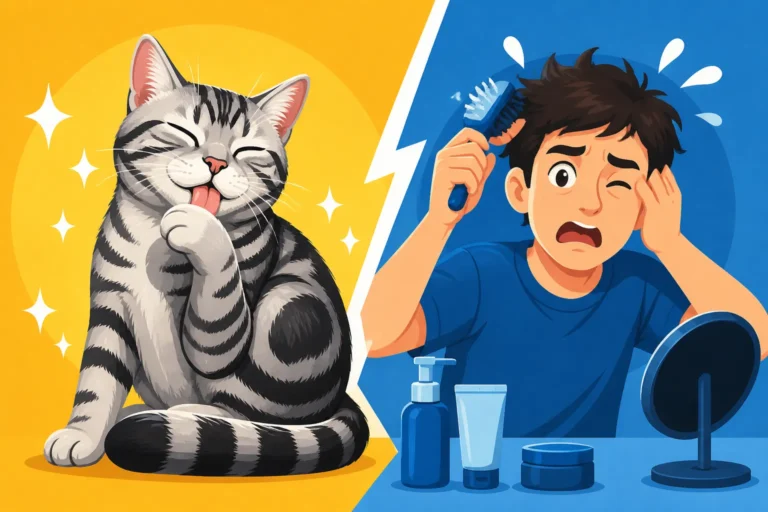
Another subtle behavioral shift could be changes in their litter box habits. They might start hesitating before jumping into a high-sided box, or you might find accidents occurring outside the box if it becomes too difficult to access. This isn't necessarily a rebellion; it's often a sign of underlying joint pain or reduced mobility. Similarly, their grooming habits might change. A once meticulously clean cat might start looking a little disheveled, especially around their back or hindquarters, areas that become harder to reach as flexibility decreases. If you notice them neglecting their grooming, it’s a clear indicator that they might need some help from you, or that their joints are causing them grief. Even changes in vocalization, becoming more vocal or quieter, can sometimes be a sign of cognitive decline or discomfort. What Confusion Looks Like in an American Shorthair Past Sixteen offers insights into how mental changes can manifest in their behavior as they age.
Physical Changes You Might Overlook
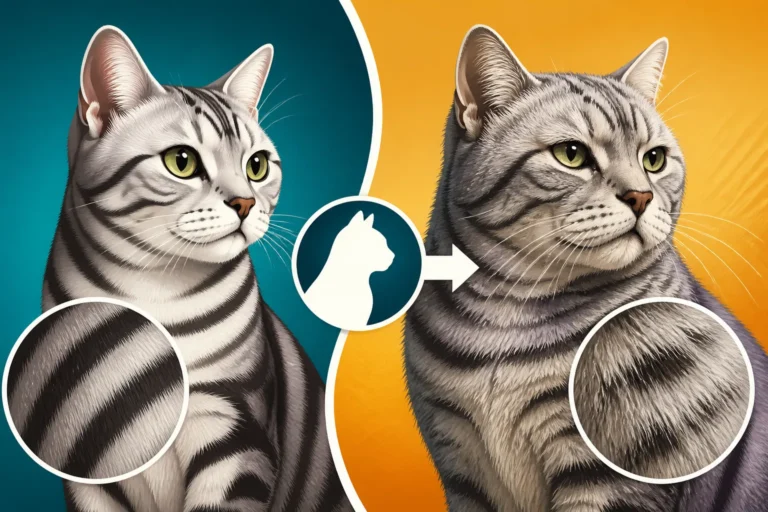
Beyond behavior, there are often physical cues that your American Shorthair is aging, some of which are quite easy to miss unless you’re looking closely. Their coat, for instance, might not have the same lustrous sheen it once did, or you might notice it coarsening slightly. This can be due to reduced self-grooming, but also nutritional changes or underlying health issues. How an Old American Shorthair's Coat Coarsens explains this phenomenon in more detail. Their eyes, once bright and clear, might develop a slight cloudiness, though significant changes should always be checked by a vet. You might also notice a gradual loss of muscle mass, particularly along their spine and hindquarters, even if their overall weight seems stable or has even increased. This loss of muscle is a natural part of aging and contributes to reduced agility and strength.
Their mobility is another key area. While they might not be overtly limping, you might observe them taking longer to get up, hesitating before jumping onto furniture, or choosing lower resting spots. They might struggle with stairs, or simply move at a slower, more deliberate pace. Why an Old American Shorthair Slows Before It Limps explores these early indicators of joint discomfort, which are often dismissed as just "slowing down." Their claws might become thicker and more brittle, and they might not wear them down as effectively through scratching, leading to overgrowth. Regular checks of their paws and nails become even more crucial. Finally, their sense of smell and hearing can diminish, which might explain why they don't respond to their name as readily or seem less interested in food until it's right under their nose. All these subtle physical changes contribute to a decline in their overall comfort and quality of life, which is why acknowledging them is the first step in providing appropriate care.
Nutritional Adjustments for the Senior American Shorthair
As your American Shorthair transitions into their senior years, their dietary needs change significantly. What worked perfectly for a youthful, active hunter might not be ideal for an older, less energetic cat. Getting their nutrition right is one of the most impactful things you can do to support their health and extend their comfortable lifespan.
Why Their Metabolism Slows Down
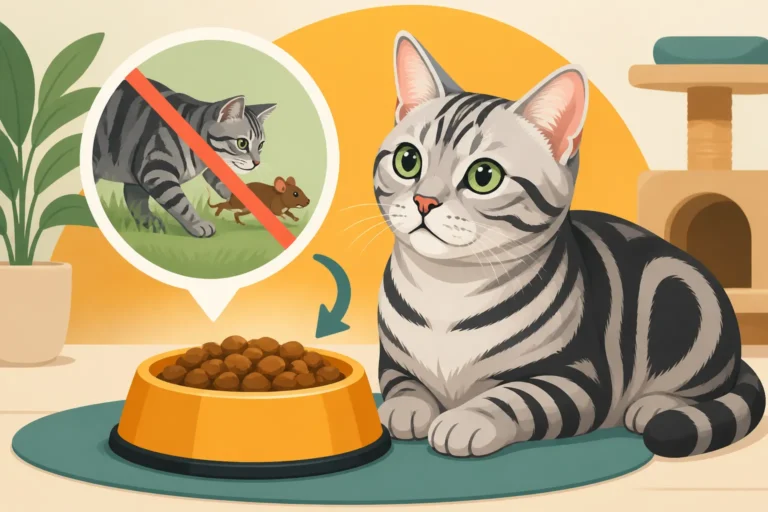
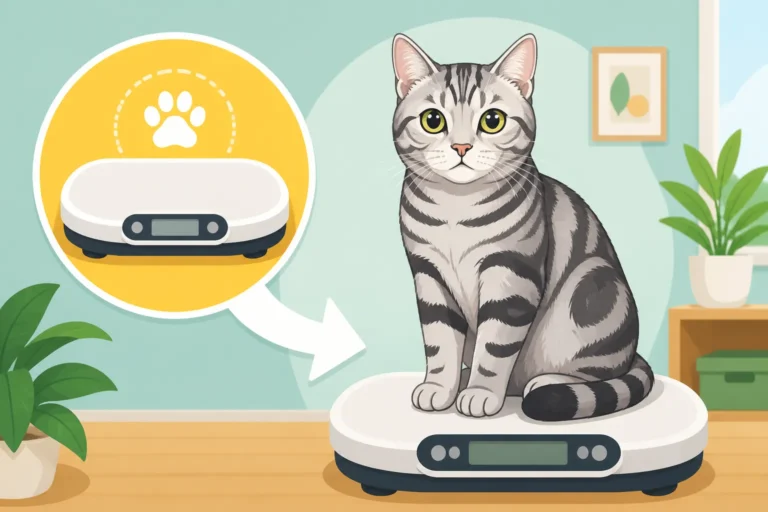
Just like humans, cats experience a slowdown in their metabolism as they age. This means they burn fewer calories at rest and require less energy overall. Combine this with a natural decrease in activity levels – less running, jumping, and vigorous play – and you have a recipe for potential weight gain if their diet isn't adjusted. Excess weight puts undue stress on their aging joints and organs, exacerbating conditions like arthritis and increasing the risk of diabetes. It's a cruel irony that as they get older and less active, their appetite might sometimes seem undiminished, a relic of their mousing past when every meal was earned. Why an Old American Shorthair's Weight Should Be Tracked highlights the importance of monitoring their weight meticulously during this phase.
However, a slowed metabolism doesn't just mean fewer calories; it also means their ability to process and absorb nutrients can become less efficient. They might need higher quality, more digestible proteins to maintain muscle mass, even as their overall caloric intake decreases. Their bodies may struggle to utilize certain vitamins and minerals as effectively, making a nutrient-dense diet even more critical. The challenge is finding that sweet spot: enough high-quality nutrients to support their body systems without overfeeding and promoting unhealthy weight gain. It requires a mindful approach to feeding, moving away from free-feeding and towards portion control.
The Importance of Hydration and Specific Diets
Hydration becomes paramount for older cats, especially American Shorthairs, who can be prone to kidney issues as they age. Many cats don't drink enough water naturally, relying heavily on the moisture content in their food. This is why a shift towards a wet food diet, or at least a significant increase in wet food, is often recommended for senior felines. Wet food provides essential moisture that dry kibble simply can't, helping to support kidney function and overall hydration. If your cat is accustomed to dry food, gradually introducing wet food and even adding a little water to it can encourage increased fluid intake. Why a Thirsty American Shorthair Should Be Tested emphasizes that increased thirst can also be a sign of underlying health problems, necessitating a vet visit.
Beyond moisture, specialized senior diets are formulated to address the specific needs of aging cats. These diets often contain:
- Lower phosphorus levels: To support kidney health.
- Higher levels of omega-3 fatty acids: For joint health, reducing inflammation, and promoting a healthy coat.
- Antioxidants: To combat cellular damage and support the immune system.
- Highly digestible proteins: To help maintain muscle mass.
Brands like Chewy offer a wide selection of prescription and over-the-counter senior cat foods, making it easier to find one tailored to your American Shorthair's specific needs, whether it's for kidney support or weight management. If you're looking for fresh food options, some pet parents explore pre-portioned, human-grade meals that might be more palatable and hydrating for picky seniors, though always consult your vet before making significant dietary changes.
Making Mealtime Easier
As your American Shorthair gets older, even the simple act of eating can become a bit more challenging. Joint pain, particularly in the neck or back, can make bending down to a bowl uncomfortable. Consider investing in raised food and water bowls. These elevate the dishes to a more comfortable height, reducing strain on their neck and joints. You can find many options on platforms like Amazon that are designed ergonomically for aging pets.
Some senior cats also develop dental issues, which can make chewing dry kibble painful. If you suspect dental problems, even with a wet food diet, consult your vet. But in the interim, softening dry kibble with a bit of warm water or switching to a pate-style wet food can make eating more comfortable. Small, frequent meals throughout the day can also be beneficial, as their digestive system might not handle large meals as efficiently. This approach mimics their natural hunting pattern more closely and can help maintain stable blood sugar levels. Placing food and water bowls in easily accessible, quiet locations, away from high-traffic areas, will also encourage them to eat and drink without feeling stressed or rushed.
Managing Common Health Concerns in Older American Shorthairs
It’s a fact of life that as our beloved American Shorthairs age, they become more susceptible to certain health conditions. While their breed is generally robust, no cat is immune to the challenges that come with senior years. Being aware of these common issues and knowing how to manage them can significantly improve their quality of life.
Joint Pain and Mobility Issues
One of the most prevalent issues in older cats, including our sturdy American Shorthairs, is arthritis and joint pain. Years of jumping, playing, and patrolling their territory can take a toll on their joints. You might notice your cat hesitating before jumping, preferring to use steps or ramps, or simply avoiding high places they once loved. They might show stiffness after resting, or a decreased willingness to engage in play. This isn't just "slowing down"; it's often a sign of discomfort. How an Old American Shorthair Shows Its Joints Hurt offers practical ways to identify these subtle signs of pain.
Management strategies often involve a multi-pronged approach:
- Supplements: Your vet might recommend joint supplements containing glucosamine, chondroitin, and omega-3 fatty acids. These can help support cartilage health and reduce inflammation. You can often find a good selection of these on Chewy.
- Pain Relief: For more severe cases, prescription pain medication might be necessary to ensure your cat remains comfortable. Never give human pain medication to cats, as it can be toxic.
- Environmental Adjustments: Provide ramps or steps to help them access favorite perches or beds. Ensure their litter boxes have low sides for easy entry and exit. Orthopedic beds can also provide much-needed support for aching joints.
- Weight Management: Keeping your cat at a healthy weight is crucial, as excess pounds put extra strain on their joints. How Weight Wears Out an American Shorthair's Joints explains this in detail.
Dental Health and Oral Hygiene
Dental disease is shockingly common in older cats, often going unnoticed until it becomes severe. Plaque and tartar buildup can lead to gingivitis, periodontal disease, painful abscesses, and even tooth loss. The pain from dental issues can cause a reluctance to eat, bad breath, drooling, or a general disinterest in life. It's often referred to as the American Shorthair's quietest problem because they endure it in silence until it's very advanced. Why an American Shorthair Loses Teeth Nobody Noticed underscores how easily these issues can be overlooked.
Regular dental check-ups with your vet are essential. They can assess your cat's oral health and recommend professional dental cleanings under anesthesia when necessary. While at-home brushing can be challenging, starting early with a kitten can help. For older cats, dental rinses, water additives, or special dental diets might help slow the progression of plaque buildup, but they are not a substitute for professional veterinary care. Addressing dental pain can dramatically improve your senior cat's appetite and overall demeanor, making them feel years younger.
Kidney and Thyroid Challenges
Kidney disease and hyperthyroidism are two of the most common chronic conditions that affect older American Shorthairs. Kidney disease is a progressive condition where the kidneys gradually lose their ability to filter waste products from the blood. Signs can include increased thirst, increased urination, weight loss, vomiting, and lethargy. Early detection is key, which is why senior blood work is so vital. How Kidney Disease Creeps Up on an Old American Shorthair provides a deeper understanding of this insidious disease.
Hyperthyroidism occurs when the thyroid gland produces too much thyroid hormone. This speeds up the cat's metabolism and can lead to weight loss despite an increased appetite, hyperactivity, increased thirst and urination, and sometimes vomiting or diarrhea. Both conditions require careful management, often involving special diets, medications, and regular monitoring by your veterinarian. Routine senior screenings, including blood tests and urinalysis, allow your vet to catch these conditions early, often before obvious symptoms appear, giving you more time to manage them effectively.
Weight Management in Later Years
While some senior cats lose weight due to underlying illnesses, many American Shorthairs tend to gain weight as their activity decreases and metabolism slows. This breed, with its strong working heritage, often retains a hearty appetite even when their energy output diminishes. Obesity in older cats is a serious problem, contributing to arthritis, diabetes, heart disease, and a reduced lifespan. What Extra Weight Does to an American Shorthair's Working Frame explains the detrimental effects.
Effective weight management involves:
- Portion Control: Moving away from free-feeding and measuring out precise portions of a high-quality, age-appropriate diet.
- Appropriate Food: Discuss with your vet if a senior-specific, weight-management, or prescription diet is right for your cat. These diets are typically lower in calories but still provide essential nutrients.
- Encouraging Activity: Even gentle play sessions or using puzzle feeders can help burn a few extra calories and keep them engaged. How a Vet Builds an American Shorthair's Weight Loss Plan outlines a structured approach to helping your cat shed those extra pounds safely and effectively. Remember, gradual weight loss is safest to prevent conditions like hepatic lipidosis.
Adapting Their Environment for Comfort and Safety
Creating a senior-friendly home environment is just as important as their medical care and diet. As your American Shorthair ages, their physical capabilities change, and what was once easy might now be challenging or even dangerous. Thoughtful adjustments to their living space can reduce stress, prevent injuries, and significantly enhance their daily comfort.
Creating Accessible Spaces
The world can become a much harder place for an older cat with stiff joints or reduced vision. Those towering cat trees, once a source of endless joy, can become inaccessible hazards. Focus on creating accessible versions of their favorite spots.
- Ramps and Steps: Provide pet ramps or steps leading up to their favorite window perches, sofas, or your bed. You can find many ready-made options on Amazon, or even fashion your own from sturdy materials. The goal is to eliminate the need for high, strenuous jumps.
- Low-Sided Litter Boxes: As mentioned, a high-sided litter box can become a painful obstacle. Switch to litter boxes with lower entry points. Consider a shallow storage bin or a dedicated senior cat litter box. Placing multiple boxes around the house, especially on each floor, can also make life easier, reducing the distance they need to travel when urgency strikes.
- Non-Slip Surfaces: Hardwood or tile floors can be slippery for unsteady paws. Place rugs or carpet runners in areas where your senior cat frequently walks, especially near food bowls, litter boxes, and sleeping spots, to provide better traction.
- Easy Access to Resources: Make sure food, water, and litter boxes are on the same level as their primary resting spots, reducing the need for them to navigate stairs or long distances.
These small changes can prevent falls, reduce pain, and encourage them to continue using facilities appropriately, rather than having accidents out of discomfort.
Keeping Them Warm and Cozy
Older cats, especially those with thinning fur or reduced muscle mass, can be more sensitive to cold and find it harder to regulate their body temperature. Providing ample warm and cozy resting spots is paramount.
- Heated Beds: A thermostatically controlled heated cat bed can be a true luxury for an arthritic senior. The gentle warmth can soothe aching joints and provide deep comfort.
- Soft Bedding: Ensure they have plenty of soft, padded beds in quiet, draft-free areas. Many cats also appreciate beds with raised sides that offer a sense of security and warmth.
- Sunbeams and Blankets: Strategically place beds in sunny spots where they can soak up natural warmth. Provide soft blankets or throws that they can burrow into. A cozy fleece blanket on your sofa can become their designated napping zone.
- Consistent Room Temperature: Try to maintain a comfortable and consistent room temperature, avoiding extreme fluctuations. If your cat spends time in a particular room, consider a small, safe space heater if needed, but always ensure it's placed safely away from flammable materials and cannot be tipped over.
The Importance of a Low-Stress Environment
A peaceful, predictable environment is vital for an aging American Shorthair. Their tolerance for change, noise, and new experiences often diminishes with age, and stress can exacerbate existing health conditions.
- Consistent Routine: Cats thrive on routine, and senior cats especially benefit from predictable mealtimes, playtimes, and interaction. This predictability creates a sense of security.
- Quiet Retreats: Ensure they have access to several quiet, undisturbed places where they can retreat and rest without interruption. This might be a cozy bed in a spare room, a cat tree in a less-trafficked corner, or a covered bed that feels like a den.
- Controlled Interactions: While your senior cat still appreciates interaction, it might be on their terms. Respect their need for space and don't force interaction. If you have children or other pets, teach them to respect your senior cat's boundaries and quiet time. An American Shorthair is generally tolerant, but an older one might have less patience for rambunctious play.
- Minimal Changes: Try to minimize major changes to their environment, such as rearranging furniture or bringing in new pets, as these can be significant stressors. If changes are necessary, introduce them gradually and patiently, providing extra reassurance to your cat.
By making these environmental adjustments, you're not just making their lives easier; you're actively contributing to their well-being and happiness during their golden years.
Maintaining Mental Stimulation and Quality of Life
Just like humans, senior cats benefit immensely from continued mental and physical engagement. It’s a myth that older cats just want to sleep all day. While their energy levels might be lower, keeping their minds sharp and their bodies gently active is crucial for their overall quality of life and can even slow cognitive decline.
Gentle Play and Enrichment
Your senior American Shorthair might not be leaping and bounding like a kitten, but they still have that innate hunter’s instinct. Adapting play to their current physical abilities is key.
- Wand Toys: These are fantastic for gentle, interactive play. You can control the pace and intensity, dragging the toy slowly across the floor to mimic prey, allowing them to stalk and pounce without too much exertion. The satisfaction of "catching" the toy is still incredibly rewarding for them. Which Wand Toy Reads as Prey to an American Shorthair offers tips on selecting the best types for their instincts.
- Puzzle Feeders: These are a wonderful way to engage their minds and make them "work" for their food, even if it's just a few treats. Puzzle feeders encourage problem-solving and can slow down eating, which is beneficial for weight management. Brands like Chewy offer a variety of puzzle feeders suitable for different skill levels.
- New Scents and Textures: Introduce new, safe scents (like catnip or silvervine) or different textures (soft blankets, crinkly tunnels) into their environment to stimulate their senses. A simple cardboard box can still be a source of endless fascination.
- Short, Frequent Sessions: Instead of one long play session, opt for several shorter ones throughout the day. This prevents overexertion and keeps them engaged more consistently. Watch for signs of fatigue and let them dictate the pace.
Social Interaction and Affection
Even independent American Shorthairs thrive on social interaction, especially with their trusted human companions. While they might not be lap cats in the traditional sense, they deeply appreciate your presence and affection.
- Quality Time: Simply sitting quietly with your cat, stroking their fur, or talking to them in a gentle voice can be incredibly comforting. Many American Shorthairs enjoy being near you, even if not directly on your lap. How Closely an American Shorthair Follows You gives insight into their unique way of expressing closeness.
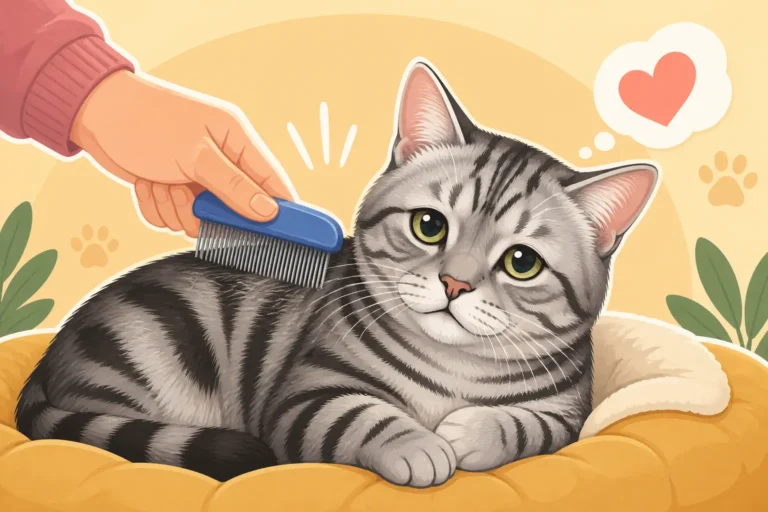
- Gentle Grooming: As their self-grooming abilities decline, gentle brushing with a soft brush or grooming glove can be a bonding experience and help keep their coat healthy. This is also a good opportunity to check for any lumps, bumps, or skin irritations. When an Old American Shorthair Needs Combing Help explains when and how to step in.
- Respect Their Boundaries: Always let your cat initiate contact and respect their cues. If they walk away, they’re telling you they need space. Forcing interaction can lead to stress or even defensive behavior.
- Maintain Routine: Keep their interaction routine consistent. If you always give them a cuddle before bed or a morning greeting, continue to do so. This predictability provides comfort and reassurance.
Routine and Predictability
As cats age, their world can feel less certain. Their senses might dull, their body might ache, and new things can be startling. A consistent routine acts as an anchor, providing stability and reducing anxiety.
- Set Schedules: Try to stick to regular times for feeding, playtime, and quiet cuddle sessions. This helps them anticipate events and reduces stress.
- Familiar Environment: Avoid frequent, major changes to their home environment. If you must move furniture or change things, do so gradually and provide extra comfort and attention during the transition.
- Safe Spaces: Reiterate the importance of having safe, quiet retreats. These are places they know they can go to escape noise or perceived threats, allowing them to decompress.
- Observing for Distress: Pay close attention to any signs of distress or anxiety when routines are disrupted. This might manifest as changes in appetite, litter box habits, or increased vocalization. Promptly addressing these can prevent further stress.
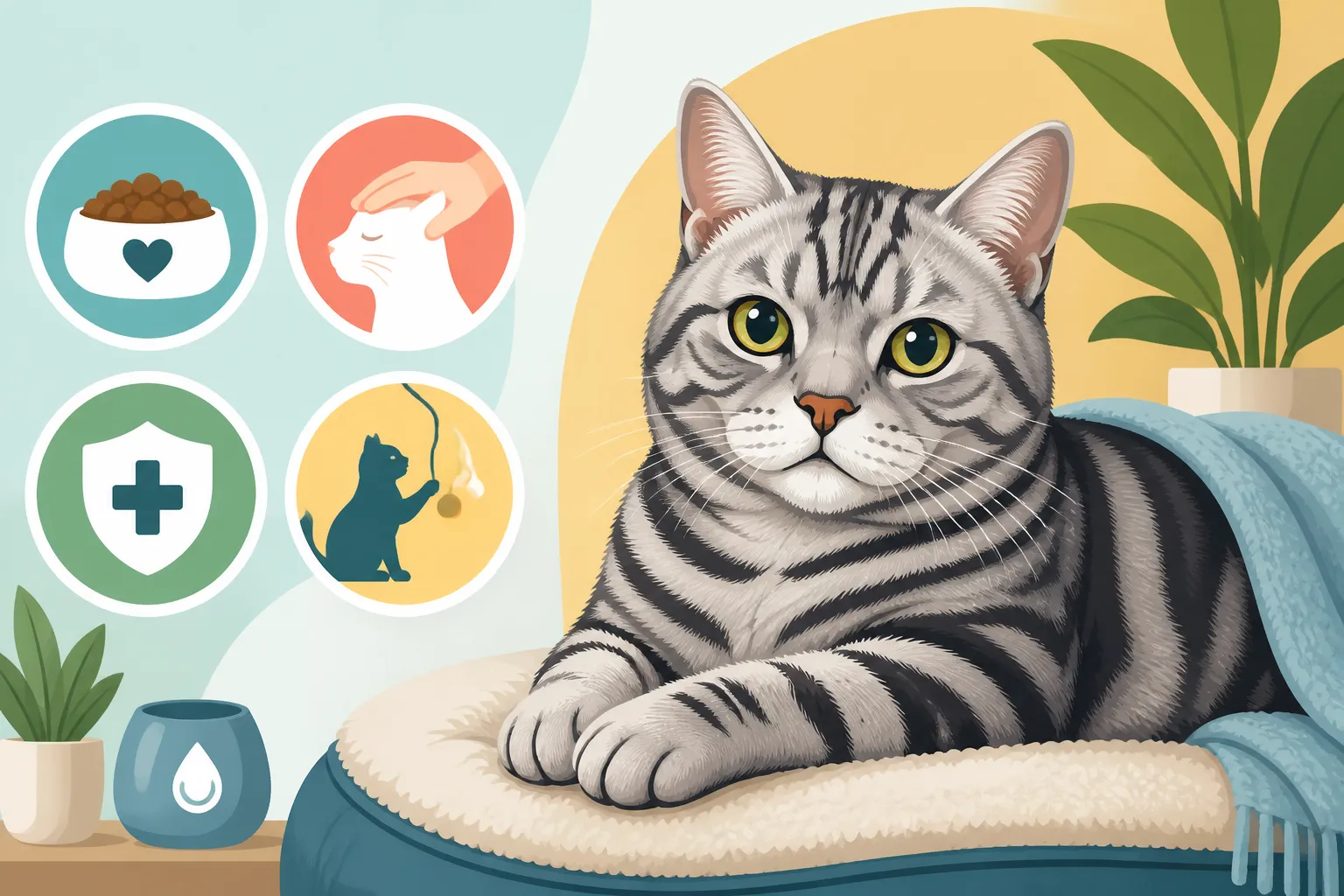
By focusing on these aspects of enrichment and stability, you can help ensure your American Shorthair’s senior years are filled with comfort, engagement, and the quiet joy they’ve always brought to your life.
Working with Your Veterinarian for Optimal Senior Care
One of the most crucial aspects of caring for an old American Shorthair is establishing a strong partnership with your veterinarian. As cats are experts at hiding illness, regular veterinary oversight becomes even more critical in their golden years. Your vet is your best ally in catching problems early and managing chronic conditions effectively.
Regular Senior Check-ups
The adage "prevention is better than cure" is never truer than with senior cats. While younger, healthy cats might see the vet once a year, senior American Shorthairs (typically those over 7-10 years old, depending on the vet) benefit immensely from semi-annual or even quarterly check-ups. Why so often? Because diseases can progress quickly in older animals, and catching them early can make a huge difference in prognosis and management.
- Comprehensive Physical Exam: During these visits, your vet will perform a thorough physical examination, checking their weight, listening to their heart and lungs, palpating their abdomen, and assessing their joints and mobility. They'll also check their eyes, ears, and teeth for any signs of disease.
- Early Detection: These regular checks allow your vet to spot subtle changes that you might not notice at home. For example, a slight heart murmur might be a sign of early heart disease, or a change in gum color could indicate dental issues. Caring for an American Shorthair Past Twelve really emphasizes the heightened importance of vet checks for cats in this age bracket.
- Discussion of Changes: This is your opportunity to discuss any behavioral or physical changes you’ve observed since the last visit, no matter how minor they seem. Even something like "My cat is drinking a bit more water" can be a crucial clue for conditions like kidney disease or hyperthyroidism.
Understanding Diagnostic Tests
Beyond the physical exam, your vet will likely recommend a "senior panel" of diagnostic tests during these regular check-ups. These tests provide invaluable insights into your cat's internal health and can detect problems long before clinical symptoms become obvious.
- Blood Work: A comprehensive blood panel typically includes a complete blood count (CBC) and a biochemistry panel. The CBC can reveal anemia, infection, or other blood disorders. The biochemistry panel assesses organ function (kidneys, liver), electrolyte balance, and can detect conditions like diabetes and hyperthyroidism. What a Full American Shorthair Panel Actually Screens For clarifies exactly what information these tests provide.
- Urinalysis: Analyzing a urine sample can provide crucial information about kidney function, hydration status, and can detect urinary tract infections or bladder stones.
- Blood Pressure Measurement: Older cats, especially those with kidney disease or hyperthyroidism, are prone to high blood pressure (hypertension), which can damage organs, particularly the eyes and kidneys. Routine blood pressure checks are vital. How to Spot Hypertension in an Older American Shorthair outlines what to look for and why it's so important.
- Additional Tests: Depending on initial findings, your vet might recommend additional diagnostics like X-rays (to check for arthritis or other orthopedic issues), ultrasound (for internal organs), or specialized tests for conditions like HCM if a heart murmur is detected.
While the thought of all these tests might seem daunting, remember they are tools to ensure your American Shorthair lives their best possible life, free from preventable pain and discomfort.
When to Seek Specialized Care
Sometimes, your general practice veterinarian might recommend a consultation with a veterinary specialist. This isn't a sign that your cat is beyond help, but rather an opportunity to provide the most advanced and focused care for a particular condition.
- Cardiologist: If your American Shorthair develops a heart murmur or shows signs of heart disease (such as a cough or labored breathing), your vet might refer you to a veterinary cardiologist for an echocardiogram and specialized management plan.
- Internal Medicine Specialist: For complex or chronic conditions like advanced kidney disease, diabetes that's difficult to regulate, or challenging gastrointestinal issues, an internal medicine specialist has advanced training to diagnose and manage these cases.
- Veterinary Dentist: For severe dental disease requiring advanced procedures, a board-certified veterinary dentist can perform complex extractions, root canals, or other oral surgeries.
- Pain Management Specialist: If your senior American Shorthair is struggling with severe, chronic pain that isn't well-controlled with standard medications, a pain management specialist can offer alternative therapies, nerve blocks, or advanced analgesic protocols.
Working collaboratively with your veterinarian and, when necessary, a specialist, ensures your American Shorthair receives the most comprehensive and tailored care available, allowing them to thrive and enjoy their golden years to the fullest.
Disclaimer
This article is for general informational purposes only and does not constitute professional advice. Laws, prices and regulations vary by location and change over time. Consult a qualified professional for guidance on your specific situation.