How Kidney Disease Creeps Up on an Old American Shorthair
It’s a heartbreaking reality for many of us who share our homes with an aging feline companion: the insidious way kidney disease can steal their vitality, often without us realizing until it’s quite advanced. Our sturdy, stoic American Shorthairs, with their quiet resilience, are particularly adept at hiding discomfort, making the subtle onset of kidney issues even harder to catch. This guide will walk you through understanding why kidney disease is so common in senior American Shorthairs, how to recognize those elusive early signs, and what you can do to support your beloved cat through this challenging condition, ensuring they enjoy their golden years with as much comfort as possible.
Understanding Kidney Disease in Older American Shorthairs
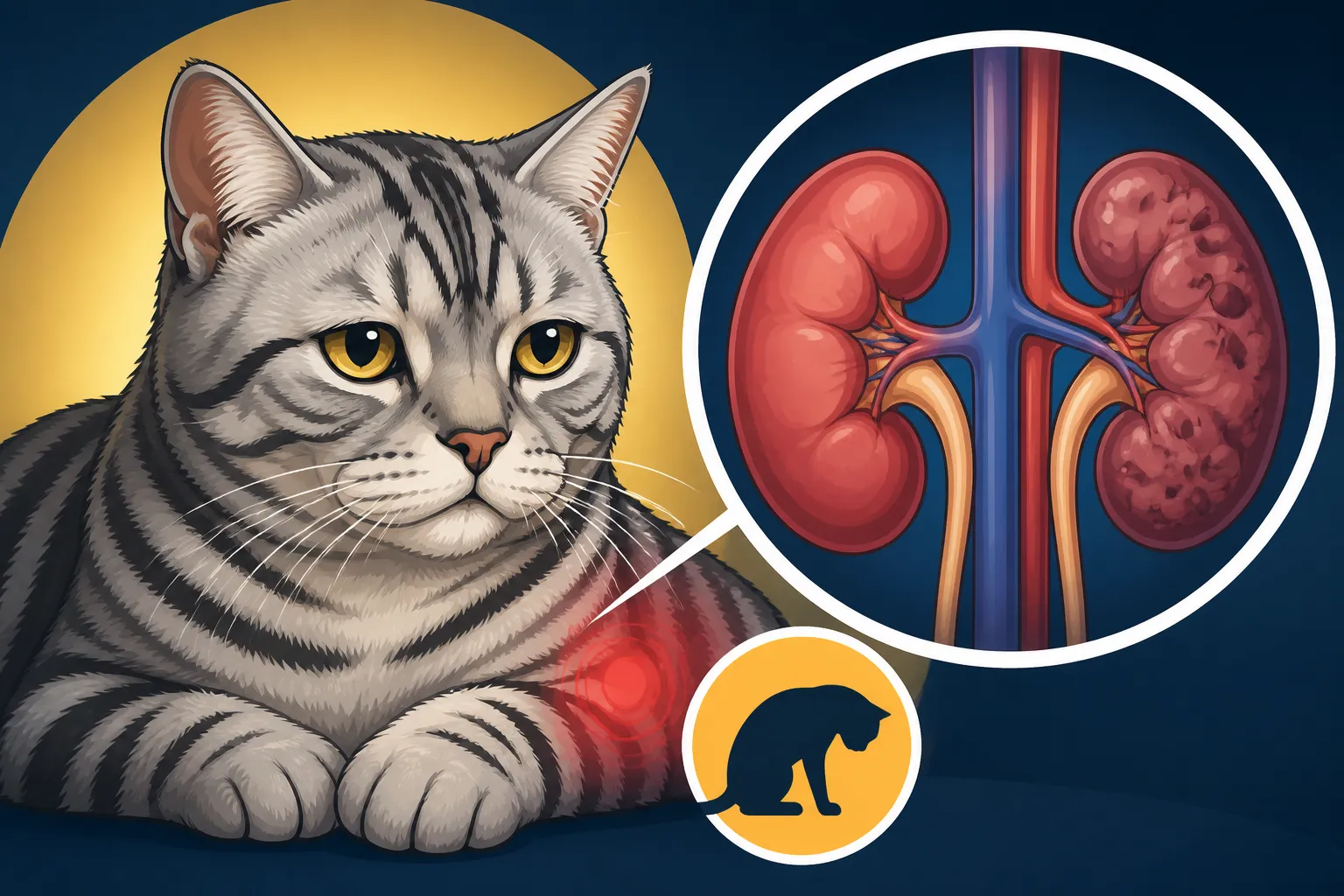
As our cherished American Shorthairs gracefully age, their bodies, much like ours, begin to show the wear and tear of time. The kidneys, vital organs responsible for filtering waste products from the blood, maintaining hydration, and producing hormones, are often among the first to experience this decline. Chronic Kidney Disease (CKD) is an extremely common ailment in senior cats, and unfortunately, our American Shorthairs are no exception. It’s not a sudden illness; rather, it’s a slow, progressive deterioration that can make early detection tricky.
Why Older American Shorthairs Are Susceptible
Think about the American Shorthair's long history as a working cat, originally valued for its robust health and formidable mousing skills aboard ships and in barns across North America. This breed was selected for its hardy constitution, capable of thriving in varied conditions with minimal fuss. While this heritage has blessed them with a generally healthy disposition, it doesn't make them immune to the diseases of old age. As they pass the age of seven, and certainly once they reach their senior years around twelve and beyond, the natural aging process starts to impact organ function. The renal system, specifically, can begin to lose its efficiency. Over the years, the tiny filtering units within the kidneys, called nephrons, can simply wear out or become damaged.
Genetics can play a minor role, though the American Shorthair is generally not prone to specific inherited kidney diseases like some other breeds. Instead, it's typically an age-related, degenerative process. Factors like cumulative exposure to minor toxins throughout life, periods of dehydration, or even untreated dental disease (which can introduce bacteria into the bloodstream and strain organs) can all contribute over many years to a gradual decline in kidney function. For those of us devoted to our American Shorthairs, understanding that this is largely an inevitable part of aging, rather than a failing on our part, can be helpful, though no less heartbreaking. It reinforces the importance of regular veterinary check-ups as they enter their later years, a topic we touch on in our article about Caring for an American Shorthair Past Twelve.
The Gradual Onset of Chronic Kidney Disease
One of the most frustrating aspects of Chronic Kidney Disease is its stealthy nature. The kidneys are incredibly resilient organs; they have a massive reserve capacity. This means that a cat can lose a significant portion of its kidney function – sometimes up to 75% – before showing any outward signs of illness. This built-in redundancy, while protective for a time, is also what makes CKD so challenging to catch early. By the time symptoms become obvious enough for a pet parent to notice, the disease is usually quite advanced.
The progression is typically slow, unfolding over months or even years. Initially, the remaining healthy nephrons compensate for the failing ones, working harder to filter waste. This compensatory mechanism means that your American Shorthair might appear perfectly healthy, eating well, playing, and interacting as usual, even as their kidneys are steadily losing ground. It's not like an acute injury where symptoms appear suddenly. Instead, it's a slow erosion of function, meaning the visible changes are often incredibly subtle and can easily be mistaken for "just old age." This gradual decline is precisely why proactive screening, even in seemingly healthy senior cats, is so crucial. Early intervention, even if just managing symptoms, can significantly improve the quality and length of your cat's life.
Recognizing the Subtle Signs at Home
Because American Shorthairs are such stoic creatures, spotting the early signs of kidney disease can feel like trying to find a needle in a haystack. They are masters of disguise when it comes to pain or discomfort, often preferring to withdraw rather than broadcast their ailments. This means we, as their caregivers, need to become detectives, keenly observing even the slightest shifts in their routine or demeanor. What might seem like a minor behavioral quirk could actually be a whisper of something more serious.
Early, Easy-to-Miss Symptoms
The very first indicators of kidney disease are often so subtle that they can easily be dismissed or attributed to other factors. One of the most common early signs is a change in thirst and urination habits. You might notice your American Shorthair visiting the water bowl more frequently or spending more time in the litter box. This is because, as the kidneys start to fail, they lose their ability to concentrate urine. They excrete more water than they should, leading to increased thirst (polydipsia) to compensate for the fluid loss, and subsequently, increased urination (polyuria). Our article, Why a Thirsty American Shorthair Should Be Tested, delves deeper into this particular symptom.
However, remember how stoic American Shorthairs are. They might be drinking more, but they won't necessarily be guzzling water dramatically. It could be a slight increase, maybe requiring you to fill the bowl a little more often than before, or perhaps noticing slightly larger or more frequent urine clumps in the litter box. Another subtle sign can be a slight, general dullness. Your cat might still eat, but maybe with a little less enthusiasm. They might still play, but for shorter bursts. Their coat might lose a bit of its luster, or they might not be grooming themselves quite as meticulously as before – especially if they're starting to feel a bit stiff or unwell. These aren't dramatic changes, but rather tiny shifts in the baseline behavior you've come to know and love.
How Changes in Habits Indicate Trouble
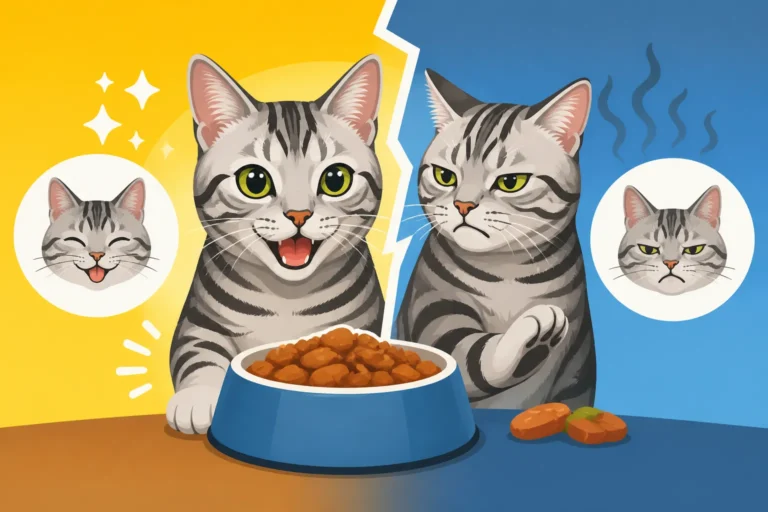
Beyond the initial subtle symptoms, watching for deeper shifts in your American Shorthair's daily routine can be incredibly telling. A sudden decrease in appetite, or even a finicky approach to food that they once loved, can be a major red flag. As toxins build up in the bloodstream due to poor kidney filtration, cats can feel nauseous and simply lose interest in eating. They might also experience weight loss, even if you feel like you haven't changed their diet. This isn't always obvious in a square-built American Shorthair, who can hide a loss of muscle mass for a while, a concept discussed further in Why an Old American Shorthair Loses Muscle First.
Vomiting, while concerning, isn't always consistent and can often be intermittent in early kidney disease. However, if it becomes more frequent, it's definitely time to see the vet. Lethargy or increased sleeping can also signal something is wrong. While older cats do tend to sleep more, a noticeable increase in overall inactivity, a reluctance to jump onto favorite perches, or a general lack of enthusiasm for interaction warrants attention. Some cats might also develop bad breath (halitosis) due to the build-up of waste products, specifically ammonia, in their system. This is often described as an ammonia-like or metallic smell. Any of these sustained changes, even if individually minor, should prompt a call to your veterinarian. Remember, with a stoic breed like the American Shorthair, early detection is about connecting these small, seemingly unrelated dots.
The Role of Veterinary Care and Early Detection
When it comes to managing conditions like kidney disease in our beloved American Shorthairs, our veterinarians are our best allies. While we can be vigilant at home, their diagnostic tools and expertise are essential for confirming a diagnosis and monitoring progression. Don't ever feel like you're overreacting by bringing your senior cat in for a check-up if you've noticed subtle changes; it's always better to be safe than sorry.
Routine Screenings and What They Reveal
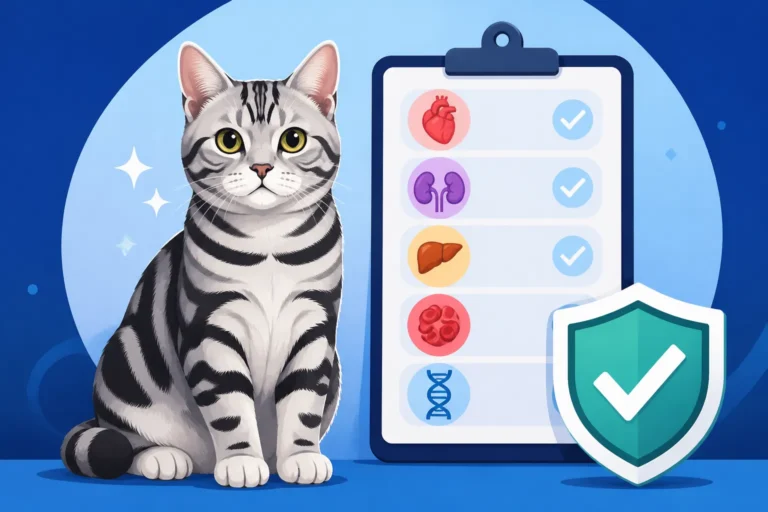
For any American Shorthair past the age of seven, and especially those over twelve, annual or even semi-annual veterinary check-ups are non-negotiable. These aren't just about vaccines; they're comprehensive health assessments aimed at catching issues like kidney disease before they become emergencies. During these visits, your vet will likely recommend a senior wellness panel, which includes bloodwork and urinalysis. This is precisely what What an American Shorthair's Senior Panel Costs can cover.
The blood tests measure key indicators such as creatinine and blood urea nitrogen (BUN), which are waste products that healthy kidneys filter out. Elevated levels indicate that the kidneys aren't doing their job efficiently. More importantly for early detection, vets often look at Symmetric Dimethylarginine (SDMA). SDMA is a relatively new biomarker that can detect kidney disease much earlier than creatinine, sometimes when as little as 25% of kidney function has been lost, compared to 75% for creatinine. This is a game-changer for catching the disease in its infancy. A urinalysis is equally crucial. It assesses urine specific gravity (how concentrated the urine is), protein levels, and the presence of bacteria or crystals. A dilute urine sample in a cat that should be concentrating its urine is a strong indicator of kidney problems. These tests, combined with a thorough physical exam, provide a comprehensive picture of your American Shorthair's kidney health, revealing crucial information about Which Blood Values Matter Most in an American Shorthair.
Managing Kidney Disease and Improving Quality of Life
Once kidney disease is diagnosed, the focus shifts to management and maintaining your American Shorthair's quality of life. Unfortunately, there's no cure for chronic kidney disease, but there's a lot we can do to slow its progression and alleviate symptoms. Dietary management is often the cornerstone of treatment. Your vet will likely recommend a prescription renal diet, which is specifically formulated to be lower in protein, phosphorus, and sodium, and often supplemented with omega-3 fatty acids. This helps reduce the workload on the kidneys and minimizes the accumulation of toxins, addressing concerns like Which Prescription Diet an American Shorthair Ends Up On.
Beyond diet, ensuring adequate hydration is critical. Encouraging your cat to drink more water, perhaps through a pet fountain or by adding water to their food, can make a significant difference. You can read more on this in How Much Water Keeps an American Shorthair's Bladder Clear. Some cats may even require subcutaneous fluid administration at home if they are becoming dehydrated. Medications might be prescribed to manage related issues such as high blood pressure, nausea, or anemia. Regular monitoring of blood pressure, for instance, is important, as kidney disease often goes hand-in-hand with hypertension, and you'll want to be aware of How to Spot Hypertension in an Older American Shorthair. Open communication with your vet is key to tailoring a management plan that works best for your individual cat, giving them the best chance to continue enjoying their comfortable home life. Having pet insurance, like a plan from Healthy Paws, can also be a huge relief, helping to cover the ongoing costs of these specialized diets, medications, and frequent veterinary visits without the added financial stress.
Practical Steps for Supporting Your American Shorthair's Kidney Health
Beyond medical interventions, there's a lot you can do in your daily routine to support your American Shorthair's kidney health, especially as they enter their golden years. These steps focus on preventative care, comfort, and ensuring their environment is conducive to well-being, even with a potential diagnosis of kidney disease. These aren't just for cats with diagnosed issues, but excellent practices for any senior American Shorthair.
Dietary Adjustments and Hydration Strategies
Even before a kidney disease diagnosis, ensuring your senior American Shorthair's diet is appropriate is vital. While a full prescription renal diet is reserved for diagnosed cases, choosing high-quality, easily digestible food with moderate protein levels can be beneficial as they age. Wet food, in particular, is excellent for promoting hydration, which is a cornerstone of kidney health. Many cats don't drink enough on their own, and the moisture content in wet food significantly contributes to their daily fluid intake. Consider adding a little extra water to their wet food or offering tuna juice (in water, not oil) to entice them to drink more. Monitoring How to Tell If an American Shorthair Drinks Enough is a good habit for all cat owners.
Creating multiple water stations throughout your home with different types of bowls (ceramic, stainless steel, glass) can encourage increased water consumption. Some American Shorthairs prefer running water, making a pet water fountain a worthwhile investment. Keep water bowls meticulously clean, refreshing the water several times a day. While treats are lovely, be mindful of their sodium content, especially for cats with compromised kidney function. Opt for low-sodium, high-quality treats in moderation. These proactive dietary and hydration strategies can make a real difference in reducing the strain on aging kidneys and potentially delaying the onset or progression of kidney disease. Should the need arise, a comprehensive pet insurance policy, such as those offered by Healthy Paws, can help manage the expenses of any specialized renal diets or hydration therapies your vet might recommend.
Environmental Enrichment for Senior Cats
A comfortable and stress-free environment is paramount for any senior cat, and even more so for an American Shorthair dealing with health challenges. Ensure your cat's resources – food, water, litter boxes, and favorite resting spots – are easily accessible without requiring strenuous jumps or climbs. For an older cat that might be slowing down or experiencing joint stiffness, perhaps even dealing with mild arthritis (which often comes with age), lowering access to high places or providing ramps or steps can make a huge difference.
Keep their core routine consistent to minimize stress, as stress can sometimes exacerbate underlying health issues. Provide plenty of soft, warm bedding in quiet, undisturbed areas where they can retreat. Even though American Shorthairs are generally independent, they still thrive on calm, predictable surroundings. Gentle interaction and playtime, tailored to their energy levels, can also keep them mentally stimulated without overexertion. Remember, Why a Stoic American Shorthair Hides Pain the Longest emphasizes the need for a vigilant and observant owner. Maintaining a loving, stable home environment contributes significantly to their overall well-being, helping them to feel secure and content despite any health issues they might be facing. This holistic approach, combining careful observation, diligent veterinary care, and thoughtful home adjustments, is the best way to support your American Shorthair through the challenges of aging and potential kidney disease.
Disclaimer
The information provided in this article is for general informational purposes only and is not intended as a substitute for professional veterinary advice. Always consult with a qualified veterinarian for any health concerns or before making any decisions related to your pet's health and treatment.