Why an Old American Shorthair Slows Before It Limps
It’s a heart-wrenching moment when you start to notice your once spry American Shorthair isn't quite moving like they used to. They're not exactly limping yet, but there's a definite slowdown, a hesitation where there once was enthusiasm, and it can leave you wondering what’s really going on beneath that calm, collected exterior. This guide is here to help you understand those subtle changes in your aging American Shorthair, shedding light on why they slow down before any obvious lameness appears, and what you can do to support them through their golden years.
The Subtle Shift: Why Your American Shorthair Might Seem Slower
The transition from a vibrant, active cat to a more sedate senior isn't usually a sudden leap; it's a gradual, almost imperceptible slide. One day your American Shorthair is scaling the cat tree with ease, and the next, they're pausing, assessing, and perhaps choosing a lower perch. These early signs of slowing down often catch us off guard because they're so minor, so easy to dismiss as just "getting old." But understanding the underlying reasons can help you provide better care much earlier.
Age-Related Energy Decline
Just like us, cats experience a natural decrease in energy levels as they age. This isn't necessarily a sign of pain or illness at first; it's simply a physiological shift. Their metabolism slows down, muscle mass naturally starts to diminish, and their cardiovascular system might not be as efficient as it once was. This means they simply don't have the same boundless energy they did as a kitten or a young adult cat. They might sleep more, play less intensely, and generally conserve their precious reserves.
Think about it: your American Shorthair spent its younger years living up to its heritage, patrolling its territory with an almost tireless dedication. Even an indoor American Shorthair still has that ingrained desire to monitor its domain, but as it gets older, those patrols become shorter, less frequent, and less energetic. It’s not that they’ve lost interest; it’s that their body is gently reminding them to pace themselves. We often see them spending more time basking in sunbeams or finding quiet napping spots, which is totally normal. However, distinguishing between normal slowing down and discomfort requires a keen eye for detail.
Reduced Motivation to Play
Another common observation is a distinct drop in your senior American Shorthair's motivation to engage in playful activities. Where they once pounced on every feather wand or chased a laser dot with fierce determination, they might now simply watch it with a half-hearted flick of the tail. This isn't just about energy; it can also be a subtle indicator that certain movements are becoming uncomfortable. Jumping, twisting, or rapid acceleration – the very essence of cat play – can put strain on aging joints or muscles that are no longer as supple.
It’s crucial not to mistake this for disinterest in you or their environment. Your cat still loves you and wants to interact, but the way they interact might change. They might prefer a gentle head rub to a rigorous play session, or a slow, meandering stroll around the house rather than an energetic sprint. Observing How much simulated hunting an American Shorthair needs can help you adapt their playtime to suit their current capabilities, ensuring they still get mental and physical enrichment without overdoing it. A quick game of "find the treat" that doesn't involve high jumps might be more appealing than a vigorous chase.
Understanding Early Signs of Joint Discomfort
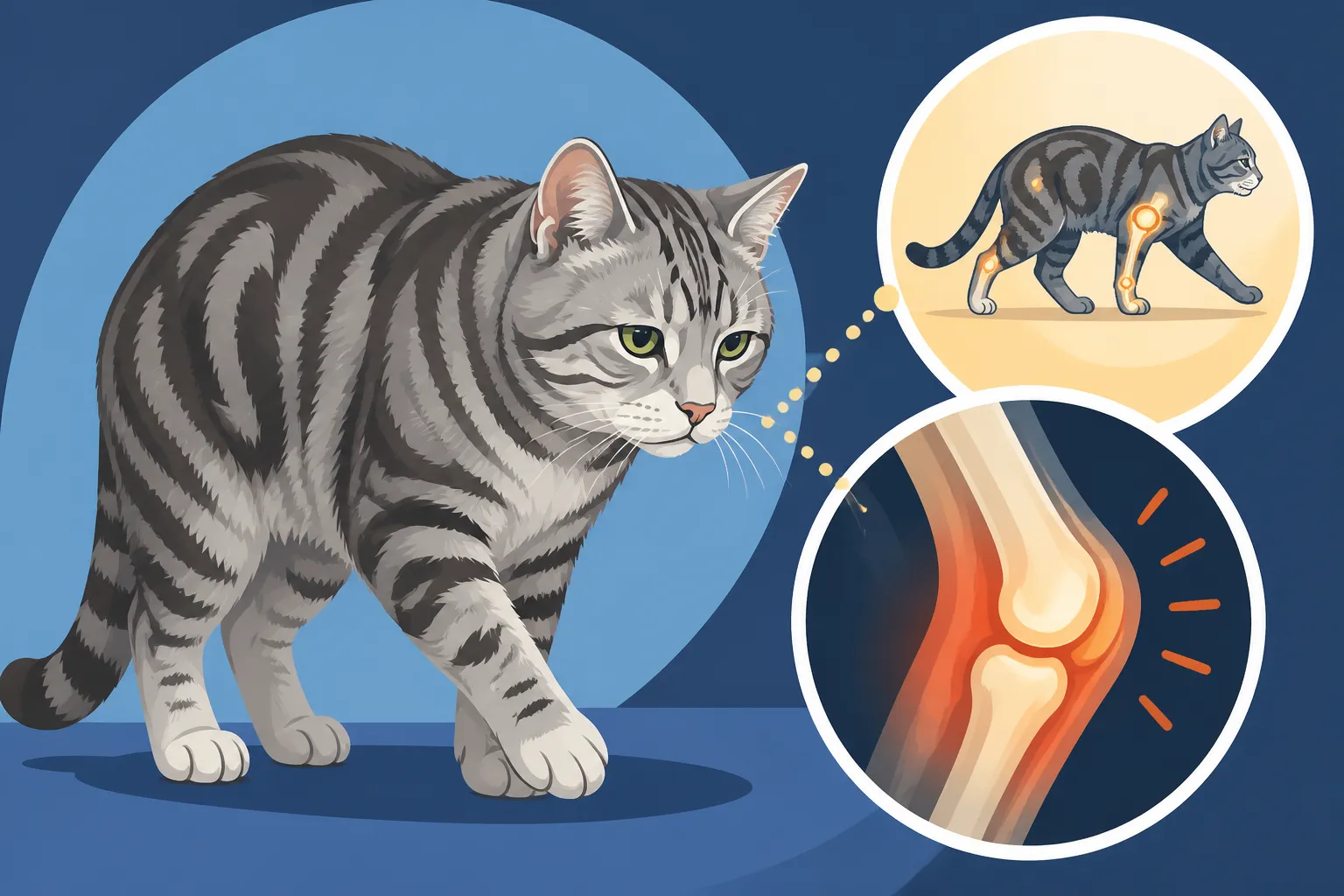
While a general slowdown is normal, genuine joint discomfort or the onset of conditions like arthritis can manifest in very subtle ways long before your cat develops an obvious limp. American Shorthairs, known for their stoic nature and working-cat lineage, are particularly adept at hiding pain. This makes it even more important for us, their human companions, to be vigilant and understand the nuanced indicators that something might be amiss. Their instinct to conceal vulnerability is strong, a leftover from their survival days, so you need to become an expert detective.
Changes in Movement Patterns
When joint pain begins to creep in, your American Shorthair won't necessarily start limping immediately. Instead, you'll often notice changes in their everyday movement patterns. Perhaps they take slightly longer to get up from a nap, or they shift their weight more deliberately. Their gait might become a little stiffer, or they might seem to walk with less fluidity, almost as if they are thinking about each step. You might also observe them adjusting how they navigate obstacles. They might start to avoid jumping onto the tall bookshelf, choosing instead to use a chair as an intermediate step. This avoidance is a key signal.
Pay close attention to how they use their litter box. If they struggle to get in or out, or if they adopt an awkward posture while eliminating, it could be a sign of hip or back discomfort. Similarly, grooming habits can be affected; if they can't twist comfortably to reach their lower back or tail, that area might start to look a bit disheveled. These small alterations in their daily routine are their quiet way of telling you that their body isn't as cooperative as it once was. Understanding Why an American Shorthair Stops Jumping to the Counter can be incredibly telling here; it's often not disinterest, but discomfort.
Reluctance to Engage in Past Activities
Beyond just slowing down, a significant indicator of burgeoning joint issues is a clear reluctance to engage in activities they once enjoyed and performed with ease. If your American Shorthair used to love launching themselves onto the bed or windowsill, but now hesitates, paces, or looks for an alternative route, it’s a red flag. They might even just sit and stare longingly at a favorite high spot they can no longer comfortably reach. This isn't just a decrease in energy; it's an active avoidance of movement that causes pain or discomfort.
Another subtle sign is a change in how they interact with you or other pets. If they usually enjoy a vigorous play session with a housemate but now shy away, or if they avoid being petted in certain areas that might require them to shift their body weight, it's worth noting. Even changes in their sleeping positions can be a clue; if they used to curl up tightly but now stretch out more, it might be an attempt to relieve pressure on sore joints. These behavioral shifts are often more telling than an obvious physical limp because they happen long before the pain becomes debilitating. If you notice these changes, a trip to the vet is a good idea to discuss options, including pain management or joint supplements, which a good pet insurance plan like one from Healthy Paws might help cover.
The Role of Weight and Muscle Loss in Mobility
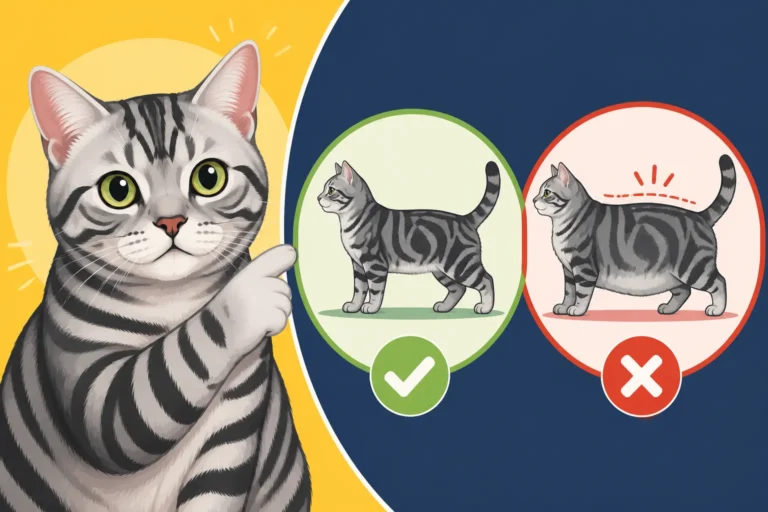
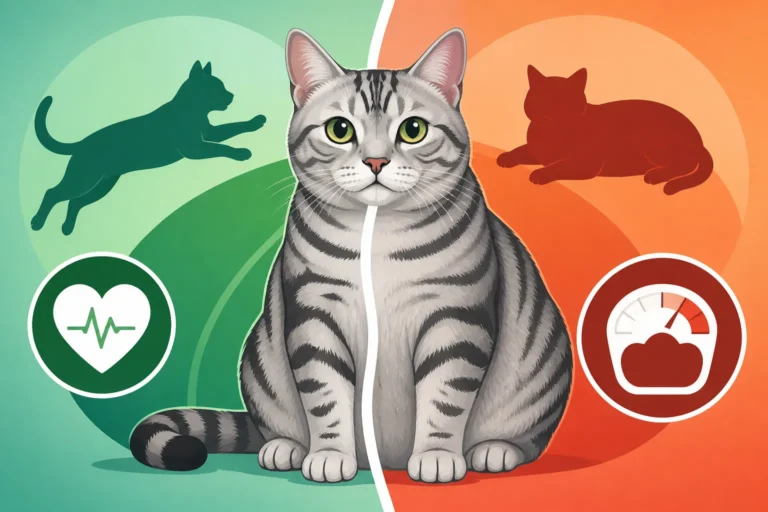
It’s a common misconception that all older cats are thin. While some do lose weight, many American Shorthairs, especially indoor ones, actually gain weight as they age and their activity levels naturally decrease. This weight gain, combined with the inevitable muscle loss that comes with seniority, creates a double whammy for their mobility. Each factor exacerbates the other, making movement increasingly challenging even before any noticeable limping starts.
Impact of Extra Pounds on Joints
An American Shorthair, with its robust and muscular build, is designed to be agile and efficient. What extra weight does to an American Shorthair's working frame is profound. Every extra pound your cat carries puts additional strain on their joints, particularly their hips, knees, and spine. Imagine trying to walk around all day with a heavy backpack strapped to you – that's what even a few extra ounces can feel like for a cat whose body is designed for a lean, predatory lifestyle. This increased load accelerates the wear and tear on cartilage, leading to inflammation and pain.
This additional pressure can turn mild, age-related stiffness into chronic discomfort. You might notice them struggling with stairs, moving slower, or becoming less inclined to jump, not just because they’re getting old, but because the extra weight makes these actions physically taxing and painful. It's a cruel cycle: the pain discourages movement, which leads to more weight gain, which then increases the pain. This is why addressing weight is often one of the first and most impactful steps a veterinarian will recommend. Your vet can help you create a plan, and policies from providers like Healthy Paws can often assist with the costs of vet visits and prescribed weight management food. You can learn How to spot weight gain on a square built American Shorthair to stay ahead of the curve.
Muscle Atrophy and Weakness
As cats age, they naturally experience sarcopenia, which is the age-related loss of muscle mass. For an American Shorthair, a breed known for its powerful, muscular frame, this can be particularly impactful. As muscles weaken, they provide less support to the joints, making them more vulnerable to injury and pain. Weak hindquarters, for instance, can make jumping and climbing much harder, contributing to that overall slowdown you observe. You'll often notice Why an old American Shorthair loses muscle first, often starting in the hind legs, making those grand leaps a distant memory.
Muscle atrophy also affects balance and coordination. Your cat might seem a bit clumsier, occasionally stumbling, or hesitating on uneven surfaces. This isn’t just about aesthetic changes; it directly impacts their ability to move freely and confidently. This loss of muscle isn’t always obvious until it’s quite advanced, as fat can sometimes replace muscle, masking the true extent of the atrophy. Regular, gentle exercise, appropriate nutrition, and even physical therapy in some cases can help slow down this process and maintain crucial muscle mass, keeping your American Shorthair mobile for longer.
Common Age-Related Conditions Mimicking Mobility Issues
While joint pain and muscle loss are significant culprits, it's important to remember that a slowdown in an older American Shorthair isn't always directly linked to their musculoskeletal system. Other age-related health conditions can present with symptoms that mimic mobility issues, making your cat appear slower or less agile. It's why a thorough veterinary check-up is so important, to rule out or diagnose these other potential health concerns.
Subtle Cardiovascular Changes
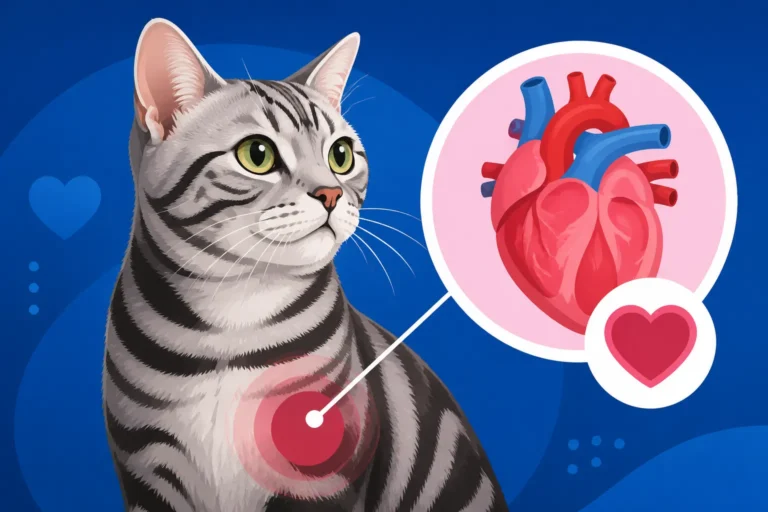
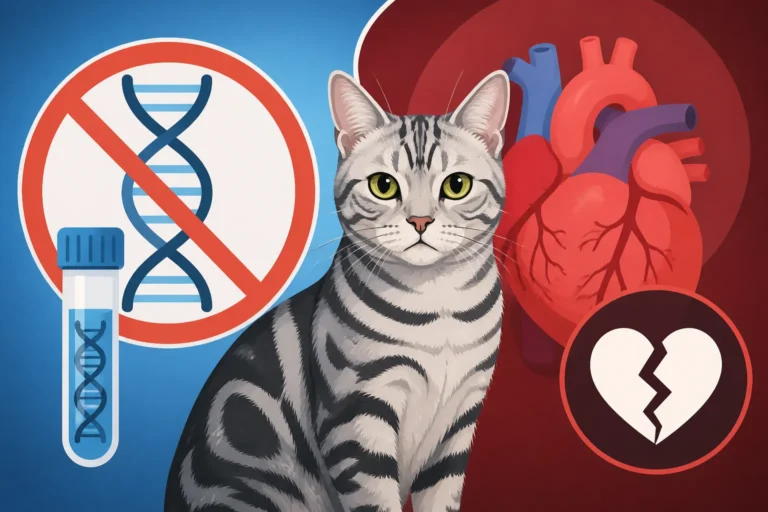
Heart disease, particularly hypertrophic cardiomyopathy (HCM), is a concern in many cat breeds, and while the American Shorthair is generally considered healthy, no breed is entirely immune to all conditions. Even if not directly HCM, a general weakening of the heart muscle or other cardiovascular issues can lead to a reduction in stamina and overall energy. Your American Shorthair might seem lethargic, tire easily during even short bursts of activity, or simply be less inclined to move around. This isn't because their joints hurt, but because their heart isn't pumping blood and oxygen as efficiently to their muscles and organs.
These subtle changes in cardiovascular health can easily be mistaken for simple old age or early signs of arthritis. A cat with compromised heart function might prefer to rest more, avoid strenuous activity, and show a general lack of enthusiasm that looks like a mobility problem. A vet might notice a heart murmur during a routine exam, prompting further investigation, such as an echocardiogram. Early detection is key, and while heart disease can't always be cured, it can often be managed with medication to improve your cat's quality of life. Regular veterinary visits are crucial for monitoring these internal systems, and having pet insurance like Healthy Paws can ease the financial burden of diagnostic testing.
Neurological Shifts and Balance
As cats age, their neurological system can also undergo changes, which might affect their coordination, balance, and proprioception (their sense of where their body is in space). This can manifest as a general unsteadiness, a slight tremor in their legs, or an altered gait. They might appear a bit wobbly, especially when navigating turns or uneven surfaces. These subtle neurological shifts can easily be misinterpreted as joint pain, as the end result — a slower, less confident mover — is similar. You might even observe What confusion looks like in an American Shorthair past sixteen, which can sometimes accompany these neurological changes, further affecting their confidence in movement.
Conditions like senile dementia or even certain brain tumors can also affect a cat's balance and coordination, making them appear clumsy or hesitant. They might misjudge jumps, stumble when walking, or have difficulty orienting themselves. These are not typically painful conditions in themselves, but they significantly impact a cat's ability to move gracefully and confidently. A vet can perform neurological examinations to help differentiate between musculoskeletal and neurological causes for your cat's slowdown, ensuring the correct treatment plan is initiated.
Proactive Steps for Supporting Your Senior American Shorthair
Noticing your American Shorthair slowing down can be worrying, but the good news is there's a lot you can do to support them and maintain their quality of life as they age. Proactive care, focusing on their unique needs as a senior cat, can make a world of difference in keeping them comfortable and mobile for as long as possible.
Tailored Nutrition and Weight Management
One of the most critical aspects of caring for a senior American Shorthair is managing their weight and ensuring they receive appropriate nutrition. As discussed, extra weight puts immense strain on aging joints. Your vet can help you determine your cat's ideal weight and create a tailored feeding plan. This might involve transitioning to a senior-specific diet that's lower in calories but still packed with essential nutrients, or even a prescription weight-loss diet if needed. Portion control is paramount, as Why a bowl left down ruins an American Shorthair applies even more strongly to older, less active cats who are prone to weight gain.
Beyond just calorie count, consider the ingredients. Look for foods that support joint health, often containing glucosamine, chondroitin, and omega-3 fatty acids. These can help reduce inflammation and support cartilage health. Ensuring your cat stays hydrated is also vital, so incorporating wet food into their diet can be beneficial. Regular weight checks at home and during vet visits are key to tracking progress and adjusting their diet as needed. Remember, small, consistent changes make the biggest impact over time.
Environmental Adjustments and Gentle Exercise
Making your home more senior-cat-friendly can significantly improve your American Shorthair's comfort and mobility. Provide ramps or sturdy steps to their favorite elevated spots, like windowsills, beds, or sofas, so they don't have to jump as high. Ensure their litter box has lower sides, making it easier for them to enter and exit without straining their hips or back. Comfortable, orthopedic beds can also provide much-needed support for aching joints.
Gentle, regular exercise is still important to maintain muscle tone and flexibility, even if they're not as enthusiastic as they once were. Short, low-impact play sessions with a feather wand or soft toy that don't involve high jumps or strenuous activity can keep them engaged. Consider puzzle feeders to provide mental stimulation and encourage slow, deliberate movement. You want to maintain their activity level without causing pain. You can read How an old American Shorthair shows its joints hurt for more specific signs to watch for during exercise.
Regular Veterinary Check-ups and Early Intervention
Perhaps the most crucial proactive step is maintaining a schedule of regular veterinary check-ups. For senior cats, this often means twice-yearly visits instead of annual ones, allowing your vet to catch subtle changes early. Your vet can monitor their weight, assess joint health, check for signs of cardiovascular disease, and perform blood work to screen for common age-related conditions like kidney disease, thyroid issues, or diabetes. These check-ups are your best defense against chronic illness creeping up unnoticed.
If your vet identifies early signs of arthritis, they can recommend a range of interventions, from joint supplements and anti-inflammatory medications to physical therapy or even laser treatments. Early intervention is always more effective than waiting until your cat is in significant pain or clearly limping. Don't be afraid to discuss pet insurance options with your vet; a comprehensive plan from a provider like Healthy Paws can be a lifesaver, helping to cover the costs of these diagnostic tests, ongoing medications, and specialized treatments, ensuring you can always prioritize your cat's health without financial stress. Being vigilant and proactive with vet care gives your beloved American Shorthair the best chance at a comfortable, happy senior life.
Disclaimer
This article is intended for informational purposes only and does not constitute veterinary advice. Always consult with a qualified veterinarian for any health concerns or before making any decisions about your pet's medical care.