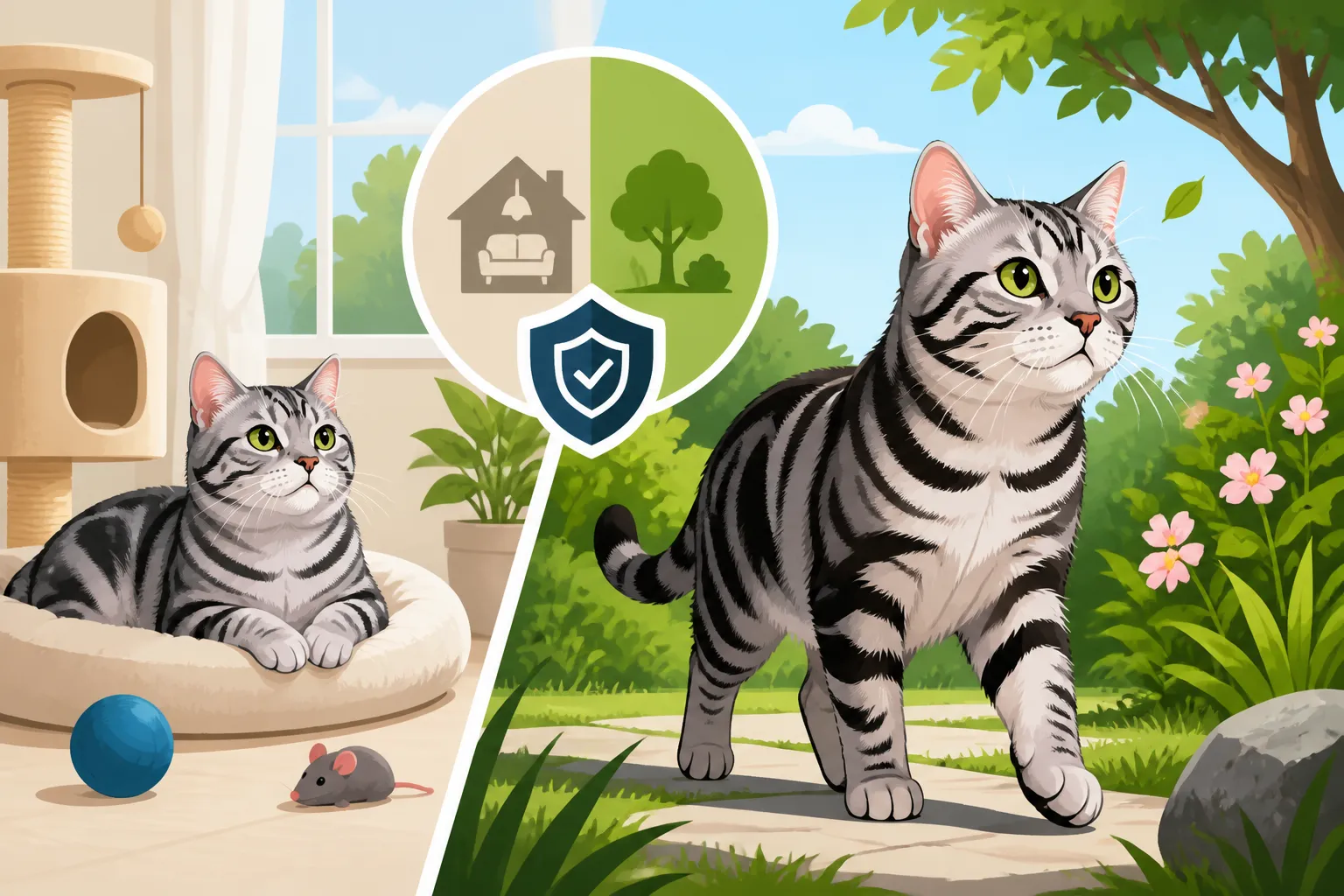
What an Outdoor American Shorthair Needs That an Indoor One Does Not
Bringing an American Shorthair into your life is a wonderful decision, but if you're considering allowing them access to the great outdoors, you're signing up for a different set of responsibilities than those who keep their feline companions strictly indoors. Outdoor life, while seemingly natural for a cat, introduces unique challenges and needs that must be addressed to ensure your sturdy, self-sufficient American Shorthair stays healthy, happy, and safe. This comprehensive guide will walk you through the specific care and nutritional considerations required for an outdoor American Shorthair, detailing exactly what they need that their indoor counterparts typically do not.
Enhanced Health and Parasite Protection
Let's be real, the world outside is a beautiful, stimulating place for a cat, but it's also teeming with unseen threats. An American Shorthair venturing beyond your four walls is constantly exposed to a wider array of pathogens, parasites, and potential injuries. This isn't about fear-mongering; it's about acknowledging the reality of an environment that nature intended, but which also comes with inherent risks in our modern world. Therefore, a much more rigorous approach to preventative healthcare becomes absolutely non-negotiable for your adventurous furball.
Comprehensive Vaccination Protocols
For an American Shorthair that spends time outdoors, your vet is likely to recommend a more extensive vaccination schedule than for a strictly indoor cat. It’s not just the standard "core" vaccines, but additional protections against diseases that are far more prevalent in the outdoor environment. Think about it: your cat is interacting, directly or indirectly, with other animals – strays, wildlife, neighborhood cats – and these interactions are prime opportunities for disease transmission.
The Feline Leukemia Virus (FeLV) vaccine, for instance, is often considered optional for indoor-only cats, but it's almost universally recommended for outdoor American Shorthairs. FeLV is a serious, often fatal, viral infection that is spread through saliva, blood, and sometimes urine and feces, typically during cat fights, mutual grooming, or even sharing food bowls. Given that your outdoor American Shorthair is likely to encounter other felines, sometimes in less-than-friendly contexts, this vaccine provides a crucial layer of defense. You don't want to find yourself in the heartbreaking situation of having to manage a FeLV-positive cat, knowing it could have been prevented. Similarly, rabies vaccination, while often legally mandated in many areas, is absolutely critical. Imagine the sheer terror of your cat encountering a rabid wild animal; prevention is the only real cure here. These aren't just minor precautions; they are foundational pillars of an outdoor cat's health strategy. If you're wondering Whether an Outdoor American Shorthair Needs FeLV Cover, the answer is almost certainly yes.
Year-Round Parasite Control
This is where the rubber truly meets the road for outdoor cat care. Fleas, ticks, and various internal parasites are simply part of the outdoor landscape. Your indoor cat might pick up a stray flea from a visitor's shoe, but your outdoor American Shorthair is actively walking through grass where ticks are waiting, sniffing around bushes where fleas reside, and potentially ingesting prey or contaminated soil that harbors worms. Relying on seasonal treatments just won't cut it.
You need a robust, year-round parasite prevention plan. This typically involves monthly topical treatments or oral medications that cover fleas and ticks, as well as regular deworming. Your vet will advise on the best products, and reliable retailers like Chewy often carry a wide range of veterinary-approved options. It’s not just about preventing discomfort for your cat, though that’s certainly a huge part of it. Fleas can cause severe itching, skin infections, and even anemia in heavy infestations. Ticks can transmit serious diseases like Lyme disease or anaplasmosis. Worms, from roundworms to tapeworms, can lead to digestive issues, nutrient deficiencies, and in severe cases, more serious health problems. Some of these parasites are also zoonotic, meaning they can pass to humans, which adds another layer of concern for your family's health. Understanding Which Parasites an Outdoor American Shorthair Picks Up is the first step in effective prevention.
Increased Risk of Injury and Illness
Beyond vaccinations and parasites, the outdoor world is inherently more dangerous for an American Shorthair. They face threats from cars, other animals, and environmental hazards that an indoor cat simply doesn't encounter. This means you need to be extra vigilant and prepared for potential emergencies.
Road traffic accidents are a leading cause of death and injury for outdoor cats. Even the most street-smart cat can misjudge a car's speed or react unpredictably to a sudden noise. Fights with other cats, dogs, or wildlife can result in abscesses, deep puncture wounds, broken bones, or the transmission of diseases like Feline Immunodeficiency Virus (FIV). While your American Shorthair might be a hardy hunter, facing off against a raccoon or a larger dog can have devastating consequences. Then there are environmental toxins: antifreeze spilled on a driveway, rodenticides used by neighbors, or poisonous plants in gardens. All of these present real, tangible dangers that require constant awareness and prompt veterinary attention if your cat is exposed. Knowing Which Injuries an Outdoor American Shorthair Comes Home With can help you spot issues quickly, and being aware of How Road Traffic Shortens an Outdoor American Shorthair's Life can inform your decisions about outdoor access.
Specialized Dietary Considerations
An American Shorthair that spends its days patrolling, exploring, and perhaps even hunting outdoors is burning significantly more calories and expending more energy than its indoor counterpart, whose primary activities might be napping on the sofa or chasing a laser pointer. Their diet needs to reflect this higher activity level, ensuring they have the fuel to sustain their adventures and maintain their robust physique.
Higher Calorie and Protein Requirements
Think of your outdoor American Shorthair as an athlete. An athlete needs more fuel than someone who's sedentary, and the same principle applies here. The sheer act of being outside, navigating varied terrain, regulating body temperature in different weather, and engaging in natural hunting behaviors requires a substantial energy output. This means their food needs to be more calorie-dense and rich in high-quality protein to support muscle maintenance and repair.
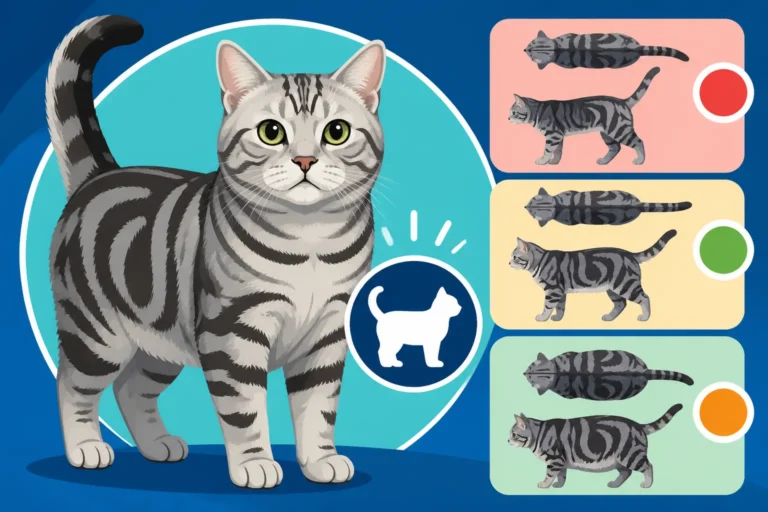
You might find that your outdoor American Shorthair needs a larger portion of their regular food, or perhaps a formula specifically designed for “active” or “performance” cats. These foods are typically formulated with higher fat content for energy and increased protein to support their strong, muscular build, which is a hallmark of the breed. Don't just guess, though. Regularly monitor your cat's weight and body condition. If they're looking a bit lean, despite ample food, it’s a clear sign their energy needs aren't being met. Conversely, if they start to put on too much weight, you might be overfeeding, even with their increased activity. Fresh, nutrient-dense meals could be an excellent choice for an active cat, supporting their energy levels and overall vitality. Remember that Feeding an American Shorthair That No Longer Hunts Its Food takes careful consideration, even more so when they are still hunting.
Hydration in an Outdoor Environment
Access to fresh water is crucial for any cat, but it becomes even more vital for an outdoor American Shorthair. They're more susceptible to dehydration, especially during warmer months or if they're particularly active. While they might find puddles or other water sources outdoors, these sources are often contaminated with parasites, bacteria, or chemicals, making them unsafe.
It's essential to provide multiple, accessible sources of clean, fresh water both inside and outside your home. Consider placing sturdy water bowls in sheltered spots in your yard, perhaps under a porch or in a shed, to keep them shaded and clean. If your cat is a bit picky, a pet fountain might encourage them to drink more. During winter, ensuring their outdoor water source doesn't freeze is another crucial consideration. Dehydration can quickly lead to serious health issues, including urinary tract problems and kidney strain, which are already concerns for some cats as they age. Your American Shorthair might be independent, but they still rely on you for safe hydration.
Advanced Grooming and Coat Maintenance
The American Shorthair's coat is naturally dense and resilient, designed to protect them from the elements and shed water, a legacy of their working cat ancestors. However, an outdoor lifestyle puts this protective coat to the ultimate test, meaning their grooming needs, while still minimal compared to long-haired breeds, are significantly different from an indoor cat's.
Dealing with Environmental Debris and Mats
An outdoor American Shorthair will inevitably bring bits of the outside world indoors with them. We're talking about leaves, twigs, dirt, burrs, and even sticky sap or tar. While their short, hard coat is generally low-maintenance and resistant to matting, these foreign objects can get caught in their fur, especially during seasonal changes when their undercoat might be thicker, or if they've explored particularly dense undergrowth.
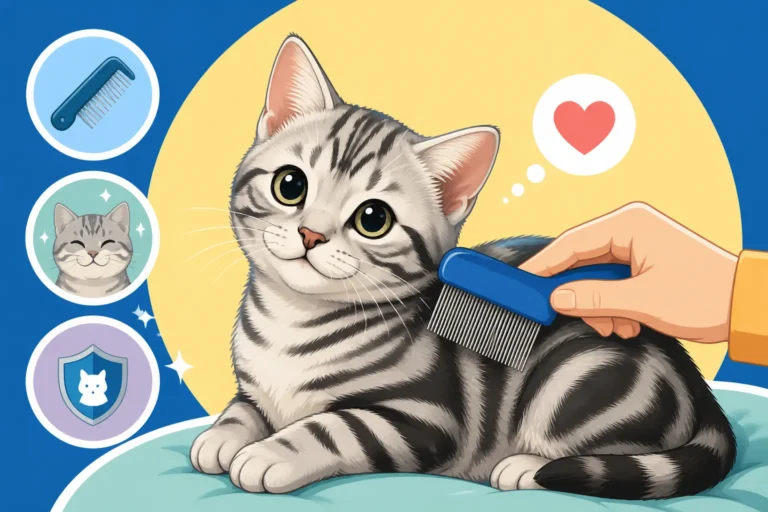
Regular, quick checks, especially after they've been outside for a while, are key. A good, sturdy comb, like one you might find on Amazon, can quickly remove loose debris. Pay particular attention around their legs, belly, and tail, as these areas are most likely to pick up hitchhikers. If you find a burr or a sticky substance, try to remove it gently. Sometimes, a warm, damp cloth is all it takes; other times, a tiny bit of pet-safe oil (like mineral oil) can help loosen sticky things before a gentle wipe. Avoid cutting out mats with scissors too close to the skin, as it's easy to accidentally cut your cat. If you encounter something stubborn, a trip to the vet or a professional groomer who understands cat coats might be necessary. Your American Shorthair's coat was built for purpose, but it still needs a little help managing the modern world's challenges. The American Shorthair's Coat Was Built for Weather, Not a Judge, but even the best coat has its limits.
Regular Inspections for Wounds and Parasites
Beyond aesthetic debris, the outdoor environment presents a constant risk of injury and parasite infestation, necessitating diligent post-adventure inspections. Your American Shorthair is a stoic breed, often hiding pain or discomfort until it's quite advanced, making your careful oversight even more critical.
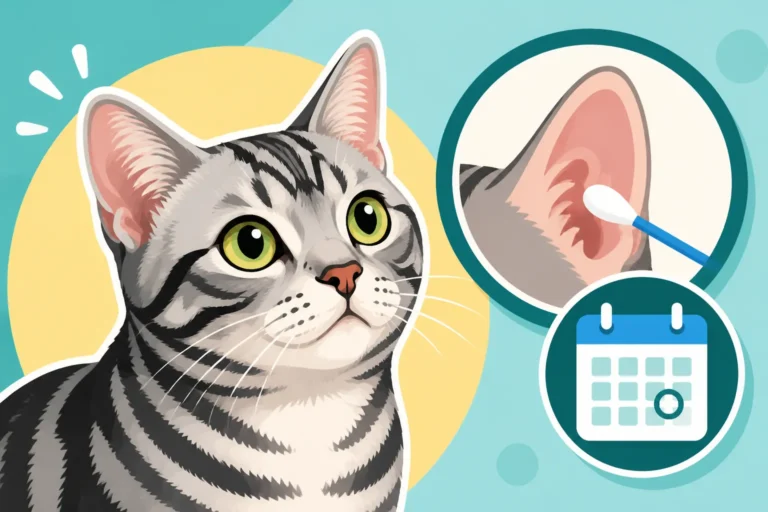
After every outdoor excursion, especially if you notice they've been in a tussle or exploring rough terrain, take a few minutes to perform a full body check. Gently run your hands over their entire body, feeling for any lumps, bumps, cuts, scratches, or swelling. Look closely at their paws for thorns or injuries, check their ears for debris or signs of mites, and gently part their fur to inspect for fleas and ticks. Ticks, in particular, love to hide in warm, dark places like inside ears, between toes, or under the collar. If you find a tick, remove it carefully with tweezers, grasping it as close to the skin as possible and pulling straight out. Early detection of any wound or parasite means faster treatment and prevents minor issues from escalating into serious infections or diseases. An American Shorthair might seem invincible, but they still need your attentive care.
Shelter and Safety Considerations
While your outdoor American Shorthair may enjoy their freedom, they still need a safe haven, a home base to retreat to when the weather turns foul or threats emerge. Simply letting them roam without thought for their shelter and safety is irresponsible; we need to provide them with the best possible chances in the potentially harsh outdoor world. This is about balancing their innate desire to explore with your responsibility to protect them.
Accessible and Safe Outdoor Shelter
Even if your American Shorthair has full access to your home, there will be times when they are outside and need immediate protection from the elements or a sudden threat. Imagine a sudden thunderstorm, a surprise hail shower, or the appearance of a stray dog in your yard. Having an easily accessible, safe, and dry outdoor shelter can make all the difference.
This doesn't have to be anything elaborate. A sturdy, insulated cat house (you can find various options on Chewy or Amazon), perhaps with a self-warming pad for colder climates, placed in a sheltered spot in your yard, can provide invaluable refuge. Make sure it's elevated slightly off the ground to prevent dampness and has a small, easy-to-access opening that can be blocked from larger predators. A garage or a shed, left slightly ajar, can also serve this purpose, as long as it's free of chemicals or dangerous tools. The key is that your cat knows it's there and can get to it quickly. This small measure can protect them from exposure, which can quickly lead to hypothermia in winter or heatstroke in summer, and also offer a sense of security against perceived threats.
Managing Traffic and Predator Risks
Let's address the elephant in the room: traffic. It's probably the biggest and most heartbreaking risk for outdoor cats. No matter how quiet your street seems, cars are a constant danger. You can't train a cat to understand traffic laws, and their instincts, honed for hunting small prey, don't always translate to avoiding fast-moving vehicles.
Beyond traffic, depending on your location, your American Shorthair faces a variety of predators: coyotes, owls, foxes, or even aggressive dogs. This is a difficult truth for many cat owners to swallow, but it's vital to consider these risks when deciding on outdoor access. If your home is in an area with high traffic or known wildlife activity, you might need to seriously reconsider unsupervised outdoor time. Why Letting an American Shorthair Outside Is a Real Decision often comes down to weighing these grave dangers. Creating a "catio" (a secure outdoor enclosure) can be a fantastic compromise, allowing your cat to experience fresh air, sunshine, and stimulation without the direct risks of roaming. If full outdoor access is still your choice, consider restricting their time outside to daylight hours, when traffic might be lower and some nocturnal predators are less active.
Microchipping and Identification
This is another critical area where outdoor American Shorthairs need something more than their indoor cousins. While an indoor cat might still benefit from a microchip in case they accidentally slip out, for an outdoor cat, it's nothing short of a lifesaver. The chances of them wandering off, getting disoriented, or being picked up by someone who thinks they're a stray are significantly higher.
The Lifesaving Power of a Microchip
A microchip is a tiny, rice-sized transponder implanted just under your cat's skin, usually between the shoulder blades. It stores a unique identification number that can be read by a scanner at a vet's office or animal shelter. This number is linked to your contact information in a national database. If your American Shorthair gets lost, injured, and ends up at a shelter or vet, the microchip is their ticket home.
Without a microchip, a lost cat is often indistinguishable from a stray, making it incredibly difficult to reunite them with their family. It’s a one-time procedure, typically done during a routine vet visit, that offers peace of mind for their entire life. Many heartbreaking stories of lost pets have happy endings precisely because of a microchip. Imagine your independent American Shorthair, a bit disoriented after a long wander or a scary encounter, being found by a kind stranger. That tiny chip is their voice, telling everyone where they belong. A Roaming American Shorthair Must Be Chipped – it’s really that simple and that important.
Collars and ID Tags: Pros and Cons Outdoors
While a microchip is permanent and internal, a collar with an ID tag offers immediate, visible identification. If someone finds your American Shorthair, they can instantly see your phone number and perhaps even "I am microchipped" on the tag, speeding up the reunification process significantly.
However, collars for outdoor cats come with their own set of considerations. The most crucial is safety. Your cat needs a breakaway collar. This type of collar is designed to snap open if it gets snagged on a branch, fence, or another cat during a fight. A non-breakaway collar can be a strangulation hazard, which is a truly terrifying thought. While the risk of a lost collar is higher with a breakaway design, the safety benefit far outweighs it. You might also want to ensure the tag is durable and securely attached, perhaps even silent if the jingling bothers your cat. Regularly check the fit to ensure it's not too tight or too loose, and replace it if it becomes worn or damaged. Combining a safe breakaway collar with an ID tag and a microchip provides the best possible chance of your beloved American Shorthair finding their way home if they ever wander too far.
Behavioral Enrichment for a Hunter's Instinct
The American Shorthair carries a strong hunting drive, a genetic blueprint forged over centuries of mousing and pest control on farms and ships. When they're allowed outdoors, this instinct kicks into high gear. While it's natural for them to hunt, it also comes with ethical considerations and risks that indoor cats, with their more controlled environments, largely avoid. Understanding and managing this instinct is a key part of caring for an outdoor American Shorthair.
Providing Safe Hunting Outlets
An outdoor American Shorthair, by nature, is likely to hunt. Whether it's chasing insects, small rodents, or birds, this is a deeply ingrained behavior. Suppressing it completely can lead to frustration and behavioral issues, but allowing unchecked hunting can have negative impacts on local wildlife. It's a tricky balance, but one you must actively manage. Your American Shorthair's ancestors were The Mayflower Cats Behind the American Shorthair, and that predatory drive is still very much alive.
One way to manage this is through engaging play sessions indoors, designed to mimic the hunting sequence. Wand toys that resemble birds or mice, allowing your cat to stalk, chase, pounce, and "kill" (catch the toy), can go a long way in satisfying their predatory urges in a controlled environment. Puzzle feeders that make them "work" for their food can also tap into their natural foraging instincts. While these activities won't completely eliminate outdoor hunting, they can provide a healthy outlet and potentially reduce the intensity of their real-world pursuits. Knowing How Strong an American Shorthair's Hunting Drive Is helps you understand the importance of these outlets.
How to Manage Their Roaming Habits
An American Shorthair given outdoor access will establish a territory and patrol it regularly. This is part of their natural behavior, but it can lead them into dangerous situations, far from home or into conflicts with other animals. Managing their roaming habits isn't about control in the human sense, but about setting up a structure that minimizes risk while respecting their independence.
Consider the "when" of their outdoor time. Limiting outdoor access to certain hours, such as daylight only, can reduce encounters with nocturnal wildlife and decrease the risk of being out during peak traffic times. Training your American Shorthair to come when called, perhaps with a specific treat or sound, can be incredibly useful for getting them back indoors quickly if danger arises or it's time to come in for the night. This takes patience and consistency, but an American Shorthair is quite intelligent and food-motivated. GPS trackers designed for cats, available on platforms like Amazon, can also provide peace of mind, allowing you to monitor their general whereabouts and see how far they typically roam. This information can help you understand their territory and identify any particularly risky areas they frequent. Ultimately, it's about making informed decisions about What an Outdoor American Shorthair Needs That an Indoor One Does Not to keep them as safe as possible.
Environmental Adaptations for an Outdoor Lifestyle
The outdoors isn't just about fun and games; it's a dynamic environment that constantly challenges a cat's ability to adapt. An American Shorthair, while robust, still needs certain considerations to thrive when exposed to varying temperatures, different terrains, and the general wear and tear of an active outdoor life. You need to be their advocate in adapting your environment for their comfort and safety.
Temperature Regulation and Seasonal Changes
One of the biggest differences between an indoor and outdoor American Shorthair is exposure to the full range of weather conditions. Indoor cats live in a climate-controlled bubble, but outdoor cats must contend with scorching summers, freezing winters, rain, and snow. While the American Shorthair's coat offers natural insulation, extremes can still be dangerous. The American Shorthair's Coat Was Built for Weather, Not a Judge, but even so, there are limits to its protection.
During the warmer months, ensuring constant access to shade and multiple sources of fresh water is paramount. Cats can suffer from heatstroke just like dogs, and being outside without relief can be deadly. In winter, an insulated shelter (as discussed earlier) is non-negotiable. Freezing temperatures and prolonged exposure can lead to hypothermia and frostbite, especially on sensitive areas like ears and paw pads. You might also notice their coat thickening in preparation for winter and shedding heavily in spring. This natural process requires no intervention from you, other than perhaps some extra brushing to help them manage the shed hair, but it's a clear indicator of their physiological adaptation to the seasons.
Paw Care for Rough Terrain
An indoor American Shorthair’s paws are likely soft and pampered, rarely encountering anything rougher than carpet or hardwood floors. An outdoor American Shorthair, however, subjects their paw pads to much harsher conditions: hot pavement, rough concrete, gravel, sharp twigs, and icy surfaces. Their paws are their primary mode of transportation and their defense mechanism; keeping them healthy is vital.
Regularly check your outdoor American Shorthair's paw pads for cuts, abrasions, cracks, or embedded debris. In summer, be mindful of extremely hot surfaces like asphalt, which can cause painful burns. In winter, ice, snow, and de-icing chemicals can be irritating or even toxic. You might consider using a pet-safe paw balm to keep their pads supple and prevent cracking, especially in dry or cold weather. While some cats tolerate paw booties, most American Shorthairs would likely object. Instead, focus on checking their paws after they’ve been outside and cleaning them if they’ve walked on potentially irritating substances. If you notice persistent limping, excessive licking of paws, or any visible injuries, it's time for a vet visit, as even minor paw injuries can become infected quickly.
Nutritional Support for an Active Lifestyle
We've touched on calorie needs, but it's worth delving deeper into the specifics of nutritional support for an American Shorthair living an active outdoor life. Their metabolism is working harder, their immune system is under more pressure, and their muscular frame needs optimal fuel to maintain its strength and agility. This isn't just about giving them more food; it's about giving them the right food.
High-Quality Protein for Muscle Maintenance
The American Shorthair is known for its sturdy, well-muscled build. This powerful physique, honed over generations of hunting, requires a significant amount of high-quality protein to maintain. For an outdoor American Shorthair, who is constantly using those muscles for patrolling, climbing, and potential hunting, protein becomes an even more critical component of their diet.
Look for cat foods where animal-based protein sources (like chicken, turkey, beef, or fish) are the first ingredients. These provide the essential amino acids your cat needs to build and repair muscle tissue, support a healthy coat, and maintain overall vitality. While carbohydrate fillers might be cheaper, they don't offer the same nutritional value for a carnivorous animal like a cat. A diet rich in protein helps your American Shorthair stay strong, agile, and resilient against the physical demands of outdoor life. If you're comparing options, consider foods that emphasize fresh, high-quality meat.
Energy-Dense Fats for Endurance and Warmth
Beyond protein, healthy fats are crucial for an outdoor American Shorthair, serving as a concentrated source of energy and supporting vital bodily functions. For a cat that spends time in varying temperatures, fats also play a role in maintaining body heat and insulating against the cold, especially when their winter coat is in full effect.
Foods with higher fat content provide the sustained energy release needed for prolonged activity. Omega-3 and Omega-6 fatty acids are particularly beneficial, contributing to skin and coat health, reducing inflammation, and supporting cognitive function. These can be found in fish oils or flaxseed, often added to premium cat foods. Just like with protein, the source of these fats matters. Avoid foods with excessive amounts of low-quality, rendered fats. While an indoor cat might need a lower-fat diet to prevent obesity, an active outdoor American Shorthair often thrives on a diet that provides ample, healthy fats to fuel their adventures and keep their coat in top condition, protecting them from the elements.
| Care Aspect | Indoor American Shorthair Needs | Outdoor American Shorthair Needs |
|---|---|---|
| Vaccinations | Core vaccines (Rabies, FVRCP) | Core vaccines + FeLV (Feline Leukemia Virus) + possibly FIV (Feline Immunodeficiency Virus) |
| Parasite Control | Minimal (occasional fleas, basic deworming) | Year-round, broad-spectrum prevention for fleas, ticks, and various worms |
| Dietary Calories | Moderate; prone to obesity if overfed | Higher calorie intake to support increased activity and metabolism |
| Grooming Checks | Routine brushing for shedding | Daily checks for debris, ticks, wounds, especially after outdoor time |
| Shelter | Warm, safe indoor environment | Accessible, insulated outdoor shelter in addition to indoor access |
| Identification | Microchip recommended | Microchip essential + breakaway collar with ID tag |
| Safety Risks | Minimal (household hazards) | High (traffic, predators, environmental toxins, fights) |
| Paw Care | Minimal | Regular inspection for cuts, burns, cracks; paw balm as needed |
| Behavioral Outlet | Play for exercise & mental stimulation | Structured play to satisfy hunting drive; safe outdoor space (catio) or supervised access |
| Water Access | Fresh water bowls indoors | Multiple fresh water sources both indoors and safely outdoors (non-freezing in winter) |
Proactive Wellness and Emergency Preparedness
Owning an outdoor American Shorthair means you need to be constantly thinking ahead, not just about day-to-day care, but about potential problems and how you'll respond. This proactive approach to their wellness is paramount, moving beyond simple feeding and grooming to include regular health monitoring and a plan for emergencies. It’s what an outdoor cat needs in terms of vigilance.
Regular Health Monitoring and Vet Check-ups
Even with all the preventative measures, an outdoor American Shorthair is simply at higher risk for various health issues. This makes regular, thorough vet check-ups even more critical. Your vet can catch subtle signs of illness or injury that you might miss, and they can ensure your parasite prevention and vaccination protocols are up to date and effective for your specific area.
Beyond the annual check-up, you become your cat's primary health monitor. Pay close attention to any changes in their behavior, appetite, drinking habits, litter box habits, or energy levels. Are they limping slightly after coming inside? Is there a new bump or scratch you hadn't noticed? Are they eating less, or hiding more? An outdoor cat might be stoic, but any deviation from their normal routine warrants investigation. Don't dismiss a minor limp or a patch of hair loss; for an outdoor cat, these could be early signs of something more serious. Your vet is your best partner in keeping your adventurous companion healthy.
Emergency Planning and First Aid
The increased risk of injury and illness for an outdoor American Shorthair means you absolutely need to have an emergency plan in place. This includes knowing who to call, where to go, and having some basic first-aid supplies on hand. Panic in an emergency doesn't help anyone, especially your injured cat.
Have your vet's emergency contact number readily available, along with the number for the nearest 24-hour animal emergency clinic. Know their location and how to get there quickly. Keep a pet first-aid kit stocked with essentials like sterile gauze, antiseptic wipes, pet-safe pain relief (only as directed by a vet), tweezers, and a cat carrier. Knowing how to safely transport an injured or distressed cat is also vital – a secure, familiar carrier is key. While you can't prevent every accident, being prepared for the worst can significantly improve the outcome for your American Shorthair. This is not about being paranoid, but about being a responsible owner to a cat who chooses to explore the wider world.
Ethical and Environmental Considerations
Allowing an American Shorthair to roam outdoors comes with a set of ethical and environmental responsibilities that extend beyond just your cat's individual well-being. It requires considering their impact on local wildlife and the potential for neighborhood conflicts. These are serious considerations that differentiate outdoor from indoor cat ownership and demand careful thought.
Impact on Local Wildlife
Let's face it: American Shorthairs are natural-born hunters. It's in their DNA. When they're outside, they will hunt, and they will catch prey. This can include small mammals, birds, reptiles, and amphibians, some of which may be part of fragile local ecosystems. This is a tough truth to confront, especially if you're an animal lover who also values wildlife. Understanding How Much Wildlife an American Shorthair Takes can be a difficult but necessary realization.
If you choose to allow your American Shorthair outdoor access, it's worth exploring ways to mitigate their impact on wildlife. The most effective way, as mentioned, is to provide indoor enrichment and outdoor catios. If free-roaming is preferred, ensuring they are well-fed before going out can sometimes slightly reduce their hunting drive, though it won't eliminate it entirely. Fitting a brightly colored "BirdsBeSafe" collar cover can make cats more visible to birds, giving them a better chance to escape, although opinions vary on its overall effectiveness. Ultimately, this is an ethical dilemma that every outdoor cat owner must grapple with, weighing the cat's freedom against the welfare of local wildlife.
Neighborhood Relations and Legalities
An outdoor American Shorthair doesn't just impact your household; they become part of the wider neighborhood ecosystem. While your cat might be a beloved member of your family, not everyone in your community will appreciate them wandering through their gardens, using their flowerbeds as litter boxes, or interacting with their pets.
This means you need to be a good neighbor. Be aware of local leash laws or ordinances regarding roaming pets. While many areas don't have strict laws for cats, nuisance complaints can quickly escalate. Some neighbors might have phobias, allergies, or simply prefer that animals don't enter their property. If your cat tends to wander into a neighbor's yard, consider discussing it with them and finding solutions, or adjust your cat’s outdoor access. While your American Shorthair is an independent spirit, their actions reflect on you as their owner. Being mindful and considerate can prevent conflicts and foster a more harmonious community for both you and your feline friend.
Disclaimer
This article is for general informational purposes only and does not constitute professional advice. Laws, prices and regulations vary by location and change over time. Consult a qualified professional for guidance on your specific situation.