What Makes an American Shorthair’s Coat Hard Rather Than Soft
One common thought many new American Shorthair owners have when they first run their hands over their cat's fur is, "Wait, why isn't this softer?" We're so used to associating "pedigree cat" with luxurious, plush, or silky coats, but the American Shorthair surprises many with its distinctly firm, resilient texture. This guide will dive deep into exactly why this breed's coat feels the way it does, celebrating its functional heritage and explaining what makes it so unique compared to its fluffy counterparts.
The Legacy of Function: Why the American Shorthair's Coat is Built for Work
Before they were cherished household companions gracing cat show rings, the ancestors of the American Shorthair were, quite simply, working cats. They weren't bred for aesthetic fluffiness; they were bred for survival and utility. This fundamental difference in their historical purpose is the root cause of their distinctive coat texture.
From Ship to Farm: A Coat for the Elements
Imagine a cat on a ship, tasked with keeping rats and mice at bay during long, often harsh sea voyages. Or picture a barn cat, patrolling expansive farmlands, enduring changing weather, navigating through underbrush, and even fending off small pests. These aren't environments where a delicate, easily matted coat would thrive. Instead, nature, and later selective breeding for hardiness, favored a coat that was tough, protective, and low-maintenance.
The American Shorthair's coat developed as a practical shield. It needed to be water-resistant enough to shed rain and spray, thick enough to provide insulation against cold winds and damp conditions, and durable enough to resist snagging on thorns or getting overly matted by dirt and debris. This isn't a coat designed for cuddles and softness as its primary trait, but for resilience and protection in a demanding environment. Every strand has a purpose, a testament to centuries of working ancestry.
Guard Hairs and Undercoat: The Structure of Protection
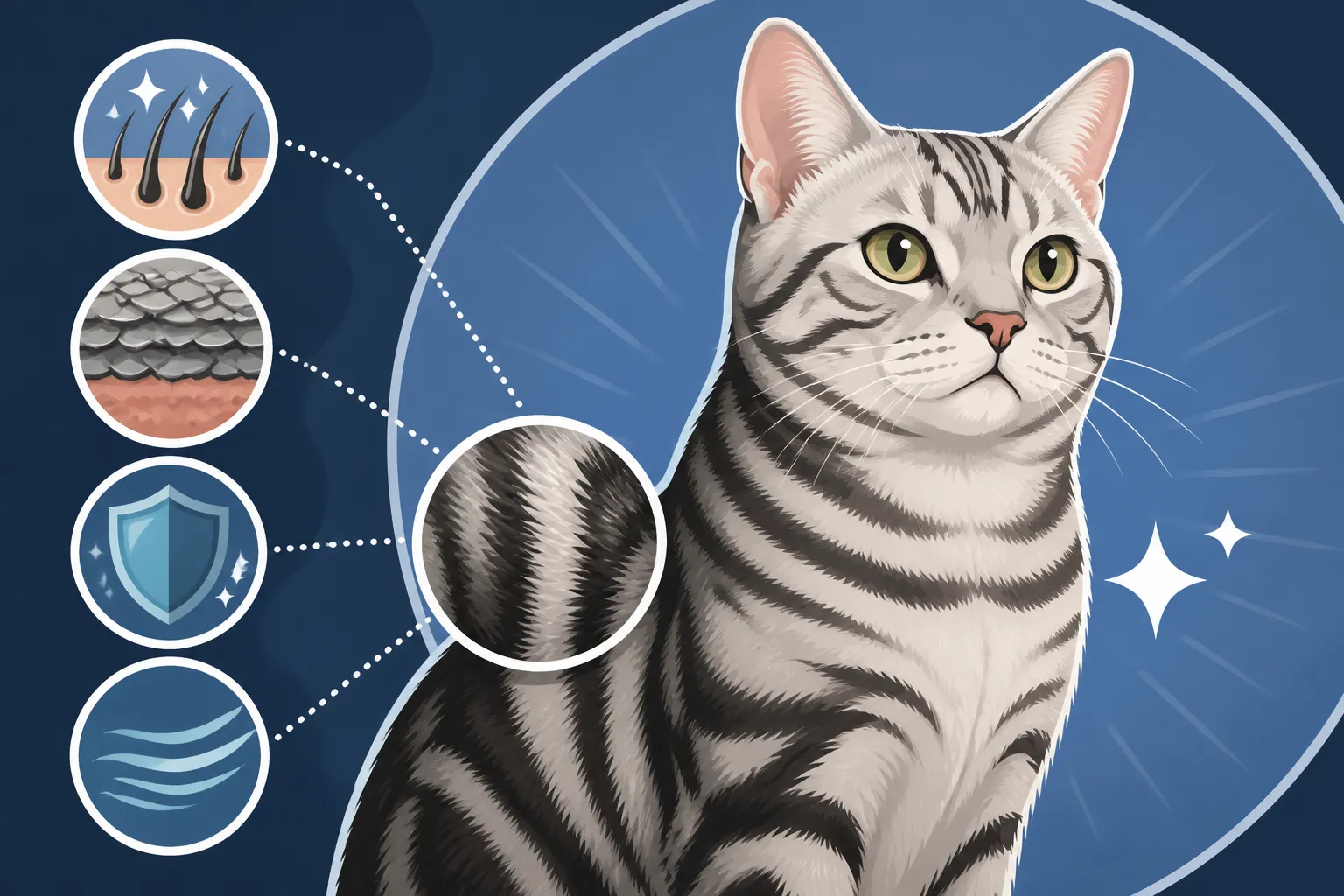
The unique "hard" feel of the American Shorthair's coat isn't just a subjective sensation; it's a direct result of its specific follicular structure. Unlike breeds with ultra-fine, silky, or plush fur, the American Shorthair boasts a robust double coat, each layer playing a crucial role in its functionality.
At the surface, you have the guard hairs. These are the outer layer, and they are notably stiffer, coarser, and thicker than the softer hairs found closer to the skin. Think of them as the cat's natural armor. They lie flat and dense, forming a protective barrier that repels water and provides a surprising degree of insulation. These guard hairs are what you feel predominantly when you pet an American Shorthair, contributing to that firm, resilient touch. They're designed to stand up to the elements and protect the more delicate underlayer. How Dense an American Shorthair's Coat Is
Beneath this protective shield lies a dense, softer undercoat. While not as plush as some breeds, this undercoat provides essential thermal insulation, trapping air close to the body to keep the cat warm in winter and helping to regulate temperature in warmer months. The combination of these two layers—the sturdy guard hairs and the insulating undercoat—creates a coat that is wonderfully efficient and robust, allowing the cat to thrive in varied climates without needing constant human intervention. It’s a marvel of natural engineering, perfectly suited for a cat whose ancestors were always on the job.
Decoding "Hard": Understanding the American Shorthair's Distinctive Texture
When we talk about the American Shorthair's coat being "hard," it can sometimes sound like a criticism, as if it's unpleasant to touch. But for this breed, "hard" is actually a descriptor of its desirable and healthy texture, a hallmark of its true type and heritage.
The Feel of the Standard: What Breeders Aim For
In the world of cat fancy, breed standards are the blueprints that define the ideal characteristics of a particular breed. For the American Shorthair, the coat texture is a key component of that standard. It's described as dense, resilient, and slightly harsh to the touch. This isn't an accidental trait; it's a highly valued one.
A well-bred American Shorthair's coat should feel substantial and spring back when you run your hand against the grain. It shouldn't feel silky, fluffy, or overly soft, as these traits would indicate a deviation from the breed's functional roots. Breeders actively select for this texture because it signifies a healthy, traditional American Shorthair coat, one that is true to its ancestry as a capable working cat. It's a coat that speaks of robustness and vitality, not just prettiness. This emphasis on function over pure aesthetics is what sets the American Shorthair apart from many other pedigreed cats whose appearances have been sculpted primarily for visual appeal or extreme softness.
The Difference a Hand Makes: How to Assess Coat Hardness
Learning to appreciate and accurately assess an American Shorthair's coat hardness is a skill that comes with understanding the breed. It's not about comparing it to a velvet pillow, but rather appreciating its inherent strength and resilience. When you assess the coat, don't just stroke it in one direction. Run your hand against the grain, from tail to head, and notice how quickly the hairs spring back into place. A healthy, correct American Shorthair coat will feel bristly and resistant initially, then settle back smoothly.
You should feel a certain density and springiness under your fingers, not a limp or sparse quality. The individual guard hairs, though stiff, should not feel brittle or broken. They should have a healthy sheen, reflecting light, which is another indicator of good condition. A coat that feels unusually soft, dull, or greasy might indicate a health issue or poor nutrition, rather than a desirable trait. This is a coat that tells a story of survival and efficiency, one that is best understood not just by looking, but by truly feeling its unique texture. How an American Shorthair's Coat Differs From a British Shorthair's Plush
Beyond the Fluff: How the American Shorthair Coat Compares to Other Breeds
To truly appreciate the American Shorthair's coat, it helps to put it in context with other popular cat breeds. When you understand the spectrum of feline fur, the American Shorthair's place becomes clear – a natural, unexaggerated coat built for life, not just looks.
Plush vs. Protective: American Shorthair vs. British Shorthair
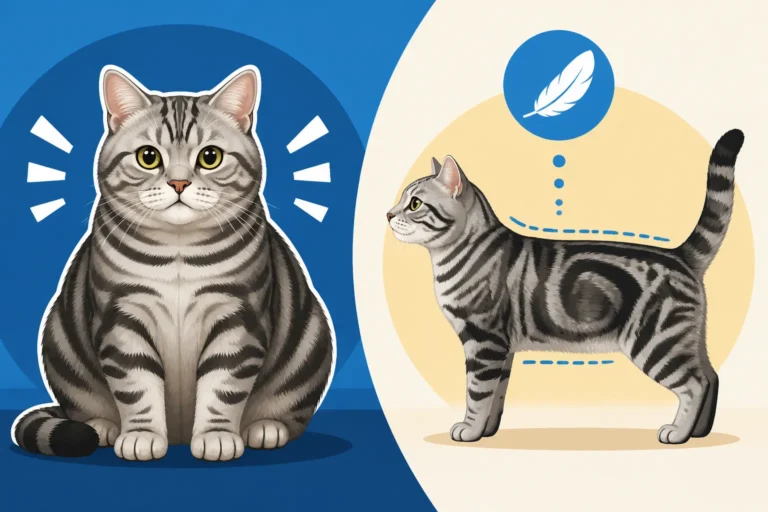
One of the most common comparisons, and often a source of confusion for new owners, is the difference between an American Shorthair and a British Shorthair. While both are "shorthaired" and can share similar tabby patterns, their coats are dramatically different in feel and purpose. The British Shorthair is famous for its incredibly dense, plush, almost woolly coat. It's often described as feeling like a thick, luxurious carpet or a soft, velvety blanket. This coat stands away from the body, giving the cat a wonderfully rounded, teddy-bear-like appearance. It's specifically bred for its aesthetic and tactile appeal.
In stark contrast, the American Shorthair's coat lies much closer to the body and possesses that characteristic "hard" or resilient texture. It's not designed to be plush or stand out; it's designed to protect. The American Shorthair's coat feels tougher, more like a tightly woven fabric than a plush toy. This distinction highlights their different historical paths: the British Shorthair evolving with an emphasis on a charming, rounded appearance and dense, soft coat, while the American Shorthair retained its working heritage with a hardy, weather-resistant outer layer. They both embody beauty, but through very different expressions of their fur.
Natural vs. Developed: American Shorthair vs. Domestic Shorthair (Moggy)
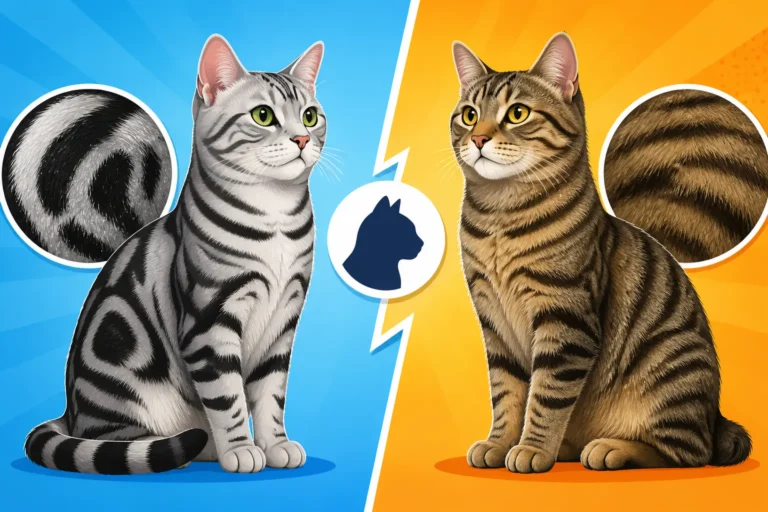
It's easy to look at a regular domestic shorthair (often called a "moggy" or "alley cat") and an American Shorthair and think they're pretty much the same, especially if they both have a classic tabby pattern. After all, the American Shorthair's origins are deeply intertwined with these common household cats. However, there are subtle yet significant differences, particularly in coat quality, that set a well-bred American Shorthair apart.
While a domestic shorthair's coat can vary wildly in texture, from quite soft to somewhat coarse, an American Shorthair's coat is consistently dense, even, and exhibits that desired resilience. Through generations of selective breeding to a standard, American Shorthair breeders have refined and maintained the ideal working cat coat. This means the guard hairs are uniformly robust, and the undercoat is consistently dense across the entire body, offering superior protection and a more uniform feel. A domestic shorthair might have patches of softer, finer hair or a less dense undercoat, simply because there hasn't been the same selective pressure for a specific, functional coat type. The American Shorthair's coat is a polished, consistent version of the working cat's practical attire, honed over decades to meet a specific standard for health, function, and breed type. How an American Shorthair's Coat Differs From a Random Bred Tabby's
Embracing the "Hard": Care and Grooming for a Functional Coat
Understanding that the American Shorthair's coat is meant to be resilient and low-maintenance fundamentally changes how you approach its care. You're not trying to soften it or make it fluffy; you're supporting its natural, protective qualities.
Minimal Maintenance for Maximum Resilience
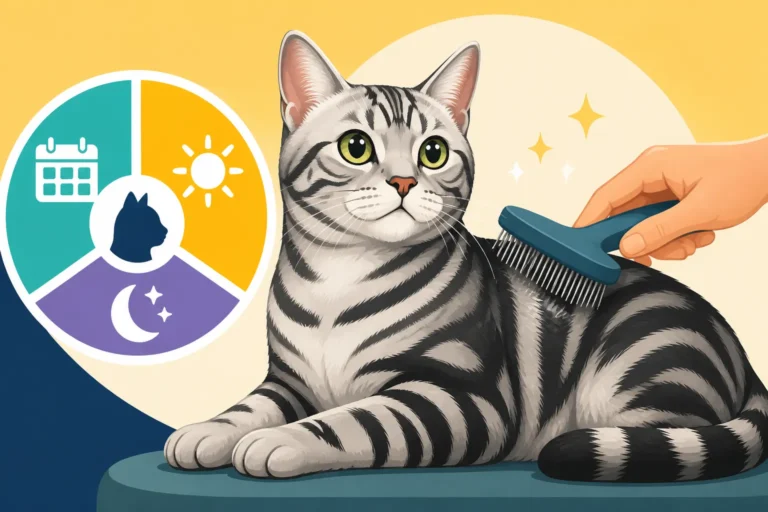
One of the greatest joys of owning an American Shorthair is how blessedly simple their grooming needs are. Their natural, "hard" coat is incredibly efficient at self-maintenance, reflecting its heritage where cats had to keep themselves pristine without human assistance. This isn't a coat that typically mats or tangles, even during seasonal changes. The firm guard hairs naturally repel dirt and shed loose fur with ease.
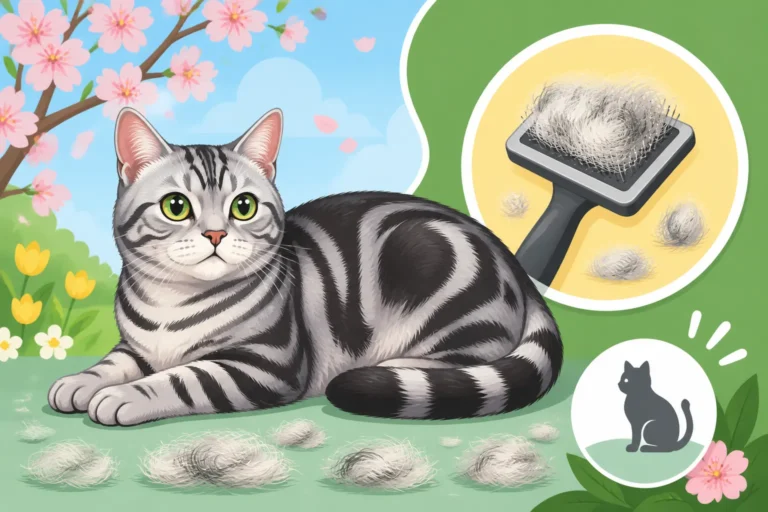
Excessive bathing or aggressive brushing can actually be detrimental to this coat. Over-shampooing can strip away the natural oils that contribute to its water resistance and healthy sheen, potentially leaving the coat dull or dry. Instead, focus on minimal, consistent care. A quick brush once or twice a week is usually more than enough to remove any loose hairs and distribute natural oils. This routine is less about styling and more about supporting the coat's inherent health and cleanliness. This natural efficiency is part of What an American Shorthair With No Designer Defect Gets Instead. During the periods of heavy shedding, typically in spring and fall, you might find yourself combing a bit more often, but even then, it's not an arduous task. How Little Combing an American Shorthair Actually Needs
The Right Tools for the Job: Supporting a Healthy Coat
While the American Shorthair's coat is low-maintenance, having the right tools makes those occasional grooming sessions even more effective and enjoyable for both you and your cat. Forget fancy brushes designed for long, delicate fur. For this breed, you want something that can handle its dense, resilient texture without being harsh or causing static.
A sturdy, fine-toothed metal comb is an excellent choice. It can penetrate the dense guard hairs to reach the undercoat, helping to remove loose fur, especially during seasonal sheds. Another great option is a rubber grooming brush or mitt, like those you can easily find on Chewy or Amazon. These are wonderful for daily or every-other-day passes, as they gently massage the skin, stimulate blood flow, and collect loose hair without pulling. They're also fantastic for distributing natural oils, which helps maintain the coat's healthy sheen. Avoid brushes with sharp pins or excessive bristles that might scratch the skin or create static, which can be uncomfortable for your cat and make the coat harder to manage. The goal is to assist their natural grooming, not to overhaul it.
Diet and Environment: Nurturing the Coat from Within
A healthy coat, regardless of its texture, is a reflection of overall well-being. For the American Shorthair, maintaining that distinctive "hard" and resilient quality starts from the inside out, primarily through proper nutrition and a suitable living environment.
A high-quality diet rich in animal protein and essential fatty acids (like Omega-3 and Omega-6) is paramount. These nutrients are the building blocks for healthy skin and hair, contributing to the coat's strength, elasticity, and natural oils. Look for cat foods that list meat as the first ingredient and contain a good balance of vitamins and minerals. Some owners find that supplementing with a small amount of fish oil, or choosing brands that prioritize skin and coat health in their formulas, can make a noticeable difference. Fresh, human-grade ingredients can also provide superior nutrition for a healthy coat.
Beyond diet, the indoor environment plays a role. While their coat is robust, extremely dry indoor air, especially during winter with central heating, can sometimes make a cat's skin dry and coat a bit dull or less pliable. Ensuring adequate hydration by providing fresh water in multiple locations, and considering wet food as part of their diet, can help. Ultimately, a shiny, resilient American Shorthair coat is a sign of a healthy cat, well-nourished and thriving in its surroundings. Which Protein Level Keeps an American Shorthair Muscular
When "Soft" Becomes a Red Flag: Recognizing Coat Changes
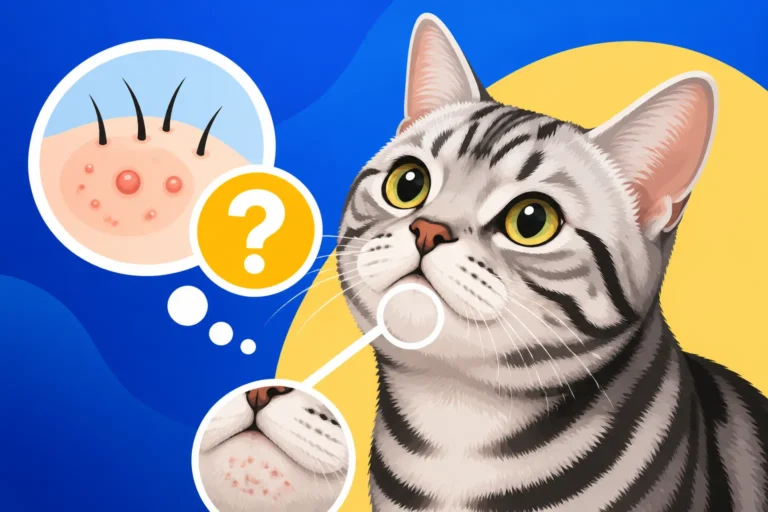
While we celebrate the American Shorthair's natural, resilient coat, it's important to recognize that any significant change in its texture or appearance, particularly if it shifts towards being unusually soft, dull, or excessively greasy, can be a symptom of an underlying issue. This breed's robust coat is usually a reliable indicator of its health.
Environmental and Dietary Influences
Sometimes, a change in coat texture isn't a dire health crisis, but rather a sign that something in your cat's immediate environment or diet isn't quite right. For instance, living in a home with very low humidity, especially in climates that experience harsh, dry winters and heavy use of heating systems, can sometimes lead to dry skin and a coat that feels more brittle or less supple than its usual resilient self. It might seem "softer" in the sense that it lacks its characteristic firmness.
Similarly, a diet that is lacking in essential nutrients, particularly quality proteins or beneficial fatty acids, can directly impact the health of skin and fur. A cheap, filler-heavy diet might not provide the building blocks needed to maintain those strong guard hairs and a healthy undercoat, leading to a duller, weaker, or even greasier texture. Before jumping to conclusions about illness, it's worth evaluating factors like diet quality, hydration, and indoor humidity levels. Small adjustments in these areas can often restore the coat's natural vigor.
Health Indicators: What a Change in Coat Might Signal
While their self-sufficient nature means American Shorthairs are generally healthy, a noticeable and persistent change in coat texture, appearance, or shedding patterns should always prompt a visit to your veterinarian. This "hard" coat is a reliable barometer of their internal health, and deviations can be early warning signs of various conditions.
An unusually soft, greasy, matted, or excessively shedding coat could indicate a range of issues. Hormonal imbalances, such as those related to thyroid problems, can significantly impact hair growth and texture. Parasites like fleas or mites can cause irritation, leading to scratching, broken hairs, and a poor-looking coat. Kidney disease, liver issues, or even diabetes can manifest as a dull, unkempt, or brittle coat. Even stress or anxiety can sometimes lead to over-grooming or a decline in grooming habits, affecting the coat's condition. Additionally, as American Shorthairs age, you might notice some natural changes, such as a slight coarsening or thinning, but these are typically gradual. When an Old American Shorthair Needs Help Grooming However, sudden or drastic changes warrant professional attention. Your vet can perform a thorough examination, including blood work or skin scrapes if necessary, to identify the root cause and recommend appropriate treatment, helping your beloved American Shorthair get back to their healthy, characteristically "hard" coated self. What an Untested American Shorthair Usually Dies Of
Here's a quick comparison of coat characteristics:
| Breed | Coat Texture | Key Characteristics | Primary Function/Aesthetic Goal | Grooming Needs |
|---|---|---|---|---|
| American Shorthair | Hard, Dense, Resilient | Stiff guard hairs, dense undercoat, lies close to body | Protection, weather resistance, utility | Minimal (weekly comb) |
| British Shorthair | Plush, Soft, Dense | Thick, woolly, stands away from body | Aesthetic appeal, "teddy bear" look | Moderate (regular brushing to prevent mats) |
| Persian | Long, Silky, Fine | Extremely long, flowing, often with thick undercoat | Aesthetic appeal, luxurious appearance | High (daily brushing, professional grooming) |
| Sphynx | Peach-fuzz, Naked | Fine downy hair or truly hairless | Unique appearance, warmth (skin) | Regular bathing to manage skin oils |
| Domestic Shorthair (Moggy) | Varied (Soft to Coarse) | Any combination of length, density, and texture | Survival, natural selection | Varies, often low to moderate |
Remember, appreciating the American Shorthair means understanding its history. Its coat isn't a flaw; it's a feature, a testament to its hardy origins and a symbol of its enduring health and practicality. Next time you pet your American Shorthair, take a moment to feel that distinctive, resilient fur, and remember the centuries of working cats that shaped this wonderful breed. Whether American Shorthair Owners Would Choose One Again
Disclaimer
This article is for general informational purposes only and does not constitute professional advice. Laws, prices and regulations vary by location and change over time. Consult a qualified professional for guidance on your specific situation.