Why a Thirsty American Shorthair Should Be Tested
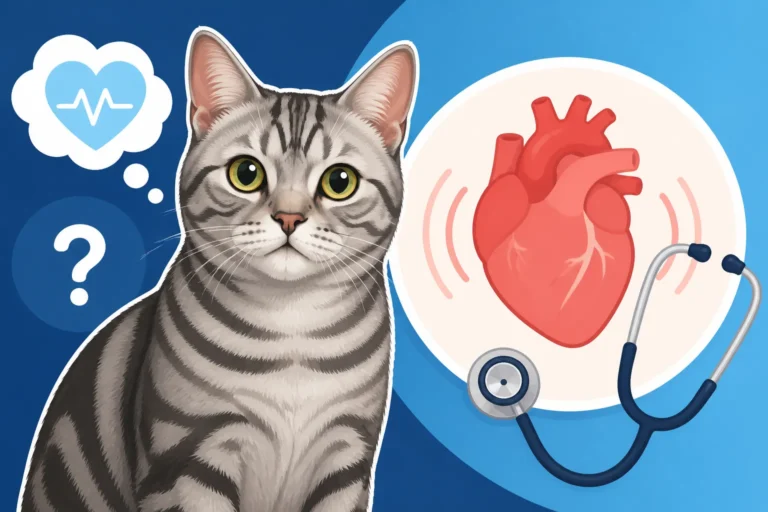
It's incredibly unsettling when your beloved American Shorthair suddenly starts guzzling water like there's no tomorrow. You might initially shrug it off, thinking they're just hot or more active, but an unexplained increase in thirst is almost always a serious red flag that shouldn't be ignored. This guide is here to walk you through why a thirsty American Shorthair needs prompt veterinary attention and what could be causing this concerning change.
The Subtle Signs Beyond Just a Thirsty Cat
Cats, by their very nature, are masters of disguise when it comes to illness. They often won't cry out in pain or show dramatic symptoms until a condition has progressed quite far. This stoic demeanor, especially pronounced in a historically self-reliant breed like the American Shorthair, means that even a seemingly minor change like increased thirst can be a critical early warning sign you simply can't afford to overlook.
More Than Just Drinking More Water
When we talk about "excessive thirst," it’s more than just noticing your cat at the water bowl a bit more frequently. It's about a noticeable shift in their habits. Are you refilling the water bowl much more often than usual? Is your American Shorthair seeking out water from unusual places, like dripping faucets, the shower floor, or even trying to get into the toilet bowl? These behaviors, which are out of character for a typically fastidious cat, are huge indicators. This increased water intake, medically known as polydipsia, almost always goes hand-in-hand with polyuria – increased urination. More water going in means more urine coming out, so you might also notice a fuller litter box, more frequent trips to the box, or even accidents outside of it. It’s a complete disruption of their normal, predictable routine, which is why it warrants immediate investigation.
Why American Shorthairs Might Hide Other Symptoms
The American Shorthair's lineage as a working cat, bred for centuries for its ratting abilities, ingrained a robust and resilient nature. They were designed to be independent and hardy, which often translates into a remarkable ability to mask discomfort or pain. This means that while other breeds might show more overt signs of illness, your American Shorthair might only present with something as subtle as excessive thirst. You might not see them limping, vocalizing pain, or overtly lethargic until a serious condition is well-advanced. This inherent stoicism means that when an American Shorthair does show a symptom, even a subtle one, it's particularly important to take it seriously. Their general reputation for good health, often cited as why the American Shorthair is used as a health benchmark, can sometimes lull owners into a false sense of security, making them underestimate these early warnings. It's a cruel trick of nature, but understanding your cat's breed traits can empower you to be a more vigilant caregiver.
Common Medical Reasons Behind Increased Thirst
Increased thirst, or polydipsia, in cats is rarely an isolated symptom. It's almost always a compensatory mechanism for an underlying health issue. Many conditions can lead to your American Shorthair drinking more, and some of the most common are chronic diseases that require careful management.
Diabetes Mellitus
Just like in humans, cats can develop diabetes, often Type 2. This condition occurs when your cat's body doesn't produce enough insulin or can't properly use the insulin it does produce, leading to high blood sugar (glucose) levels. When blood glucose becomes too high, the kidneys try to filter it out, and in doing so, they pull excessive amounts of water from the body, leading to increased urination. To compensate for this fluid loss, your American Shorthair drinks more.
Obesity is a major risk factor for feline diabetes, and with many American Shorthairs now living indoors, we've seen a rise in sedentary lifestyles that can contribute to weight gain. If your cat has a stocky build and perhaps is a little heavier than they should be, understanding why indoor life made the American Shorthair fat can shed light on predisposing factors. Other symptoms of diabetes might include an increased appetite despite weight loss, lethargy, or a dull coat. Early diagnosis is absolutely crucial for managing feline diabetes. It often involves dietary changes and, in many cases, insulin injections. The good news is that with proper management, some cats can even achieve diabetic remission, where they no longer require insulin, highlighting how a diabetic American Shorthair comes off insulin with dedicated care.
Kidney Disease
Kidney disease is another unfortunately common condition, especially in older cats. The kidneys are vital organs responsible for filtering waste products from the blood and concentrating urine. When they start to fail, they lose their ability to properly concentrate urine, leading to large volumes of dilute urine being produced. To prevent dehydration, your American Shorthair instinctively drinks more water.
This is a progressive disease, meaning it tends to get worse over time. By the time increased thirst is noticeable, kidney function has often significantly declined. Beyond thirst, you might observe other symptoms like decreased appetite, weight loss, lethargy, nausea, vomiting, and a dull coat. It's a condition that creeps up silently, and understanding how kidney disease creeps up on an old American Shorthair is important for proactive care. While there's no cure for chronic kidney disease, early diagnosis allows for interventions like special diets, fluid therapy, and medications to slow its progression and improve your cat's quality of life.
Hyperthyroidism
Hyperthyroidism is another common endocrine disorder that primarily affects middle-aged and older cats. It's caused by an overactive thyroid gland, which produces excessive amounts of thyroid hormones. These hormones essentially put the body's metabolism into overdrive. One of the classic symptoms of hyperthyroidism is increased thirst, often accompanied by increased urination.
Other signs of hyperthyroidism include significant weight loss despite an increased appetite, hyperactivity, vomiting, diarrhea, and a greasy or unkempt coat. The increased metabolic rate also puts a strain on other organs, particularly the heart and kidneys. The kidneys, already working harder due to the body's accelerated metabolism, can be further impacted by the disease, sometimes exacerbating the thirst and urination. Thankfully, hyperthyroidism is treatable through medication, radioactive iodine therapy, or surgery, and early intervention can prevent severe complications.
The Diagnostic Process: What Your Vet Will Do
When you bring your thirsty American Shorthair to the veterinarian, they won't just guess what's going on. They'll follow a systematic diagnostic process to pinpoint the exact cause of the increased thirst, ensuring your cat receives the most appropriate and effective treatment.
Initial Examination and History Taking
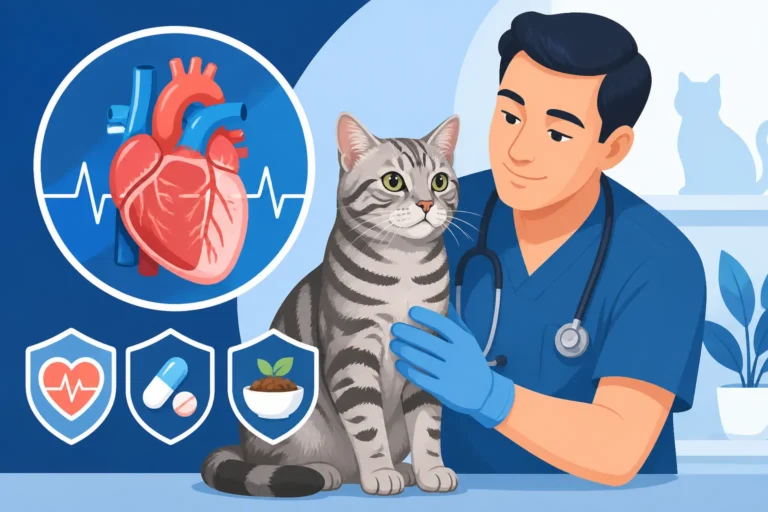
Your vet will start by conducting a thorough physical examination of your American Shorthair. This involves feeling their abdomen for any abnormalities, listening to their heart and lungs, checking their teeth and gums, and assessing their overall body condition. During this time, they'll also ask you a series of detailed questions about your cat's history and symptoms.
Be prepared to discuss:
- When did you first notice the increased thirst?
- How much more water are they drinking? (e.g., "I used to fill it once a day, now it's twice.")
- Are they urinating more frequently, or are the urine clumps in the litter box larger?
- Have there been any changes in their appetite, weight, or activity level?
- Any changes in diet or environment?
- Are there any other symptoms you've noticed, even subtle ones?
Being as honest and detailed as possible during this conversation is immensely helpful. You are your cat's primary observer, and your insights are invaluable to your vet.
Bloodwork and Urinalysis: The Essential Tests
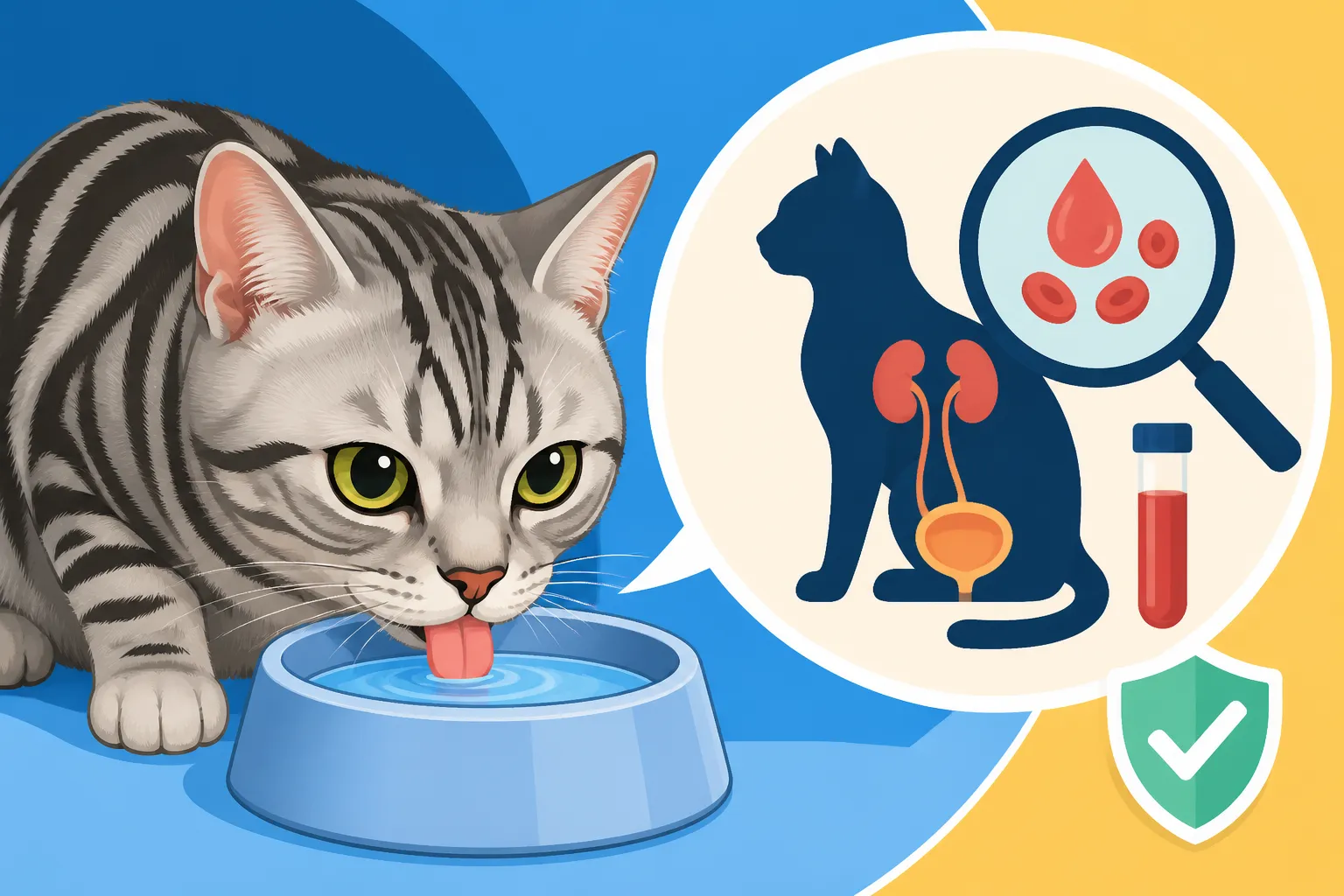
After the physical exam, your vet will almost certainly recommend blood tests and a urinalysis. These are the foundational diagnostic tools for investigating increased thirst in cats.
- Bloodwork: A comprehensive blood panel will usually include a Complete Blood Count (CBC) and a Chemistry Panel.
- The CBC looks at red and white blood cells, which can indicate infection, inflammation, or anemia.
- The Chemistry Panel is crucial. It assesses organ function, particularly the kidneys (BUN, creatinine, phosphorus levels) and liver (liver enzymes). It also measures glucose levels to check for diabetes and electrolytes. A specific test for thyroid hormone (T4) will be run if hyperthyroidism is suspected, especially in older cats. These tests provide a snapshot of your cat's internal health, helping to narrow down potential causes. If you're curious about the full scope, it's like a What a Full American Shorthair Panel Actually Screens For.
- Urinalysis: A urine sample provides vital information about kidney function and other systemic diseases.
- Urine Specific Gravity: This measures how concentrated the urine is. Low specific gravity indicates the kidneys are not concentrating urine properly, a key sign of kidney disease, hyperthyroidism, or diabetes.
- Glucose in Urine: The presence of glucose in the urine is a strong indicator of diabetes mellitus.
- Protein, Blood, Bacteria, and Crystals: These can point to urinary tract infections, bladder stones, or other kidney issues. If a urinary tract infection is suspected, a urine culture may be performed to identify the specific bacteria and guide antibiotic treatment.
These essential tests, which include many of the Which Blood Values Matter Most in an American Shorthair, are not optional; they are critical for accurately diagnosing the problem.
Further Diagnostics if Needed
In some cases, the initial bloodwork and urinalysis might not provide a definitive answer, or they might point to issues that require further investigation. Your vet might then recommend additional diagnostics:
- Blood Pressure Measurement: High blood pressure (hypertension) can be a complication of kidney disease or hyperthyroidism, and understanding how to spot hypertension in an older American Shorthair is crucial for complete assessment.
- Imaging: X-rays or abdominal ultrasounds can provide visual information about your cat's internal organs. They can help detect kidney stones, changes in kidney or liver size, or even tumors that might be contributing to the problem. An ultrasound, in particular, offers a detailed look at the architecture of the kidneys and other abdominal organs.
- Specialized Endocrine Tests: In rare or complex cases, additional blood tests might be needed to evaluate other hormonal imbalances.
These further diagnostics are tailored to your American Shorthair's specific situation, building on the information gathered from the initial tests to achieve a precise diagnosis.
The Benefits of Early Diagnosis and Treatment
Facing a potential illness in your American Shorthair can be incredibly stressful, both emotionally and financially. However, taking prompt action when you notice increased thirst and getting a diagnosis quickly offers significant benefits for your cat and your peace of mind.
Improved Prognosis and Quality of Life
For many of the conditions that cause increased thirst, such as diabetes, kidney disease, and hyperthyroidism, early diagnosis makes a world of difference. When these diseases are caught in their initial stages, management strategies are often more effective, less invasive, and can significantly slow the progression of the illness. For instance, with early diabetic management, some cats can go into remission, or at least live long, comfortable lives with insulin. Similarly, early intervention for kidney disease, through specialized diets and medication, can preserve kidney function for much longer than if the disease is left to advance unchecked. This translates directly to a better prognosis and a higher quality of life for your American Shorthair, allowing them to continue enjoying their daily patrols and quiet companionship for years to come. Even though some of these conditions are chronic, effective management can mean the difference between a thriving cat and one constantly battling severe symptoms.
Financial and Emotional Relief
Let's be realistic – veterinary care can be expensive, especially when extensive diagnostics and long-term treatment plans are involved. This is a common worry for many pet parents. However, delaying a vet visit when your American Shorthair shows signs of illness, like increased thirst, often leads to much higher costs down the line. Treating an advanced disease with severe complications invariably costs more than managing it in its early stages. For example, addressing a diabetic crisis or acute kidney failure is far more expensive and stressful than starting a specialized diet and medication program early on.
This is where planning, and often pet insurance, can be a game-changer. Many owners find relief knowing that pet insurance providers like Healthy Paws can help buffer the financial impact of extensive diagnostics and ongoing treatment for chronic conditions. Considering pet insurance, such as a policy from Healthy Paws, early in your cat's life can be incredibly beneficial, turning a potentially overwhelming expense into a manageable one. It’s also worth considering establishing a dedicated savings fund for vet bills, as often highlighted in conversations around whether an American Shorthair owner should keep a vet fund. Beyond the financial aspect, there’s the immense emotional relief that comes with knowing exactly what’s happening with your cat and having a clear plan of action. Uncertainty is a heavy burden, and a diagnosis, even of a serious condition, brings clarity and allows you to focus on your cat's care with confidence.
| Condition | Key Accompanying Symptoms | Primary Diagnostic Tests | Potential Risk Factors | Treatment Focus |
|---|---|---|---|---|
| Diabetes Mellitus | Increased appetite + weight loss, lethargy, sweet-smelling breath, poor coat. | Blood Glucose, Fructosamine, Urinalysis (glucose in urine). | Obesity, genetics, certain medications. | Insulin, specialized diet, weight management. |
| Kidney Disease | Decreased appetite, weight loss, lethargy, vomiting, dull coat. | Blood Chemistry (BUN, creatinine, phosphorus), Urinalysis (low specific gravity, protein). | Age, genetics, chronic infections, hypertension. | Specialized renal diet, fluid therapy, medications. |
| Hyperthyroidism | Weight loss + increased appetite, hyperactivity, vomiting, diarrhea, unkempt coat. | Blood T4 (Thyroid hormone) levels. | Age. | Medication, radioactive iodine, surgery, special diet. |
| Urinary Tract Infection | Straining to urinate, frequent urination, blood in urine, inappropriate urination. | Urinalysis, Urine Culture. | Female cats, diabetes, bladder stones, anatomical issues. | Antibiotics. |
Disclaimer
The information provided in this article is for general informational purposes only and is not a substitute for professional veterinary advice. Always consult with a qualified veterinarian for any health concerns or before making any decisions related to your pet's health and treatment.