What Extra Weight Does to an American Shorthair’s Working Frame
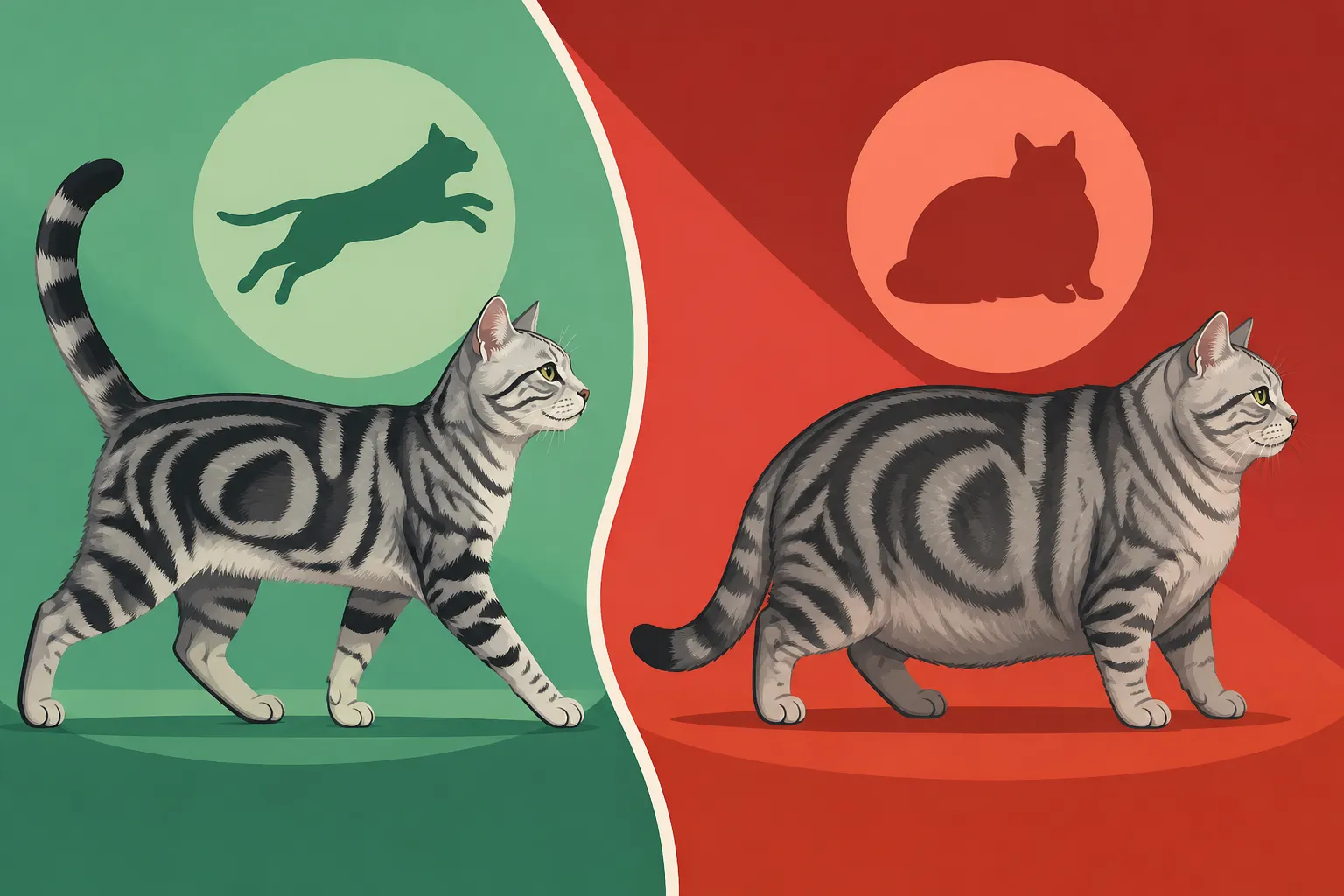
It’s a heartbreaking reality: our beloved American Shorthairs, once the lean, agile mousers of barns and ships, are now often living a life of leisure, and with that ease comes the insidious creep of extra weight. This shift from an active, working existence to a comfortable indoor one can silently sabotage their health, transforming their robust, muscular "working frame" into something burdened and unhealthy. This guide is dedicated to exploring exactly what that extra weight does to your American Shorthair, from immediate physical strain to long-term health complications, and how we can best support them in maintaining their natural, strong build.
The American Shorthair's Original Working Frame and Why It Matters
To truly understand the impact of extra weight, we first need to appreciate the magnificent animal the American Shorthair was bred to be. These aren't delicate lap cats; they are the descendants of hearty, self-sufficient working felines, engineered by nature and necessity to be tough, capable, and incredibly efficient at their job.
Anatomy Built for Action: Muscle, Bone, and Agility
Imagine a cat designed for survival, for patrolling vast territories, and for swift, powerful pounces. That's your American Shorthair. Their frame is inherently sturdy, characterized by a broad chest, strong shoulders, and muscular legs. This isn't just for show; it's a blueprint for functionality. Their dense bone structure provides a robust foundation, capable of absorbing impact from jumps and landings, while their powerful musculature allows for explosive bursts of speed and impressive climbing abilities. They were built to be agile, to weave through obstacles, and to spring into action at a moment's notice.
This natural athleticism also means their joints are designed to handle significant stress, but within the parameters of a healthy, lean body. When extra weight is introduced, it’s not just a little added padding; it's a constant, unnatural strain on a system optimized for a lighter load. Every jump from the sofa, every dash across the living room, every stretch, now places undue pressure on their hips, knees, and spine. This foundational strength, which once protected them, can paradoxically mask the early signs of discomfort because they are so stoic, often hiding pain until it becomes severe.
The Legacy of a Hunter: Metabolism and Energy Needs
Centuries of ratting and farm work instilled in the American Shorthair a metabolism geared towards high energy expenditure and opportunistic feeding. They hunted frequently, often several times a day, to secure their meals. This means their bodies were designed to burn calories efficiently and to be ready for the next hunt. Even today, though many haven't seen a real mouse in their lives, the genetic programming for this activity remains. Their robust appetite is a direct callback to a time when food wasn't guaranteed, and they needed to maximize every meal.
However, an indoor American Shorthair, even one that engages in vigorous play, simply doesn't expend the same amount of energy as its ancestors did. The calorie intake that would have fueled a day of active hunting and patrolling now contributes to excess fat storage. This mismatch between their ancestral metabolic programming and their modern, sedentary lifestyle is a primary driver of weight gain. Understanding this genetic predisposition to want to eat and to store energy is crucial for owners, as it highlights why intentional portion control and engaging play are not just recommendations, but necessities for this breed.
The Immediate Physical Strain of Carrying Extra Weight
When an American Shorthair starts to gain weight, the effects are far from superficial. Their working frame, once a testament to their athletic prowess, immediately begins to contend with challenges it was never meant to bear. This can manifest in subtle ways at first, but quickly escalates into noticeable physical strain.
Impact on Mobility and Joint Health
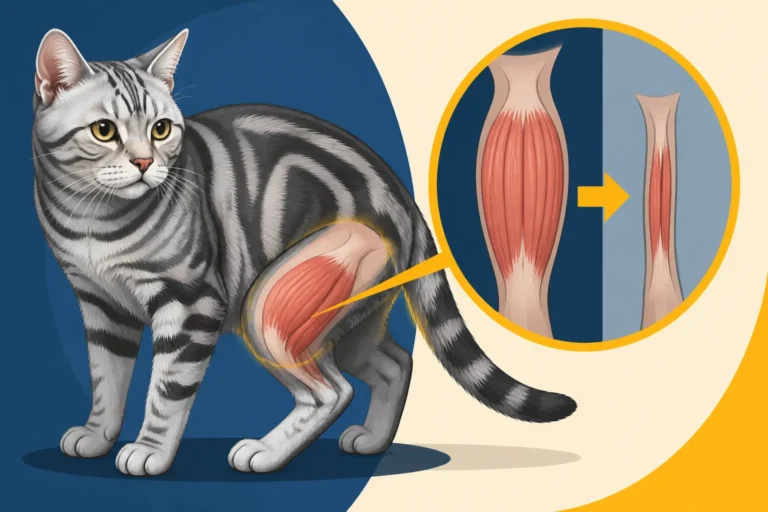
One of the first and most noticeable consequences of extra weight is the direct impact on their mobility and joint health. Imagine constantly carrying a backpack that’s too heavy for you; every step becomes a chore, and your joints ache. It's similar for an overweight American Shorthair. Their sturdy joints, particularly in the hips, knees, and spine, are forced to carry a load far greater than their design intended. This can lead to increased wear and tear on cartilage, inflammation, and a higher risk of developing conditions like osteoarthritis.
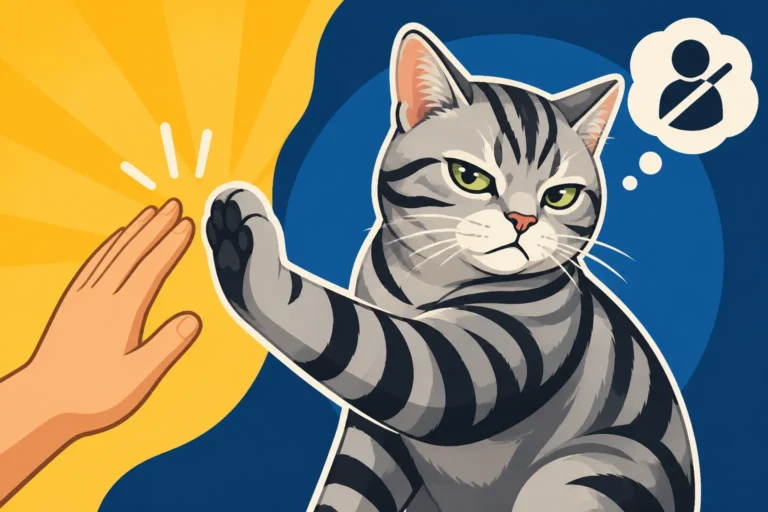
We often see this play out as a gradual reduction in activity. Your American Shorthair might start to avoid jumping onto their favorite window perch or may hesitate before leaping onto the counter, a behavior that once came so naturally. They might move more slowly, or seem stiff, especially after periods of rest. This isn't just laziness; it's often a sign of discomfort or pain. Over time, the constant strain can exacerbate pre-existing joint weaknesses, or even bring on new ones. For a breed that naturally has a broad chest, this can mean more weight is distributed through their hips, making them particularly vulnerable. If you're noticing your cat seems stiffer, it's worth considering the advice in articles like When a Stiff American Shorthair Needs Joint Support.
Cardiovascular and Respiratory Stress
Beyond the musculoskeletal system, extra weight places a significant burden on the American Shorthair's cardiovascular and respiratory systems. A larger body mass requires the heart to work harder to pump blood, which carries oxygen and nutrients, to all the extra tissue. This increased workload can lead to high blood pressure and, over time, can weaken the heart muscle, increasing the risk of heart disease. While American Shorthairs are generally known for their robust health, obesity can create vulnerabilities.
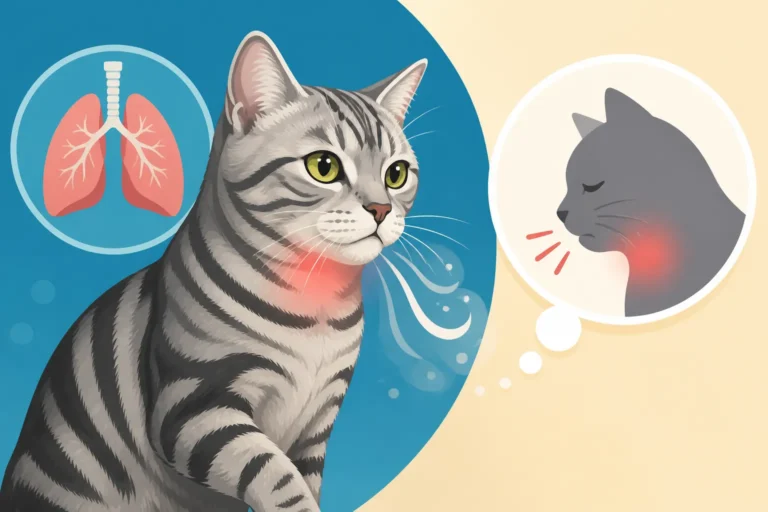
Similarly, excess fat, particularly around the chest and abdomen, can restrict lung expansion, making it harder for your cat to breathe deeply. You might notice they get winded more easily during play, or even that their breathing seems shallower when at rest. This reduced lung capacity, combined with a strained heart, means they have less stamina. That quick burst of energy for a toy mouse becomes a shorter, more labored effort. For owners who cherish the playful spirit of their American Shorthair, observing this decline can be quite concerning. Regular veterinary check-ups are essential, and a quality pet insurance like Healthy Paws can provide peace of mind in covering diagnostic tests or treatments if these issues arise.
Reduced Stamina and Playfulness
The cumulative effect of joint pain, cardiovascular strain, and restricted breathing is a noticeable reduction in your American Shorthair's overall stamina and playfulness. The joyful, energetic dashes and playful pounces become less frequent and less enthusiastic. They might spend more time sleeping, not necessarily because they're tired from activity, but because moving is uncomfortable or requires too much effort.
This isn't just about missing out on fun; it impacts their mental and emotional well-being too. A core part of the American Shorthair's identity is their inherent hunting drive and desire for engagement. When their physical limitations prevent them from expressing these natural behaviors, they can become frustrated, withdrawn, or even develop behavioral issues. They may engage less with their environment, with toys, or even with their human companions. This shift from an active, engaged companion to a more sedentary one is often a red flag that their working frame is struggling under the burden of excess weight.
Long-Term Health Complications Caused by Obesity
While immediate physical strain is concerning, the long-term health complications of obesity in an American Shorthair are far more insidious and can significantly shorten their lifespan and diminish their quality of life. These are not minor inconveniences but serious medical conditions that require ongoing management.
Increased Risk of Diabetes Mellitus
One of the most widely recognized and devastating long-term complications of obesity in cats is an increased risk of developing Type 2 Diabetes Mellitus. Just like in humans, excess body fat can lead to insulin resistance, where the body's cells no longer respond effectively to insulin, the hormone responsible for regulating blood sugar. When the body can't properly use or produce enough insulin, blood sugar levels skyrocket, leading to diabetes. For more on this, consider reading How Weight Turns Into Diabetes in an American Shorthair.
The symptoms of feline diabetes often include increased thirst and urination, unexplained weight loss despite a good appetite, and lethargy. Diagnosing and managing diabetes in cats is a significant commitment, often involving daily insulin injections, special diets, and frequent veterinary visits. While some cats can go into remission, many require lifelong treatment. This is a condition that directly impacts The Fifteen to Twenty Years the American Shorthair Was Given, potentially shaving years off their healthy life.
Compromised Organ Function and Lifespan
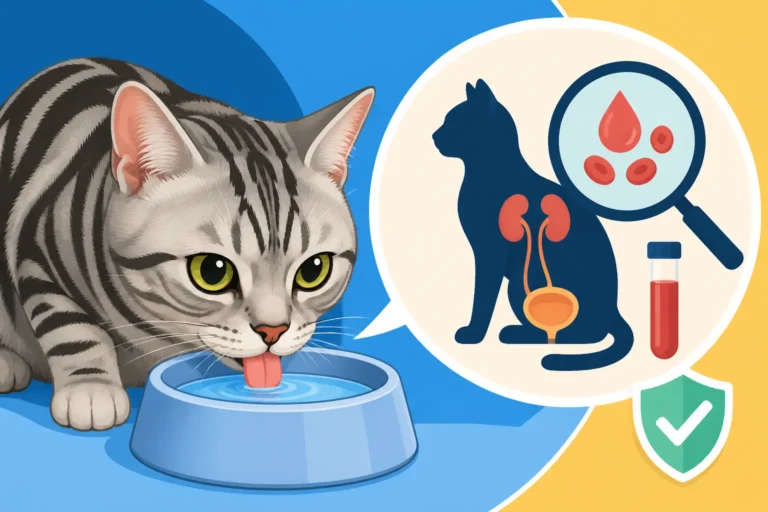
Beyond diabetes, obesity can have a systemic impact on nearly every organ system in your American Shorthair's body, significantly compromising their overall organ function and, consequently, their lifespan. The liver, for example, can become infiltrated with fat, leading to a condition called hepatic lipidosis (fatty liver disease), which is particularly dangerous in cats and can be life-threatening if not aggressively treated. The kidneys, too, are put under increased strain, processing more waste products from a larger body mass, potentially accelerating the onset of kidney disease as they age.
Even the immune system can be weakened, making obese cats more susceptible to infections and slower to recover from illnesses or surgery. The chronic inflammation associated with excess fat tissue can also contribute to a myriad of health problems. In essence, carrying extra weight forces their internal organs to work overtime, leading to premature aging and a decline in their functional reserve. This is why understanding How Many Years Extra Weight Takes Off the American Shorthair's Lifespan is so vital—it’s not just a number, but a measure of quality of life and precious time.
Urinary Tract Issues and Skin Problems
Overweight American Shorthairs are also at a higher risk for certain urinary tract issues. One common problem is an increased likelihood of developing feline lower urinary tract disease (FLUTD), which can manifest as cystitis (bladder inflammation) or bladder stones. While the exact link isn't always direct, factors like reduced mobility leading to less frequent urination, altered urine composition due to dietary habits, and overall systemic inflammation can contribute. Male American Shorthairs are particularly susceptible to urinary blockages, which are life-threatening emergencies.
Furthermore, obesity can severely impact their ability to groom themselves effectively, particularly in hard-to-reach areas like their back and hindquarters. This can lead to a host of skin problems, including mats, dandruff, skin infections, and increased flea and parasite burdens. If they can't groom properly, their skin health suffers, leading to discomfort and potentially requiring veterinary intervention. This reduced self-care capability is a clear sign that their natural, efficient working frame is being hindered by the burden of fat.
Recognizing and Addressing Weight Gain in a Stoic Breed
Identifying weight gain in an American Shorthair can sometimes be tricky because of their naturally muscular, square-built frame. They don't always look "fat" in the same way a less structured breed might. Their stoic nature also means they might hide discomfort or changes in activity until the problem is quite advanced.
Subtle Signs of Weight Creep in a Broad-Chested Cat
Your American Shorthair's powerful, broad-chested physique can actually camouflage the early stages of weight gain. Instead of a round, soft belly being the first sign, you might notice more subtle changes. One key indicator is the disappearance of their waist when viewed from above; a healthy American Shorthair should have a distinct indentation between their rib cage and hips. Another critical sign is the inability to easily feel their ribs when gently running your hands along their sides. You should be able to feel the ribs without pressing hard, with just a thin layer of fat covering them. If you can't, they're likely carrying too much weight. This is something further explored in How to Spot Weight Gain on a Square Built American Shorthair.
Other subtle cues include a less defined musculature, a decreased enthusiasm for play, shorter bursts of activity, and perhaps even slight difficulty with grooming certain areas, particularly their lower back and tail base. They might become slightly less agile, taking more care when jumping or landing. These small shifts in their physical presence and behavior are often the first warnings that their working frame is beginning to struggle under the added burden, long before they appear overtly "chubby."
Veterinary Assessment and Body Condition Scoring
Because of the American Shorthair's unique build, a professional veterinary assessment is invaluable for accurately determining their body condition. Vets use a standardized tool called a Body Condition Score (BCS), typically on a 1-5 or 1-9 scale. A score of 3/5 or 5/9 is generally considered ideal, where ribs are easily palpable, a waist is visible, and there’s minimal abdominal fat. Your vet will not only feel your cat's frame but also observe their gait and movement patterns, which can reveal early signs of joint discomfort or reduced mobility related to weight.
A regular vet visit, ideally annually, is crucial for monitoring their weight and overall health. Your vet can provide an objective assessment, which can be difficult for owners who see their pets every day and might not notice gradual changes. This is also an excellent opportunity to discuss diet and activity levels. If your vet diagnoses your cat as overweight or obese, don't despair—it's the first step toward a healthier future. Pet insurance providers like Healthy Paws can often cover the costs associated with diagnosing and treating weight-related health issues, easing the financial burden on owners.
Developing a Safe and Effective Weight Loss Plan
Once weight gain is identified, developing a safe and effective weight loss plan with your veterinarian is paramount. Rapid weight loss in cats can be dangerous, potentially leading to hepatic lipidosis. The goal is a gradual and controlled reduction of 0.5% to 2% of their body weight per week. This often involves a combination of dietary modifications and increased activity. Your vet might recommend specific prescription weight-loss diets, which are formulated to be lower in calories but still provide essential nutrients, or advise on precise portion control of their current food. For instance, understanding What an American Shorthair Should Weigh at Its Frame is crucial for setting realistic goals.
The diet needs to be tailored to their individual needs, considering their current weight, ideal weight, age, and activity level. Beyond diet, incorporating more structured play sessions that mimic hunting behaviors can significantly boost calorie expenditure and improve muscle tone. This might include using wand toys, puzzle feeders, or even teaching them to retrieve. Consistency is key, and regular weigh-ins at home (or at the vet's office) will help track progress and allow for adjustments to the plan. This collaborative approach ensures your American Shorthair sheds the excess pounds safely and effectively, restoring their working frame to its optimal condition.
Preventative Measures and Lifestyle Adjustments for a Healthy Weight
Preventing weight gain is always easier than treating obesity. Given the American Shorthair's inherent predisposition to put on weight in an indoor setting, proactive measures and thoughtful lifestyle adjustments are critical for maintaining their lean, muscular working frame throughout their lives.
Tailoring Diet to an Indoor Lifestyle
The biggest culprit behind weight gain in American Shorthairs is the caloric surplus that comes from a high-energy diet paired with a low-energy lifestyle. Their ancestors hunted, burned calories, and then ate. Our modern indoor cats eat on demand or on a schedule but have drastically reduced physical activity. This makes Why Indoor Life Made the American Shorthair Fat a crucial point for owners to understand.
To combat this, their diet must be carefully tailored. Free-feeding, where food is left out all day, is a recipe for obesity in an American Shorthair. Instead, portion control is essential. Work with your vet to determine the precise number of calories your individual cat needs based on their ideal weight, age, and activity level. Many vets recommend feeding two or three smaller meals a day rather than one large one, as this can better align with a cat's natural feeding rhythms and help regulate blood sugar. High-quality wet food can also be beneficial, as its higher moisture content can help cats feel fuller on fewer calories and contribute to better hydration. It’s a complete shift in thinking from how a working cat sourced its food to Feeding an American Shorthair That No Longer Hunts Its Food.
Consider feeding a diet specifically formulated for indoor cats, which are typically lower in calories and may have higher fiber content. And be mindful of treats! While tempting to give, treats are often calorie-dense and can quickly derail a weight management plan. If you use treats for training or bonding, ensure they are low-calorie options and factored into their daily caloric intake. Understanding Why a Neutered American Shorthair Puts On Weight Faster is also key, as neutering can reduce metabolic rate, requiring further dietary adjustments.
Encouraging Active Play and Mental Stimulation
Physical activity is paramount for maintaining muscle mass and burning calories. For an American Shorthair, this isn't just about exercise; it's about fulfilling their deep-seated hunting instincts. Structured play sessions are far more effective than just leaving toys out. Aim for two to three dedicated play sessions lasting 10-15 minutes each day, using interactive toys like wand teasers that simulate prey. Allow them to "catch" the toy at the end of the session to satisfy their hunting drive and prevent frustration.
Incorporate puzzle feeders into their routine. These feeders require your cat to "work" for their food, slowing down consumption and providing mental enrichment. You can also hide small portions of their daily kibble around the house, encouraging them to "hunt" for their meals. Vertical space, such as cat trees, shelves, and window perches, can also encourage climbing and jumping, utilizing their natural agility. A variety of textures and heights for scratching posts can also promote healthy movement and Why an American Shorthair Loses Teeth Nobody Noticed might also be linked to reduced overall activity leading to less dental wear. These activities not only burn calories but also provide crucial mental stimulation, which is vital for a happy, healthy American Shorthair.
Regular Monitoring and Professional Guidance
Ongoing vigilance is crucial. Weigh your American Shorthair regularly at home—weekly or bi-weekly—and track their progress. This allows you to catch small upward trends before they become significant weight problems. You can use a baby scale or weigh yourself, then weigh yourself holding your cat, and subtract the difference. Also, continue to perform the body condition checks by feeling their ribs and observing their waistline. This self-monitoring complements regular vet check-ups.
Your veterinarian is your most valuable partner in this journey. Annual check-ups should include a thorough body condition assessment and a discussion about their weight. If you notice any changes in their activity level, appetite, or overall demeanor, don't hesitate to schedule an appointment. Early intervention is always best. A dedicated pet insurance plan from a provider like Healthy Paws can be incredibly beneficial here, covering the costs of these routine check-ups and any necessary diagnostics or treatments should a weight-related health issue arise, ensuring you can always prioritize your cat's health without financial strain. Even if your cat is generally healthy, continued monitoring can help you identify subtle changes, especially as they age, preventing issues like Why an Old American Shorthair Slows Before It Limps, which can be exacerbated by weight.
It's clear that the American Shorthair's remarkable working frame, a testament to centuries of rugged utility, is not immune to the challenges of modern domestic life. Extra weight is not just a cosmetic issue; it's a profound threat to their physical capabilities, health, and longevity. By understanding their ancestral design and making conscious choices about their diet, exercise, and veterinary care, we can ensure these magnificent cats continue to thrive as the agile, robust companions they were always meant to be.
| Body Condition Score (BCS) | Description (1-5 Scale) | What it Means for Your American Shorthair's Frame |
|---|---|---|
| 1 – Emaciated | Ribs, spine, and hip bones easily visible. No palpable fat. | Severely underweight, muscle wasting. |
| 2 – Underweight | Ribs easily palpable with minimal fat. Obvious waist. | Lean, but perhaps a bit too thin. |
| 3 – Ideal | Ribs easily palpable with slight fat cover. Distinct waist. | Optimal working frame condition. |
| 4 – Overweight | Ribs palpable with difficulty. Minimal waist. Fat padding. | Carrying excess weight, losing definition. |
| 5 – Obese | Ribs not palpable. No waist. Obvious abdominal distension. | Significant fat deposits, severe health risks. |
Disclaimer
This article is intended for informational purposes only and does not constitute professional veterinary advice. Always consult with a qualified veterinarian for any health concerns or before making any decisions about your pet's health or treatment plan.