How to Weigh an American Shorthair at Home
It’s a common frustration for cat parents: you know your beloved American Shorthair is a master of disguise, especially when it comes to their health. They’re naturally stoic, and subtle changes can easily go unnoticed until they become significant problems. This guide will walk you through the surprisingly simple yet incredibly important process of weighing your American Shorthair at home, empowering you to catch issues early and keep your feline friend thriving.
Why Regular Home Weigh-Ins Matter for Your American Shorthair
Let's be real, taking your cat to the vet can be an ordeal. The carrier, the car ride, the waiting room full of barking dogs – it’s a recipe for stress, not just for your American Shorthair, but for you too! But regular weight checks are non-negotiable for their long-term health. Doing them at home transforms a stressful event into a routine, low-key part of their care.
Catching Subtle Health Changes Early
Cats, and especially the stoic American Shorthair, are notoriously good at hiding illness until it's quite advanced. A gradual change in weight, whether a slow gain or a creeping loss, can be one of the earliest indicators that something isn't quite right. We're not talking about dramatic shifts here; even a quarter of a pound up or down over a month could signal an underlying issue that deserves a closer look.
Think of it like this: your American Shorthair might still be eating, playing, and acting mostly normal, but their kidneys might be starting to falter, or their thyroid could be working overtime. These conditions often manifest with subtle weight shifts long before other symptoms become apparent. Regular home weigh-ins give you an early warning system, allowing you to seek veterinary advice before a minor concern escalates into a major crisis. It's about proactive care, giving you peace of mind and your cat the best chance at a long, healthy life.
Establishing a Healthy Weight Baseline
Every cat is an individual, and while breed standards give us a general idea, your specific American Shorthair might naturally be a little heavier or lighter than the "average" to be truly healthy. Establishing a baseline weight when they are at their optimal health is crucial. This is the number you'll refer back to, the anchor point that helps you understand what's normal for your cat. You can learn more about this by reading What an American Shorthair Weighs.
When your American Shorthair is young, active, and vibrant, that's the perfect time to start weighing them regularly and record that "ideal" number. This baseline isn't just a static figure; it's a dynamic reference point that will evolve with your cat. As they age, their metabolism might slow, or their activity level might decrease, subtly shifting their optimal weight. Knowing their healthy baseline allows you to make informed decisions about their diet and exercise as they move through different life stages, ensuring you're not chasing an arbitrary number, but rather maintaining their best health.
Reducing Stress Around Vet Visits
Let’s face it, most cats dread the vet. The car ride, the waiting room, the unfamiliar smells and sounds, and then being handled by strangers – it’s all incredibly stressful. If you can perform routine monitoring like weight checks at home, you reduce the number of purely "check-up" visits. This means when your American Shorthair does need to go to the vet for an illness or vaccination, the experience is less frequent and potentially less traumatic.
By having regular weight data to share with your veterinarian, you make their job easier too. Instead of guessing or relying on an inconsistent scale at the clinic, you provide them with a clear, documented trend. This helps them quickly assess the situation and focus on any new concerns. A cat that's less stressed at the vet is also often easier to examine, leading to more accurate diagnoses and a better overall experience for everyone involved.
Selecting the Right Tools for Home Weighing
You don't need a fancy veterinary clinic scale to get accurate readings at home. In fact, many household items can work perfectly, and there are affordable pet-specific options too. The key is consistency and making the process as stress-free as possible for your American Shorthair.
Dedicated Pet Scales Versus Household Alternatives
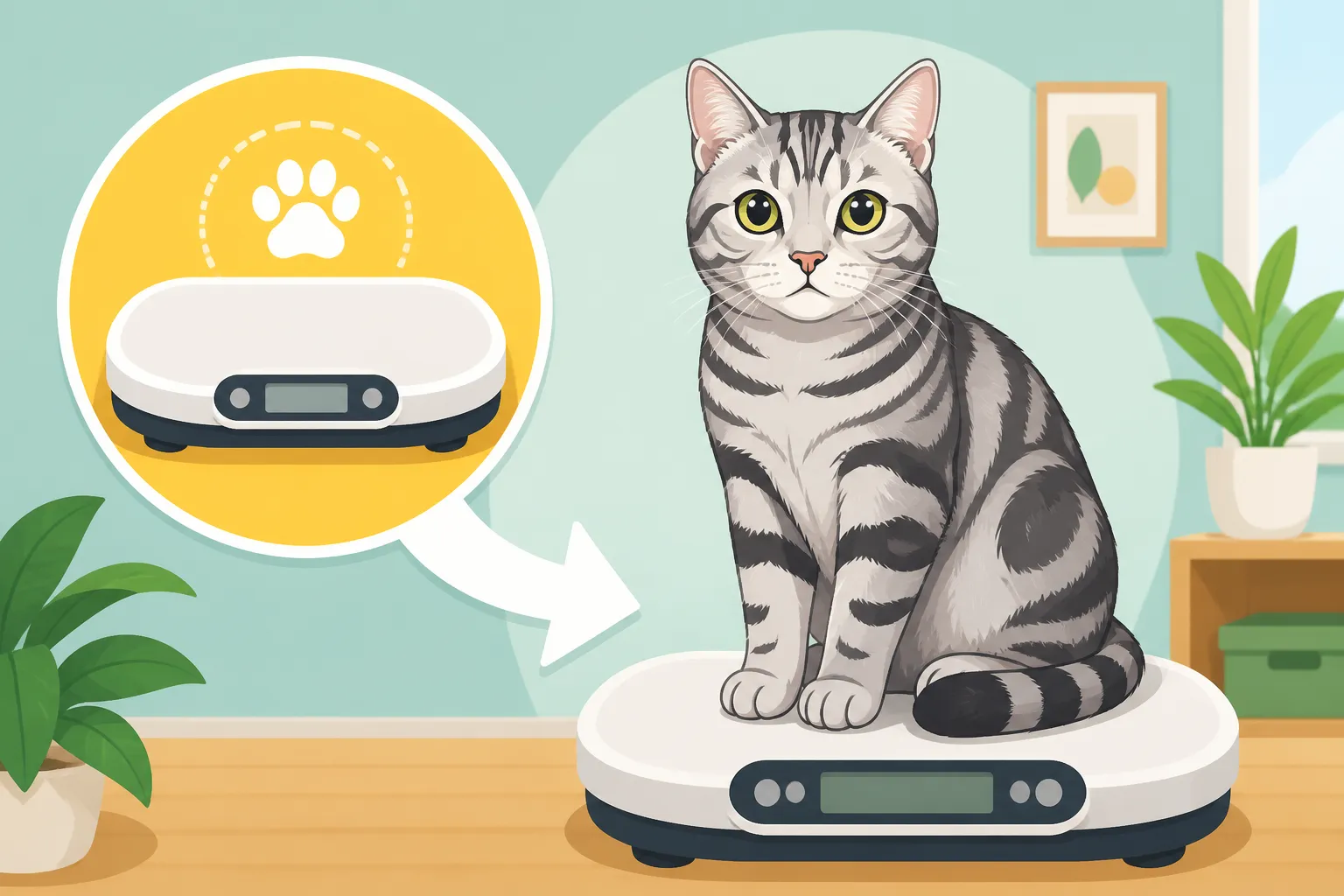
When it comes to weighing your American Shorthair, you essentially have two main options: investing in a dedicated pet scale or getting creative with items you already own. Dedicated pet scales are designed specifically for animals, often featuring a low profile, a wide platform, and a sturdy build. Some even have a "hold" function, which is incredibly useful if your cat is squirmy, as it locks in the weight even if they shift around a bit. You can find a good range of these on online retailers like Chewy or Amazon, offering various price points and features.
However, you absolutely don't need a specialized pet scale. Many people successfully use baby scales, which are readily available and often quite accurate for small to medium-sized pets. If you don't want to buy anything new, your regular human bathroom scale can also work, but it requires a slight adjustment to the method, which we’ll cover shortly. The most important thing is that whichever scale you choose, it provides consistent readings and is comfortable enough for your cat to tolerate for a brief moment. Prioritize stability and ease of reading over high-tech features.
Creating a Calm Weighing Environment
The environment where you weigh your American Shorthair is just as important as the scale itself. Cats are creatures of routine and sensitive to change, so a calm, quiet, and familiar space is essential. Choose a consistent location in your home, perhaps a quiet corner of a room they already feel safe in, away from loud noises, other pets, or bustling foot traffic.
Before you even bring out the scale, spend some time getting your cat used to the designated area. You might place a favorite blanket or toy there, or even offer a special treat. When you introduce the scale, do it gradually. Let them sniff it, explore it, and even jump on it without the pressure of actually being weighed. Place a soft towel or a thin, familiar mat on the scale surface to make it more comfortable and less intimidating. The goal is to make the scale a neutral or even positive object, not something associated with fear or restraint. If you rush it, you risk creating a negative association that will make future weigh-ins far more difficult.
Keeping Track of the Numbers
Gathering the weight reading is only half the battle; the other half is meticulously tracking it. A notebook dedicated to your American Shorthair's health is a fantastic idea. Record the date, their weight, and any observations you might have – for example, "a bit sluggish today" or "eating more than usual." This written record allows you to see trends over time that might not be obvious from a single reading.
| Date | Weight (lbs) | Notes |
|---|---|---|
| 2024-03-01 | 12.5 | Normal, active, good appetite |
| 2024-04-01 | 12.6 | Slight increase, still playful |
| 2024-05-01 | 12.8 | Starting to look a little rounded |
| 2024-06-01 | 13.0 | Noticeably heavier, less agile |
| 2024-07-01 | 12.9 | Steady, but still needs attention to diet |
You can also use a simple spreadsheet or a pet health app on your phone. The important part is having an organized, easily accessible record that you can share with your vet during appointments. This data is invaluable for monitoring their overall well-being and quickly identifying any significant deviations from their established healthy weight. Remember, consistency in recording is key to noticing those subtle shifts that are so vital for early intervention.
Step-by-Step Methods for Weighing Your Cat
Weighing an American Shorthair might sound tricky, especially if you have a particularly independent or "spicy" feline. But with the right technique and a healthy dose of patience, it's entirely doable. We'll explore two common methods, catering to different cat personalities and available equipment.
The Carrier or Pet Box Method for Reluctant Cats
This method is a lifesaver for cats who are less than thrilled about being handled or placed directly on a scale. It utilizes their carrier, which many cats tolerate more readily, or even a sturdy cardboard box they're comfortable in. First, grab your pet carrier – hopefully, one that your American Shorthair is already accustomed to, maybe even associating it with treats or a cozy nap. You can gently place a soft blanket inside to make it more appealing.
Next, place the empty carrier or box on your human bathroom scale and weigh it. Write this weight down immediately. This is your "tare" weight. Now, coax your American Shorthair into the carrier. You might use treats, a favorite toy, or even just a calm, gentle approach. Once they're inside, place the carrier with your cat back on the scale. Get the total weight and subtract the tare weight of the empty carrier. The difference is your cat's weight! This method minimizes direct handling and can be less intimidating for nervous cats. For larger American Shorthairs, you might need a heavier-duty scale if your bathroom scale maxes out or if the carrier is too big.
The Human Bathroom Scale Method for Calm Cats
If your American Shorthair is a bit more laid-back and tolerant of being picked up, you can use your regular human bathroom scale. This is often the quickest and easiest method, assuming your scale is accurate for lighter weights. Start by weighing yourself alone on the scale and record your weight. Then, pick up your American Shorthair gently but securely, making sure they feel safe and supported.
Step back onto the scale with your cat in your arms. Once the scale settles, record the combined weight. Now, for the math part: subtract your weight (from the first step) from the combined weight. The result is your American Shorthair's weight. This method works best if your cat is comfortable being held and if you can get a stable reading quickly. It also helps if you have a digital scale that can lock in a reading, as even a slight shift from your cat can throw off the numbers. Remember, patience and a calm demeanor on your part will go a long way in making this a positive experience for your feline companion.
Recording and Tracking Your Cat's Weight
Once you have your American Shorthair's weight, the crucial next step is to record it immediately and consistently. As mentioned earlier, a dedicated logbook or a digital spreadsheet is ideal. Make sure to note the date and the exact weight. Consistency in when you weigh them also matters – try to do it at the same time of day, ideally before breakfast, to minimize fluctuations from food and water intake.
Beyond just the number, make notes about your cat's general demeanor, appetite, and activity levels. Did they seem more playful than usual? Were they a bit lethargic? Any changes in coat condition or litter box habits? These observations, coupled with weight data, paint a much clearer picture of their overall health. Over time, this detailed record will become an invaluable resource, allowing you to easily spot trends, track the effectiveness of diet changes, or quickly notice if your cat starts drifting from their ideal weight. This proactive approach is key to an American Shorthair's long-term well-being.
Interpreting Your American Shorthair's Weight Changes
Knowing how to weigh your American Shorthair is only half the battle; understanding what those numbers mean is just as critical. Your cat's weight isn't a static figure; it will naturally fluctuate slightly. However, recognizing when these fluctuations become significant enough to warrant concern is vital for their health.
What Constitutes a Significant Change
It’s easy to panic over every tiny decimal point, but a healthy cat's weight can vary by a few ounces throughout the day due to eating, drinking, and using the litter box. A truly significant change, one that should catch your attention, is generally considered to be a 5-10% shift in their body weight. For an American Shorthair that weighs, say, 12 pounds, a 0.6 to 1.2 pound change is noteworthy.
A consistent trend over several weeks or months is far more telling than a single reading. If your American Shorthair has gained a pound over two months, that's a different story than gaining a pound in a single week. Conversely, if they've slowly shed a pound or two over half a year, that's also something to address. The speed and direction of the change, coupled with their baseline weight, are what truly indicate whether it's time to consult with your veterinarian. Don't hesitate to reach out if you're unsure; it's always better to be safe than sorry when it comes to your cat's health.
The Risks of Being Overweight
Many American Shorthairs, with their solid, muscular build, can easily become overweight, especially once their 'mousing' job has retired to the living room sofa. Their natural appetite, developed over centuries of needing to hunt for every meal, often outstrips the calories they burn in a comfortable indoor environment. It's often difficult for owners to spot, as their square frame can disguise a growing waistline. You might find this useful: How to Spot Weight Gain on a Square Built American Shorthair.
Being overweight isn't just about looking a little chunky; it carries serious health risks for your American Shorthair. It puts immense strain on their joints, potentially leading to arthritis or exacerbating existing hip issues – a particular concern for a breed with their sturdy frame. Obesity also significantly increases the risk of developing diabetes, liver disease (like fatty liver syndrome, which can be life-threatening), and certain types of cancer. It can even shorten their lifespan and reduce their quality of life, making it harder for them to groom themselves, jump, and play. Recognizing these risks is the first step in addressing any weight gain you might observe. You can delve deeper into the issue by reading What Extra Weight Does to an American Shorthair's Working Frame.
The Dangers of Unexplained Weight Loss
While weight gain often gets more attention, unexplained weight loss can be an even more urgent red flag. If your American Shorthair is losing weight without any intentional dietary changes or increase in activity, it's crucial to seek veterinary attention promptly. Cats can lose weight for a myriad of reasons, many of which are serious and require immediate medical intervention.
Conditions such as hyperthyroidism, kidney disease, dental problems, inflammatory bowel disease, or even various types of cancer can all manifest as weight loss. A cat might be eating normally, or even more, yet still losing weight if their body isn't absorbing nutrients properly or if their metabolism is in overdrive. Their stoic nature means they often don't show other obvious symptoms until the disease is advanced. Therefore, consistent monitoring of their weight at home is a critical tool for detecting these silent threats early. Never ignore unexplained weight loss in your American Shorthair; it's a call to action for a vet visit.
American Shorthair Specific Weight Considerations
The American Shorthair is a unique breed, not just in temperament, but in physique. Understanding their particular build and historical context is essential when assessing their weight and overall health. They aren't built like a slender Siamese or a fluffy Persian, and their needs reflect their origins.
Their Muscular, Robust Build
The American Shorthair was originally bred for utility – they were working cats, adept at mousing on farms and ships. This history gave them a naturally robust, muscular build with a broad chest and powerful legs. They are substantial cats, not delicate, and their healthy weight often reflects this solid frame. A 10-pound American Shorthair might be underweight, while a 15-pound one could be perfectly healthy, depending on their individual structure. It's truly about proportion. You can explore How to Judge an American Shorthair's Ideal Weight by Frame for more insights.
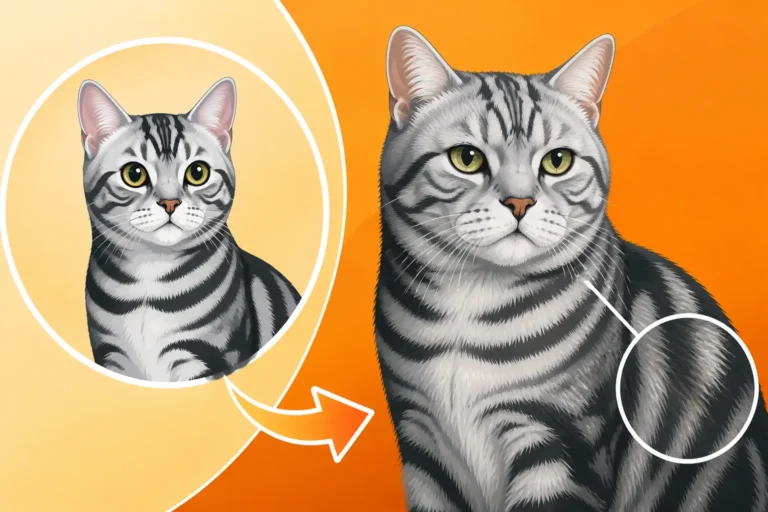
Because of this sturdy build, it can be deceptively easy for an American Shorthair to carry a few extra pounds without looking overtly "fat" to the untrained eye. Their dense coat can also obscure early signs of weight gain. Instead of looking for obvious rolls of fat, you need to rely on palpation: gently feel along their ribs. You should be able to feel their ribs with slight pressure, but they shouldn't be visibly prominent. A visible waistline when viewed from above is also a good indicator of a healthy weight. Their inherent muscularity means they have a higher lean body mass, which requires adequate nutrition but also makes excess fat a serious issue.
The Lifestyle Shift and Appetite
Centuries of hunting for their meals ingrained a strong appetite and an efficient metabolism in the American Shorthair. Their ancestors expended significant energy stalking, chasing, and catching prey, so eating heartily was a survival mechanism. Fast forward to today, and most American Shorthairs live comfortable indoor lives, with food readily available in a bowl and far fewer opportunities for strenuous exercise. This dramatic shift in lifestyle often creates a calorie imbalance. This is something worth reading about: Feeding an American Shorthair That No Longer Hunts Its Food and Why an American Shorthair's Appetite Outlasted Its Job.
The problem isn't that they're lazy; it's that their genetics are still wired for a more active, calorie-burning existence. They still have that robust appetite, but How Many Calories an Indoor American Shorthair Burns is significantly less than their barn-dwelling ancestors. This disparity makes them particularly prone to weight gain if their diet isn't carefully managed. Free-feeding, where food is left out all day, can be a particular culprit. Understanding this inherent predisposition to gain weight is critical for American Shorthair owners. It means we have to be extra diligent in managing their portions and ensuring they get enough mental and physical stimulation to keep that metabolism engaged. If you're looking for quality food options, specialized weight-management formulas or fresh food with tailored nutritional plans are worth exploring.
Managing Weight Through Their Senior Years
As your beloved American Shorthair gracefully enters their senior years, typically around 11-12 years of age, their metabolism will naturally slow down even further. Activity levels often decrease due to age-related joint stiffness or simply less energy. This combination makes them even more susceptible to weight gain. It’s a common misconception that all older cats get thin; many actually gain weight, which then exacerbates issues like arthritis or heart conditions. Regular weigh-ins become even more critical during this stage of life. If you're interested in senior specific care, Why an Old American Shorthair's Weight Should Be Watched is a great resource.
However, senior weight management isn't just about preventing gain. Sometimes, unexplained weight loss in an older American Shorthair can signal underlying conditions like kidney disease, hyperthyroidism, or even dental problems that make eating painful. You might notice they're still eating, but maybe they're dropping bits of food, or losing muscle mass. The key is balance: keeping them at a healthy, lean weight to support their joints and organs, but also being vigilant for any unintended weight loss. Your veterinarian can help tailor a diet plan appropriate for their age and health status. How a Vet Builds an American Shorthair's Weight Loss Plan can give you an idea of what that might entail. Paying close attention to their weight, coupled with senior vet checks, will help ensure their golden years are as comfortable and healthy as possible. Don't forget that Why a Neutered American Shorthair Puts On Weight Faster also applies here, as most cats are neutered long before their senior years.
Disclaimer
This article is for general informational purposes only and does not constitute professional advice. Laws, prices and regulations vary by location and change over time. Consult a qualified professional for guidance on your specific situation.