What Confusion Looks Like in an American Shorthair Past Sixteen
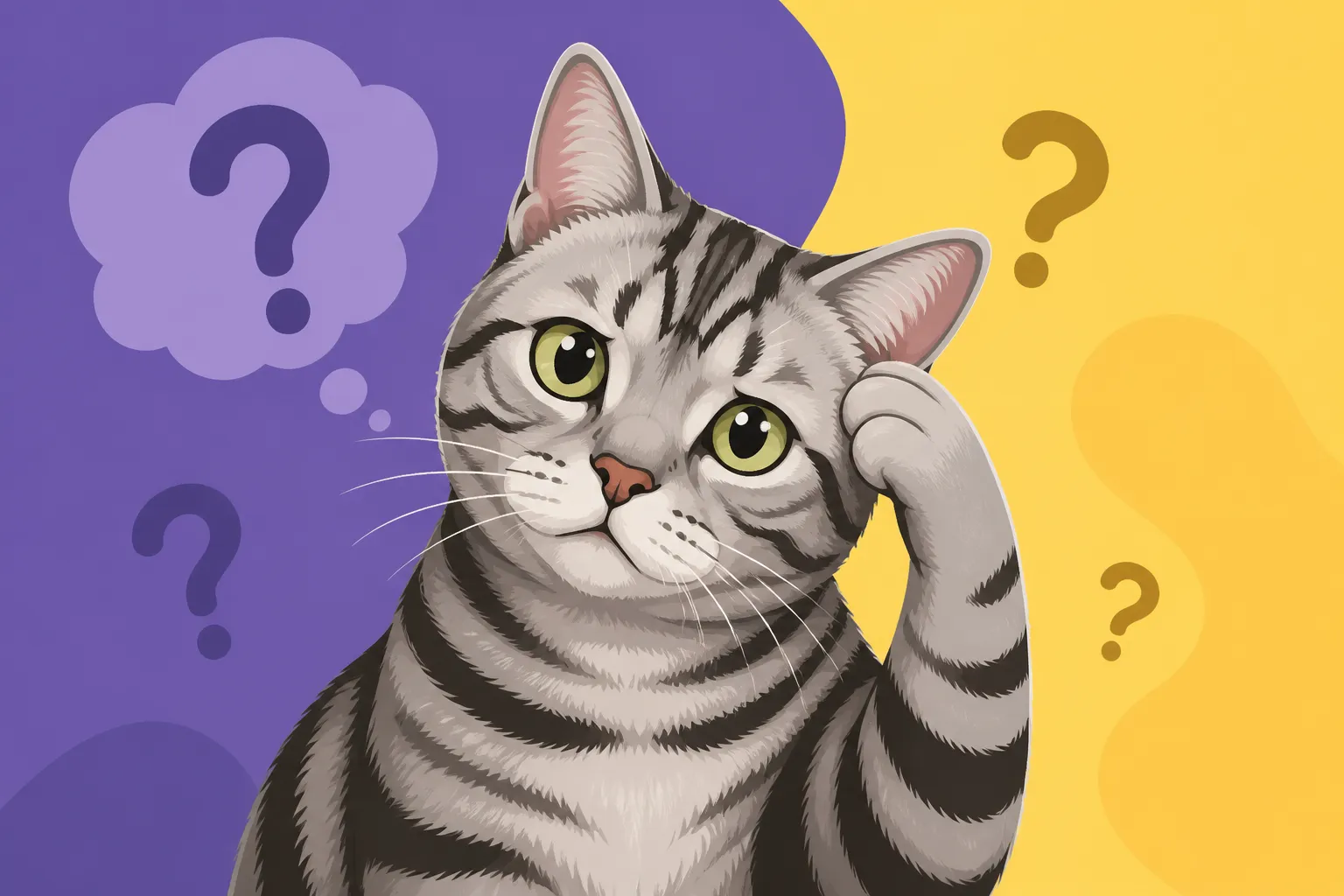
It’s truly heartbreaking to watch our beloved feline companions age, especially when their sharp minds, which we’ve come to know and love, start to waver. Seeing an American Shorthair who has always been so self-assured and independent suddenly seem lost or confused can be incredibly distressing. This guide is here to help you understand what confusion looks like in an American Shorthair who is sixteen years and older, how to distinguish it from other senior ailments, and what steps you can take to support them through this natural, albeit difficult, stage of life.
Recognizing the Subtle Signs of Cognitive Decline
When an American Shorthair reaches those golden years, typically past the age of twelve but especially after sixteen, we often see changes that are easy to dismiss as "just old age." However, many of these subtle shifts can be early indicators of Feline Cognitive Dysfunction (FCD), sometimes called "cat dementia." Catching these early signs can help you provide better support sooner.
Changes in Routine and Sleep Patterns
One of the first things you might notice is a disruption in their once-predictable schedule. Your American Shorthair, who probably had a rigorous internal clock for breakfast, naps, and evening patrols, might start getting things a bit mixed up.
Imagine your usually stoic and quiet American Shorthair suddenly pacing restlessly at 3 AM, meowing mournfully as if they don't know where they are, even though they're in the middle of your living room. During the day, they might be sleeping more profoundly than usual, perhaps in unusual spots, only to be wide awake and disoriented when you're trying to sleep. This isn't just a quirky shift in sleep habits; it's often a sign that their internal clock, governed by their brain, is no longer keeping accurate time. They might struggle to differentiate between day and night, leading to a reversed sleep-wake cycle that can be challenging for both of you.
Subtle Spatial Disorientation
Another early sign can be a mild, intermittent confusion about their surroundings. It's not that they're completely lost, but there might be moments of hesitation.
Think about your cat, who has navigated your home countless times, suddenly pausing at a familiar doorway. They might stand there for a moment, head tilted, as if trying to recall where they're supposed to go or if this is the right path. Perhaps you notice them walking into a corner and seeming to get "stuck" for a moment before backing out, or approaching the wrong side of a closed door, staring at it blankly. These aren't dramatic episodes, but rather fleeting moments of uncertainty that, when pieced together, can paint a picture of emerging cognitive decline. It's like their internal GPS is experiencing slight delays or recalculations.
Decreased Interaction and Social Changes
Our American Shorthairs, while often independent, usually have their own ways of showing affection and engaging with their family. A shift in these social behaviors can be a red flag.
You might notice your cat, who once greeted you at the door or settled beside you on the sofa, now seems less interested in these interactions. They might spend more time alone, perhaps hidden away, or they might become less responsive to their name or your voice. Sometimes, cognitive changes can manifest as increased irritability; a cat who once tolerated being petted might now lash out or withdraw quickly. It’s not that they’ve suddenly become aloof, but rather that the social cues and interactions they once enjoyed may now be confusing or overwhelming for them. This can feel like a personality shift, and it’s important to remember it’s not intentional.
Classic Manifestations of Confusion in Senior American Shorthairs
As cognitive decline progresses, the subtle signs can give way to more pronounced and unmistakable behaviors that clearly indicate confusion. These are often the behaviors that prompt owners to seek veterinary advice.
Getting Lost in Familiar Surroundings
This is perhaps one of the most heartbreaking signs to witness. A cat who has known every inch of your home for years can suddenly appear utterly disoriented within it.
Imagine your senior American Shorthair standing in the middle of a room, staring blankly at a wall or into an empty corner, meowing with an anxious, lost tone. They might circle aimlessly or try to push their way through a solid object, clearly unable to process their environment correctly. It’s as if their internal map of the house has been scrambled. They might get "trapped" behind a piece of furniture they once easily navigated around or wander into a room and then seem unable to find their way back out. This level of disorientation isn't just forgetfulness; it's a profound loss of spatial awareness and can be incredibly frightening for the cat.
Changes in Elimination Habits
One of the most common and frustrating signs of FCD for owners is when a previously perfectly litter-trained American Shorthair starts having accidents outside the box.
This isn't a behavioral protest; it's often a sign that their cognitive abilities are impacting their learned habits. They might forget where the litter box is located, or they might simply "forget" the process of using it. Sometimes, they'll eliminate right next to the box, indicating they knew the general area but couldn't quite remember the specifics. In other cases, they might be disoriented and simply relieve themselves wherever they happen to be when the urge strikes. It's essential not to punish them for these accidents, as it will only increase their stress and confusion. Instead, focus on providing more litter boxes in easily accessible locations, perhaps with lower sides if mobility is also an issue, as discussed in Caring for an American Shorthair Past Twelve.
Altered Vocalization
Many American Shorthairs are not overly vocal, often communicating with quiet trills or chirps. When confusion sets in, their vocalizations can become dramatically different.
You might hear excessive meowing, howling, or caterwauling, often at night when the house is quiet, and their disorientation might be heightened. This vocalization is typically not directed at anyone; it sounds like a cry of distress or a cat calling out because they feel lost or anxious. It can be continuous and loud, significantly disrupting your household and making it clear that your cat is not comfortable or content. While it can be disturbing to hear, it's their way of expressing profound confusion and anxiety, and it warrants a veterinary check-up to rule out pain or other medical issues that might be contributing to the vocalizations.
Repetitive Behaviors
Just like humans experiencing cognitive decline, senior American Shorthairs can develop repetitive or compulsive behaviors as a manifestation of their confusion.
This might include incessant pacing back and forth along a wall or in a tight circuit, often with a blank stare. Some cats might lick themselves or objects excessively, almost as if trying to self-soothe or simply getting stuck in a behavioral loop. You might also notice them staring at objects for prolonged periods, seemingly fixated on something that isn't there or unable to break their gaze. These behaviors indicate a disrupted thought process and a struggle to engage meaningfully with their environment. Providing some gentle, low-stress mental stimulation, like a puzzle feeder (as explored in Whether a Puzzle Feeder Satisfies an American Shorthair), might help redirect some of this restless energy.
Differentiating Confusion from Other Senior Health Issues
It's crucial to understand that not every change in an aging American Shorthair is due to cognitive decline. Many other age-related health problems can mimic the signs of confusion, making a thorough veterinary examination absolutely essential. Skipping this step means potentially missing a treatable condition.
Pain and Discomfort
Chronic pain is incredibly common in senior cats and can often present as behavioral changes that look a lot like confusion.
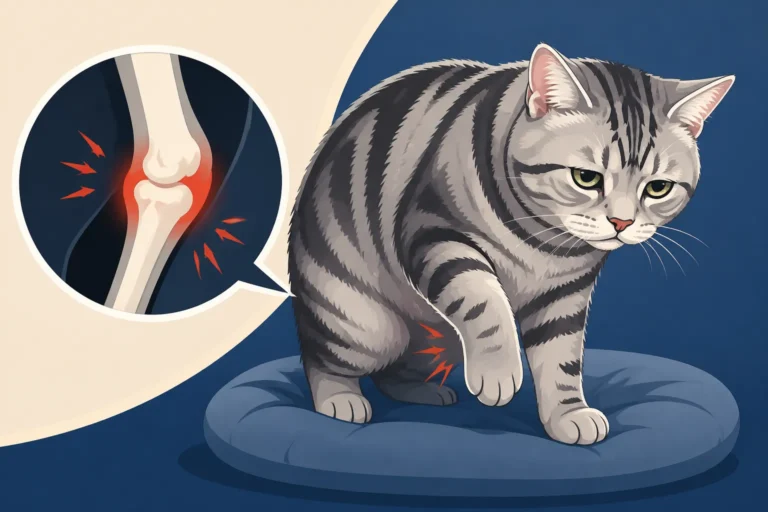
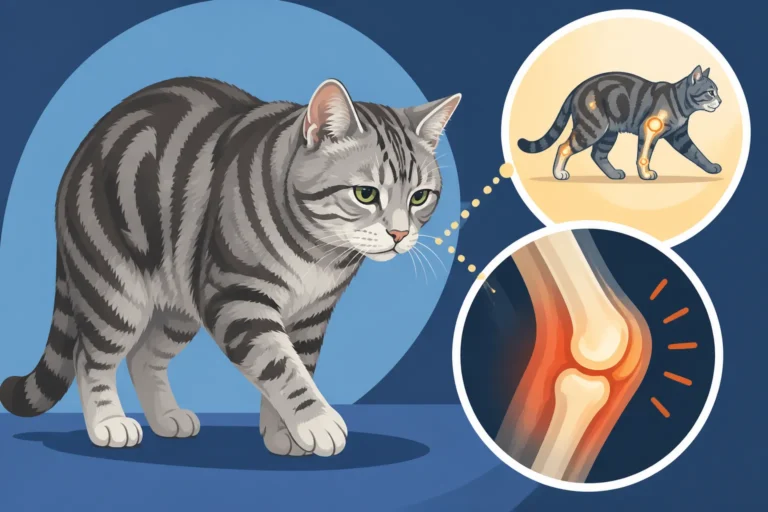
An American Shorthair with untreated arthritis might stop using the litter box because it's painful to climb in and out, not because they've forgotten where it is. They might become withdrawn or irritable because they hurt, leading to a decrease in interaction that could be mistaken for cognitive decline. A cat crying out at night might be disoriented, but they could also be experiencing a painful flare-up of an old injury. Since American Shorthairs are known for being stoic, they often hide pain until it's severe, which is why a limp in a stoic American Shorthair is never minor. Understanding How an Old American Shorthair Shows Its Joints Hurt is vital to properly assessing their condition. A vet can assess for orthopedic issues and prescribe pain management, which can dramatically improve their quality of life and reduce what might appear to be confusion. This is where comprehensive pet insurance like Healthy Paws can truly alleviate the financial burden of managing chronic pain conditions in older cats.
Vision and Hearing Loss
As our American Shorthairs age, their senses can naturally decline, which can easily be mistaken for cognitive issues.
A cat bumping into furniture or seeming disoriented in low light might simply be experiencing age-related vision loss. They might startle easily or ignore your calls if their hearing is diminishing. These sensory deficits can lead to behaviors that appear confused, such as hesitation when navigating familiar spaces or increased vocalization due to feeling vulnerable. Learning How to Tell If an Old American Shorthair Has Gone Deaf can help you adapt their environment to make them more comfortable. It's important for a vet to test their vision and hearing to rule out these possibilities, as adapting the environment for sensory loss is different from managing FCD.
Underlying Medical Conditions
Perhaps most importantly, several medical conditions can cause symptoms identical to those of Feline Cognitive Dysfunction. A vet visit is not just about confirming FCD; it's about ruling out these other, often treatable, issues.
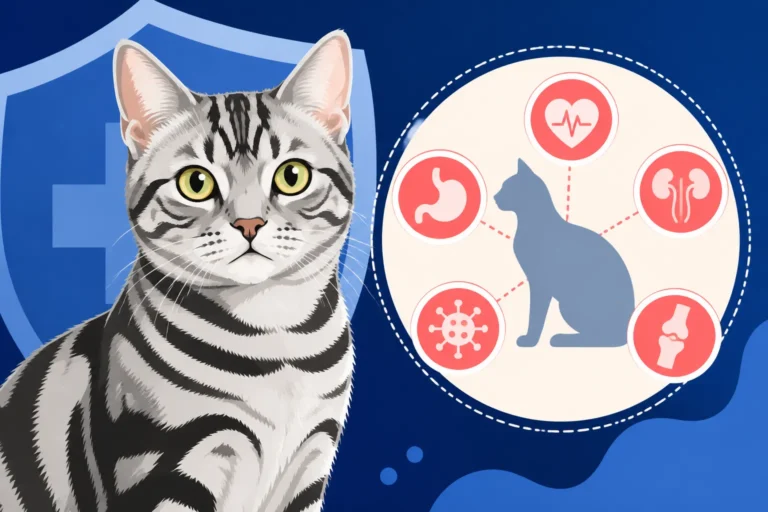
Conditions like hyperthyroidism, kidney disease, hypertension, and even brain tumors can manifest as behavioral changes, disorientation, increased vocalization, and altered sleep cycles. For instance, Why Hyperthyroidism Catches a Long Lived American Shorthair is a common concern, as an overactive thyroid can cause restlessness, weight loss, and excessive vocalization that could be misread as FCD. Similarly, How Kidney Disease Creeps Up on an Old American Shorthair and its associated toxins can lead to lethargy and confusion. Regular senior bloodwork and physical exams, as part of a routine check-up, are critical for early detection and treatment of these conditions. Your vet may recommend a senior panel, which also includes checks for hypertension and other age-related concerns. These tests can reveal a treatable cause for your cat's confusion, offering hope for improved quality of life. Access to good vet care for these diagnostic tests is another area where pet insurance, like a plan from Healthy Paws, can be incredibly beneficial.
Supporting Your Confused American Shorthair
Once you’ve had a thorough veterinary check-up and ruled out other underlying medical issues, it’s time to focus on supporting your American Shorthair through their cognitive changes. While there's no cure for FCD, there are many ways to enhance their comfort and quality of life.
Creating a Safe and Predictable Environment
For a confused cat, predictability and ease of navigation are paramount. Simple environmental adjustments can make a profound difference in their daily stress levels.
Keep furniture in consistent locations to prevent further disorientation. If your cat tends to get lost in certain areas, consider gently blocking them off, or placing nightlights in hallways and common areas to help them navigate during their restless nighttime hours. Provide easily accessible litter boxes, perhaps more than one spread throughout the house, with lower sides for easier entry, especially if they have joint pain. Clear pathways of clutter, ensuring they don't trip or get stuck. A familiar, comfortable bed in a quiet, undisturbed location can offer a much-needed sanctuary. Remember, their world is already confusing, so making their immediate environment as stable and intuitive as possible is a huge kindness.
Enrichment and Mental Stimulation
While they may be confused, keeping their minds gently active can help slow decline and improve their engagement. The key is gentle, low-stress enrichment.
Continue engaging them in short, calm play sessions using their favorite toys, especially wand toys that simulate hunting. Don't push them if they're not interested, but offer the opportunity. Puzzle feeders, which you can fill with a portion of their daily kibble, encourage them to "work" for their food, mimicking their natural hunting instincts and engaging their brains. Introduce new, safe scents (like catnip or specific feline pheromone sprays) in a controlled way to stimulate their olfactory senses. Maintain a consistent daily routine for feeding, play, and bedtime; this predictability provides comfort and structure when their internal clock is unreliable. Even a few minutes of gentle interaction and mental engagement can be beneficial. For more ideas on engaging their natural instincts, you might look into Whether a Puzzle Feeder Satisfies an American Shorthair.
Dietary and Supplemental Support
Nutrition plays a significant role in overall brain health, and there are specific dietary considerations and supplements that your vet might recommend for a cat with FCD.
Your veterinarian may suggest a prescription diet formulated to support cognitive function, which often contains enhanced antioxidants, omega-3 fatty acids, and other brain-supportive nutrients. While I can't name specific brands or prices, these diets are designed with the aging brain in mind. Additionally, supplements like S-Adenosylmethionine (SAMe), omega-3 fatty acids (DHA/EPA), and antioxidants are often recommended. These work to protect brain cells, reduce inflammation, and support neurotransmitter function. Always discuss any dietary changes or supplements with your vet first to ensure they are appropriate for your cat's specific health needs and won't interact negatively with any other medications. This proactive approach to their diet can be an important part of Caring for an American Shorthair Past Twelve.
Veterinary Management and Medication Options
Ongoing veterinary care is paramount for managing FCD. Your vet is your best partner in navigating this challenging journey.
Regular check-ups, even if just for monitoring, are essential to catch any new health issues that arise or to adjust existing treatments. Your vet can reassess your cat's pain levels, sensory function, and overall health. If your American Shorthair's confusion is significantly impacting their quality of life, your vet might discuss medications that can help manage the symptoms of FCD. These medications aim to improve cognitive function or reduce anxiety and disorientation, making your cat more comfortable. They are not a cure but can offer significant symptomatic relief. Don't hesitate to ask your vet about all available options. Managing these consultations, tests, and potential medications can be costly, and this is precisely why investing in pet insurance like Healthy Paws, particularly for older cats, can provide immense peace of mind and ensure you can afford the best possible care without financial stress. Remember, even a stoic American Shorthair should see a vet if their behavior changes significantly, as a withdrawn American Shorthair should see a vet.
Distinguishing Normal Aging from Cognitive Dysfunction
It’s a fine line sometimes between typical signs of aging and the more concerning symptoms of cognitive dysfunction. Here’s a simple table to help you recognize the difference.
| Trait / Behavior | Normal Aging in American Shorthairs | Feline Cognitive Dysfunction (FCD) |
|---|---|---|
| Sleep Patterns | May sleep more, slightly shorter active periods, but generally consistent circadian rhythm. | Disrupted sleep-wake cycle, restless pacing at night, excessive daytime sleep, vocalizing at night. |
| Social Interaction | May be less playful or more sedentary, still enjoys familiar interactions on their terms. | Decreased interest in interaction, withdrawal, increased irritability, less recognition of familiar people. |
| Navigation/Spatial | Slower to move, may avoid jumping to high places due to arthritis. | Getting "lost" in familiar rooms, staring at walls, getting stuck in corners, difficulty finding litter box/food. |
| Litter Box Use | May have occasional accidents if mobility is painful, but generally good. | Frequent accidents outside the box despite accessibility, forgetting the location or process. |
| Vocalization | May be quieter, occasional greetings or demands. | Excessive, aimless, or distressed meowing/howling, particularly at night. |
| Learning/Memory | Slower to learn new tricks, may forget minor details, but core memories intact. | Forgetting familiar routines, commands, or even where their food bowl is, failure to respond to name. |
| Grooming | May groom less due to joint pain, coat might be a bit duller. | Disorganized grooming, matted fur in hard-to-reach places, excessive licking of one spot. |
Disclaimer
This article is for general informational purposes only and does not constitute professional advice. Laws, prices and regulations vary by location and change over time. Consult a qualified professional for guidance on your specific situation.